Workshop Tools
Best Grabo-Style Suction Lifters: 7 Tools Put Through Real-World Tests
Seven electric and manual suction lifters tested on steel, wood, dusty surfaces, side loads, and awkward materials, with clear winners at every price point.
Introduction
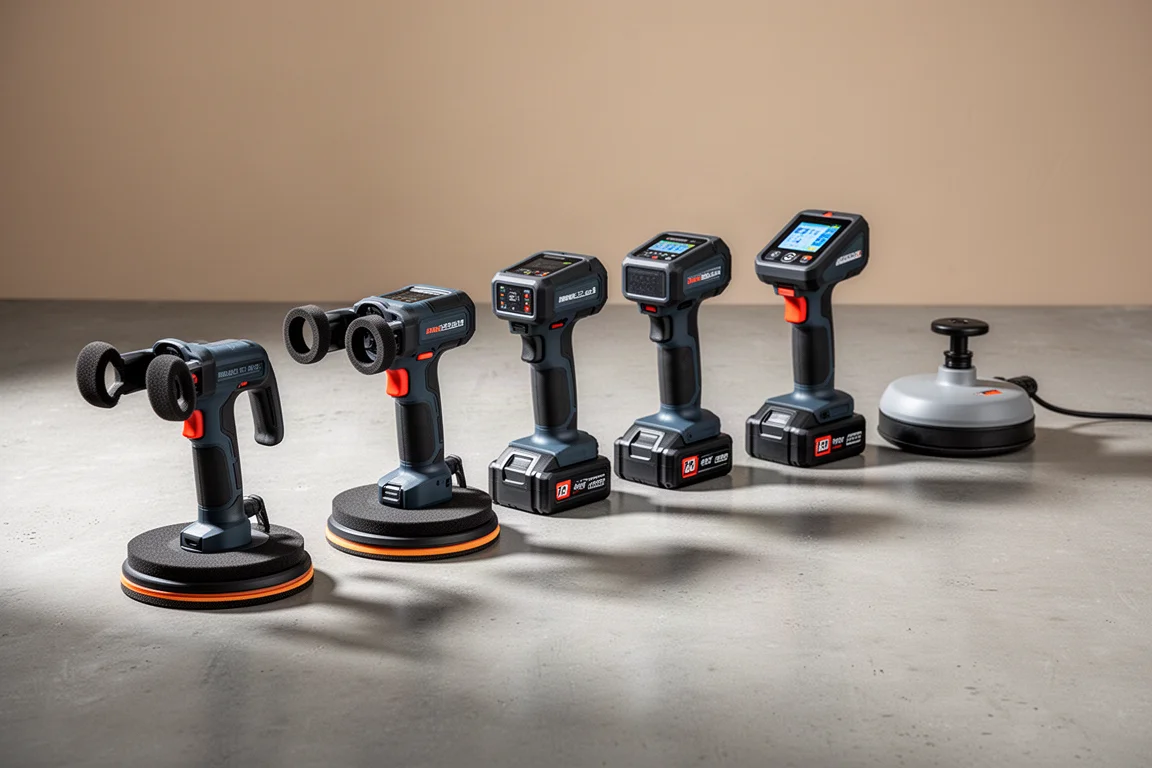
Suction lifter tools, popularized by the original Grabo, pull themselves powerfully onto work pieces like tile, countertops, and glass. In recent years they have become genuinely useful for construction work too, gripping materials like various types of wood for carrying sheet goods. That popularity has spawned a wave of alternatives, many advertising peak ratings as high as 300 kg or 660 lb each.
To find out which ones live up to the numbers, seven tools were tested on a steel work surface, wood boards, dusty surfaces, small obstacles that break the seal, side loads, and a range of real materials from 1/4-inch plywood to pine board, concrete, drywall, and LVT flooring. Here is how each one performed, in rough order of price.
How We Evaluated These Suction Lifters
Every tool went through the same battery of tests: peak pulling force on flat steel, performance on wood, behavior with dust spread across the sealing surface, ability to seal over small obstructions like thin splinters and sawdust stringers, resistance to side loads and sliding, and finally how many different materials each could actually grip.
That last category matters most, because the material lists on these products keep growing. Some may simply be glass mover tools being creative with their marketing. The tests below separate the real all-rounders from the one-trick cups.
DeWalt DCE592BB: The Premium Battery-Powered Pick
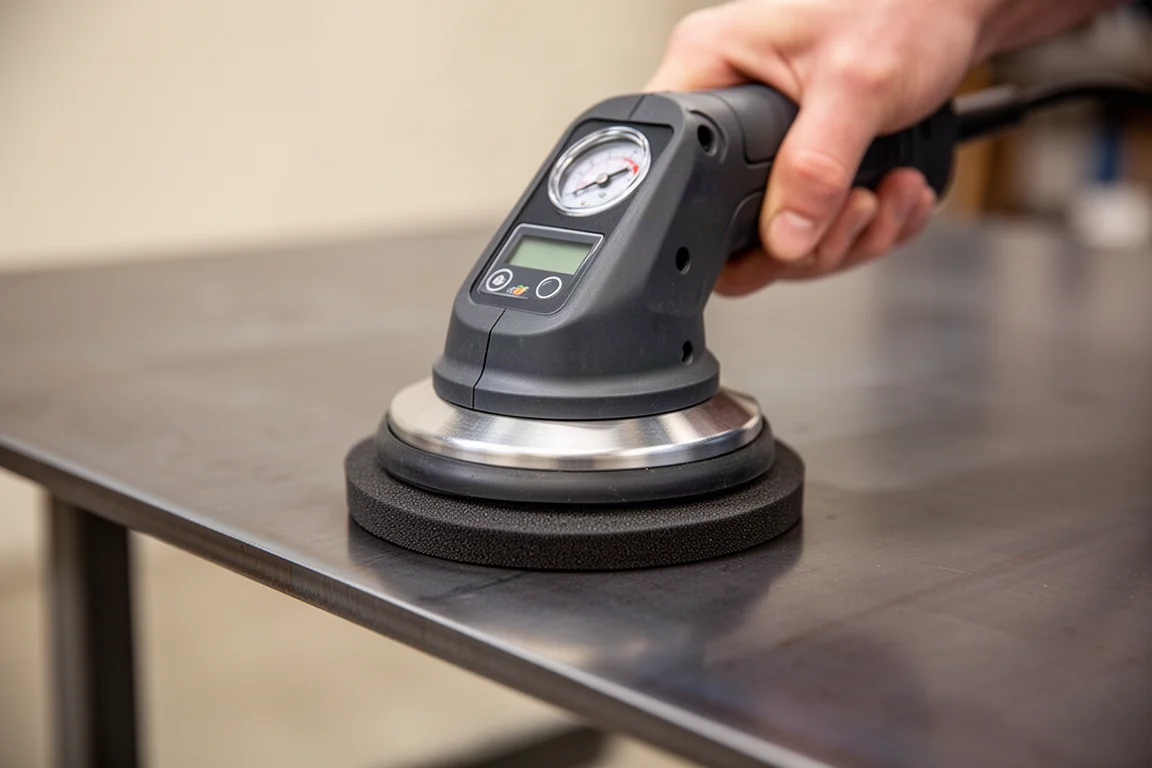
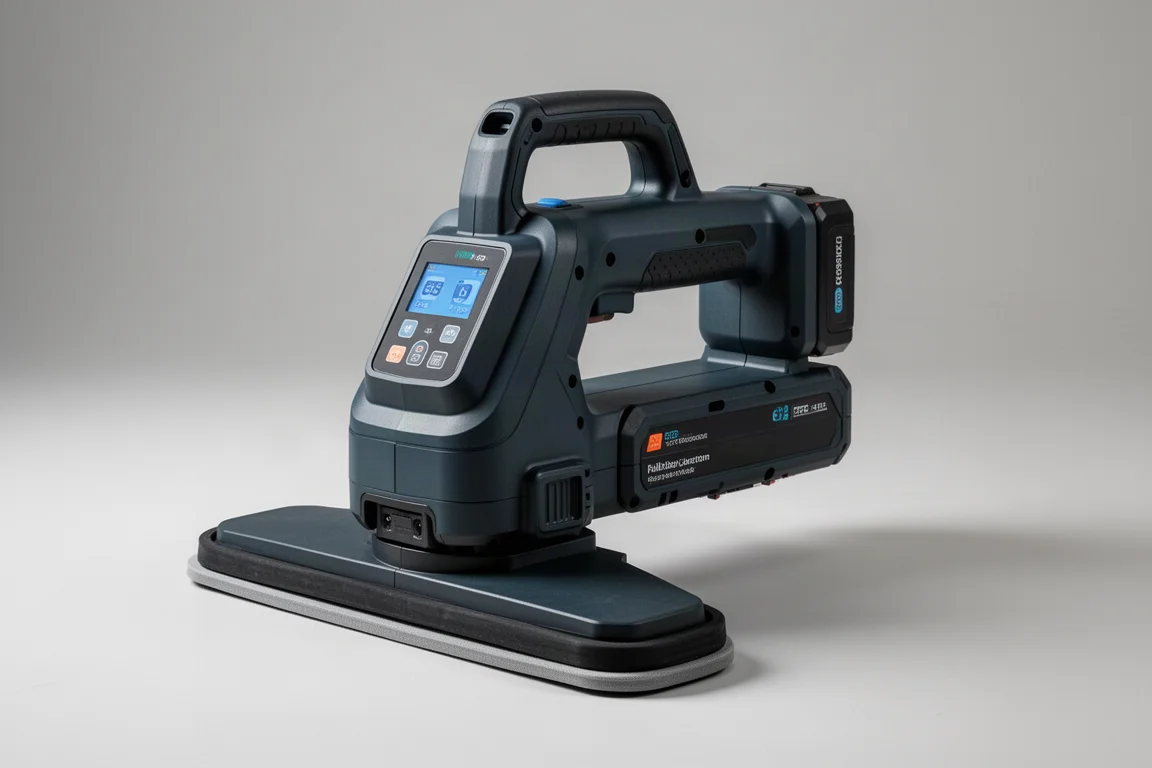
The DeWalt DCE592BB is a bare-tool Grabo-style suction lifter that runs on 20V DeWalt batteries. It is larger than pictures suggest, with a surprisingly high-tech design: a digital display showing suction in negative PSI and other units, typically reaching around -10.5 to -11.5 PSI depending on the surface.
The underside uses a hovercraft-like double boundary of medium-soft foam and rubber, with multiple suction ports, and DeWalt includes replacement parts for those ports and filters. DeWalt rates it at 265 lb, but on the steel test surface it took roughly 500 lb to unseat, peaking at 565.8 lb. Holding power does not increase with a bigger battery, so extra capacity just adds runtime. On wood it retained about 76.5% of its steel score, and with dust it dropped to 428 lb, still competitive.
One quirk: it lacks auto shutoff or automatic re-pumping. You have to turn it off yourself when the vacuum levels out, while cheaper competitors do this automatically. DeWalt charges $200 for the bare tool.
Grabo Pro Lifter: The Original, Still the All-Round Champion
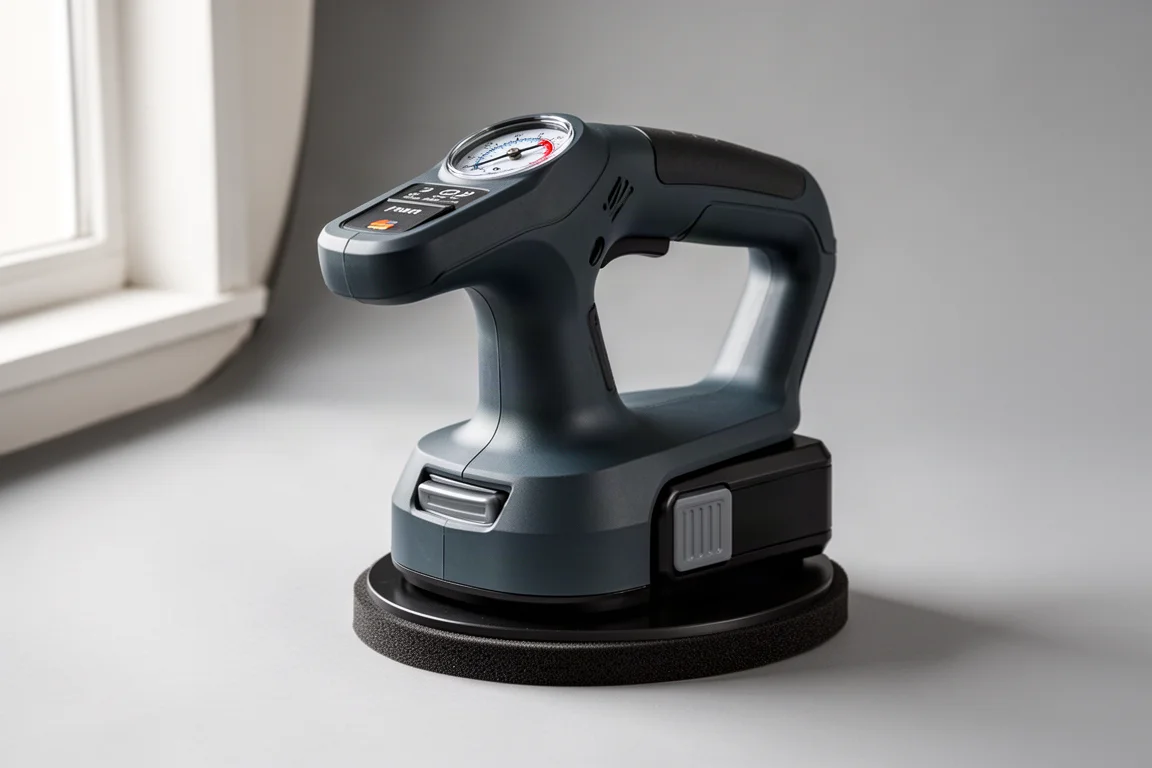
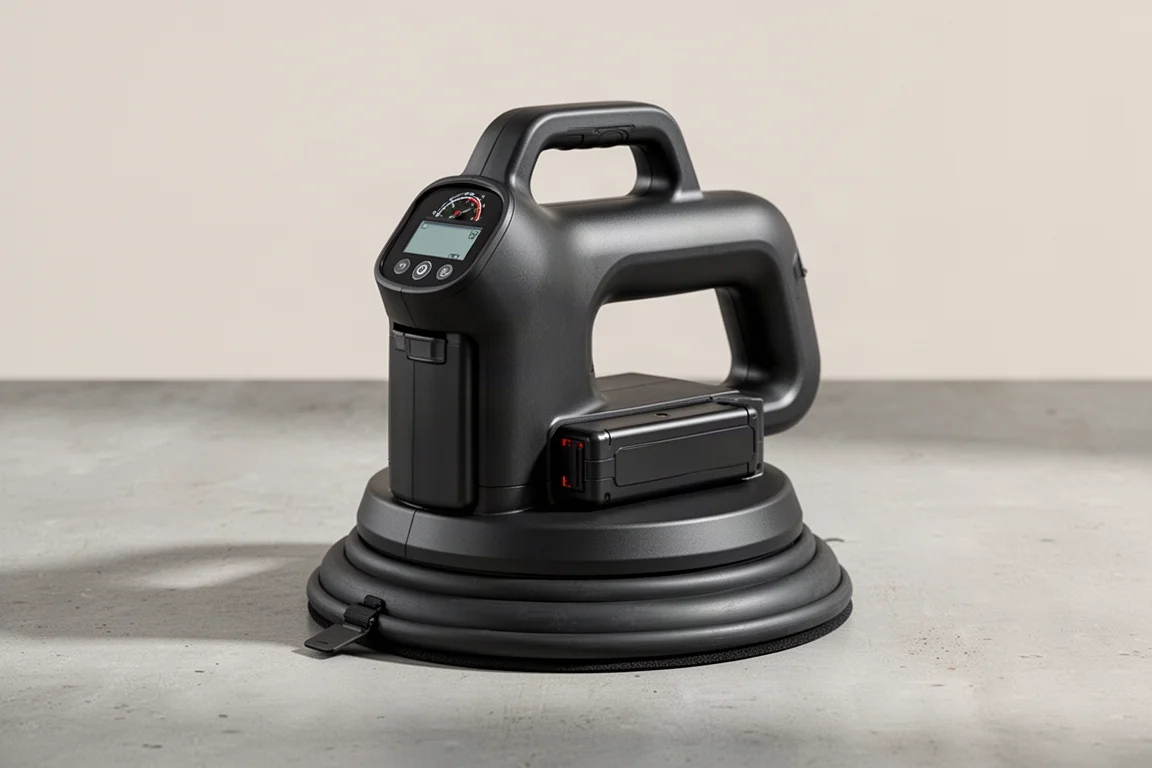
The original Grabo costs less than the DeWalt at around $170 to $175, includes a removable battery in the box, and carries a higher 375 lb rating. It has two vacuum ports instead of three and uses a dial vacuum gauge instead of a digital display, which works fine. The handle is comfy from multiple angles, though perhaps a bit large overall compared to the DeWalt’s easier grip.
In testing it pulled 470, 481, and 503 lb on steel, and then stood out where it counts. On wood it dropped only to 450.7 lb peak, about 90% of its baseline, the smallest drop of the entire group, confirmed over repeated attempts. With dust it fell just to 478.7 lb, good for first place. It was among the only tools, alongside the DeWalt, to hold vacuum on rough 1/4-inch plywood, particle board, and outdoor concrete. The soft foam seal also cinches down over small obstructions like flattened straw and sawdust splinters, earning it a top ranking.
The only place it underperformed was LVT flooring, likely because its size overlaps more seams. Averaged across all test rankings, it placed first overall at 1.43.
Performance on Wood and Construction Materials
This is where the field started to split. On a pine board, nearly every tool lost a similar chunk of performance: the DeWalt kept 76.5%, the Widen Tool about 75%, and the Sun Pai Pro and Tech Boy each held 78 to 79%. Only the Grabo and, to a lesser degree, the CC broke the pattern.
It is worth remembering that these are momentary force spikes, like what happens going downstairs or bumping a sheet against something. You will rarely be pulling with 300 lb yourself, but you want the hold to survive the surprise.

Widen Tool Electric Suction Cup: The $38 Surprise
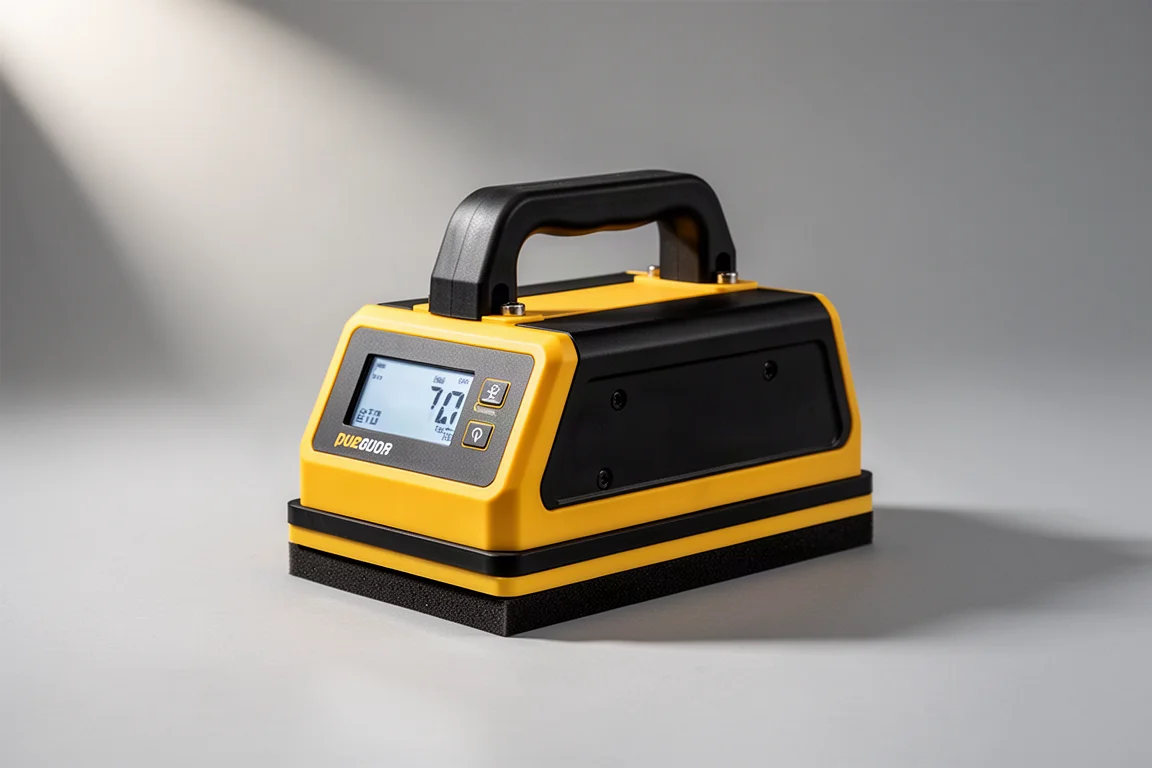
The Widen Tool electric suction cup costs just $38, which scales nicely if you need two or more, something the $200 DeWalt makes expensive fast. It is the only model tested without a swappable battery, using USB-C recharge instead, so you may want two units, one charging while the other works. The 4,500 mAh battery is decently sized, and the footprint is smaller than the DeWalt despite advertising a full 300 kg or 660 lb peak.
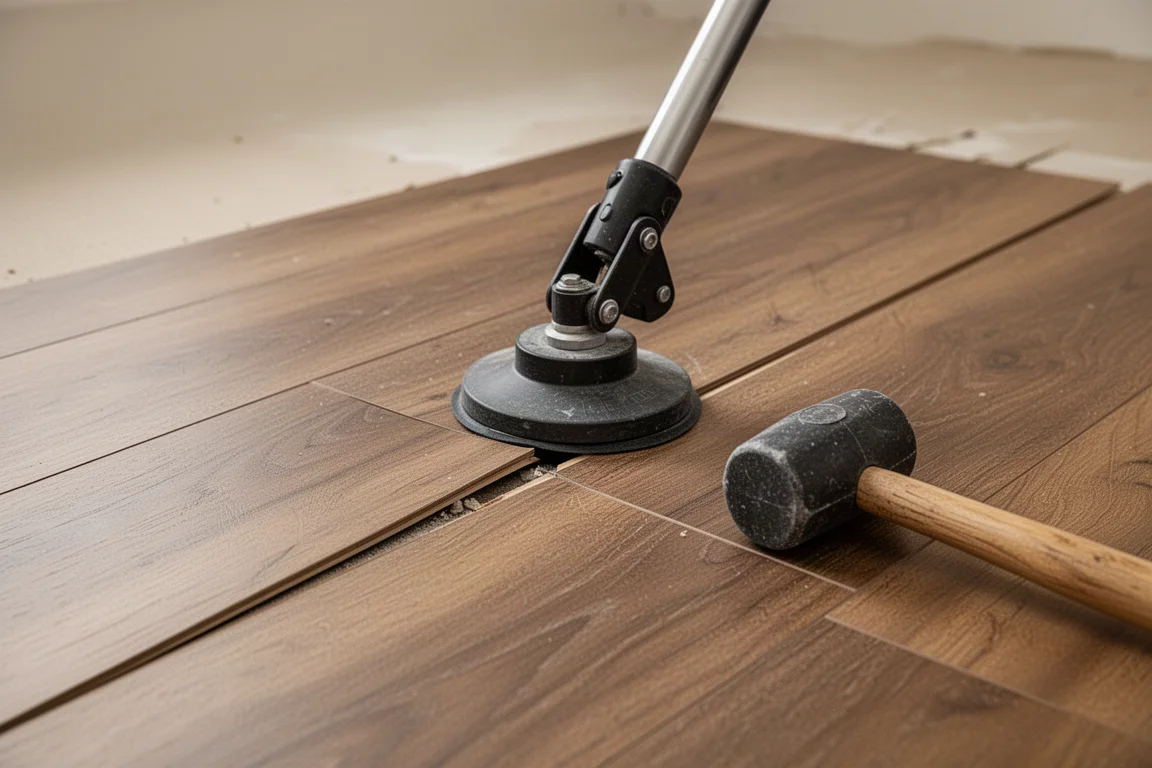
It delivered surprisingly close to the premium tools: 431.1, 400, 474.5, and a best of 501.2 lb on steel. On wood it kept about 75%, dropping from around 500 to 373.6 lb. With dust it managed 367.4 lb. It also excelled at LVT flooring, where the Grabos actually struggled, making it a smart cheat code for closing seam gaps: keep it running, move it over the gap, tap with a rubber mallet, and move on. It averaged a solid 3.71 across all rankings.
Sun Pai Pro Suction Lifter: Swappable Batteries, Mid-Pack Power
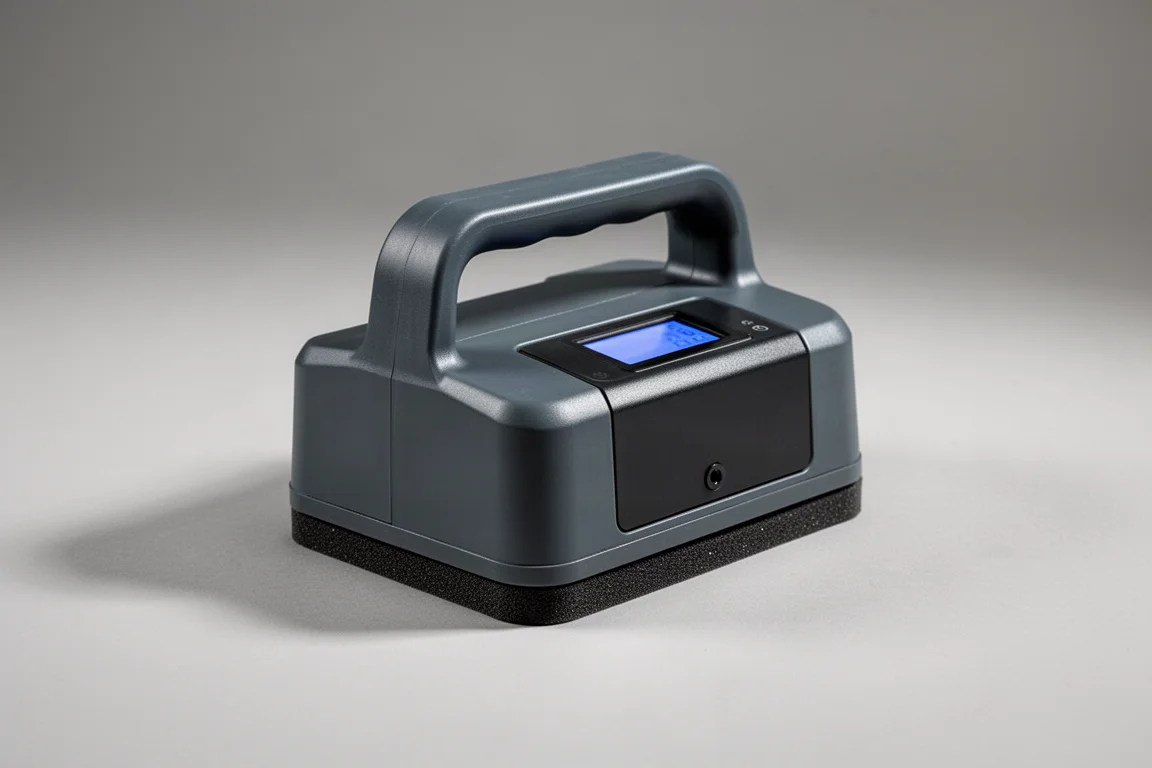
At $40, the Sun Pai Pro offers a swappable-battery design with two batteries included, which adds real value for continuous use. It has similar surface area to the Widen Tool, shorter but a bit wider, and suctions down at a similar speed while claiming the same 300 kg or 660 lb rating.
On steel it reached 315, 316, and 344.7 lb, roughly half its advertised figure, though it stayed firmly attached. On wood it held 78 to 79% of baseline at 275 lb, and with dust it performed near its original levels, apparently unbothered. It matched the Widen Tool’s side-load sliding resistance at around 230 lb before consistently sliding, and it handled LVT flooring well, actually excelling where the bigger tools struggled.
The main annoyance is release: like most budget models, it uses a pull tab on the rubber rather than a proper release mechanism, which can break your rhythm when moving many sheets.
Dust and Dirty Surface Performance
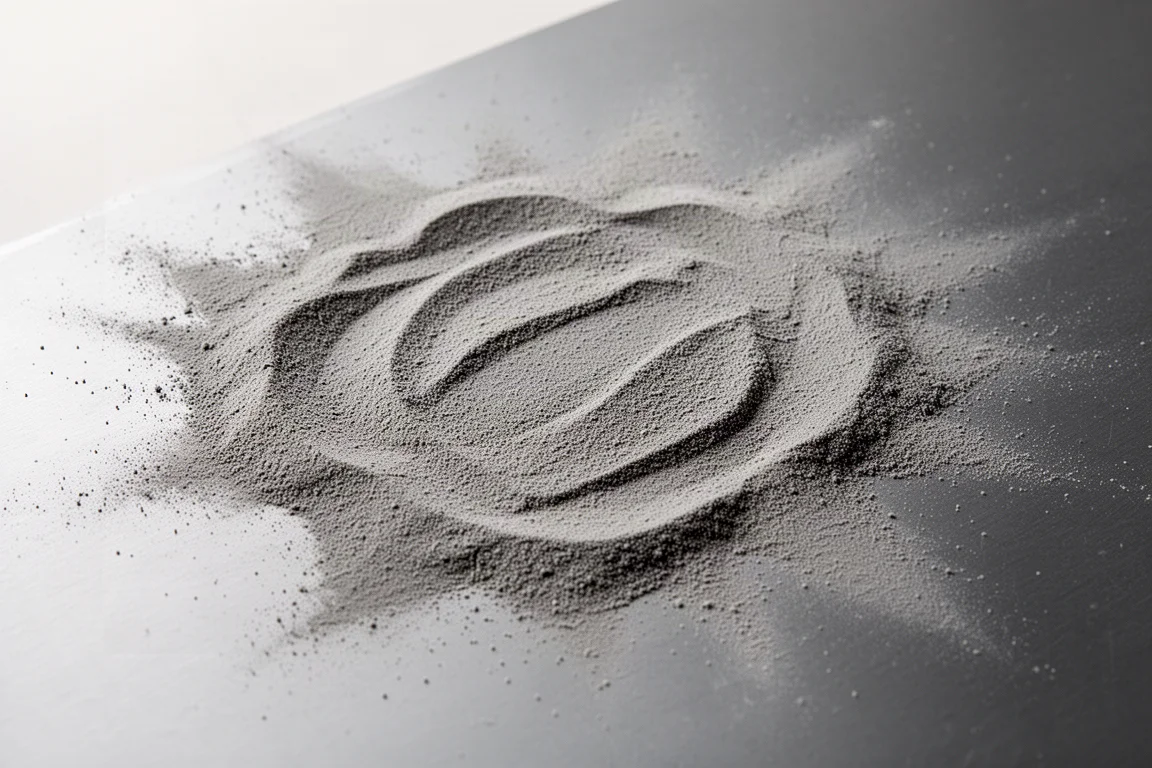
Dust is a real-world killer for suction tools, so the same measured amount of fine test dust was spread evenly over each tool’s sealing area. Results varied interestingly. The DeWalt dropped from 565 to 428 lb. The Widen Tool fell from 501 to 367.4 lb. The Sun Pai Pro and Tech Boy performed near their clean-surface levels, though those levels were not high to begin with. The CC stayed strong at 443.9 lb, and the Grabo barely noticed, dropping only from 503 to 478.7 lb for first place.
Tech Boy Electric Suction Cup: Two-Tool Value in a Circular Design
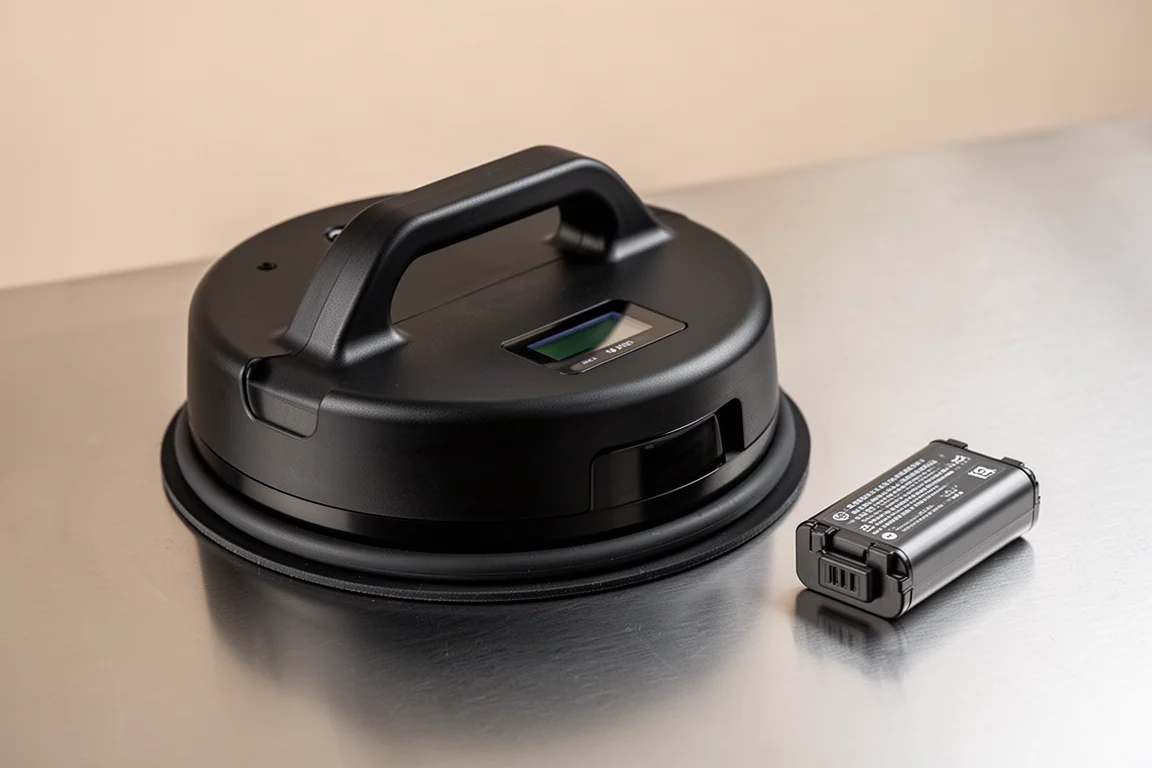
The Tech Boy electric suction cup costs $95 for a set of two tools with two batteries each, working out to $47.50 apiece. Its circular design advertises up to 680 lb per tool, and its display reads up to 70 in its own rating scale, repumping when pressure falls below about 55.
On steel it managed 290, 292, and 295.8 lb, and on wood it kept 78 to 79% at 233 lb. With dust it held near its original scores. The problem areas were sealing and side loads: it would not seal itself over small obstructions, needing assistance, and it slid at just 150 lb of consistent side force. For sheets and general handling, the two-tool set is genuinely good value, but it lacks the refinement of the long-bodied designs.
Make Lift Manual Suction Cup: Cheap, But Limited
At $20, the Make Lift manual suction cup is the pump-operated twin of the Tech Boy’s circular design. Its peak on steel reached 246 to 254.8 lb, confirming that powered vacuum does beat mashing a plunger. It slid at only 120 lb of side force.
The bigger problem is sustainability: you have to pump hard to build vacuum, and even then the hold is very momentary, not long enough to really use, with no re-vacuuming to recover. It could not compete in the wood test at all. One genuinely nice touch: it has a pressure release button, a feature several more expensive models skip, and one you use every single time you place the tool down. As a cheap occasional helper, it works; as a working tool, it falls last at 6.14 averaged rank.
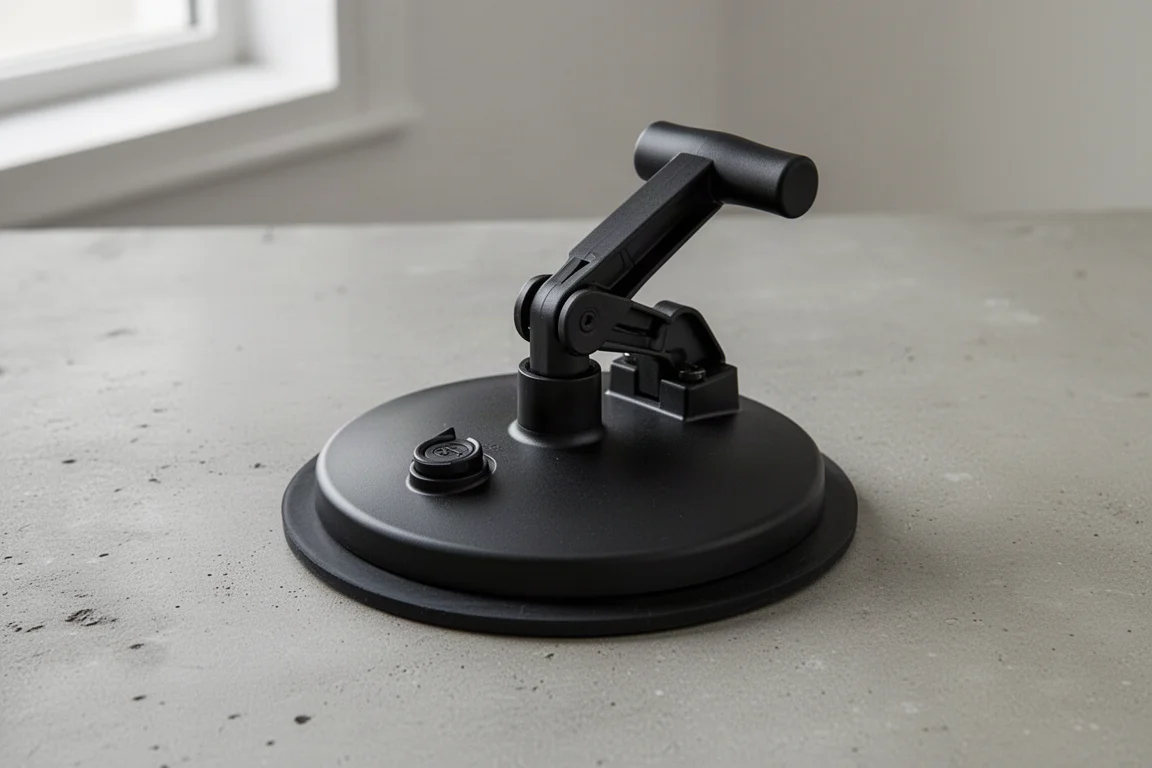
CC 16V Suction Lifter: The Best Value Performer
The CC 16V suction lifter cost $90, around half the DeWalt, and matches the DeWalt in size. It runs on CC’s quad-pack 16V batteries, the same ones powering their impact drivers, and its display reaches the same 300 kg figure, getting there a bit faster thanks to the 16V motor. Unlike the Grabo, it uses a more conventional single-layer seal rather than the double foam boundary.
Its numbers were the best on flat steel: 563, 592.2, and a group-leading 592.9 lb. It stayed strong on wood at 417.7 lb, about 70% of baseline, and with dust at 443.9 lb. On side loads it was the best of the day, holding comfortably at 280 lb and peaking at 320 while moving. Over obstructions it recovered well after initial help, reaching the 270 to 280 region with its auto pump. On materials it also handled LVT flooring where the Grabos did not. If you need two or even four lifters, this is the value pick, and a 20V model with a pressure release button exists for $10 to $20 more.
Which Materials Each Tool Can Actually Handle
The material tests revealed the real dividing lines. On rough, wavy 1/4-inch plywood and particle board, only the Grabo and the DeWalt held any vacuum, and the Grabo would lose it if not left running; everyone else had no shot. On MDF and wood, models held pressure to varying degrees. On polished concrete, most tools worked; on regular outdoor concrete, only the Grabos suctioned down, which matters for moving heavy things outdoors.
Drywall was no problem for all tools at their maximums, though it is listed lower on the Grabo’s spec sheet, likely due to the integrity of drywall face paper. On LVT flooring, the Grabo and CC underperformed because their size overlaps more seams, while the Widen Tool and Sun Pai Pro excelled.
Buying Advice
Averaged across every test, the rankings tell a clear story: the original Grabo leads at 1.43, the DeWalt follows closely at 1.71, the CC and Widen Tool fill the middle, and the manual Make Lift trails at 6.14. If you already own DeWalt batteries, the DCE592BB makes sense, and its digital display makes it obvious when vacuum gets low. If you need two or more lifters, look hard at the CC, especially with its 20V pressure-release-button model for a small premium. For occasional lighter use, the Widen Tool at $38 performed far better than its price suggests. And if you want the best all-round performer across wood, dust, concrete, and obstructions, the original Grabo Pro Lifter remains the one to beat.
Conclusion
Suction lifters have moved beyond glass and tile into real construction work, but the advertising numbers do not always tell the truth. Testing shows the original Grabo earns its reputation, the DeWalt is a polished battery-platform alternative, and the CC and Widen Tool offer serious value for multi-tool setups. Match the tool to how many units you need and what surfaces you actually work on, and any of the top picks will hold on tight.
Further reading
Related Reviews

Workshop Tools
Best Drill Tap Sets 2026: Top Picks Tested for Speed and Strength
We tested 17 drill tap sets to find the fastest drilling, strongest threading, and most durable options for your workshop.

Workshop Tools
Cool Shop Tools 2026: Five Clever Upgrades Worth a Closer Look
A practical look at five workshop tools that solve real problems, from smarter drill bits to a safer table saw guard.

Workshop Tools
Cool Tools for the Workshop: Five Smart Upgrades Worth Trying
A practical look at five workshop tools that make measuring, drilling, marking, and sawing easier, from a clever square to a top-tier bandsaw fence.