Hand Tools
Best Gearless Ratchets 2026: Five Zero-Degree Tools Put to the Test
Gearless ratchets promise near-zero backlash and better access in tight spaces. We compare five, from a $16 budget pick to a $90 premium option.
Introduction
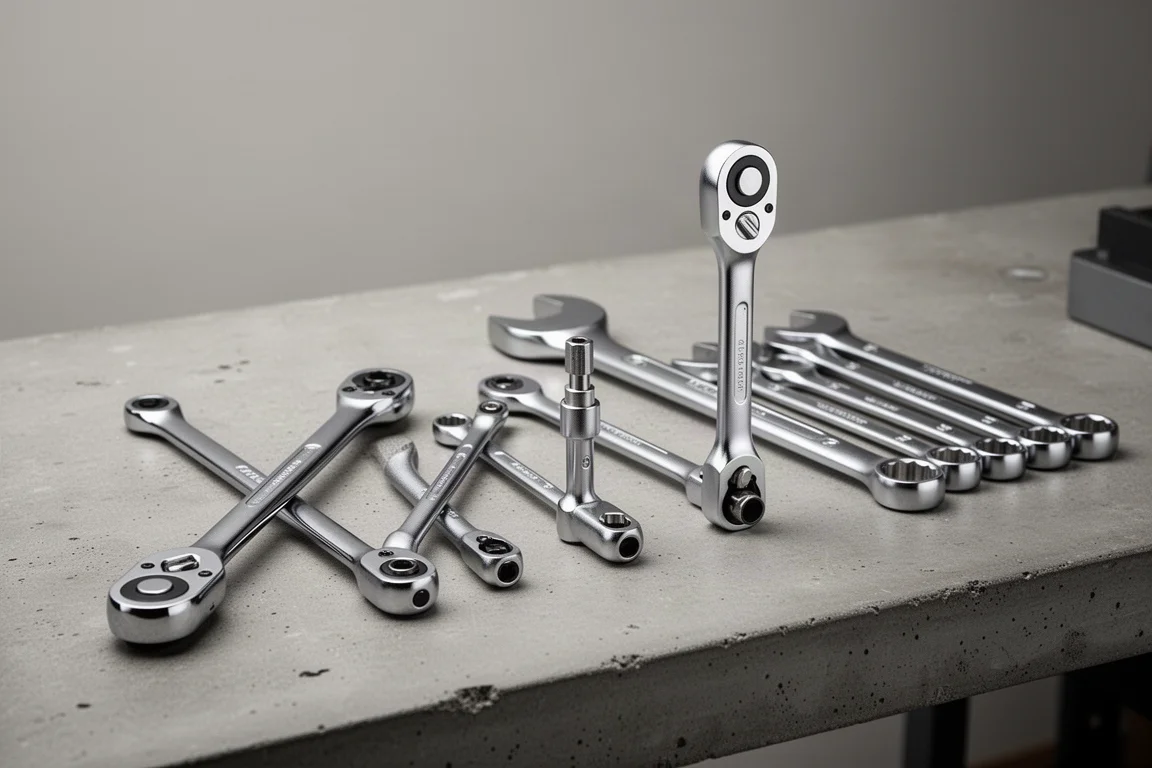
Gearless, or zero-degree, ratchets are the odd ones out in the hand tool aisle. No clicky pawls, no tooth counts to brag about, and a design that promises almost no backlash when you are working in a tight space. They look suspicious, and honestly, they have long seemed like the kind of tool that would give up the moment you leaned on them.
That assumption turns out to be badly outdated. Testing five of these tools, from a $90 premium option down to a $16 budget ratchet, produced torque numbers roughly double what many people would expect from a gearless design. Here is how they stack up against each other, and against a conventional ratchet.
How We Evaluated These Ratchets
Three measurements matter most for this category. First, back drag: how much resistance the mechanism has when spinning freely. Low is better here, since high back drag makes a ratchet useless for advancing a loosened bolt in a confined space where you cannot take full swings. Five to six is typical for a ratchet, and nine to ten is bad.
Second, swing count in a confined-space test: how many partial strokes the tool needs to turn a fastener through a full rotation with very limited handle travel. This is the entire reason the category exists. Third, torque to failure, because a gearless mechanism with a long handle invites the question of whether it can actually survive leverage.
The Pick: Carile Gearless Ratchet
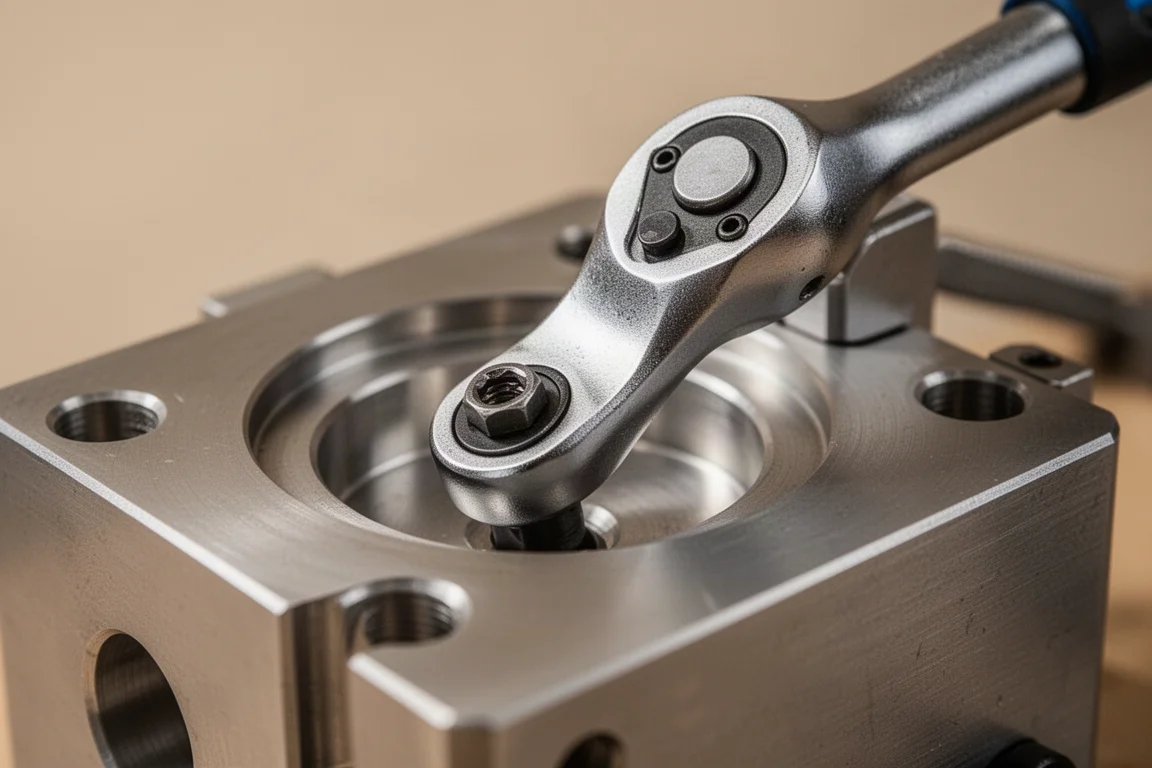
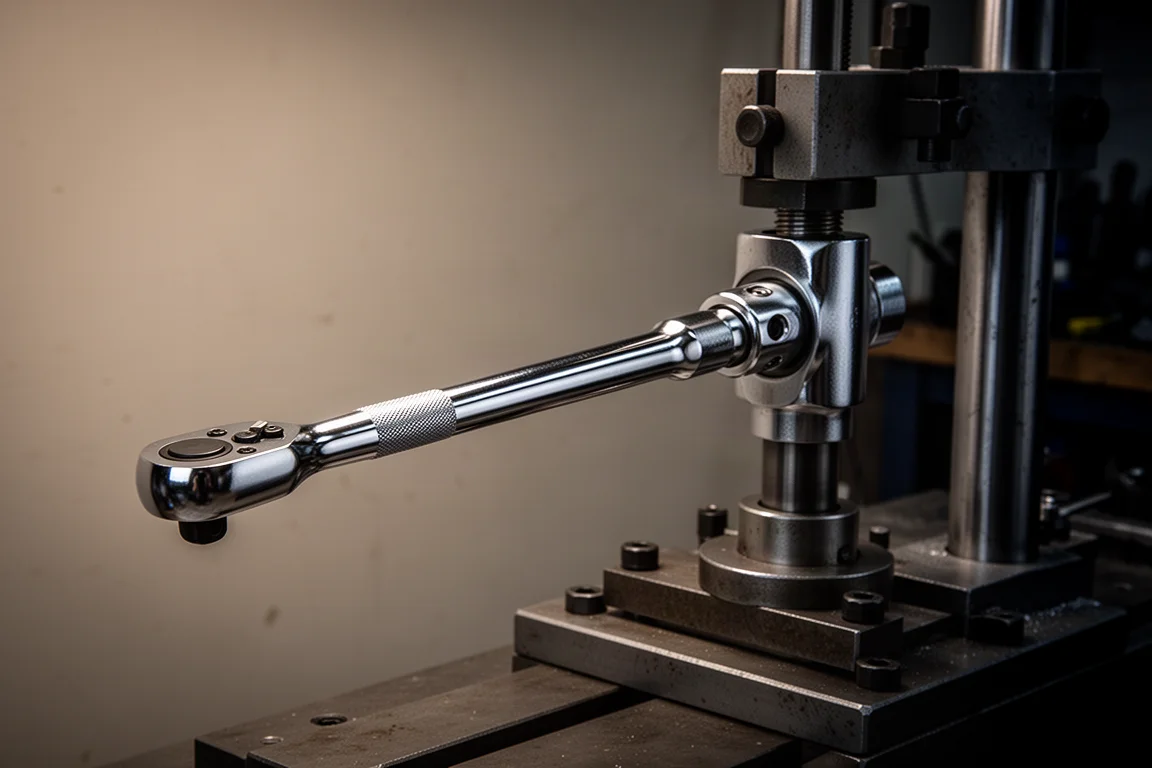
Carile’s relaunched brand effort includes this all-new gearless ratchet, and it is noticeably longer than most gearless designs, which raises the stakes on strength. It measured 3 to 4 of back drag, which is pretty low, and it survived a remarkable 259.3 Nm (191 ft-lb) before the square drive started twisting. Notably, the mechanism itself did not fail. The tool was still working; it was the square drive that gave up first. With a better square drive, it would presumably go even higher.
The catch is price. At $90, made in China, you are paying a large premium, and based on the internal design and head geometry, it appears to share a design lineage with far cheaper alternatives.
Best Value: Zero Degree Gearless Ratchet
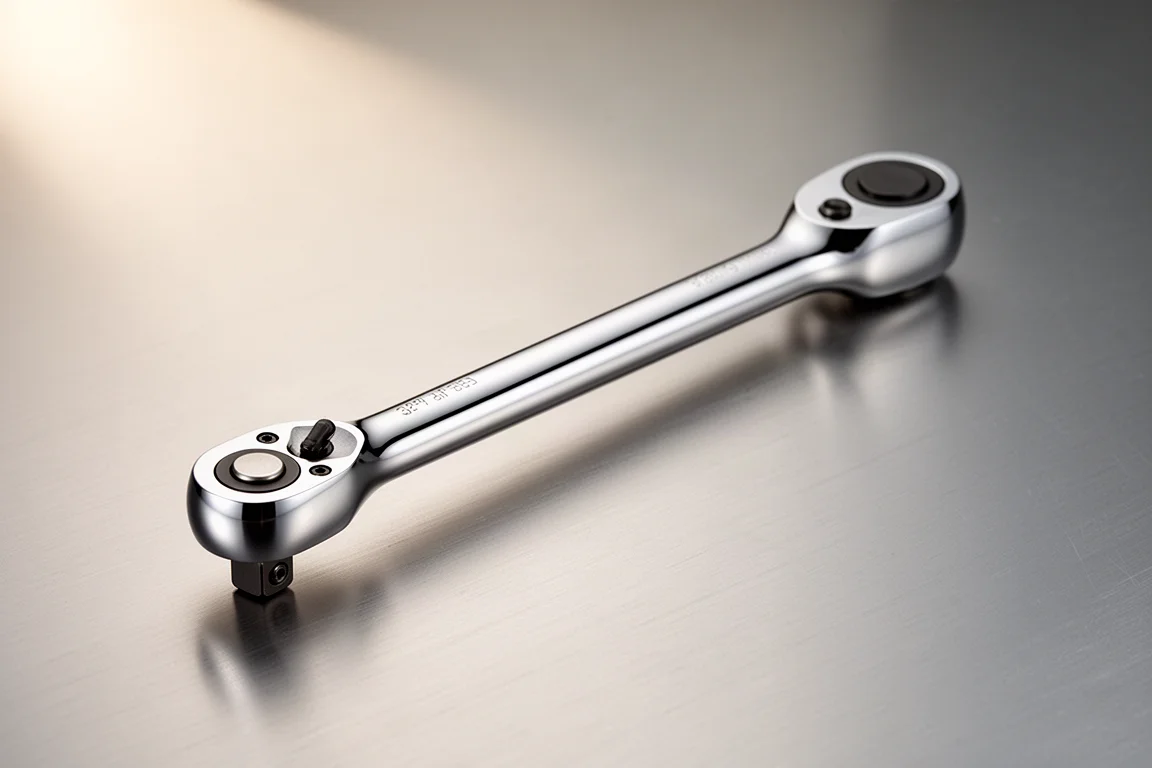
The Zero Degree brand ratchet costs $24, roughly a quarter of the Carile after shipping, and it appears to be essentially the same tool. It uses a similar head design, is also made in China, and in the confined-space display it completed a rotation in 29.5 swings versus the Carile’s 21, helped by the Carile’s slimmer neck diameter.
On strength it actually beat the Carile, reaching 276.3 Nm (204 ft-lb) before twisting its 3/8-inch square drive, the same type of failure at a slightly higher number. Back drag was the same 3 to 4. Unless you specifically want the Carile branding or a slimmer neck, the Zero Degree is the smarter buy by a wide margin.
Strength Testing: How Much Torque Before Failure
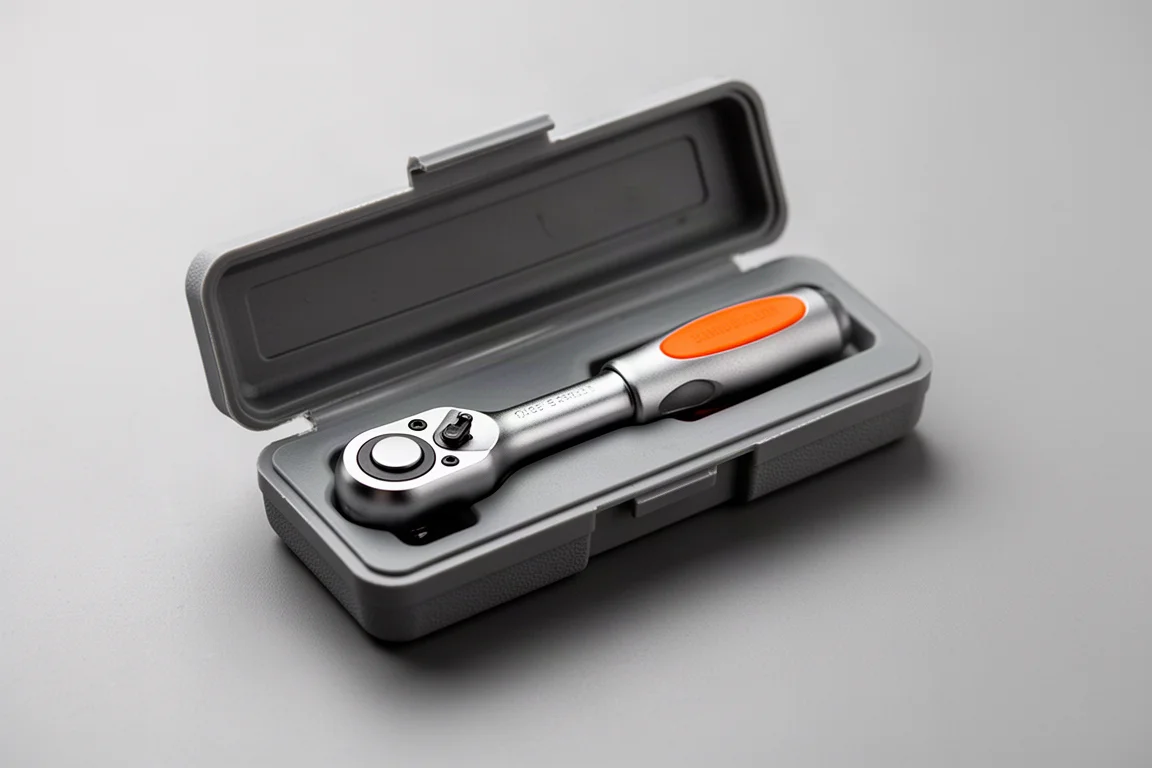
For context on the 1/4-inch drive size, the ASME proof torque standard is 57 Nm, and a premium conventional ratchet of this size typically breaks around 110 Nm. The Zero Degree 1/4-inch ratchet reached 76.1 Nm (56 ft-lb) before slipping back and forth, comfortably meeting the engineering criteria. The Titan micro ratchet made it to 81 Nm (60 ft-lb), failing at its reverse lever rather than the mechanism.
The GearWrench 120XP was the standout, breaking at 115.3 Nm (85 ft-lb), the highest figure seen in this size, and the only one to fail in the conventional way. That is a genuinely strong result for a $31 tool.
Compact Contenders: Titan Gearless and GearWrench 120XP
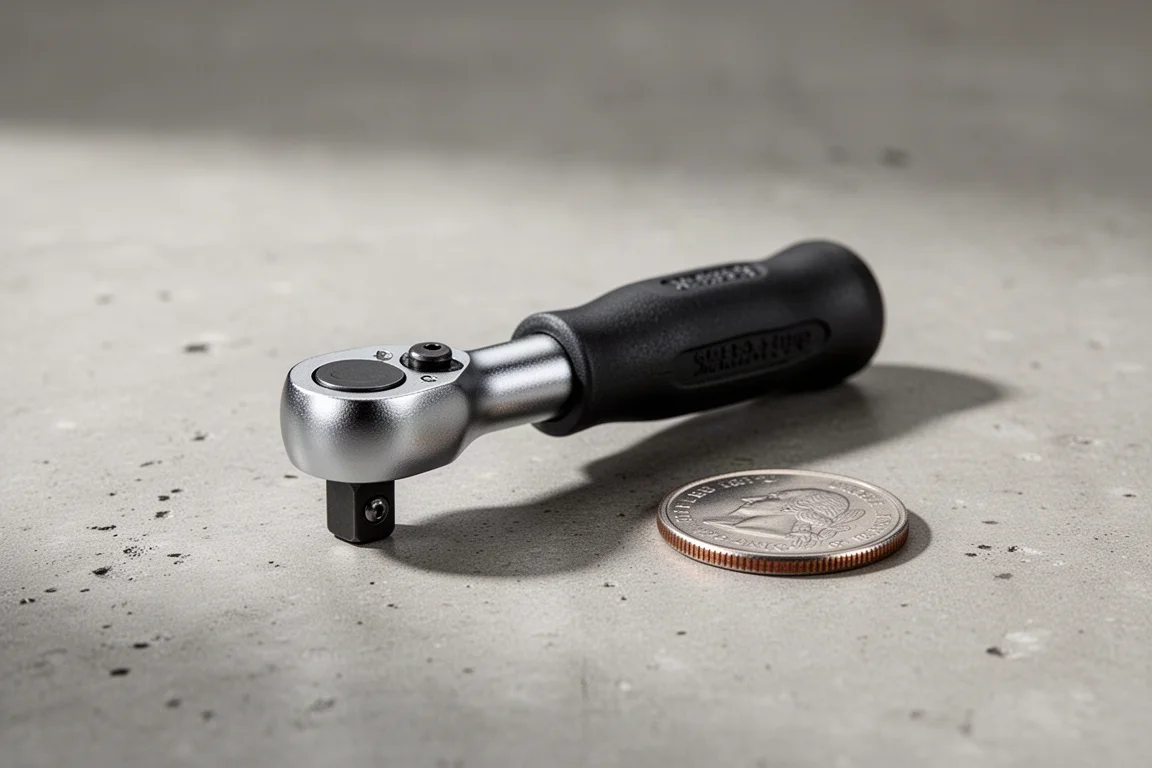
The Titan gearless micro ratchets, around $19 to $20 each and made in Taiwan, use a separate design from the Zero Degree tools. Their weakness showed in the confined-space test: a full 57 swings per rotation, nearly double the Zero Degree’s 29.5. Where they shine is back drag, essentially zero, nothing beyond the inertia of the rig itself. In tight quarters, that combination of low back drag and slim size matters for actually advancing a loosened thread instead of wiggling it.
The 3/8-inch Titan survived an absurd 243.7 Nm (180 ft-lb) for its size. Unless your hand is a block of wood, you are unlikely to max this tool out yourself.
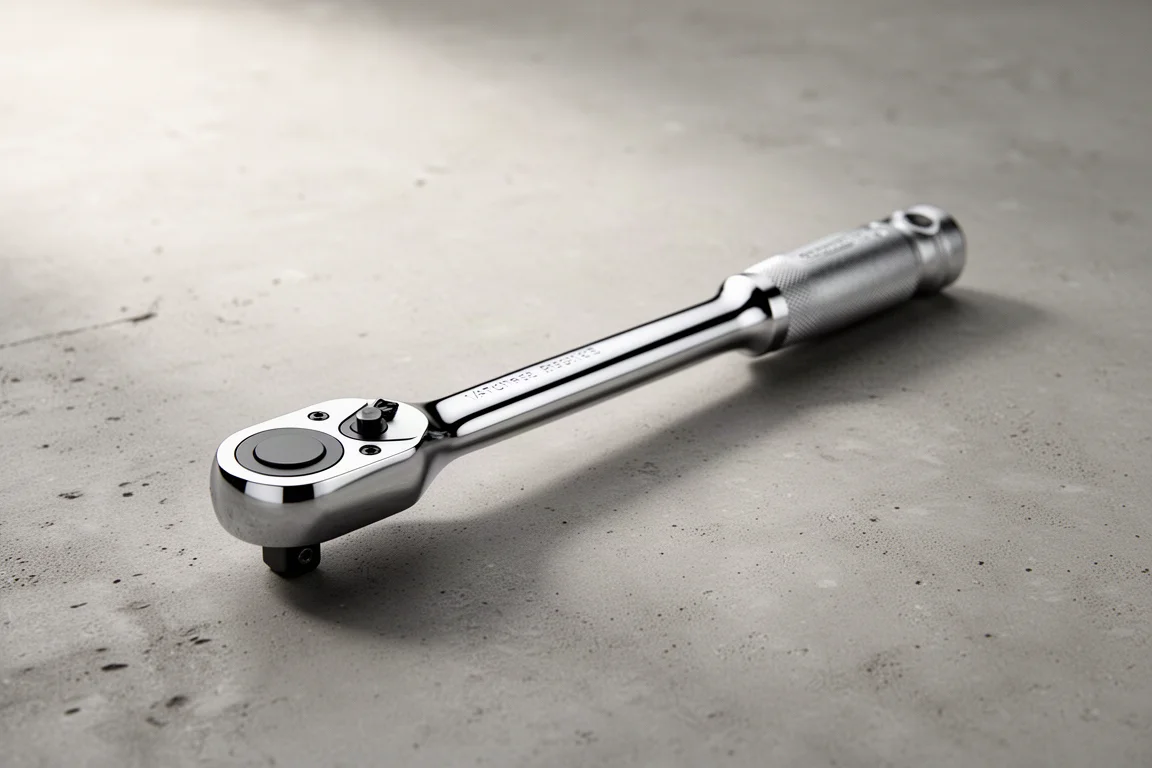
The GearWrench 120XP is the conventional control in this lineup: 120 ratcheting positions via two stacked alternating pawls, $31, and a smaller head than any gearless tool here. It still worked in the tight-space display at 49 swings, in between the Titan and the Zero Degree. Its 120-position design does bring taller head heights, which is usually the reason to hesitate, but in 1/4-inch drive that penalty shrinks a lot. It broke in testing, which is exactly what happens when you push a ratchet past 85 ft-lb on purpose, and it was easily the nicest tool of the group to use. Worth buying again regardless.
What’s Inside: A Simplified Sprag Clutch
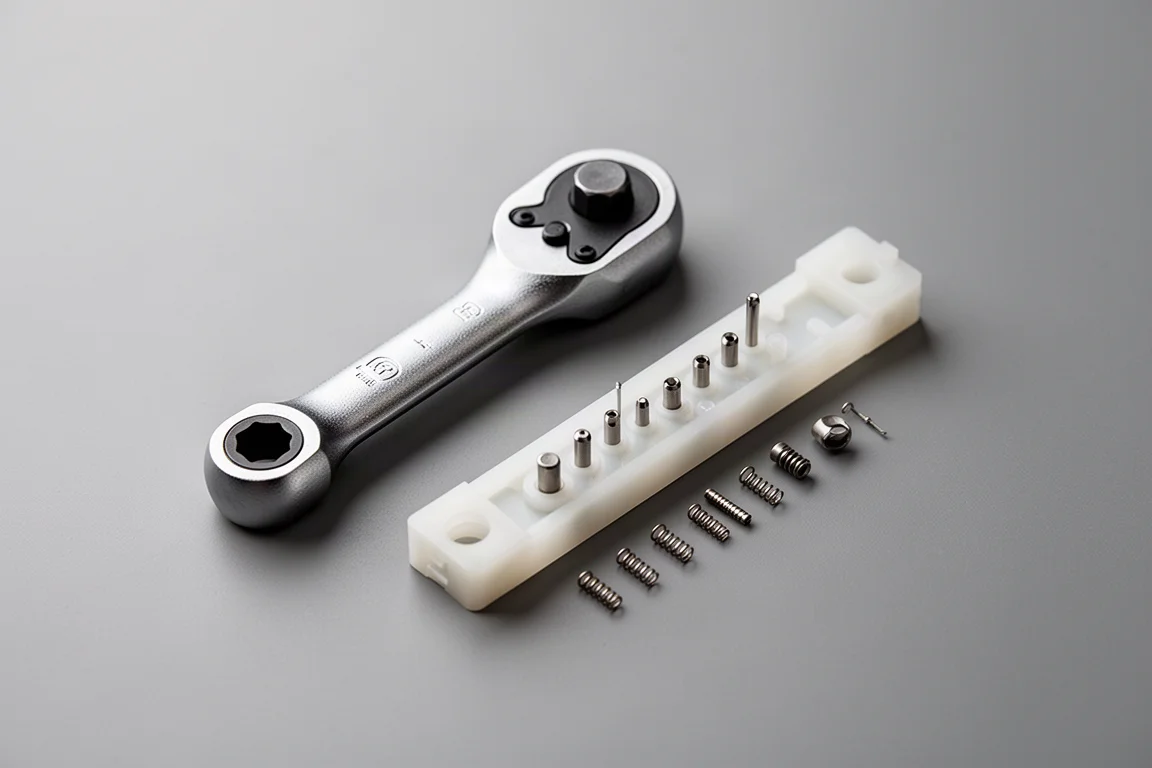
Tearing these apart reveals the secret: not a one-way bearing, as long assumed, but a simplified sprag clutch. A wrench hex or drive sits in a white nylon carrier holding a ring of eccentric bearing steel pins, tensioned by one-sided springs built into the nylon centerpiece. The pins seat against the inside diameter of the steel housing, sliding freely one way and binding the other. Low piece count, low complexity, high strength for its size.
In the square-drive ratchets, the same design is tensioned for both directions, letting the tool switch between forward and reverse via the square drive. Related sprag-clutch wrench designs from other brands appear to share the approach, and possibly the same factory.
Gearless Wrenches: The Category Where This Design Shines
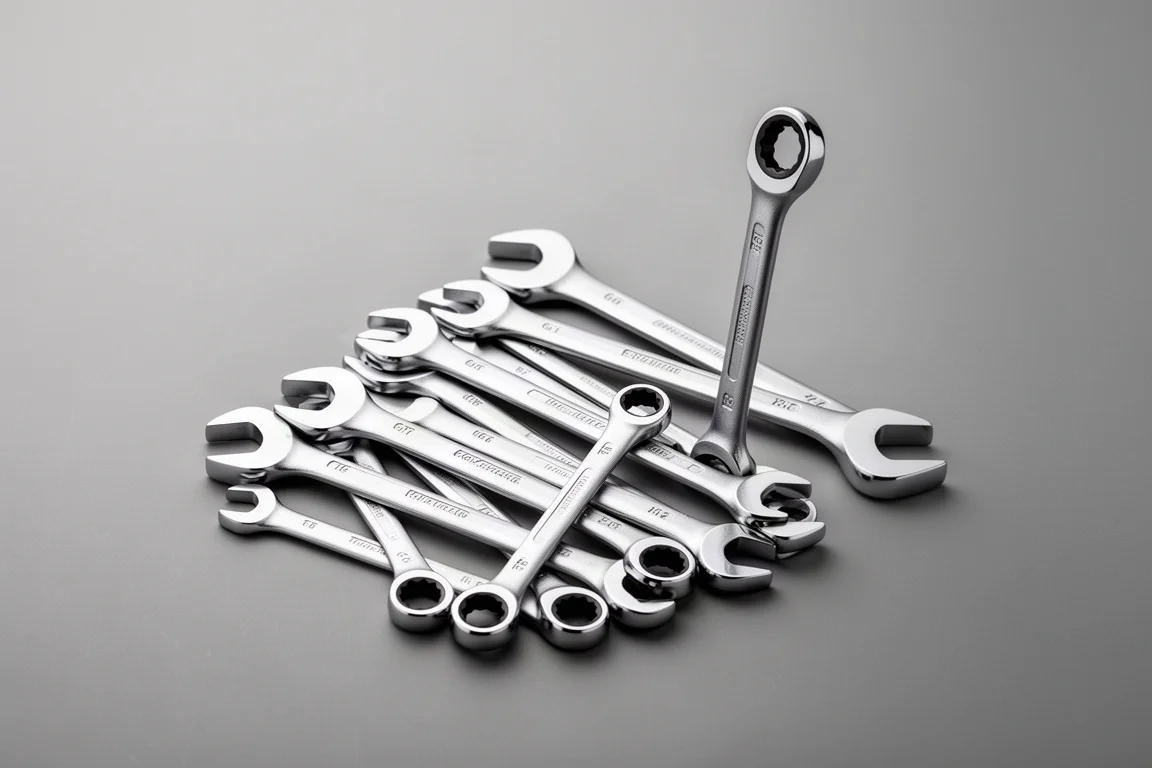
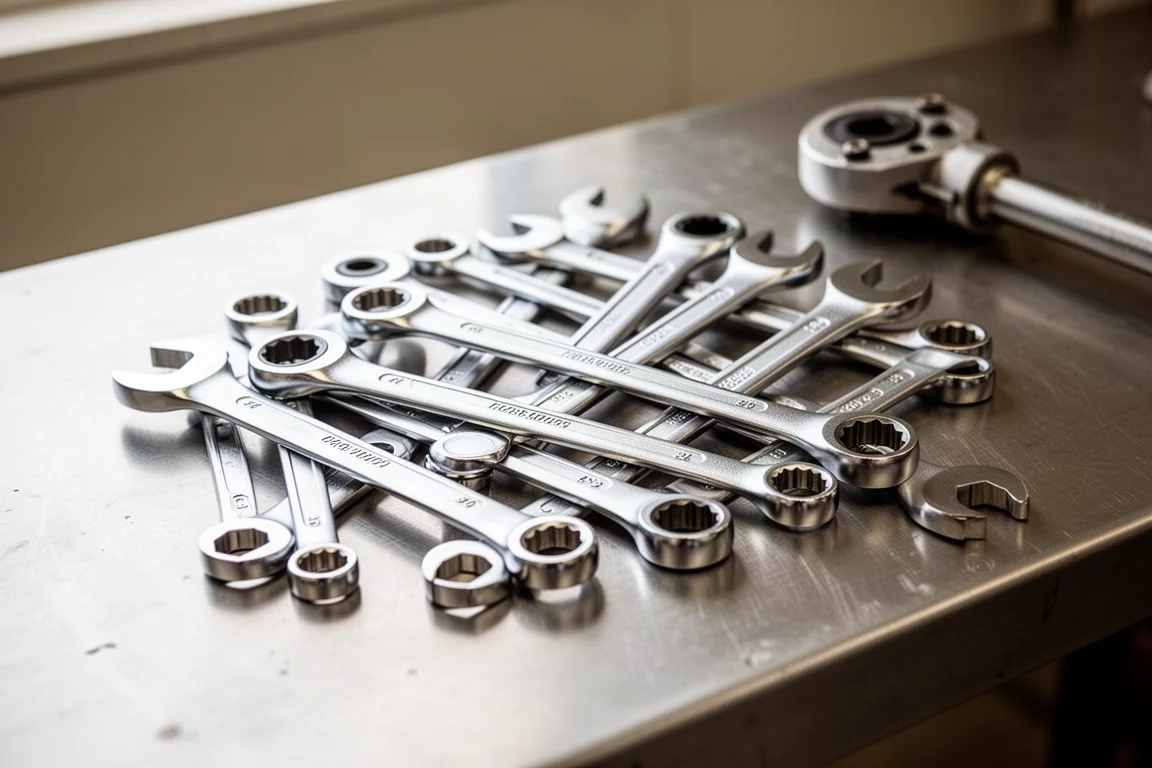
This is where the design makes the biggest difference. The Zero Degree ratcheting wrench set, $55 for the set, does not really ratchet at all, and the packaging is refreshingly honest about it: “as little as 1 degree” of backlash, printed right below a big “0°”. The naturally wide neck of a flat wrench makes this mechanism even more valuable.
In the confined-space test, the 5/8-inch wrench completed a rotation in 47 swings. For comparison, a conventional GearWrench ratcheting wrench simply does not function at all in this setup, and the only conventional ratcheting wrench that managed it took 73 swings. Normally this test is 47 swings versus infinity.
On strength, the 5/8-inch (16 mm) wrench reached 249.7 Nm (184 ft-lb) before the outer head housing burst, right at the 248 Nm ASME box-end standard and well past the 162 Nm ratcheting-wrench standard. The 3/4-inch failed at 231.9 Nm, slightly lower, likely due to thinner wall thickness chosen to minimize head size. At $55, priced the same as or less than many conventional ratcheting wrench sets, and unlikely to see 100-plus ft-lb in the tight spaces where you would actually use one, these are hard to argue against.
Buying Advice
The clear takeaway: do not overpay for this category. The Zero Degree tools outperformed or matched everything else tested, at $24 for the ratchet and $55 for the wrench set. The Titan models are interesting for their essentially zero back drag but compromise heavily on swing count. The GearWrench 120XP is the best conventional option if you do not strictly need gearless. The Carile is a fine tool, but at $90 to $120-plus for what appears to be the same design available elsewhere, it only makes sense if you have an immediate daily need for its slimmer neck.
If nothing else, a gearless wrench set is one of the more satisfying gifts for the person who already owns every tool.
Conclusion
Gearless ratchets have quietly grown up. With failure points past 200 ft-lb on 3/8-inch drive and torque figures roughly double what the design’s reputation suggested, the Zero Degree lineup delivers the low-backlash promise at prices that undercut branded alternatives by a factor of four. Start there, add the GearWrench 120XP if you want a conventional ratchet that happens to be excellent, and skip the premium badge unless it earns it.
Further reading
Related Reviews
Hand Tools
Best Diagonal Cutters 2026: 16 Pliers Tested for Cutting Power and Durability
We put 16 diagonal cutters through nail, screw, drill bit, and hex key tests to find the best value picks for your toolbox.
Hand Tools
Best Hex L Key Sets 2026: Nine Sets Tested for Real-World Torque
Nine hex L key sets from budget to premium, tested for torque, fit, and durability. See which sets deliver real performance and which ones to skip.
Hand Tools
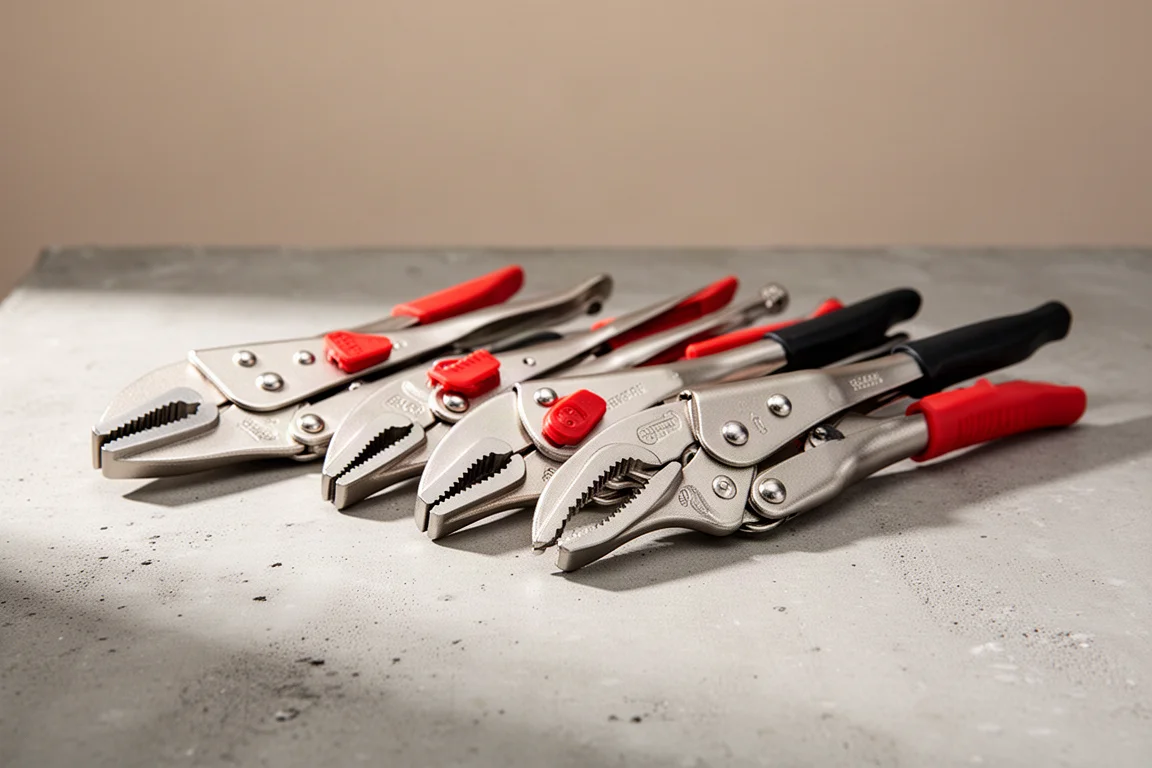
Best Locking Pliers 2026: Top Picks Tested for Grip and Durability
We tested 18 brands of 10-inch locking pliers for grip strength, jaw bite, build quality, and ease of release to find the best options for tough jobs.