Hand Tools
Gearless and Ratcheting Screwdrivers Compared: 8 Picks Ranked by Back-Drag
Eight gearless and ratcheting screwdrivers put through a simple back-drag comparison, with clear winners, surprises, and one big disappointment.
Introduction
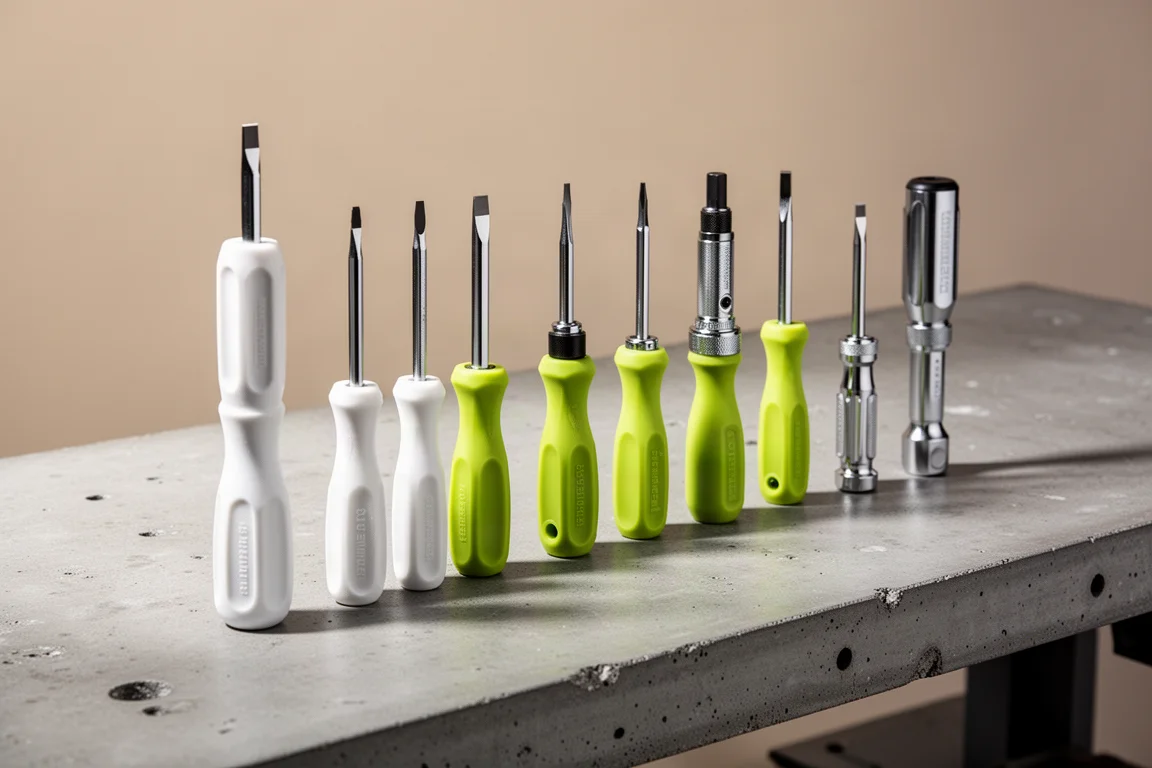
Gearless screwdrivers keep coming up as an alternative to traditional ratcheting drivers, mostly because of one idea: instead of a finite tooth count that has to click before the shaft re-engages, the gearless mechanism needs almost no turning at all. To see whether that actually matters in practice, eight drivers went head to head in a simple relative back-drag test, from a Canadian-made Rollgear to a beloved Snap-on.
How the Back-Drag Comparison Was Done
The test is deliberately unscientific. A spring scale was hooked to a quarter-inch hex adapter, the shaft held in a low-friction spot, and the handle turned while reading the average force needed to overcome the mechanism’s resistance. The numbers are relative comparisons rather than precise lab measurements, but they give a useful sense of how much drag each driver has before the shaft turns with the handle.
Lower numbers mean less back-drag, which translates into finer control in tight spots where there is little room to swing the handle. This is where gearless designs theoretically shine, and where high-tooth-count ratcheting drivers try to compete.
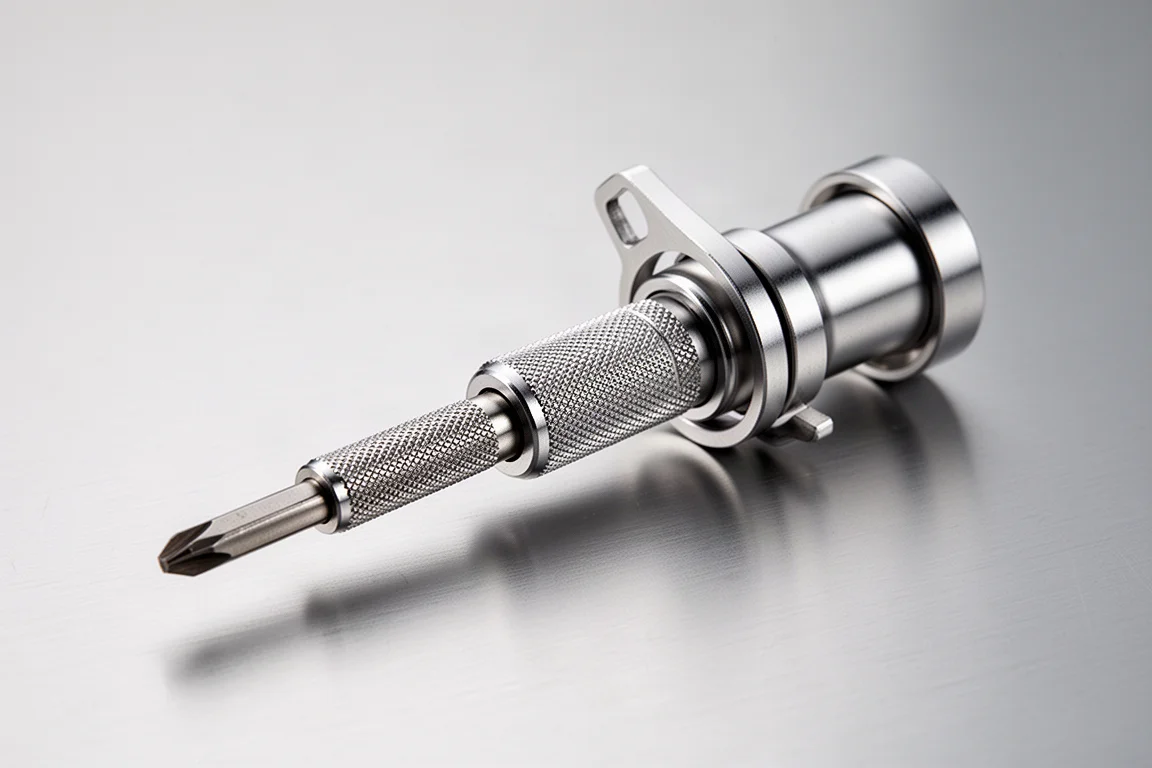
Rollgear 14-in-1 Gearless Ratcheting Screwdriver
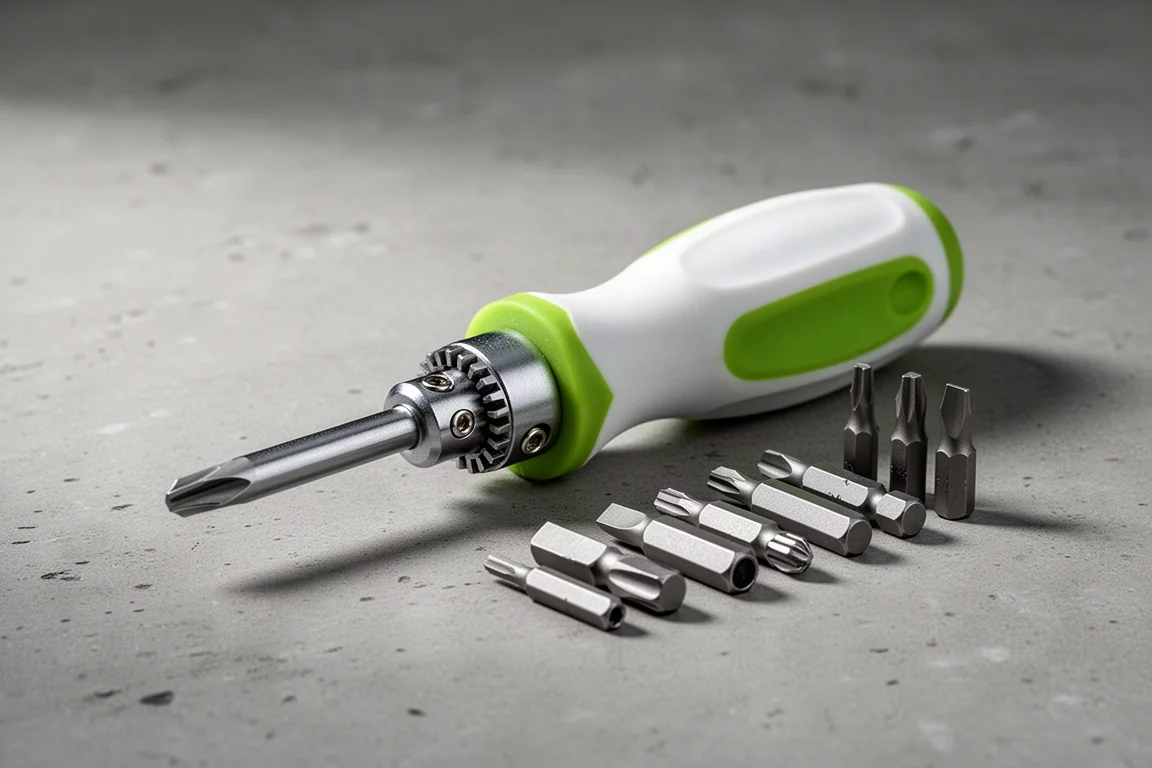
The Rollgear is a 14-in-1 gearless ratcheting screwdriver from ML Tools, made in Canada, selling for about 30 dollars. It comes with seven double-sided bits, has a stout handle, and features a magnet at the base described as a bit saver, which can also hold a screw while you work. The company also markets the handle as drop safe, though the exact meaning of that term is unclear.
In the back-drag test it read around 40, which is impressively low. The white and lime green color scheme stands out, and the action is very smooth. The bits took a little getting used to when swapping them in and out, but once familiar with the mechanism it works fine. Overall, a genuinely great screwdriver.
Gedor Gearless Screwdriver
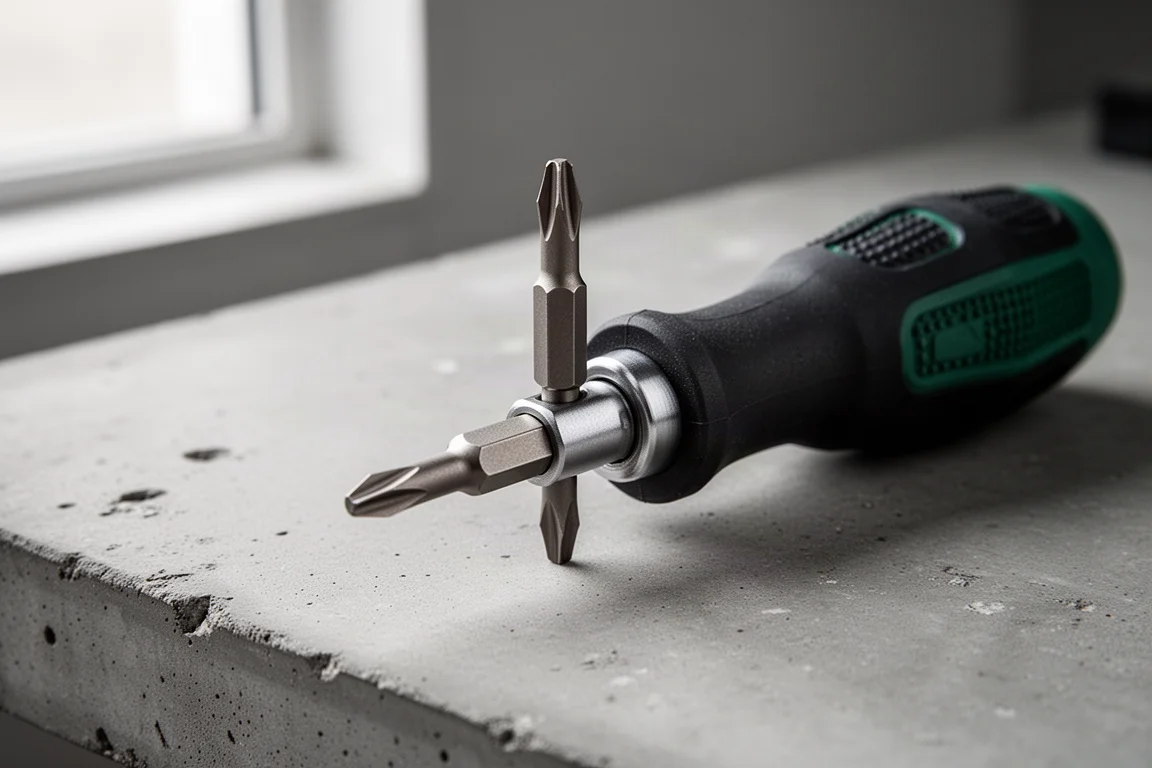
The Gedor sells for roughly the same 30-dollar price as the Rollgear, and it turned out to be one of the biggest surprises of the whole comparison. Watching the spring scale while spinning the handle, the needle barely moved: around 10, which is the lowest reading of the entire group.
That makes the Gedor an outstanding performer, arguably one of the favorite tools in the lineup outright. If you want the smoothest gearless action at a budget-friendly price, this is the one to beat.
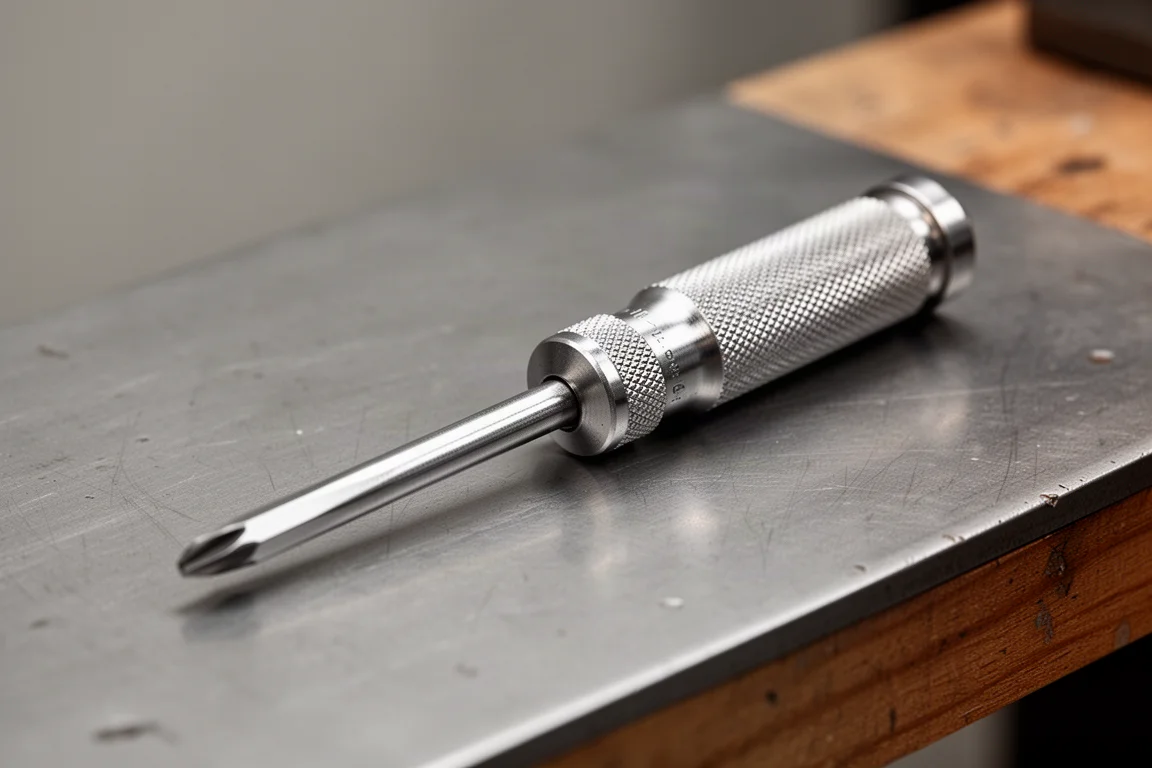
Snap-on Ratcheting Screwdriver
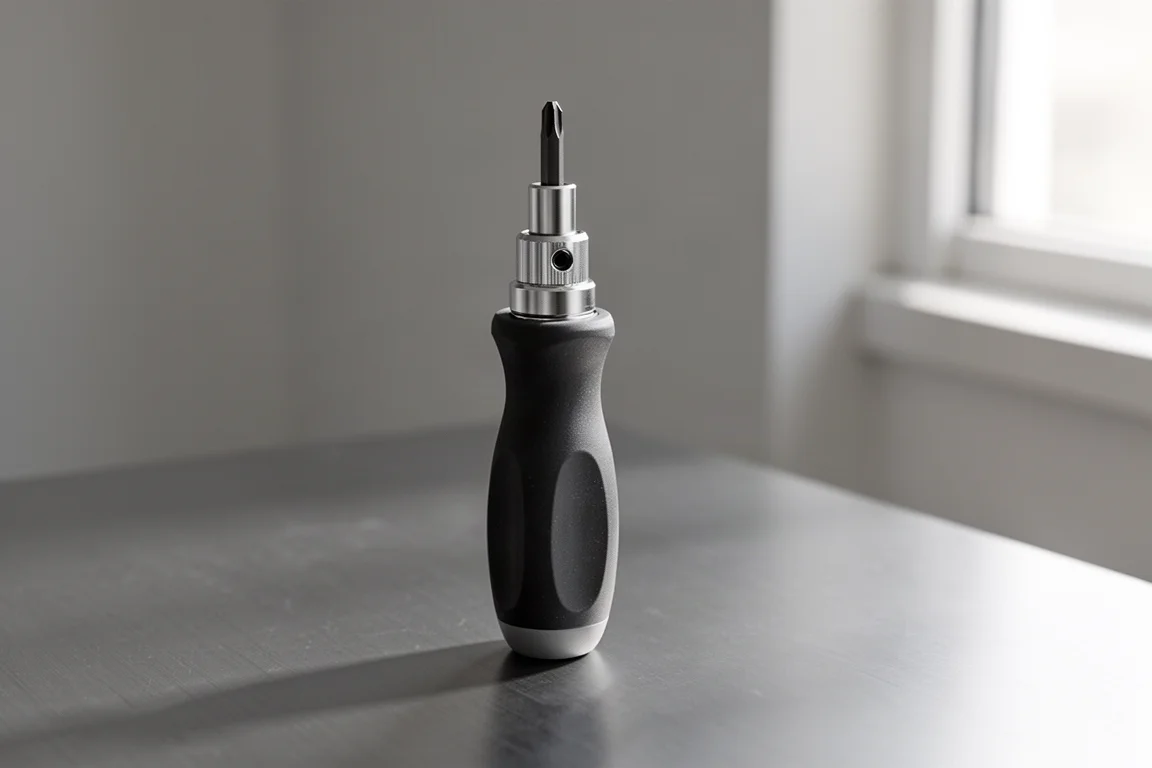
Among traditional ratcheting drivers, the Snap-on stood out as outstanding. It read around 75 on the spring scale, which is very respectable for a geared mechanism and comfortably better than most of the field.
Each click of a ratcheting driver represents the distance the handle must turn before the shaft re-engages, so a smooth, low-drag ratchet like this one makes a real difference in feel. For a traditional design, this is about as good as it gets.
DeWalt Ratcheting Screwdriver
The DeWalt is an inexpensive geared ratcheting screwdriver, around 20 dollars, and it was a pleasant surprise. It read roughly 50 to 60 in the test, placing it ahead of far more expensive traditional drivers, including the Snap-on.
It is smooth and each click is audible and distinct. If you want solid ratcheting performance without spending much, this one over-delivers for the price.
LTT Screwdriver
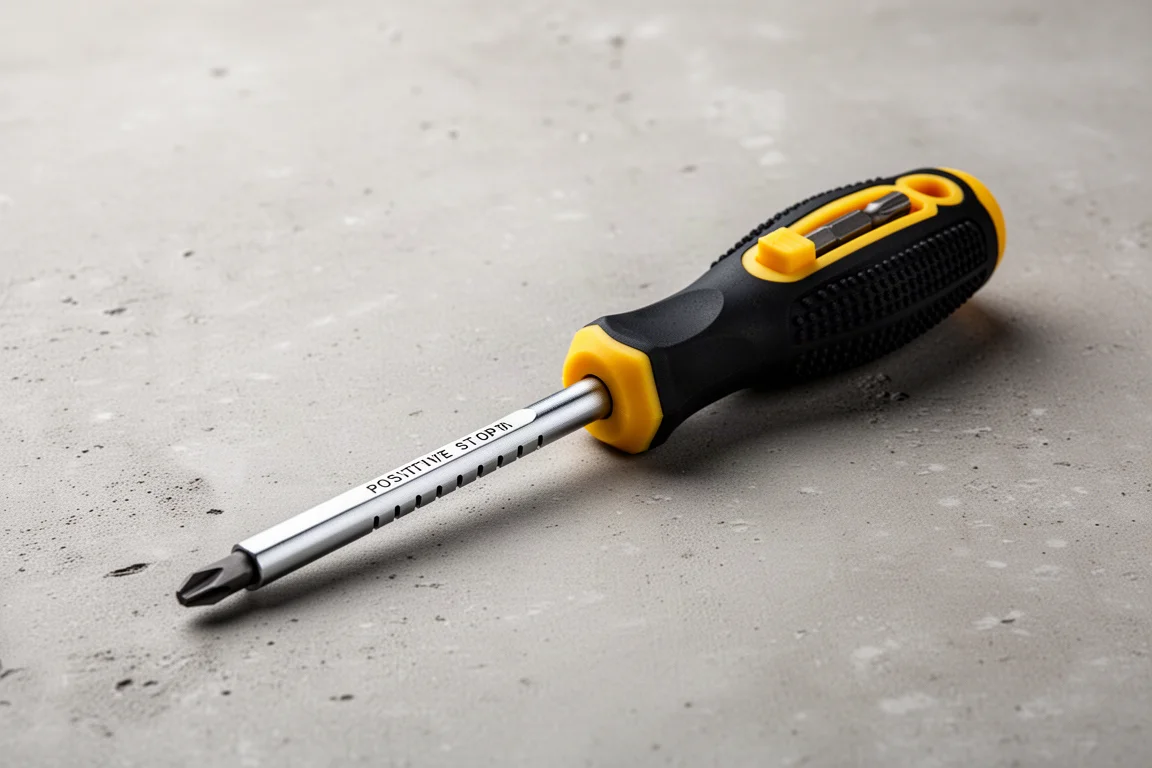
The LTT is known for low back-drag in a traditional ratcheting format, and it read around 100 in the test. That puts it behind the DeWalt and Snap-on in raw numbers, but it remains a nice, fine-tooth screwdriver with a refined action.
It is fine, in other words: well-executed and pleasant to use, just not the standout of this particular comparison.

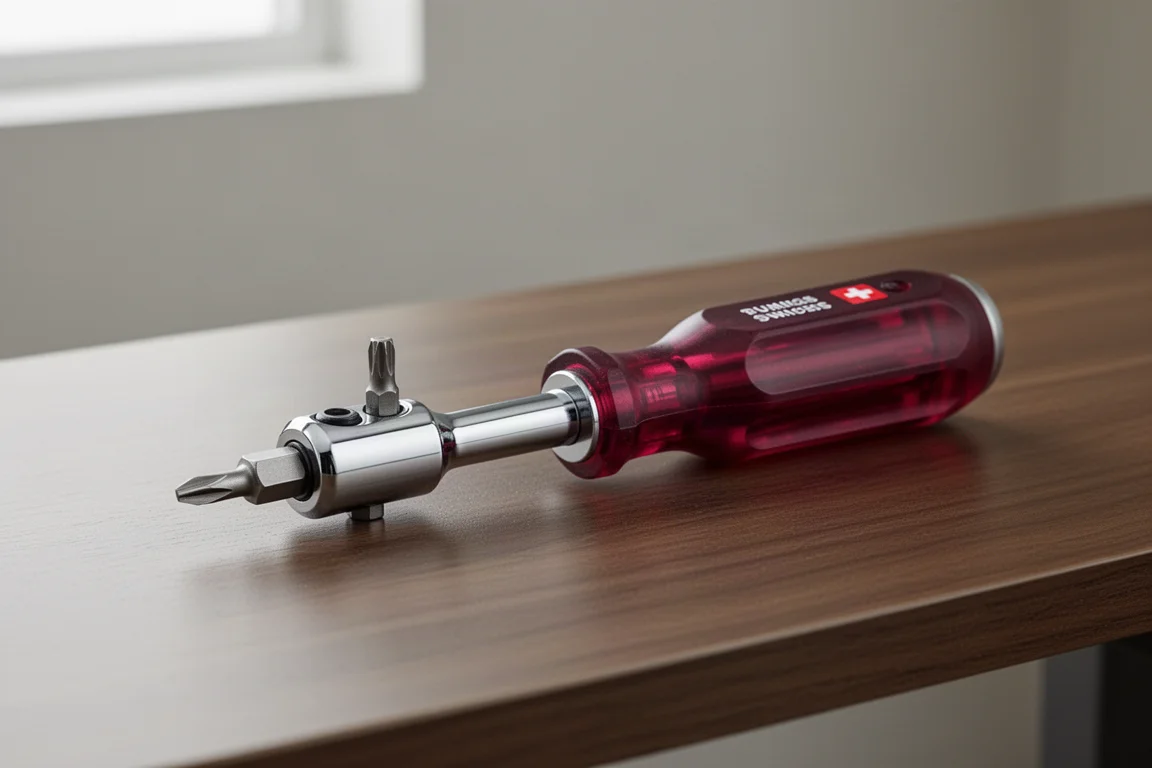
PB Swiss Ratcheting Screwdriver
The PB Swiss was the disappointment of the group. Readings climbed from about 300 through 500 and up toward 600 before settling around 550 as an average, which is dramatically higher than everything else near the top.
Some people worry about the thread design, though at these force levels friction was not a major concern. Whatever the cause, the drag was noticeably bad for a driver in this class, and it fell well short of expectations.
Milwaukee Ratcheting Screwdriver
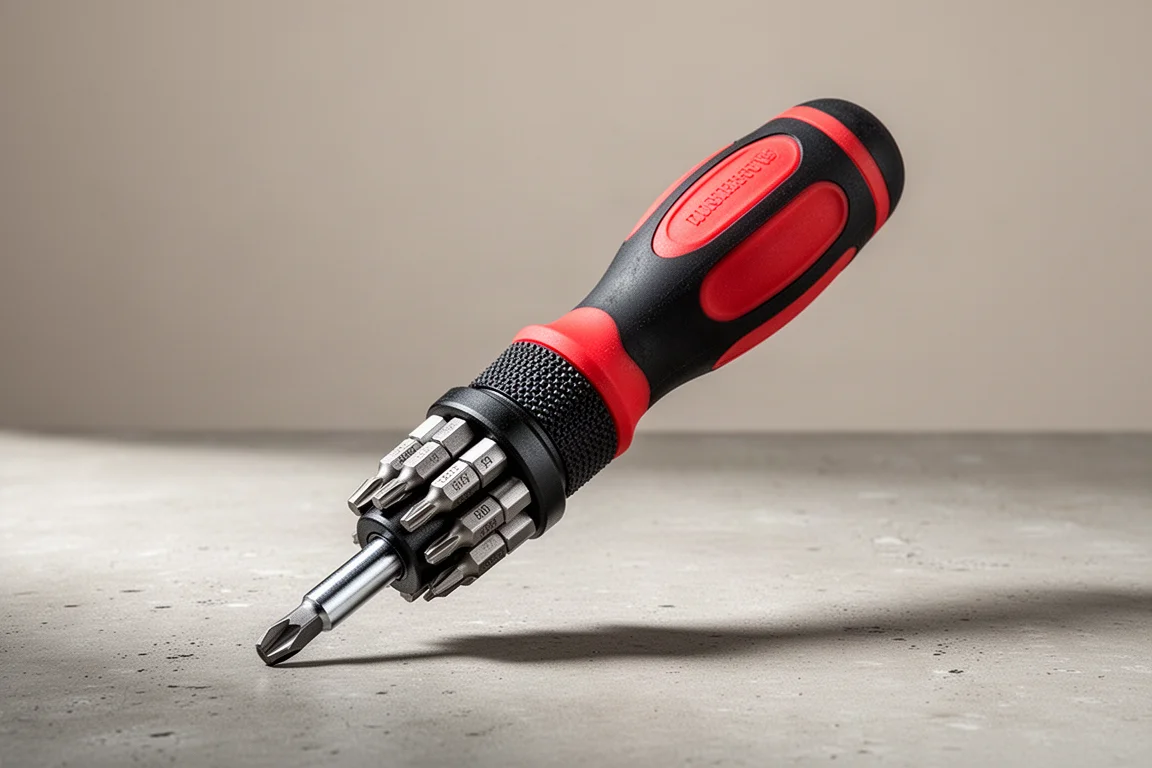
The Milwaukee is a 27-in-1 with onboard bit storage, and it posted the worst result by a wide margin: readings hovered around 800, even bumping toward 900, with identifiable stiff spots in the rotation that added cracking sensations when slow-turning the handle.
It was described plainly as atrocious. Plenty of bits and storage are convenient, but the mechanism’s resistance makes it hard to recommend if smooth operation is what you are after.
Maxcraft Gearless Stubby Screwdriver
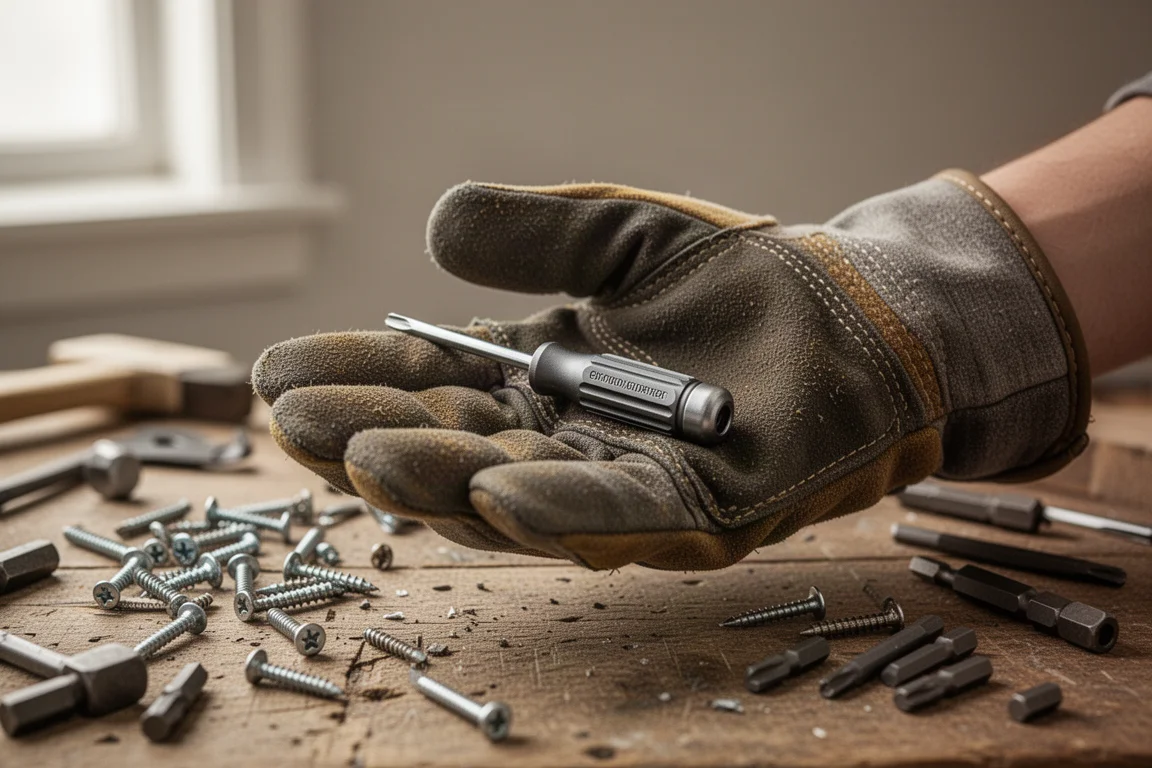
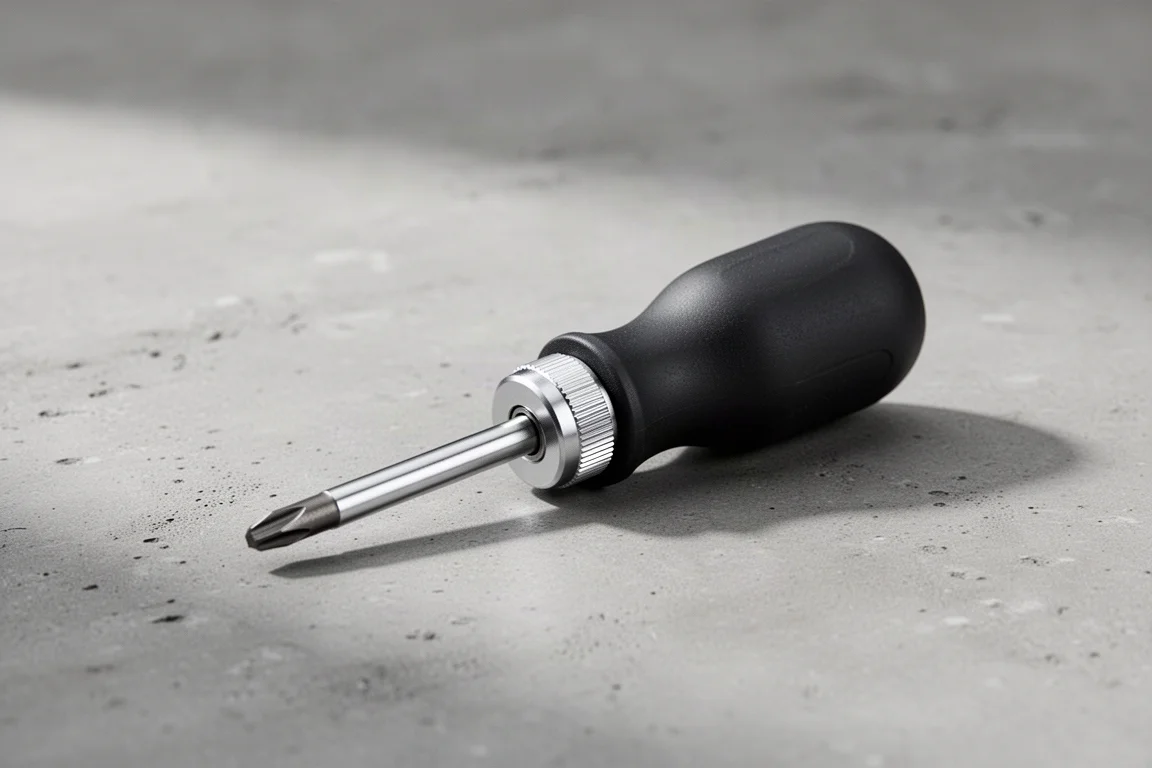
The Maxcraft is a gearless stubby, an interesting idea in a compact format. It read around 300 in the test, which is high for a gearless design, and you can genuinely feel the resistance while turning.
Bits are stored inside the handle, which also means there is an access point where debris can fall in. Worth a look if you specifically want a short gearless driver, but the drag holds it back.
Buying Advice
On the results, the Gedor is the incredible standout at around 10, with the Rollgear a very close second at 40, and both cost about 30 dollars. Among traditional ratcheting drivers, the Snap-on is outstanding at roughly 75, and the inexpensive DeWalt is a surprising value at 50 to 60. The LTT is fine but unremarkable here. The PB Swiss is disappointing, the Milwaukee is far out at around 800, and the Maxcraft sits mid-pack for a gearless design.
If you want gearless smoothness, start with the Gedor or Rollgear. If you prefer a classic ratchet, the Snap-on and budget-friendly DeWalt are the strongest picks.
Conclusion
The gearless category proved its worth, with the two budget-priced gearless drivers delivering the lowest back-drag of the entire group. The Rollgear is a great all-around 14-in-1, the Gedor is the smoothest of them all, and the Snap-on remains the traditional benchmark. Check the mechanism feel before you buy, because as the Milwaukee and PB Swiss show, a familiar brand name does not guarantee low drag.
Further reading
Related Reviews
Hand Tools
Best Diagonal Cutters 2026: 16 Pliers Tested for Cutting Power and Durability
We put 16 diagonal cutters through nail, screw, drill bit, and hex key tests to find the best value picks for your toolbox.
Hand Tools
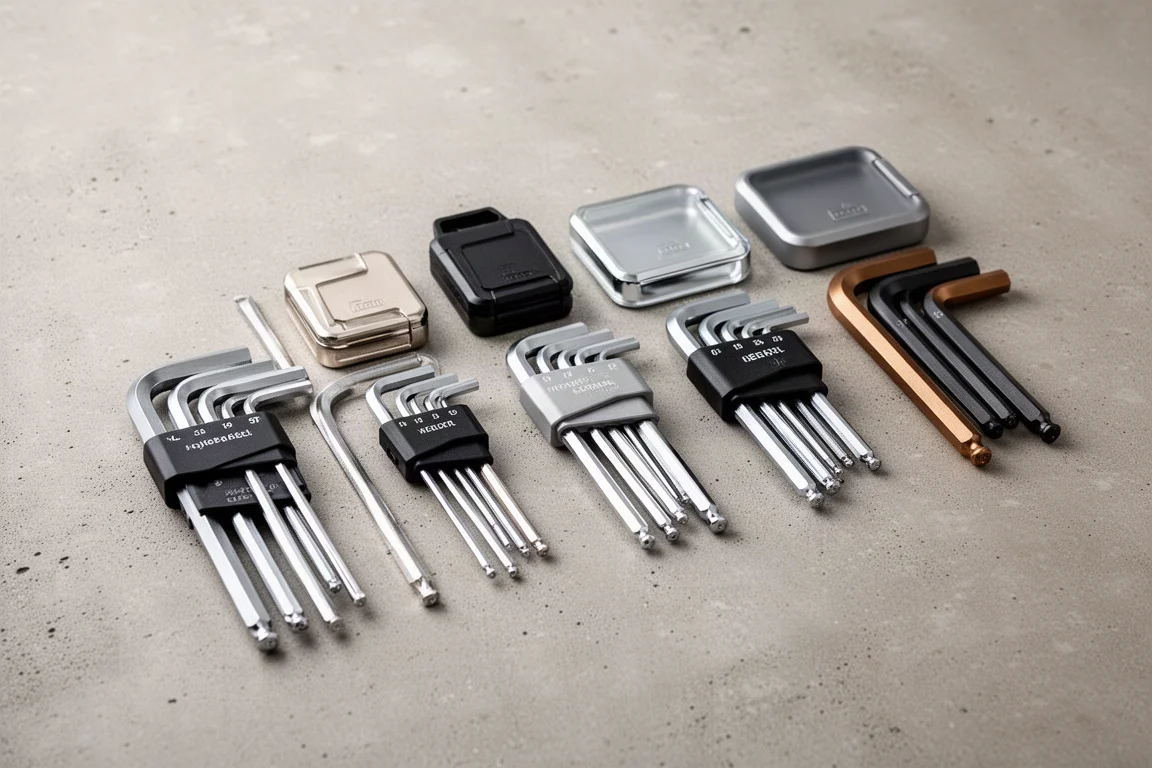
Best Hex L Key Sets 2026: Nine Sets Tested for Real-World Torque
Nine hex L key sets from budget to premium, tested for torque, fit, and durability. See which sets deliver real performance and which ones to skip.
Hand Tools
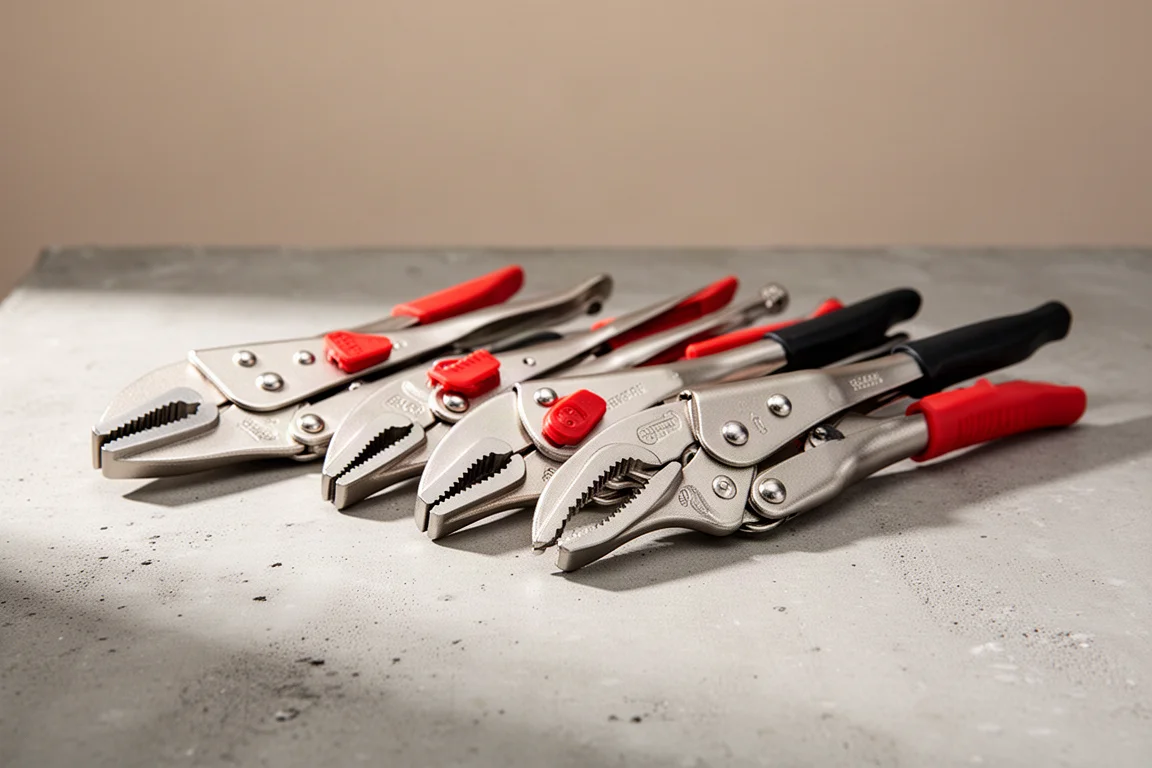
Best Locking Pliers 2026: Top Picks Tested for Grip and Durability
We tested 18 brands of 10-inch locking pliers for grip strength, jaw bite, build quality, and ease of release to find the best options for tough jobs.