Camping Stoves
Best Fuel for Alcohol Stoves: Methylated Spirits, Bioethanol and Gel Fuels Compared
A practical guide to the fuels that work in alcohol stoves, the burners they suit, and the trade-offs around soot, smell, cost and safety.
Introduction
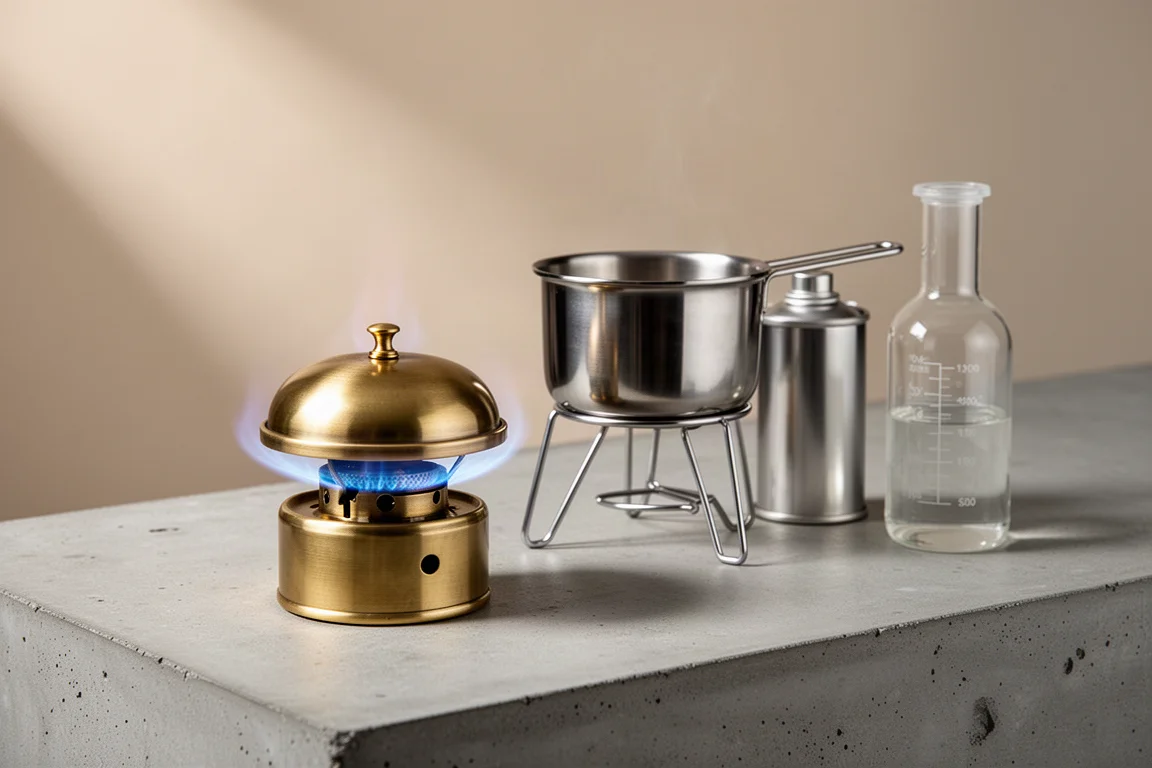
Anyone who cooks on an alcohol stove ends up asking the same three questions: which fuel actually works, where do you buy it, and which one is best. The honest answer is that several fuels will boil a pot of water, but they behave very differently once they are lit.
This guide looks at the fuels worth knowing about, the burners they suit, and the practical trade-offs around soot, smell, cost and safety. The focus is on what works on a real trip rather than on paper.
What Matters When Choosing Alcohol Stove Fuel
Availability comes first. Alcohol stove fuel is sold in outdoor shops and specialist camping retailers, but it is often easier to find in ordinary shops. Methylated spirits, for example, usually sits in the hardware aisle alongside paint brushes and tools, and it is easy to identify because of its colour. It is also cheap: half a litre costs around £2.29. Do not confuse it with white spirits, which will not burn in an alcohol stove.
Cleanliness matters just as much. Some fuels leave soot on the base of a pot or a sticky residue inside the burner, and that residue is far harder to remove than a little blackening.
Safety deserves the same attention as performance. Alcohol flames can be almost invisible in daylight, and the liquid fuel stays volatile until it is lit, so a knocked burner can spread burning fuel across a pitch or a tent. Burners with a felt insert that absorbs the fuel remove most of that risk.
Cost per trip is small either way. A measured dose of roughly 10 to 15 ml is enough for a typical boil, so one large container can last a very long time. What really separates the options is how cleanly they burn and how much attention they demand at the stove.
Trangia Spirit Burner: The Classic Alcohol Stove
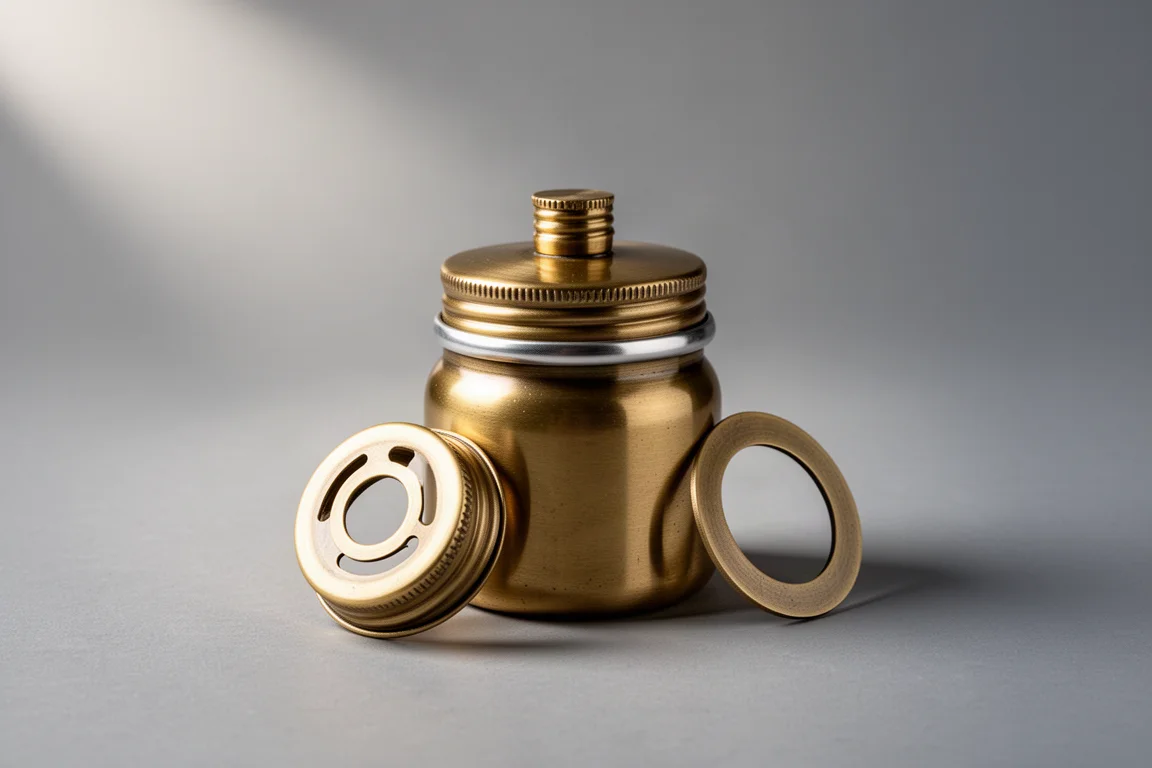
The Trangia Spirit Burner is the most famous alcohol burner around, and Trangia recommends methylated spirits for it. The design is simple and robust: you fill it not quite to the top, an internal chamber vaporises the fuel, and once the burner blooms the flame comes out of the jets around the rim.
Lighting it directly works, but it is easier and safer to dip a twig into the fuel, light the twig, and then use that to light the burner. For the first minute or so the flame is faint and difficult to see, then the jets take over and the burner becomes much more visible.
The burner ships with a simmer ring and a snuffer. The snuffer puts the flame out, and once everything has cooled you can screw the lid back on and keep whatever fuel is left. There is a small rubber O-ring in the lid that needs occasional attention. Fuel can be stored inside the burner itself, which is part of why it has stayed popular for so long.
Simmering is where alcohol stoves generally struggle. The Trangia is one of the better options because the simmer ring closes off the jets and lets you reduce the flame, though something as delicate as an omelette is still a challenge.
Evernew Titanium Alcohol Stove: A Hotter Jet Burner
The Evernew Titanium Alcohol Stove follows a similar idea with a different approach. There is no lid, so you simply pour fuel into the bowl, and the interior has markers to help you judge how much you have added. Two rows of jets mean that once the stove blooms, the flames also play against the base of the pot, which helps it boil water faster.
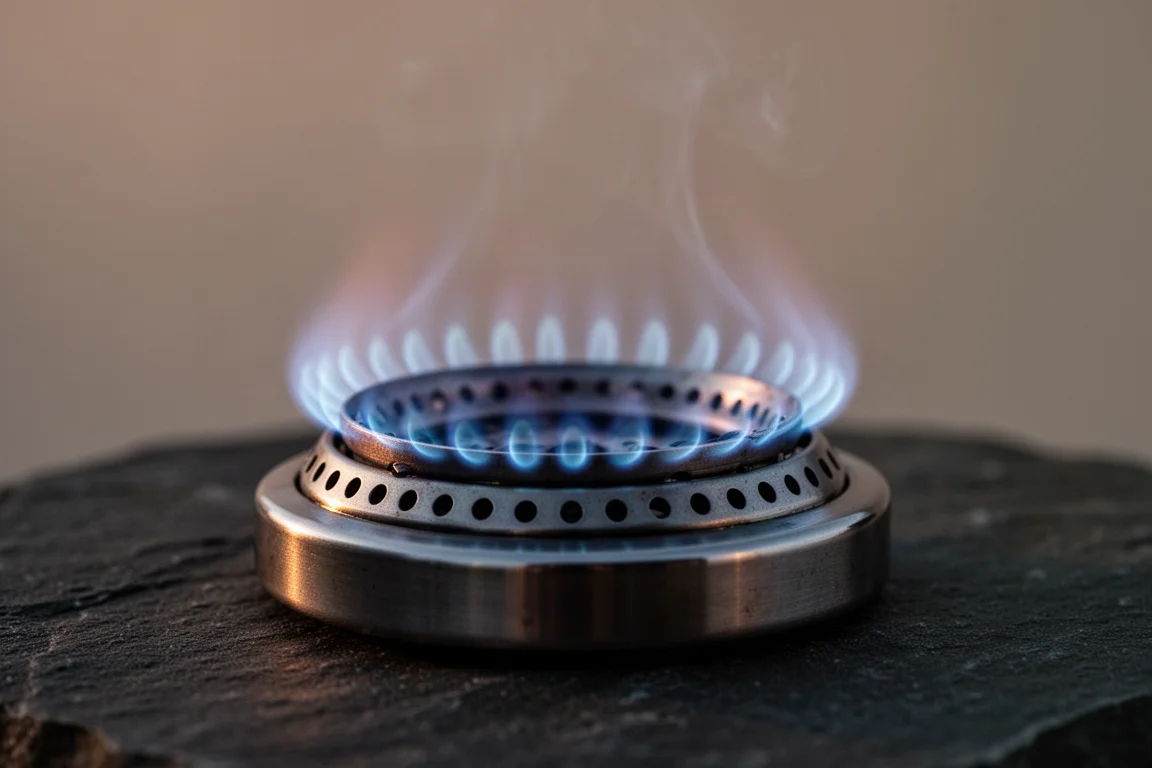
Jet-style burners like this run hotter than simple pad burners or a plain open pot stove, because the pressurised vapour produces a flame closer to what you get from a kitchen hob. The trade-off is control. There is no simmer ring, so the flame is effectively all or nothing.
Because the fuel sits open in the bowl until it is lit, it stays volatile, and a knock at the wrong moment would send burning fuel across the ground. For ultralight setups where weight and simplicity matter more than fine control, that is often an acceptable compromise.
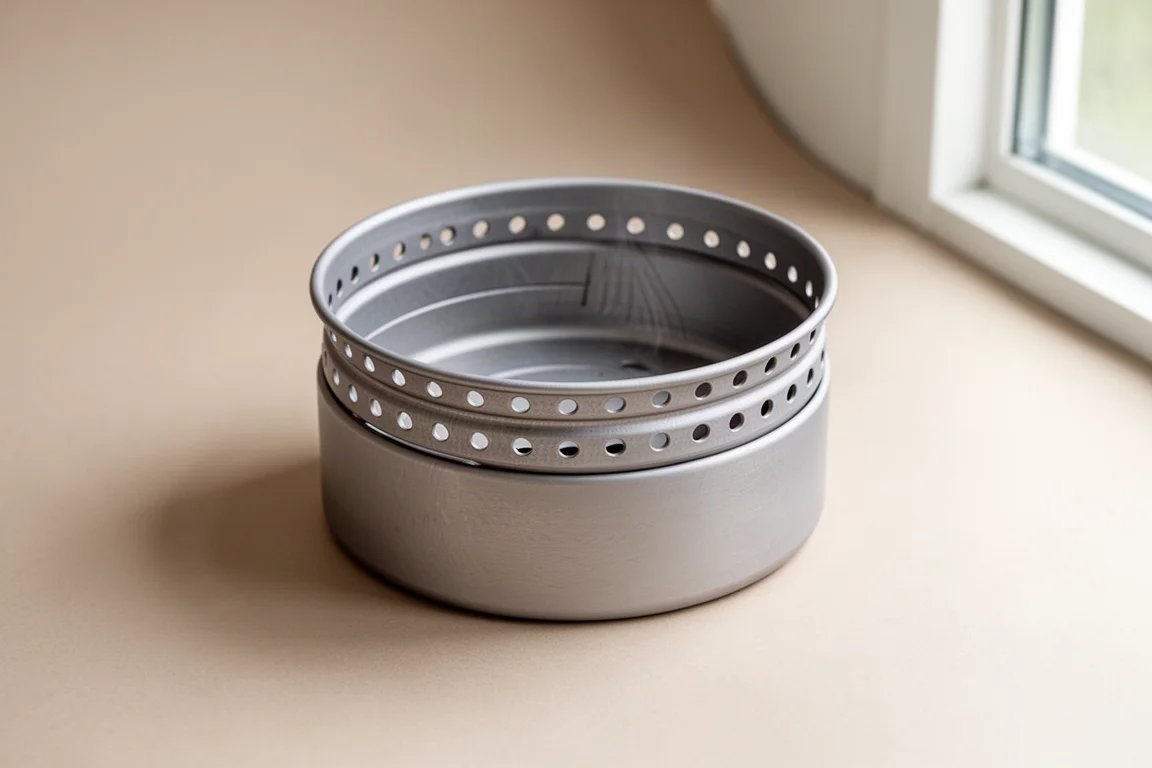
Enders Bioethanol 8L: Clean-Burning Fuel in Bulk
Bioethanol is the fuel to choose if soot bothers you. It lights easily, burns cleanly, and leaves no residue in the burner and no blackening on the base of the pot. In practice it is the cleanest of the liquid options covered here.
One quirk is that bioethanol needs a pot support. If you sit a pot directly on the burner the flame is snuffed out, so the pot has to be raised slightly above the jets, the way an X-shaped support or a similar stand does.
The Enders Bioethanol 8L container costs around £8, and at roughly 10 to 15 ml per boil, a single container lasts an extremely long time. It tends to sit in the barbecue section of larger shops rather than in the camping aisle, which is worth knowing before you set off.
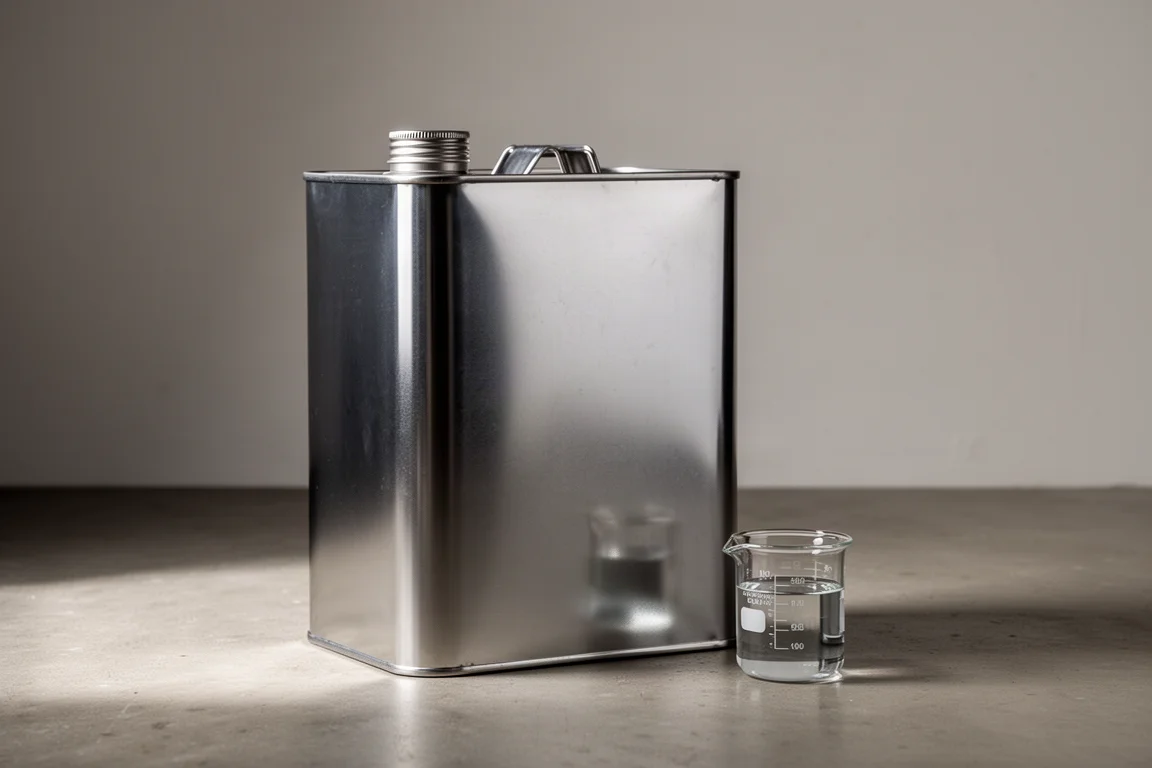
Fire Dragon Firelighter Gel: Convenient but Residue-Heavy
Gel firelighters are sold for barbecues and are easy to pick up alongside other fuel. Chemically they are still alcohol, just held in a gel, which is why they will burn in a stove.
The catch is the residue. Burned in a Trangia-style burner, this gel leaves a sticky mess behind, and cleaning it out is far more work than dealing with a little soot. It is not a fuel to put through a stove with fine jets.
Where gel does make sense is a very simple stove, the kind made from the bottom of a drinks can, where a spoonful of gel can be lit directly and there is nothing delicate to clog.
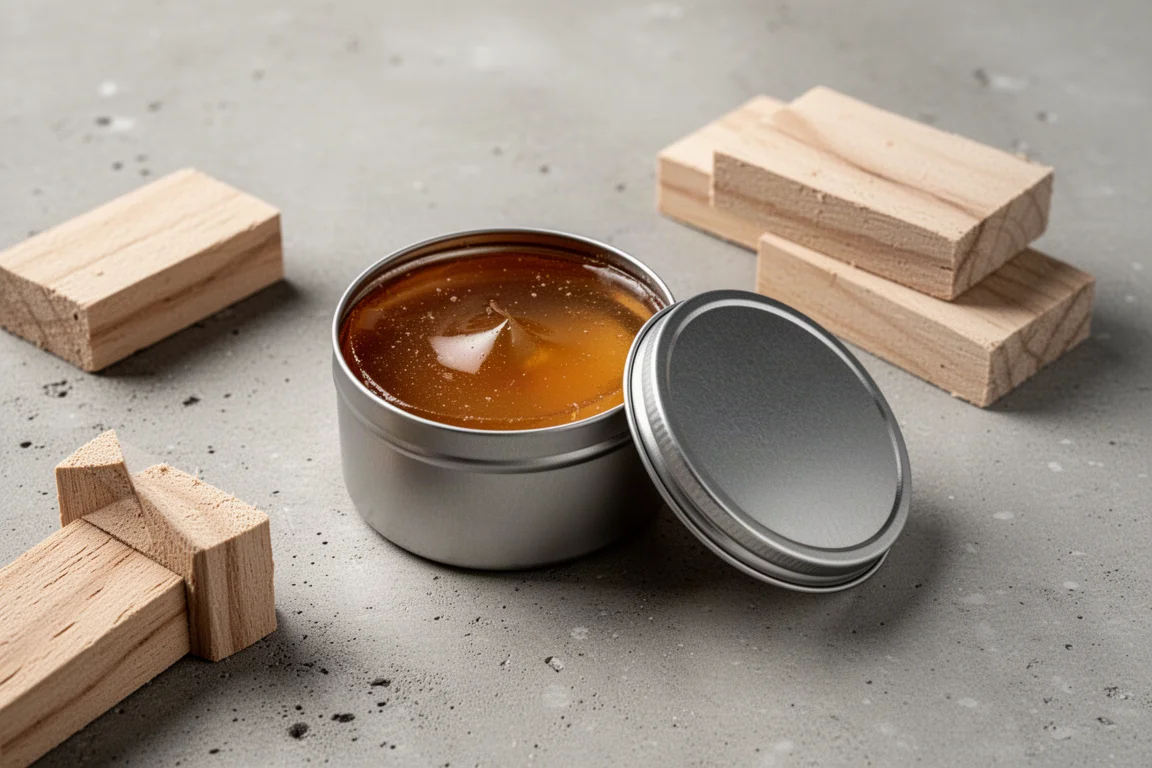
Dragonfly Gel Fuel: Thick Gel in a Bottle
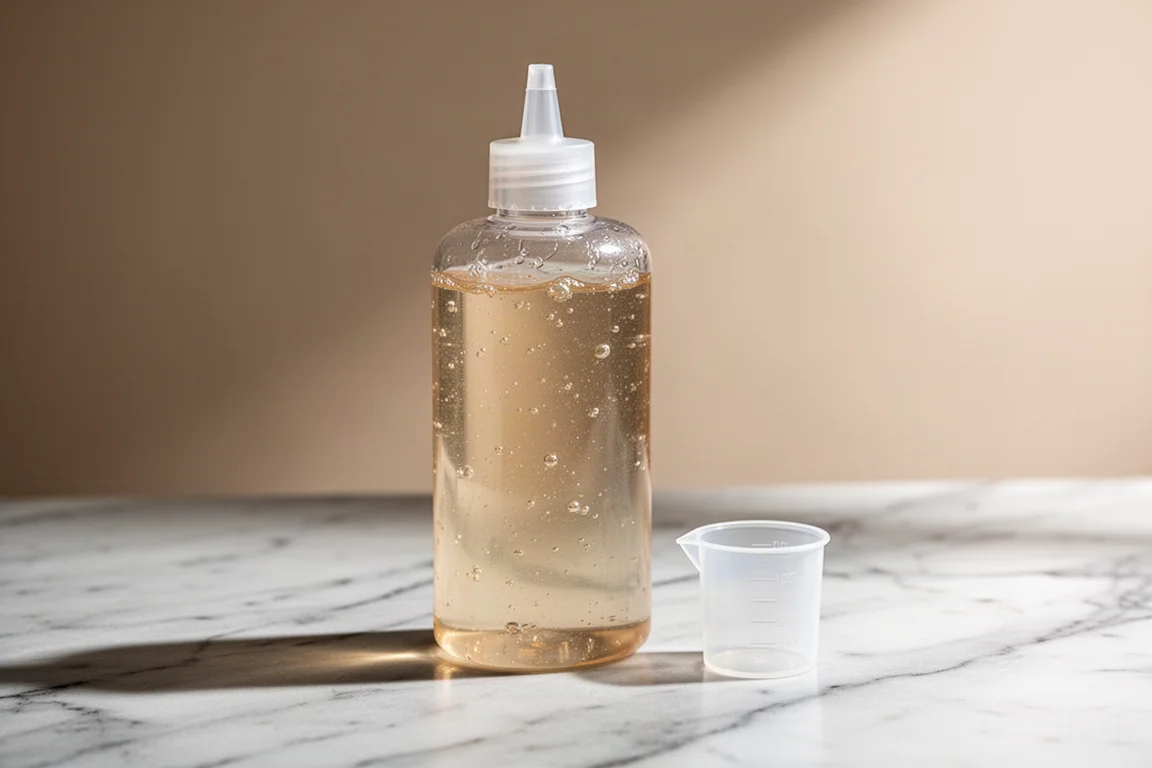
Dragonfly Gel Fuel is a thick liquid gel, very much like hand sanitiser in consistency. You pour some into a simple can stove, light it, and it burns. There is no priming, no blooming and no waiting.
It is also the messiest option here. The gel leaves a nasty residue in the burner, and for that reason it does not belong in a stove with narrow jets or a pressurised chamber.
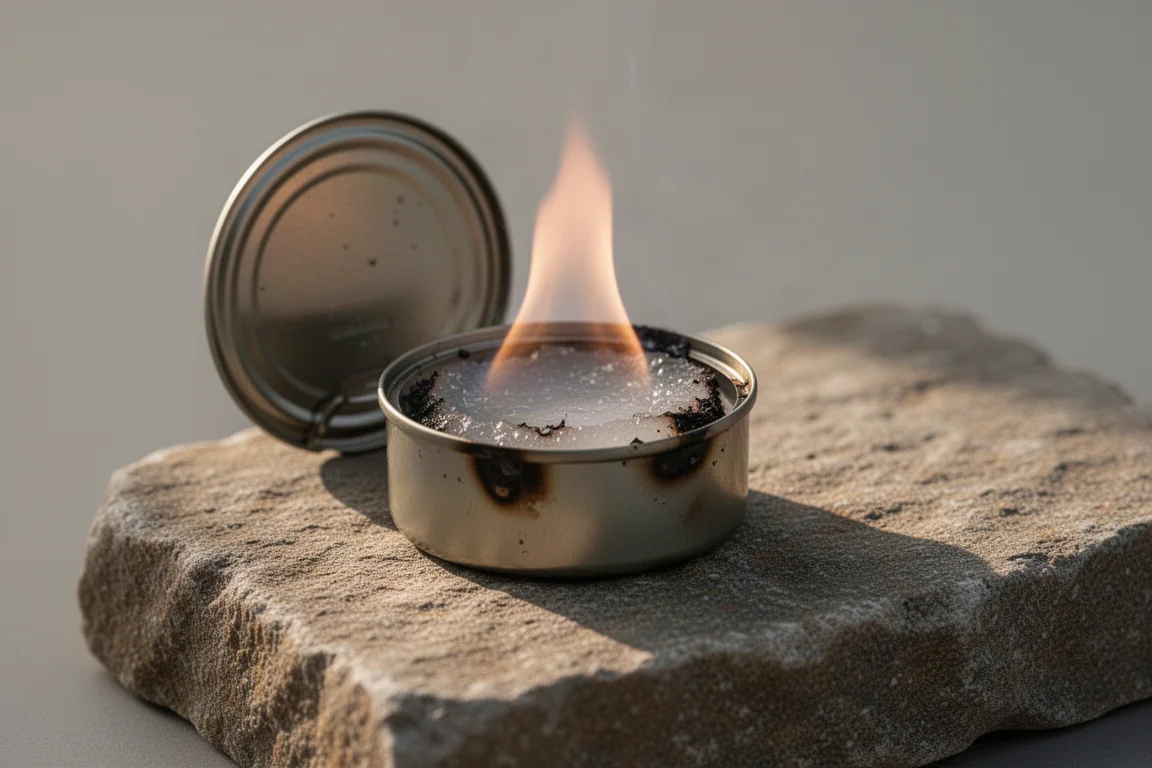
As with any gel, it works best as an occasional or backup fuel for the simplest possible stove, and the burner will need a proper clean afterwards.
Fuel Handling and Safety Notes
Alcohol fuel deserves respect. Flames from methylated spirits and bioethanol are faint in daylight, so it helps to light the burner with a long twig or a match rather than leaning over it. If you spill fuel on your hands or on the ground, wipe it dry and let it evaporate completely before bringing a flame anywhere near.
The bigger risk is a tipped burner. In an open stove the fuel stays volatile, and a knocked pot or a gust of wind can spread burning fuel across a tent or a pitch. Some stoves solve this with a carbon felt insert that absorbs the fuel and holds it in place, so the burner can be tipped without spilling. If you often cook in a porch or in windy conditions, that design is worth looking for.
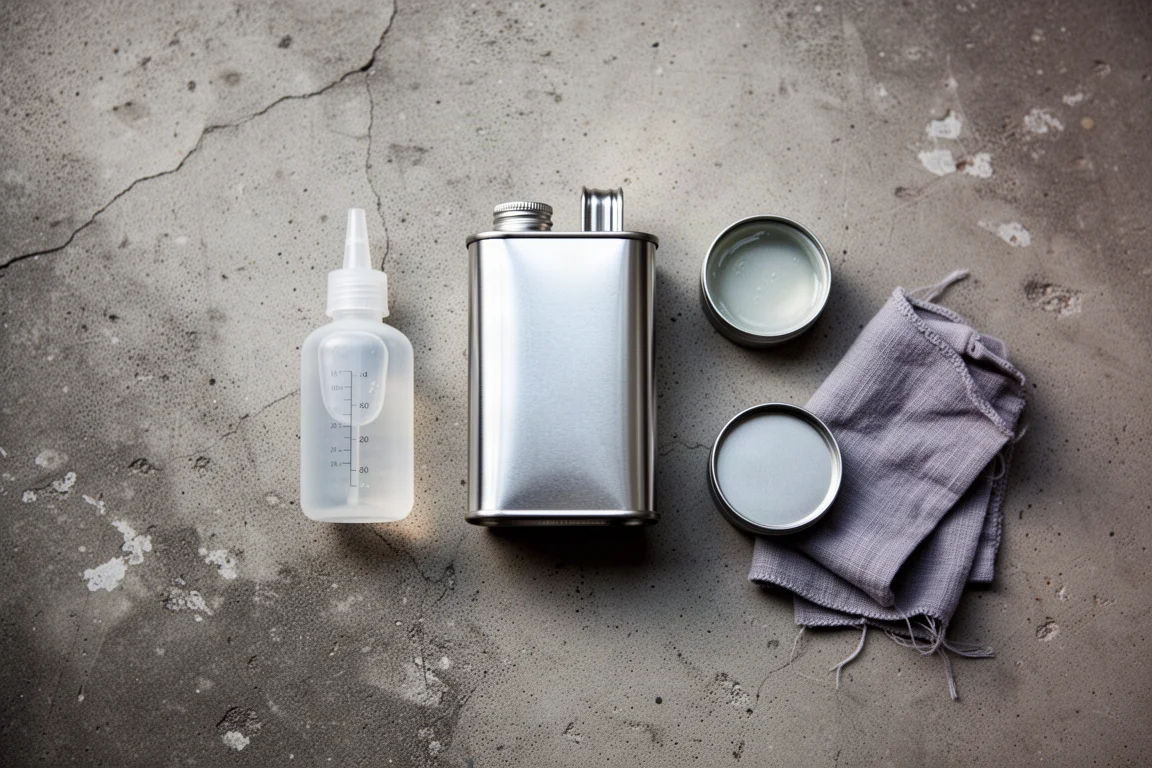
Dosing is the other habit worth building. A small bottle with a measuring cap, such as an old cough medicine bottle, lets you pour around 10 to 15 ml at a time. Work out how much water that boils for you, for example 400 ml, and you have a reliable measure for every trip.
Buying Advice
Methylated spirits remains the cheapest and easiest fuel to find. Half a litre costs around £2.29, it works well in the Trangia Spirit Burner, and it is stocked almost everywhere. The compromise is soot on the pot and a noticeable smell. Adding roughly 10 percent water to the fuel reduces the sooting, and a scouring pad handles the rest.
Bioethanol costs more per container but burns cleanly, which matters if you dislike scrubbing pots or if you are cooking somewhere you would rather not leave a mark. The Enders 8-litre container works out very cheap per trip.
Gel fuels are best kept for simple can stoves and for backup. They are convenient to buy and simple to light, but the residue they leave behind makes them a poor match for a jet burner.
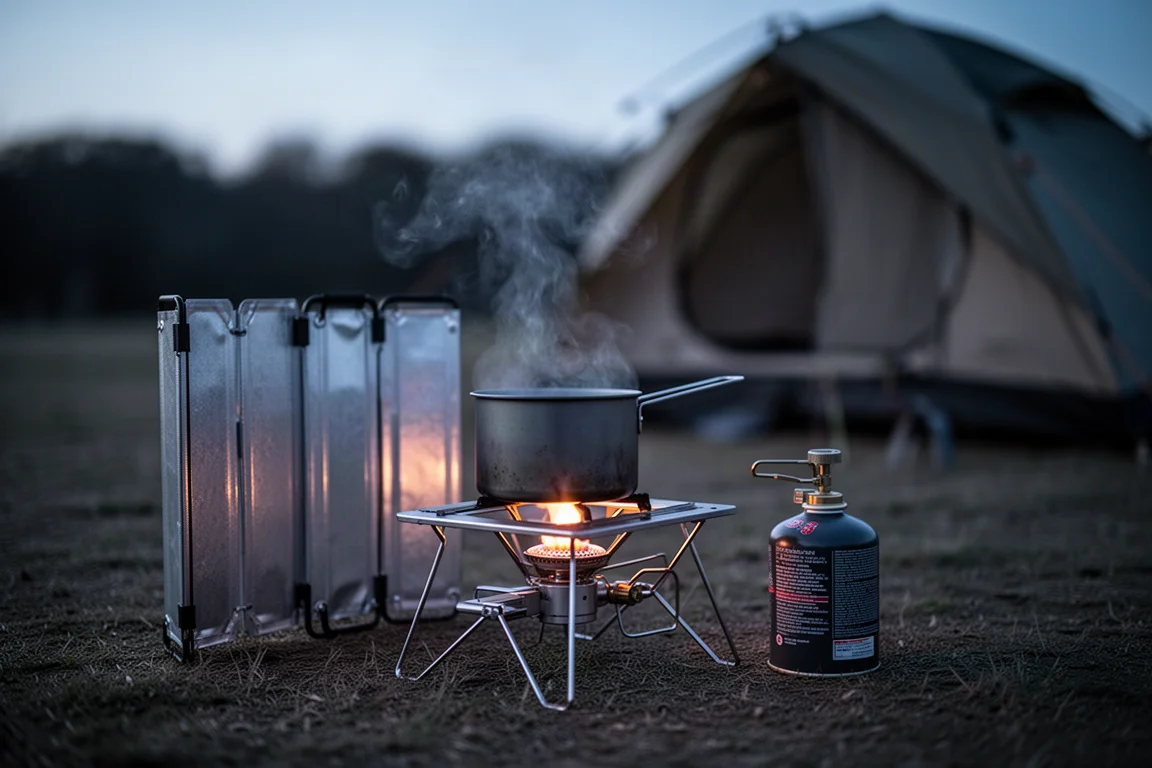
Whatever you choose, match the fuel to the burner. A pressurised jet stove wants a clean liquid fuel, while a basic open stove will tolerate almost anything.
Conclusion
Both liquid fuels do a fine job, and the choice comes down to what you are willing to live with. Methylated spirits is the cheapest and most widely available option, with soot and smell as the price. Bioethanol burns noticeably cleaner and suits anyone who wants a pot that wipes clean.
For the stoves themselves, the Trangia Spirit Burner remains the safest all-round choice thanks to its snuffer, lid and simmer ring, while the Evernew Titanium Alcohol Stove trades that control for a hotter jet flame. Gel fuels fill a narrow gap, and they are at their best in the simplest stove you own.
Further reading
Related Reviews
Camping Stoves
BCB Fire Dragon Mini Cooker Review: A Tiny Folding Stove With Real Trade-Offs
A palm-sized, fuel-flexible folding stove that heats water well enough, but brings flame control, stability, and fuel cost questions worth understanding first.
Camping Stoves
Boundless Voyage Titanium Alcohol and Wood Stove Review: Ultralight Cooking, Two Ways
A titanium alcohol and wood burning stove kit that weighs 4.5 oz complete, boils two cups of water in about 10 minutes, and costs $36.
Camping Stoves
BRS 32 Dual Burner Stove Review: A Folding Two-Burner That Packs Down Flat
A detailed look at the BRS 32, a slim folding dual burner camping stove that expands into a stable cooking platform for around $60.