Ski Reviews
Best Frontside and Race Skis 2026: From World Cup GS to All-Mountain Carvers
Six standout skis spanning the full frontside spectrum, from demanding FIS race builds to accessible high-performance carvers.
Introduction
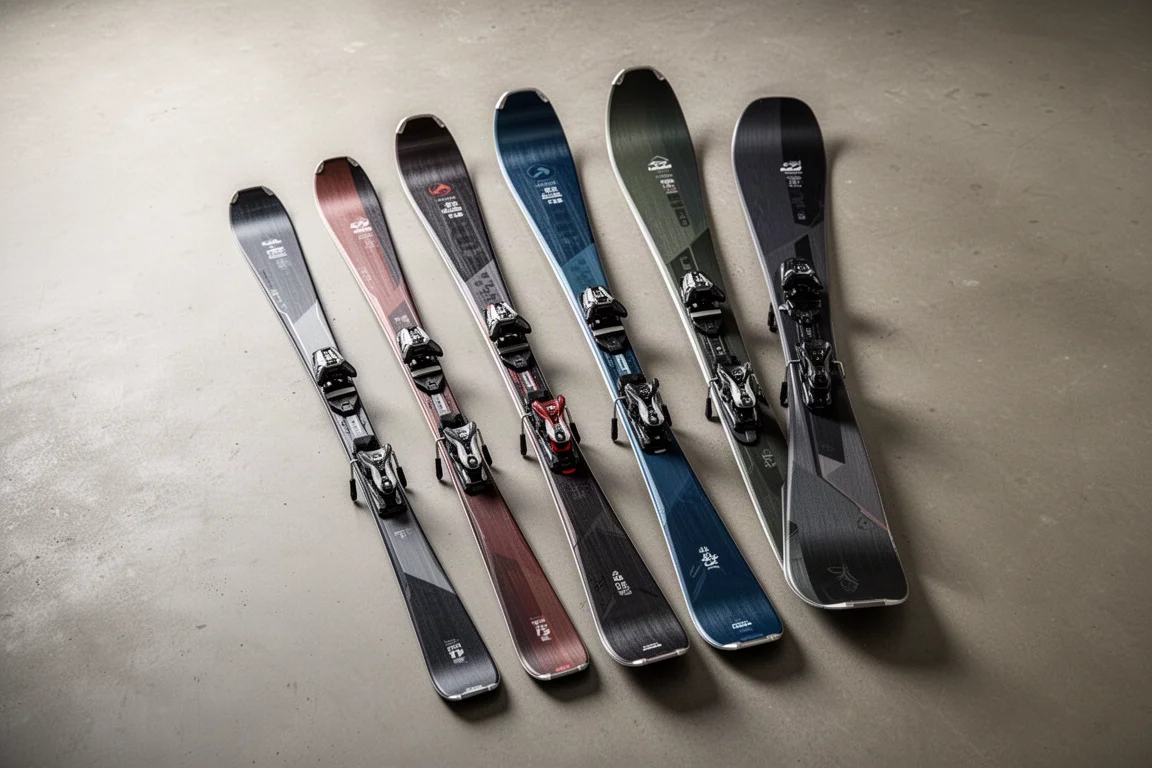
Few categories reward careful comparison like frontside and race skis. Spanning waist widths from 65 mm all the way to 82 mm underfoot, this group covers everything from full FIS World Cup weapons to playful, forgiving carvers that almost anyone can enjoy. The gap between the first ski on the wall and the last is enormous, and understanding where you fall on that spectrum matters more than any spec sheet.
This comparison is organized by width, and within each chunk the skis share more similarities than differences. The real story is the progression: as the builds get lighter and the shapes get wider, the speed minimum drops, the flex softens, and the audience broadens. Below are six skis that represent the most interesting points along that line.
The FIS Race End: Volkl Racetiger GS
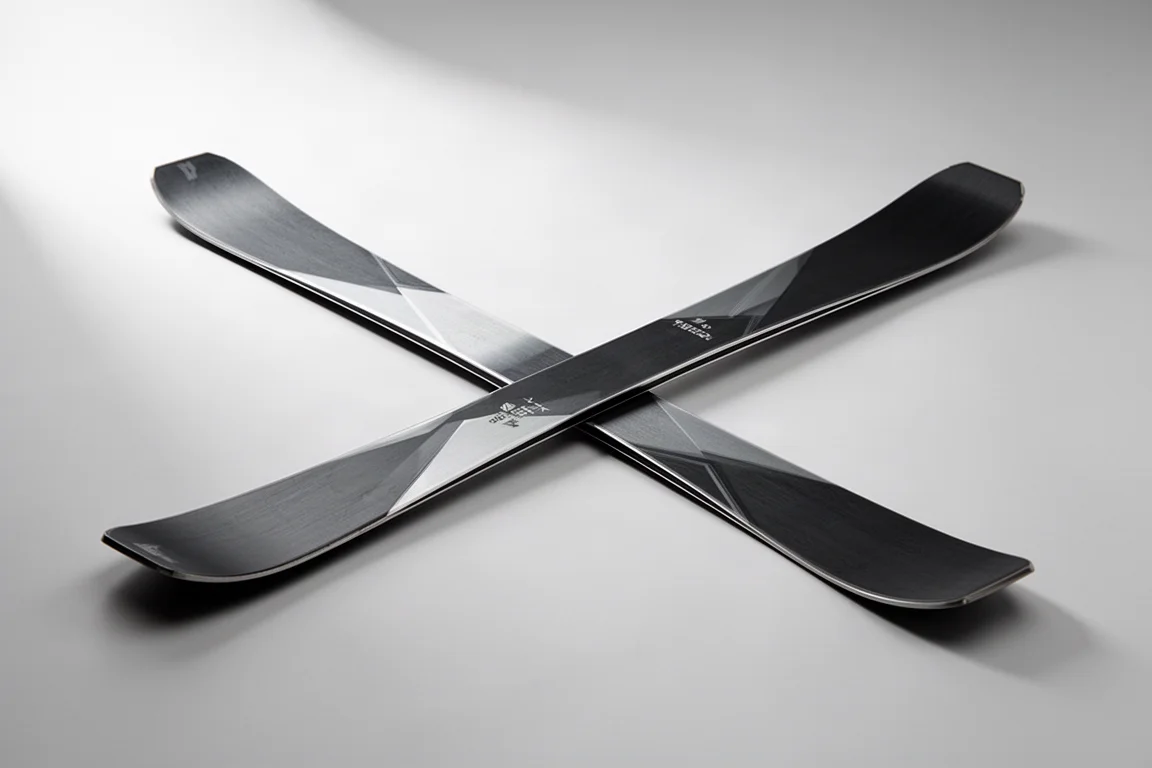
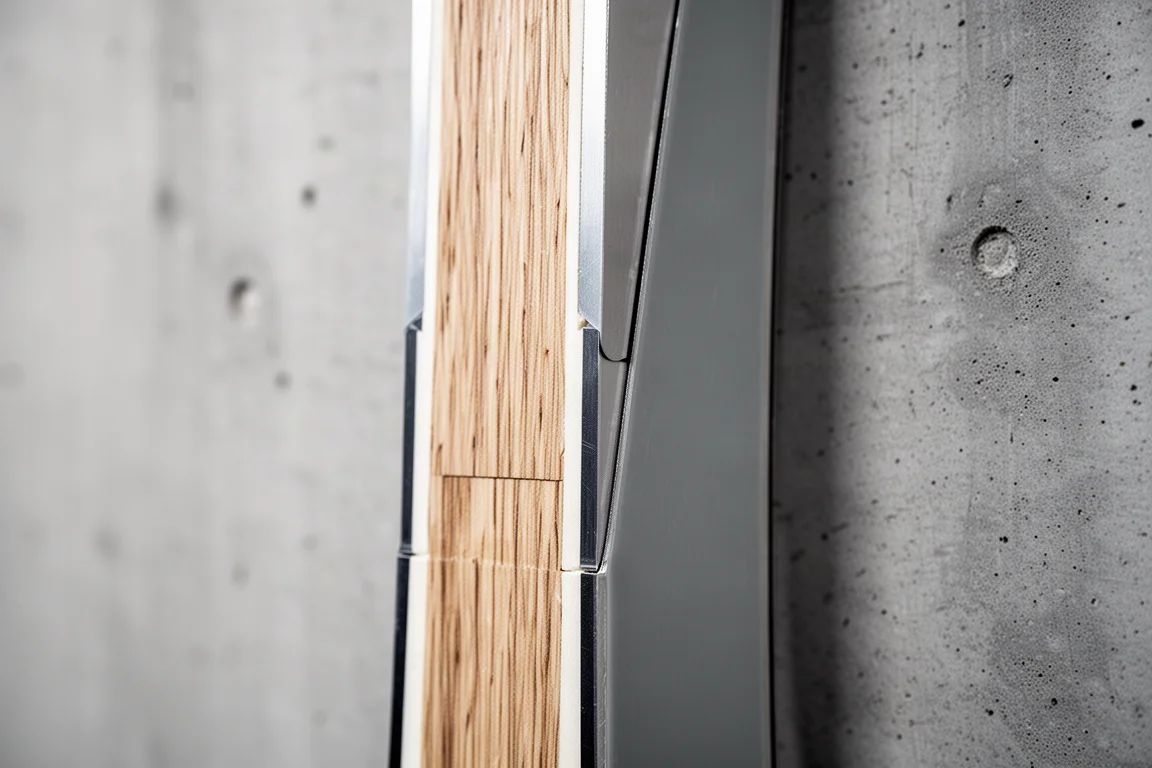
Starting at the demanding end, the Volkl Racetiger GS is the ski you buy if you want exactly what World Cup racers use. It meets current FIS regulations with a 30 m radius in the 193 cm men’s length, a dense heavy wood core, phenol sidewalls for torsional stiffness, and two very thick sheets of metal. There is no taper and no accommodation for anyone chasing anything other than hundredths of a second.
It is one of the most one-dimensional skis in the category, heavy in the hand and nearly impossible to flex. If you have to ask whether it is right for you, it almost certainly is not. This is a specific tool for strong, big, highly advanced skiers with race technique, and even then it can be uncomfortable to ski at most resorts.
The Beer League Sweet Spot: Nordica Dobermann GSM
The Dobermann GSM keeps much of the World Cup DNA, with two sheets of metal and a dense wood core, but the metal is thinner and a carbon bridge is added to make the ski more user-friendly than the full WC build. The 180 cm length carries a 69 mm waist and a 19.5 m turn radius, and it retains a Marker piston plate, which is usually a good indicator that the ski underneath is burly.
This is arguably the ideal beer league GS ski. It still requires real power and technique, but it has a lower operating speed than the FIS builds, meaning you do not have to be at full velocity for the ski to respond. You lose very little precision and gain a meaningful touch of speed versatility, along with a flex that a strong recreational racer can actually access.
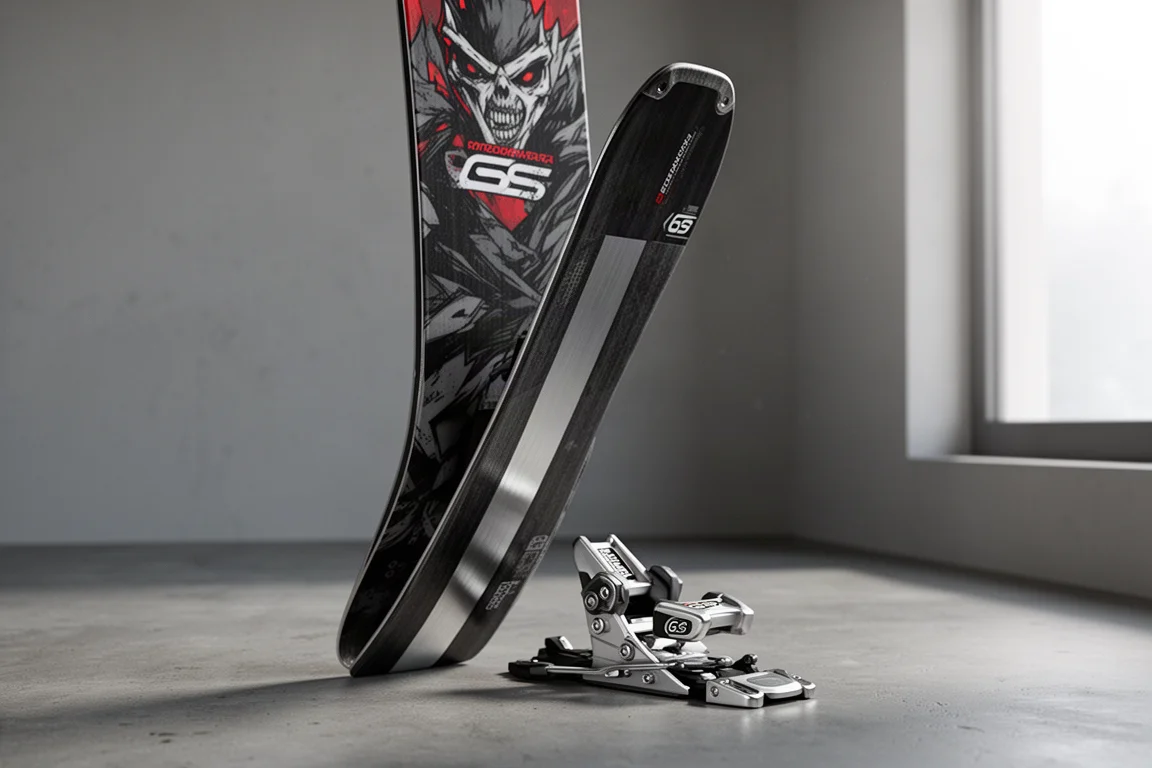
The Versatile Premium Carver: Blizzard Firebird HRC
The Blizzard Firebird HRC has been around for a few seasons with only cosmetic changes, and for good reason: it is the most versatile ski in the Firebird collection. At 76 mm underfoot with a 15 m radius in the 174 cm length, it splits the difference between Blizzard’s slalom-cut and GS-cut race skis. The build pairs a dense wood core and two sheets of metal with carbon armor and a carbon spine, so it is far from a soft ski, but the width and turn shape make it feel more forgiving than nearly everything narrower on the shelf.
It rewards hard, precise skiing without demanding race-level input on every turn, which helps explain why it has become the most popular Firebird. Think of it as a daily-driver carving ski with a premium, race-inspired feel rather than a competition tool.
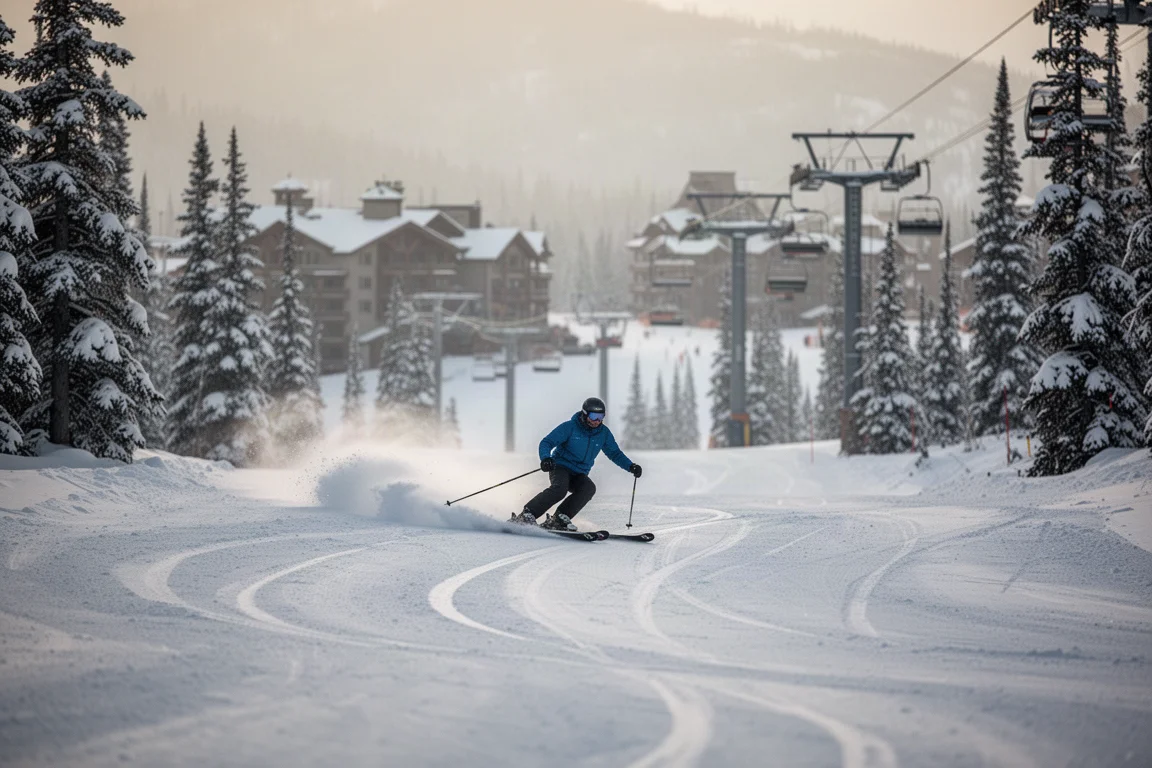
The Precision High-End Pick: Stöckli Laser SC
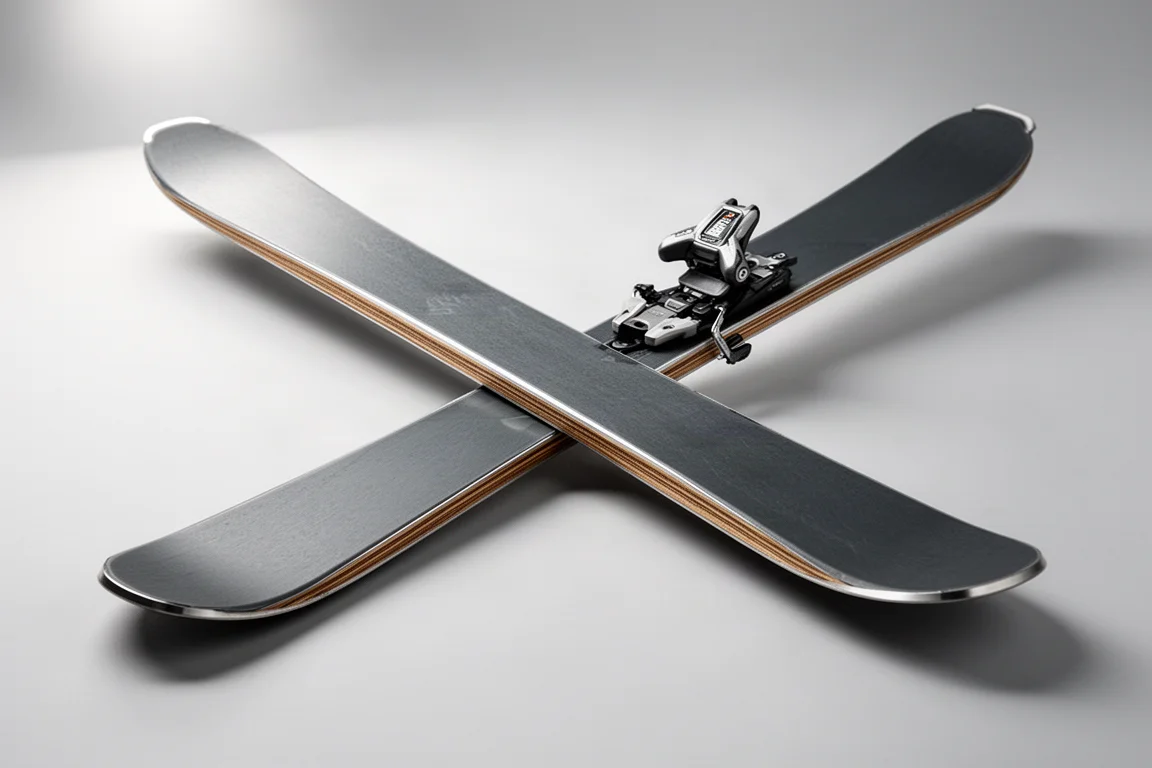
The Stöckli Laser SC sits at the top of the recreational carving category, with a quality of build and feel that is immediately obvious from the first turn. It pairs a wood core with two sheets of metal and Stöckli’s torsion racing technology, a vertical slit in the top that lets the ski rotate slightly through turn initiation while keeping the rest of the platform rock solid. Rubber integrated into the epoxy layers gives it a notably damp, smooth ride.
With a 72 mm waist, a 13.5 m radius in the 163 cm length, and a flex that advanced and expert skiers can genuinely access, it is refreshingly easy to ski for something this precise. Put a little energy in and it pulls you into the turn. It is a tip-and-rip ski that makes you feel like a superstar, and it leaves you smiling at the bottom of the trail.
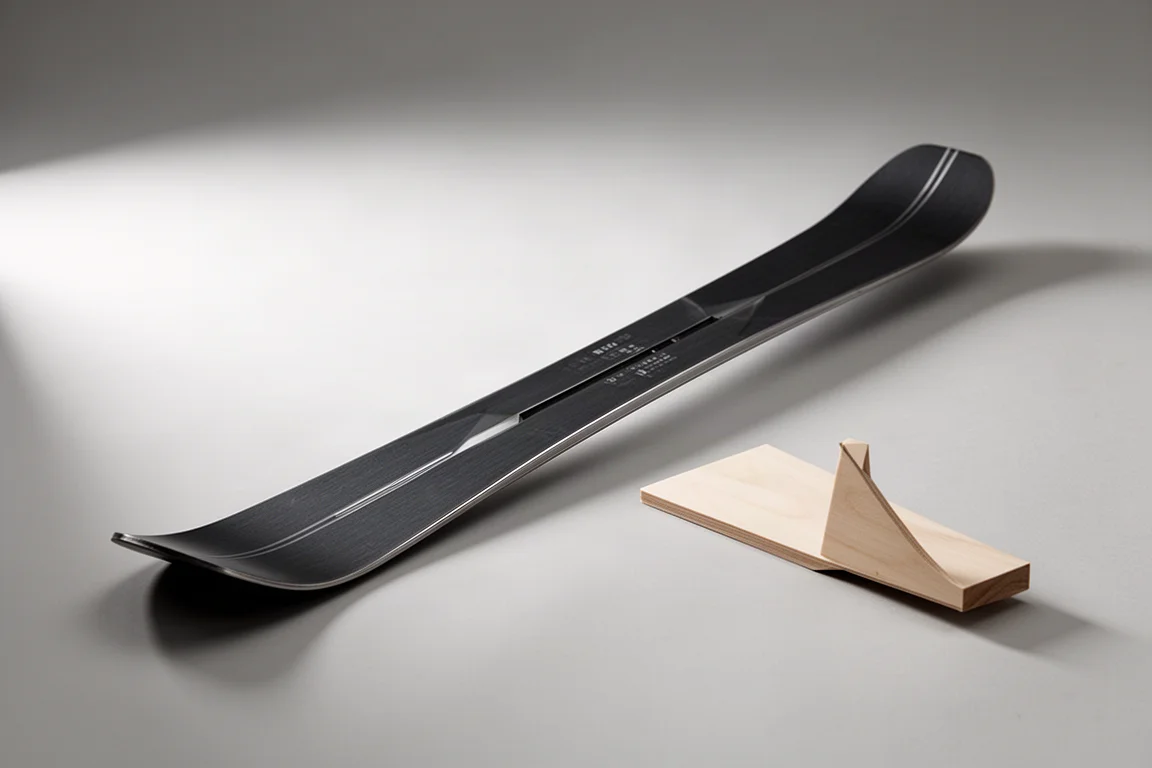
The Kitchen-Sink All-Rounder: Volkl Deacon 80
Volkl threw everything at the Deacon 80: a glass frame instead of titanal for a lighter, more energetic feel, a 3D Ridge central spine for mid-ski stability, a variable 3D radius sidecut (21/13/18) that delivers a 13 m slalom turn underfoot while allowing longer arcs in tip and tail, tip and tail rocker, 3D glass over the sidewalls, and an integrated low-ride binding plate that pulls directly on the ski for extra precision.
The result is a rare ski that works for a remarkably broad audience. A smooth technical skier working on linked carves can love it, and so can an aggressive expert pushing it hard. It skips the weight and dampness of metal without giving up much performance, and it is a little less fatiguing for all-day days.
The Energetic Finisher: Elan Wingman 82 CTI
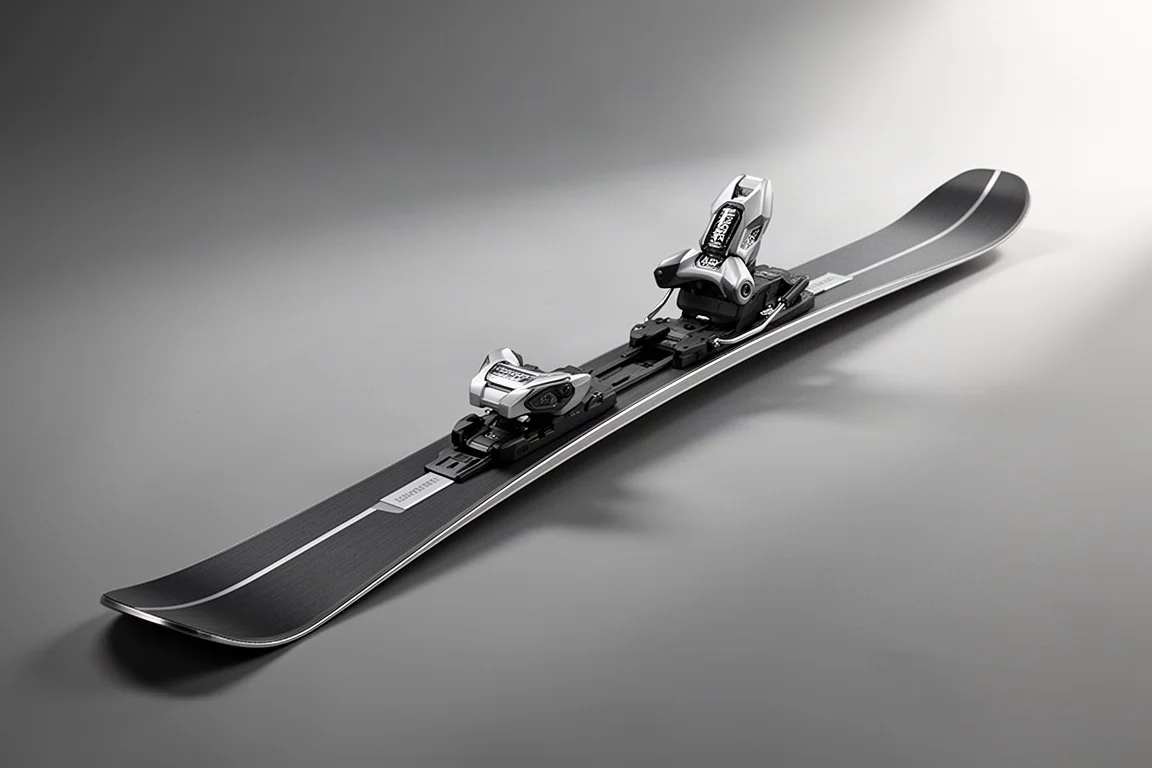
Rounding out the wider end, the Elan Wingman 82 CTI shares its build with the extensively reviewed Wingman 86 CTI, just in a narrower frontside shape. Elan’s tubelight wood core combines two carbon tubes with two sheets of metal, and the asymmetric raised construction means extra material sits over the inside edge, cambered on the inside and slightly rockered on the outside for an unusually smooth, intuitive feel.
At 82 mm underfoot with tip and tail rocker and a 14.3 m radius in the 172 cm length, it is one of the more playful skis here, willing to skid and smear as well as carve. The grip from the carbon-and-metal combination is superb, and once that carbon activates at high edge angles the ski truly comes to life. It is the most energetic and all-mountain-oriented pick of this group, a natural bridge toward the freeride-leaning category.
Overall Buying Advice
The single most useful question when shopping this category is honest self-assessment. At the narrow, stiff, metal-heavy end, these skis have a hard speed minimum and demand strength, technique, and confidence; a shorter turn radius does not make a race ski easier, it often makes it more exhausting. As waist width grows toward 80 mm and builds gain rocker, shorter carbon or thinner metal, the same skis become usable at everyday resort speeds.
If you race or crave maximum precision, lean toward the race-inspired builds with plates and heavy titanal. If you want a premium carving experience without the fatigue, the high-end recreational carvers deliver nearly all the grip with far less cost in effort. And if versatility matters most, the wider, rockered options blur happily into all-mountain territory. Binding preference is also a valid tiebreaker; integrated system bindings from Rossignol and Atomic are among the best executed, and personal confidence in a binding is worth respecting.
Conclusion
The frontside and race category is less about finding a single best ski and more about finding your position on a very long spectrum. Match the build, radius, and stiffness to how and where you actually ski, and any of these six picks can be deeply rewarding.
Further reading
Related Reviews
Ski Reviews
Armada Antimatter 108 Review: A Freeride Ski Built for Speed and Deeper Snow
The Armada Antimatter 108 carries over the beloved Declivity X 108 shape with new construction that adds compliance in soft snow and composure in crud, aimed squarely at strong, aggressive skiers.
Ski Reviews
Armada Antimatter 92 vs Invictus 92: Two All-Mountain Skis Compared
A closer look at two Armada all-mountain skis, one playful and nimble, the other composed and smooth, to help you pick the right one for your skiing.
Ski Reviews
Armada Antimatter 92W Review: A Smoother Take on a Proven All-Mountain Footprint
The Antimatter 92W keeps the trusted Reliance 92Ti footprint but softens the ride with a new metal construction, making it more versatile in softer snow without losing on-trail grip.