Ski Reviews
Best Front Side Carving Skis: 11 Groomer-Focused Skis, From Race-Inspired to Easy-Going
A practical guide to 11 front side skis, ranked from the most demanding race-adjacent carvers to the friendliest options for skiers who simply love groomed runs.
Introduction
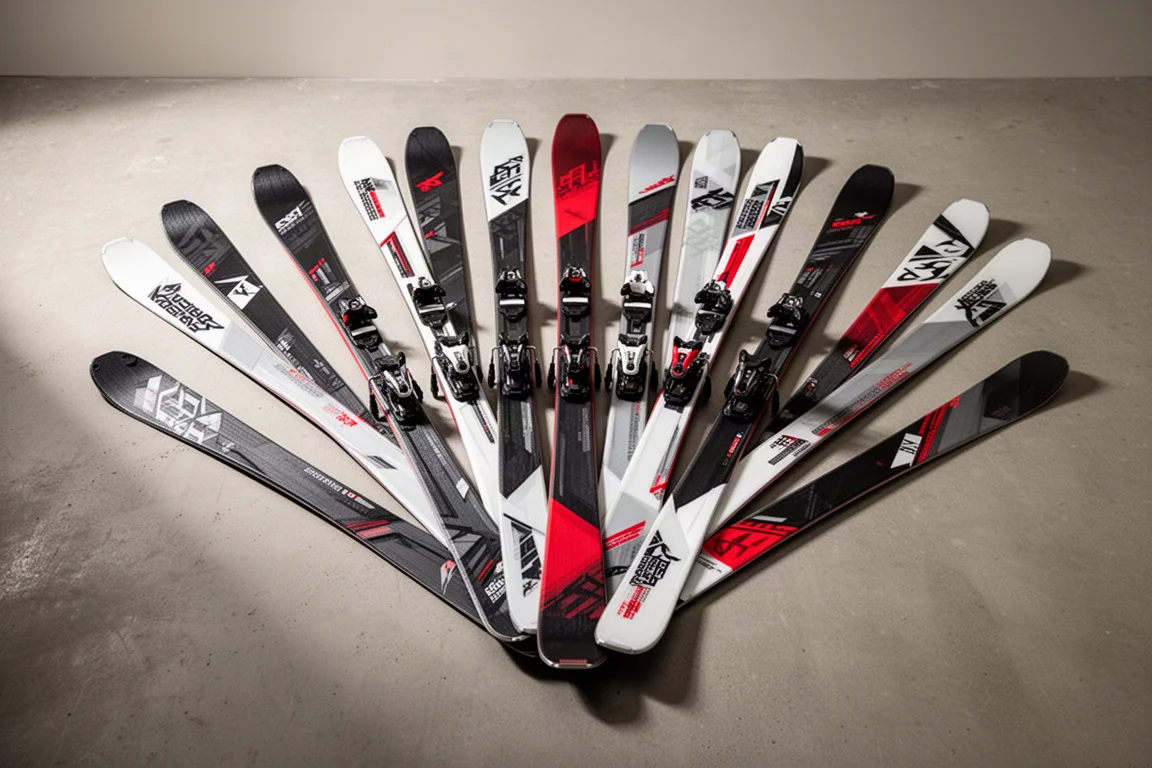
Front side skis are one of the most overlooked categories in skiing. While most media attention and retailer focus goes to the 90 to 100 mm all-mountain skis, there is a whole lineup of narrower skis that make enormous sense for a lot of skiers, especially anyone who spends most of their days on groomed runs.
Why the Front Side Category Deserves Your Attention
Over the past several seasons, the pendulum in ski design swung hard toward wider, more versatile skis. Skis around 90 to 100 mm underfoot became the default recommendation, and for good reason: they cover your bases. But a ski that is good at everything is not the best at any one thing. Many skiers who own an all-mountain ski eventually realize that a real carving ski carves a noticeably nicer turn.
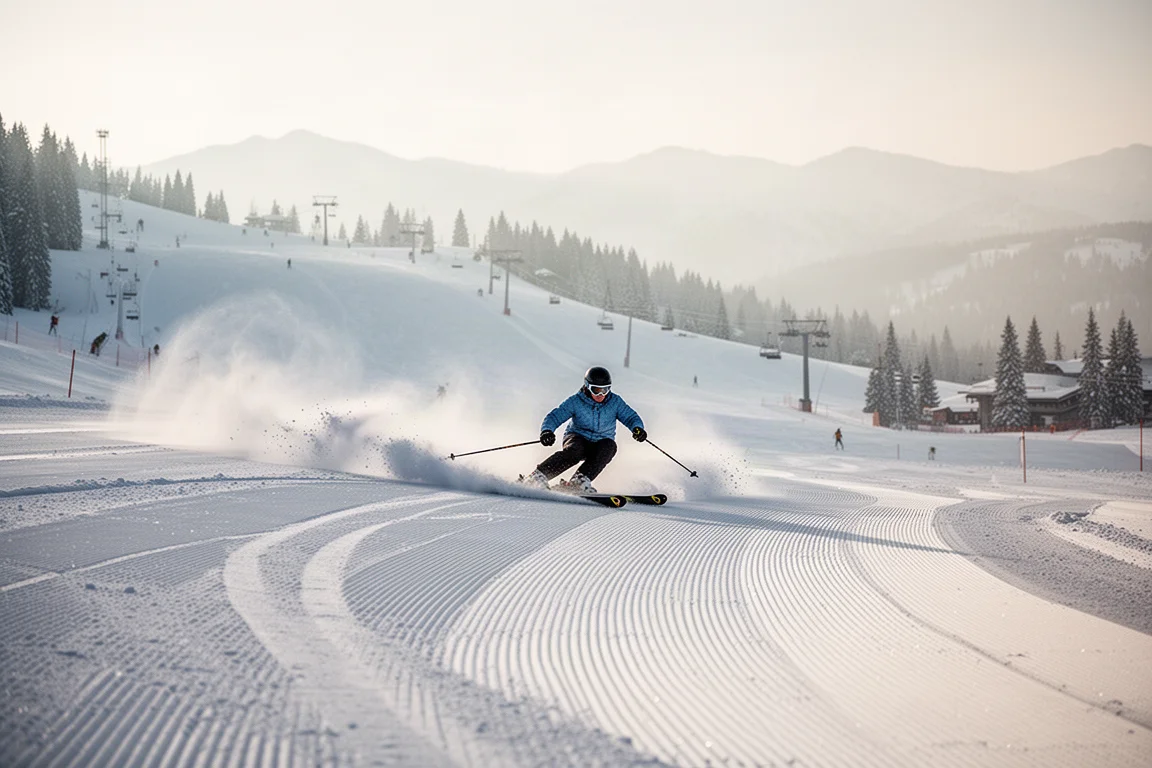
That is where modern front side skis come in. Brands have developed what you might call accessible carving skis: nearly as easy to ski as an everyday all-mountain ski, capable of laying over a beautiful turn, but not as demanding as a race ski. These skis help you get better at carving if you are still learning, and if you already know how to carve, they simply make it more fun. For the vast majority of ski days, roughly 85 to 90 percent, a front side ski will keep you well covered, especially if you know you are choosing a tool for the job.
The Demanding End: Nordica Dobermann Multigara
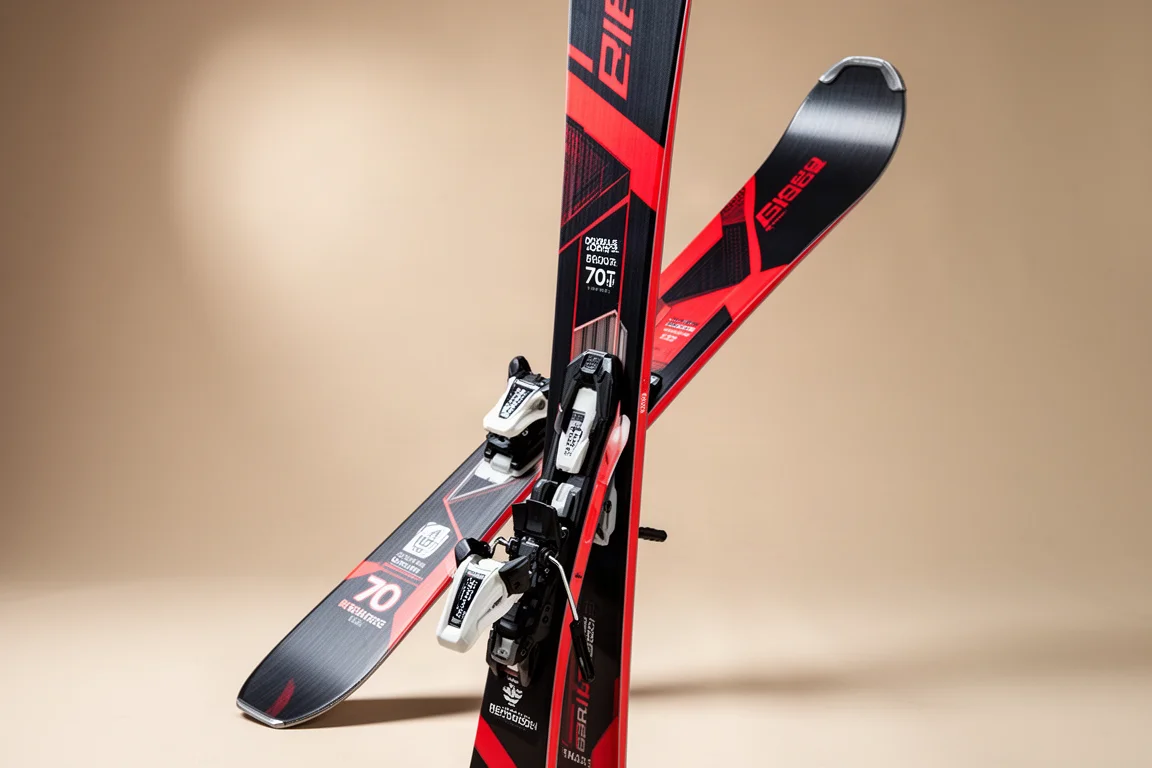
The Nordica Dobermann Multigara is the closest thing to a traditional race ski in this lineup, even though it is not a race ski. It has one turn shape, tons of camber, and it wants you to drive it fast. If you are not carving, you are doing extra work. There is no rocker to speak of, the tail is flat and fairly wide with an aggressive sidecut, and it is mounted high on something close to a plate. At 70 mm underfoot it is quick edge to edge, and it feels dangerous in a good way.
This is the ski for powerful, aggressive skiers who want to push hard and lay over super clean turns at high edge angles, including beer league racers and former GS skiers who still want everything a race-inspired ski offers without the intimidation of a full race stock ski. It likes firm, buffed groomers and flat corduroy, and it is the most particular ski here about conditions. Trying to skid turns or release the tails takes real work, so it is not a tree-skiing tool. It also demands a proper boot: ski it in a soft 100-flex boot and it will feel like the ski is the problem when it is not.
Nordica Dobermann MultiPista
The MultiPista was created as the more accessible answer to the Multigara. It has a more traditional all-mountain shape with a softer tail that releases from a turn, more rocker in the tip, and a much friendlier overall character. Despite sitting in the same family, it feels noticeably more agile and nimble thanks to its tip and tail profile, which lets it compete with slightly wider skis while staying a genuine carving tool.
Stöckli Montero AR, AS and AX
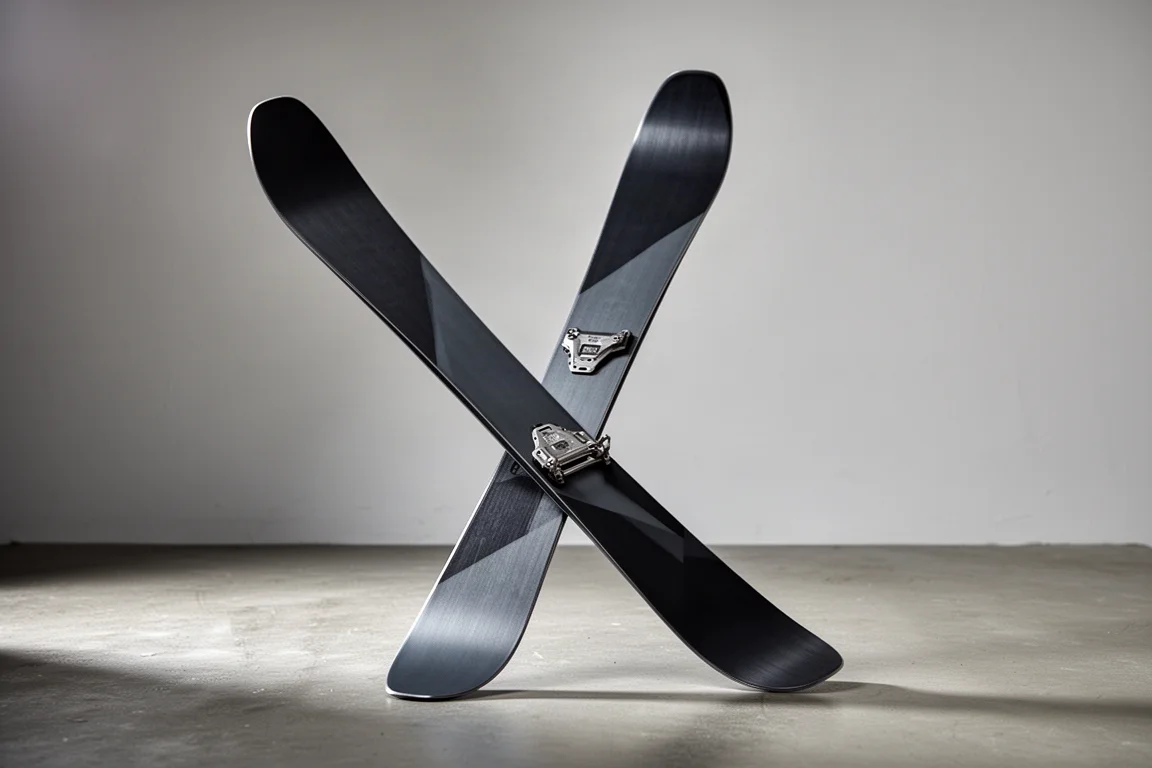
The Stöckli Montero line is a great example of why waist width alone does not tell you much. The Montero AR is 84 mm wide, which sounds nearly all-mountain, but its burly construction, stiff tail and unforgiving tip shape put it right alongside the Multigara as one of the most demanding skis here. It required serious input when tested in challenging conditions, morning bulletproof snow that turned to chopped mush by late morning, and it delivered race-level power with more stability in variable snow than a narrower ski could manage. It is the most popular model in the line and feels like a tank: more metal, more wood core, more everything.
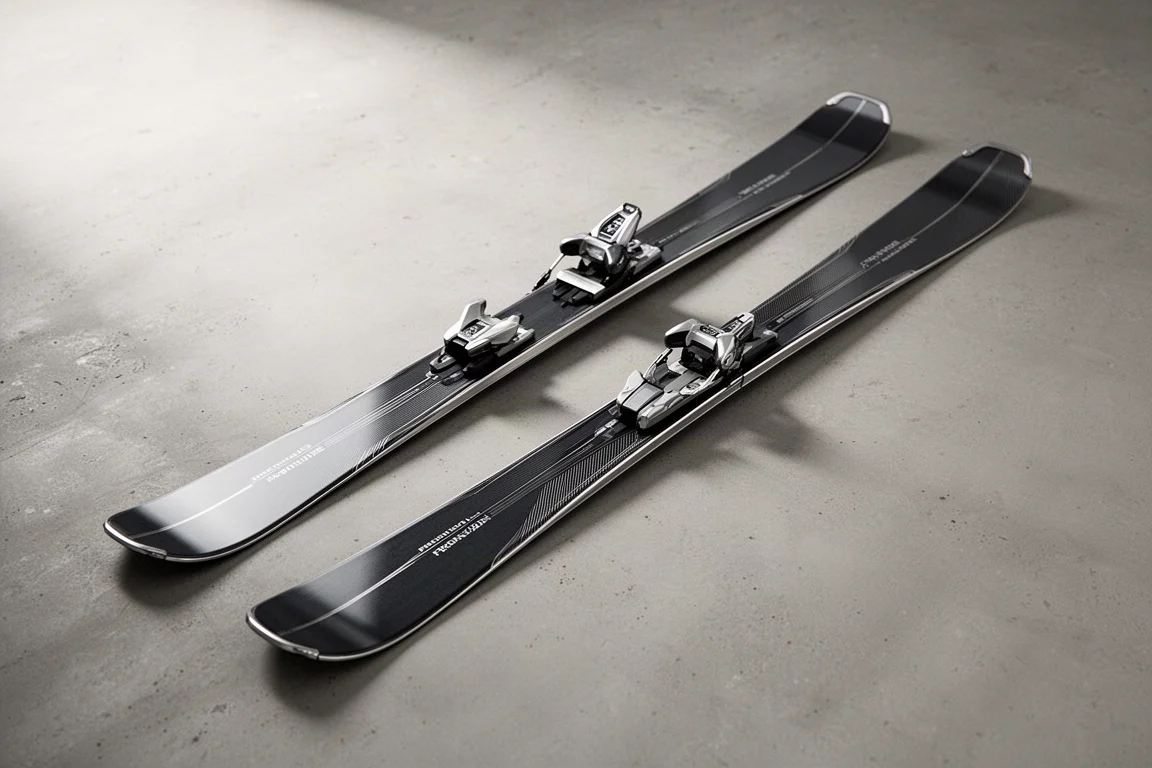
Going narrower in the line does not change the shapes or materials much; there is simply less ski to move around, which makes each ski easier. The Montero AS is the narrowest and the easiest to ski of the three, even though it looks closely related to the Multigara and MultiPista on paper. It still has plenty of front side power, but it likes more perfect conditions and can get knocked around a bit more in firm, variable snow.
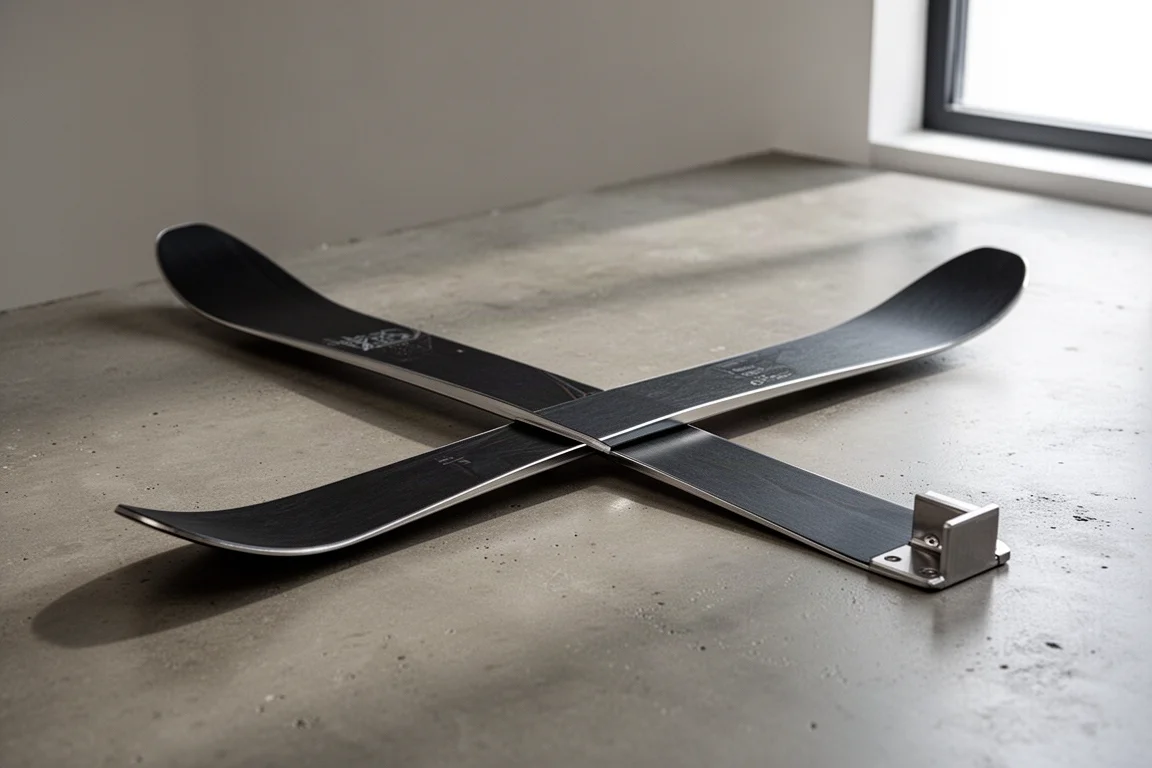
The Montero AX sits between the two: a touch more difficult than the AS, a little less forgiving, but still a powerful front side ski. Think of the three as the same DNA scaled in accessibility rather than in character.
View more details for Stöckli Montero AX
Fischer The Curv GTX
The Fischer The Curv GTX is 76 mm wide and follows the classic high-performance carving formula: wider tip, wider tail, really narrow in the middle, not much rocker. It pulls into a turn quickly and its shape is strikingly similar to the Multigara, but it flexes in a more friendly way at lower speeds thanks to how the materials are laid out.
It makes a slightly shorter turn radius than the Multigara or Montero AR, so it handles quick, slalom-style turns well, and it is the pick for skiers who want almost no limit on top-end performance without committing to a ski that fights them. Like all the demanding skis here, it still does not enjoy skidding, bumps or technical terrain.
The Friendly Middle: MultiPista, Stormbird 82, Peregrine 82 and Blur XT
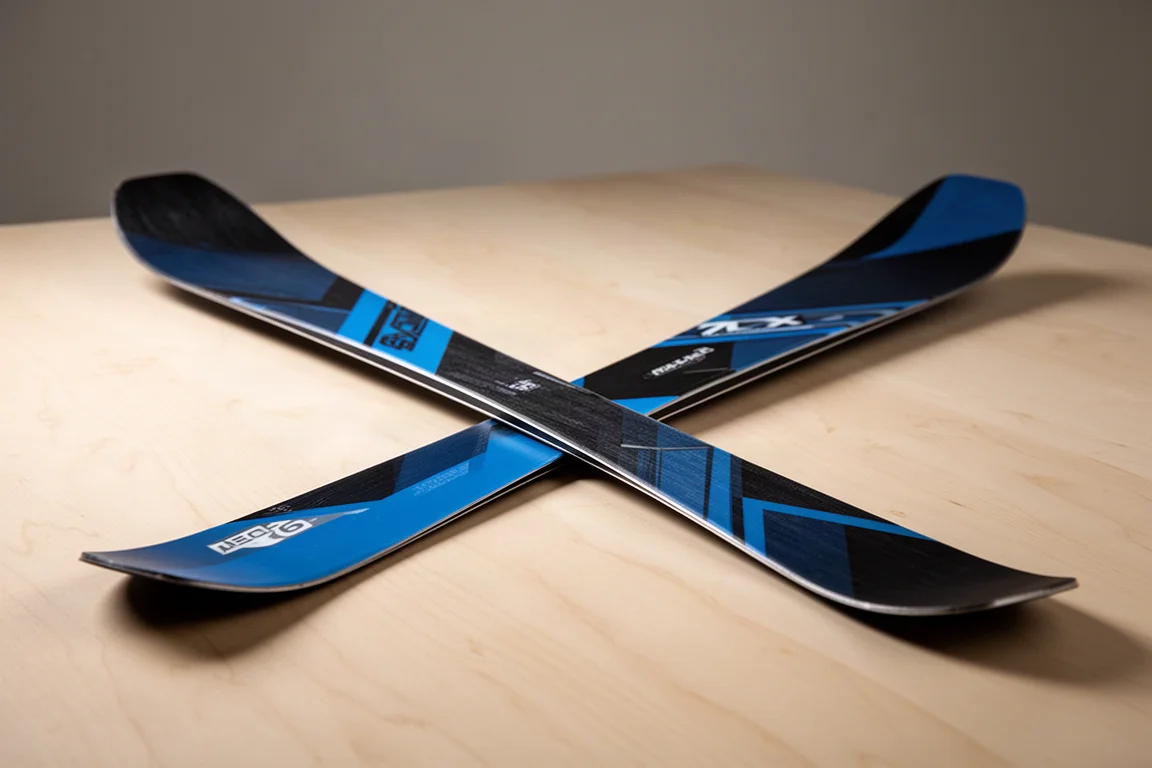
This group is where the category gets genuinely interesting. The Blizzard Stormbird 82 carries the construction tech of the popular Brahma 82 into a narrower, lower-priced package aimed at skiers who know they like narrow profiles and shorter turn shapes. Its Double Ti layup and rounded flex profile mean it is not locked into one turn shape: you can release the tails, put on the brakes, or even hockey stop when needed.
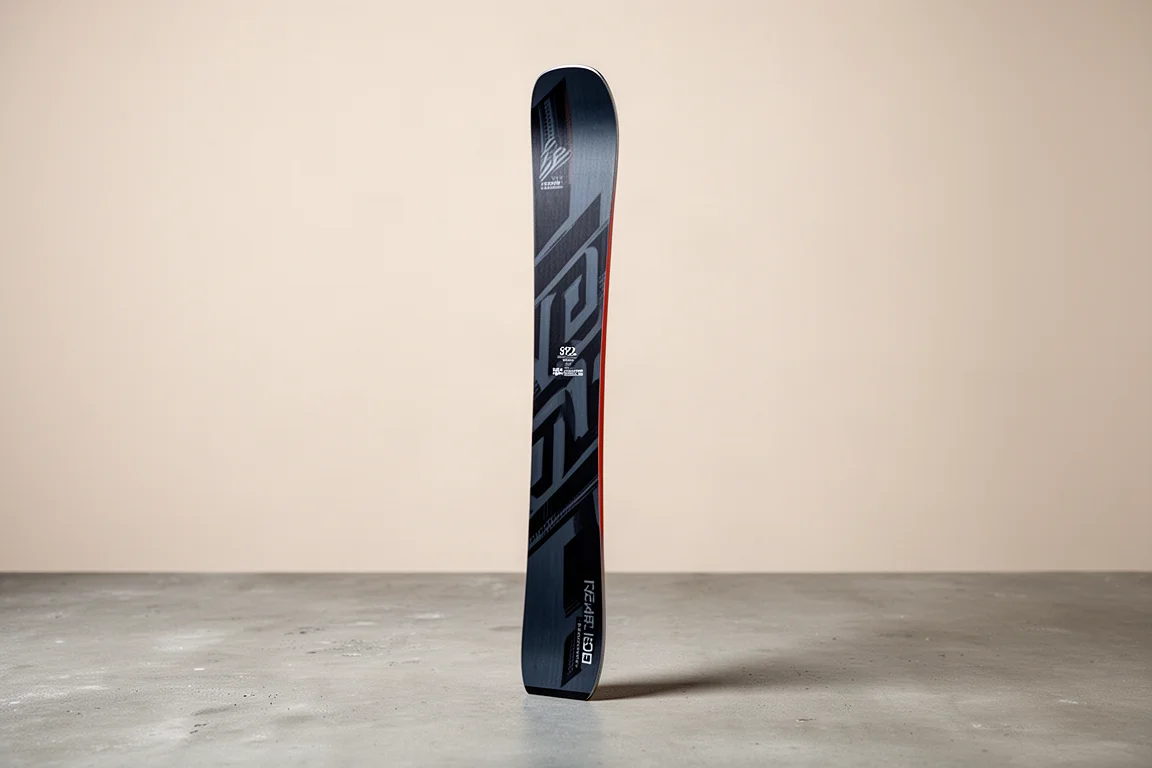
The Völkl Peregrine 82 belongs in the same conversation. Together with the MultiPista and Stormbird, these skis form an incredibly close comparison, all with stated radii around 16 to 17 meters, yet none of them lock you into that turn because they flex softer torsionally. They are surprisingly versatile: they handled a small bump line under a gondola without feeling unnatural, and they shrug off occasional slush or light fresh snow far better than you would expect. If groomers are your thing and you want one ski for the job, these are one-ski-quiver material.
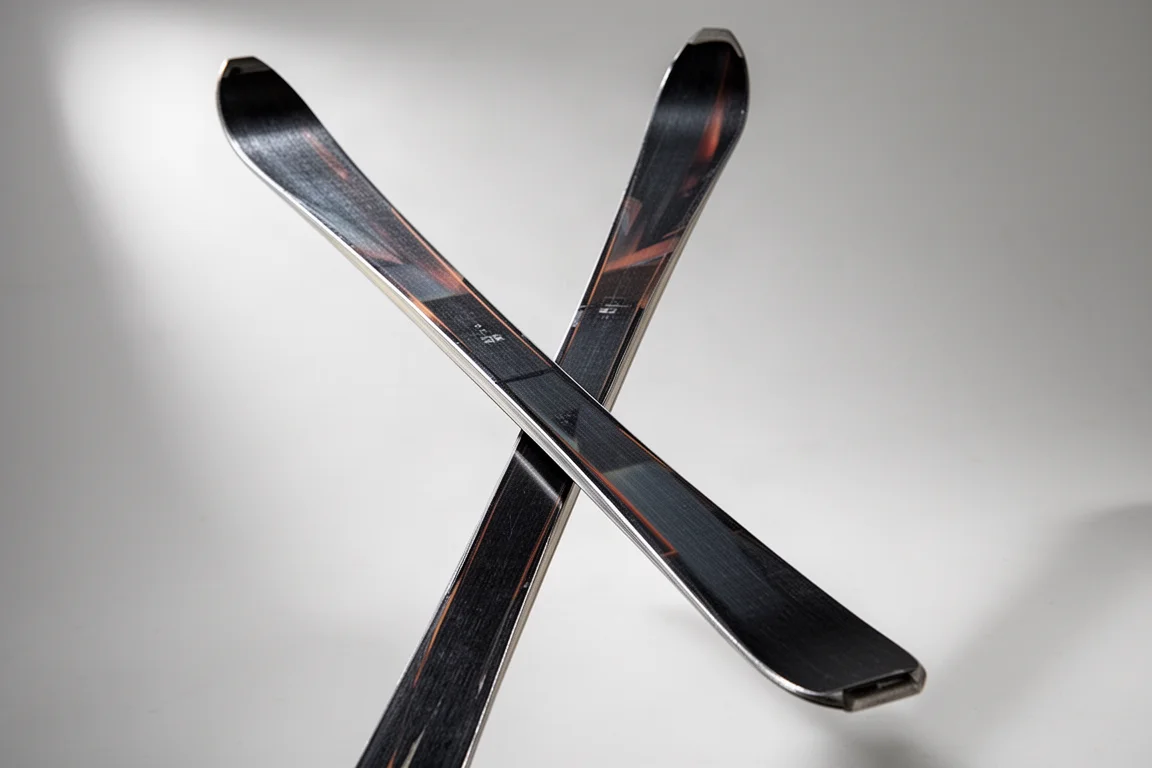
The K2 Blur XT is brand new to the line and essentially K2’s answer to the Peregrine 82. It feels slightly more powerful and a bit less energetic, preferring the turn shape it was built for. It sits neck and neck with the Fischer The Curv GT85 in that in-between zone: more power than the Stormbird and Peregrine, but more user-friendly than the top-tier demanding skis. It is also one of the more energetic K2 skis in years; interestingly, some testers found the wider Mindbender 89 Ti harder to ski than this narrow Blur XT.
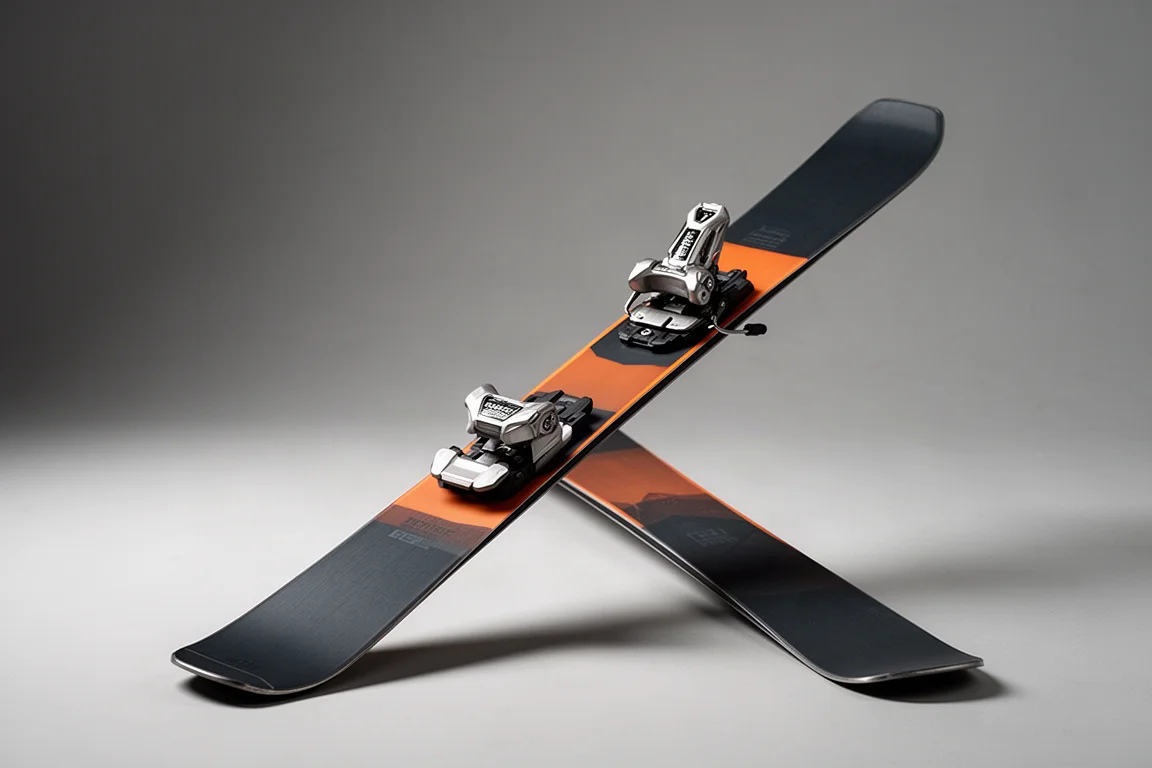
The Fischer The Curv GT85 is the other half of that pairing. It is less ski than the GTX, a little more user-friendly, but with a bit more power than the Stormbird and Peregrine. If your preference leans toward demanding skis you can push all day, the GT85 and Blur XT both deliver high-performance carving without making you work to reach the power band.
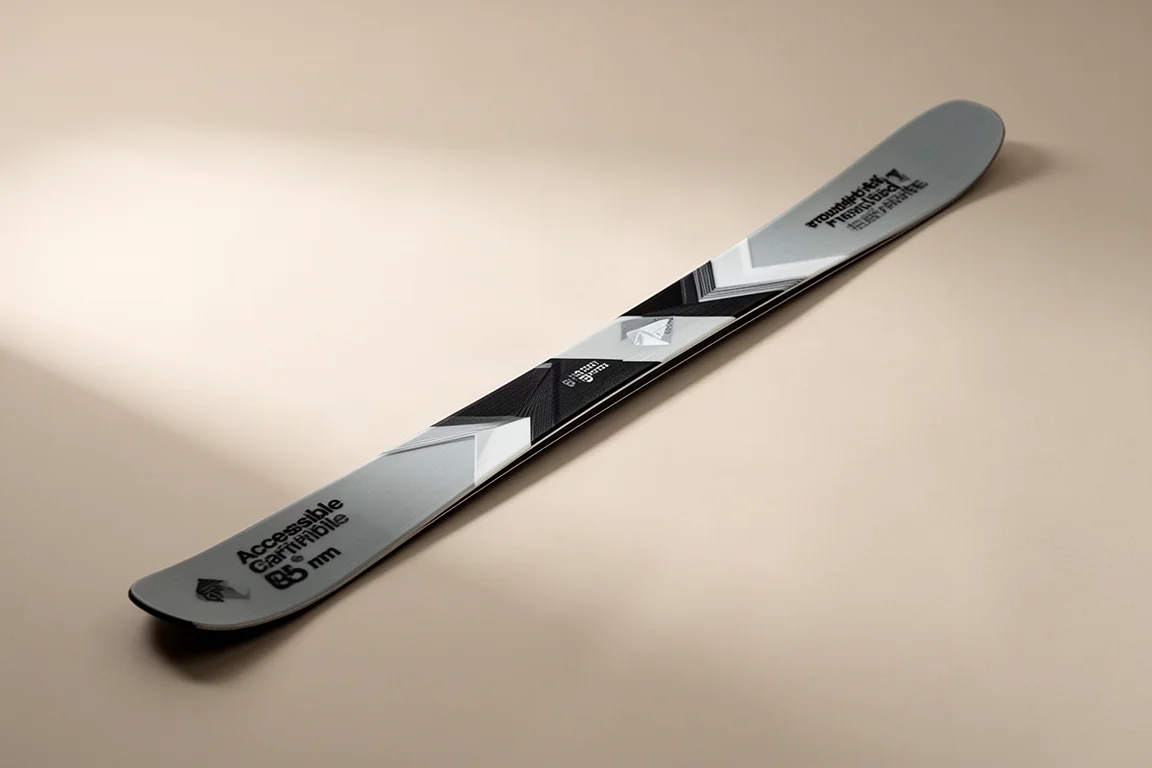
Elan Wingman 86 Black Edition
The Elan Wingman 86 Black Edition is the friendliest ski of the entire group and the one with the most all-mountain character. At 86 mm it is the widest here, its shape is similar to the Stormbird, and Elan’s famously lightweight construction makes it feel light on your feet while still holding up shockingly well. One notably large, powerful skier with a race background clicked into a 182 at a demo and came away impressed by how light it felt and how well it held an edge.
The trade-offs of that light build show up at the extremes: it feels less planted in heavy, wet conditions, does not blast through crud as easily, and transmits more feedback from the snow on bulletproof ice days, making it a bit livelier. But it still carves an awesome turn, likes to carve roughly 90 percent of the time, and it is the ski to choose if you want into this category but feel nervous about it. It is the most approachable one-ski-quiver option of the group.
View more details for Elan Wingman 86 Black Edition
How These Skis Differ From All-Mountain Skis
The core difference comes down to shape and rocker profile. An all-mountain ski needs to skid, slash, carve, handle varied terrain, and score well across every turn type on a test card. A front side ski is built more one-dimensionally: designers focus on grip, turn initiation, edge-to-edge transitions, and performance in long and short turn shapes. Everything else is a bonus, not a requirement.
That focus is exactly why the category works so well as a quiver addition. If you own something like a Rustler 9, buying a narrow all-mountain-flavored ski in the low 80s would not change your daily experience much. But adding a dedicated carver like the Stormbird 82 makes the decision of which ski to use that day obvious, and gives you a genuinely better carving experience on firm snow.
Buying Advice: Picking the Right Front Side Ski
Match the ski to how honest you are about your skiing. If you come from a race background and want maximum power with no speed limit, the Multigara and Montero AR are the tools. If you want most of that performance with more forgiveness, the MultiPista, Stormbird 82 and Peregrine 82 deliver high-end carving for a much wider range of skiers, and they were the personal favorites of testers who prefer easier, more agile skis.
If you want to improve your carving, this middle group is the right place to be. And if you want the easiest possible entry into the category with real all-mountain overlap, the Wingman 86 Black Edition is the answer. Boots matter too: the most demanding skis here genuinely need a strong boot to come alive, so factor that into your decision.
Conclusion
Front side skis are not the one-dimensional, intimidating race skis many skiers assume them to be. From the bulldozer-like Multigara and Montero AR to the nimble Stormbird 82 and approachable Wingman 86, this category spans everything from tank to sports car. If you spend most of your days on groomed runs, especially in the East or at famously well-groomed resorts, one of these skis will make those days more fun than a do-it-all all-mountain ski ever could.
Further reading
Related Reviews
Ski Reviews
Armada Antimatter 108 Review: A Freeride Ski Built for Speed and Deeper Snow
The Armada Antimatter 108 carries over the beloved Declivity X 108 shape with new construction that adds compliance in soft snow and composure in crud, aimed squarely at strong, aggressive skiers.
Ski Reviews
Armada Antimatter 92 vs Invictus 92: Two All-Mountain Skis Compared
A closer look at two Armada all-mountain skis, one playful and nimble, the other composed and smooth, to help you pick the right one for your skiing.
Ski Reviews
Armada Antimatter 92W Review: A Smoother Take on a Proven All-Mountain Footprint
The Antimatter 92W keeps the trusted Reliance 92Ti footprint but softens the ride with a new metal construction, making it more versatile in softer snow without losing on-trail grip.