Snowboarding
5 Freeride-Focused Snowboards Worth a Look: Salomon Highpath, Never Summer Proto FR, Rome Ravine, Burton Hometown Hero & Arbor Crosscut Camber
Five directional, freeride-leaning snowboards tested at a resort freeride session, each with a distinct camber profile and personality.
Introduction
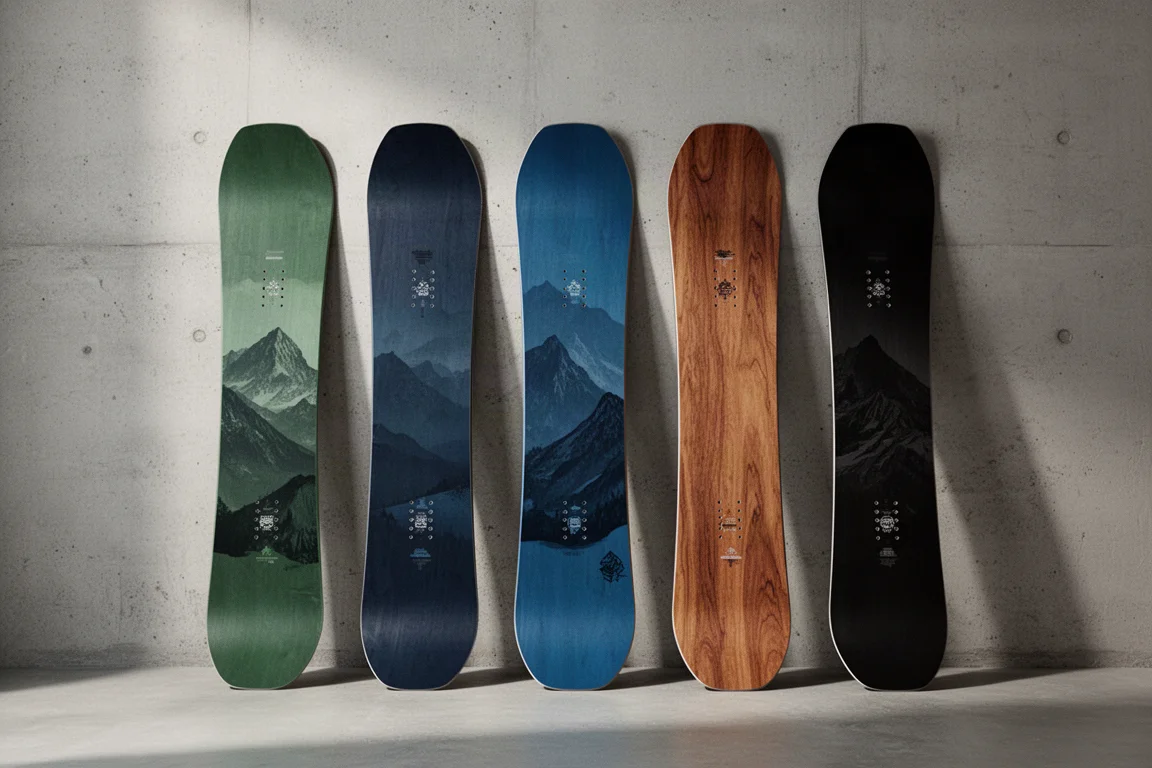
A freeride test session at Mammoth Mountain brought together five directional snowboards aimed at riders who spend most of their time exploring the resort and hunting for soft snow when it falls. Each board shares a freeride-leaning shape but takes a very different approach to camber, flex, and feel, so the right pick depends heavily on how aggressive you ride.
What These Boards Have in Common
Every board in this roundup runs a sintered base, a higher-end base material known to be harder, faster, and more durable than an extruded base. They also all feature a directional design, though the degree of directionality varies quite a bit from board to board, from subtle taper and setback to a dramatically elongated nose.
Salomon Highpath
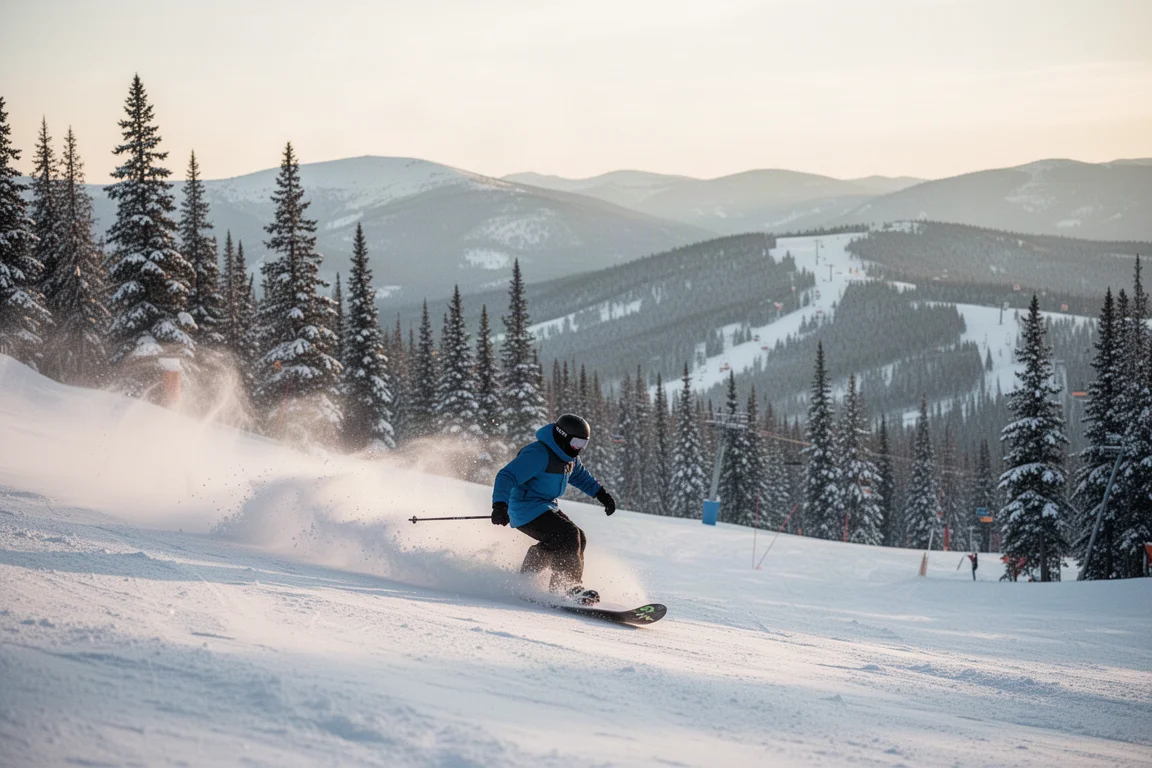
The Salomon Highpath takes a lightly directional approach: a slightly longer nose outside the contact points for extra surface area up front in soft snow, three millimeters of taper to slim down the tail, and a 20 millimeter setback that shifts your weight naturally toward the tail. All of this works together when the board finds itself in powder or softer snow.
It runs Salomon’s Rock Out Camber, a camber-dominant profile with camber zones under the feet, a flat section between them, and mild rocker in the nose and tail to mellow things out. The construction is noticeably lightweight, and the 156 tested here has a 255 millimeter waist and a 7.3 meter side cut, both comfortable for a wide range of riders and speeds.
Overall it leans toward the playful side. You can flex it around on side hits and flat-ground tricks on days without fresh snow, and while it has a more manageable feel you can find its limits if you push hard, the directional features make deeper resort days considerably more enjoyable.
Never Summer Proto FR
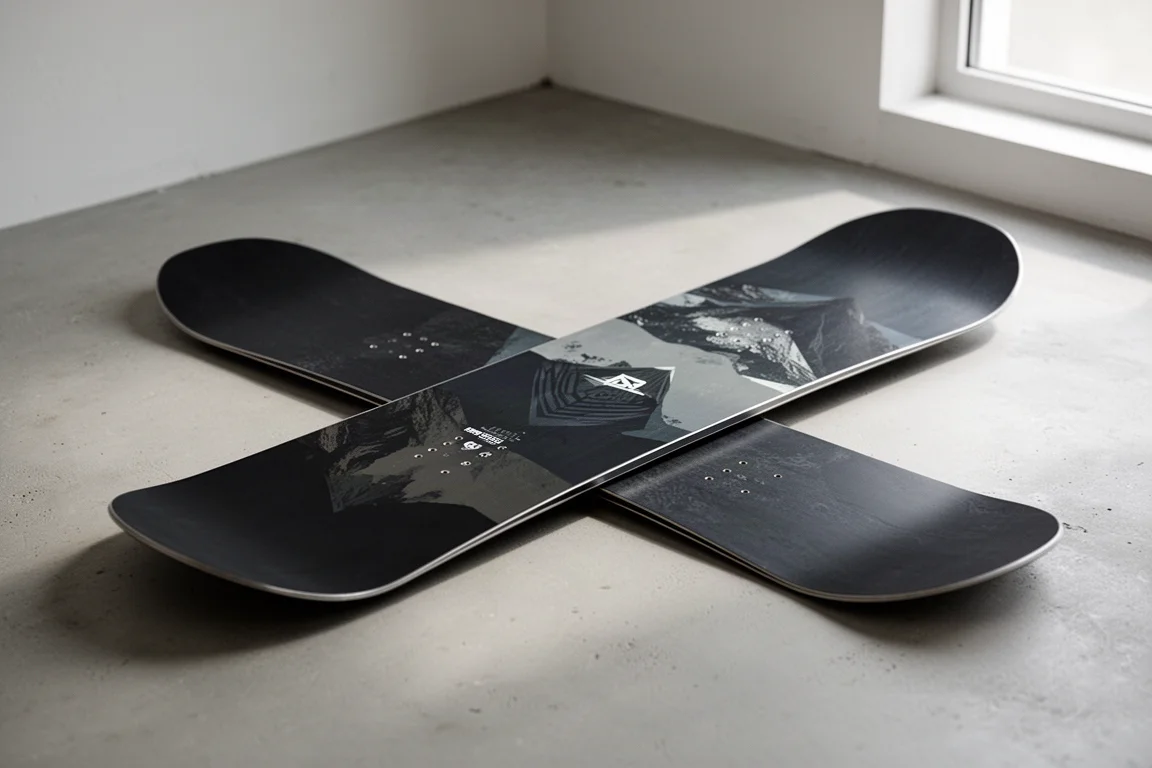
The Never Summer Proto FR also keeps a slightly directional outline with five millimeters of taper and a 19 millimeter setback, but its standout feature is the camber profile. Never Summer’s triple camber adds an extra camber zone between the feet, with rocker zones in between, so the board stays rocker-dominant overall but feels more locked in, tracks straighter, and carries more energy than the brand’s traditional rocker-camber feel.
Ridden here in a 160, it offers a 25.8 centimeter waist width, decently wide with a good feel for carving, plus a 7.6 meter side cut that stays comfortable across a wide variety of speeds. The board is fairly stiff and powerful, and it clearly rewards an aggressive, high-speed freeride approach. There is essentially no speed limit here: no chatter or vibration, just a solid, confident feel at pace, all while the directional outline keeps it pleasant in soft snow.
Rome Ravine
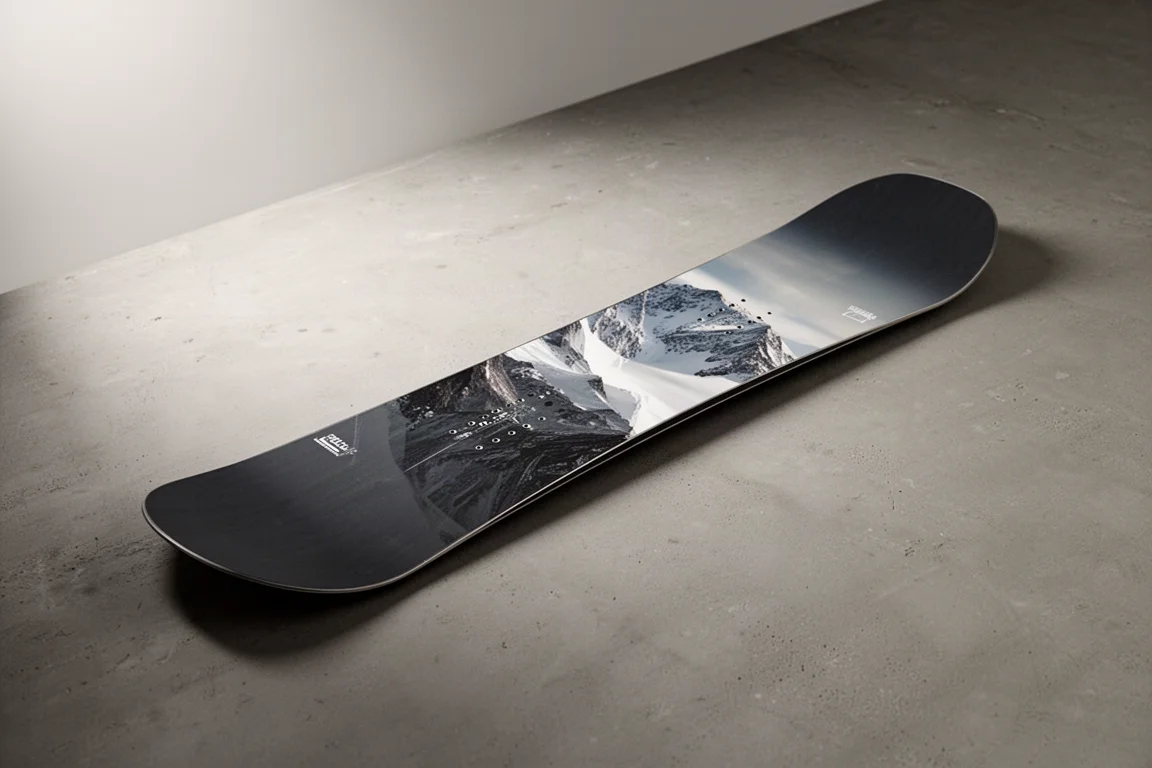
The Rome Ravine goes noticeably more directional, with a much longer nose outside the front contact points, a 7.5 millimeter taper, and a 15 millimeter setback. Its profile is a shifted, camber-dominant design: positive camber runs from around the front insert pack all the way out to the tail for an energetic, powerful feel, with reverse camber outside the front foot into the nose for smoother turn initiation and better soft-snow behavior.
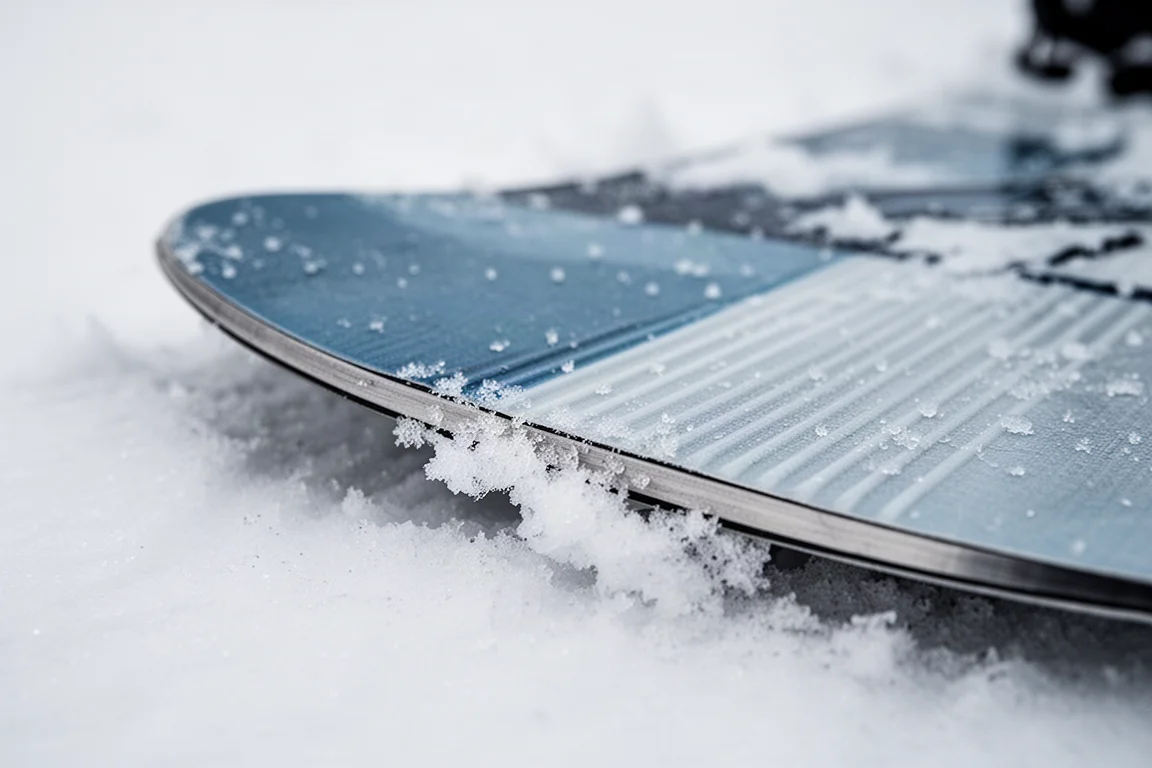
Rome adds a Directional Diamond 3D nose, an uplifted base edge along the sides from the nose down past the contact points. That smooths out glide in powder and makes the board more catch-free on hard pack, especially when you lean into the nose for butters, where the longer nose gives you extra leverage and a genuinely fun feel.
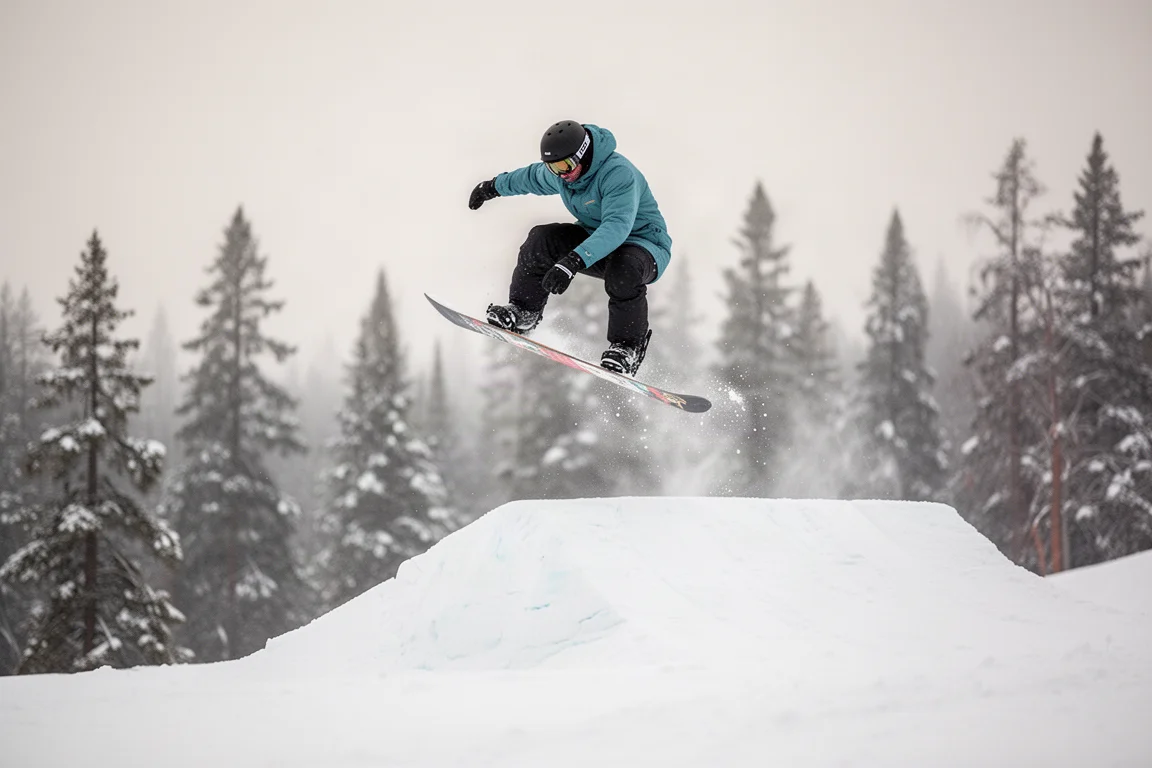
The biggest highlight, though, is the freestyle-friendly mid flex. Taking a directional board into the park is a novelty, but if you respect the longer nose, the Ravine is genuinely fun on jumps and rails, and it shines on butters, flat-ground tricks, and hunting natural features, all while the directional shape and shifted camber sharpen the carving experience.
Burton Hometown Hero
The Burton Hometown Hero pairs a slightly directional outline with a substantial 12 millimeters of taper and a significant 40 millimeter setback. It also runs a shifted camber profile: positive camber from the front foot out to the tail for a powerful, precise feel, reverse camber outside the front foot into the nose, plus carbon additives for extra energy snap and response. Burton’s Channel system allows unlimited stance width options.
The 152 tested here has a 24.8 centimeter waist, which is a little narrow, worth keeping in mind if you ride larger boot sizes, along with a 7.2 meter side cut. Two traits define the board: a powerful feel with flex just on the stiffer side of medium that powers through choppy, rutted conditions with confidence, and a surprising freestyle ability despite the directionality. It handles rails and jumps well, though the stiffness makes it lean more toward jumps, and it is an excellent choice for natural features and larger drops where stability matters.
Arbor Crosscut Camber
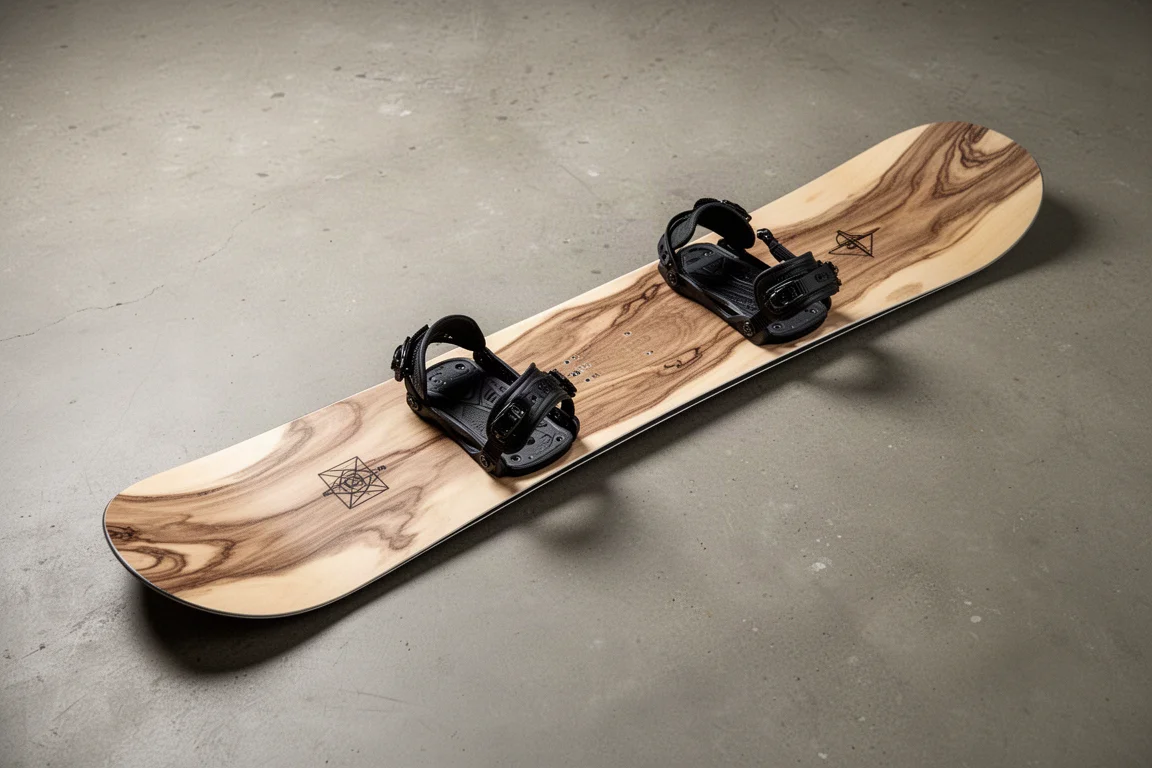
The Arbor Crosscut Camber has the most traditional freeride shape of the group, with a significantly longer nose outside the front contact points, nine millimeters of taper, and a 10 millimeter setback. Arbor’s camber system delivers a true camber profile, but parabolic: heaviest between the feet and tapering toward the contact points, keeping the classic camber character.
Two design details stand out. Grip Tech adds contact points on both toe and heel edge directly under the feet, offering noticeable bite on firm and icy snow. Uprise Fenders at the tip and tail contact points bevel the base and edge slightly, giving a more catch-free feel when riding flat based on hard pack.
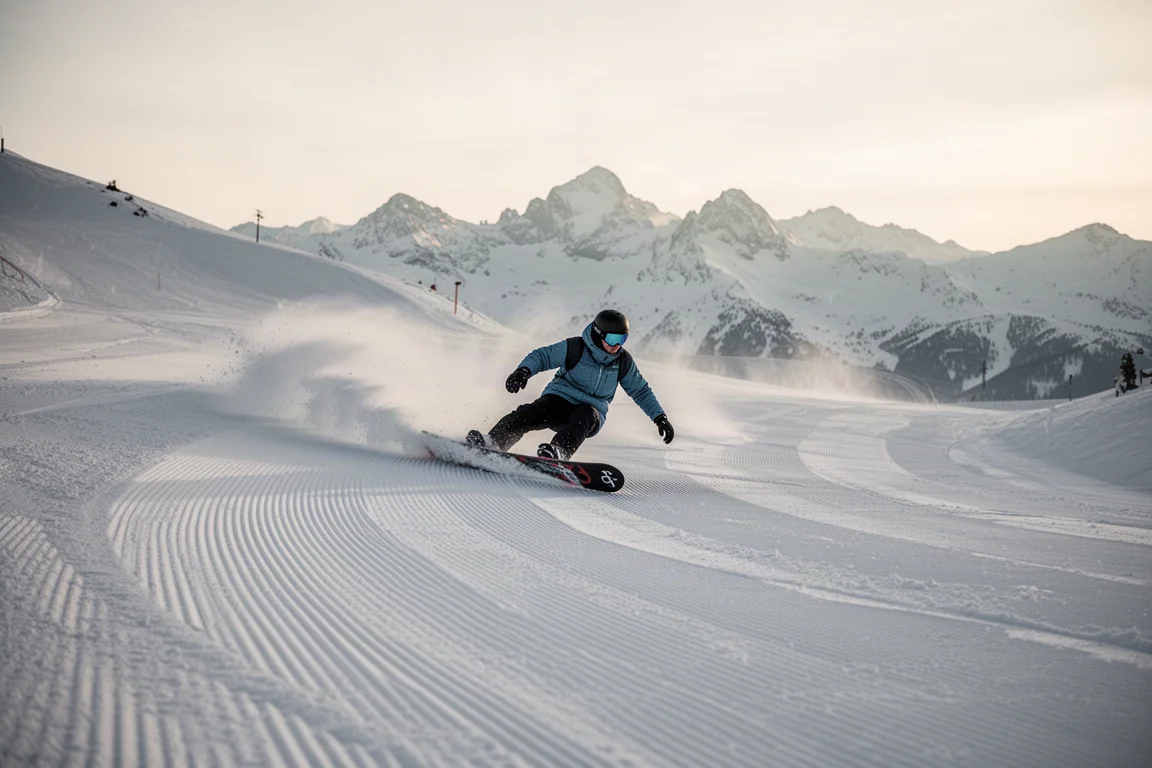
Ridden in a 150, it has an above-average side cut that naturally steers you into longer, more drawn-out turns and feels great at higher speeds, a 25.4 centimeter waist at the 158, and a solid mid flex that leans just a touch stiffer. The overall carving experience is the highlight: Grip Tech is clearly noticeable in the feel, and the combination delivers a confident ride for carving, full-resort exploring with a freeride approach, and deep days alike.
Buying Advice
If you want a manageable, playful all-round resort explorer, the Salomon Highpath is the easy pick. Aggressive, high-speed riders should look straight at the Never Summer Proto FR. Freestyle-minded riders who still want freeride credentials will enjoy the Rome Ravine, while the Burton Hometown Hero suits riders who want power and stability through rough snow without giving up park ability. Finally, the Arbor Crosscut Camber is the strongest choice for carving-focused freeride riders who value edge bite and a classic camber feel.
Conclusion
All five boards share the freeride fundamentals of a sintered base and directional shaping, but they diverge sharply in camber, flex, and personality. Match the board to your riding style, playful exploration, high-speed aggression, freestyle-leaning freeride, raw stability, or carving precision, and any of them will reward you across a full season of resort riding.
Further reading
Related Reviews
Snowboarding
2025 Snowboard Gear List: Five Picks That Earned Their Place on the Mountain
From Zeiss-lens goggles to a hybrid step-in binding, here are five pieces of 2025 snowboard gear that held up across a full season of riding.
Snowboarding
2026 Snowboard Gear List: Boards, Bindings, Boots and Outerwear Worth a Look
A season-ready snowboard setup built from the bottom up: base layers, Strafe outerwear, Ride and Union boots, Union bindings, and two new Capita boards.
Snowboarding
32 Cold World Review: A Playful Hybrid Camber Board for Park Laps
The 32 Cold World blends classic camber underfoot with flat nose and tail sections for a predictable, butter-friendly ride aimed at intermediate park riders.