Power Tool Accessories
Best Framing Saw Blades for Hitting Nails: Four Blades Put Through the Nasty Sandwich Test
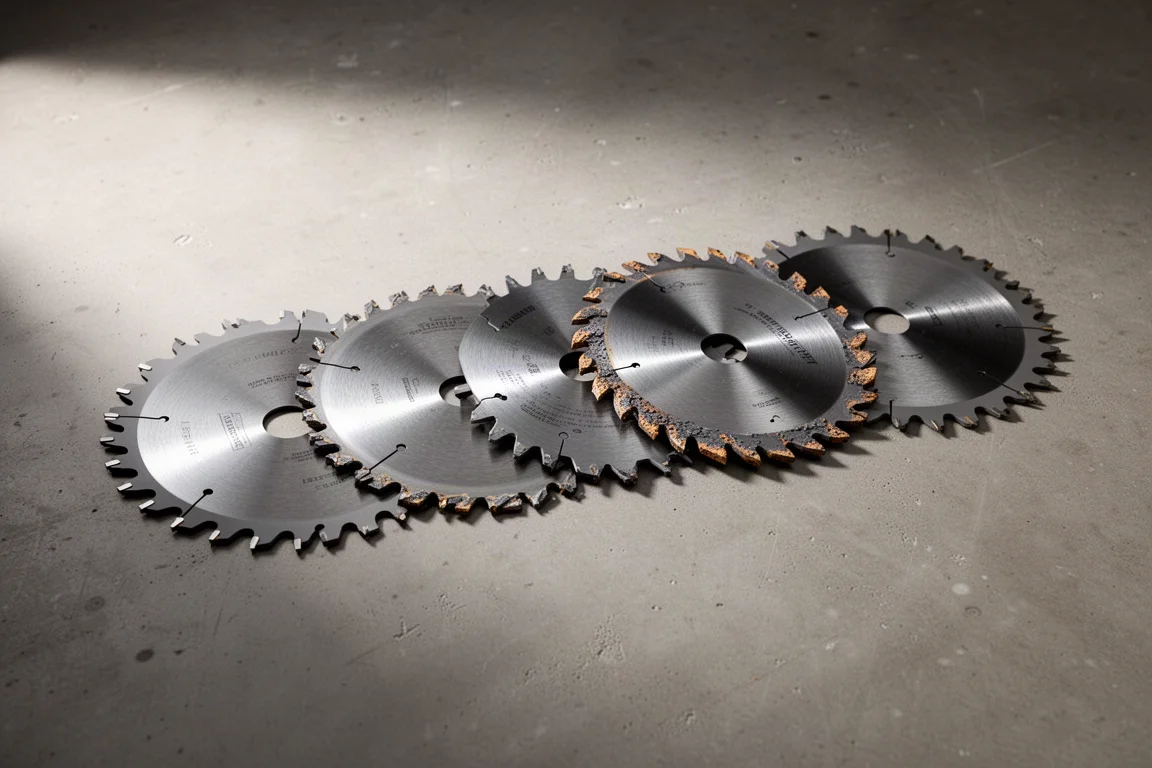
Diablo Tracking Point, Crescent, The Wall, and A Blu framing blades were all pushed through a brutal nail-and-flashing test. Here is how each one held up.
Introduction
Framing blades are supposed to cut clean lumber. Every so often, though, you hit a nail, and the blade you had loaded suddenly matters a lot more than the one on the shelf. A recent wave of bold marketing claims, some advertising two times the life of Diablo’s framing blades, prompted a head-to-head test of four of the newest blades on the market.
What makes this comparison interesting is that a standard Diablo Tracking Point framing blade, the ordinary two-pack you find at big-box stores, had already proven it could chew through embedded fasteners. The test below was built to see whether the challengers could live up to their claims against a genuinely brutal cut.
How We Tested: The Nasty Sandwich
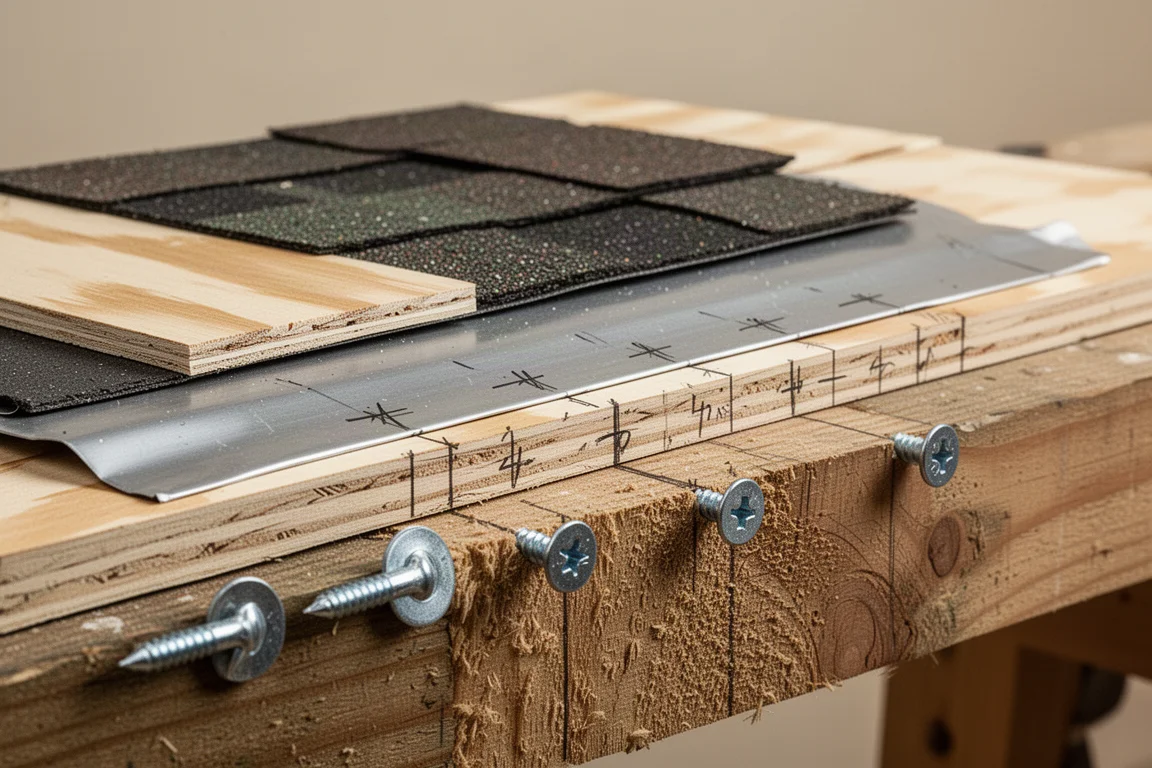
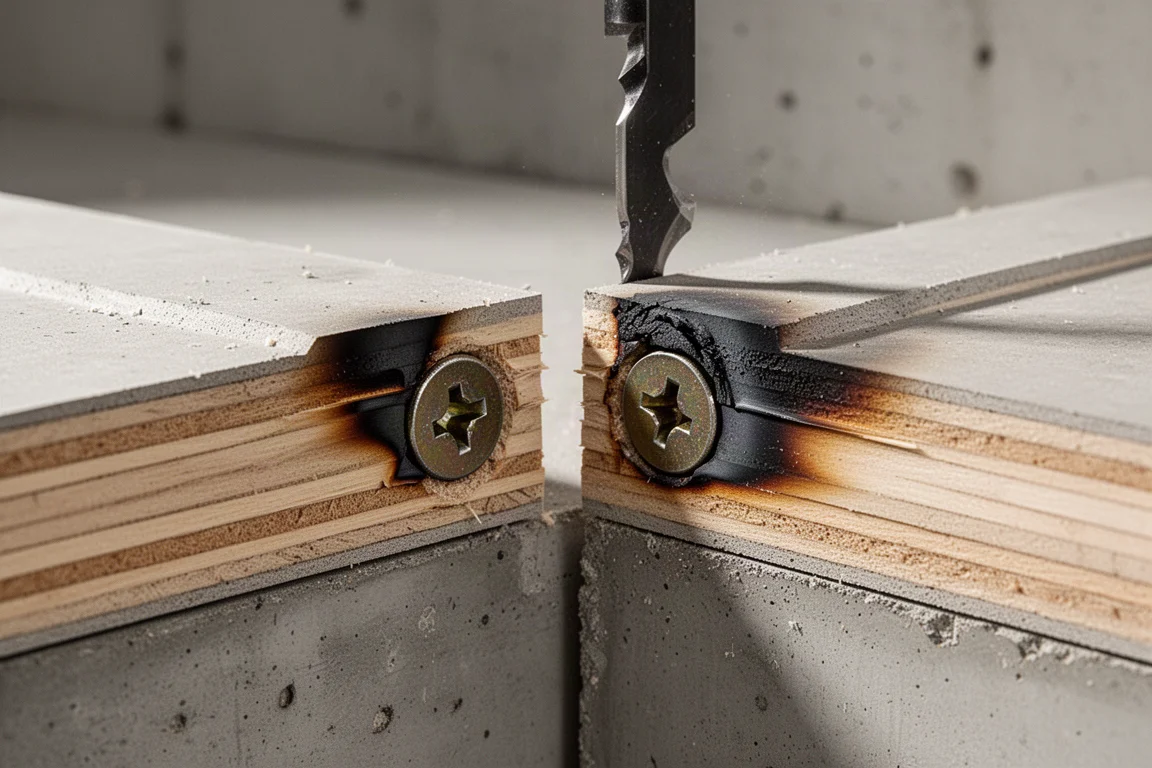
The test rig, known as the nasty sandwich, was built to Diablo’s own specifications: a 2x12 with fasteners spaced an inch and an eighth apart, alternating quarter-inch and 5/16 lag fasteners with the 5/16 lags in stainless steel. On top of that sit two layers of aluminum flashing, two layers of shingles placed grit side down, and a final layer of quarter-inch plywood. Cut guide lines were marked every half inch.
That stack is far beyond anything a framing blade is designed for, which is exactly the point. If a blade can survive this, hitting a random nail in real framing lumber should be a non-event.
Each fresh blade made one cut through the rig, then the second blade from the Diablo two-pack ran a second pass to check consistency across the pack.
Diablo Tracking Point Framing Blade
This is Diablo’s standard Tracking Point framing blade, not a dedicated demo blade, and it came through the test with its reputation intact. The blade made it through the full pass, chewing every fastener in its path, and the carbides looked largely intact afterward. There was some noticeable resistance at the stainless lags and visible heat buildup, but the cut went through cleanly enough to inspire real confidence.
Compared directly with the other cuts, the Diablo cut showed the least burning and the best overall edge quality. For an ordinary framing blade at a standard two-pack price, that result is hard to argue with.
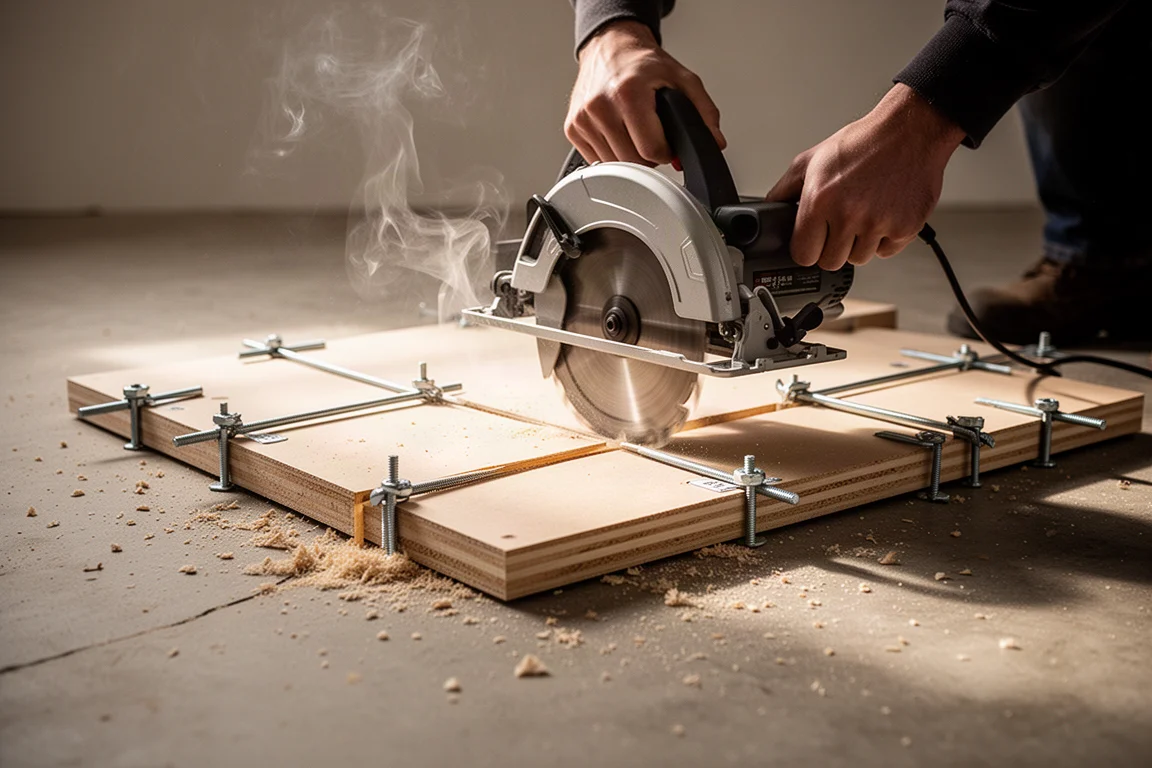
It is worth noting the context: demo footage elsewhere had shown Diablo blades failing in similar tests, but those runs appeared to involve ramming the saw into fasteners, which stalls the saw and snaps carbides. In a fair test, this blade held up.
Crescent Saw Blade
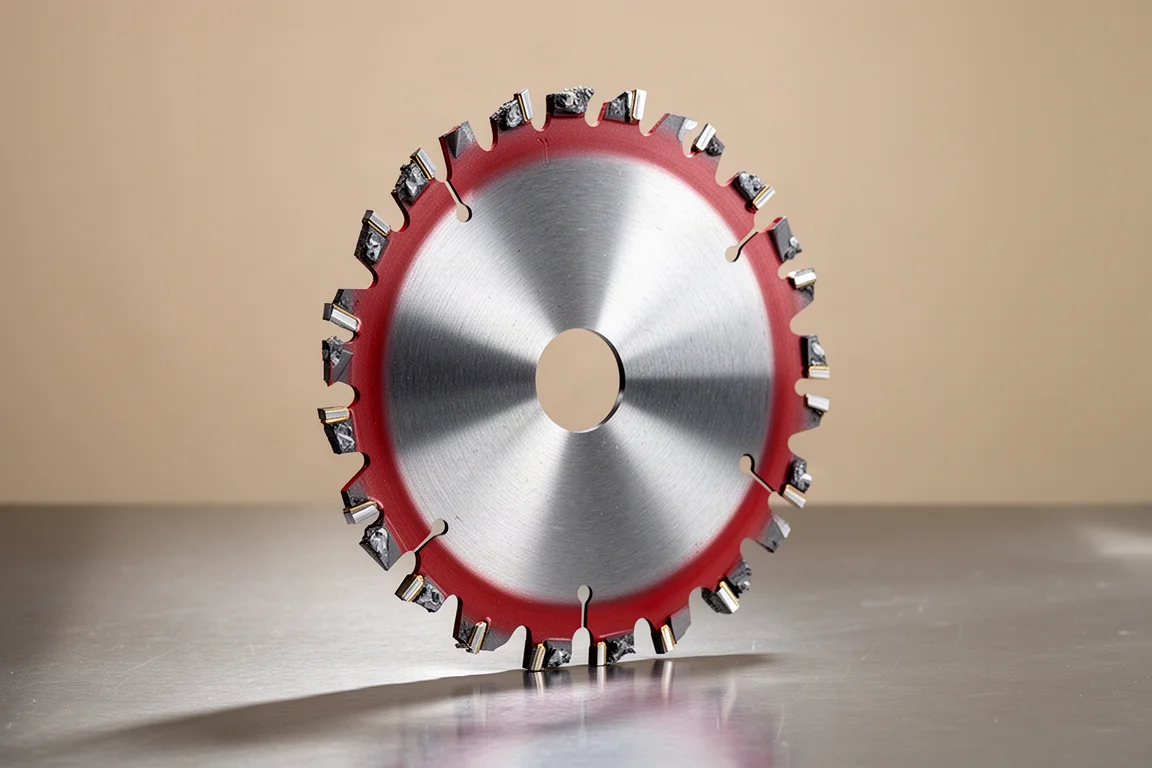
The Crescent blade was the budget-friendly option of the group, with a two-pack selling for around nine dollars. Its cut through the nasty sandwich was the weakest of the four, with clearly more burning along the kerf than the others, though it did still complete the cut.
To its credit, nothing catastrophic happened. If your only concern is an occasional random nail in otherwise clean framing lumber, the price makes it a reasonable gamble. But on raw performance in this test, it finished last.
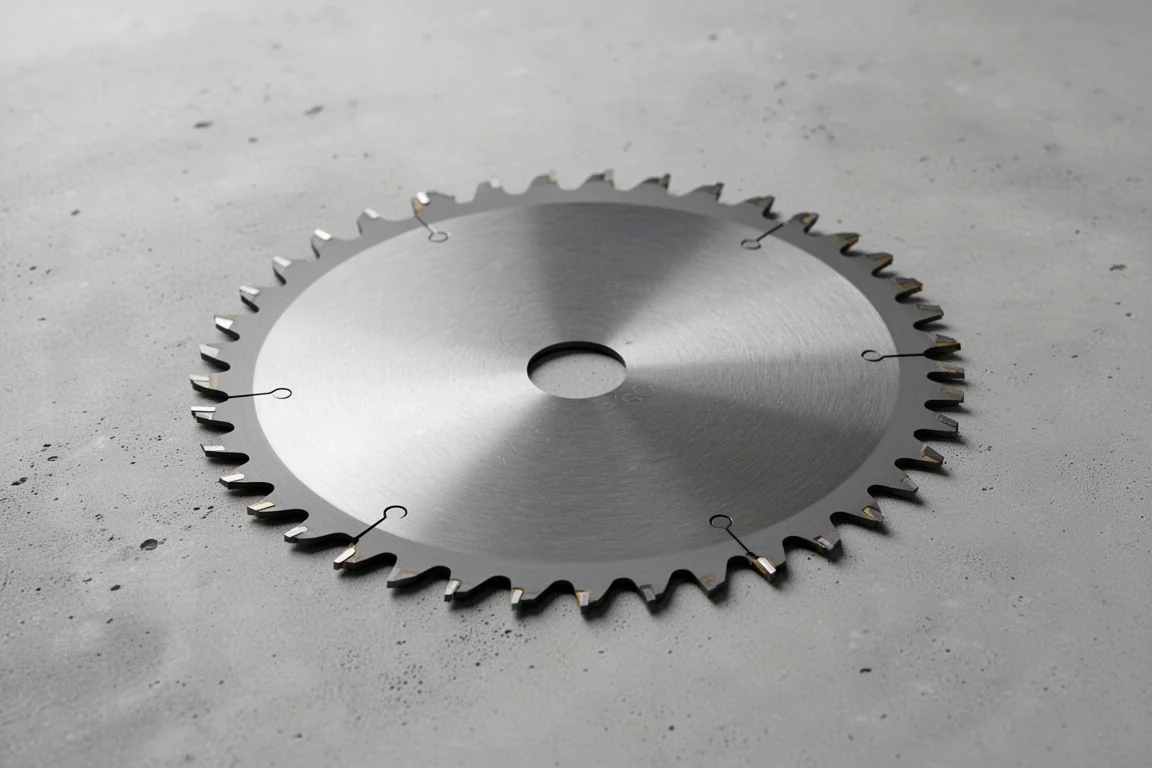
The Wall Saw Blade
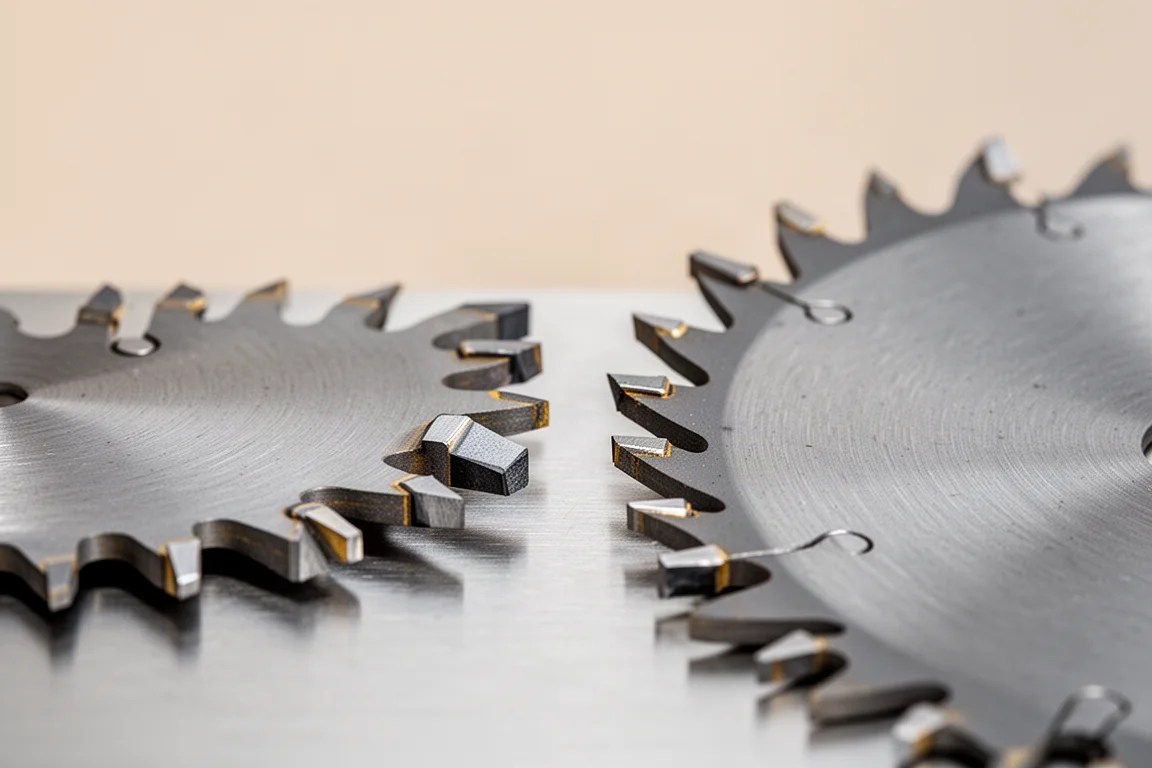
The Wall carries the loudest claim on the package: two times the life of Diablo. It was around twelve to thirteen dollars at purchase, making it the priciest blade of the group, and a sharp-eyed detail stands out immediately: the carbides are much smaller than the competition’s.
In practice, that engineering gamble mostly paid off. The Wall delivered a cut clearly better than Crescent’s and close to Diablo’s, with some burning appearing along the edge but far less overall damage. It made it through with the blade still cutting well by the end, though whether the smaller carbide design justifies the higher price will depend on how much life you get in normal use.
A Blu Framing Saw Blade
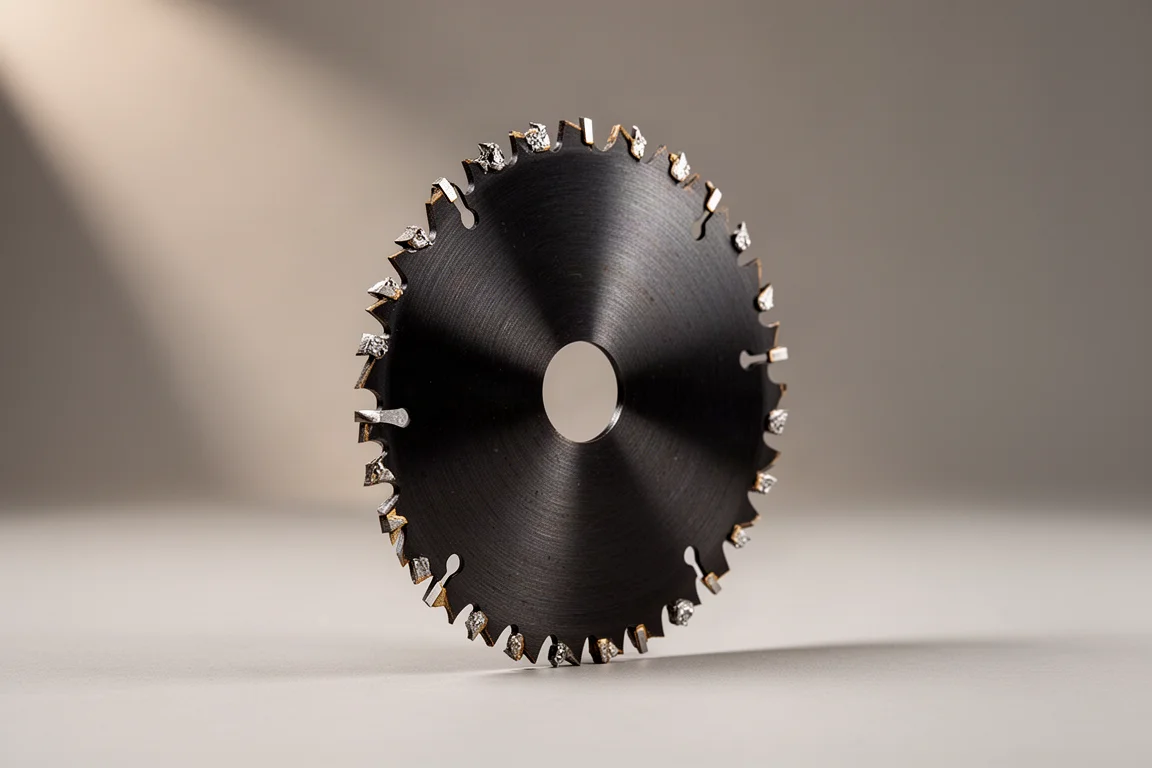
A Blu sells as a two-pack for around twelve dollars, roughly what you would pay for a single blade from some mainstream brands, and in this test it was the pleasant surprise. Both blades from the pack made it through the nasty sandwich, and the second cut showed way less burning than several of the competitors.
The cut quality held up well through the stainless fasteners, with only some rounding visible on the inside of the kerf. Considering the price-to-performance ratio here, this is arguably the value pick of the group.
Overall Buying Advice
If you want the best-performing blade out of the box, the Diablo Tracking Point remains the benchmark: least burning, most intact carbides, and no tricks needed. If value is the priority, the A Blu two-pack delivered nearly the same result for around twelve dollars, which is excellent. The Wall is a solid performer with a strong durability claim, but you pay a premium for it. Crescent is the budget fallback, fine for clean lumber and an occasional nail, but it was the weakest in this test.
One more thing worth keeping in mind: aggressive demo comparisons are not always run fairly. Technique matters as much as the blade. Feathering into fasteners rather than ramming the saw into them is the difference between a clean pass and a dead carbide.
Conclusion
A standard Diablo framing blade did exactly what its reputation suggests, surviving fasteners that would destroy lesser blades. The challengers put up a real fight, with A Blu standing out on value and The Wall on durability claims, but the test confirms that Diablo’s everyday two-pack is still a very safe bet when nails are a possibility.
Further reading
Related Reviews

Power Tool Accessories
Best Drill Attachments 2026: Three DeWalt Tools Worth Buying
A practical look at three DeWalt drill attachments that deliver real value, plus the sketchy options you should skip.

Power Tool Accessories
Best Drill Bits 2026: 14 Sets Tested on Mild Steel, Spring Steel, and AR500 Armor
We tested 14 drill bit sets across mild steel, spring steel, and AR500 armor plating to find the best value, speed, and durability.

Power Tool Accessories
Best Right Angle Impact Adapters 2026: Five Options Tested for Speed, Torque, and Durability
We tested five right angle impact adapters from DeWalt, Milwaukee, Warrior, Titan, and Milescraft to see which ones deliver real performance without failing early.