Flashlights
Best Flashlights Tested: 17 Models From Budget to Premium Compared
We compared 17 flashlights on real lumen output, heat, battery quality, throw distance, and drop durability to find the best picks at every price.
Introduction
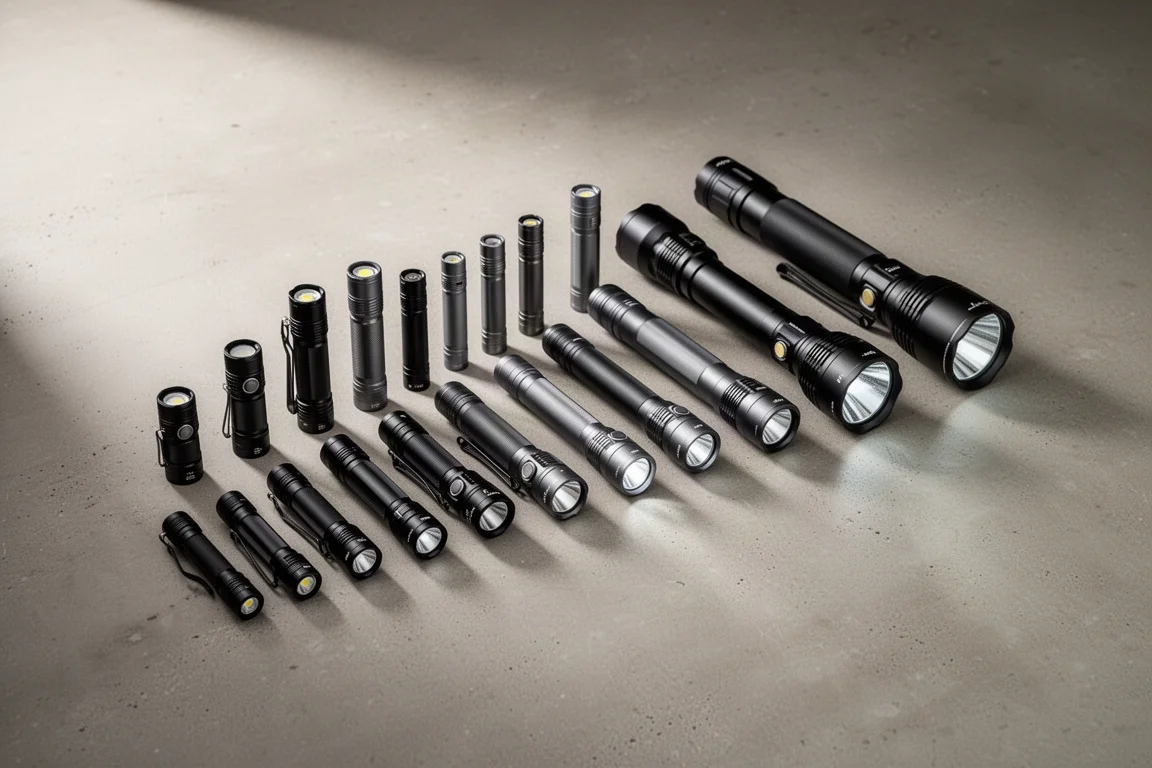
When it comes to flashlights, brighter is often better, but raw brightness is only part of the story. A $10 light that fades to a whisper after fifteen minutes is not the same tool as a $135 torch that holds a strong beam all night. To find out whether cheap flashlights are genuinely good value or just good marketing, seventeen models were bought, measured, and run through a structured set of tests covering brightness, heat, battery quality, throw distance, and drop durability.
How We Tested
Every flashlight was measured with a lumen tester: the top number is total light output in lumens, and the bottom number is candela, the light intensity in one spot, which is used to calculate how far a beam will throw. Brightness was recorded at startup, at 30 seconds, and at 15 minutes of continuous use, because LEDs fade as they heat up.
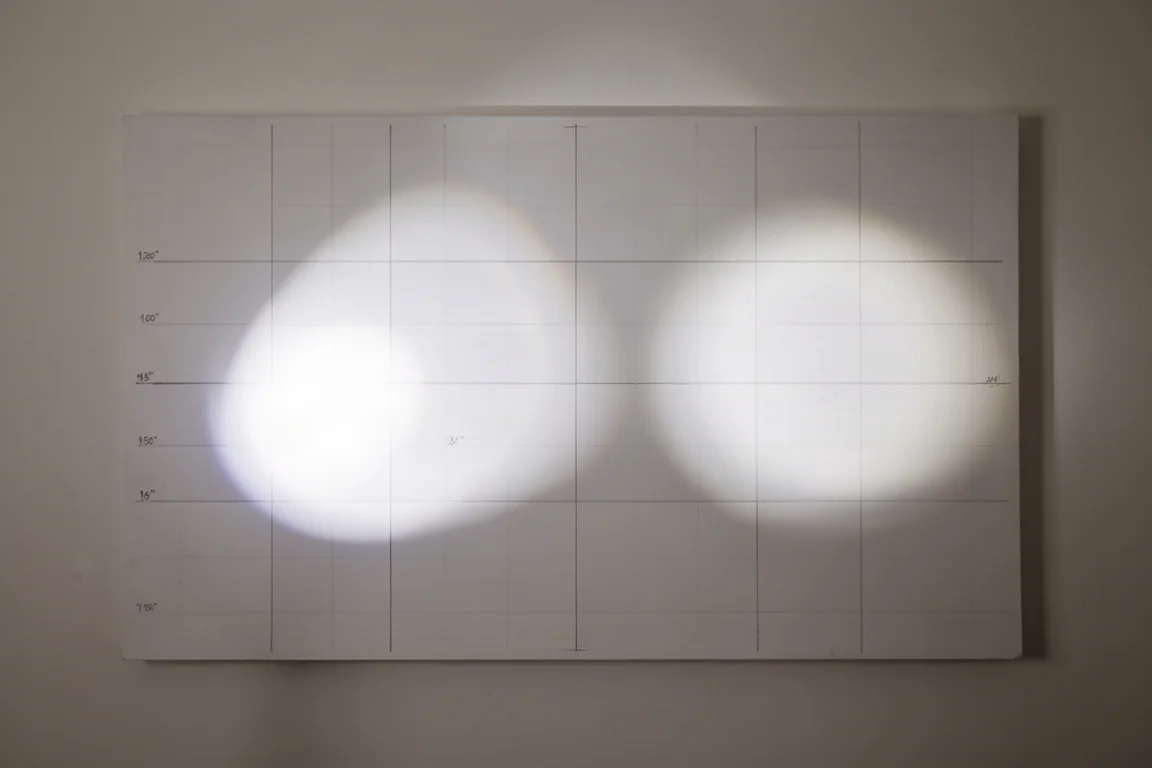
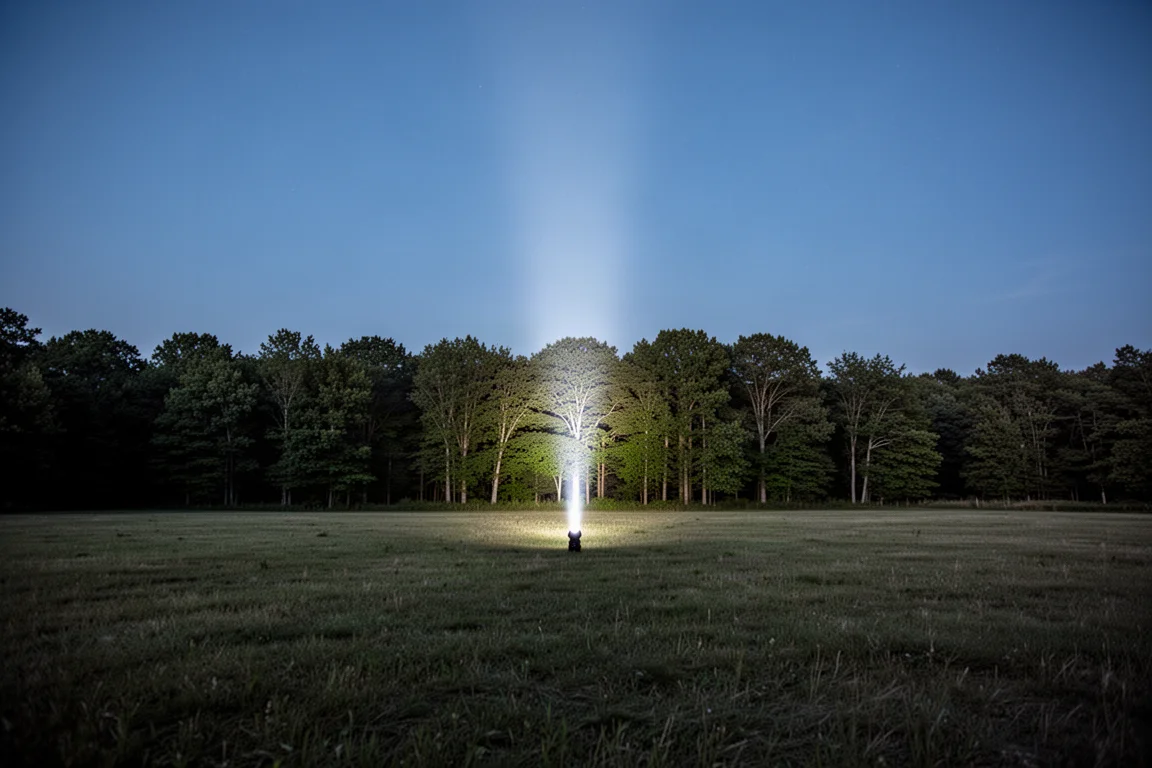
A wall marked in one-foot increments was used for beam pattern comparison, a treeline at about 75 feet gave a real-world throw check, and surface temperature was measured after the 15-minute run. Battery capacity was drained and verified with dedicated testers, maximum run time on the brightest setting was timed, and every light was dropped from 2 meters onto concrete.
Victoper
At $10 for two flashlights, Victoper is the cheapest brand here, with five modes and a claimed projection of up to 656 feet. It runs on three AAA batteries (not included) or an 18650 cell with the included plastic sleeves, weighs just 120 g, and measures a compact 5.5 inches. The adjustable lens toggles between a narrow intense beam and a broad flood, though the flood mode shows a few shadows. Measured output started at 279 lumens, faded to 233 after 30 seconds, and dropped to just 103 lumens at 15 minutes. On the plus side, it stayed cool at 80°F, and it offered adequate light at the treeline in focus mode.
Ruboli
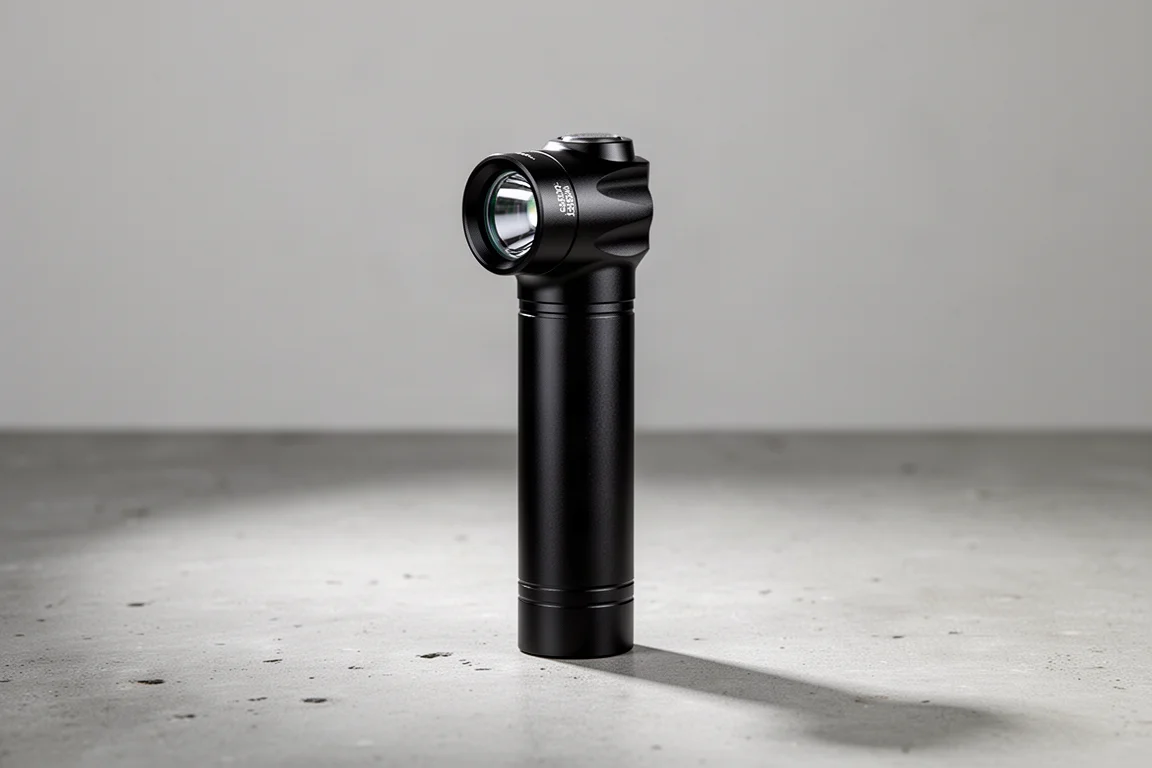
Ruboli costs $16 for two, or $8 each, and promises powerful illumination from an upgraded LED chip. Both units are rechargeable, powered by an 1800 mAh 18650 cell, and the light weighs 156 g at about 5.75 inches long. The narrow focus beam is bright with a slight outer ring, and the broad beam is consistent. It beat expectations at 957 lumens starting out and 865 at 30 seconds, though it fell to 209 lumens after 15 minutes of constant running. It runs warmer at 100°F but produced roughly three times the light of the Victoper and lit the treeline well in spotlight mode.
Trikk Hub
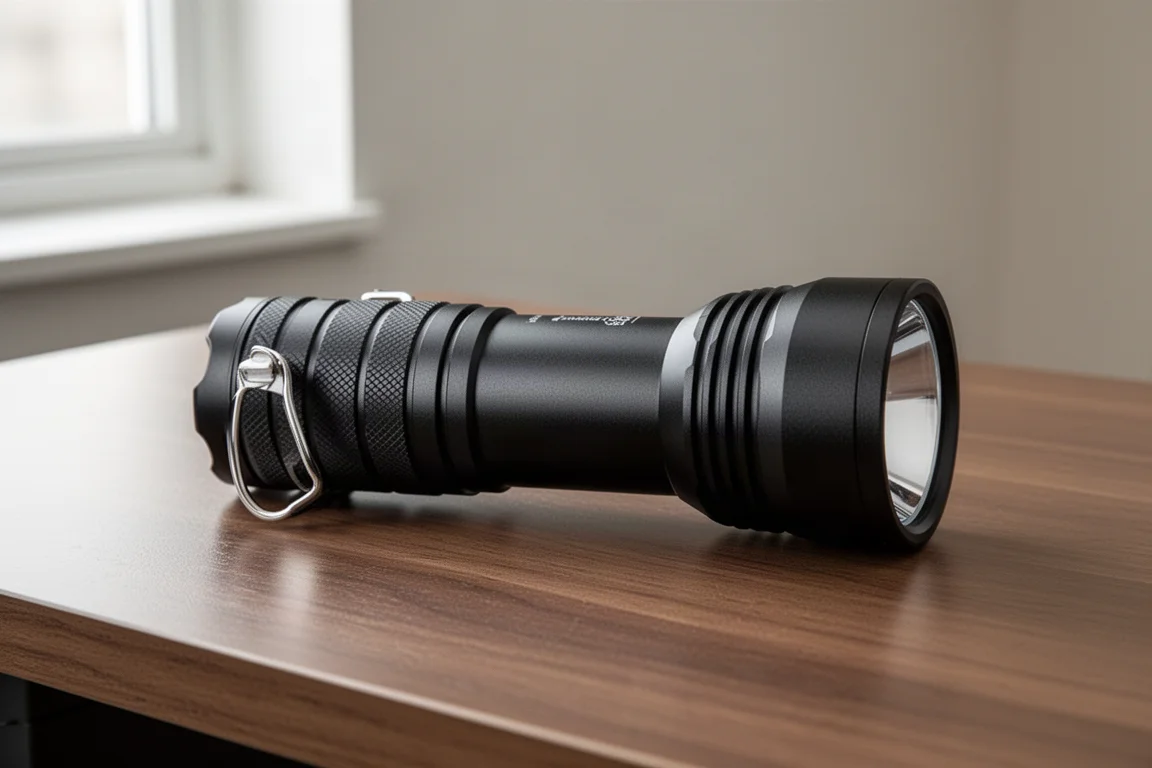
The Trikk Hub sells at $24 for two and shares a lot with the Ruboli: rechargeable 1800 mAh battery, 156 g weight, 5.75-inch length, and an adjustable lens. It adds over-discharge, over-voltage, and short-circuit protection, plus a claimed long run time per charge. It started at 714 lumens, slightly above its 700-lumen rating, but slid to 611 at 30 seconds and 192 lumens at 15 minutes, placing third at that mark. It stayed comfortable at around 95 to 96°F. Real-world performance looked similar to the Ruboli but noticeably dimmer in both spotlight and flood modes.
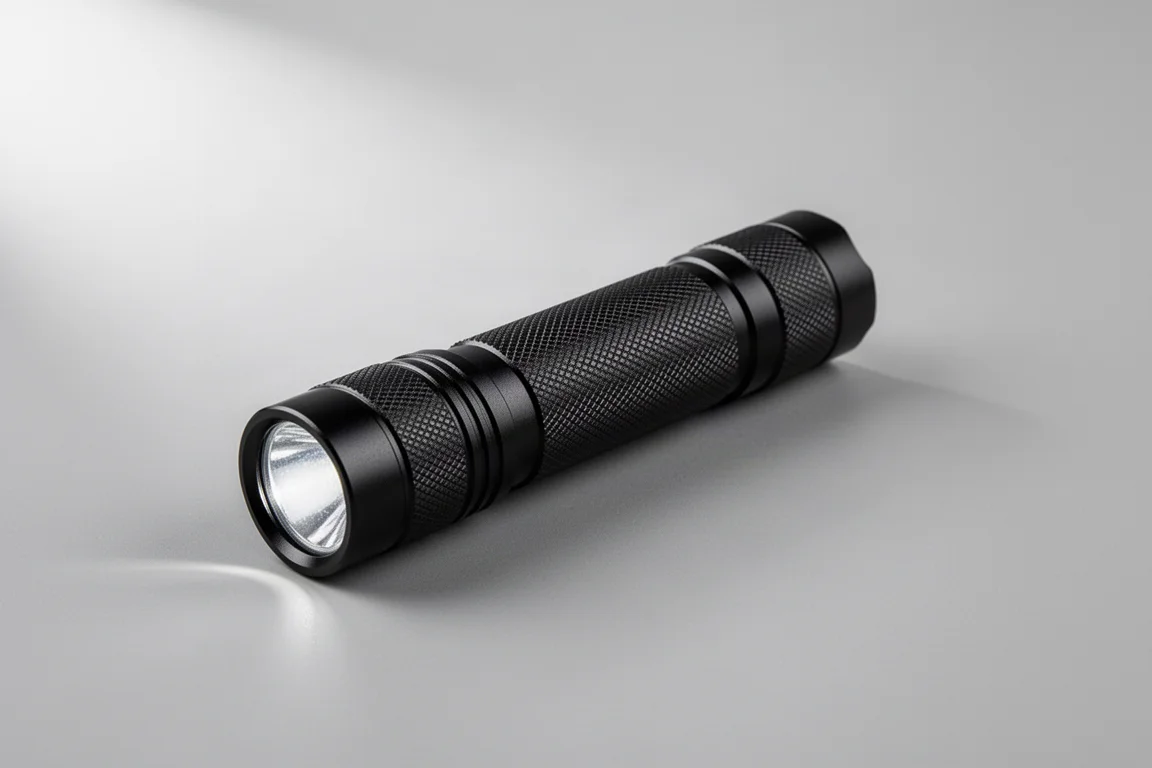
ES Green
At $26, the ES Green is the flashlight that claims up to 100,000 lumens, which is the entire reason it earned a spot in this comparison. It packs a claimed 16,000 mAh rechargeable battery, a claimed range of almost a mile at 5,000 feet, and a 30 W LED. It came with spare AAA batteries and an adapter, weighs a hefty 368 g, and measures close to 7 inches. The reality: 921 lumens at startup, more than 99,000 lumens short of the claim, falling to 816 at 30 seconds and fluctuating between 274 and 291 at 15 minutes. At 122°F it was the hottest light tested, and it performed about the same as the Wurkkos in spotlight and floodlight modes.
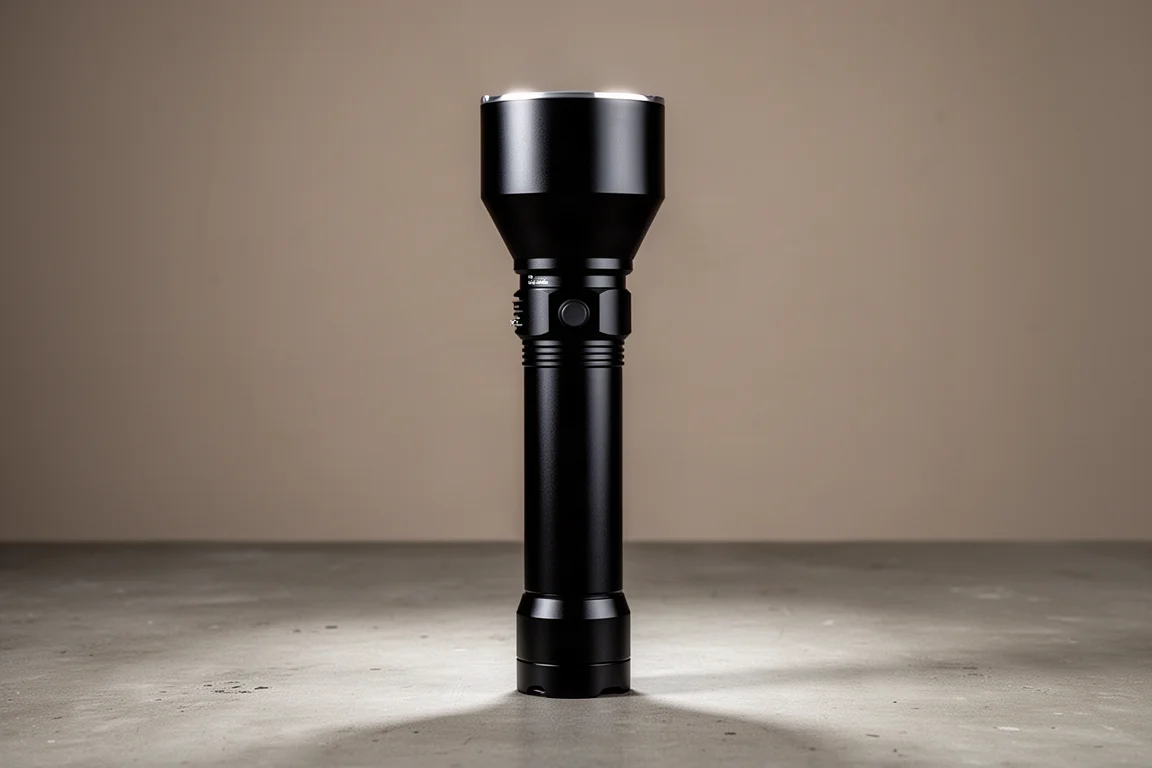
Wuben
The Wuben costs $30, claims 1,200 lumens and a 588-foot beam, and has six adaptable light modes with a claimed runtime as long as 143 hours. Its battery appears to be 2600 mAh, and at only 120 g and 4.75 inches it is the most compact light here. Measured output came in at 511 lumens, short of the rating, and held up well at 460 lumens after 15 minutes, the best result at that point in testing. It runs just over 100°F, and the spill still carries useful peripheral light, but there simply is not enough output to reach the treeline.
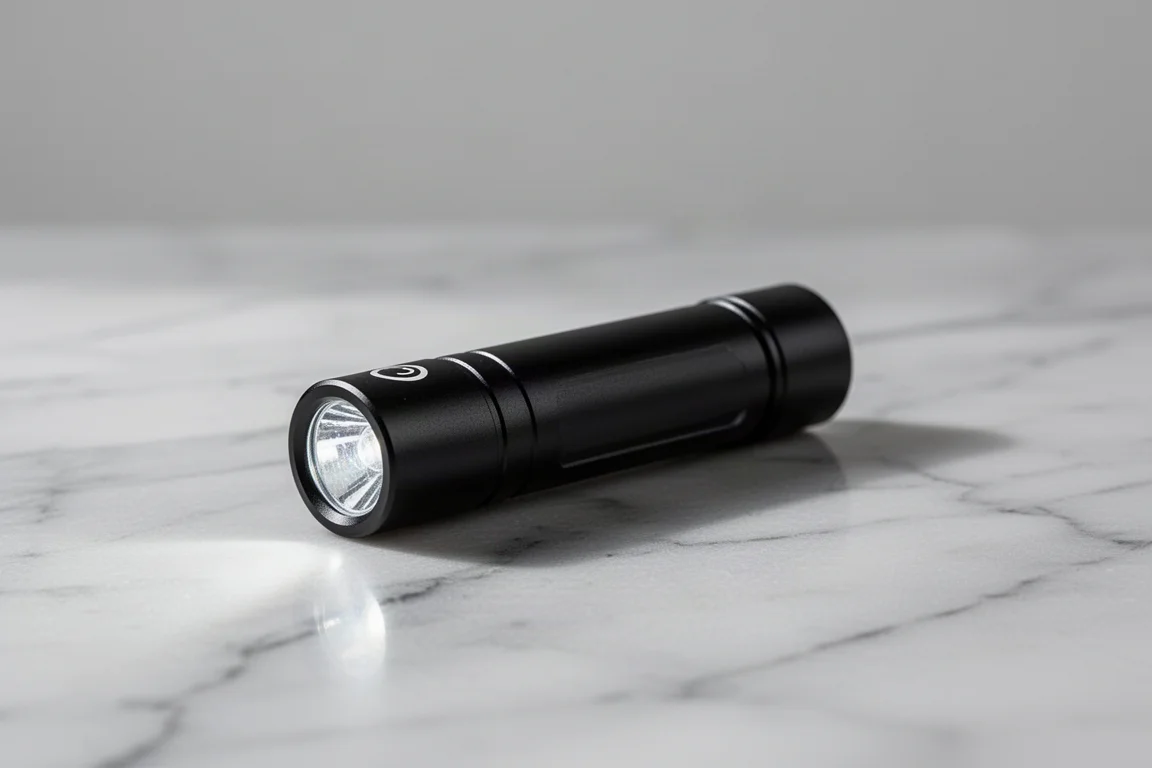
Sofirn
For $33, the Sofirn is a rechargeable light rated for 3,000 lumens, IP68 water resistance, and 50 hours on low mode, with an apparent 5,000 mAh battery. It weighs 156 g and measures 4.625 inches, one of the shorter lights tested. The hotspot is consistent with light fade at the edges. Measured output was well below the 3,000-lumen rating at 1,201 lumens, and it settled to 429 lumens at 15 minutes, second place at that point. It runs warm at around 113°F, and like several others it could not fully light the treeline at 75 feet.
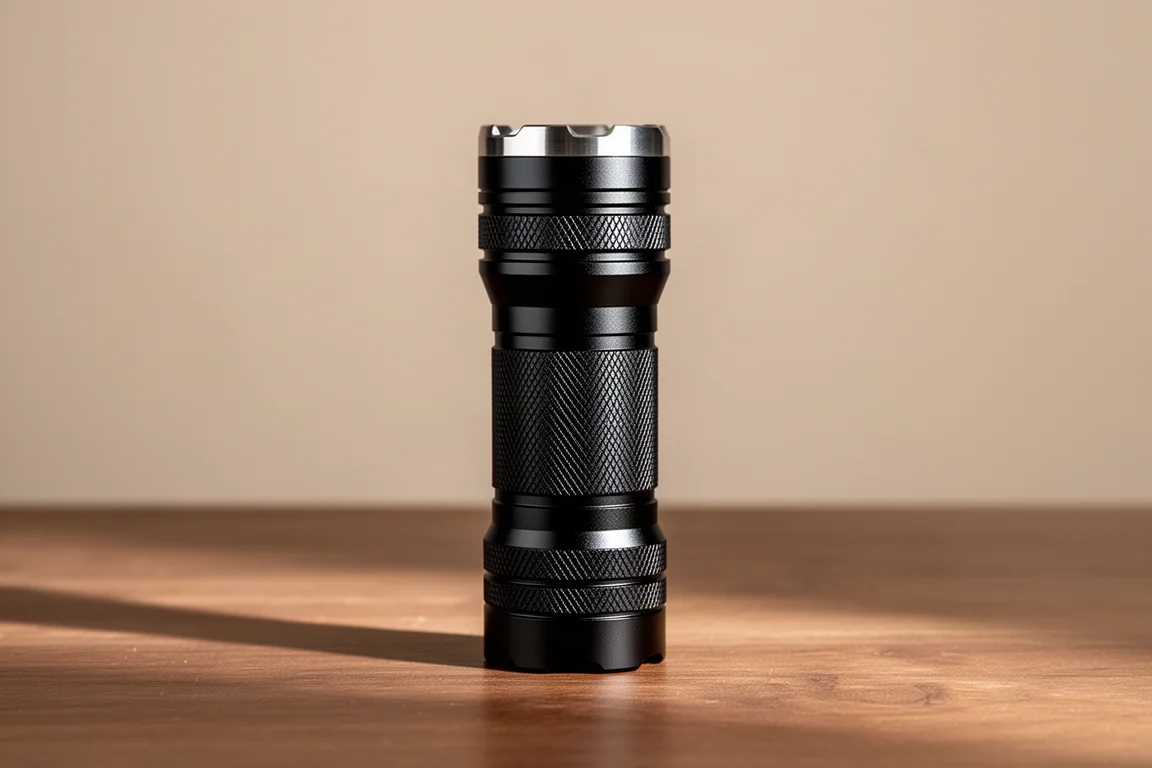
Nebo
The Nebo sells for $39 and claims 1,800 lumens in turbo mode, a 4x zoom, IPX7 waterproofing, and impact-resistant anodized aircraft-grade aluminium construction, with an apparent 2,000 mAh battery. It weighs 164 g at about 5.75 inches. Its adjustable focus gives uniform light across the whole range, which is a nice touch. It moved into second place at 1,183 lumens starting out, and its 545 lumens at 15 minutes was the best result yet at that stage. It does run hot at 160°F, and while the focus position delivers plenty of light, the broad beam falls short.
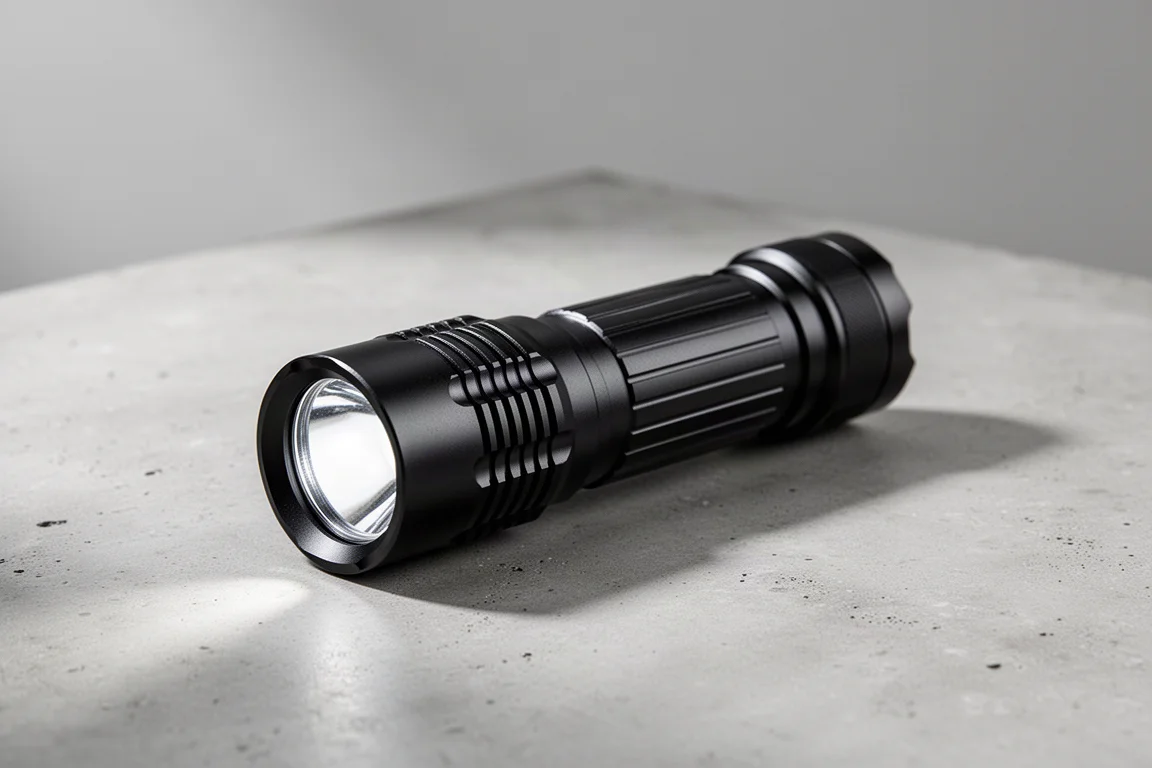
ThruNite
At $40, the ThruNite claims a super-bright 2,000 lumens and a 283-yard projection, with a 3,400 mAh battery and five modes including turbo, high, medium, low, and firefly. It even comes with a good flashlight pouch. It starts at 2,213 lumens, the brightest result to that point, and stayed above its rating at 2,018 lumens after 30 seconds. At 15 minutes it managed 674 lumens, again the best yet. It is a little warm at 113°F, and the beam is a very bright, narrow hotspot with a star-shaped spill pattern that is not very intense.
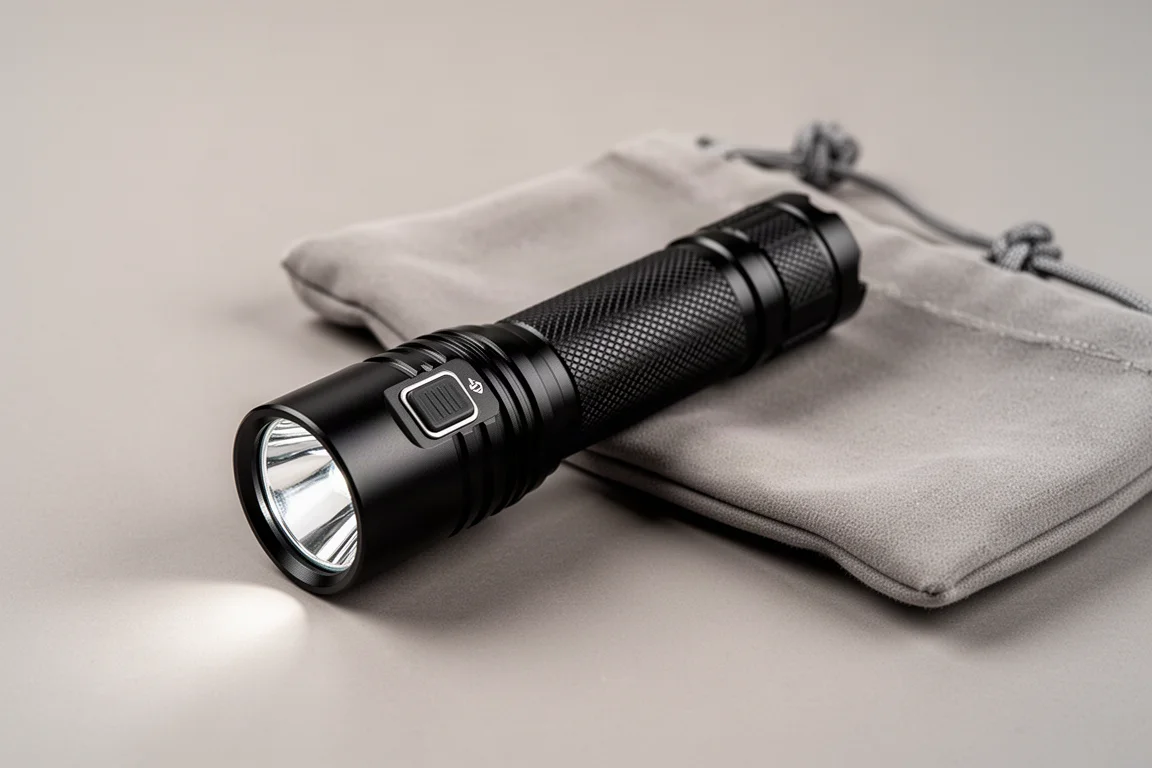
Wurkkos
Also $40, the Wurkkos claims 1,600 high lumens, a 3,000 mAh battery, a max throw of 1,089 feet, a full charge in 1 hour 50 minutes, and a claimed runtime of 16 days and 16 hours on its lowest setting. It weighs just 132 g at about 5.3 inches. The hotspot is intense, though the spill has shadows and rings. Measured output hit 2,153 lumens, nearly matching the ThruNite, then 1,889 lumens at 30 seconds in second place, and 765 lumens at 15 minutes, the best sustained figure at that point. All that light means heat, around 118°F, but it genuinely lit up a substantial area of the treeline.
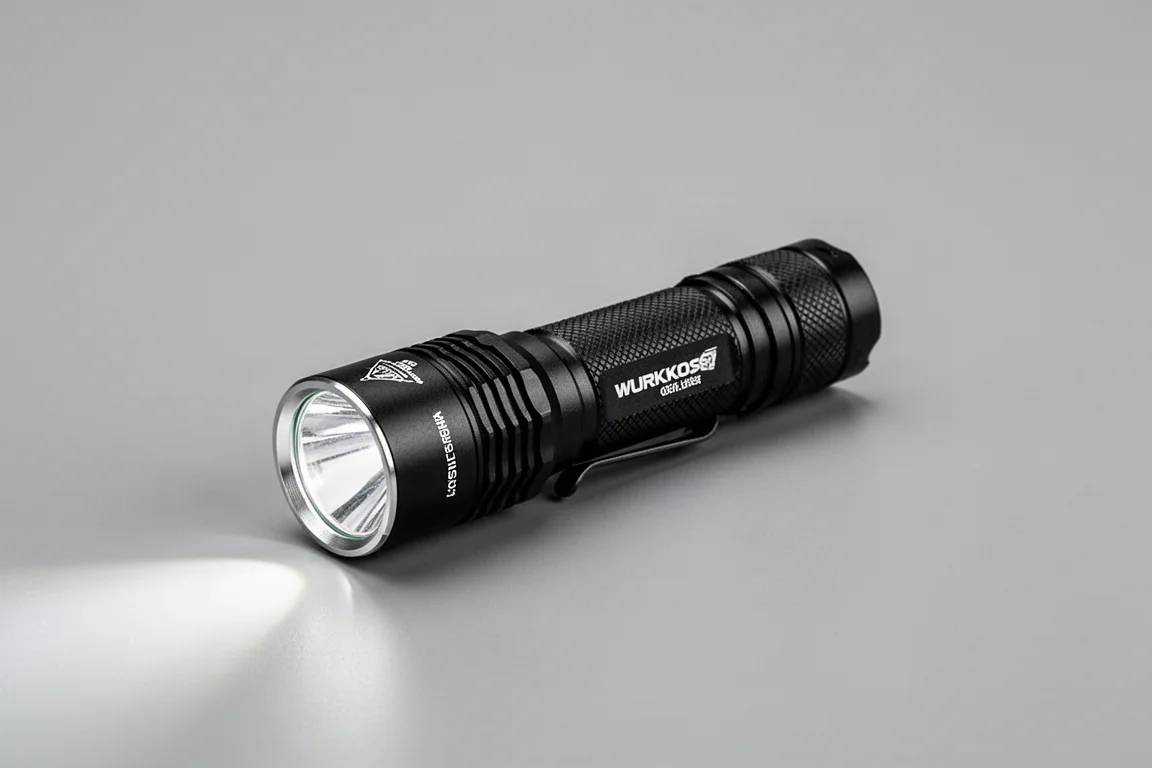
Bushnell
The Bushnell costs $50 and, as a much larger flashlight at 9.25 inches and 352 g, it enters the comparison with a size advantage. It is rated for 2,000 lumens and claims 8 hours of runtime on high from its rechargeable battery. The beam makes a smooth transition from hotspot to spill, which looks great. But measured output was 1,858 lumens at startup, well below rating at 1,696 by 30 seconds, and only 309 lumens at 15 minutes. It stays cool at just under 93°F, but the large body is not nearly as bright as far more compact rivals.
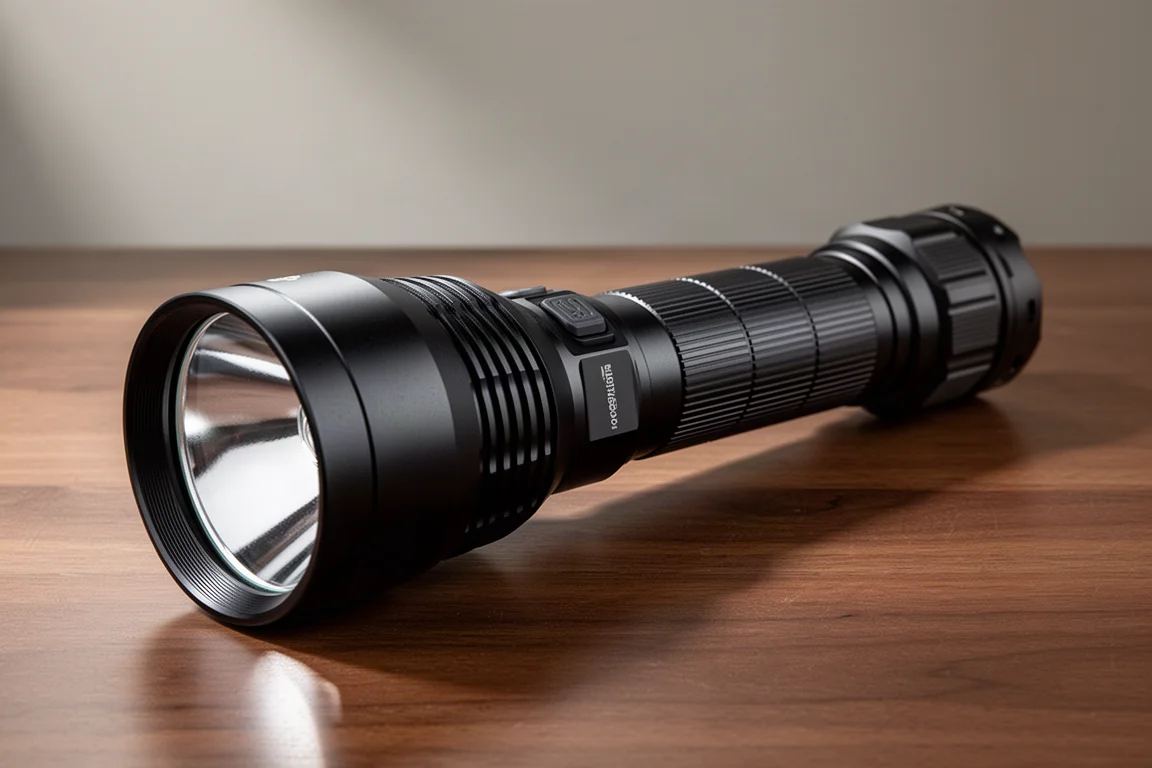
Milwaukee
The Milwaukee is a $65 work light rated for 1,100 lumens with a claimed 175 meters of beam distance and a precision twist focus. It uses a Red Lithium USB 3.0 battery, is a product of Vietnam finished in China, and weighs 202 g at around 6.2 inches. Its beam is noticeably more yellow than the others, with a reddish light ring. Measured output was 1,424 lumens starting out and 1,401 at 30 seconds, comfortably above its advertised rating, with 793 lumens at 15 minutes, the best sustained figure at that point. At around 105°F it manages heat well, and the broad yellowish beam suits close-up work.
Coast
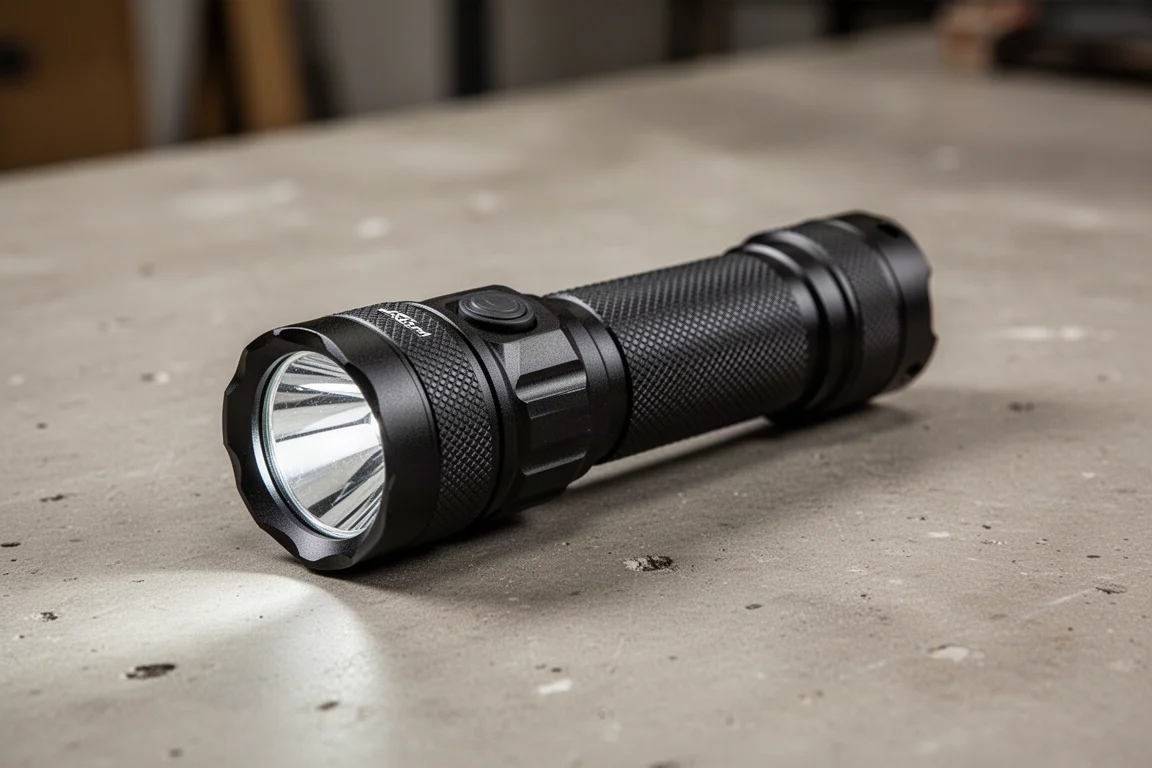
The Coast is a $67, much larger flashlight at roughly 9 inches and 364 g, rated for a claimed 4,500 lumens. It uses a Zithion-X rechargeable battery rated at 2,500 mAh, with five modes including high, medium, low, turbo, and moon glow. Turbo starts at around 3,000 lumens, then, unusually, brightness increased to 3,894 lumens at 30 seconds as the LED warmed up. It drops hard to 322 lumens at 15 minutes, but it stays comfortable at 92°F. The focus position is bright with a consistent broad beam available too.
Nitecore
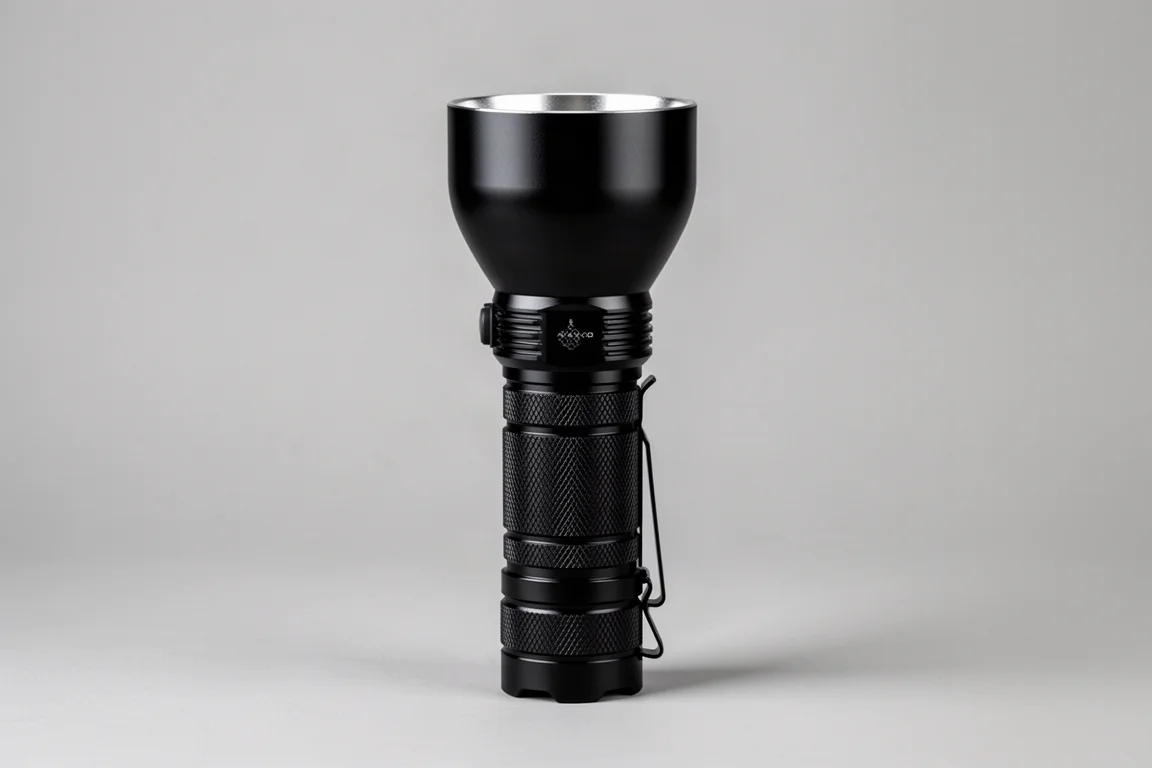
At $90, the Nitecore claims up to 5,000 lumens, a full charge in 3.5 hours, and up to 90 hours of light. It comes with a very nice holster, a lock and unlock switch, 2-meter impact resistance, and an IP68 rating. It weighs 182 g at a very compact 4.8 inches. The hotspot is intense with much less brightness outside it. In turbo mode it hit 7,434 lumens, by far the brightest result of the entire test, before powering down at 14 seconds to just over 1,500 lumens. It regained brightness as it cooled, hitting 1,589 lumens at 30 seconds and 876 lumens at 15 minutes, both bests at those marks. At 180°F it is warm but manageable for the output.
Acebeam
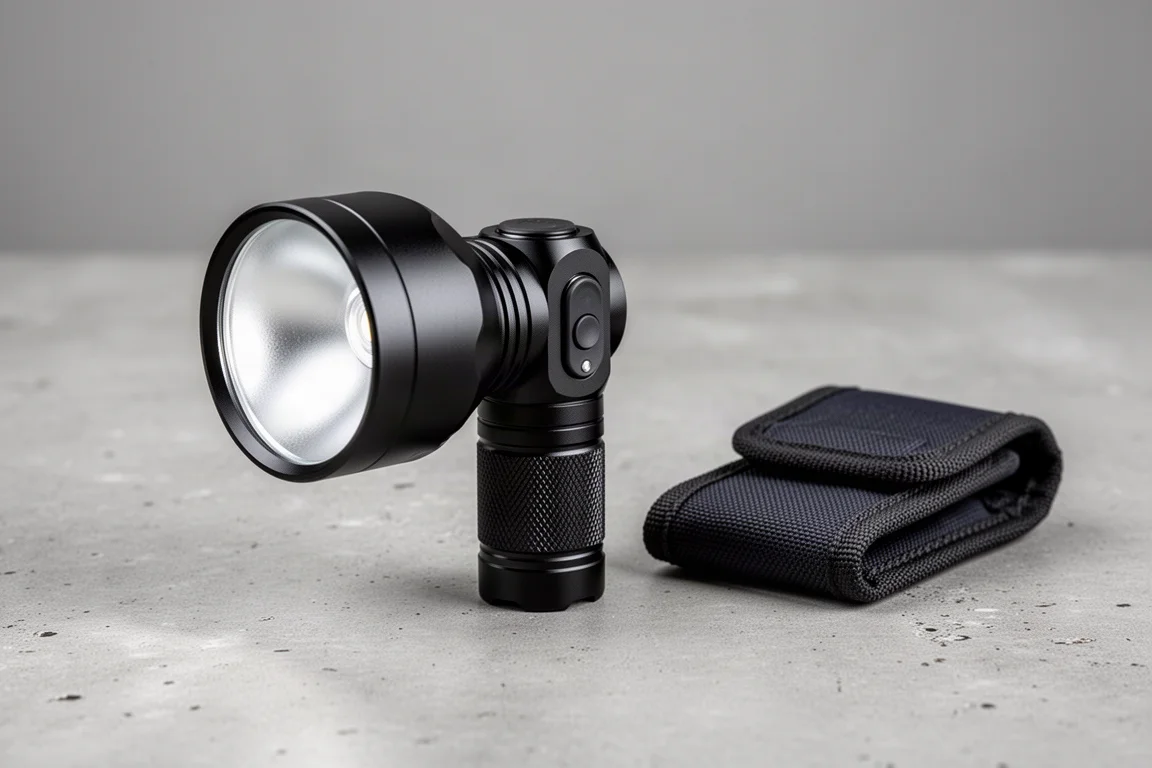
The Acebeam costs $110 and is rated for 4,900 lumens and 445 meters of throw. It is a dual tail switch tactical light, claimed at just 154 g, with a 5,000 mAh battery you remove to charge and a claimed 1.5-meter drop tolerance. It weighs 226 g and measures about 5.7 inches. Startup hit an impressive 5,087 lumens for such a compact light, and 4,795 at 30 seconds was only 105 lumens below rating. At 15 minutes it led with 1,208 lumens. Intense light means intense heat at close to 115°F, but it had more than enough output to light the treeline.
Olight
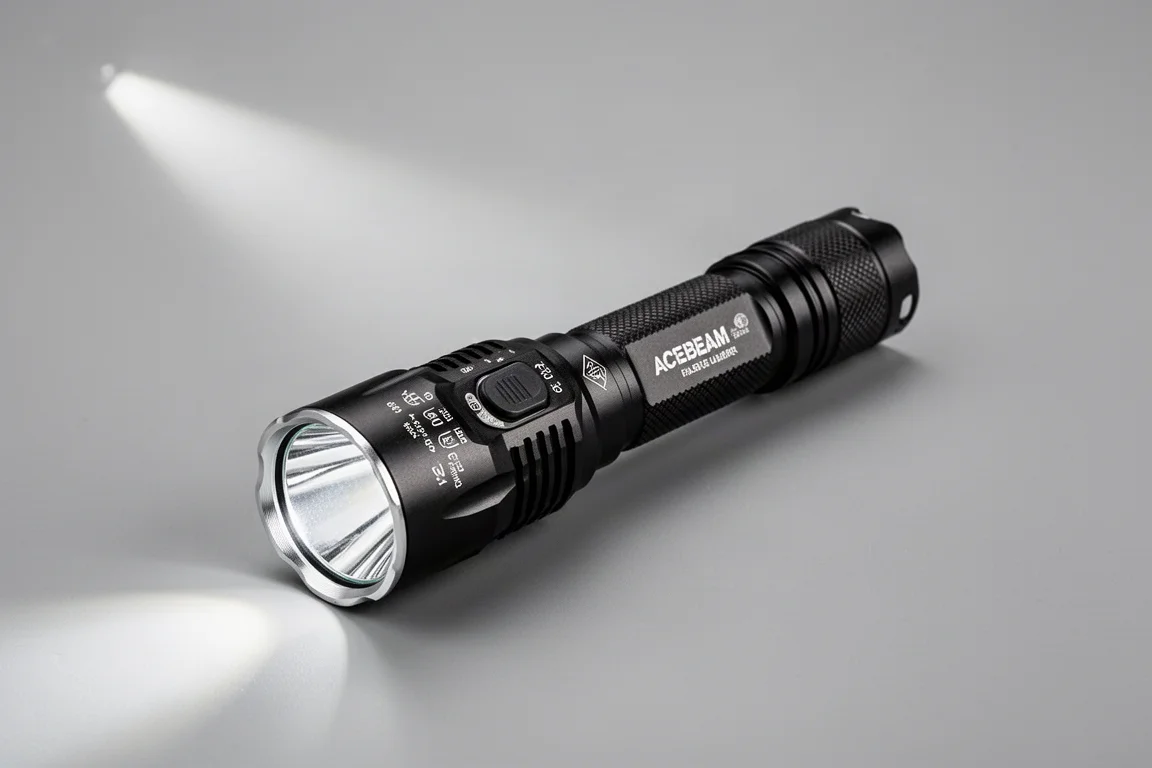
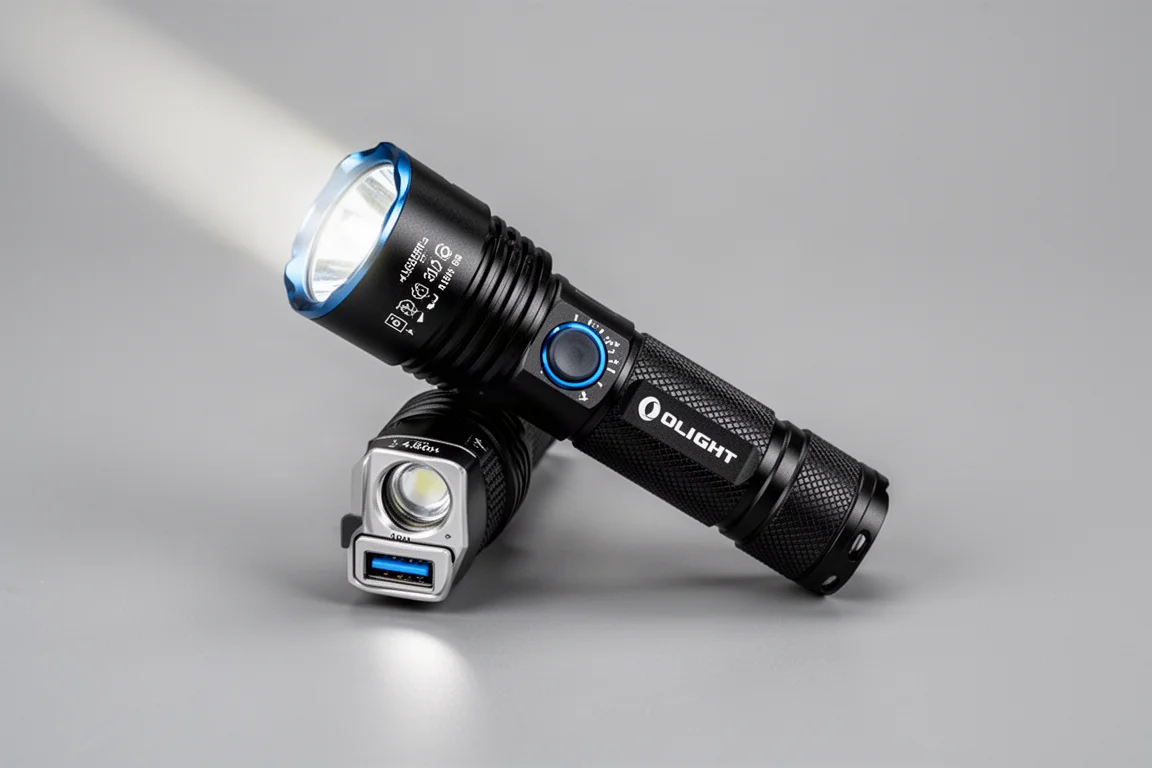
The Olight costs $112, claims 4,600 lumens and a 260-meter max throw, and supports two-way charging via Type-C with the holster or magnetic charging with the optional MCC3. The 5,000 mAh battery exceeded its rating, and the thumb dial for raising and lowering intensity is genuinely pleasant to use. It weighs 206 g without the holster at about 5.2 inches, roughly an inch shorter than the Fenix. Output was outstanding: 5,678 lumens at startup, a best-in-test 5,607 lumens at 30 seconds, and it was still the brightest at 15 minutes with 1,408 lumens. It runs hot at 114°F, and the large hotspot transitions nicely into a usable spill.
Streamlight
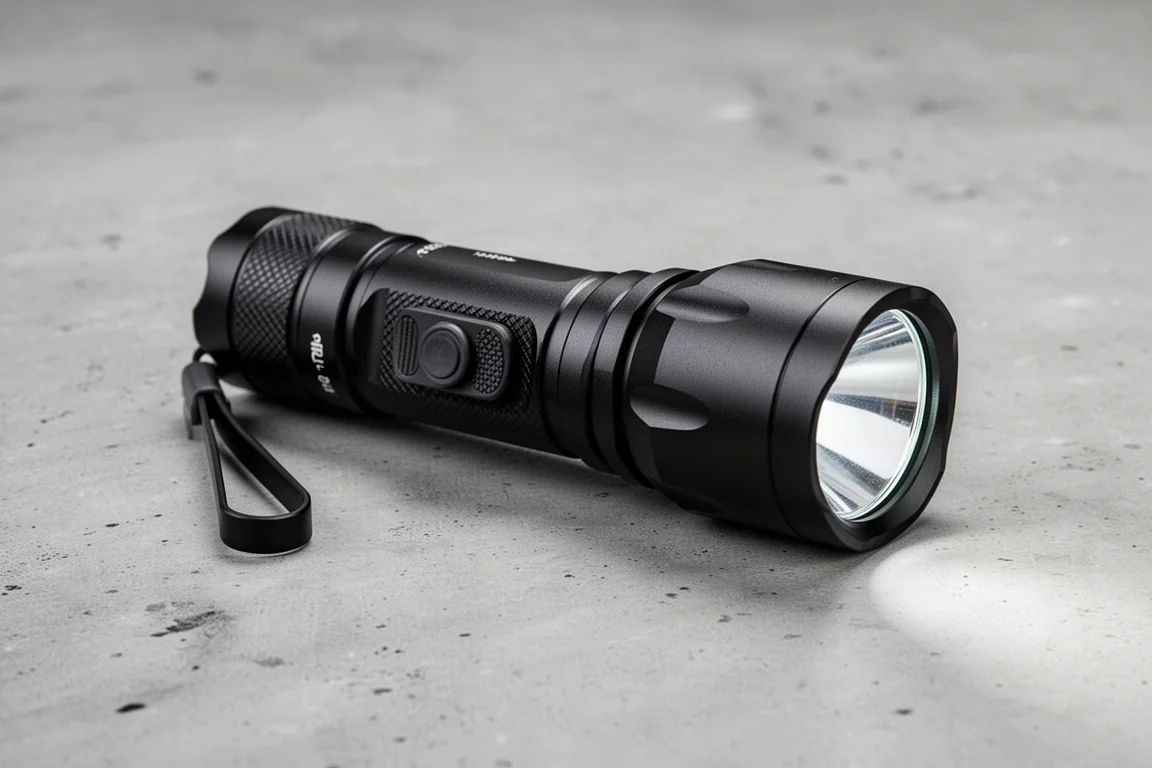
At $119, the Streamlight claims 2,000 lumens, 85,000 candela, and a 583-meter beam distance on high, with a 4,900 mAh removable battery, dust-tight and waterproof construction rated to 1 meter for 30 minutes, and 2-meter drop protection. It weighs 234 g at close to 6 inches. It started at 2,704 lumens, held 2,414 at 30 seconds, and posted 1,214 lumens at 15 minutes, second place at that mark. It was the hottest light of all at over 127°F. The hotspot is incredibly bright but narrow, and the spill is not very bright, so it rewards aiming precision.
Fenix
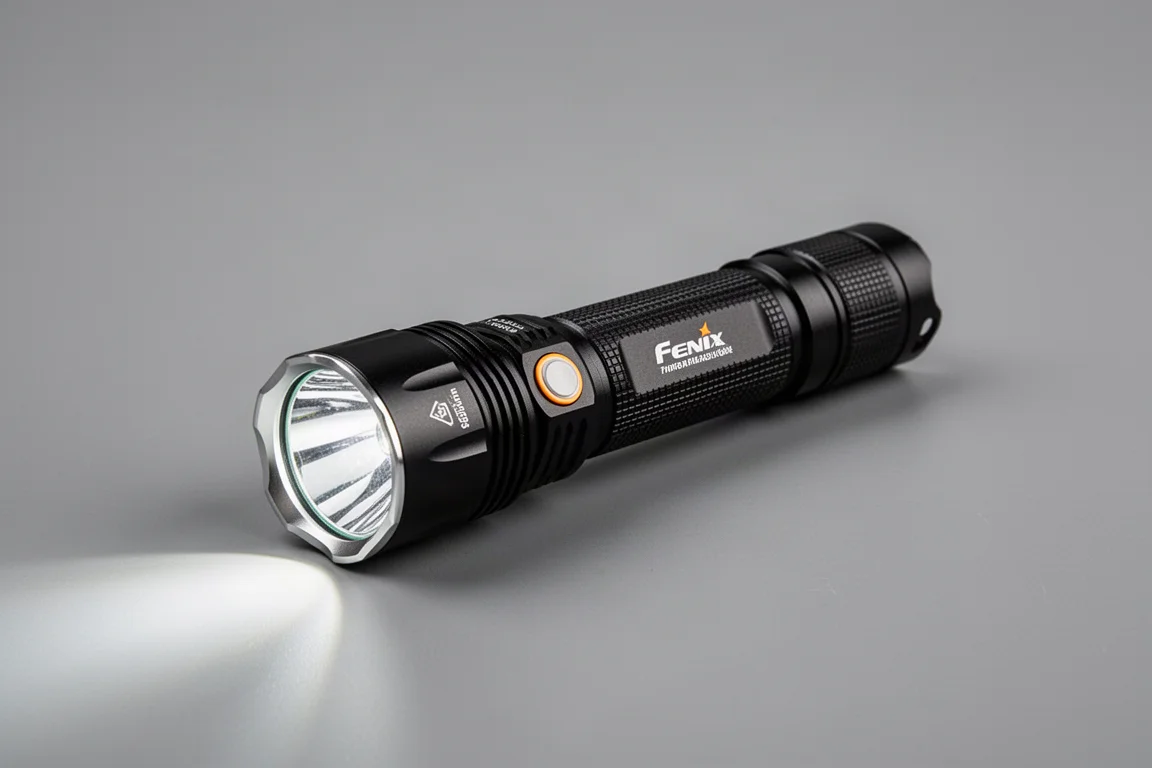
The Fenix is the most expensive here at $135, rated for 3,600 lumens with fast recharging in 1.5 hours, IP68 waterproofing, 1-meter impact resistance, a good holster, and a 6,000 mAh battery, the largest capacity in the test. It weighs 224 g at about 6.2 inches. Output was powerful throughout: 4,706 lumens starting out, still very intense at 4,027 lumens after 30 seconds, and 1,342 lumens at 15 minutes, second only to the Olight. It runs almost too hot to handle at 127°F, with a very bright hotspot over a much less intense spill.
The Results at a Glance
For initial brightness, the Nitecore took first place at 7,434 lumens with the Olight second at 5,678. After 30 seconds, the Olight led at 5,607 lumens, ahead of the Acebeam at 4,795 and the Fenix at 4,027. At 15 minutes, the Olight held the lead at 1,408 lumens, followed by the Fenix at 1,342 and the Streamlight at 1,214.
On throw distance, marketers assume a 0.25 lux illumination level that amounts to almost no light. Using a much more realistic 10 lux object brightness, the ES Green came out on top at 114 meters, the Streamlight second at 104 meters, and the Fenix third at 93 meters.
Battery Quality and Capacity
A flashlight that produces a lot of light needs a battery that can supply a lot of current. The Ruboli battery managed up to about 30 W before dropping below 3 volts at 10 amps, and any super-bright flashlight needs more than 30 W of battery output. Repeating the test on compatible batteries, the Sofirn came out on top at 60.7 W, the Acebeam second at 51.52 W, and the Fenix third at 50.06 W.
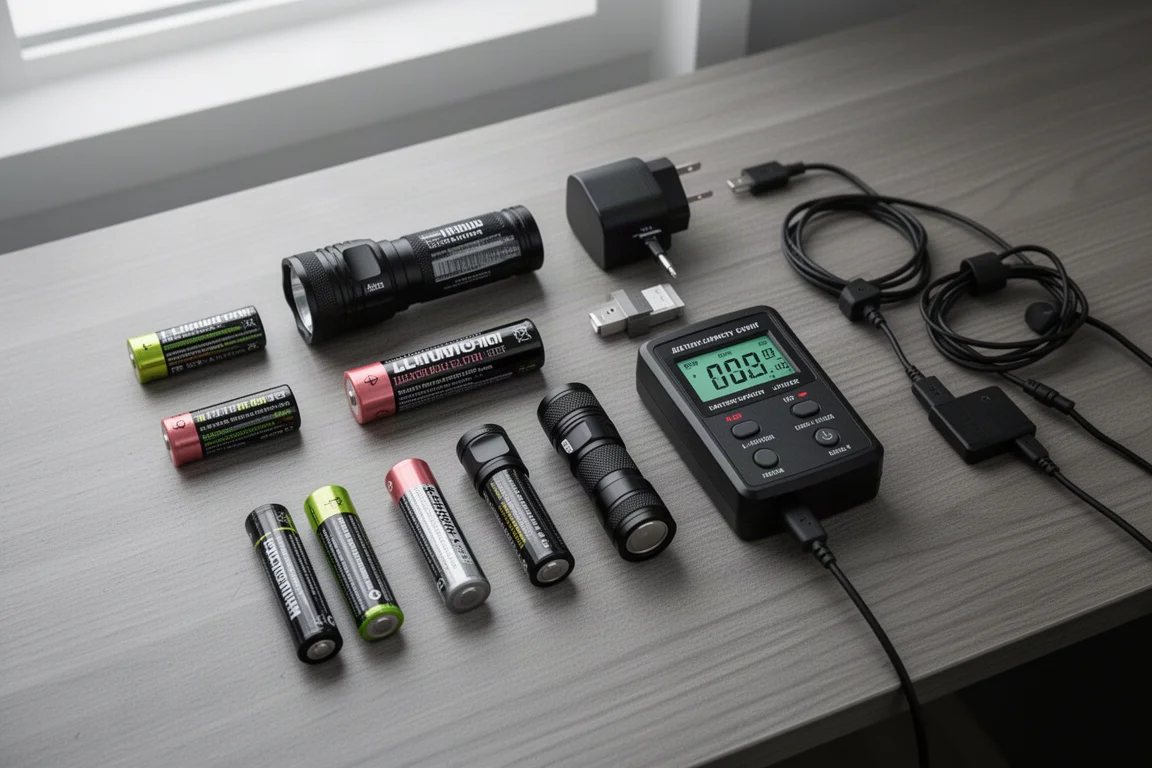
On capacity, the Ruboli beat its 1,800 mAh rating at 1,875, the Trikk Hub delivered 1,858 against the same rating, and the Wuben exceeded its 2,600 mAh rating at 2,685. The Nebo hit 2,123 against a 2,000 rating, the ThruNite 3,573 against 3,400, and the Wurkkos 3,266 against 3,000. Among larger cells, the Sofirn produced 4,710 mAh despite running under rating, the Acebeam moved into the lead at 4,850 mAh or 16.72 watt-hours, the Olight just beat its 5,000 mAh rating at 5,090, the Streamlight came close at 4,840 against 4,900, and the Fenix topped everything at 6,290 mAh. The large no-name claim of 10,000 mAh struggled to just 4,620.
In the drop test, every light was dropped from 2 meters onto concrete. Only two flashlights powered down from the impact, and both powered back up and worked fine. For maximum runtime on the brightest setting, the Bushnell topped the chart at 7.9 hours, the Sofirn second at 5.4 hours, and the Nitecore third at 5.3 hours. Unsurprisingly, the brightest lights drain their batteries fastest.
Buying Advice
Overall, the Fenix came in on top with the best average finish at 3.5, placing in the top three of every category except runtime. It is a fantastic light and worth buying if it fits the budget. The Olight finished second at an average of 4.8, producing more lumens than the Fenix but less throw; choosing a lower brightness setting helps its runtime considerably, and it is about an inch shorter if compactness matters. The Acebeam took third at 5.2 and is well worth considering if the price is right.
If budget is the priority, the Wurkkos stands out. For only $40, it is a very bright, compact at 5.31 inches, good all-around flashlight, and the clear value pick. Some of these compact flashlights produce an incredible amount of light for their size.
Conclusion
The takeaway from testing seventeen flashlights side by side is straightforward: the biggest claims are rarely the best performers, and the middle of the price range is where the value lives. The Fenix and Olight are the best overall performers if budget allows, the Acebeam is a strong third option, and the Wurkkos is the smart budget choice. Match the light to what you actually need, compact everyday carry, serious throw, or long runtime, and any of these picks will serve you well.
Further reading
Related Reviews
Flashlights
Best Flashlights 2026: Brightness, Battery, and Value Compared
We tested 18 flashlights across a wide price range to find the best performers in brightness, battery life, and durability.
Flashlights
Nitecore LA10 Review: A Tiny 2-in-1 Lantern That Nails the Basics
The Nitecore LA10 pairs a pocket-sized lantern with a single AA battery, a magnetic tail cap and a five-year warranty. Here is where it shines and where it struggles.
Flashlights
Wuben G5 Review: A Compact Everyday Carry Flashlight
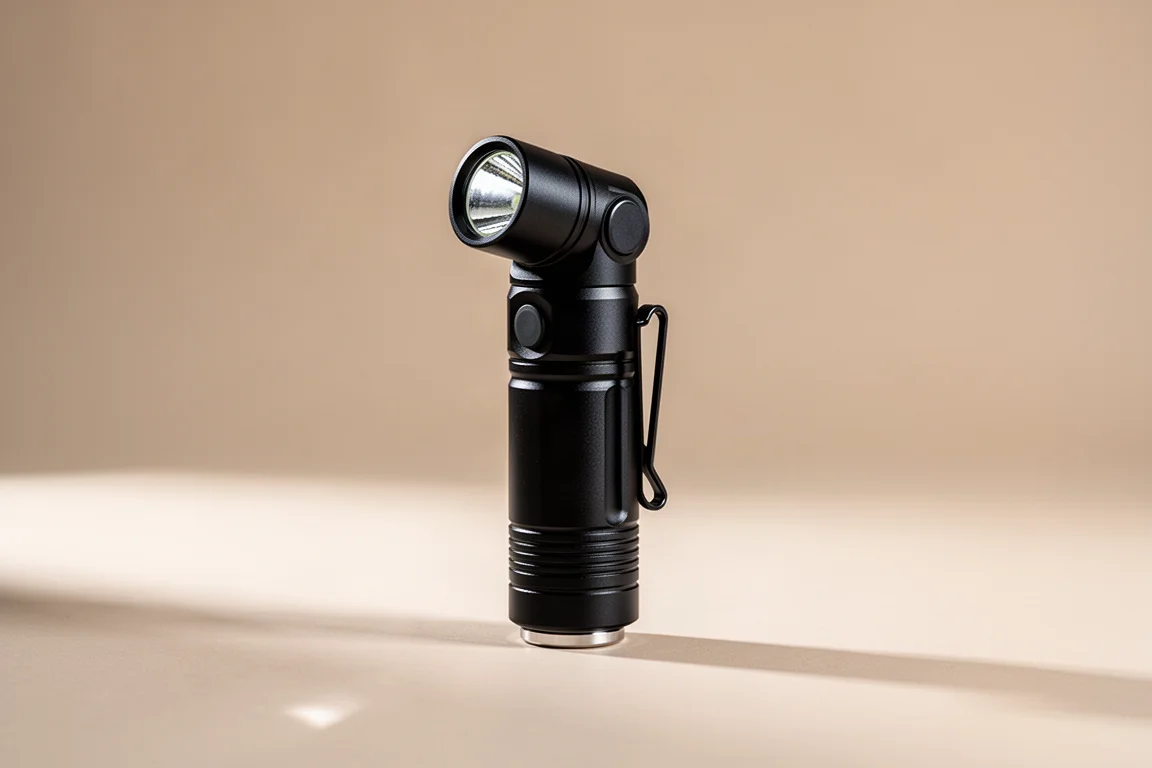
The Wuben G5 is a small, rechargeable flashlight with a pivoting head, magnetic base, and color modes. Here is how it performs as an everyday carry light.