Flashlights
Best Flashlights for Real-World Brightness: 6 Picks From a 18-Model Comparison
We looked at an independent comparison of 18 flashlights, from a $10 budget light to a $140 flagship, to find the ones that actually deliver sustained brightness.
Introduction
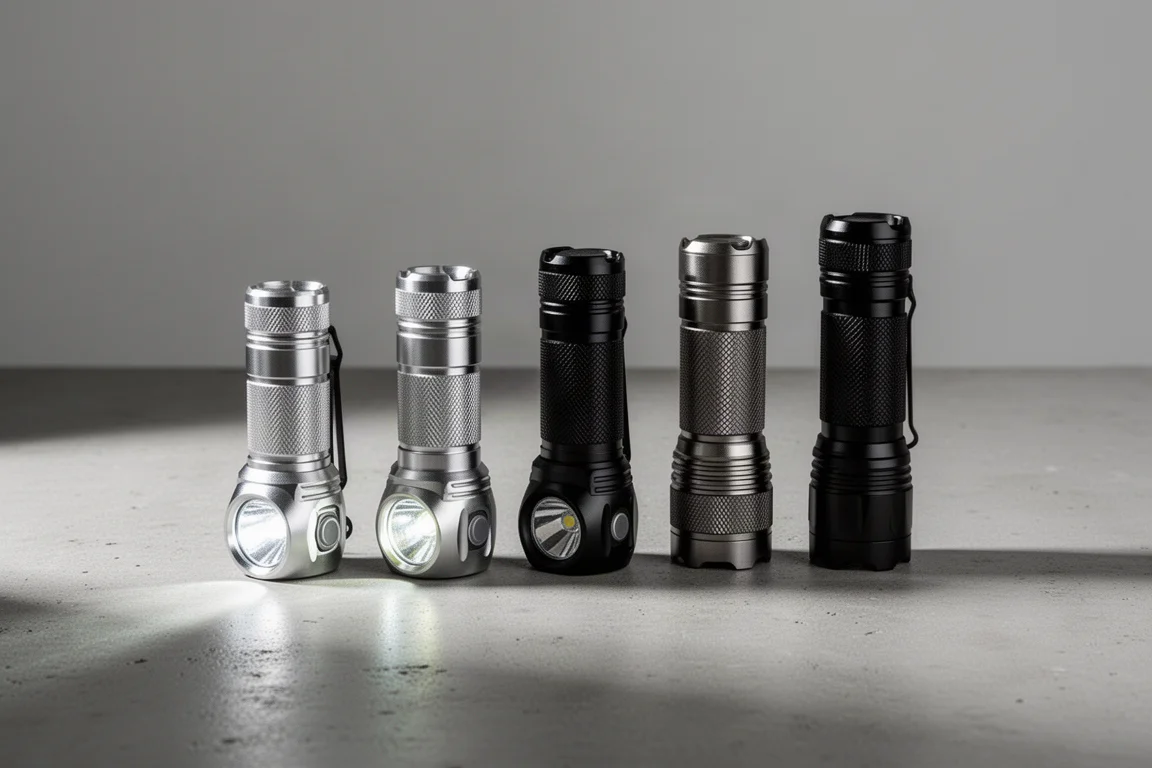
Flashlight marketing has drifted into fantasy territory. Walk down any online marketplace and you will find $20 lights advertising a million lumens. Independent testing tells a very different story: the brightest light in the comparison peaked at just under 11,000 lumens, and most budget lights fell dramatically short of their claims. This roundup distils an 18-model comparison, spanning prices from $10 to $140, into six picks that make sense for real buyers.
How the Lights Were Judged
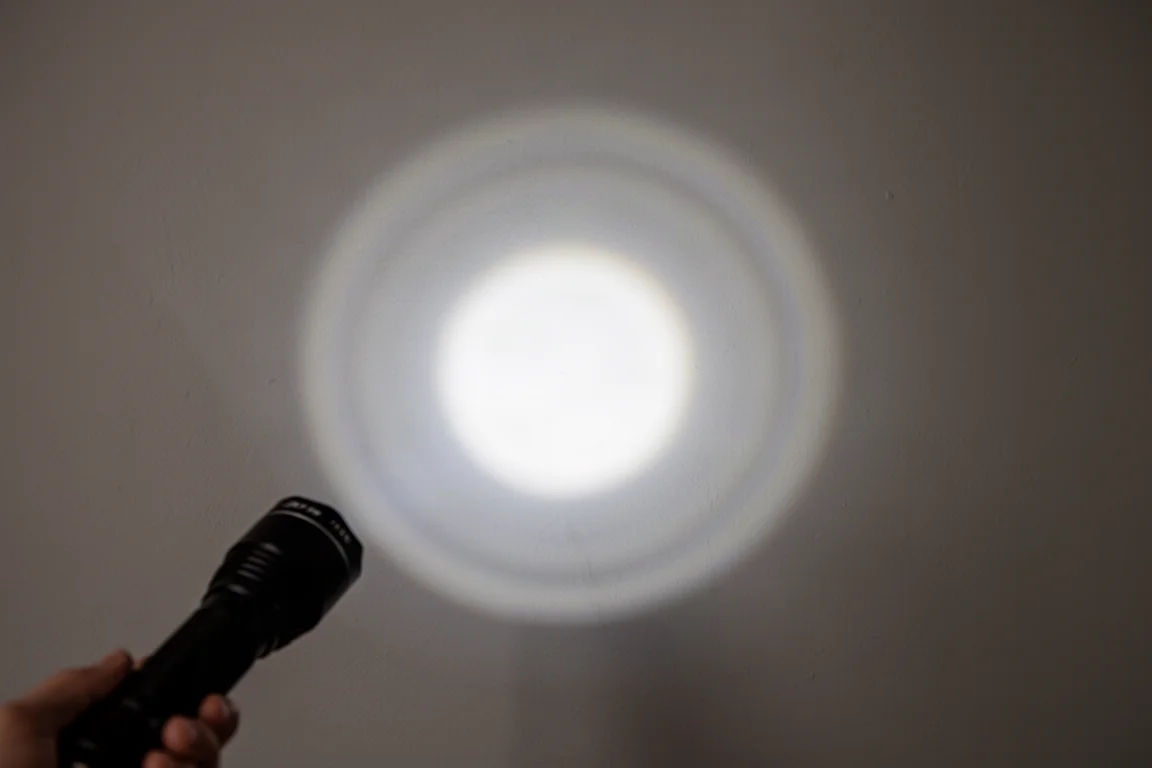
The comparison measured total light output with a lumen tester, tracked brightness drop-off over 15 minutes, recorded heat, tested battery capacity and current delivery, and finished with a two-metre drop test. Beam patterns were compared on a wall with markers spaced one foot apart on a four-foot-wide wall, and real-world throw was estimated using a more realistic 10 lux assumption rather than the optimistic 0.25 lux the manufacturers use.
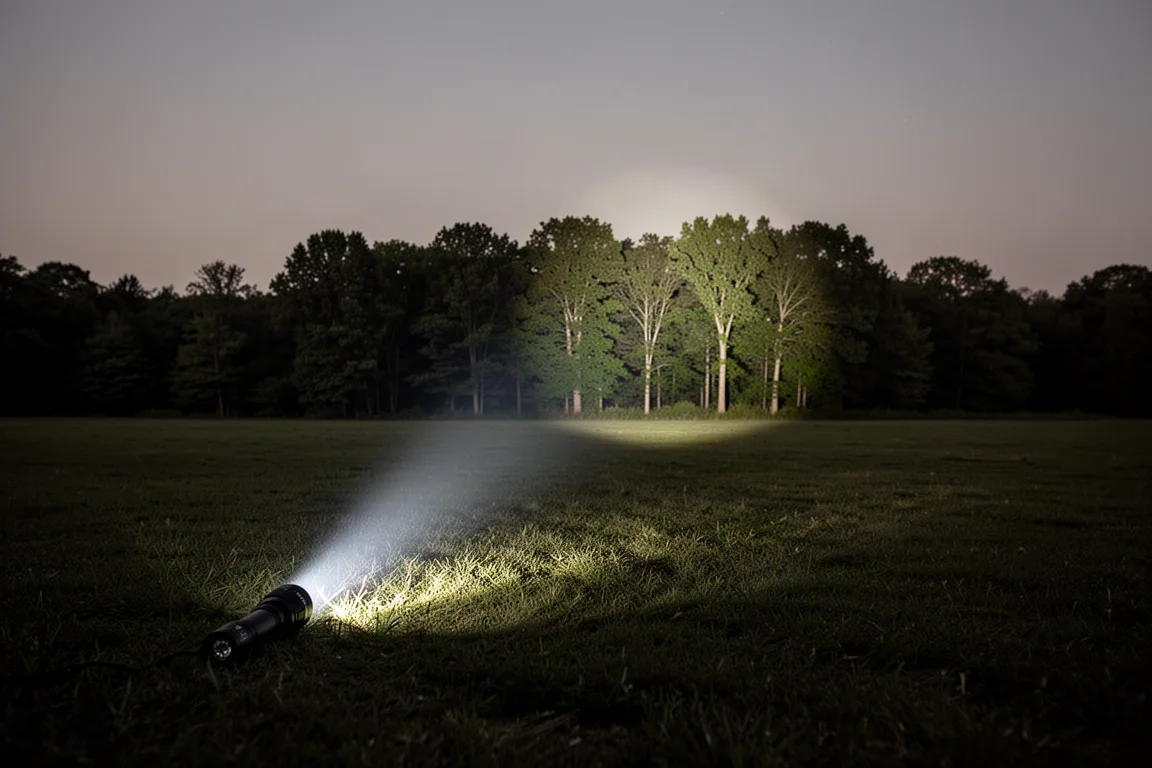
No single light won every category. The rankings were built from average finishes across all graded tests, which is why the final picks below balance raw brightness, sustained output, battery quality, and value.
The Brightness Verdict
Measured output at the 30-second mark separated the pack clearly. The Olight led at 5,377 lumens, with the Acebeam Defender P17 close behind at 5,002 and the Nebo third at 4,000. But brightness that fades quickly is not much use for most tasks. At the 15-minute mark, the Streamlight was the brightest at just over 1,500 lumens, followed by the Olight at 1,347 and the Acebeam at 1,288.
For context, the wild claims fall apart quickly: a $20 light advertising 990,000 lumens measured 901 lumens, and even a $28 Ikey Ruik claiming 990,000 lumens peaked at around 1,506.
Best Overall: Olight
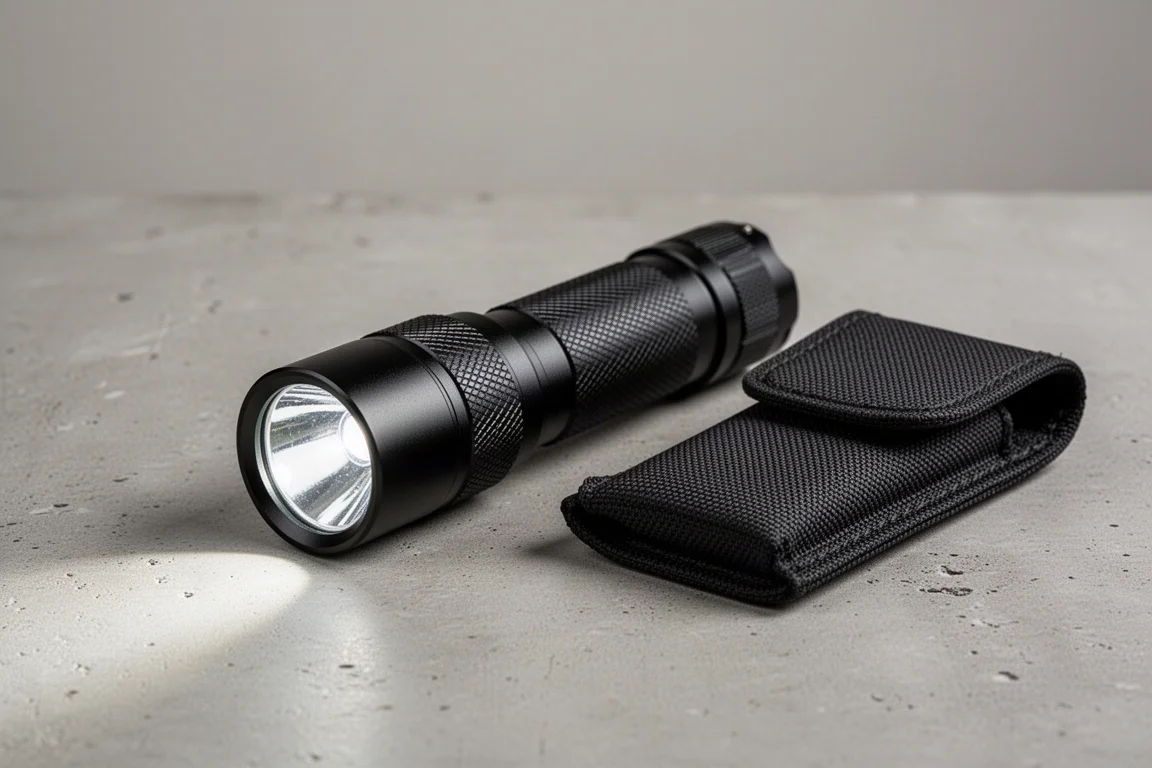
The most expensive light in the comparison at around $140, the Olight backs up its price with the best overall result. It is rated for 4,600 lumens with a maximum throw of 260 m, an IPX8 waterproof rating, and a 5,000 mAh battery, and it outperformed its rating with an initial 5,491 lumens, holding 5,377 at 30 seconds and 1,347 at 15 minutes. It also delivered the strongest power output of any battery tested at 42.5 watts, and it includes a holster.
The trade-offs are price and runtime: like any very bright light, it burns through its charge faster on the highest setting. It finished first overall with an average placement of 5.3.
Best High-Output Runner-Up: Acebeam Defender P17
At around $120, the Acebeam Defender P17 finished second overall with an average placement of 6.5. Rated at 4,900 lumens and a 445 m maximum beam distance, it actually beat its rating, starting at 5,119 lumens and holding just over 5,000 at 30 seconds. At 15 minutes it was still producing 1,288 lumens, one of the best sustained outputs in the field.
Its beam pattern closely resembles the Olight’s, with a very bright hot spot and less spill. Runtime on the highest setting is not the strongest, and the price is significant, but as a raw performer it is excellent.
Best for Everyday Carry: Streamlight
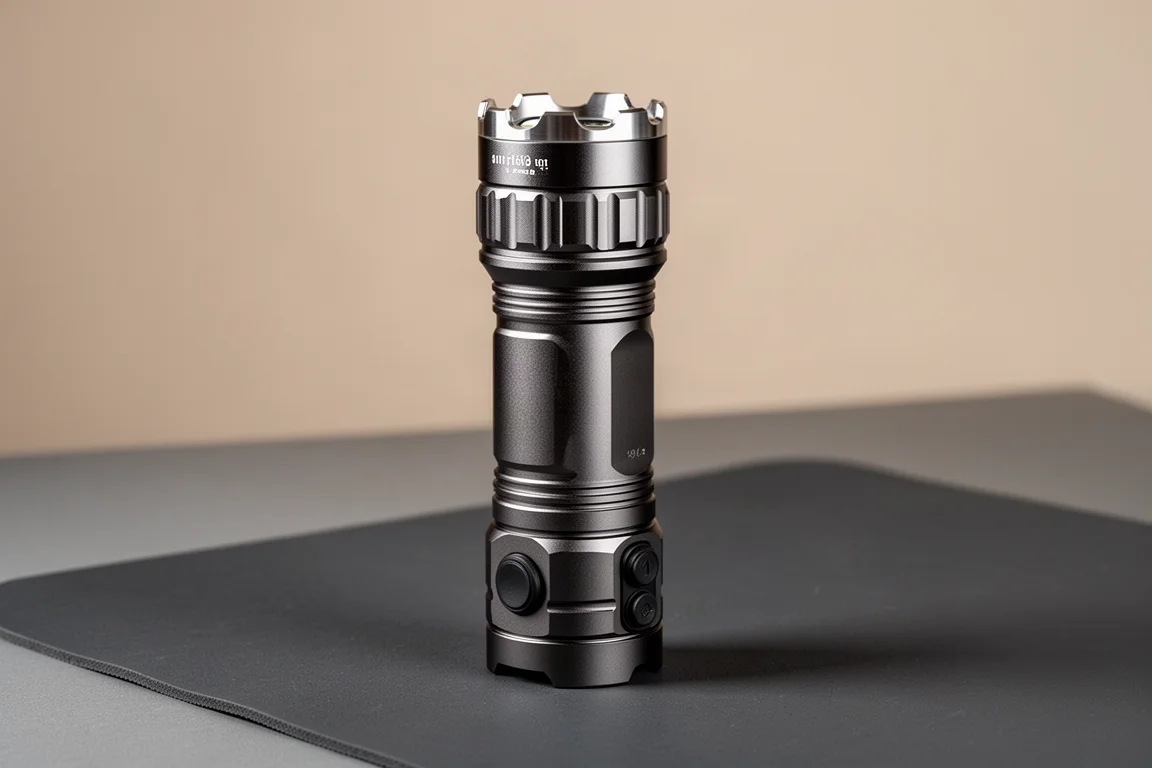
Priced at $107, the Streamlight is the pick for anyone who needs light that lasts. Rated at 2,000 lumens with a 2.25-hour runtime, it exceeded its spec with 2,579 lumens initially and 2,570 at 30 seconds. At 15 minutes it led the entire field at 1,507 lumens.
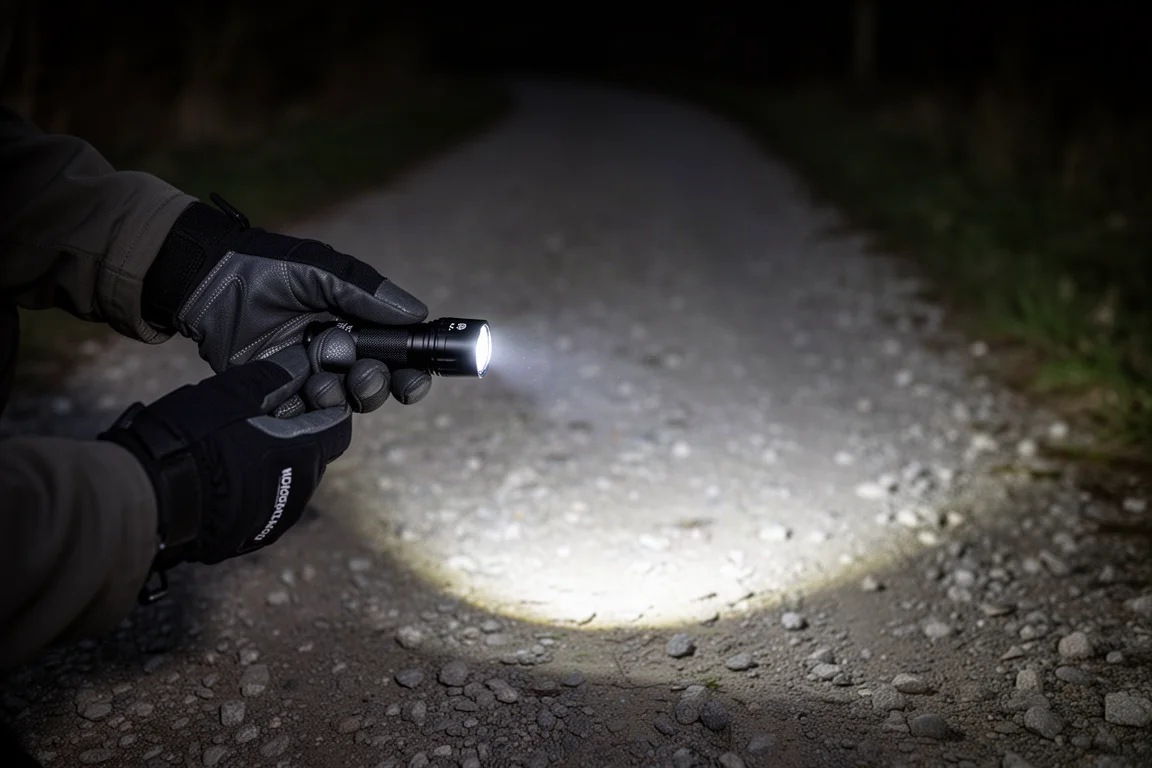
Its 4,900 mAh battery fell 420 mAh short of its rating at 4,480, but that is still respectable. The light is IP64 rated for dust and water resistance, and a sliding sleeve protects the USB-C port. The spill beam also illuminates distant objects better than the brighter but tighter Fenix beam. It runs warm at 138 degrees Fahrenheit, but that is typical at this output.
Best Sustained Output Value: Nebo
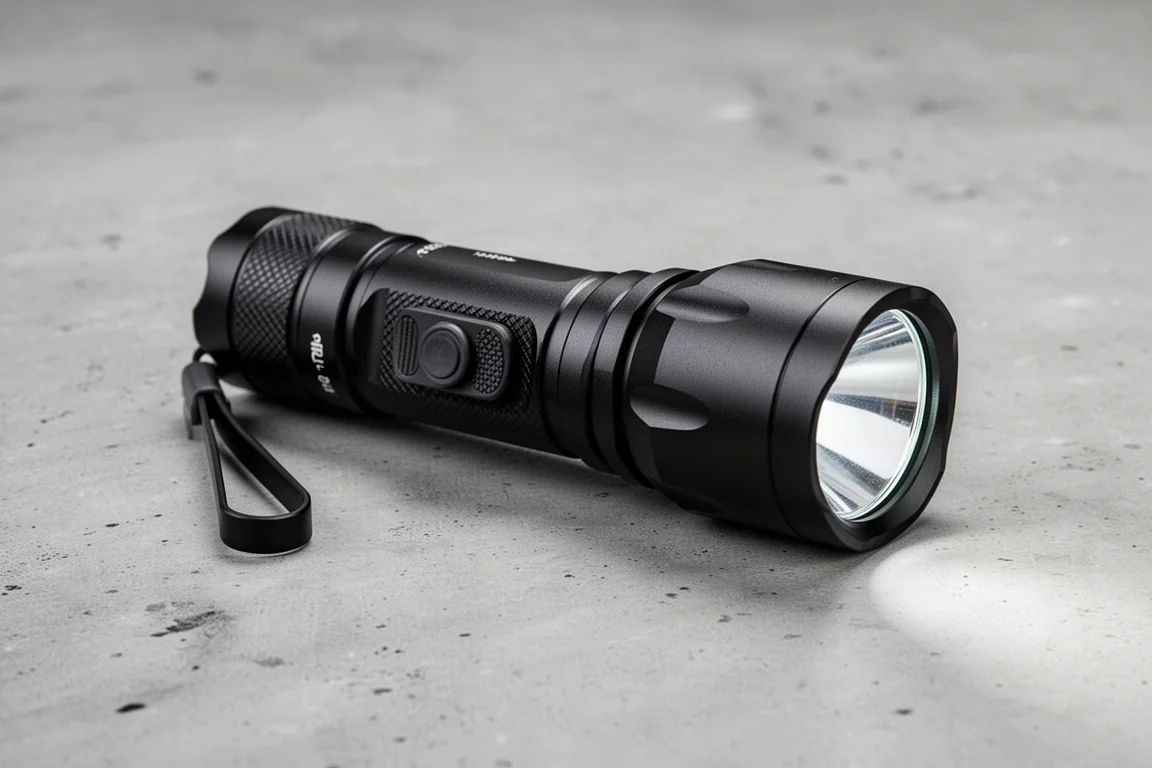
At $50, the Nebo is the brightness bargain of the mid-range. Advertised at up to 3,500 lumens, it started at 4,399 and was still at 4,000 after 30 seconds, making it the third-brightest light in the whole comparison. At 15 minutes, its 930 lumens was the best of any light in its price bracket.
It also doubles as a power bank for charging devices, with a battery promising 4,500 mAh and up to 20 hours of operation. The focus beam shows some colour inconsistency, but the broad beam is strong enough to light up a tree line 75 feet away even at wide focus.
Best Budget Pick: WindFire
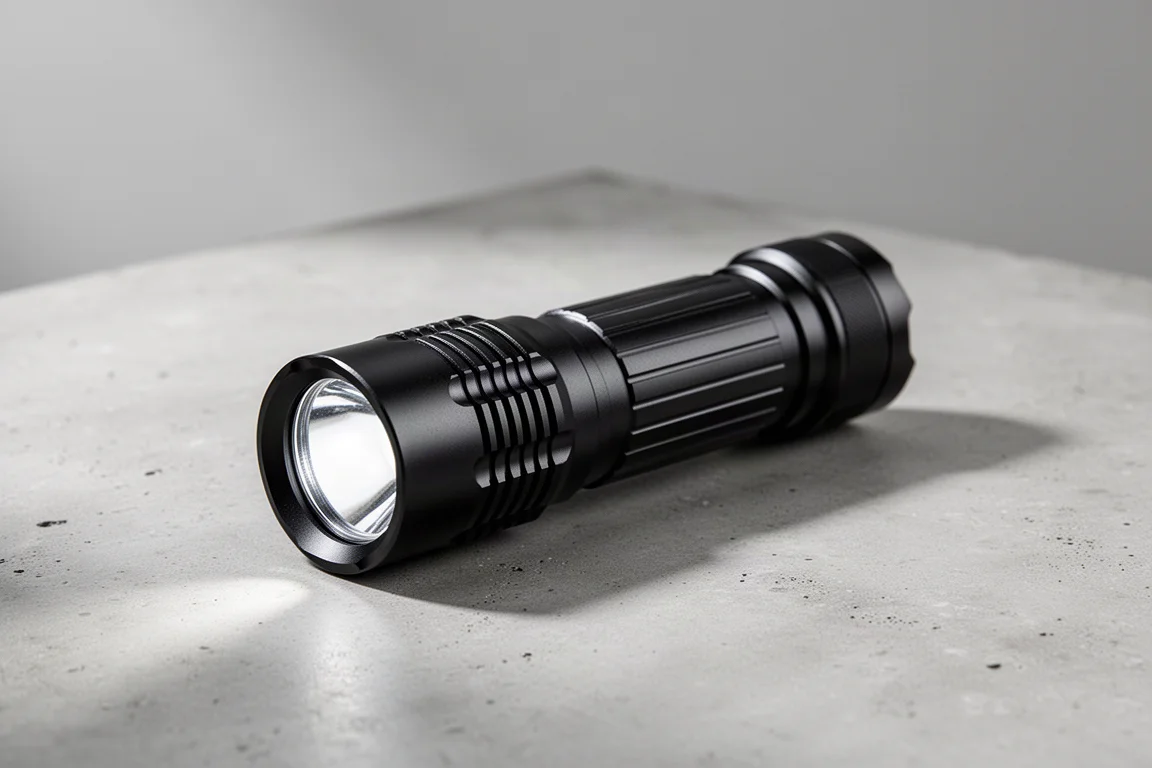
For $33, the WindFire is hard to argue with. Advertised at 200,000 lumens (which means nothing in practice), it measured 2,293 lumens initially, the brightest of any light tested at that point in the comparison, and produced the most light at 15 minutes at 565 lumens among lights under $40.
It features a side light, seven modes, an IPX5 water resistance rating, USB-C charging, and a USB output. Battery capacity came in at 4,640 mAh against a 5,000 mAh rating. It tied for third place overall with an average finish of 6.8, and if size is not a concern, it is arguably the best value in the entire field.
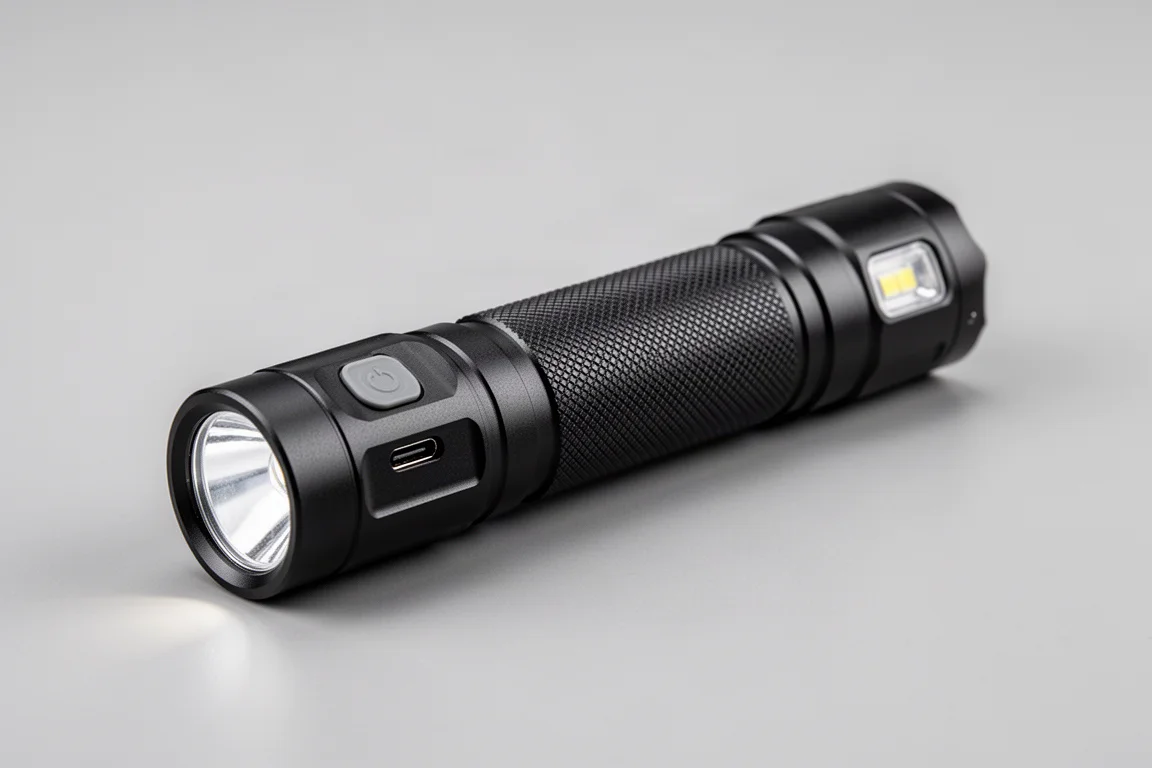
Best Cheap Bright Light: Ikey Ruik
At $28, the Ikey Ruik was the brightest budget light in the comparison at close to 1,506 lumens initially, dropping to just over 300 at 15 minutes. It ran cool at around 110 degrees Fahrenheit, and its battery slightly beat its 3,000 mAh rating at 3,070.
Its focused beam forms a square pattern with an X in the centre, and beam quality matched lights costing more. For anyone who wants maximum brightness per dollar and does not need long sustained output, it is a sensible buy.
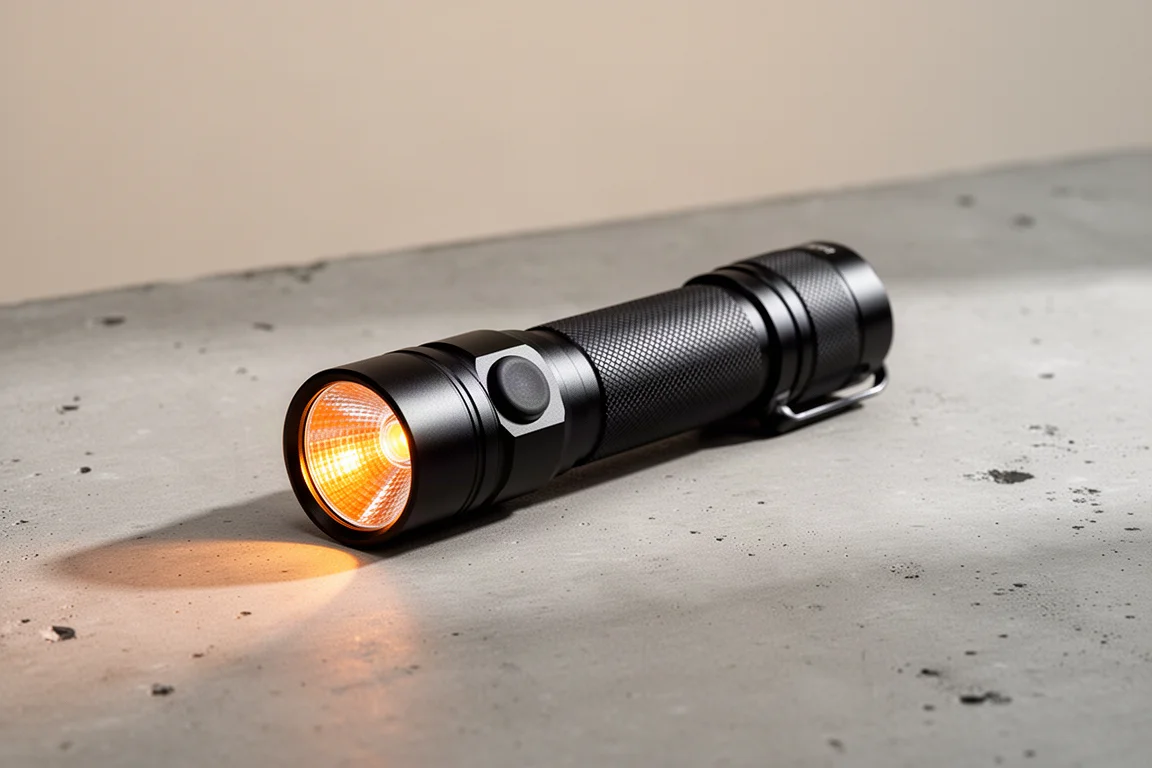
Battery Capacity and Runtime
Battery capacity testing revealed the usual mix of over- and under-delivery. The Skyfire won at 5,390 mAh against a 5,000 mAh rating, the LK360 hit 5,000, and the Olight came close at 4,820 against a 5,000 mAh rating. On the disappointing side, a Fenix rated for 6,000 mAh managed only 3,790, and the Esco Fo also fell well short at 3,730.
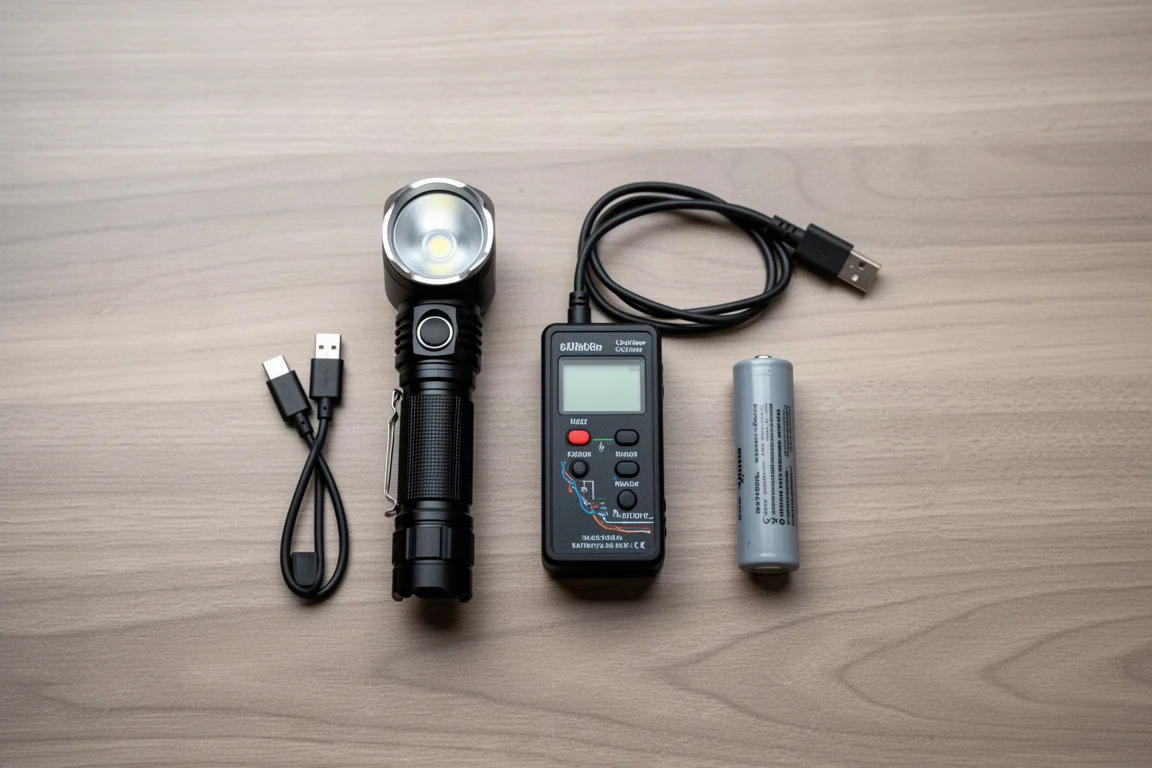
Current capacity matters too: the Olight’s battery delivered 42.5 watts, with the LK360, ADD Plus, and Acebeam all exceeding 40 watts. The Skyfire’s battery sagged badly under load, dropping below 3 volts at just 4 amps. On the highest setting, the Blue Car, ADD Plus, and one Fenix lasted the longest at five hours.
Durability and Final Thoughts
The drop test from two metres produced no catastrophic failures across all 18 lights. Two powered down on impact but came back on and worked fine, which is reassuring for anyone planning to actually carry one of these.
In the final rankings, the Olight finished first at an average of 5.3, the Acebeam second at 6.5, and the Fenix and WindFire tied for third at 6.8. If budget is no object, the Olight or Acebeam are the clear performers. If you want the best value for money, the WindFire at $33 is the standout, and the Streamlight is the smart pick if long-lasting brightness matters more than peak output.
Conclusion
Ignore the million-lumen marketing entirely. Real brightness, sustained output, and honest battery specs separate the winners here. The Olight earns its premium price, the Acebeam is a close second, and the WindFire and Nebo prove you do not need to spend $100 or more to get genuinely useful light.
Further reading
Related Reviews
Flashlights
Best Flashlights 2026: Brightness, Battery, and Value Compared
We tested 18 flashlights across a wide price range to find the best performers in brightness, battery life, and durability.
Flashlights
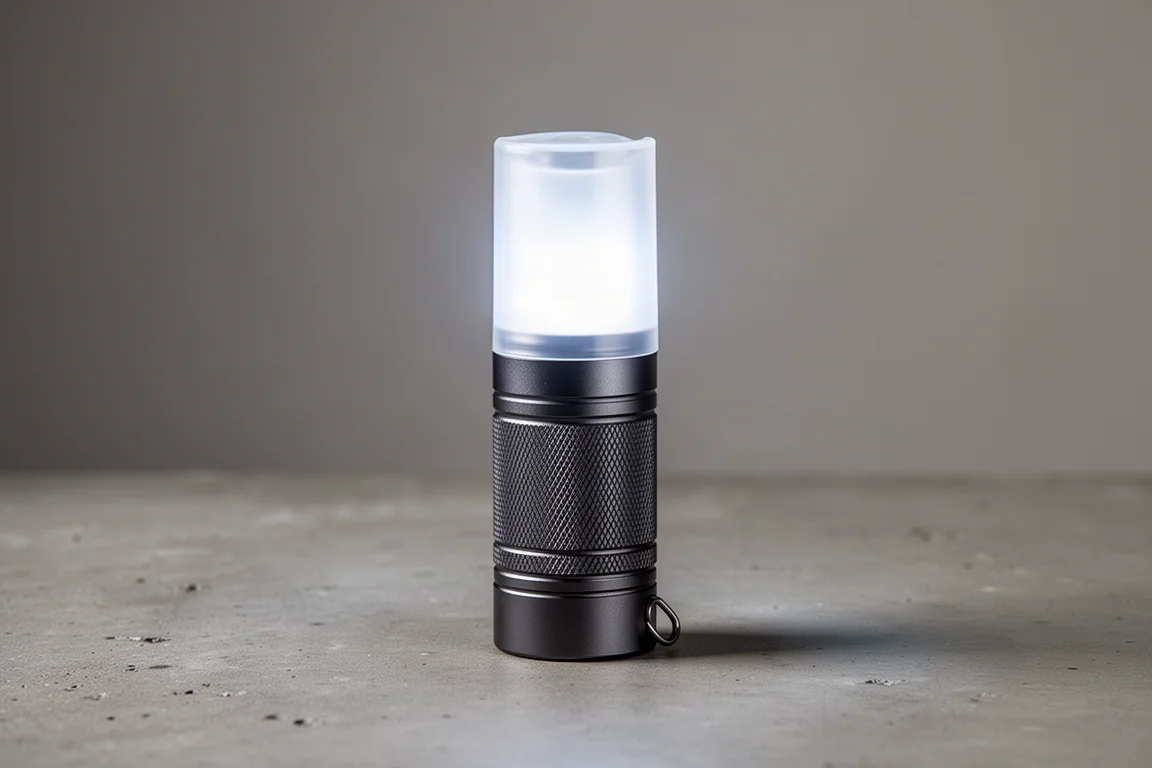
Nitecore LA10 Review: A Tiny 2-in-1 Lantern That Nails the Basics
The Nitecore LA10 pairs a pocket-sized lantern with a single AA battery, a magnetic tail cap and a five-year warranty. Here is where it shines and where it struggles.
Flashlights
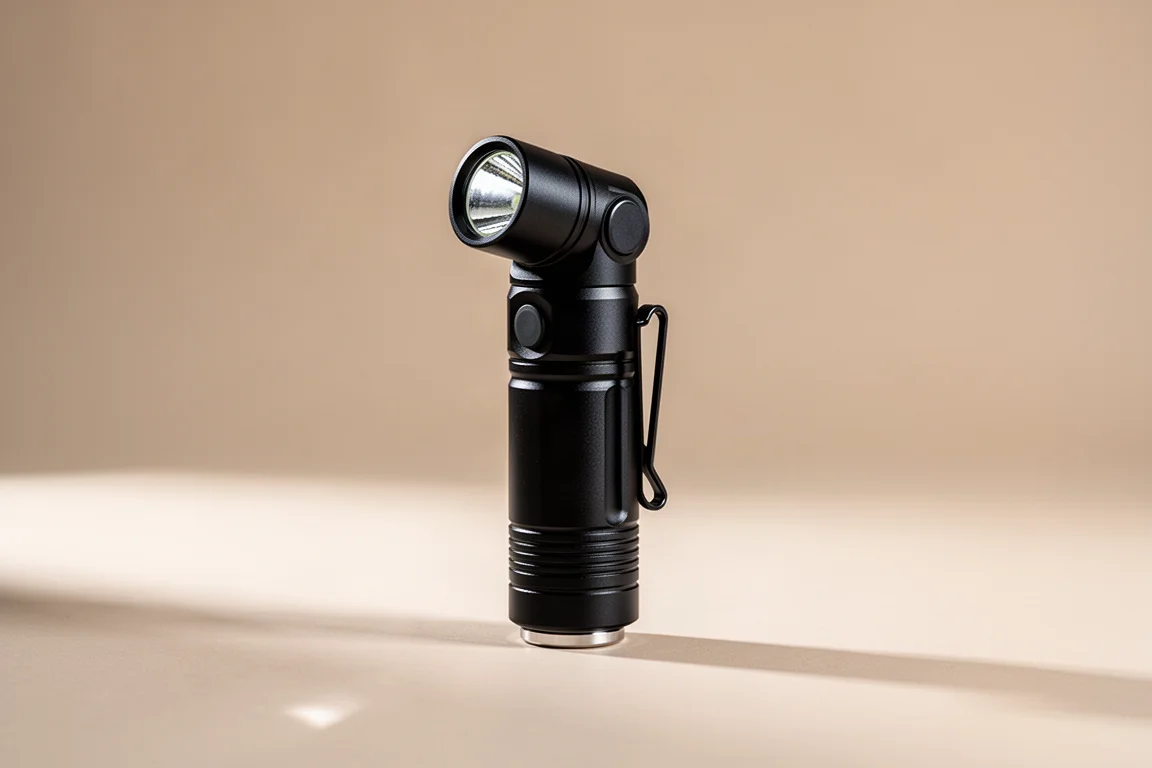
Wuben G5 Review: A Compact Everyday Carry Flashlight
The Wuben G5 is a small, rechargeable flashlight with a pivoting head, magnetic base, and color modes. Here is how it performs as an everyday carry light.