Hand Tools
Best Flare Nut Wrench Sets: Six Sets Tested on Brake Line Fittings and Soft Coupling Nuts
We compared flare nut wrench sets from Snap-on, Proto, Williams, Cobalt, Crescent, and GearWrench on soft fittings to find out whether an expensive set really outperforms a budget one.
Introduction
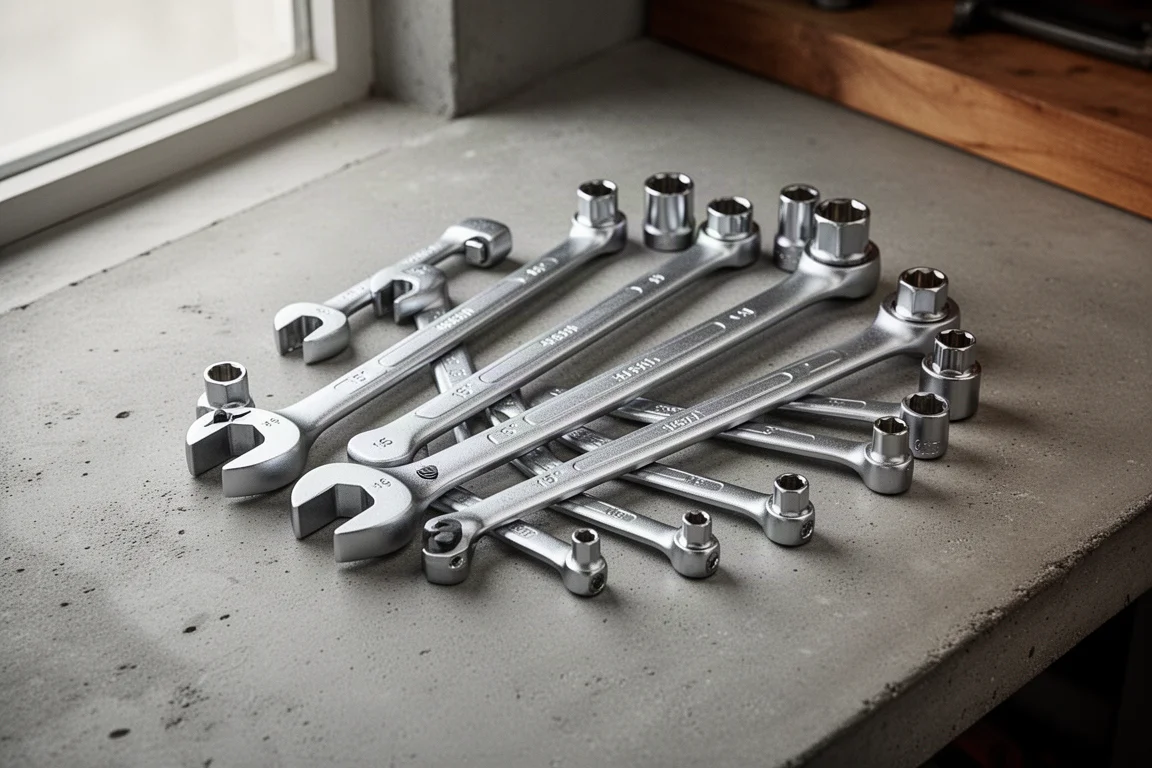
A flare nut wrench is one of those tools you rarely think about until the moment you need it, such as a ruptured brake line on a family road trip. Hydraulic couplers like brake and power steering fittings are made from soft metal, and a standard open-end wrench can round them off quickly. A flare nut wrench wraps more points of contact around the fitting, which makes loosening and tightening far safer on soft hardware.
The big question is simple: is a cheap set just as good as a professional one? A basic set can cost around $10 while a premium brand can run $285 or more. To find out, several sets went head to head on soft fittings at three wrench sizes, with torque output, fit, and damage measured at every step.
How the Sets Were Evaluated
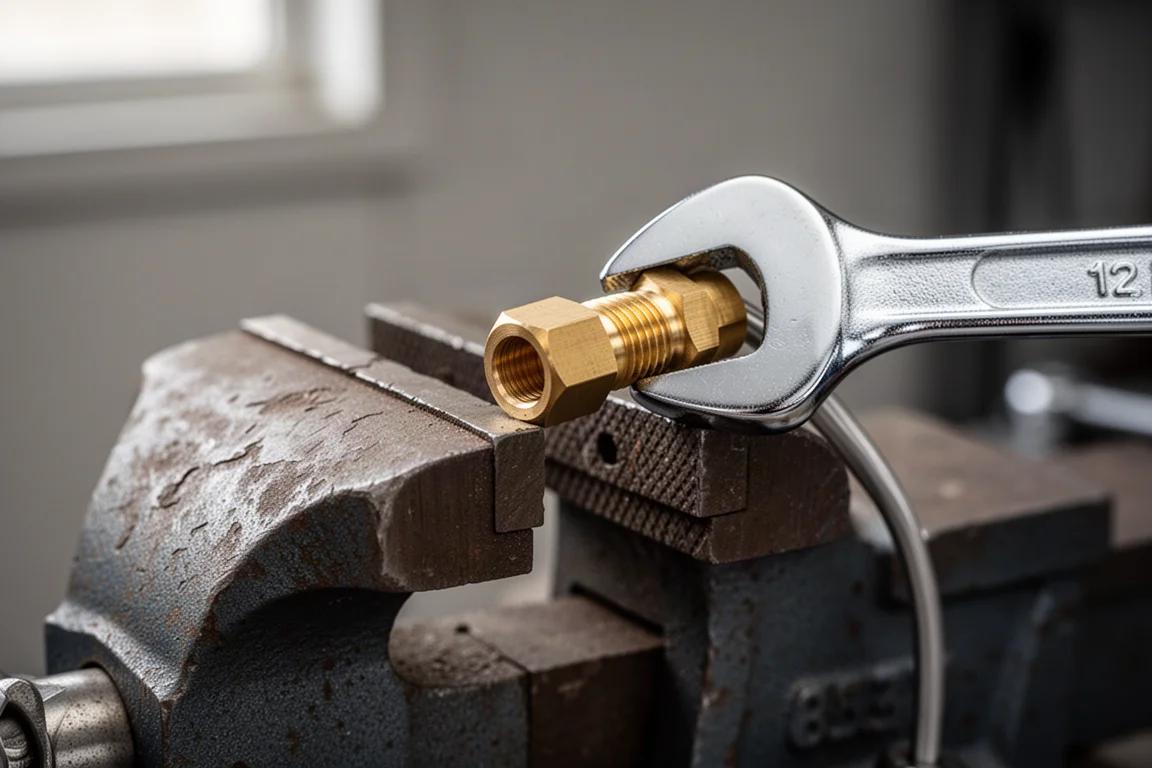
Every set faced the same three tests. First, 3/8-inch wrenches were torqued on a brake line fitting secured in a vise, with fresh fittings swapped in between tests so each wrench started from identical conditions. Second, 1/2-inch and 5/8-inch wrenches were pushed to their limits on extremely soft coupling nuts to see how much torque each could transmit before slipping, bending, or breaking. Damage to the fitting was measured with calipers under magnification, and jaw stretch was measured directly.
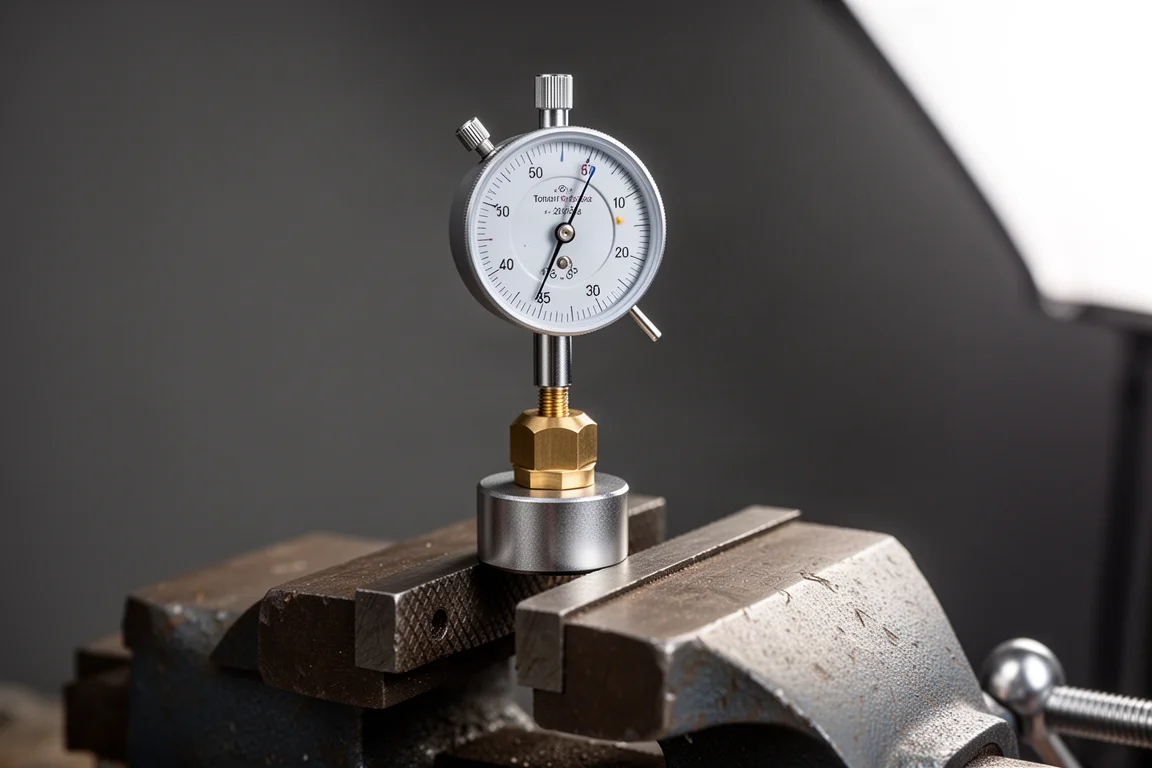
Fit quality was measured too, using a dial indicator to record how much slop or back-and-forth movement each wrench had on the fastener. Head size and weight were recorded for every wrench as well, since a compact head matters enormously when you are working in tight engine bays.
Fit and Slop: Why Head Size Matters
Slop is the hidden killer on soft fittings. A wrench with a loose fit needs far more back-and-forth movement before it even begins to loosen or tighten the fastener, and all that extra motion increases the chance of rounding off the fitting. Across the lineup, fit quality varied dramatically: some wrenches had almost a full inch of slop, while the tightest sets stayed under half an inch.
Head size showed a clear trade-off. Larger heads generally delivered more turning power on soft fittings, but compact heads are what make a flare nut wrench genuinely useful in tight spaces. The best performers managed to combine a reasonably compact head with a very tight fit.
Best Overall: Proto Flare Nut Wrench Set
The Proto set, at $250 for five wrenches, delivered the best performance where it counts. On the 3/8-inch brake line fitting test it topped the entire field at 289.5 in-lb, gripping nearly the entire contact area of the fitting with very little taper. Its textured finish clearly helped it hold on. On the 5/8-inch coupling nut test it again moved into the lead with a very high first-attempt torque, and it followed up with a strong second attempt on fresh metal.
One notable trait: the Proto jaws are made of very hard metal, and the 3/8-inch wrench actually broke rather than bent under extreme stress. That is a double-edged sword. Hard jaws transmit torque brilliantly and resist distortion, but a bent wrench with compromised jaws is only going to damage the fastener, so many people would rather have the wrench fail cleanly. This is why Proto ended up as the personal favorite from the entire comparison, even at the steep price of about $50 per wrench.
Best Premium Option: Snap-on Flare Nut Wrench Set
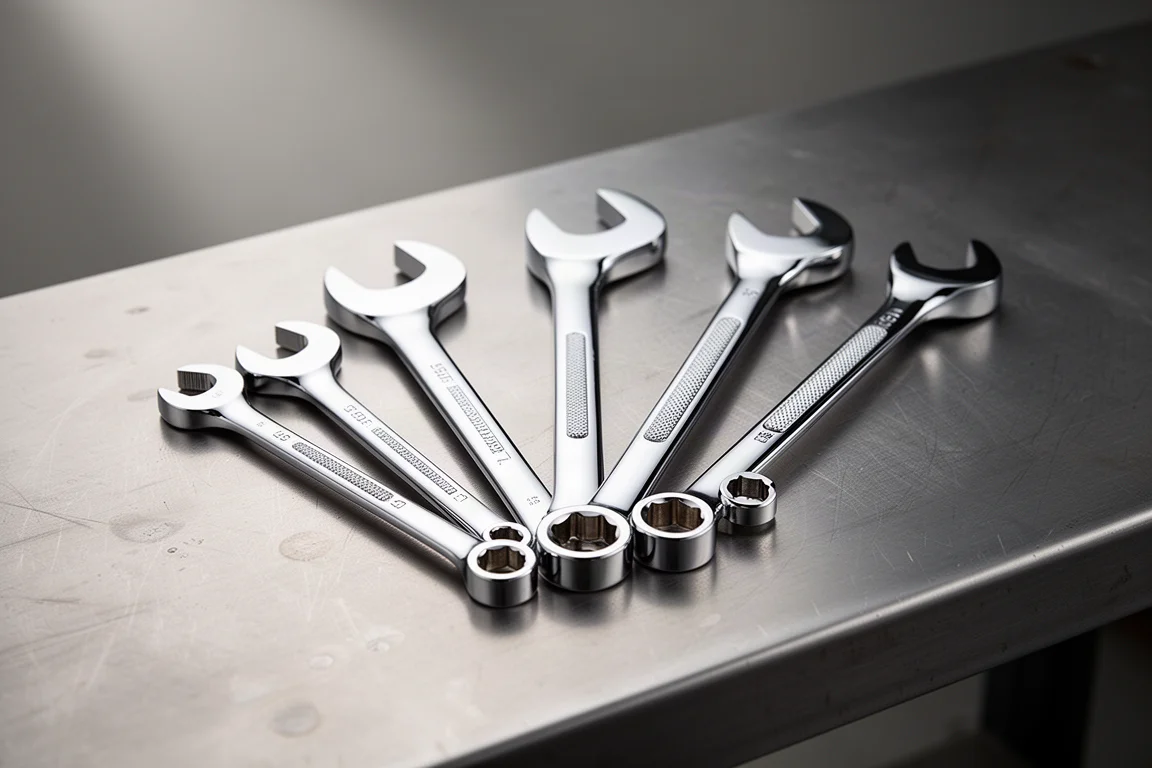
The Snap-on set is the most expensive here at $285 for five wrenches, and it has genuine advantages. Its compact head was the smallest in the entire test at roughly 0.73 inches, and it had by far the best fit with only 0.465 inches of movement, which is exactly what you want for tight, awkward spaces. The claimed flank drive system is designed to deliver more turning power on fasteners.
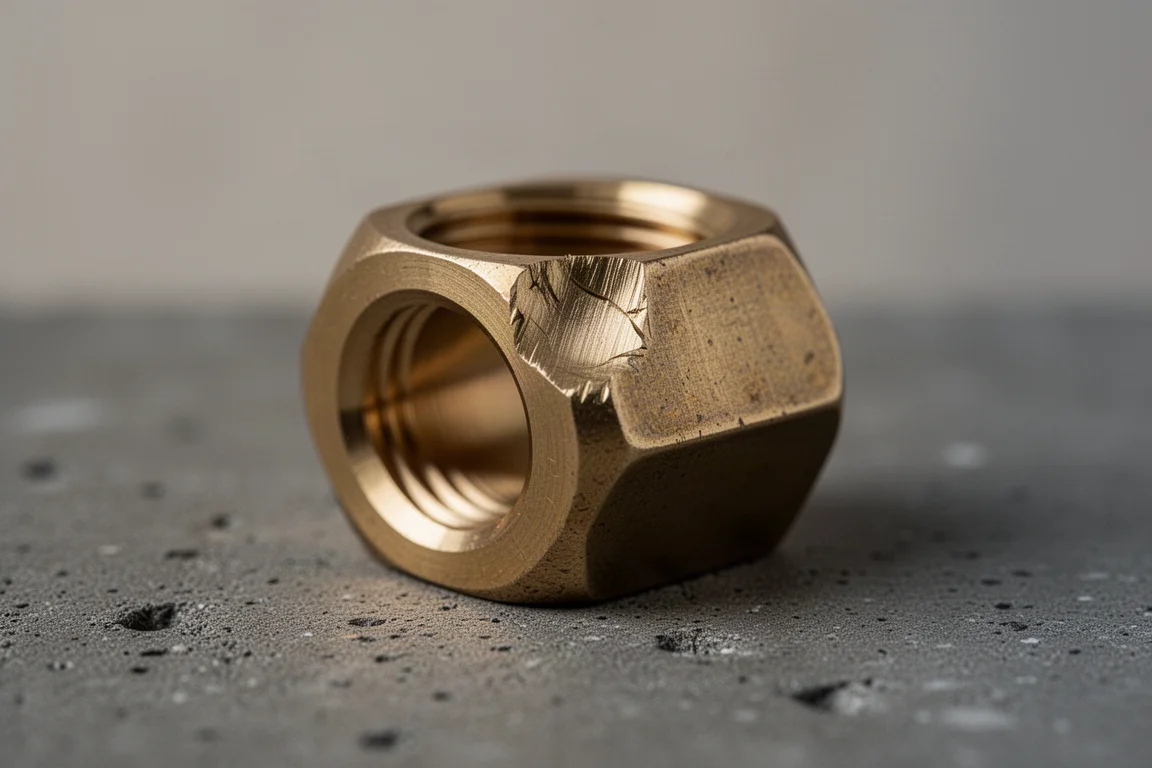
In the 3/8-inch test, the Snap-on finished second at 271.5 in-lb, gripping just about the entire contact area of the fitting. On the larger sizes, the flank drive open-end design actually outperformed most flare nut wrenches, reaching nearly 780 in-lb on the coupling nut and around 1,282 in-lb on the 5/8-inch test, with very consistent repeat attempts. If you work in tight areas all day, the compact head and exceptional fit justify the price. If raw torque per dollar is your metric, Proto does more with less.
Best Value: Williams Flare Nut Wrench Set
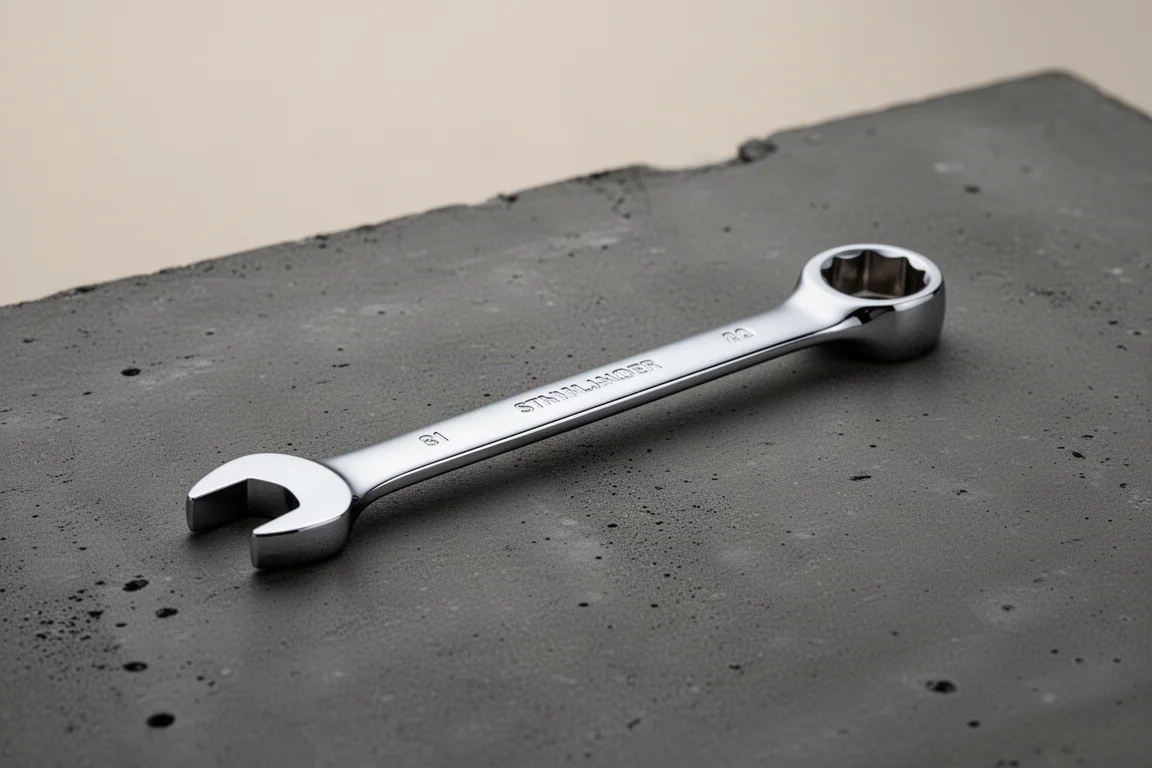
At just $37, the Williams set is the value story of the comparison. Made in Taiwan with a satin chrome textured finish that the maker says adds grip without marring fittings, it weighs 92 grams with a snug fit of 0.534 inches. On the 3/8-inch test it delivered 246.5 in-lb, right alongside sets costing several times more.
On the soft coupling nut tests it was genuinely impressive, moving into the lead in one round with a performance drop of only about 11% on the second attempt, showing real grit where softer sets fell apart. Its relatively wide jaw appears to have helped it grip the soft metal. If you want performance that embarrasses far more expensive brands without the professional price tag, Williams is where it is at.
Best Budget Picks: Cobalt and Crescent
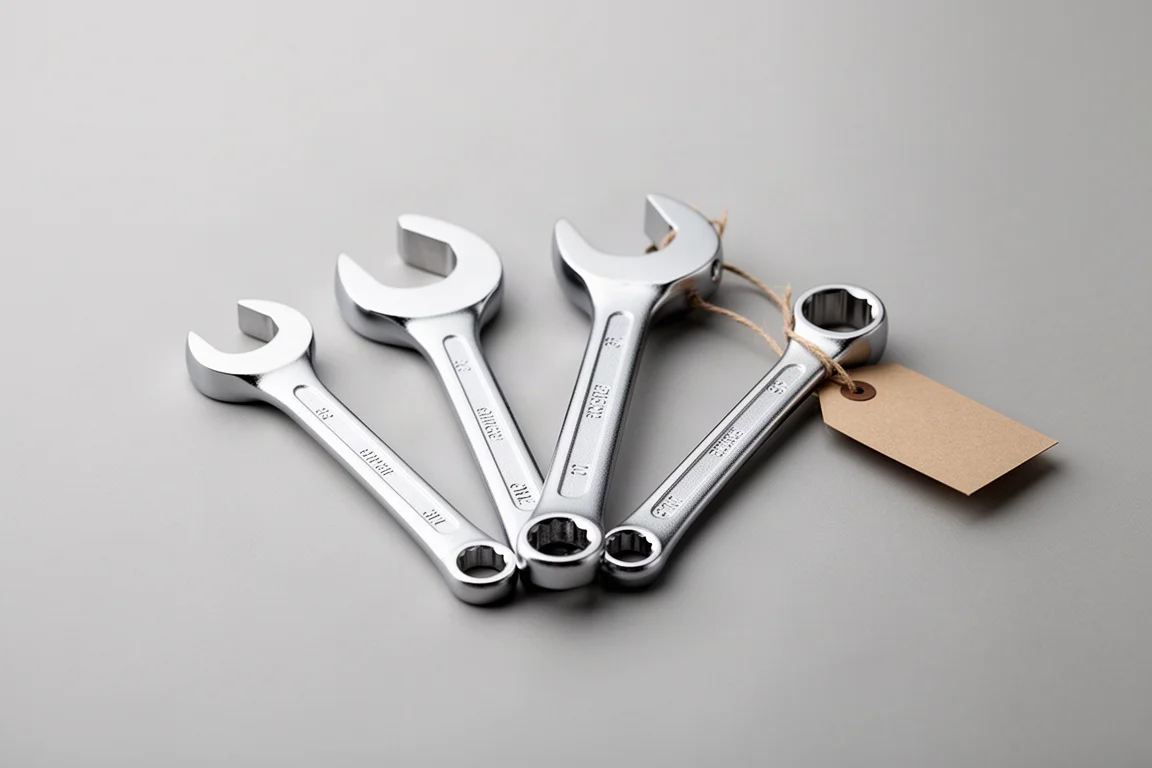
At $20, the Cobalt set performed well above its price on the 3/8-inch fitting test, reaching 247.37 in-lb and becoming the first flare nut wrench in the lineup to outperform a premium open-end wrench. Its large head helps turning power, though a fair amount of taper held it back on the bigger, softer fittings, where it struggled relative to its first-round performance.
The Crescent set is the price shock of the entire test. At $16 for wrenches covering 3/8 to 11/16, it delivered 196.7 in-lb on the 3/8-inch fitting with the least slop recorded at that point, very little taper, and about 90% contact with the fitting. On the larger coupling nuts it performed about the same as sets costing three times more, with only minor jaw stretch. It is genuinely hard to believe a $16 set outperformed a set that cost $250, but on the evidence, Crescent is a great choice if saving money is the goal.
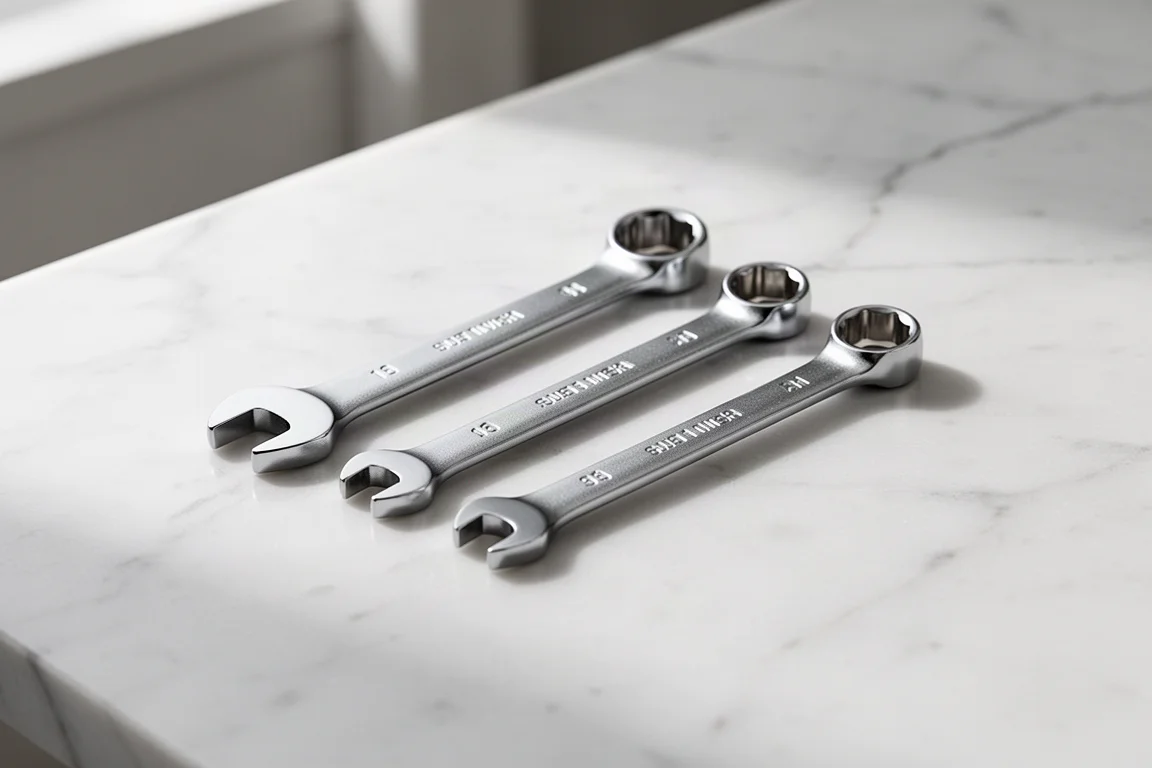
Solid Mid-Range Performer: GearWrench Flare Nut Wrench Set
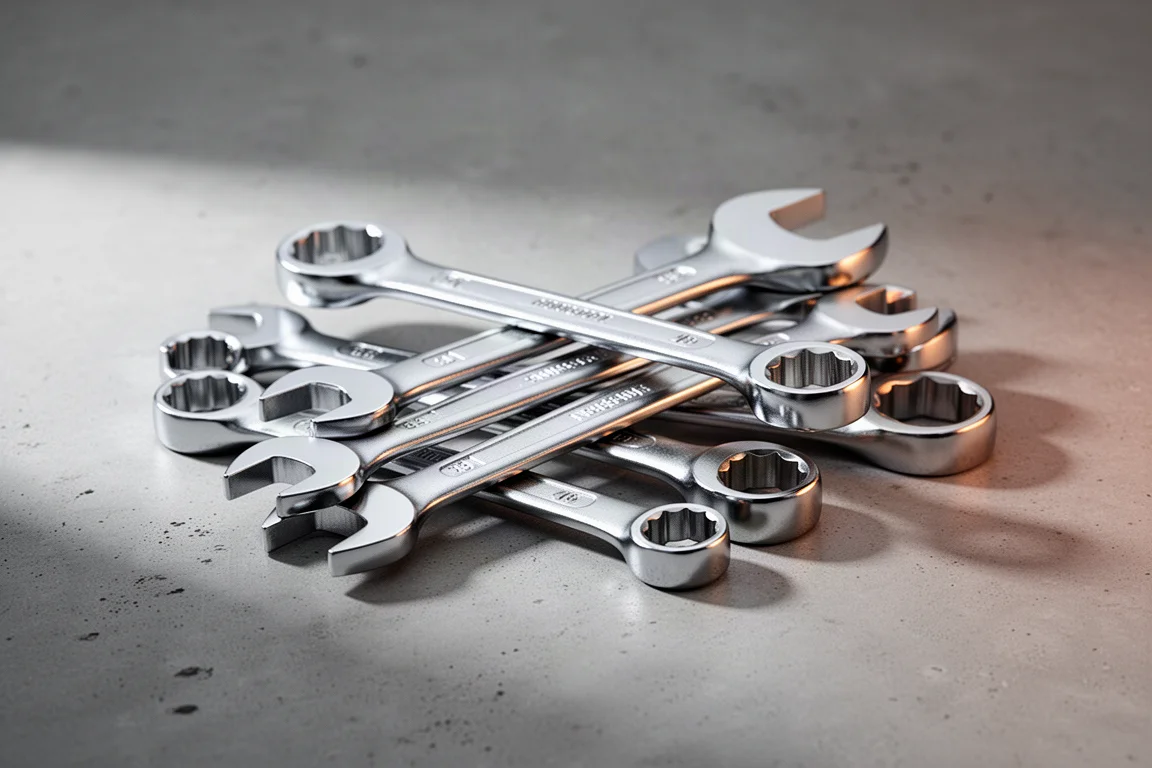
The GearWrench set, $45 for six wrenches, delivered consistent middle-of-the-pack results across every round. It is designed for hex nuts made of softer materials and includes a 15-degree offset for better access in tight spaces, which showed up in its compact 0.7865-inch head. On the 3/8-inch test it managed 196 in-lb with less taper than most competitors, but a fairly sloppy fit of 0.766 inches cost it torque on the small fitting.
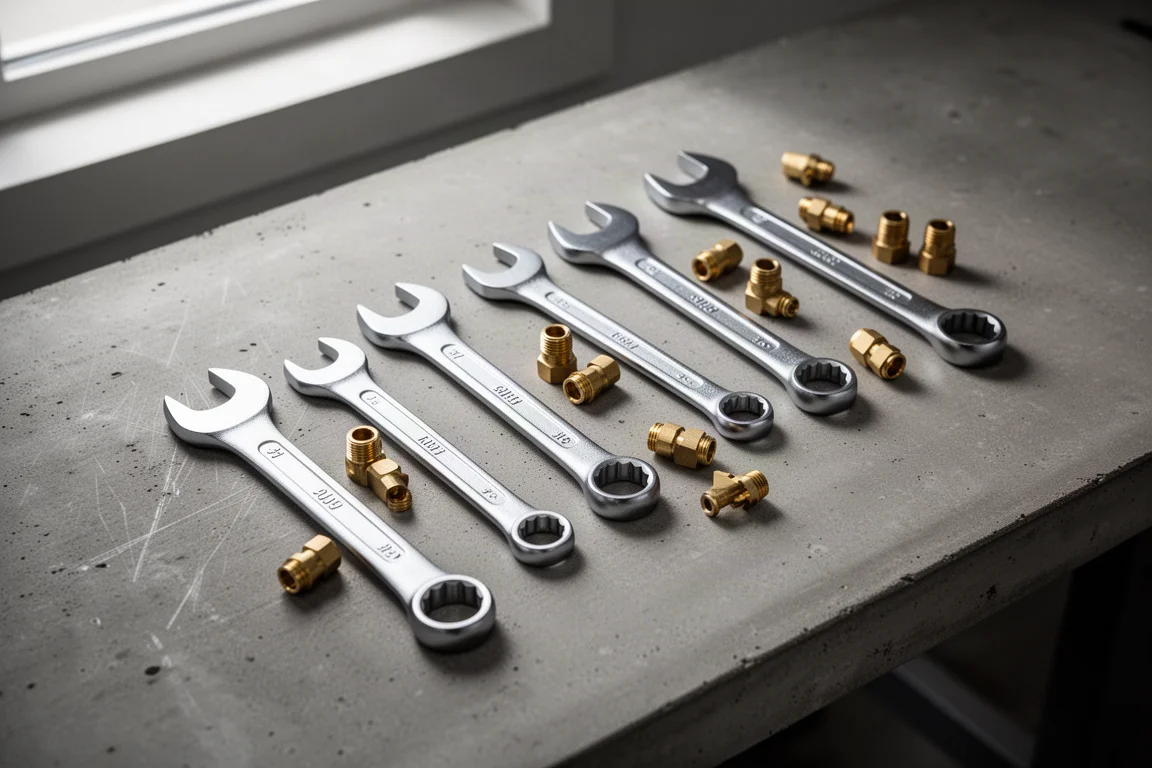
On the larger soft fittings it held up respectably, losing only about 6.6% of performance between attempts, one of the better durability results in the field. For a six-wrench set at $8 per wrench, it is a reasonable general-purpose choice, though the fit is the weak point to be aware of.
Buying Advice: Which Set Should You Buy
Two lessons stand out from this comparison. First, a flare nut wrench loses its performance advantage over a good open-end wrench as fastener size increases. On small brake line fittings, a flare nut wrench is hard to beat. For sizes 5/8 inch and larger, a quality open-end wrench is very hard to beat. Second, most flare nut wrenches are deliberately made from fairly soft metal so they bend rather than break when overloaded, which protects tool warranties. Hard-metal exceptions like Proto, and to some extent Snap-on, trade that flexibility for superior torque delivery.
So: if it is all about performance, Proto wins even though Snap-on is more compact for tight areas. If it is all about value, Williams easily outperforms several much more expensive brands. And if you just want a capable budget set, Crescent is remarkable for the price.
Conclusion
Expensive does not automatically mean better. Proto delivered the most usable torque, Snap-on offers the best fit and compact head for professional use, and Williams and Crescent prove that thoughtful design matters more than price. Match the set to your actual work: small soft fittings favor any of these flare nut wrenches, while bigger fittings often call for a quality open-end wrench anyway.
Further reading
Related Reviews
Hand Tools
Best Diagonal Cutters 2026: 16 Pliers Tested for Cutting Power and Durability
We put 16 diagonal cutters through nail, screw, drill bit, and hex key tests to find the best value picks for your toolbox.
Hand Tools
Best Hex L Key Sets 2026: Nine Sets Tested for Real-World Torque
Nine hex L key sets from budget to premium, tested for torque, fit, and durability. See which sets deliver real performance and which ones to skip.
Hand Tools
Best Locking Pliers 2026: Top Picks Tested for Grip and Durability
We tested 18 brands of 10-inch locking pliers for grip strength, jaw bite, build quality, and ease of release to find the best options for tough jobs.