Hand Tools
Best Flare Nut Wrench Sets: Six Sets Put Through Precision, Torque and Hardness Testing
Milwaukee, Snap-on, Craftsman, Williams, Proto and Mac Tools flare nut wrench sets compared on clearance, fastener-gripping, proof torque and hardness.
Introduction
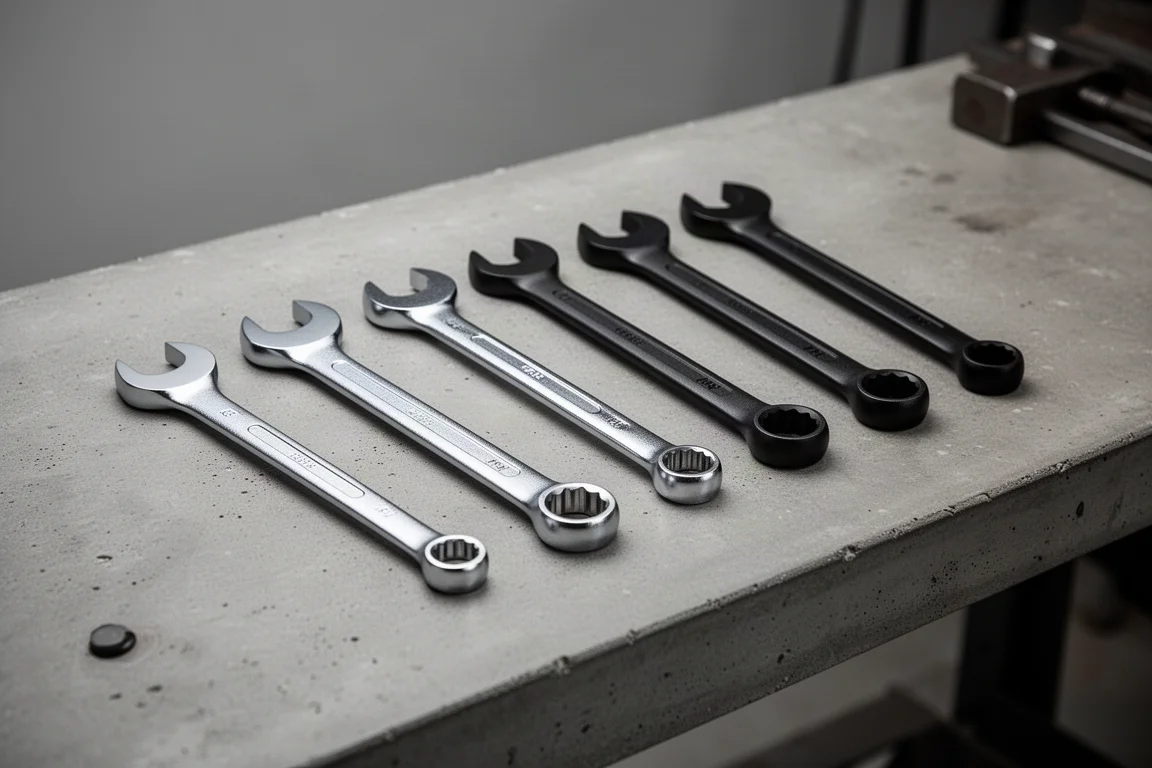
Flare nut wrenches look simple, but they are one of the most demanding hand tools to get right. The fasteners they turn, like brake line fittings, are soft and easily damaged, so jaw fit matters as much as raw strength. We put six sets through a consistent battery of tests: jaw clearance, how far each wrench can turn a soft coupling nut before slipping, performance on half-inch fasteners, rounded-nut gripping, proof torque, and hardness. The contenders: the new Milwaukee 48-22-9470 set, the long-running Snap-on and Craftsman sets used as benchmarks, plus the Williams, Proto J3760 and Mac Tools SFB56PTR sets.
Why Flare Nut Wrenches Are Hard to Get Right
With a line wrench, the tool that usually gets ruined is not the wrench, it is the fitting. Flare nuts are soft and easy to bugger up, so the wrench that grips longest before slipping is the one least likely to damage your fastener. That is why jaw clearance, or how far the jaws measure over nominal size, is the first thing we check. Typical values on past sets ranged around 0.011 to 0.013 inches over nominal.
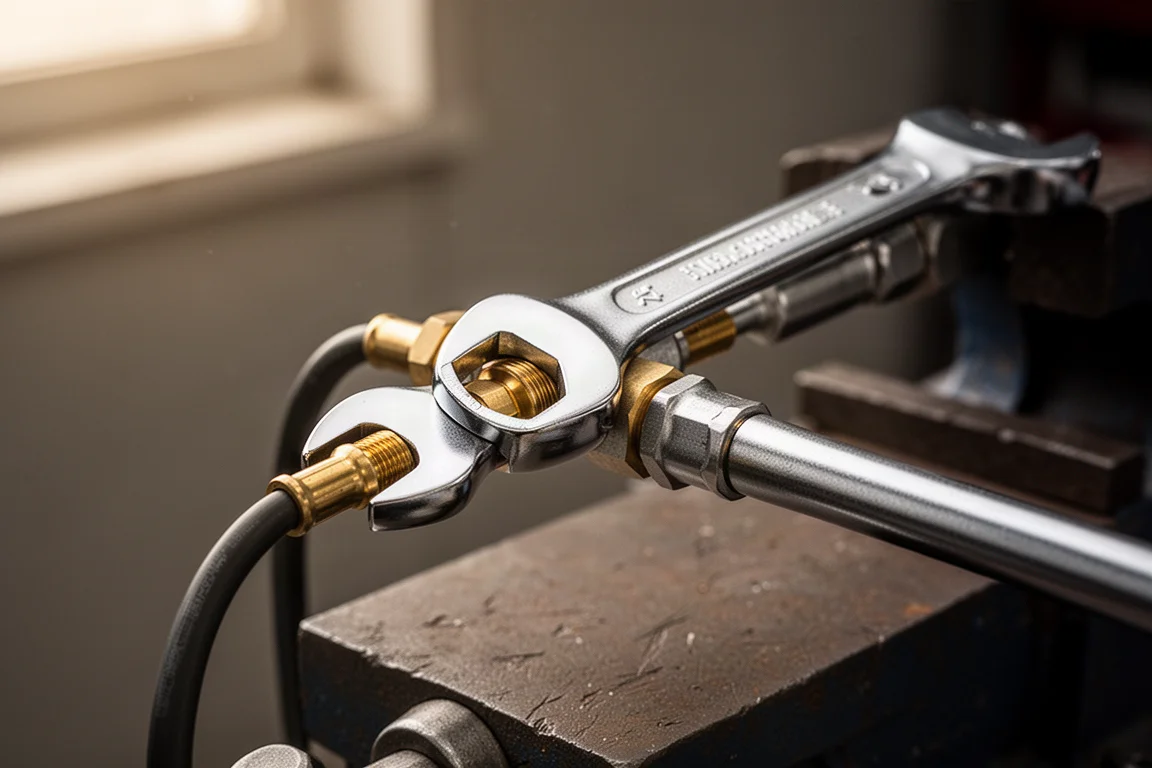
Snap-on’s flare nut wrenches currently top our rankings, and most mechanics would agree. They scored the tightest fitment we had measured until now, at 0.003 inches over nominal, and they simply perform. The older Craftsman set serves as a middle-of-the-road benchmark for context.
Contenders and Pricing
The new Milwaukee 48-22-9470 set was purchased for 60 dollars, about 12 per wrench, which puts it on the upper end of what we have tested. It is a distinctive Milwaukee design, not an off-the-shelf model, and is made in China.
The Williams set, from a brand traditionally associated with USA manufacturing, is a Taiwan-made four-piece set at 67 dollars, or 16.80 per wrench. Its clearance measures 0.007 and 0.009 inches over nominal, about average overall.
Proto’s J3760 is a USA-made three-piece set at 84 dollars, or 28 per wrench, making it the second most expensive line wrench set we have tested. Its clearance measures 0.009 and 0.006 inches over.
The Mac Tools SFB56PTR set costs 250 dollars, 50 per wrench, closing in on Snap-on pricing. It offers the tightest fitment ever tested, at 0.003 and 0.003 inches over nominal, which is exactly what you want on a line wrench.
Coupling Nut Turning Test
This test measures how far a wrench can turn a soft coupling nut before slipping. On the 9/16 side, Snap-on posted 925 PSI of pressure before slipping, and Craftsman 598. The new Milwaukee reached 723, quite good but not touching Snap-on. Williams made 770, still solid against the average Craftsman. Proto climbed to an impressive 905, nearly maxing out the fastener’s threads of engagement before finally leaping forward and taking some material with it.
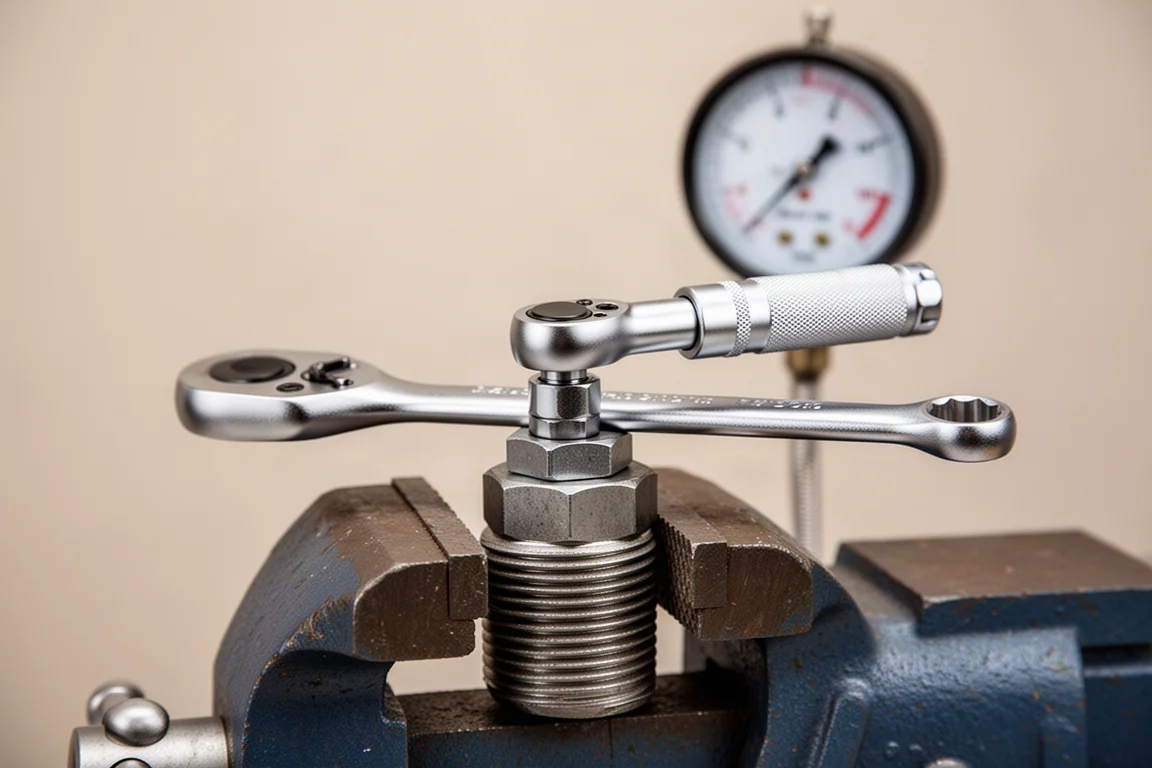
The Mac Tools wrench piled on the pressure and ultimately maxed out the hardware, with the nut compacting on itself, reaching 930 PSI and effectively matching Snap-on for the top score.
Half-Inch Fastener Test
Oddly, this specific test gave Snap-on its worst showing of the day at 681, with Craftsman close behind at 676, meaning this is where other brands could make headway.
Milwaukee did super well turning the half-inch nut up high, reaching about 740, but it showed some jaw spread in the 700s, with the hex digging into the flats of the wrench and wearing the finish, which is backwards of what you want. Williams kept going until we noticed the dial reading 800 and the nut collapsing in on itself, maxing out a fastener we had never maxed on this size before. Proto delivered a straightforward 747 before slipping. The Mac wrench lacks radius corners to drive with, an old-school design we would normally avoid, but its super tight tolerances let it grip extremely well, reaching 800, the maximum the fastener could tighten to, and then refusing to let go.
Rounded Nut Test
After rounding the test nuts on a grinder, results separated the field. Milwaukee managed only about 14 foot-pounds on the rounded fastener, and Williams was the only other set not to max out the rounded nuts in both half-inch and 9/16 sizes, though it still earned good marks of 9 out of 10.
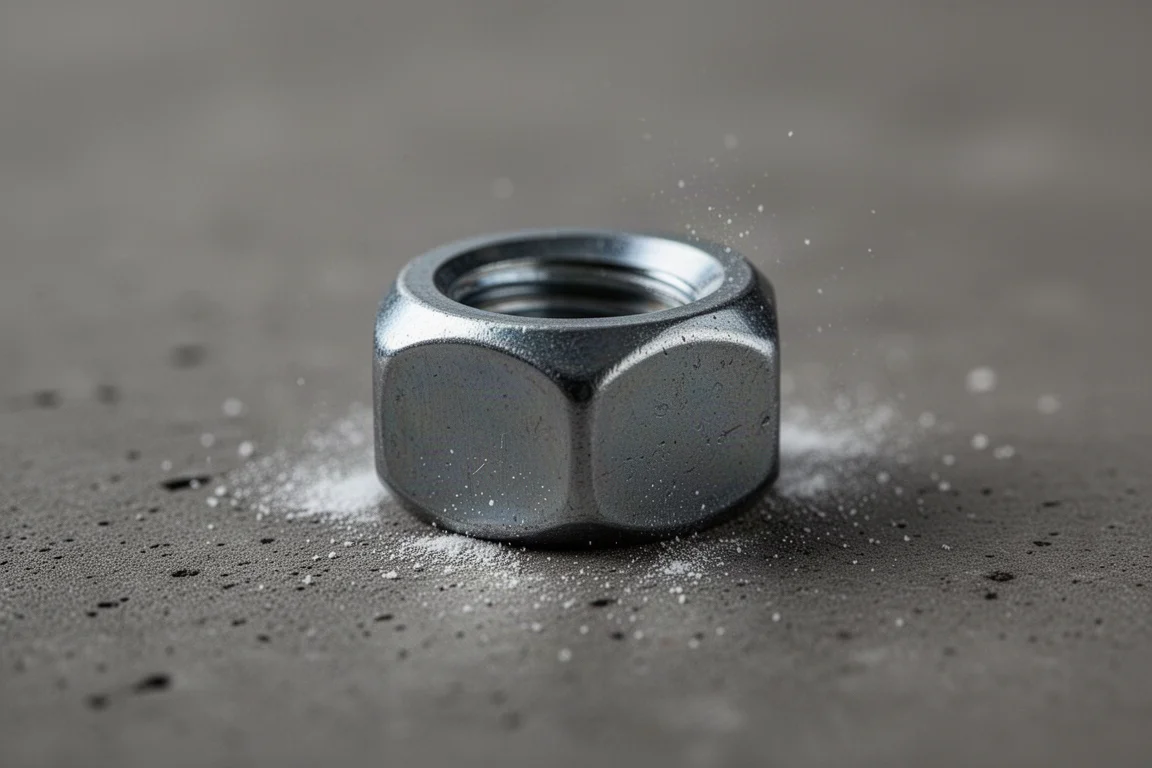
Everyone else handled the rounded fasteners well, which reinforced that this was a strong group of tools overall.
Proof Torque Test
Using fresh S2 tool steel bit sockets and a torque wrench, we measured where each wrench slips or clocks out of position. The Milwaukee held 88.3 foot-pounds on the half-inch and 98.4 on the 9/16, both very good. Williams held 69.5 and 89.6, lower but still strong for the sizes involved. Proto took 97 foot-pounds on the half-inch and 93.8 on the 9/16, curiously less than the half-inch figure but still very high torque.
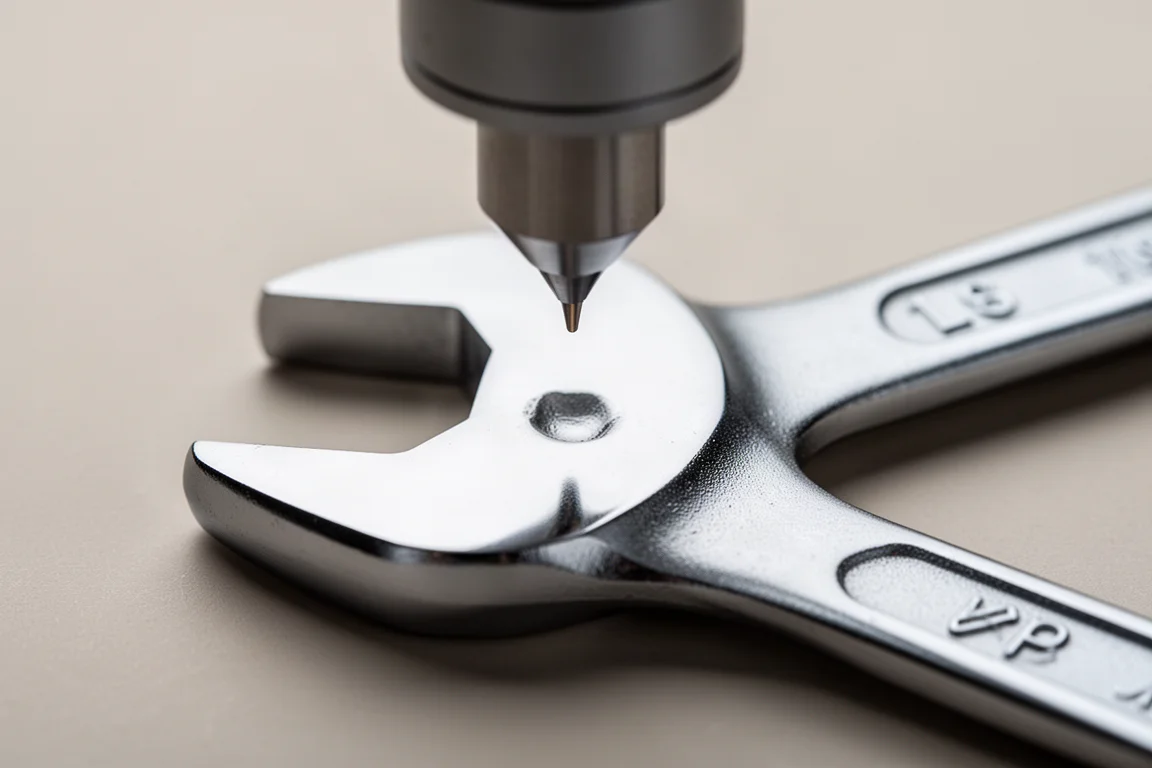
The Mac wrench behaved differently on the half-inch: instead of slipping, its jaws opened up dramatically at around 89 foot-pounds, possibly a sign of being over-hardened. Its 9/16 performed well at 100.5 foot-pounds.
Hardness and Final Scores
The ASME spec calls for 38 to 55 HRC, with 55 already pushing it. The Mac Tools wrench measured 57.9, by far the hardest flare nut wrench we have ever tested, and arguably too hard. Averaging all the test scores, Milwaukee and Williams each landed at 8.13 out of 10, Proto at 9.13, and Mac Tools at 9.87, first place with an asterisk for the jaw-opening behavior under extreme load.
Buying Advice
Given the price similarity, Snap-on remains our pick if you are already considering it, and they have simply proven to be that good. But if a good deal appears on the Mac or Proto sets, they are worth it. For Milwaukee, the question was whether these are professional grade, and the company they keep in these results speaks for itself. At this budget range, it is hard to find something else that performs similarly to the Milwaukee set based on our measurements.
Conclusion
This was a strong field. Proto delivered excellent all-around performance for its price, Mac Tools posted the highest score ever recorded with the tightest fitment we have measured, and Milwaukee proved competitive at a mid-tier price. Snap-on still earns its reputation, and the older Craftsman set remains a serviceable benchmark. Match the set to your budget and how often you actually reach for a line wrench.
Product link
View more details for Milwaukee 48-22-9470 Flare Nut Wrench Set
This product is mentioned in the review. Check the specifications, options, and compatibility before buying.
View more details for Milwaukee 48-22-9470 Flare Nut Wrench SetFurther reading
Related Reviews
Hand Tools
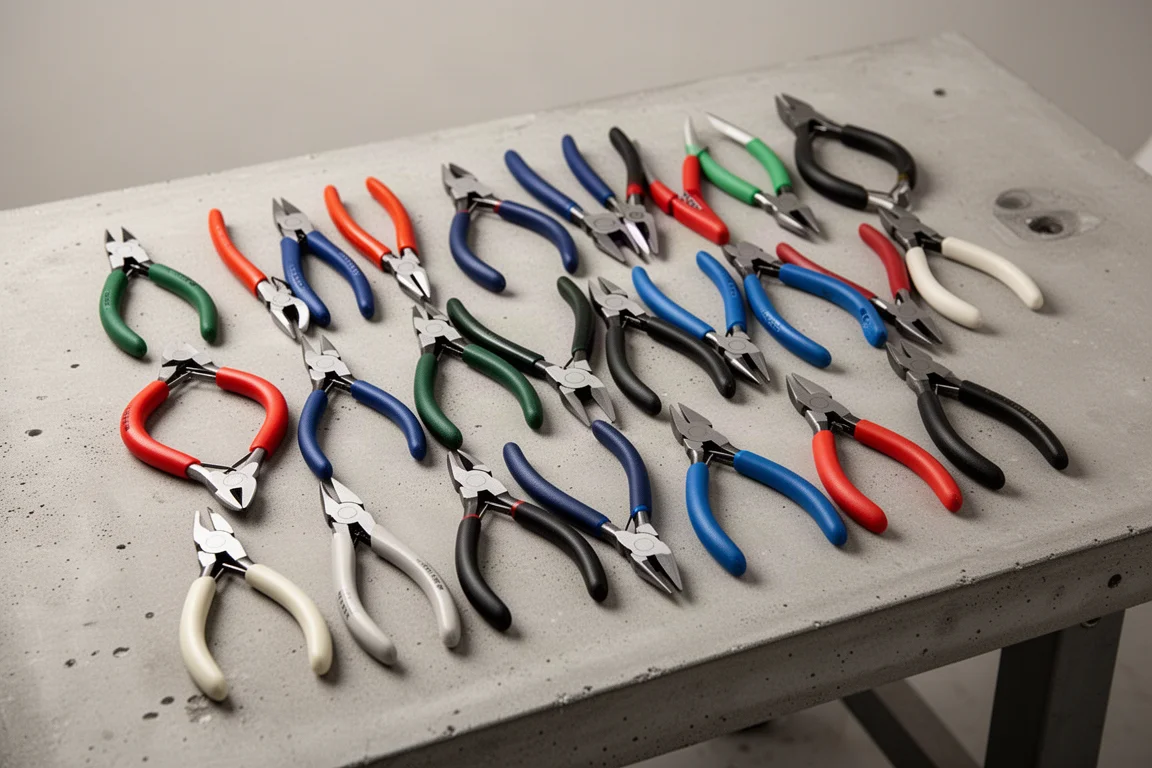
Best Diagonal Cutters 2026: 16 Pliers Tested for Cutting Power and Durability
We put 16 diagonal cutters through nail, screw, drill bit, and hex key tests to find the best value picks for your toolbox.
Hand Tools
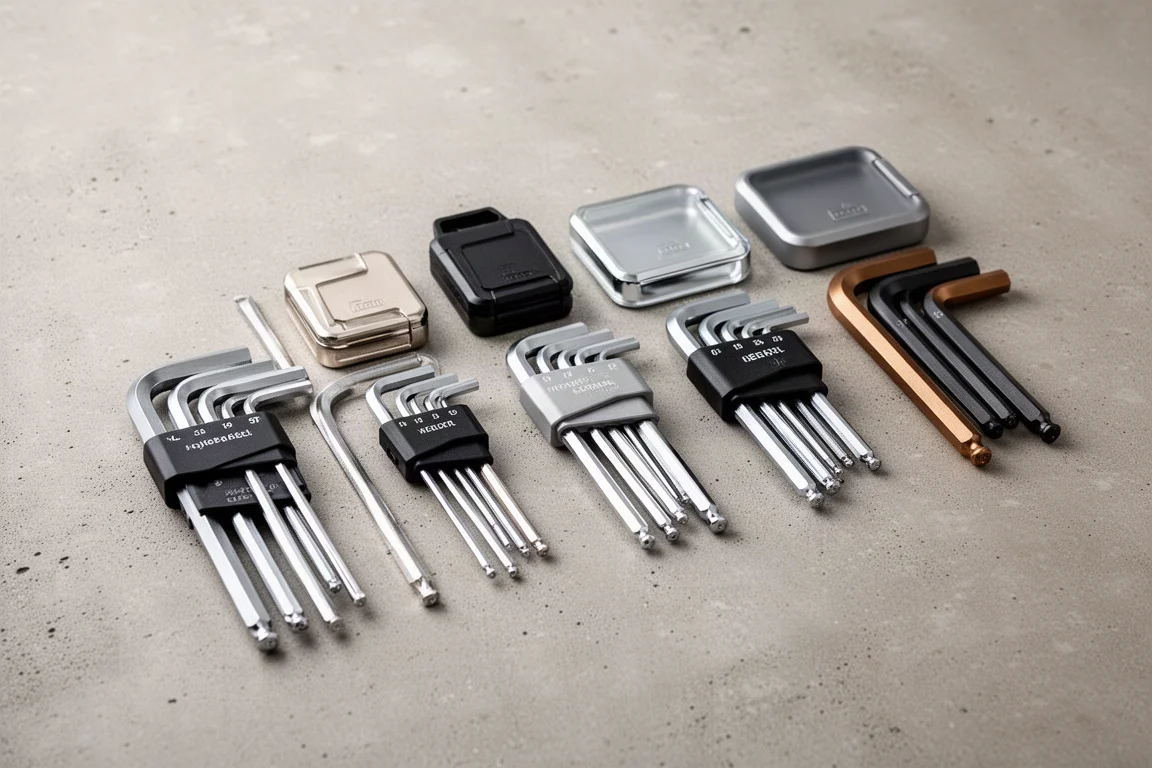
Best Hex L Key Sets 2026: Nine Sets Tested for Real-World Torque
Nine hex L key sets from budget to premium, tested for torque, fit, and durability. See which sets deliver real performance and which ones to skip.
Hand Tools
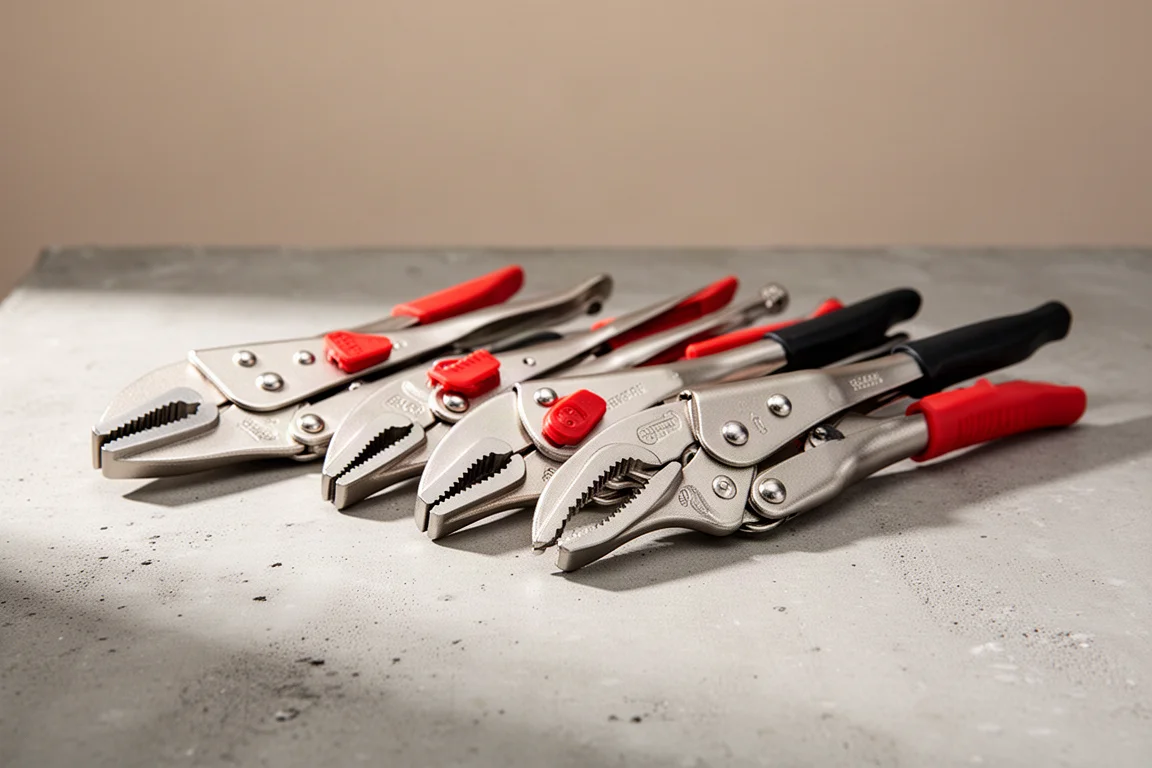
Best Locking Pliers 2026: Top Picks Tested for Grip and Durability
We tested 18 brands of 10-inch locking pliers for grip strength, jaw bite, build quality, and ease of release to find the best options for tough jobs.