Everyday Carry
Best First EDC Knife: Three Beginner-Friendly Picks Worth Considering
A practical guide to choosing your first everyday carry knife, with three budget picks that cover locking, slip joint, and upgrade options.
Introduction
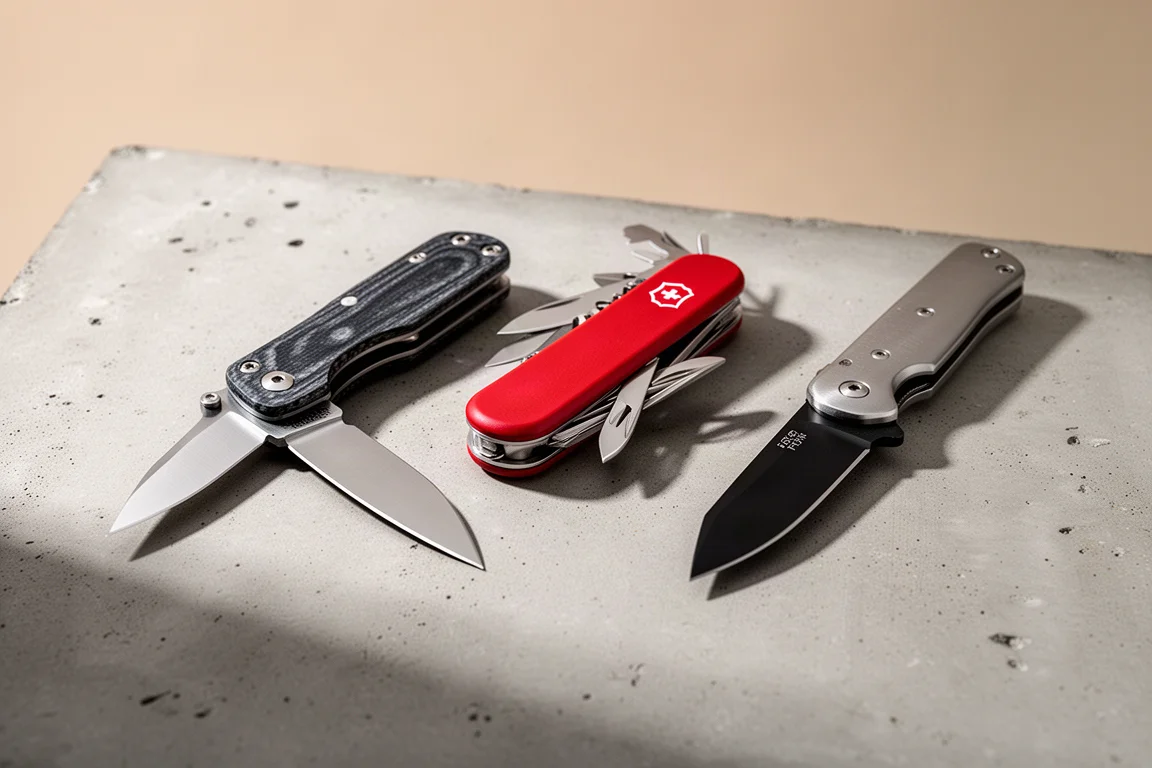
Picking your first everyday carry knife is harder than it looks. The first knife many people grab is something that looks cool, only to end up heavy, slippery, awkward to sharpen, and permanently relegated to a wallet or drawer. The better approach is to start with a small budget, a sensible size, and a simple, common mechanism, then upgrade later once you know carrying a knife actually fits your routine.
Here are three picks that follow that logic: a well-rounded starter folder, a no-lock multi-tool for places with stricter rules, and a slightly more modern upgrade option.
How to Choose Your First EDC Knife
Three factors matter most when you are starting out.
Budget first. Go cheaper rather than more expensive, because you do not want to invest heavily before you know whether carrying a dedicated knife is right for you. Good quality budget brands are everywhere now, and solid options exist for under $50. It also stings less if you use it hard, break it, or mess it up.
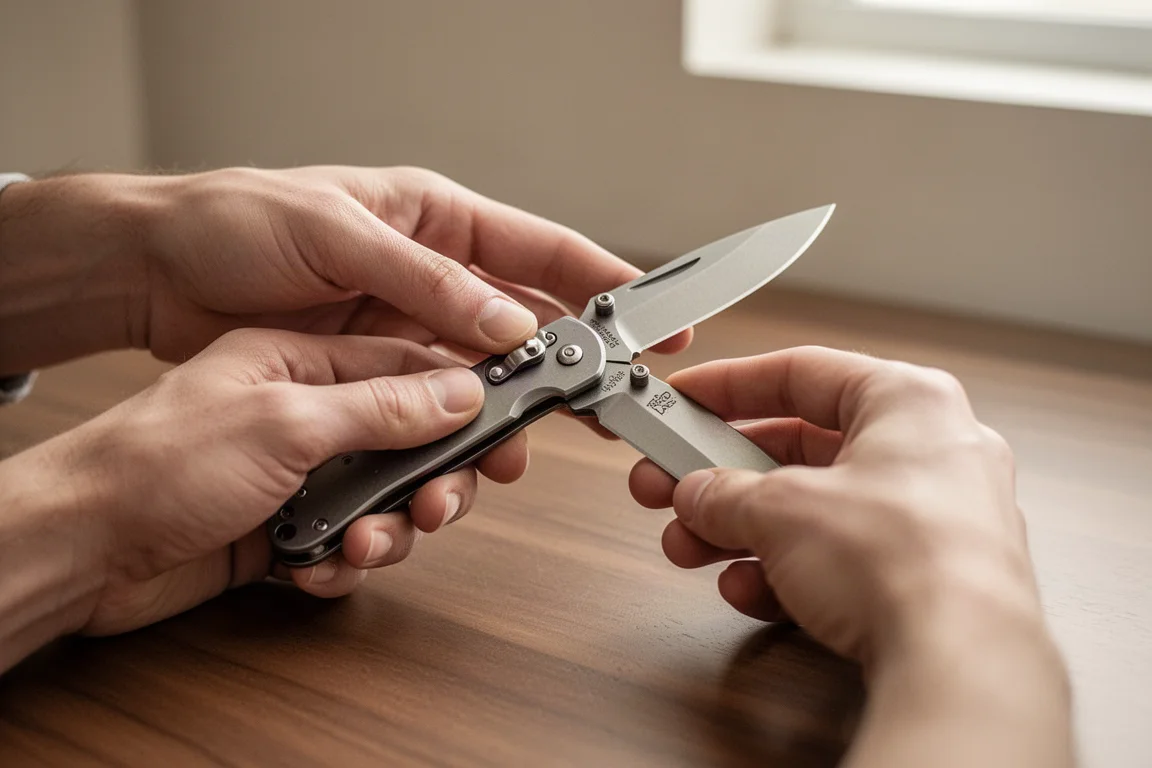
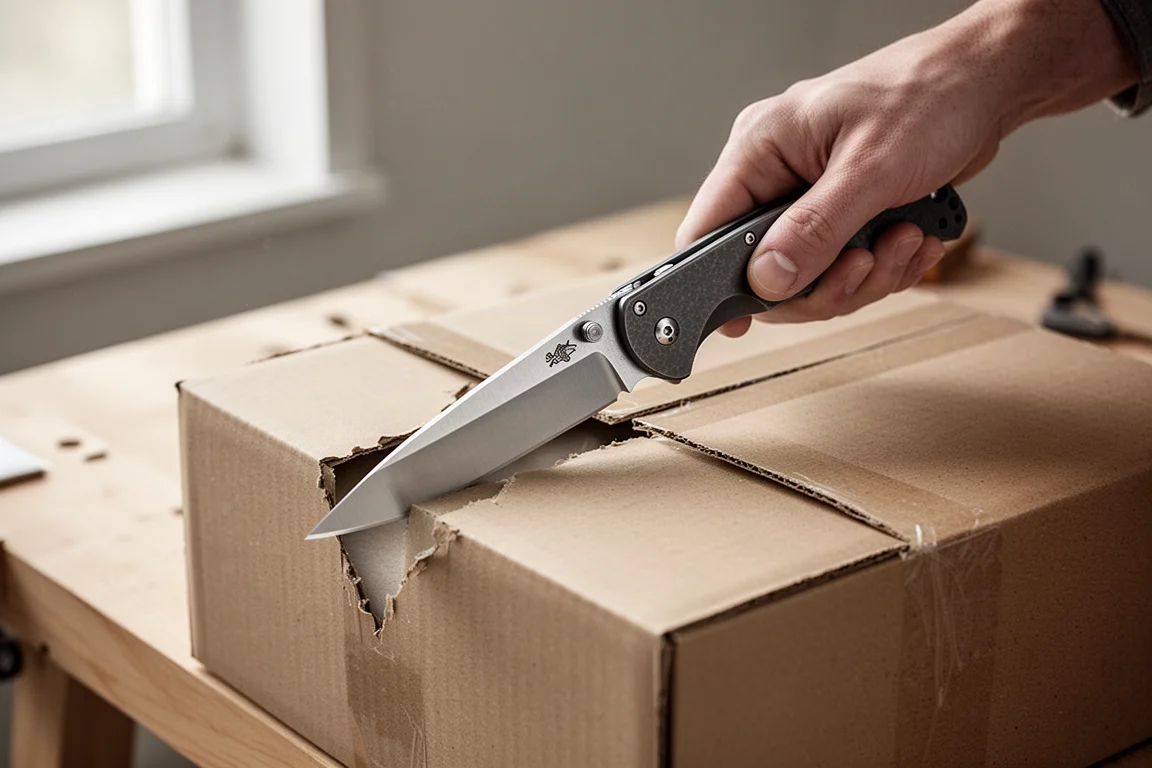
Size next. Small knives are more pocketable, but in the hand they can be uncomfortable to manipulate and awkward for real cutting tasks. The sweet spot for most people is a blade around 2.5 to 3 inches: long enough for meaningful work, short enough to stay discreet and pocket-friendly. Smaller blades tend to suit simple jobs like opening mail or boxes.
Deployment, lock, blade shape, and steel. A liner lock is extremely common, so learning it transfers to a huge range of knives, especially at lower price points. Dual thumb studs are another safe bet, working equally well for right- and left-handed users. For blade shape, keep it simple and versatile, like a drop point. For steel, prefer stainless steel: non-stainless options like D2 perform well but need regular wiping and oiling to prevent rust, which is not the commitment a first-time owner usually wants to make.
Best Overall Starter: QSP Canary
The QSP Canary checks nearly every box a first knife should. At $45 for the G10 version, it lands under the $50 budget guideline while still feeling like a solid tool.
The 2.8-inch blade sits right in the 2.5 to 3 inch sweet spot: big enough for real work, not so big that it feels cumbersome or intimidating. That length is also more likely to be legal to carry in most parts of the United States, though you should always check local rules. The blade is a plain, versatile drop point with a long cutting edge and a tip that handles more precise work.
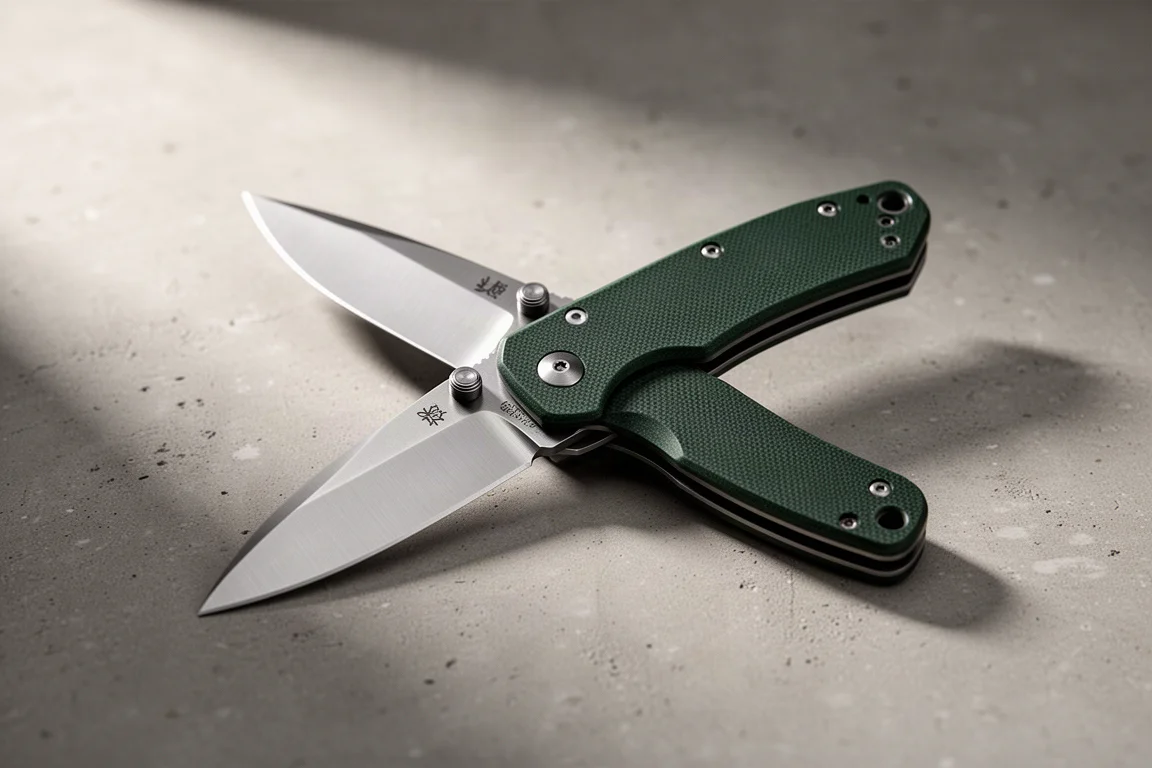
The steel is 14C28N, a decent budget stainless steel, so you get good performance without the constant wiping and oiling that non-stainless steels like D2 demand. Deployment is via dual thumb studs on a ceramic ball bearing pivot, flicking open easily and equally usable left- or right-handed, and it locks with a liner lock. One safety note with liner locks: when disengaging the lock to close the blade, keep your fingers out of the blade’s path.
Best No-Lock Option: Victorinox Super Tinker
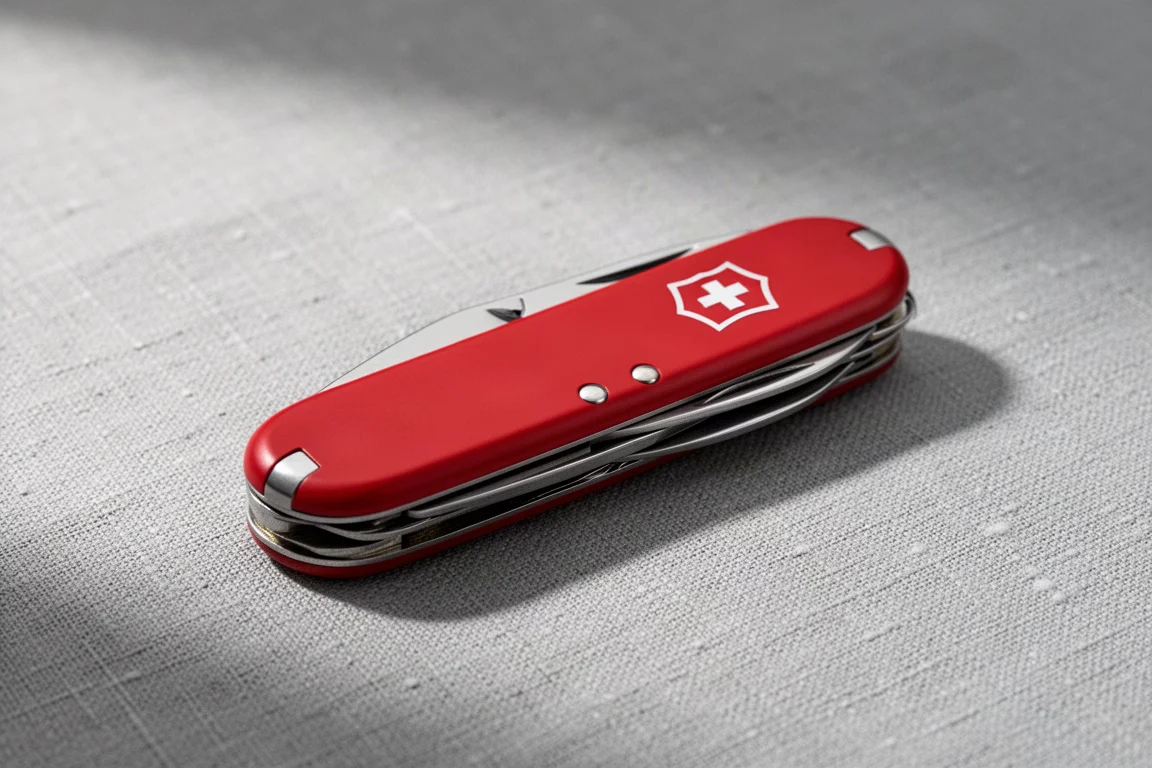
If you live somewhere you cannot legally carry a locking knife, a slip joint is the workaround, and the Victorinox Super Tinker is a strong example. This 91mm Swiss Army Knife measures around 3.6 inches closed, with a main blade of roughly 2.5 inches, right in that beginner-friendly range. The pen-knife style blade comes to a useful tip and is fairly easy to sharpen, though the stainless steel is not as performant as modern dedicated knife steels.
At around $30, it delivers a huge amount of functionality in a small form factor from a highly recognizable, Swiss-made brand. The Super Tinker’s standout feature is its built-in scissors, which often cover tasks where you would have reached for a knife anyway.
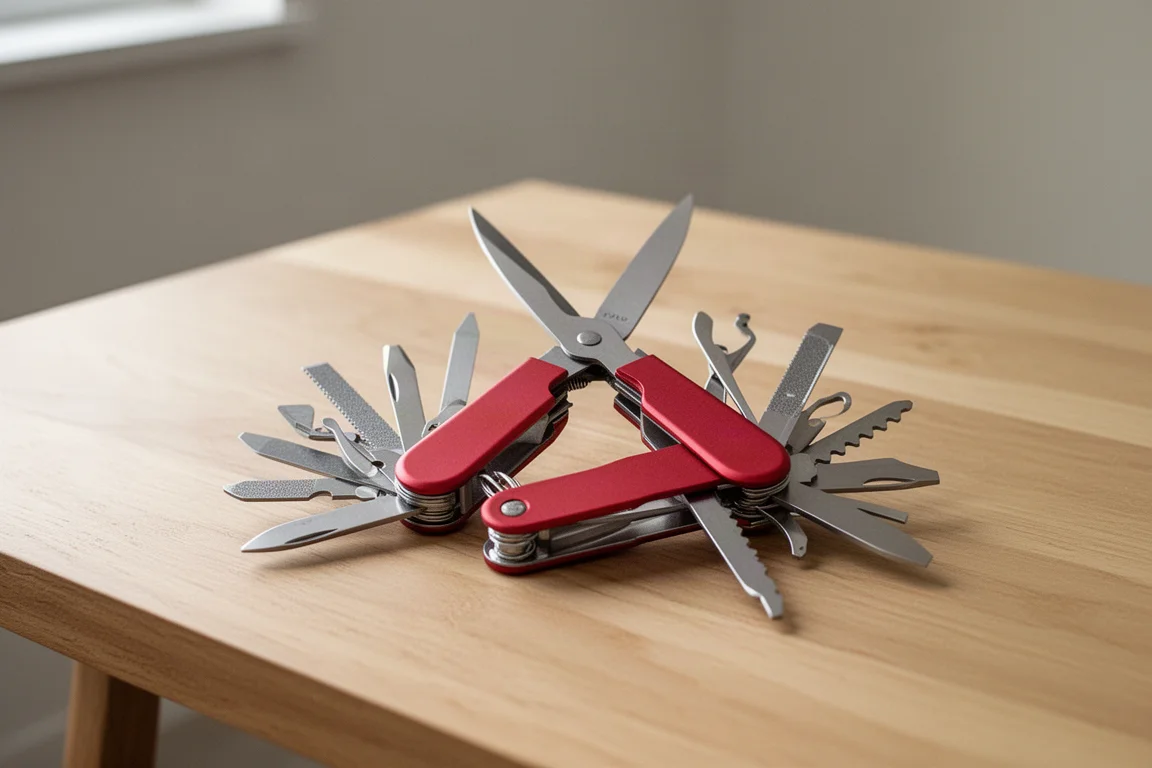
One caution: slip joints have no lock, so they open slowly via a nail nick with two hands, and they can snap shut unexpectedly when closing. Keep your fingers well clear of the blade’s path. Slip joints deserve as much respect and attention as any locking knife, because they can absolutely bite you.
Best Upgrade Pick: CJRB Pyrite
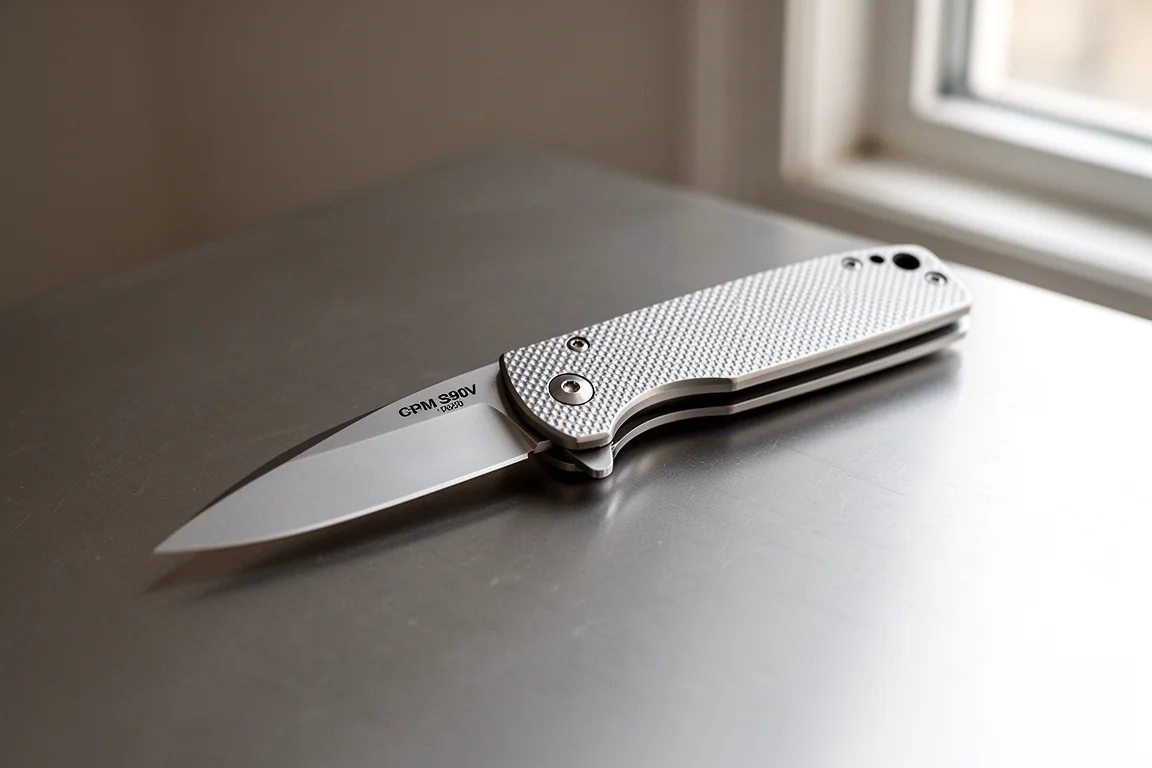
The CJRB Pyrite is a step up, or arguably a side grade, at just about $50. Where the QSP Canary uses G10, the Pyrite has stainless steel handles, giving you a taste of what a full metal handle knife feels like, at the cost of some extra weight.
Deployment is snappy and smooth on dual thumb studs, and the 3.1-inch drop point blade gives you a lot of cutting length to work with. Note that it sits slightly above the 2.5 to 3 inch sweet spot, so it may not be legal to carry everywhere. Double-check your local rules before buying.
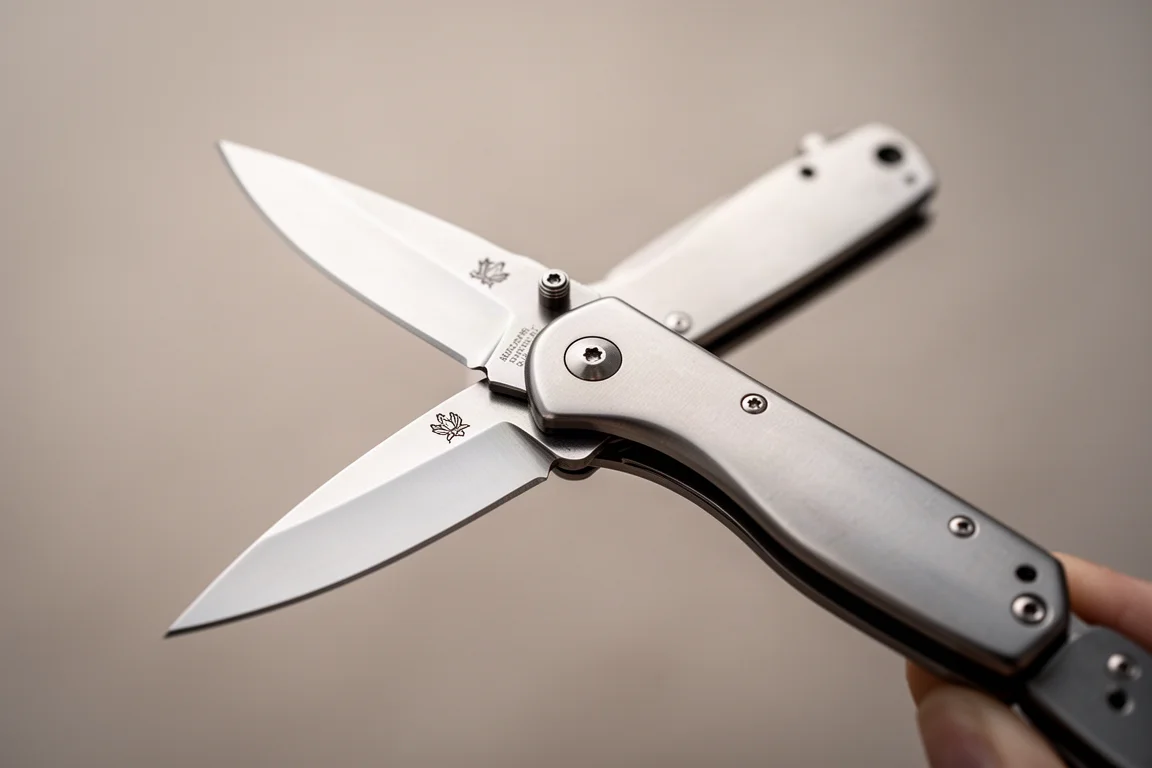
Two other details make it interesting for beginners edging toward enthusiasm. It uses a button lock, which is growing in popularity and tends to be easier for left-handed users than liner locks. And its blade steel is AR-RPM9, the parent company’s proprietary powder steel, which is more performant than what most budget blades offer. It is a gentle gateway into learning how steel choice affects real-world performance if you decide to go deeper into the hobby.
Buying Advice
If you want the safest all-around choice, the QSP Canary is the pick: correct size, correct steel, correct mechanism, and a fair price. If locking knives are not legal where you live, the Victorinox Super Tinker covers the basics and adds genuine multi-tool utility. If you already suspect you will get into the hobby, the CJRB Pyrite gives you better steel, faster action, and a more modern lock for barely more money.
Whichever you choose, prioritize a stainless blade, a simple lock you can legally carry, and a size in the 2.5 to 3 inch range, and your first knife will be one you actually keep carrying.
Conclusion
A first EDC knife should be affordable, versatile, and easy to live with, not flashy. The QSP Canary, Victorinox Super Tinker, and CJRB Pyrite each hit that brief from a slightly different angle, and any of them is a far better starting point than a heavy, awkward impulse buy.
Further reading
Related Reviews

Everyday Carry
Everyday Gear That Deserved a Second Look
A roundup of solid everyday carry items: watches, pens, a pencil, a knife, and a smart ring that each earned a place on the table.

Everyday Carry
KORE Tactical Bifold Wallet Review: A Durable Everyday Carry Option
A close look at the KORE Tactical Bifold Wallet, a reinforced nylon wallet with magnetic closure and room for cards, cash, and IDs.

Everyday Carry
Krabby Wallet Review: A Slim, Simple Carry That Has Stood the Test of Time
A closer look at the Krabby Wallet, a slim canvas and elastic design with a loyal following and a simple, functional approach to everyday carry.