Eye Care
Best Eyelid Wipes for Dry Eyes and Blepharitis: A Tested Comparison
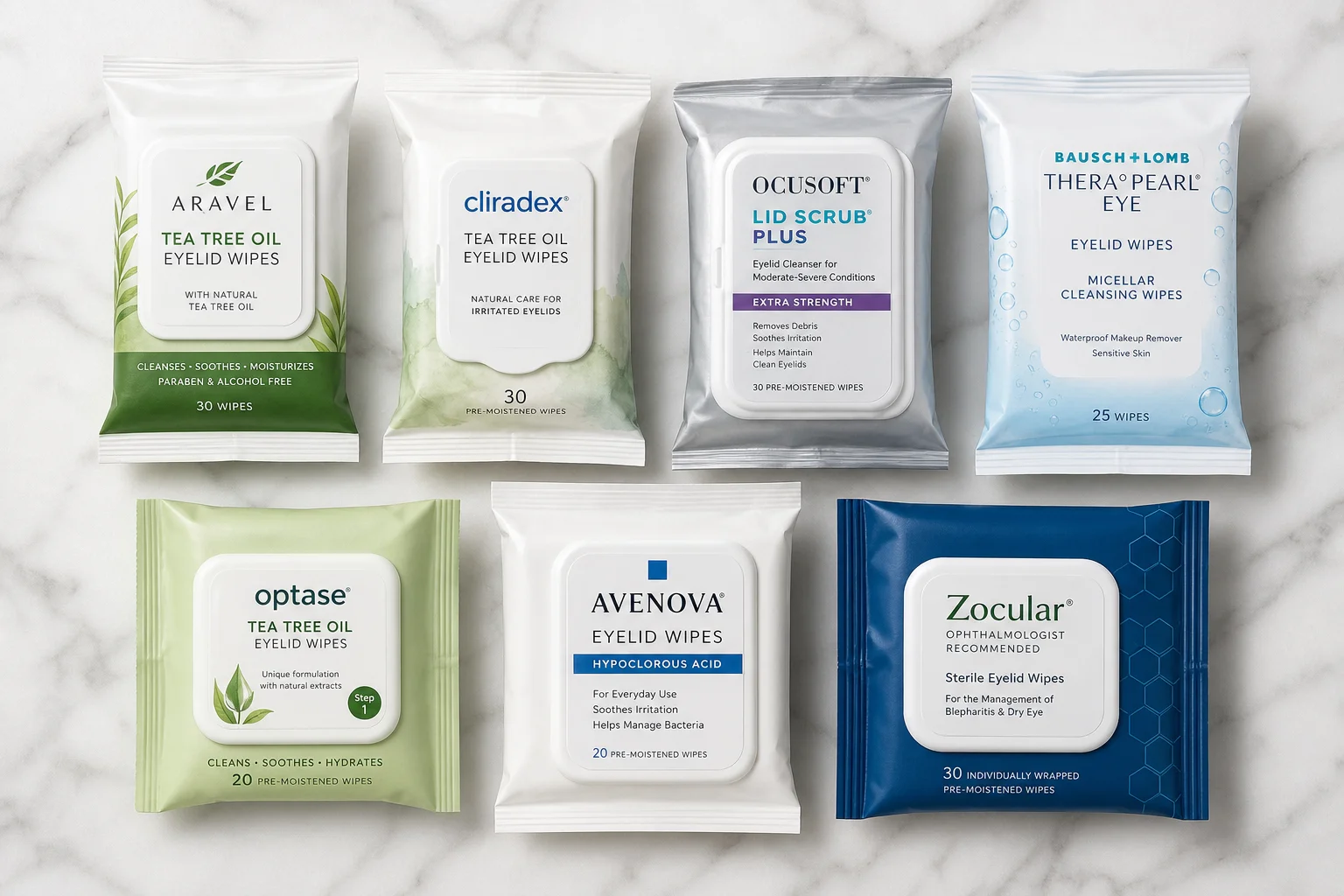
Seven eyelid wipes tested for dry eyes and blepharitis, ranked by effectiveness, comfort, and irritation. Tea tree oil, micellar, and specialty formulas compared.
Introduction
Eyelid wipes are a practical daily tool for managing dry eyes and blepharitis. With several formulations now available over the counter, choosing the right one depends on your sensitivity level, the specific condition you’re treating, and how your eyelids respond to different active ingredients. After months of testing seven popular eyelid wipes, clear patterns emerged about which ones deliver the best balance of effectiveness and comfort.
Tea Tree Oil Formulas
Tea tree oil has been shown to be effective in treating Demodex blepharitis, a condition caused by small mites that can live in eyelash follicles. However, higher concentrations of tea tree oil can irritate sensitive eyelids, causing a burning sensation. The two tea tree formulas tested here use lower doses, making them gentler while still providing therapeutic benefit.
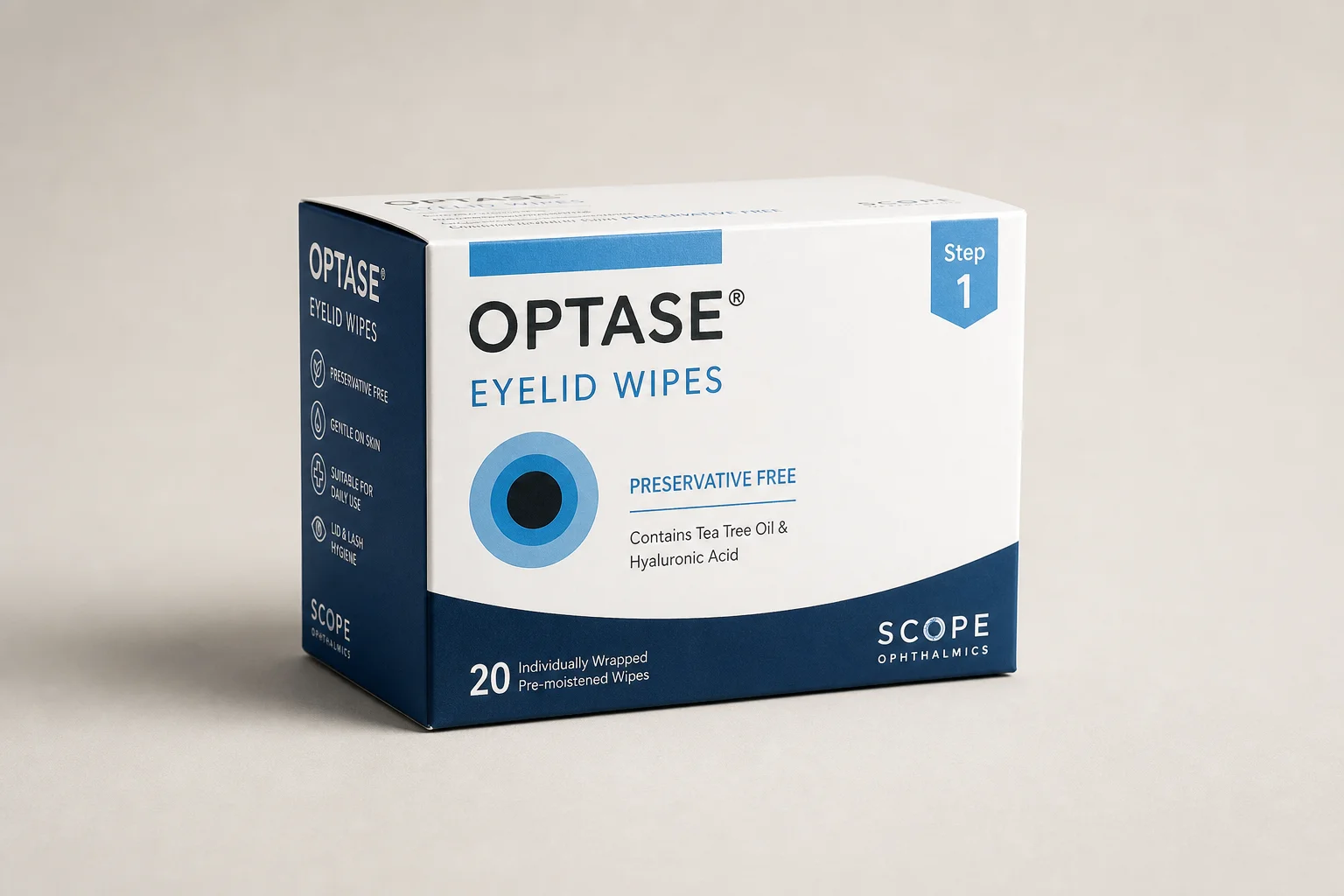
Optase Eyelid Wipes come from a trusted eye care brand known for quality dry eye drops. These wipes are readily available at major retailers including Walmart and Amazon. The wipe itself is a good size, soft to the touch, and leaves no irritation afterward. The formula is preservative-free and requires no rinsing, making them convenient for daily use.
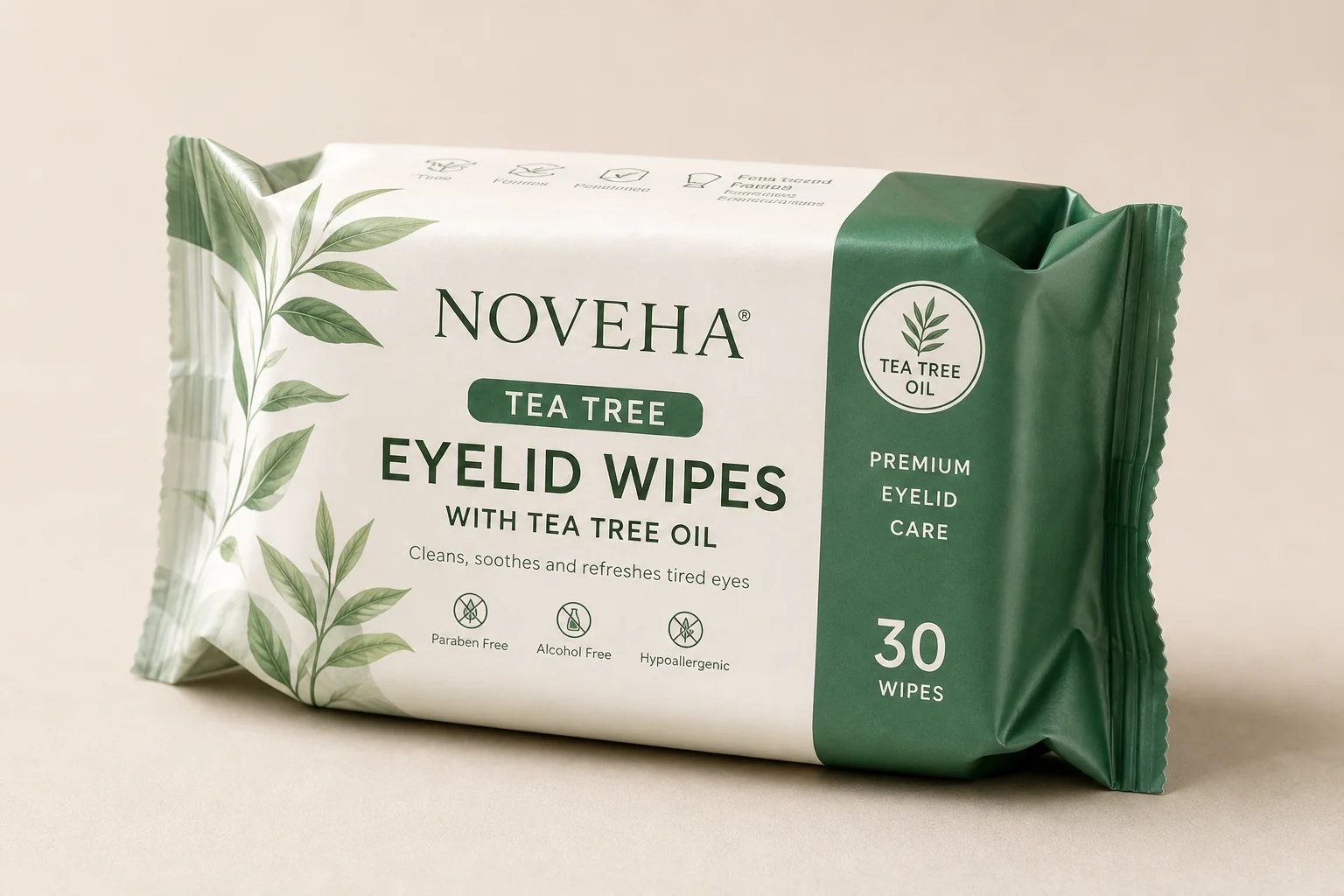
Noveha Tea Tree Eyelid Wipes combine tea tree oil with coconut oil, creating a noticeably softer and thicker wipe that resists tearing. The formula feels gentler on the eyelids, with no irritation or burning sensation. The wipe has a pleasant scent and leaves eyes feeling calm. Like the Optase option, these are rinse-free and preserve the eyelid barrier well. Noveha also offers additional wipe varieties worth exploring for different eyelid care needs.
Micellar Eyelid Cleansing Wipes
Micellar wipes use a different active ingredient approach, relying on micellar technology to lift debris and oils without harsh scrubbing. These wipes tend to produce a light sudsy texture, similar to a gentle soap.
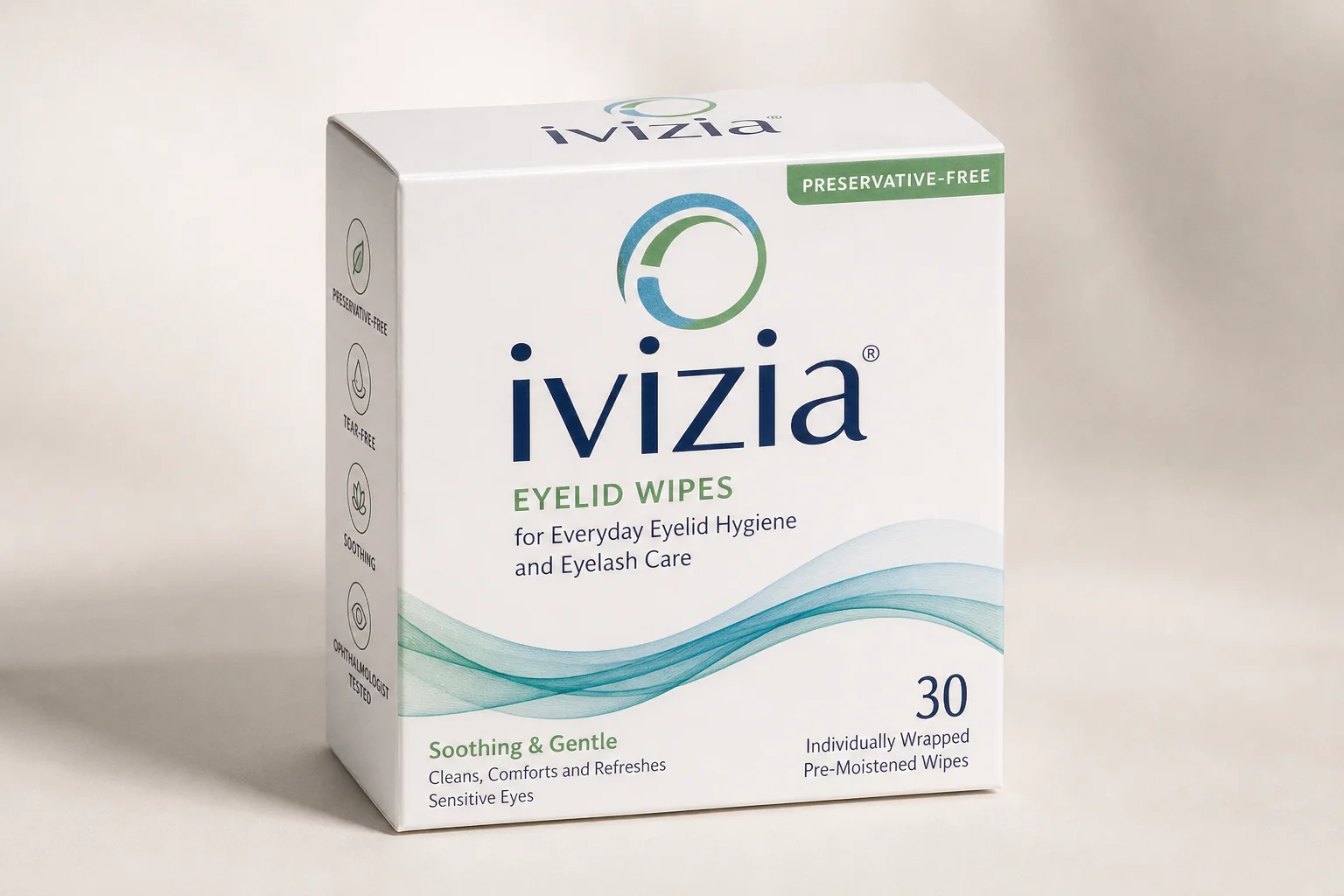
Ivizia Eyelid Wipes are smaller than the tea tree options but soft and effective. The micellar formula produces minimal suds and causes no irritation. These wipes are preservative-free, widely available online and in stores, and work well for daily eyelid hygiene without requiring rinsing.
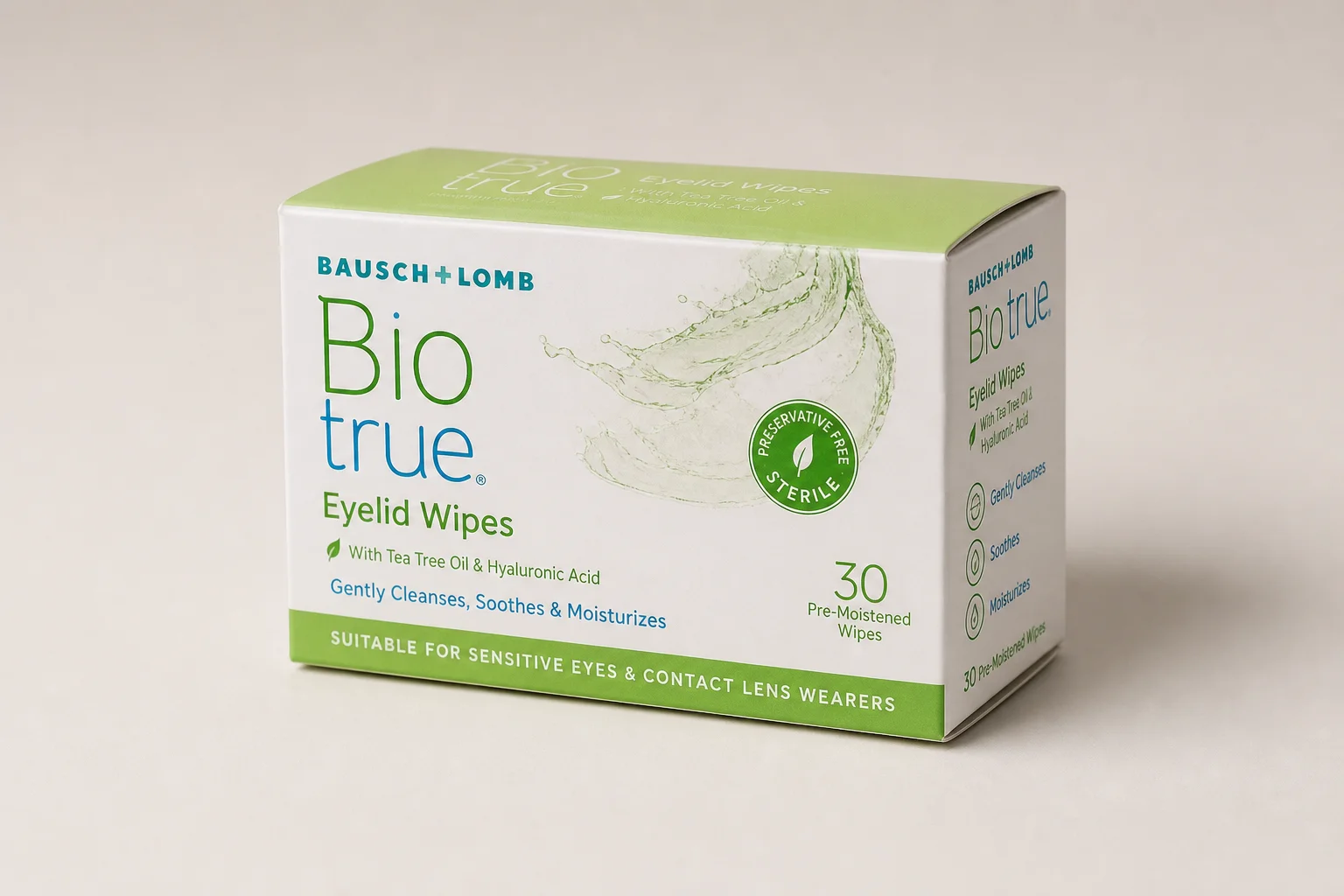
Biotrue Eyelid Wipes are noticeably smaller and thicker than other options tested. They produce more suds than any other wipe in this comparison, which can be useful if you have heavy makeup or debris to remove. However, the sudsy residue often requires rinsing despite the no-rinse label, and the scent differs from other formulas. For most dry eye users seeking convenience, this wipe ranks lower on the list, though it may suit those with significant debris buildup.
Specialty Formulas: Zocular Zest
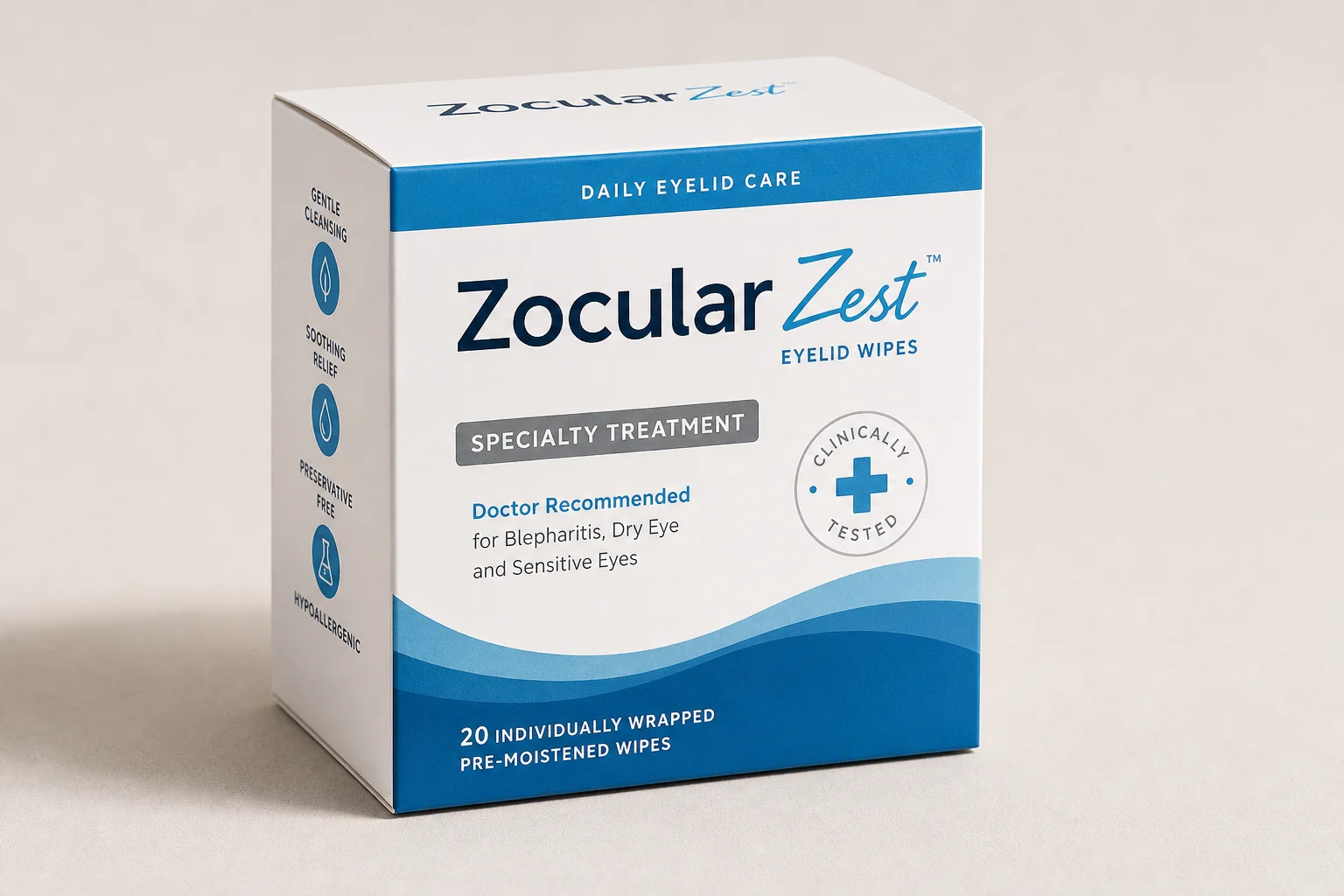
Zocular Zest stands apart as the most unique eyelid wipe tested. It contains a refined extract from okra with anti-inflammatory properties, positioning it closer to a prescribed eyelid treatment than a standard wipe. The formula is smaller and thicker than most alternatives, with a light sudsy texture.
When first applied, Zocular Zest produces a noticeable tingling or mild burning sensation on the eyelids, though this is less intense than high-dose tea tree oil irritation. Once this initial sensation subsides, eyes feel noticeably cleaner and calmer. The wipe is labeled no-rinse, though some users may prefer to rinse due to the initial tingle. Zocular’s unique formulation has made it popular in doctor’s offices for in-office eyelid treatments to address blepharitis and debris buildup. If standard wipes have not delivered results, this specialty option is worth trying.
TearRestore Wipes: Multiple Options
TearRestore offers three distinct eyelid wipe formulations, each targeting different aspects of eyelid health.
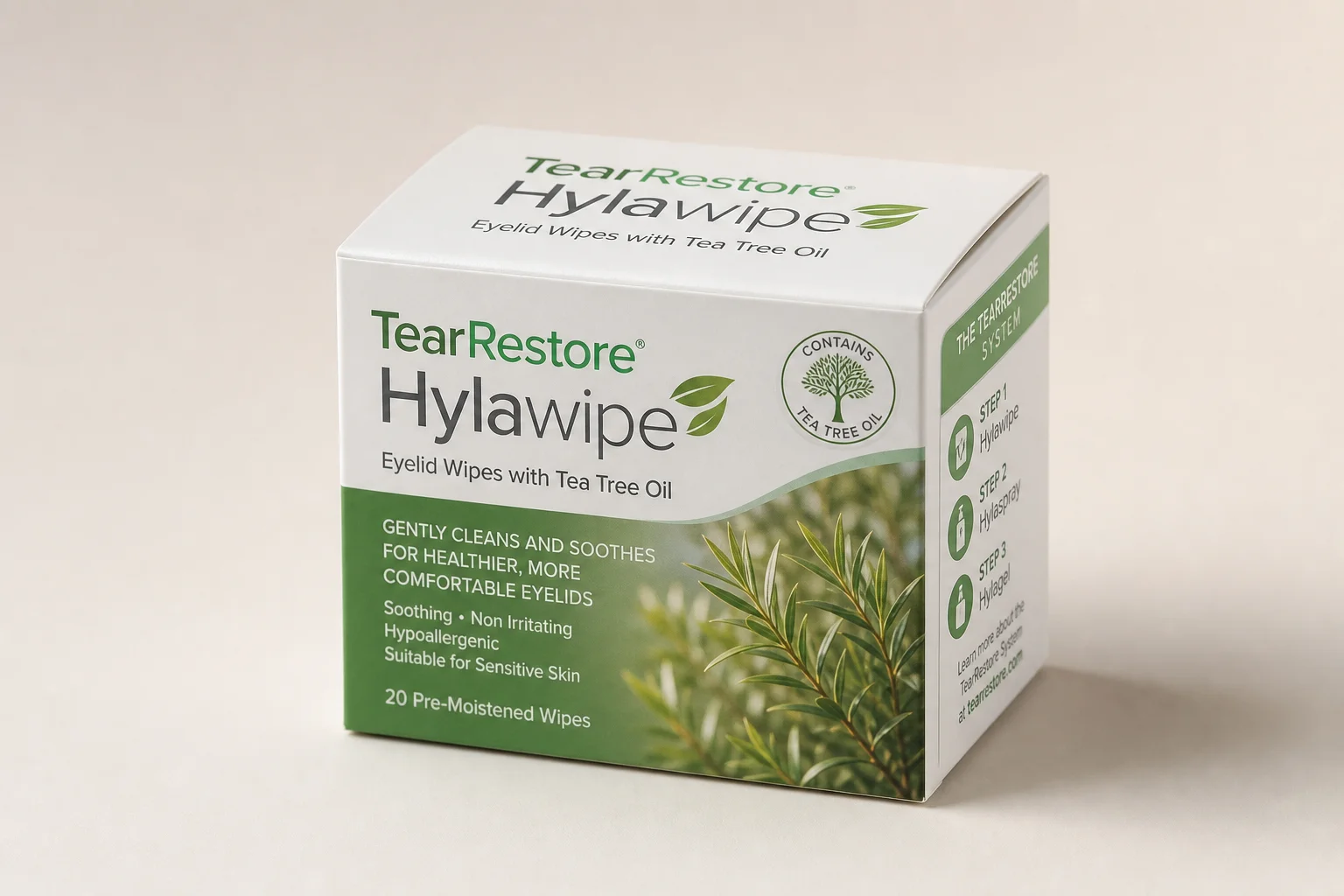
TearRestore Hylawipe was the top choice in previous testing and remains an excellent all-around option. It includes tea tree oil at a concentration that does not cause irritation for most users. The wipe is large, soft, and produces no irritation or redness. It is widely available at retailers and online, making it easy to incorporate into a daily routine.
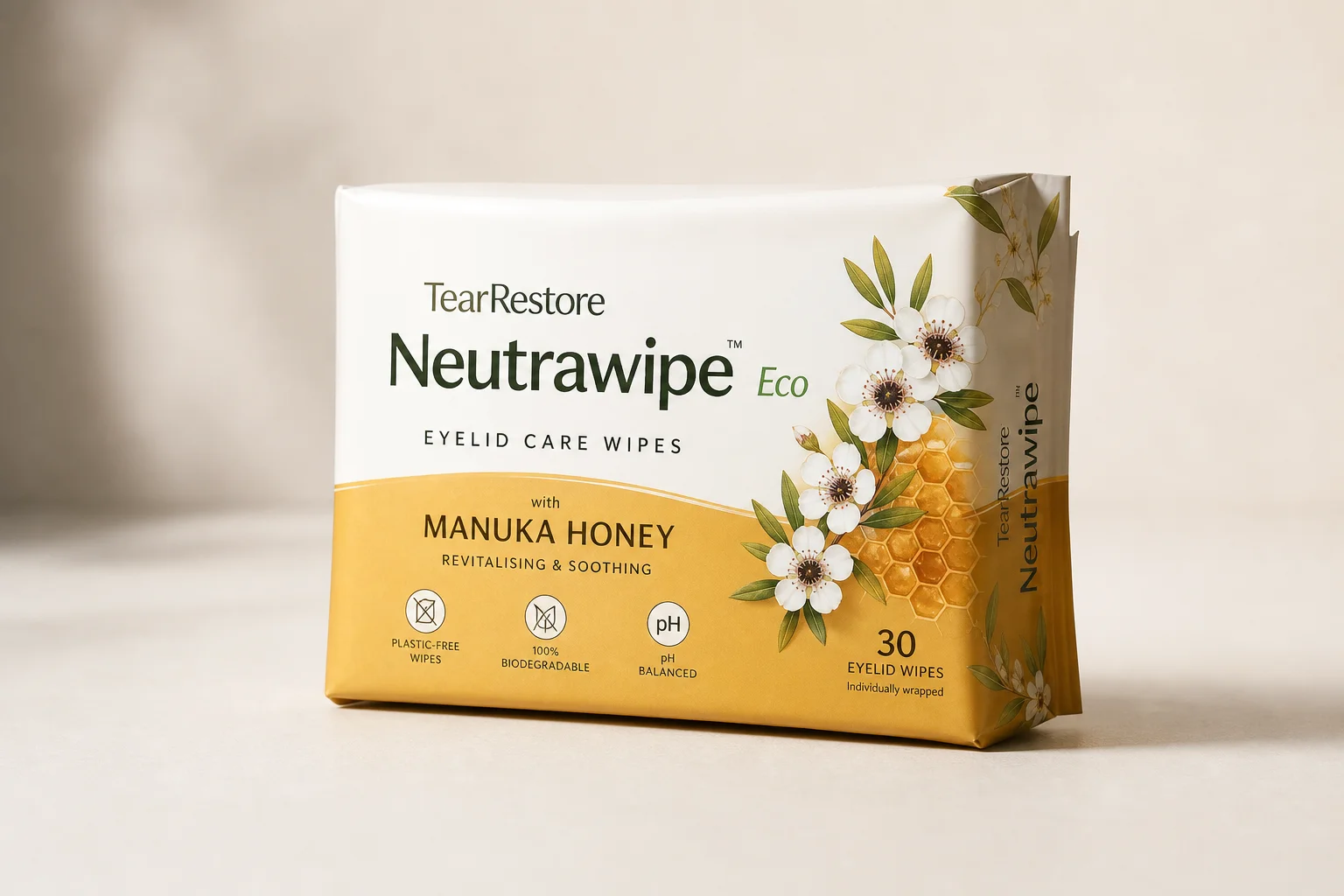
TearRestore Neutrawipe Eco is the newest addition to the TearRestore line and features Manuka honey, which has natural antibiotic and anti-inflammatory properties. This wipe is large, soft, and exceptionally gentle. In testing, it proved to be the most effective at reducing eyelid redness, dryness symptoms, and overall irritation. The absence of tea tree oil makes it ideal for those sensitive to that ingredient, while the Manuka honey delivers therapeutic benefit. This wipe ranks among the very best tested overall.
TearRestore also produces a hypochlorous acid variant designed to control bacterial overgrowth on the eyelids, offering another option for those with specific bacterial concerns.
Frequency and Overuse Considerations
An important finding emerged during extended testing: using eyelid wipes twice daily can lead to increased irritation, redness, and dryness over time. Reducing frequency to once daily significantly improved comfort and reduced sensitivity. If you are using wipes twice daily and experiencing worsening symptoms, consider scaling back to once daily. If you have heavy debris or makeup buildup that requires more aggressive cleaning, eyelid cleansing soaps may be a better choice than wipes.
Top Recommendations
Tied for First Place: TearRestore Neutrawipe Eco and Noveha Tea Tree Eyelid Wipes both delivered the best overall results in testing. Both reduced eyelid redness, minimized dryness symptoms, and kept eyelids and eyelashes clean without irritation. These are the wipes most likely to remain in a daily dry eye routine long-term.
Third Place: TearRestore Hylawipe remains an excellent choice and is widely available, making it a reliable option if the top two are not accessible.
Also Worth Considering: Optase Eyelid Wipes and Ivizia Eyelid Wipes are both solid performers with good availability. Zocular Zest is the best choice if standard wipes have not worked and you want something closer to a clinical treatment.
Lower Priority: Biotrue Eyelid Wipes work but rank lower due to excessive suds and the need to rinse despite the no-rinse label.
Conclusion
The best eyelid wipe for you depends on your specific sensitivity and the underlying cause of your dry eyes or blepharitis. Tea tree oil formulas work well for Demodex-related blepharitis, while Manuka honey and micellar options suit those sensitive to tea tree. Start with once-daily use, and if standard wipes do not deliver results after consistent use, consider either a specialty formula like Zocular Zest or an eyelid cleansing soap. Consistency and finding the right product for your eyelid type will deliver the best long-term results.