Hand Tools
Extra-Deep Sockets Compared: CTA Set vs Snap-On, Vim, and Ko-ken
Four extra-deep sockets put side by side, looking at reach, wall thickness, fit tolerance, and value to help you pick the right one.
Introduction
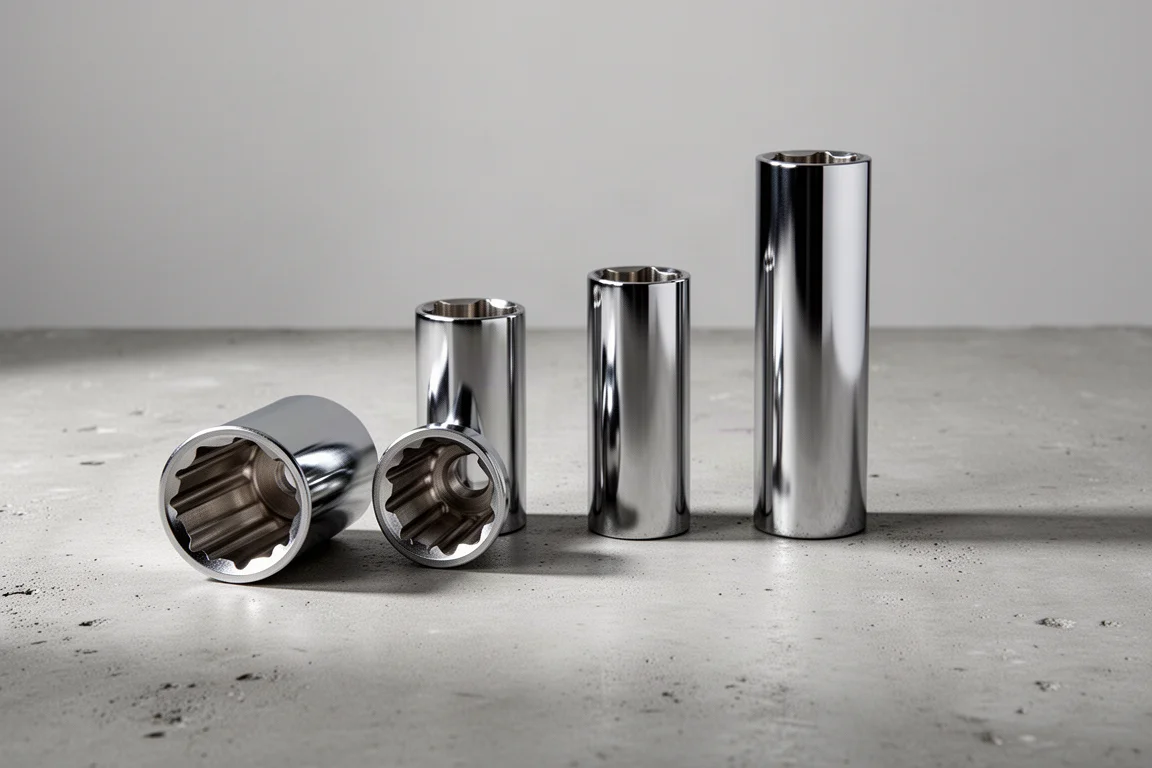
Extra-deep sockets occupy a strange corner of the tool box. Most people never need one, yet the moment a bolt sits far down a threaded shaft or a coupler hides at the bottom of a long stud, nothing else works. This comparison looks at four options: the CTA extra-deep socket set in metric, a Snap-On 10mm extra-deep socket, a Vim 10mm extra-deep socket, and a Ko-ken deep socket.
The goal is simple: figure out which one makes sense depending on how often you will actually reach for it.
What Extra-Deep Sockets Are Actually For
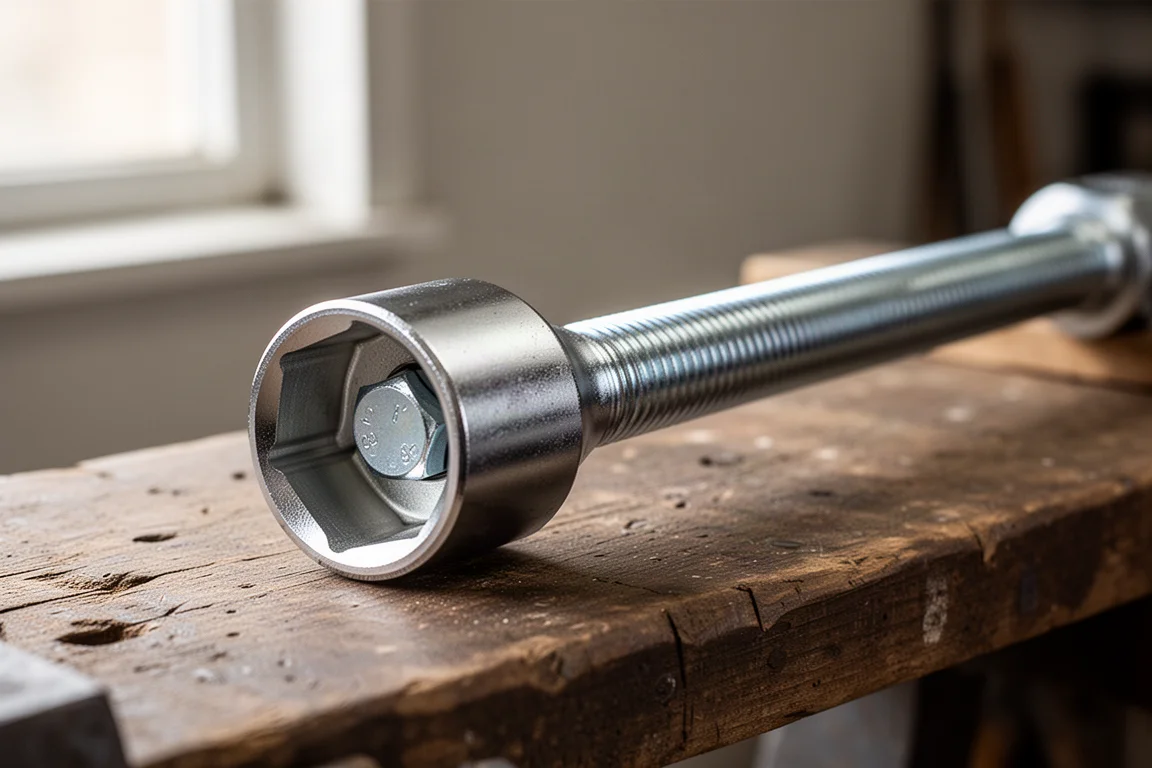
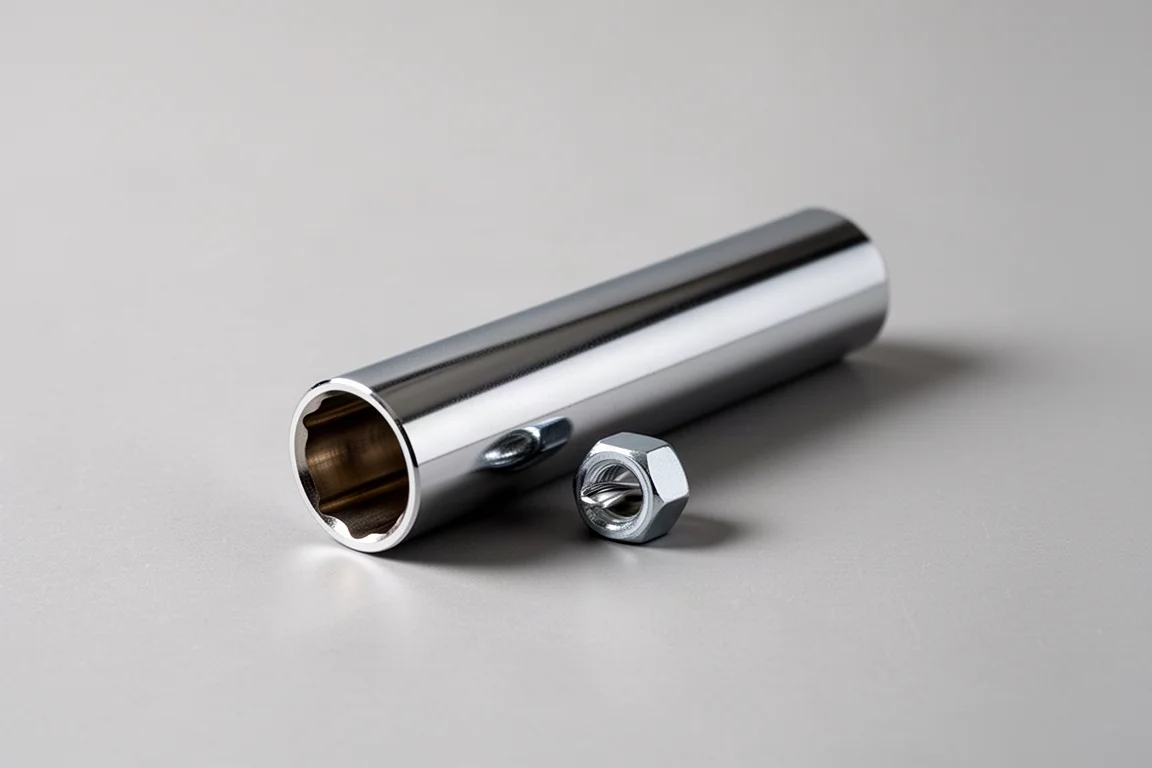
The appeal of these sockets is that they behave like a built-in extension. Because the socket is 120mm long in the case of the CTA set, you can often skip an extension entirely, which makes the tool easier to control with one hand and handy in tight or poorly lit spots where an extension plus socket becomes fussy.
They also let the bolt seat a long way into the socket, so a nut can be engaged down a threaded rod while still leaving room to turn. Not a high-torque or impact tool, and not something most users grab daily, but genuinely useful in specific situations.
The CTA Extra Deep Socket Set (3/8 Drive, Metric)
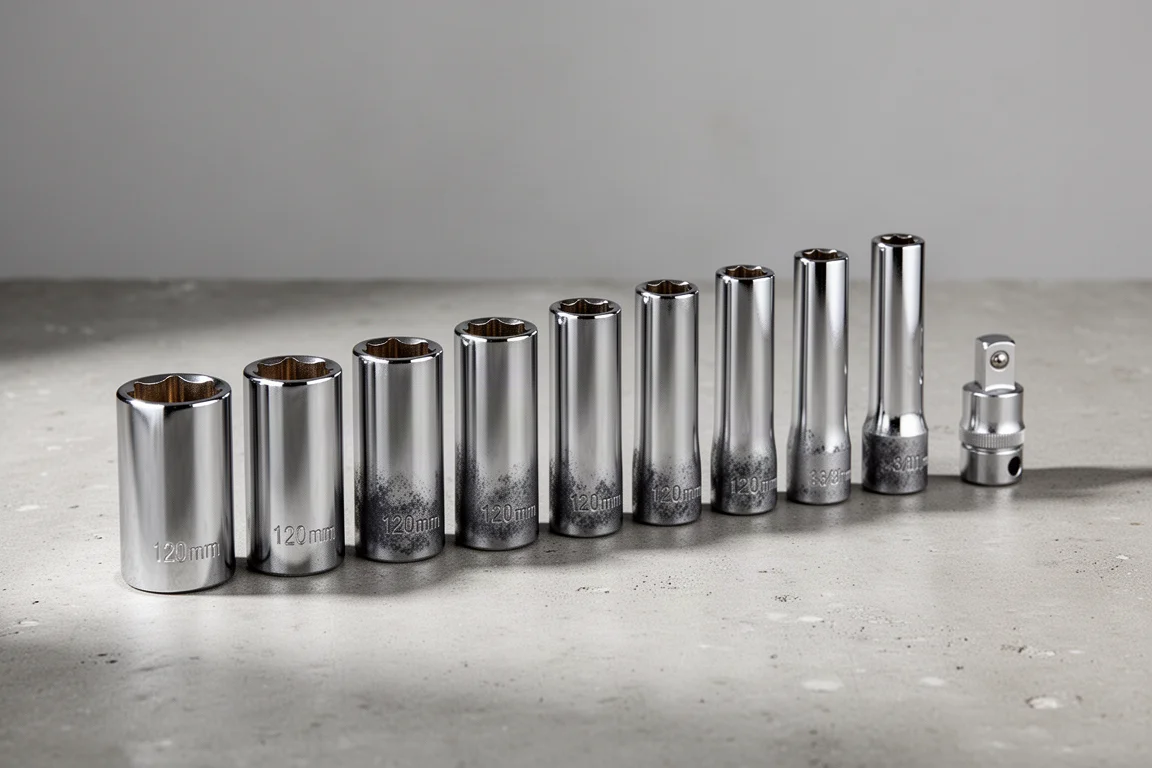
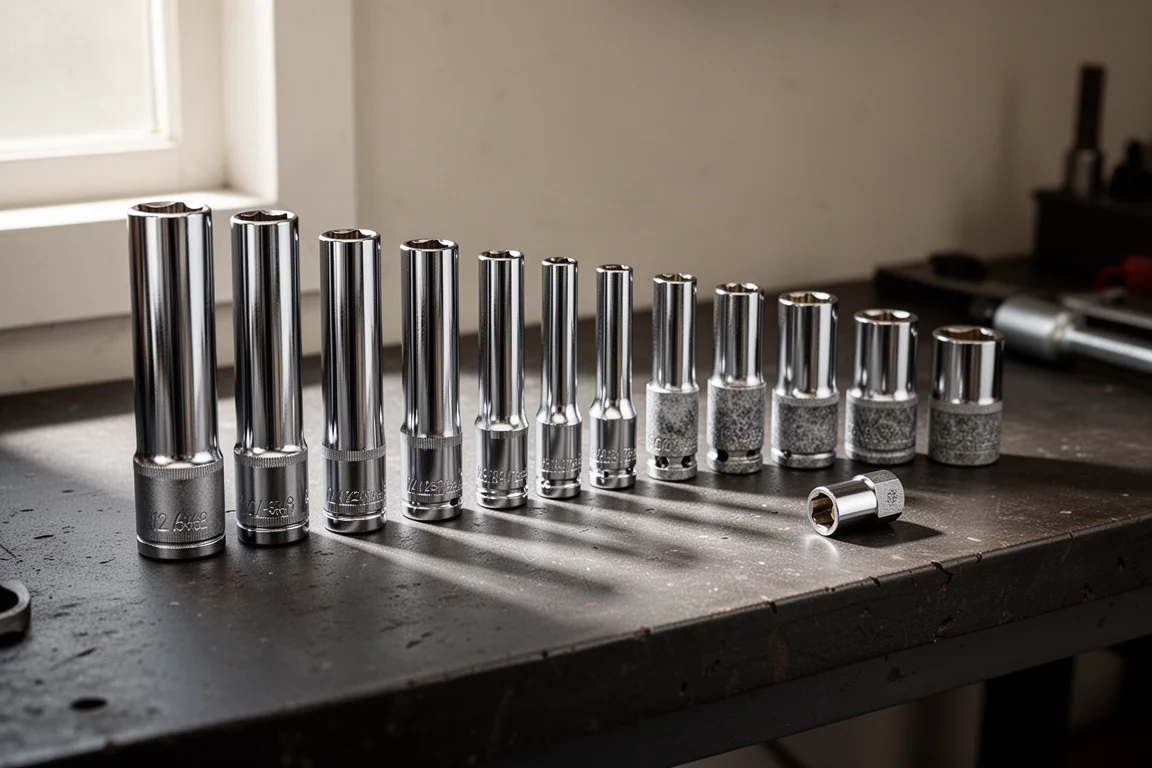
The CTA set covers 8mm up to 18mm with no skips, eleven sockets plus an adapter for running the 3/8 drive sockets on a 1/4-inch drive tool. The sockets are 120mm long and made in Taiwan.
Depth is generous: a coupler nut can drop fully into the socket with only a small gap left over. Internal clearance is good all the way through, though not the largest in this comparison. Fit on a test nut shows just a hair more play than the premium single sockets here, which is reasonable given the set costs a little over a hundred dollars. A full lifetime warranty is included, though the fine print is reportedly a bit odd, so it is worth reading before relying on it.
Snap-On 10mm Extra-Deep Socket
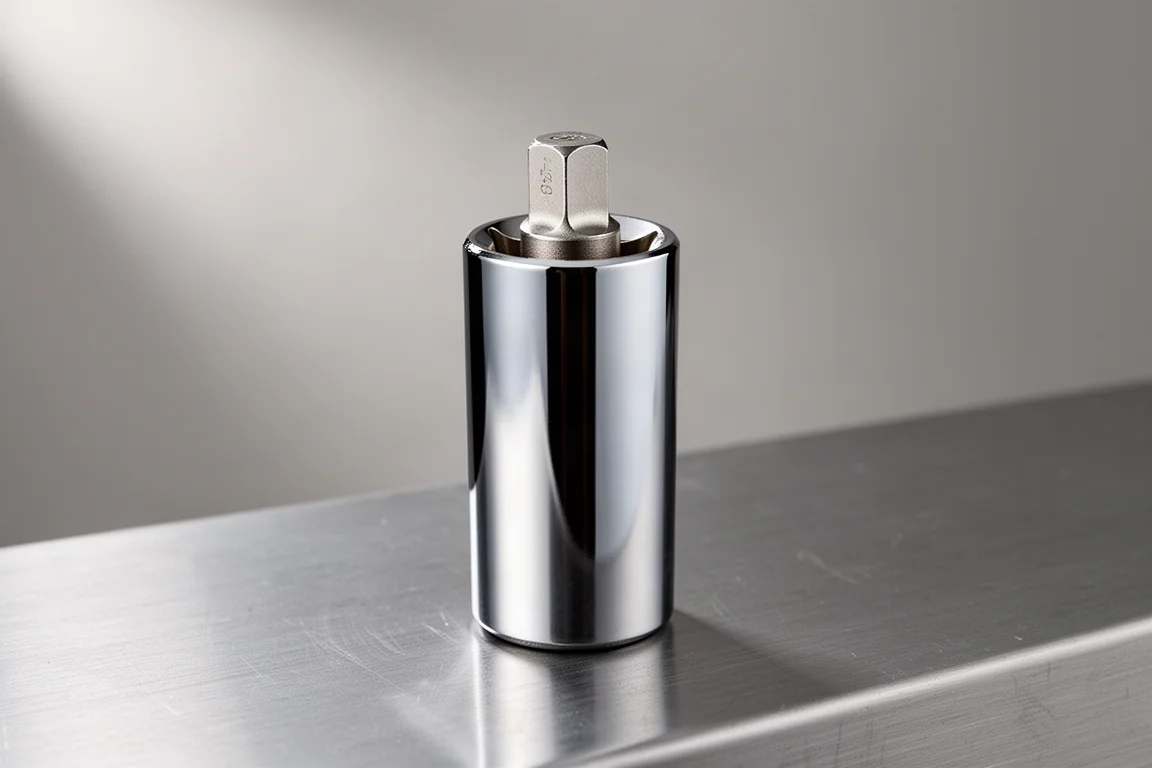
The Snap-On 10mm extra-deep socket is what started this whole rabbit hole. It has a comfortable proportion that works nicely even on a stubby ratchet, and it is easy to manipulate without an extension.
One detail worth knowing: although it is a deep socket, the internal depth at the front end is only average, meaning a nut cannot travel far down into the body. However, the bore runs clear through the socket, so on a long threaded rod you can still make use of essentially the full length of the tool. Fit on a test nut is very tight, with minimal play.
Vim 10mm Extra-Deep Socket
The Vim 10mm goes deeper than the Snap-On and appears to have the deepest internal channel and the largest through-hole in this group. An entire coupler nut sits fully inside the socket with room to spare, making it the pick when maximum reach into a socket is the priority.
Fit tolerance is good, though the play on a test nut was slightly more noticeable than on the Snap-On or Ko-ken, with a faint wiggle visible. Vim sells a set of five for around 90 dollars, which undercuts buying several individual pieces.
Ko-ken Deep Socket
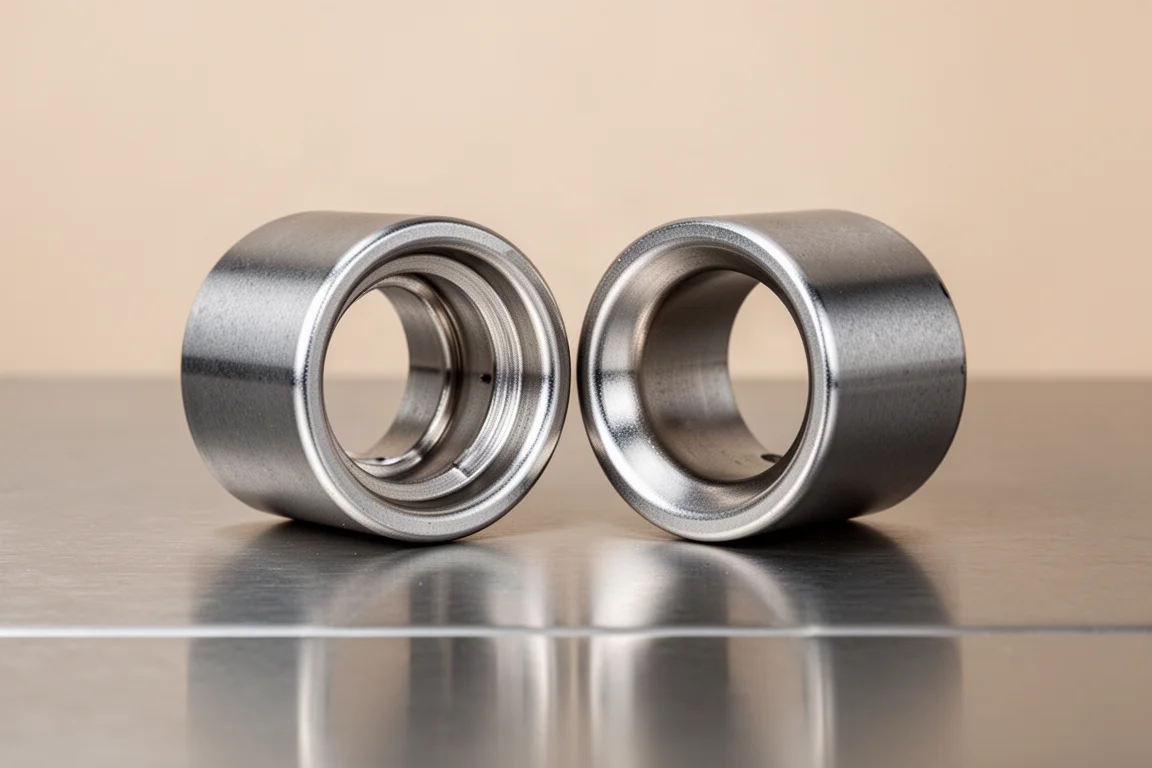
The Ko-ken deep socket in this comparison is a somewhat longer tool, though its actual usable internal depth is roughly half the length of the extra-deep options, so it is not a true extra-deep. It is included mainly as a fit reference.
That reference turns out to be impressive: on the same test nut, the Ko-ken showed the tightest fit of the group, slightly tighter even than the Snap-On. If precise engagement matters more than depth, Ko-ken’s fit quality stands out.
Depth and Internal Clearance
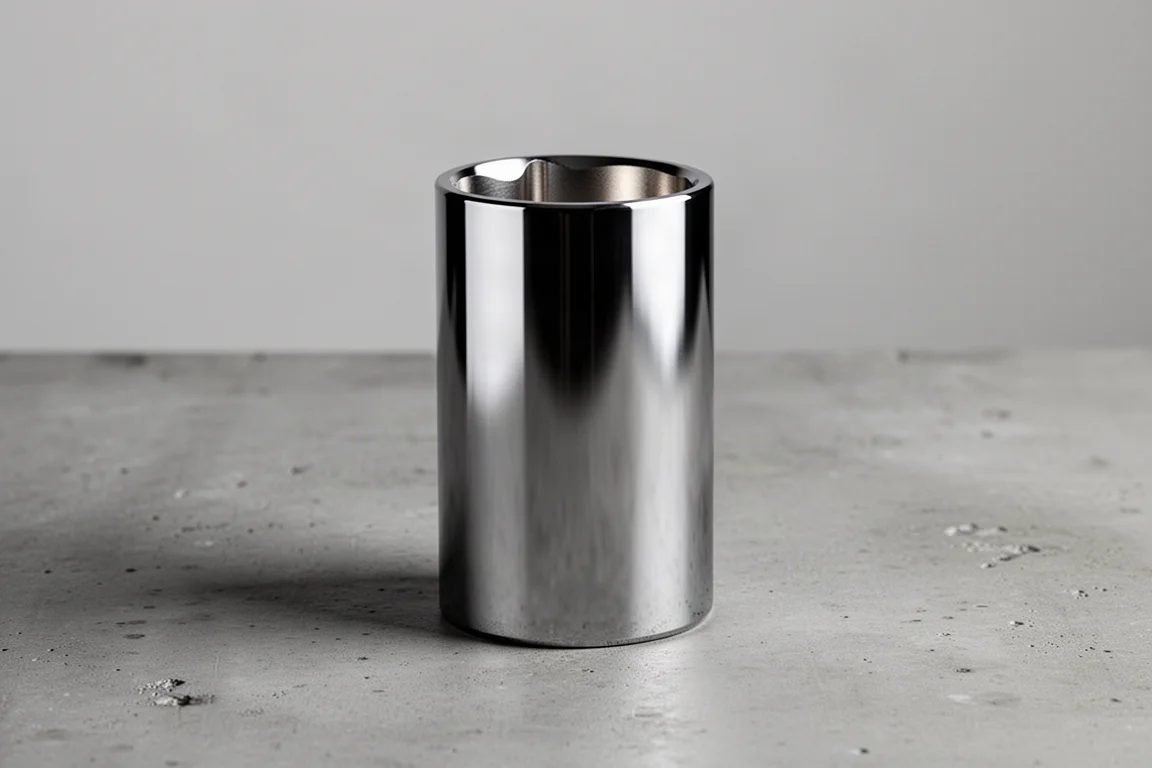
Ranking the three extra-deep options by internal depth: Vim is deepest, CTA is close behind with a similar depth and a good-sized through-hole, and the Snap-On has the shallowest front-end depth but a clear bore all the way through. If your job involves sliding the socket over a long threaded rod, the Snap-On’s clear-through design still lets you use most of its length.
The Ko-ken, being a conventional deep socket, reaches only about half as far and is best treated as a fit-quality benchmark rather than a reach solution.
Fit Tolerance and Play on a Test Nut
Using the same good-quality nut on each socket told a clear story. The Snap-On showed very little play. The Ko-ken was marginally tighter still. The Vim had a small but perceptible wiggle, and the CTA sat just a hair looser than the Vim.
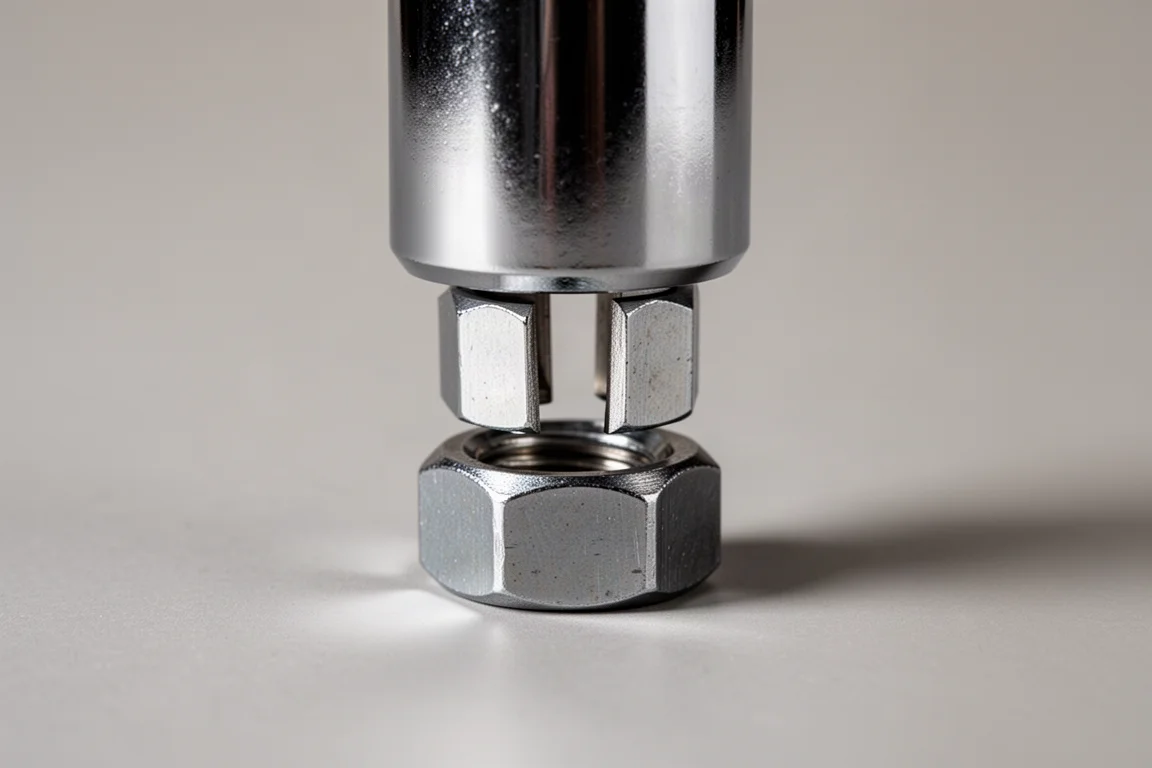
None of this is alarming for the CTA’s price, but it confirms the expected hierarchy: the single premium sockets fit more precisely, while the budget-friendly set trades a little tolerance for coverage of eight sizes at once.
Build Quality and Finish
Finish quality is where the CTA set shows its price point. The surface is a bit rougher than the Snap-On or Vim, with a stonewashed look near the bottom, small marks, and edges that are not always perfectly clean, particularly around the internal opening. In hand, some sockets feel slightly less refined than the premium singles.
The wall-thickness concern some people raise with extra-deep sockets mostly comes down to quality control. Nothing in the CTA set suggested fragile walls, but buyers expecting Snap-On-level polish should temper expectations.
Overall Buying Advice
Think about how often you will use an extra-deep socket before spending. It is a special-purpose tool: not for high torque, not for impact use, and not needed every day. If you only need one or two sizes, buying individual Vim or Snap-On pieces in those sizes may be smarter. The moment you want several sizes, the economics flip: buying just three or four individual premium sockets approaches the cost of the full CTA set, which gives you eleven sizes plus an adapter.
For most people on a budget, the CTA set is the sensible entry point. For a single, frequently used size where feel and fit matter, the Snap-On or Vim singles justify themselves, and the Vim is the one to choose when maximum internal depth is the priority.
Conclusion
The CTA extra-deep socket set offers real reach and full metric coverage at a friendly price, with slightly looser fit and rougher finish as the trade-off. The Vim 10mm is the depth champion, the Snap-On 10mm is the most pleasant to use with excellent fit, and the Ko-ken sets the benchmark for tight tolerance at shallower depth. Pick based on how many sizes you actually need, and you will not be disappointed by any of them.
Further reading
Related Reviews
Hand Tools
Best Diagonal Cutters 2026: 16 Pliers Tested for Cutting Power and Durability
We put 16 diagonal cutters through nail, screw, drill bit, and hex key tests to find the best value picks for your toolbox.
Hand Tools
Best Hex L Key Sets 2026: Nine Sets Tested for Real-World Torque
Nine hex L key sets from budget to premium, tested for torque, fit, and durability. See which sets deliver real performance and which ones to skip.
Hand Tools
Best Locking Pliers 2026: Top Picks Tested for Grip and Durability
We tested 18 brands of 10-inch locking pliers for grip strength, jaw bite, build quality, and ease of release to find the best options for tough jobs.