Lawn Care
Best Entry-Level Zero Turn Mowers: Nine Models Worth a Look
From budget gas machines to battery-powered surprises, nine widely available zero turn mowers that make sense for first-time buyers.
Introduction
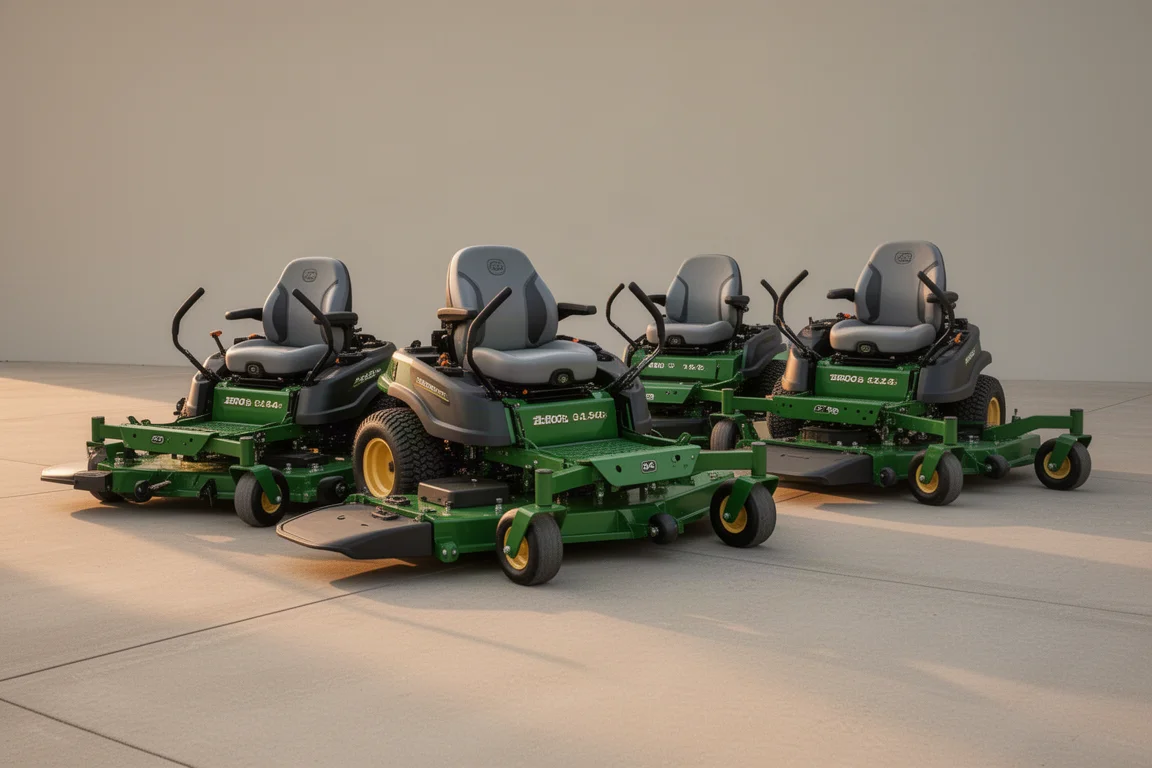
For a long time, “entry level” and “zero turn mower” felt like phrases that did not belong in the same sentence. That has changed. National brands now sell genuinely usable zero turn mowers in the roughly $3,000 to $4,000 range, and a few of them are better buys than others.
This guide focuses on machines you can actually find at national retailers, rather than regional builders that only ship to part of the country. We worked through the lineup from the cheapest gas models to the electric options at the top of the budget bracket, paying close attention to which engines are worth having and which decks are worth trusting.
What Matters at This Price
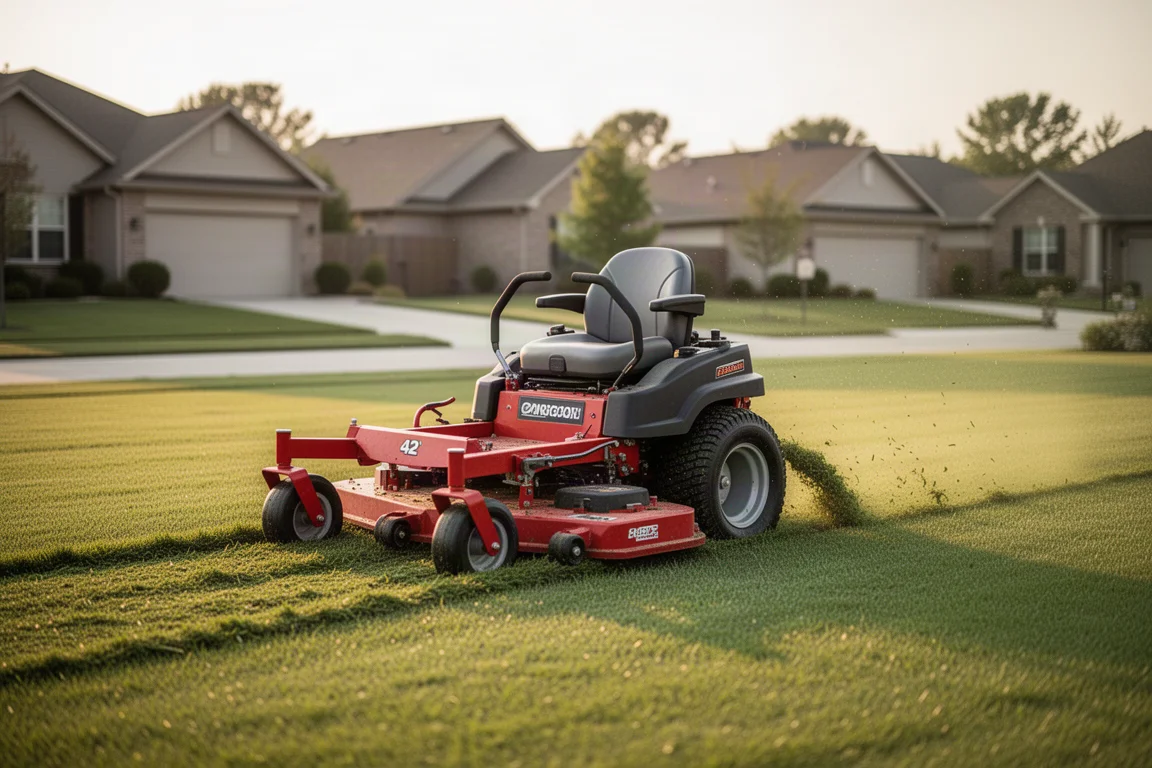
Almost every machine in this bracket uses a 42 inch stamped steel deck rather than a fabricated one, and that is simply how the price point works. The real differentiator is the engine. A 20 to 22 horsepower Kohler 7000 series or a Kawasaki V-twin is the safe bet. The Kohler Courage engines have earned a reputation worth avoiding, and Briggs and Stratton is a mixed bag: the small units have real problems, while the mid-size and larger ones are much better.
Budget Pick: Craftsman 42-Inch 20 HP V-Twin Zero Turn
The Craftsman sits at the bottom of the price range and gets the important things right. Its 20 horsepower Kohler KT715 from the 7000 series is a 725cc engine with a solid reputation, and skipping electronic fuel injection keeps servicing simple. You get a three-way adjustable lap bar, rubber foot pads, increased traction control, a durable 42 inch stamped steel deck, a stitched seat rather than a molded plastic one, and a three-year warranty with five years on the frame.
If reliability and easy servicing matter more than outright features, this is the sensible first zero turn.
Same Family, Different Engine: Troy-Bilt Mustang
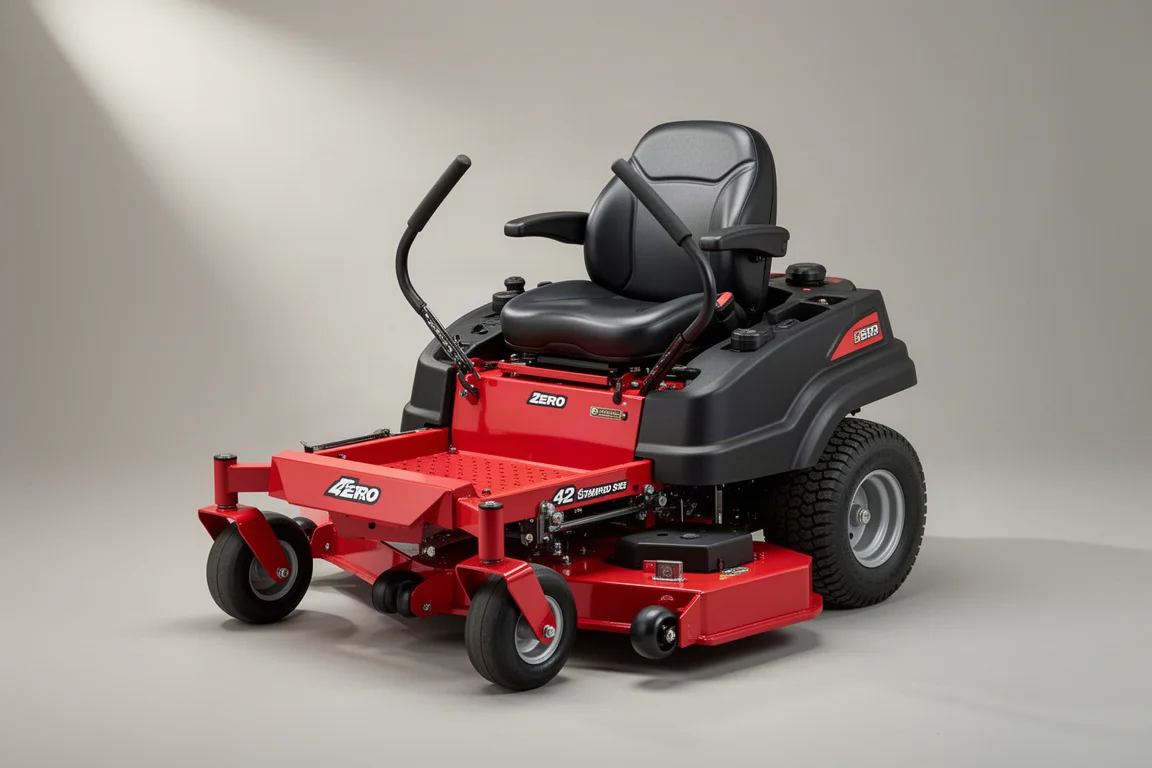
Park the Troy-Bilt Mustang next to the Craftsman and you will notice how remarkably similar they are. That is no accident: both come from the same corporate family, and the frames are nearly identical, with differences in the seat and a few other details.
The meaningful difference is under the hood. The Mustang runs a 725cc engine rated at 22 horsepower with electronic fuel injection. EFI is nice when it works, but not every small shop has the equipment to service it, and an out-of-warranty EFI fault can leave you waiting longer for a repair. At the same price point as the Craftsman, the choice comes down to whether you want the extra horsepower or simpler servicing.
Step Up: Cub Cadet 42-Inch Zero Turn
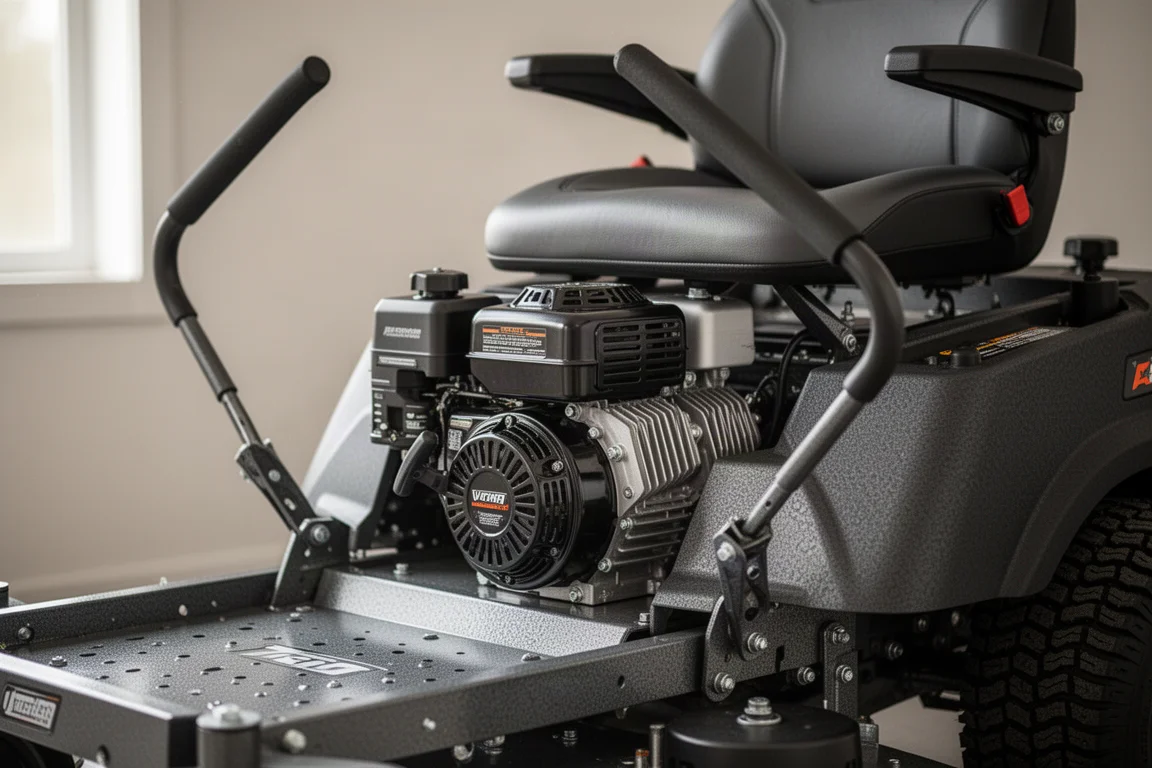
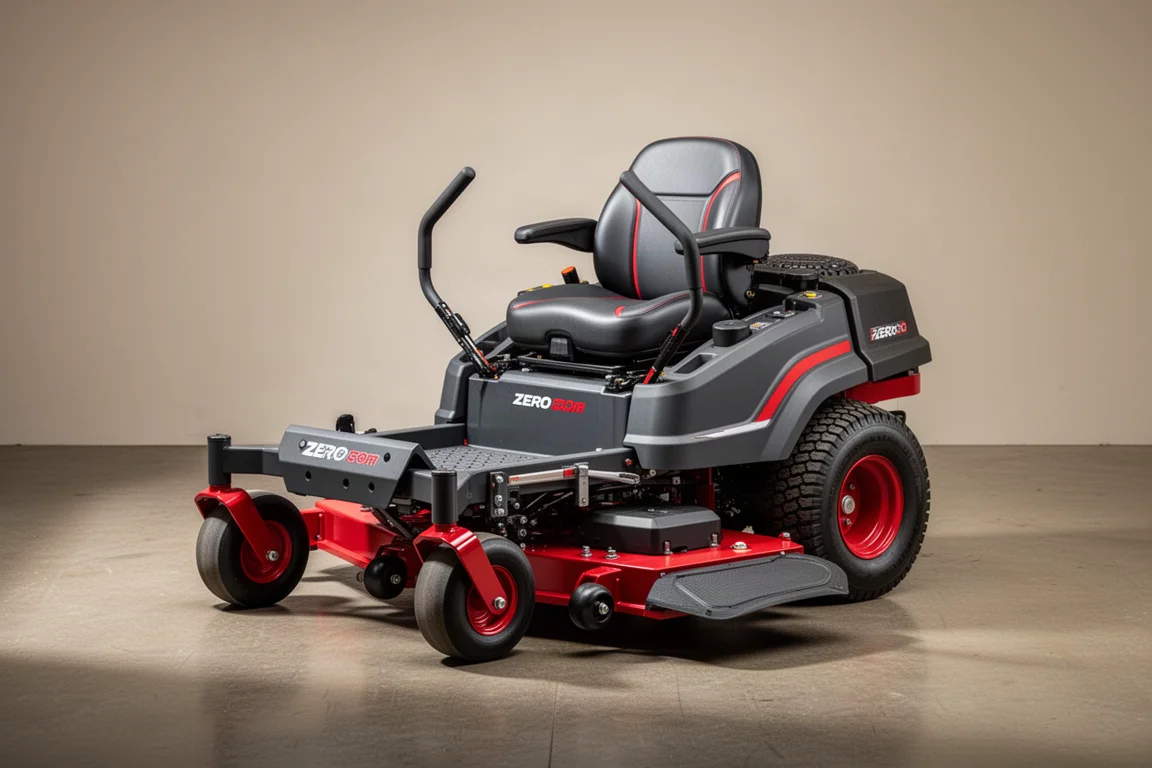
The third machine in that same corporate family is the Cub Cadet, and the build quality is a clear step up. At around $3,500, roughly $400 more than the budget pair, you get a 22 horsepower Kohler 7000 series engine at 725cc without the EFI complication, a twin-blade 42 inch deck, a three-gallon fuel tank, and a three-year bumper-to-bumper warranty on the whole machine.
It even has a partial roll structure at the rear that may offer a little protection, and the overall stance looks almost prosumer. The signature yellow paint will not be for everyone, but if you can wait for a sale, this is one of the strongest all-round packages in the group.
Familiar Green: John Deere 42-Inch 21.5 HP V-Twin Zero Turn
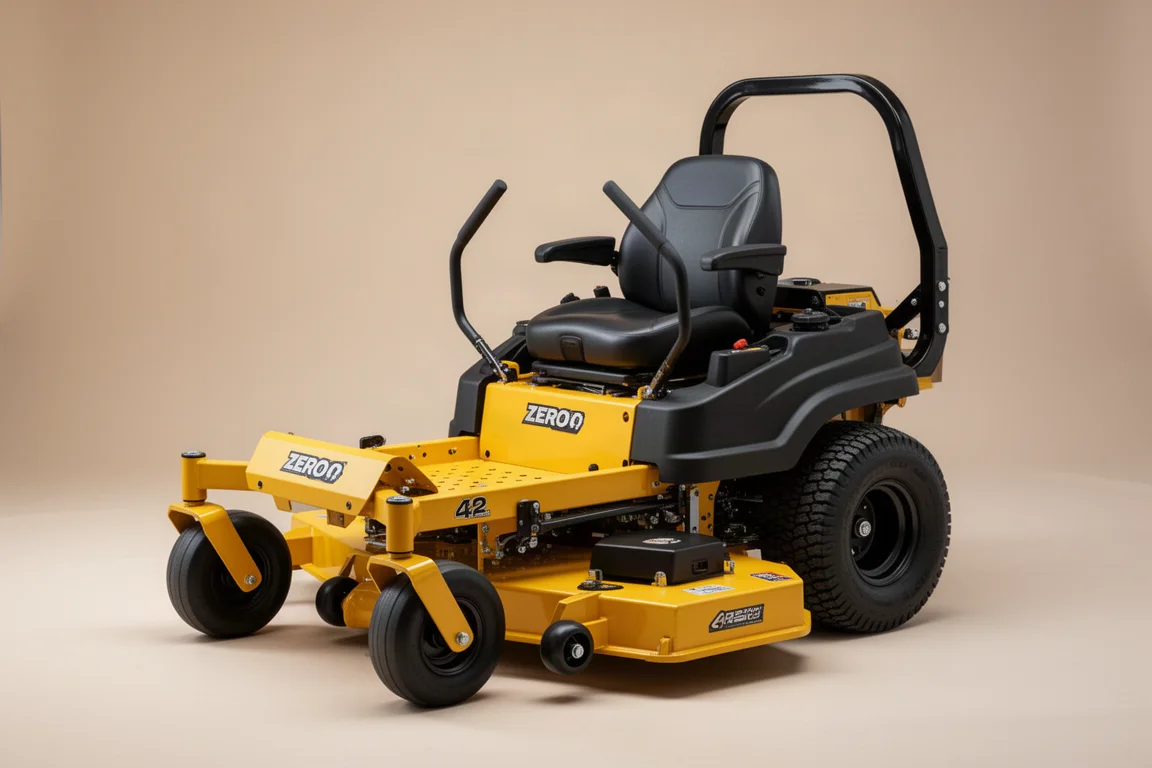
John Deere’s entry zero turn at around $3,500 offers a 42 inch deck, a 21.5 horsepower Kawasaki V-twin, a 20 inch high-back seat, a seven-mile-per-hour top speed, and a three-year or 200-hour warranty. If anybody knows how to build a V-twin, it is Kawasaki, and this is the only Kawasaki engine in the group.
Two caveats are worth knowing. First, John Deere brands its engines rather than specifying them, so confirm at purchase that the machine actually carries the Kawasaki unit you expect. Second, the 200-hour cap is real, so a warranty that looks generous on paper has a ceiling. The build also reads as more conventional than the Cub Cadet’s robust stance.
Best Value Overbuild: Bad Boy 54-Inch Zero Turn
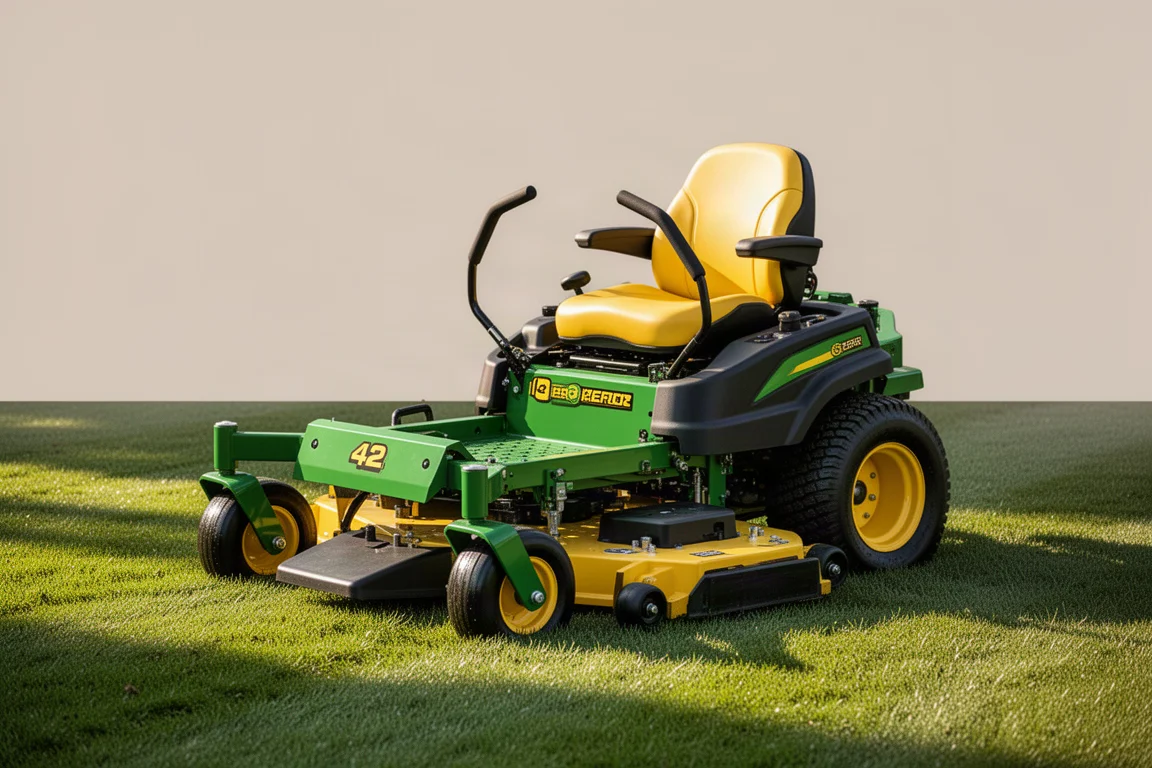
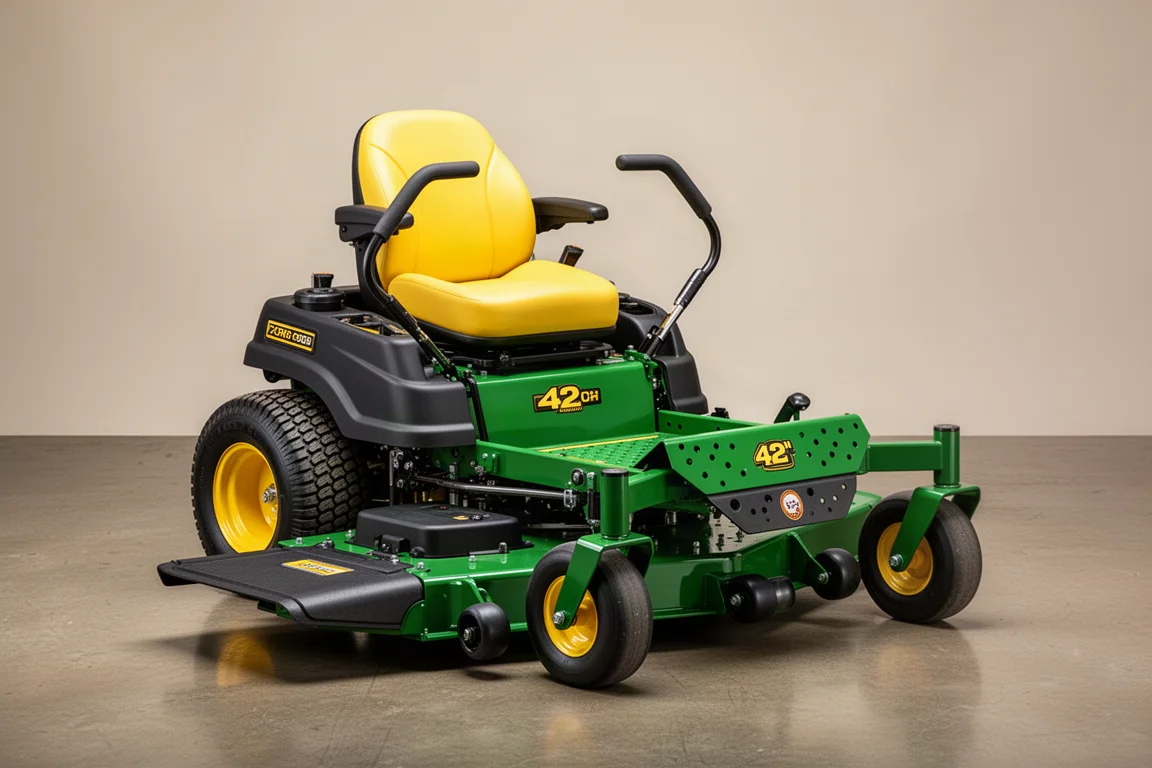
At a sale price around $3,600, down from a $4,000 list, the Bad Boy is arguably the best buy in the group. You get a 54 inch deck, a 22 horsepower Kohler KT725 rated as part of the commercial series in a consumer package, a heavy-gauge all-steel welded frame, and a seven-gauge all-steel formed and welded deck with reinforced edges that is described as the heaviest built in its class. A five-gallon fuel capacity rounds it out.
The whole thing has the look of a fabricator’s overbuilt passion project, in a good way. The main compromise is a two-year limited warranty, which is shorter than most of the group. Even so, at this price with this much machine, it is hard to argue against.
Prosumer Power: Husqvarna 48-Inch Zero Turn
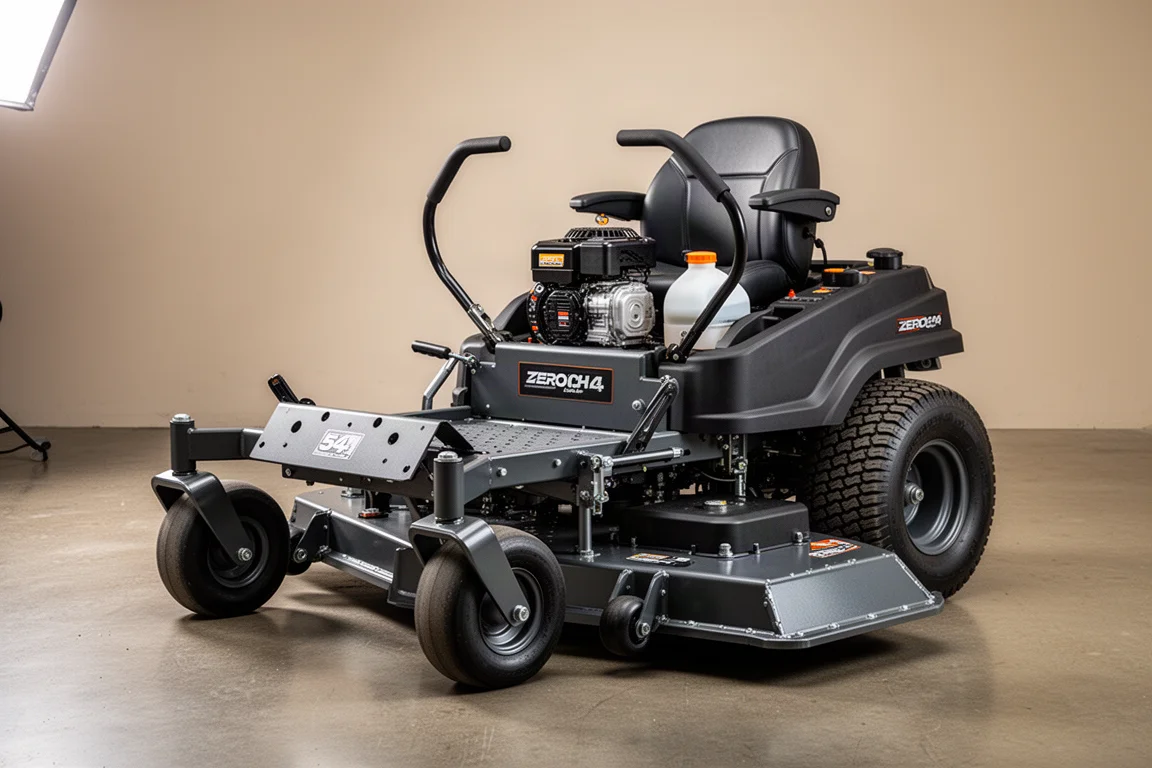
The Husqvarna steps things up again with a 747cc, 26 horsepower engine, a 48 inch fabricated 10-gauge steel deck, LED lights, and a three-year bumper-to-bumper warranty. It is rated for two to three acres, and that estimate feels right.
The deck bolts together rather than welding into one piece, so it will not match the rigidity of the Bad Boy’s fully welded construction, and it gives up six inches of deck width. But the engine output is a genuine jump, and at roughly $3,700 through the retailer’s cart pricing, it sits in a very competitive spot against the Bad Boy.
Going Electric
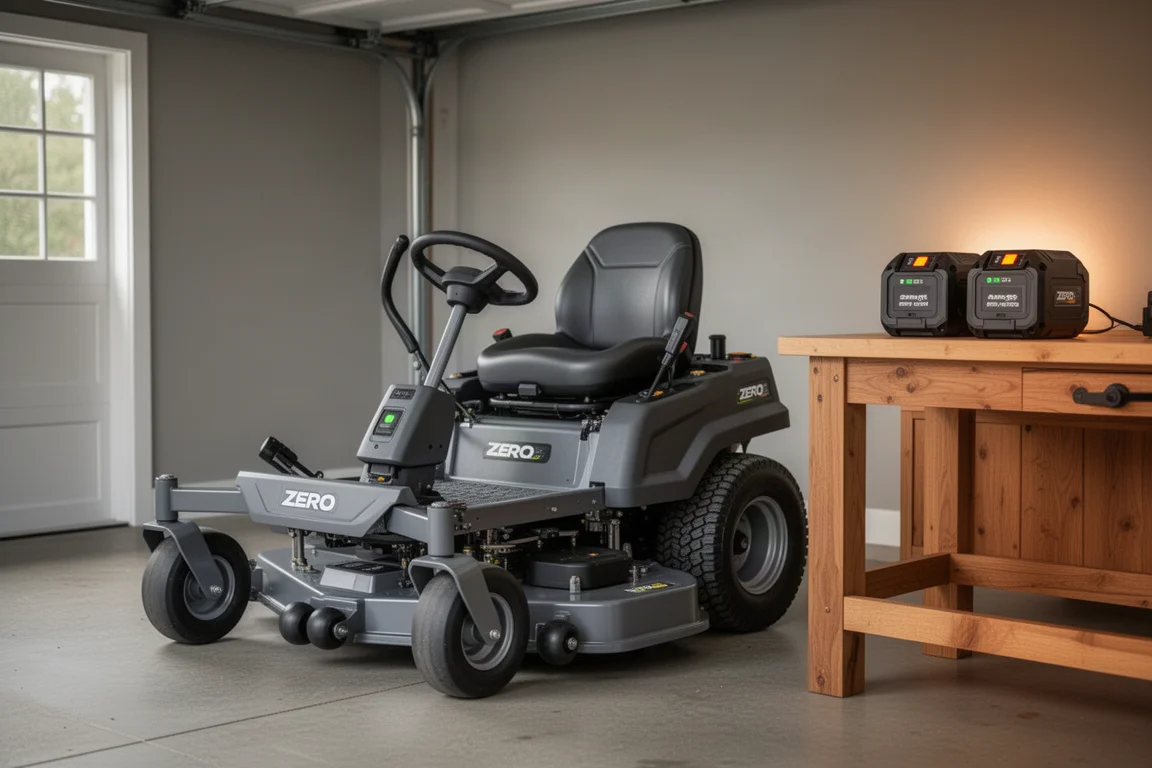
Gas technology is not improving in leaps and bounds, but batteries are. Electric has already taken over push mowers for most people, and the riding segment is getting close. Three machines show where it stands today.
Ryobi 42-Inch Electric Zero Turn
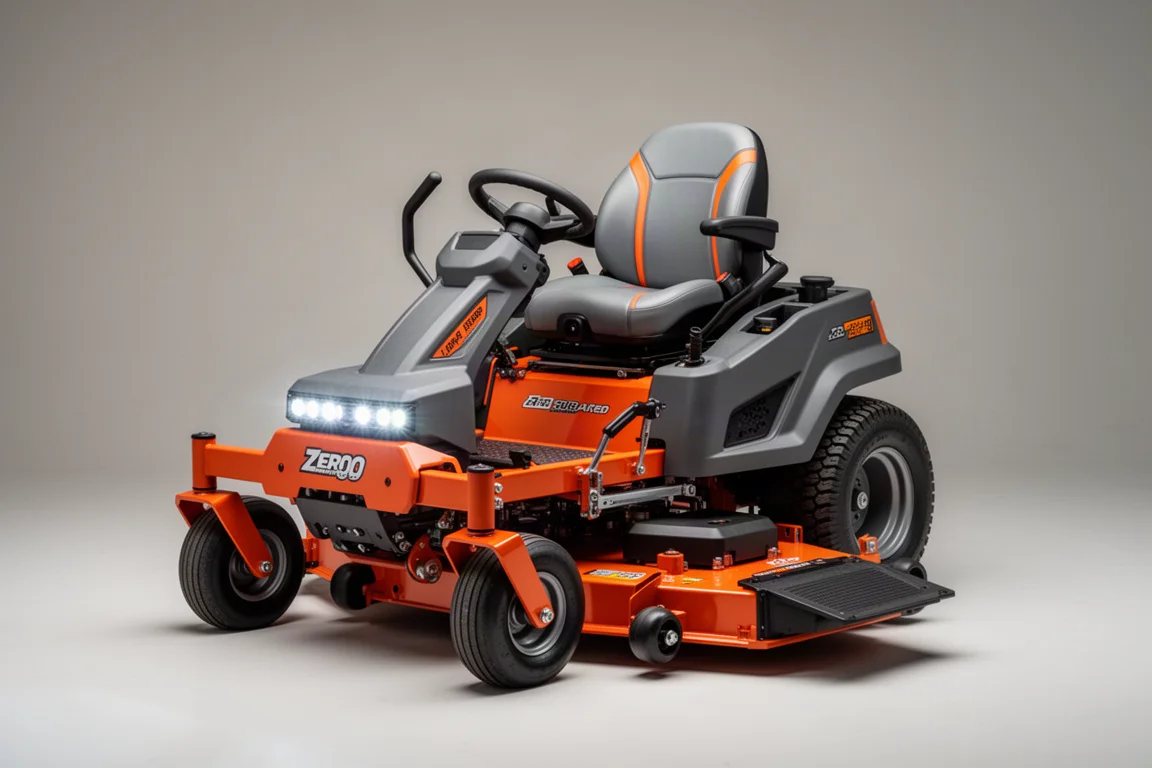
The Ryobi comes in around $3,700 on what is effectively its everyday price, $300 above the top gas machines, and delivers a 42 inch deck, brushless technology, plenty of controls and displays, low maintenance, and a three-year warranty. No gas, no oil, no tune-ups.
The catch is the batteries: nowhere in the spec sheet does it say lithium-ion, because it is not. It uses lead acid, which dislikes being parked unattended all winter. With a conditioner and basic attention it is fine, and a replacement battery at around $239 is not painful next to lithium prices, but it is a detail you absolutely need to know before buying.
EGO 56V 42-Inch Zero Turn
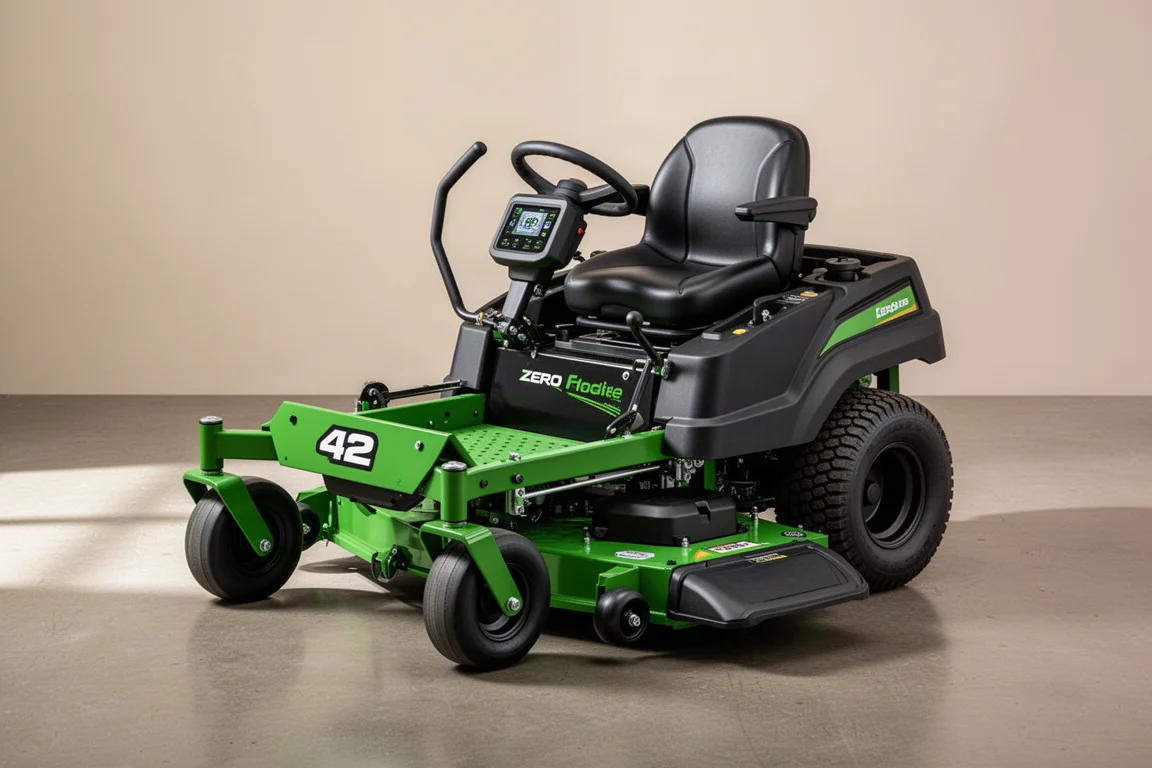
The EGO has long been the benchmark for battery outdoor power equipment, and its 56 volt, 42 inch zero turn continues that. It rides smoothly, runs quietly, and its battery packs can be pulled out and stored safely over winter. Better still, those batteries work across the wider EGO outdoor range, from blowers to trimmers, with even third-party mods appearing for e-bike use.
At $5,000 it is the most expensive machine here, but it is arguably the best battery technology in the category.
Greenworks 60V 42-Inch Zero Turn
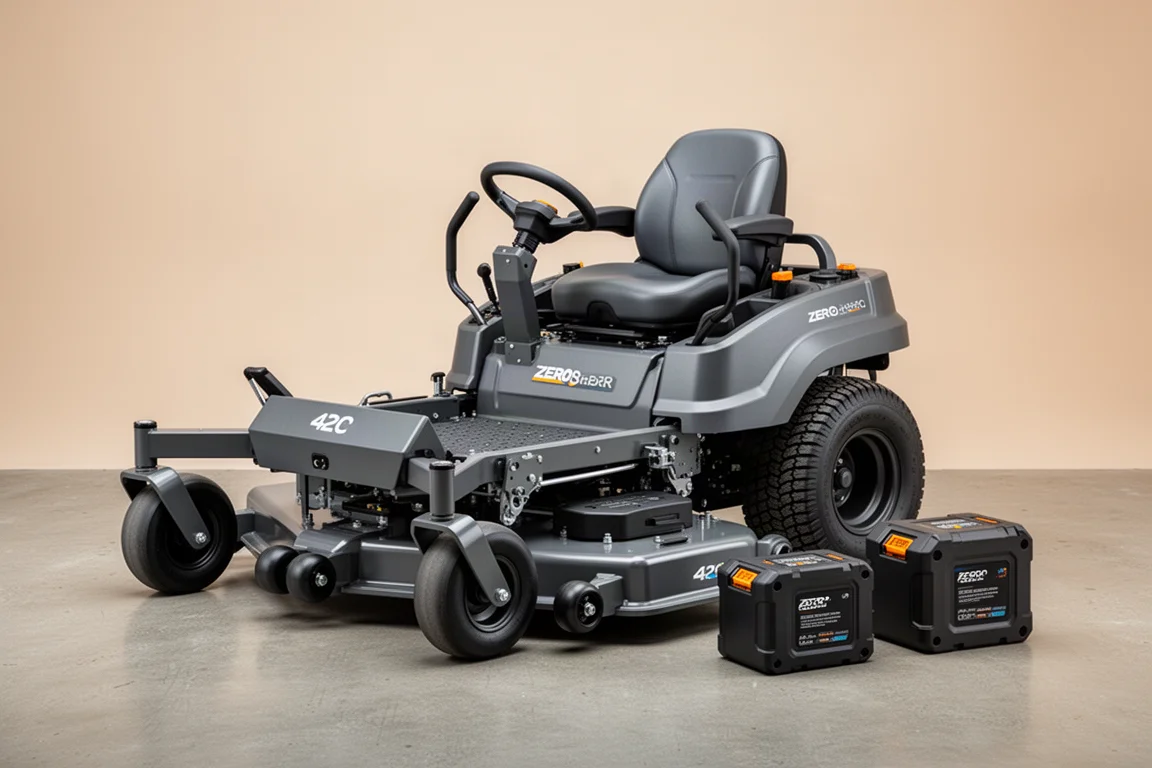
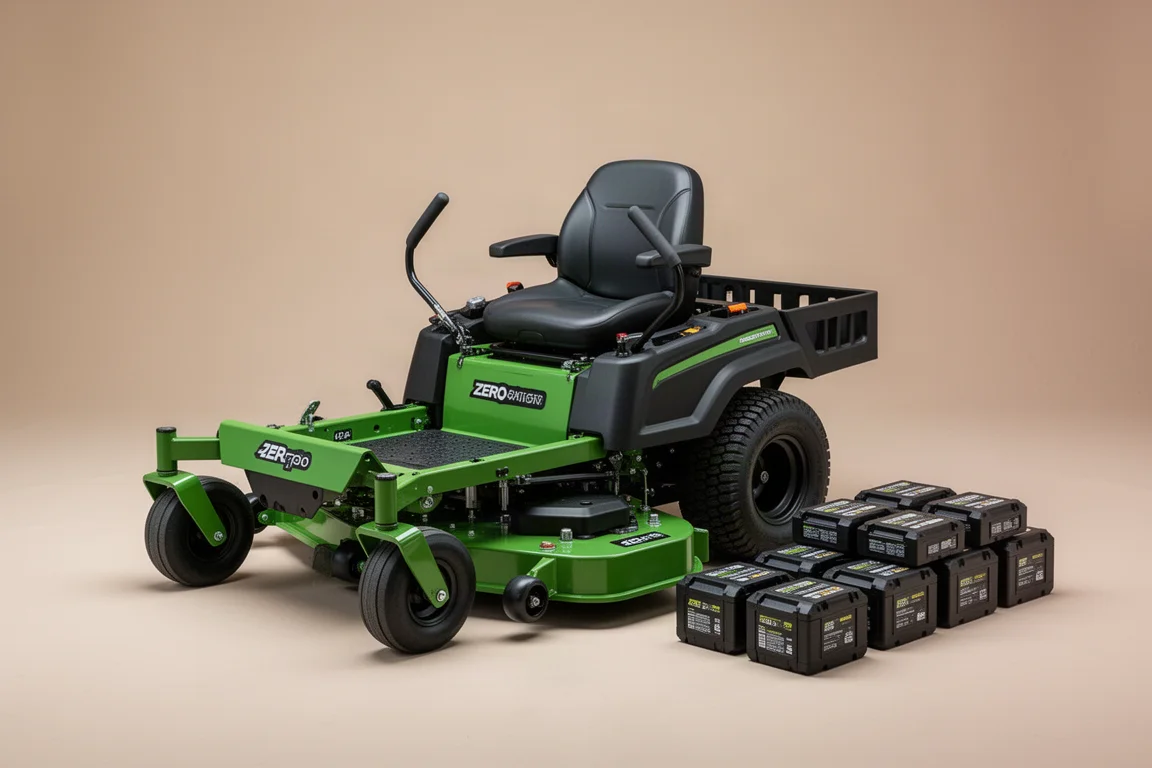
Then Greenworks changed the math. At $4,000, with six 8Ah batteries included that also power the rest of the 60 volt outdoor lineup, it undercuts the EGO by a full grand. It is rated at 24 horsepower equivalent, hits eight miles per hour, includes an app-based tracking feature if anyone tries to steal it, and even has a small cargo bed at the rear so it can double as a light-duty hauler around the property.
Claimed runtime is 2.5 acres per charge, with real-world reports landing closer to 1.5 to 2 acres. When the charge runs low, it drops into a limp mode so you can ease back to the garage instead of getting stranded mid-field. That $300 gap to the Husqvarna is the most interesting comparison in this whole list.
Buying Advice
If you want the lowest entry price, the Troy-Bilt Mustang’s 22 horsepower output is strong for the money. If you want reliability and simple servicing, the Craftsman with its non-EFI Kohler is the safer call. If you can stretch a little, the Cub Cadet is a clear build-quality jump, and the Bad Boy is the outright value play with the most heavily built deck in the group. Between the two prosumer gas machines, the Husqvarna brings more engine while the Bad Boy brings more deck.
On the electric side, the Greenworks is the most compelling new argument: near-EGO capability at $1,000 less, with a shared battery ecosystem. The EGO remains the premium choice if battery technology is your priority, and the Ryobi only makes sense if you accept its lead acid reality.
Conclusion
Entry-level zero turn mowers are no longer a contradiction. For around $3,000 to $3,700 you can get a dependable gas machine with a proven V-twin, and for around $4,000 you can skip gas entirely with a battery platform that fits the rest of your yard tools. Match the deck size and engine to your acreage, confirm exactly which engine is installed before you pay, and one of these nine will do the job without regret.
Further reading
Related Reviews

Lawn Care
Best Robot Lawn Mowers 2026: 13 Models Tested for Real-World Performance
We tested 13 robot lawn mowers across battery life, cut quality, navigation, object avoidance, and edging to find the best options for different yards and budgets.

Lawn Care
DeWalt 21-Inch 196cc RWD Self-Propelled Lawn Mower Review
A closer look at a gas-powered self-propelled mower with a commercial-grade engine, variable speed drive, and three-in-one cutting flexibility.
Lawn Care
Best Battery-Powered Self-Propelled Lawn Mowers: 10 Flagship Cordless Models Compared
Ten flagship cordless self-propelled mowers from DeWalt, Echo, Ego, Greenworks Commercial, Makita, Milwaukee, Ryobi, Skil, Stihl, and Toro, compared on build, ergonomics, noise, and runtime.