Hand Tools
Best Electrician's Hammers Compared: Wiha, Greenlee, Southwire, Klein and Milwaukee
Five hammers built for electrical work, each with different strengths, from long-reach heads and Romex staple pullers to lanyard ports and classic lineman designs.
Introduction
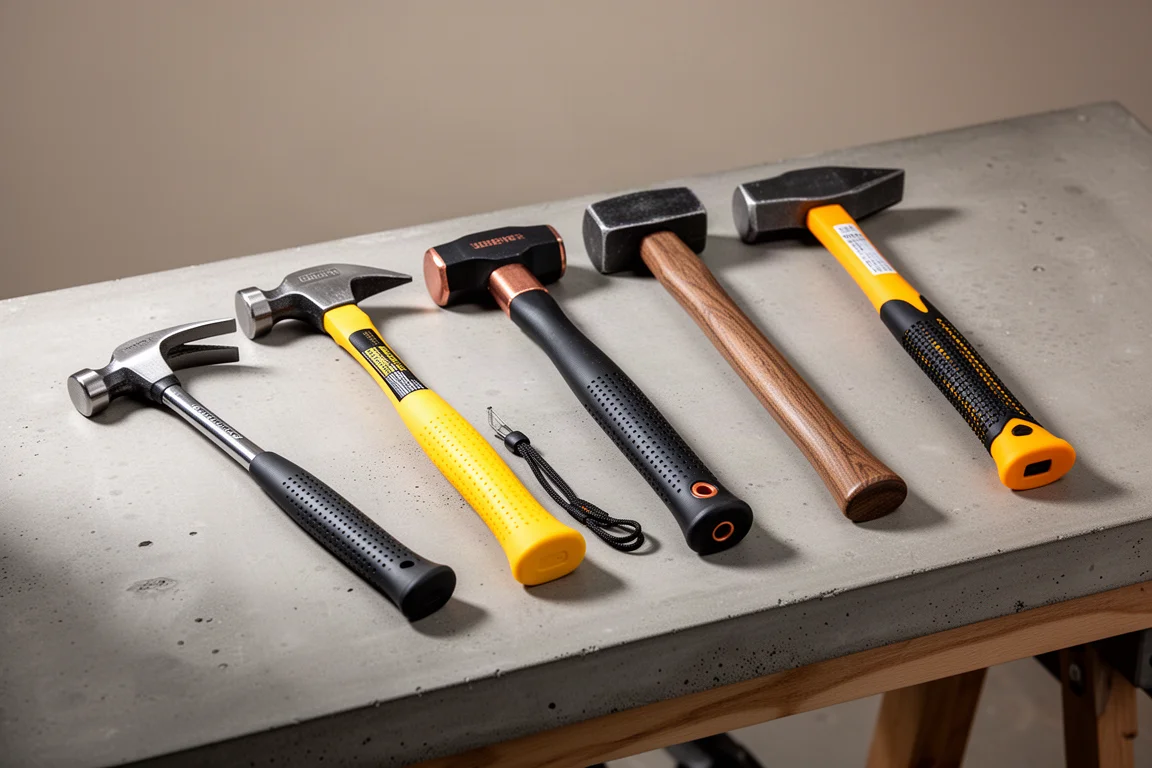
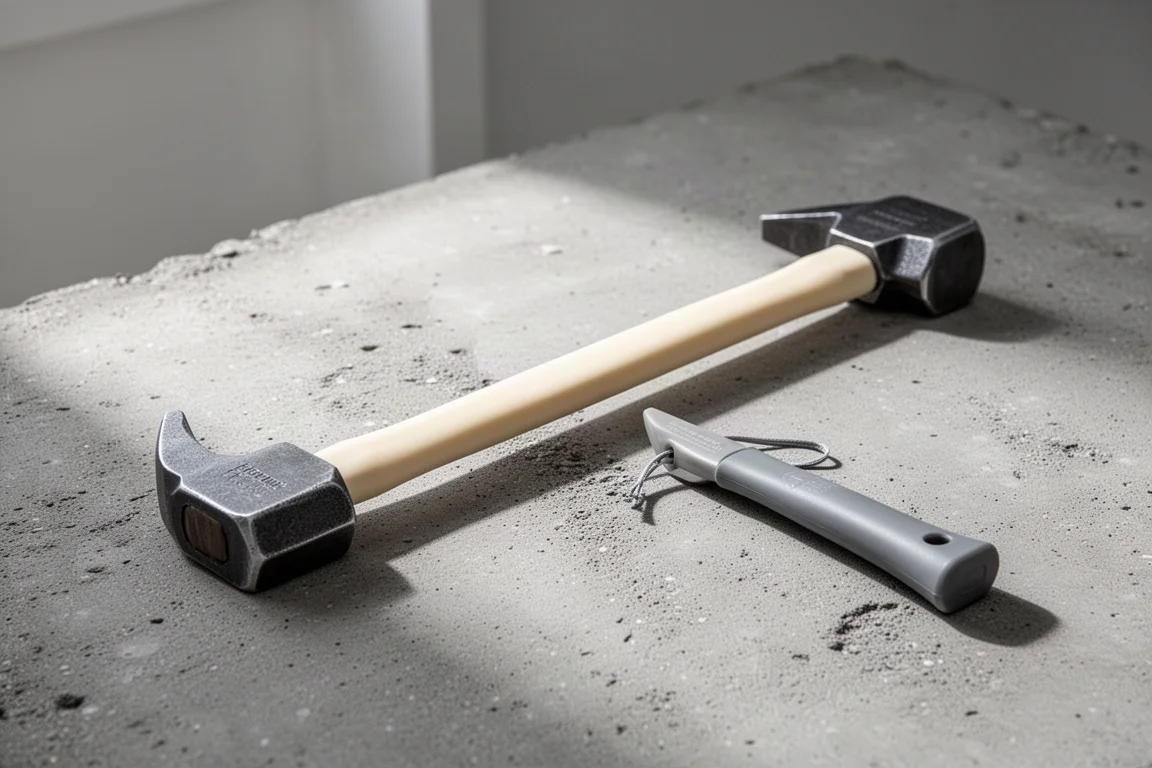
Electrician’s hammers are one of those tool categories that look almost identical to a regular claw hammer until you put them side by side. The head positions, claw angles, and reach are all tuned for working inside boxes, between studs, and around tight corners. We compared five options: the Wiha electrician’s hammer, the Greenlee electrician’s hammer, the Southwire electrician’s hammer, a classic Klein lineman hammer, and Milwaukee’s lineman hammer.
Why Electrician’s Hammers Are Different
Most standard claw hammers keep the head close to the center line of the handle. Electrician’s hammers do the opposite: they push the striking face further out front so you can reach into boxes, between studs, or around other obstructions without needing as much clearance for the handle.
The claws also tend to be straighter than a conventional hammer. They are used for getting into spots, moving things around, and yes, pulling nails, but the flatter claw angle means the handle does not have to swing far into your work area. A steeply bent claw, like the one on an old leather-washer-handle Estwing, has good leverage but demands a lot of room for the handle to drop.
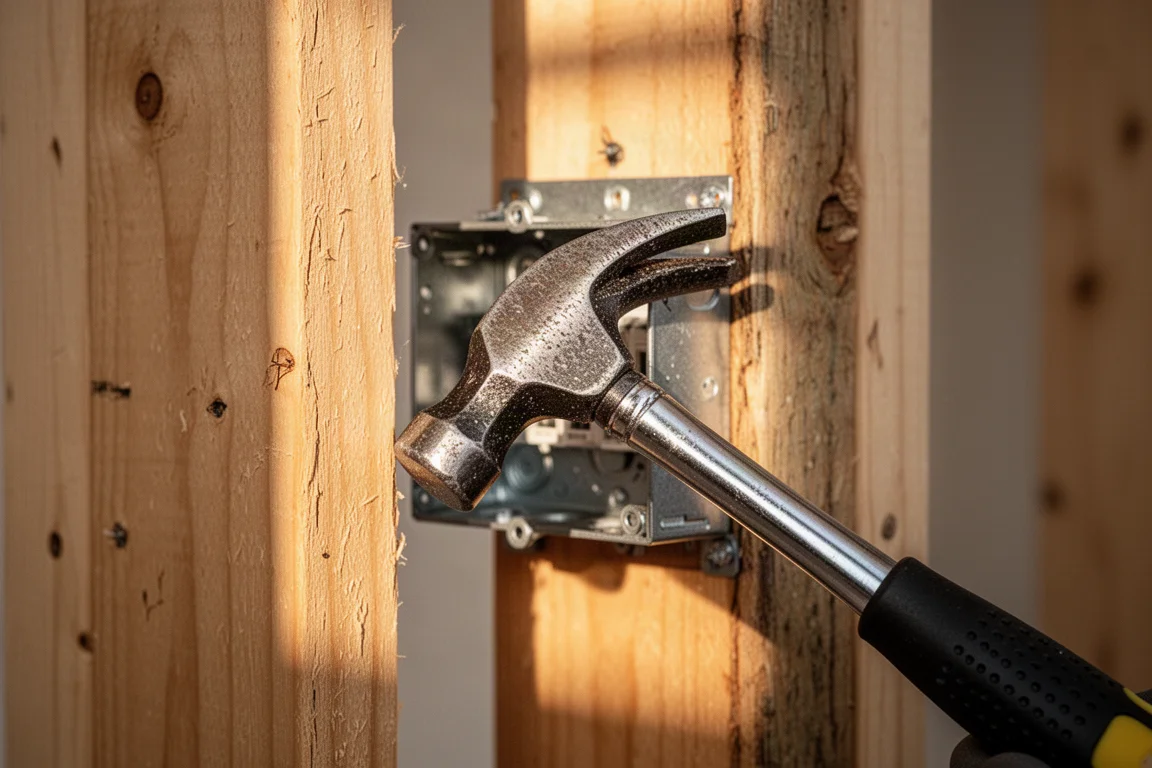
Overstrike protection matters too. Miss with a conventional hammer and you can hammer the handle itself, which is an easy way to bung up a tool that carries a lot of weight near the head.
Wiha Electrician’s Hammer: The Sweet Design That Is Hard to Find
The Wiha electrician’s hammer is a lighter-weight design than most, with pretty much straight forks on the back and a nice flat surface on top so you can get in close to things, especially in corners. It also includes overstrike protection, which helps when a strike lands on the handle instead of the work.
The catch is availability, at least in the United States. It is usually about $50 plus shipping, and online listings often carry a large shipping fee. Sometimes it appears around $100 without the shipping charge, and it shows up frequently on eBay, often from overseas sellers.
Greenlee Electrician’s Hammer: The Long-Nose Workhorse
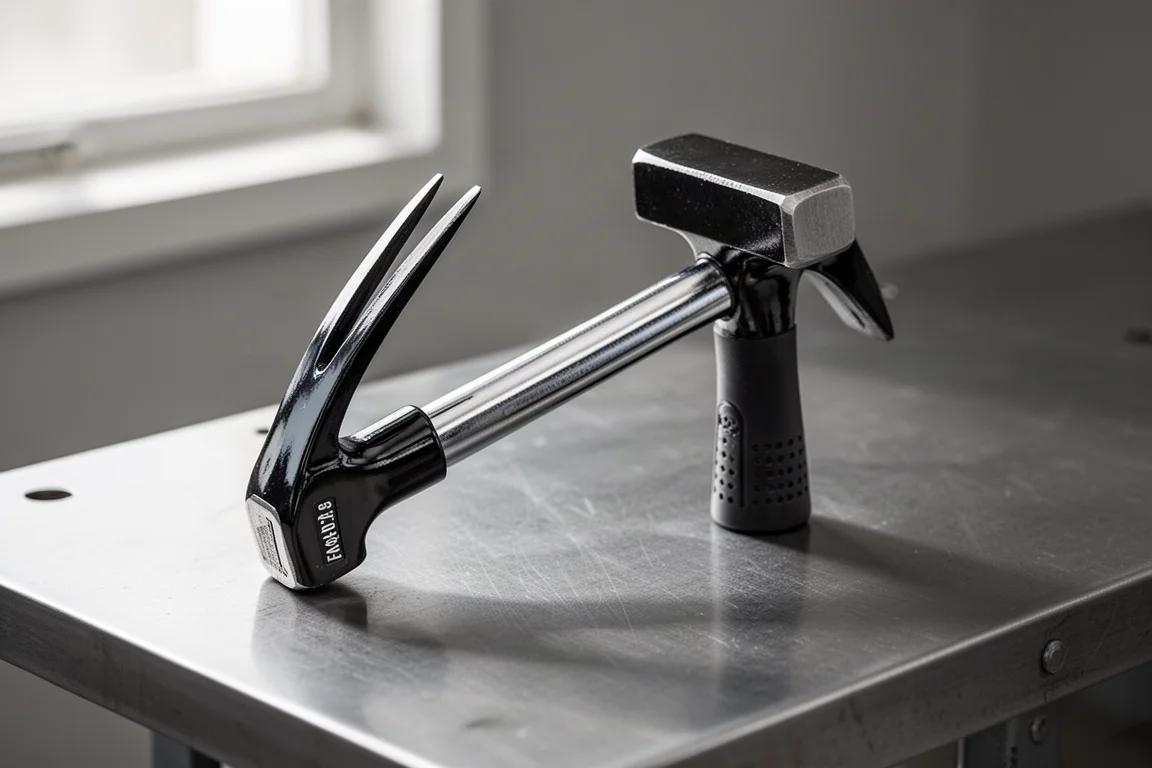
Greenlee makes a lot of electrical equipment and tools, and its electrician’s hammer differs from a standard claw hammer mainly in the front of the head. The nose sticks out quite a bit further than a conventional hammer, which is the whole point: when you are working inside boxes or between studs, that extra length reaches in further where shorter hammers simply cannot.
This version has a fiberglass handle, a slightly shallower bend on the claw, and it is made in China. Acme Tools carries it for about $44, and it weighs 18 oz, the same as the Southwire below.
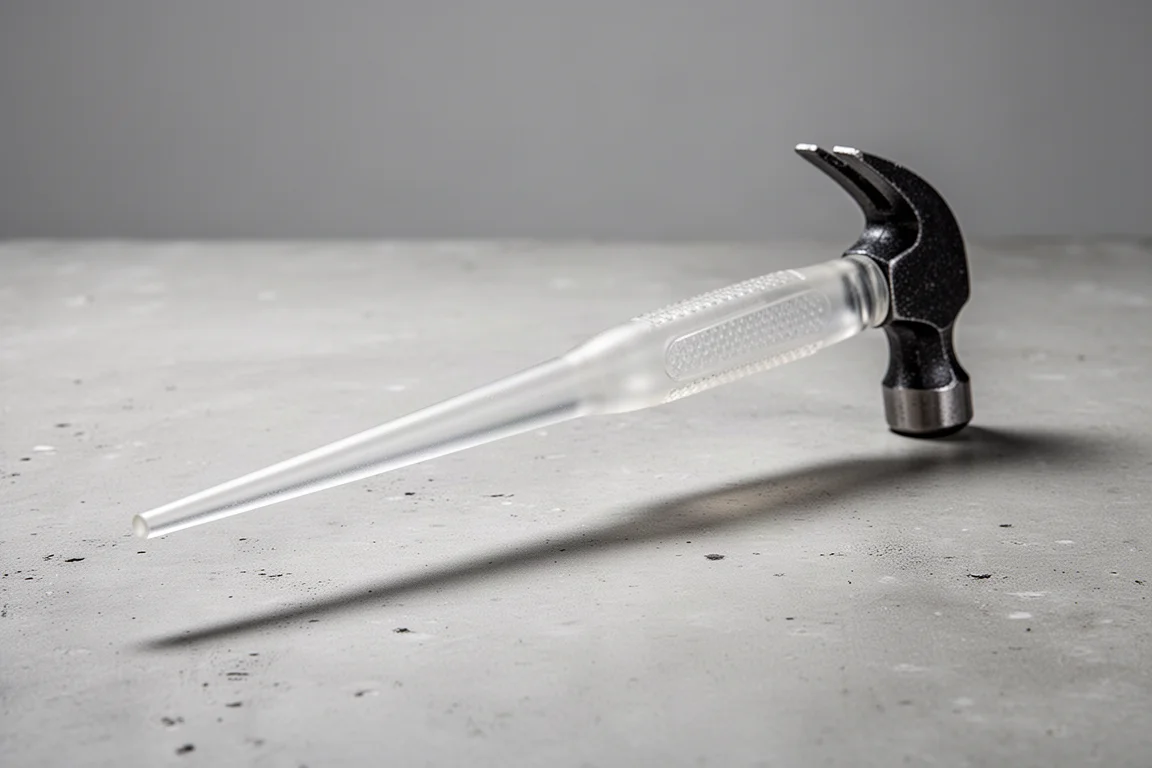
Southwire Electrician’s Hammer: The Feature-Packed Pick
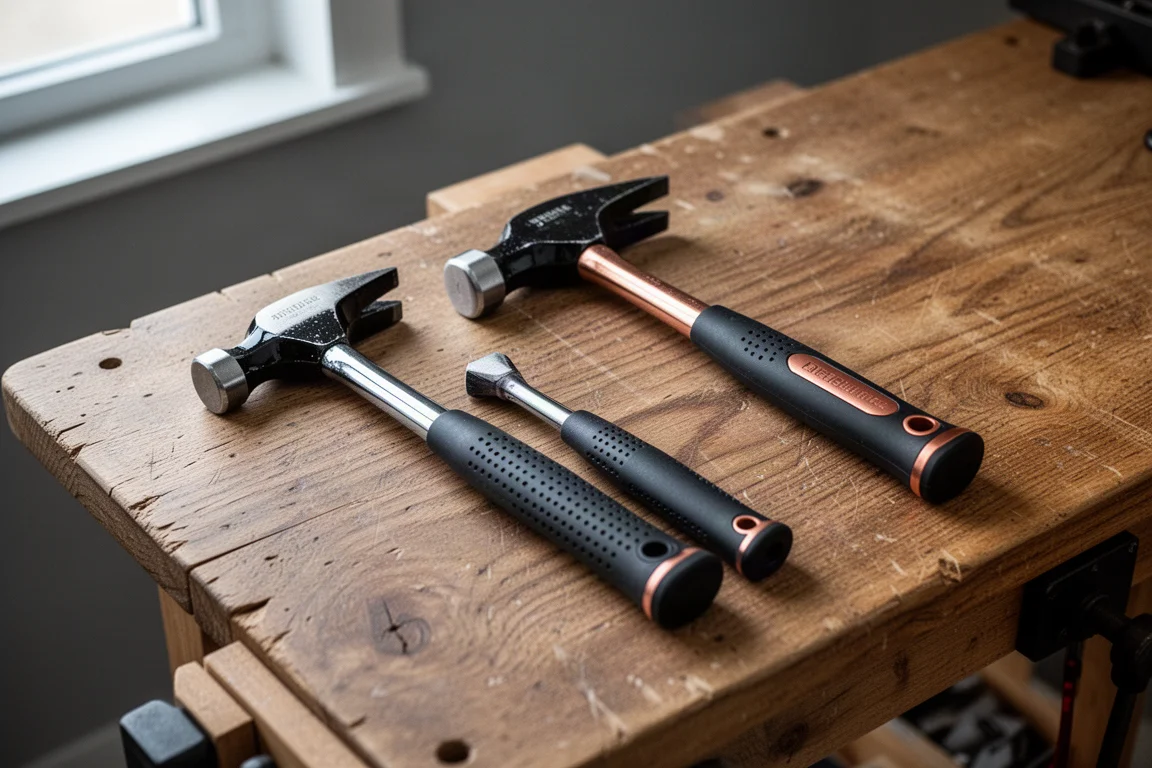
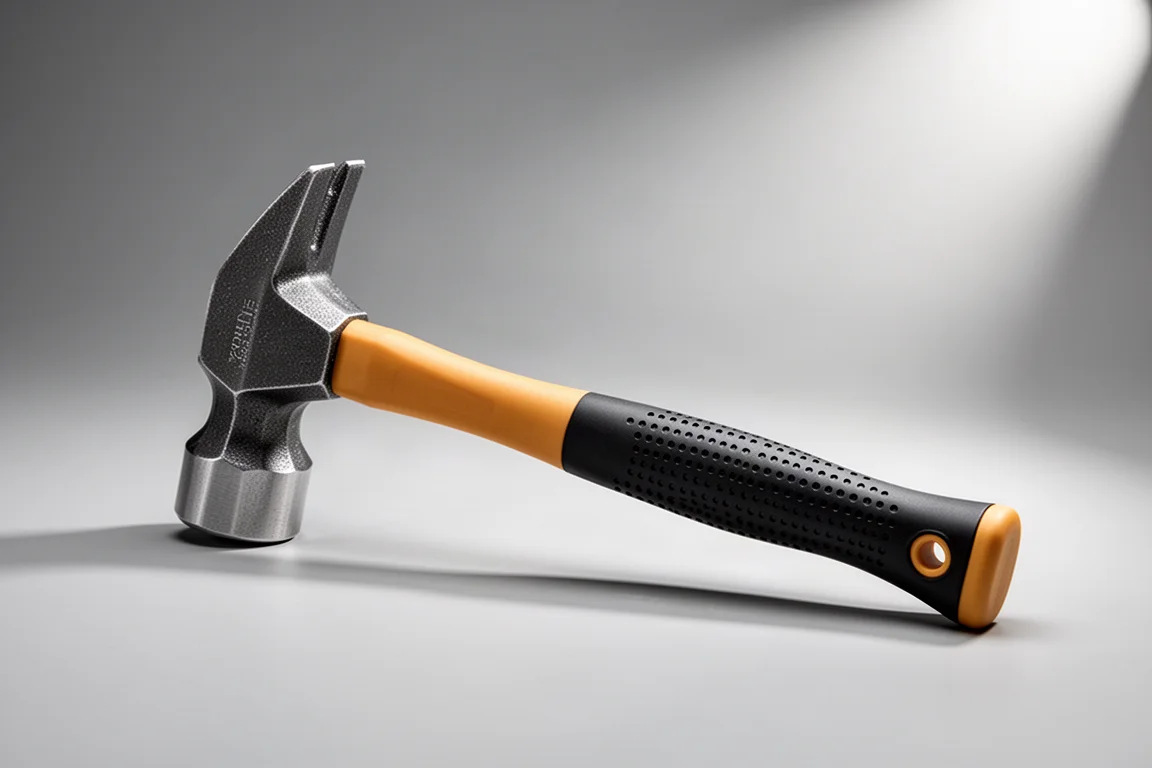
The Southwire takes the formula up a notch. It has a lanyard port or tether hole in the handle, which matters if you are working up high. The head size is very similar to the Greenlee, it is also 18 oz, and it is also made in China, but the finish is blacked out with copper accents and the handle is a little longer, which made room for that hole in the bottom.
Line up the heads center to center with a conventional hammer and the Southwire has almost an extra inch sticking out the front, useful whenever you run into an obstruction. The standout feature, though, is the pair of Romex staple pullers: fine points that can get under a staple, pull wire, or handle a lot of other tasks beyond the rear nail puller.
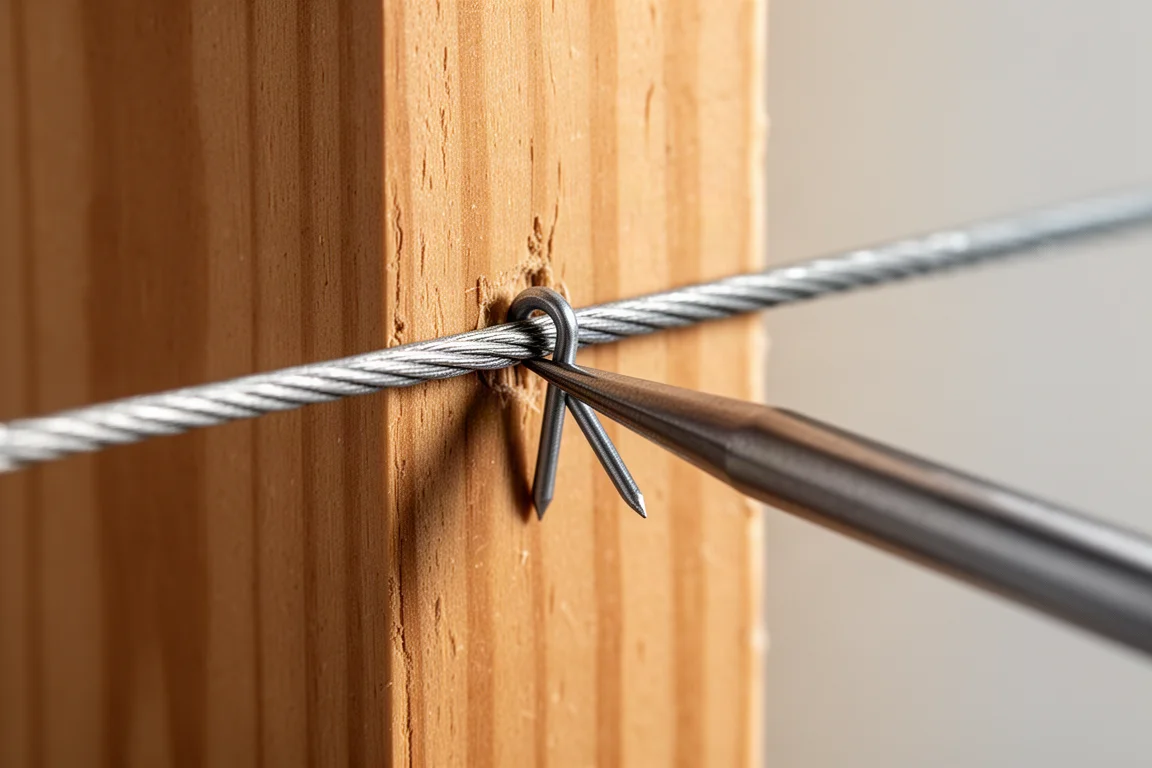
It is also the easiest to buy. It sells for $23 at Home Depot online, and the same $23 on Amazon, likely fulfilled through Home Depot given the identical pricing.
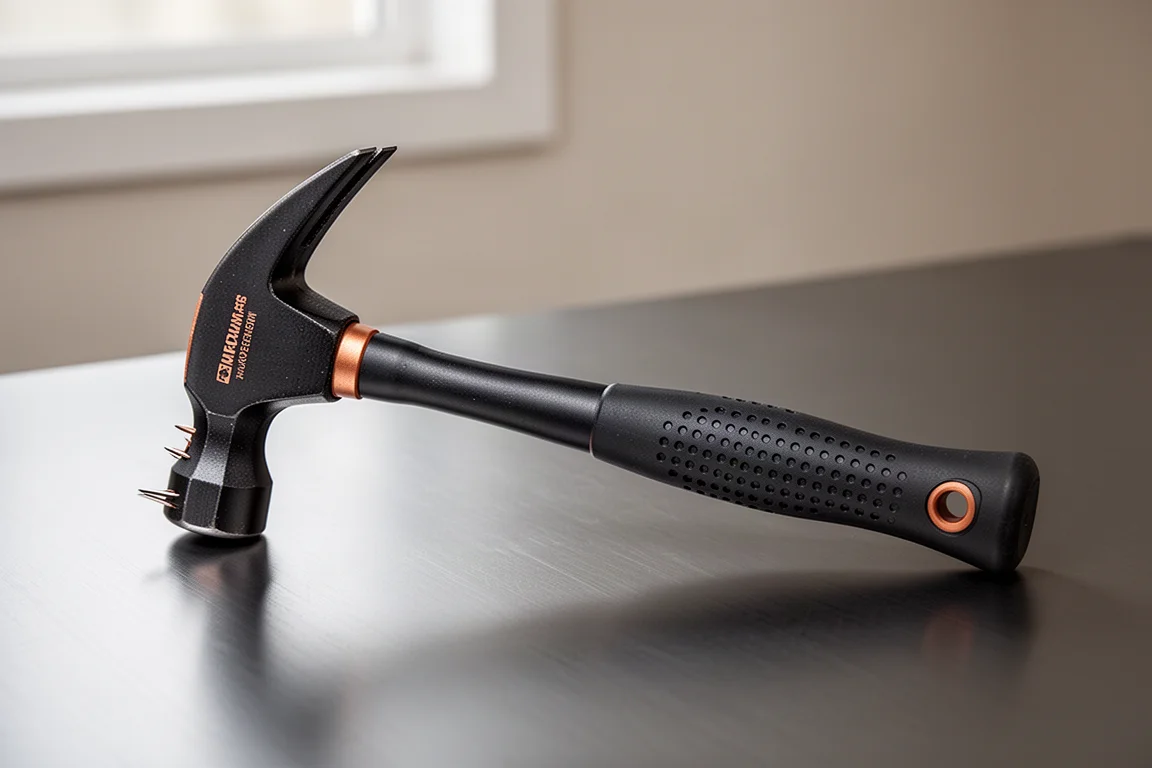
Lineman Hammers: Klein and Milwaukee
Lineman hammers are definitely electrical hammers, and they show a different side of the category. The older Klein here is nice and long, almost like a little tiny sledgehammer, with a fiberglass handle that holds up well to missed strikes. One thing it lacks is a lanyard hole, so keep that in mind if you work at height.
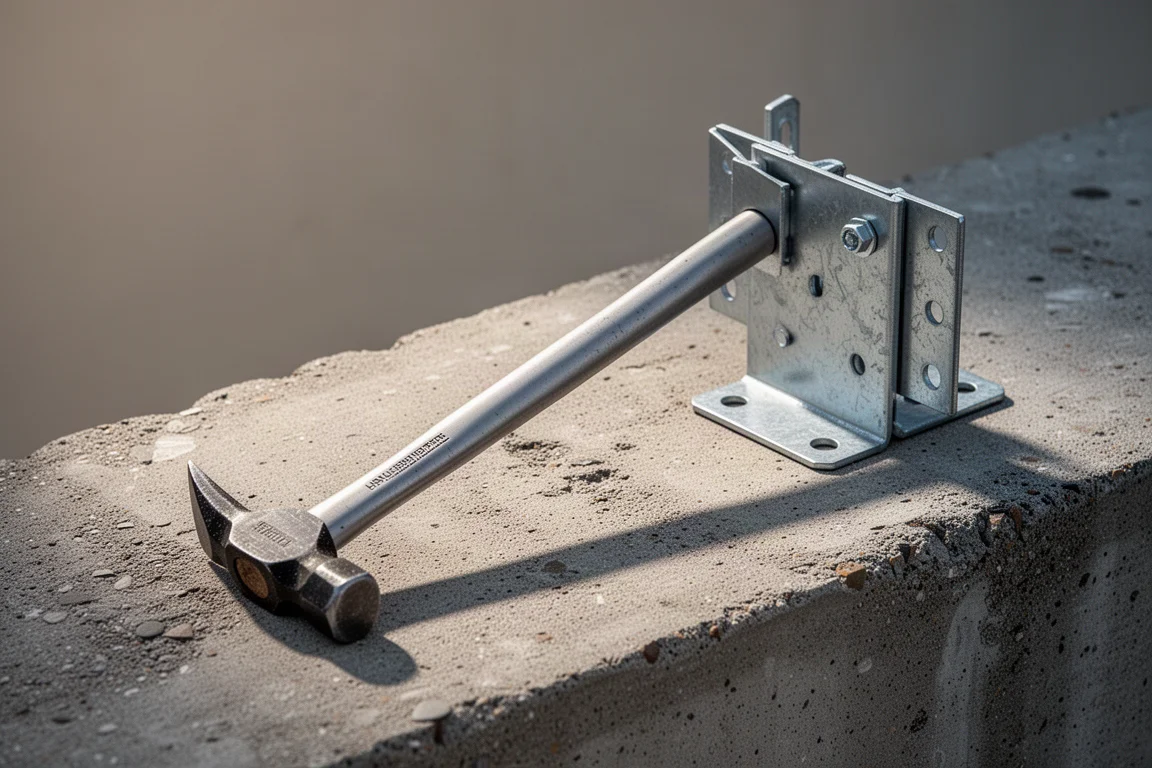
Milwaukee’s lineman hammer offers a few more features. It is a solid chunk of a tool with what feels like a nylon-reinforced fiberglass handle, a somewhat newer design, and it does include the lanyard hole that the earlier Klein lacks.
Buying Advice
If you want the most refined electrician’s hammer design and do not mind hunting for it, the Wiha is the one, but budget for shipping or accept a higher price. If you want a proven long-nose design from a trusted electrical brand, the Greenlee at around $44 is a solid choice. For pure value, the Southwire at $23 is hard to beat: it adds a tether port, a longer handle, and Romex staple pullers on top of the long-reach head. If your work leans toward utility and linework rather than indoor rough-in, the Klein and Milwaukee lineman hammers bring more striking mass, with Milwaukee adding the lanyard hole.
Conclusion
Electrician’s hammers trade a little conventional styling for real access in tight spots, and each of these five takes a different approach to that problem. Match the tool to your work: reach and refinement for the Wiha, long nose for the Greenlee, features and value for the Southwire, and heavy-duty striking for the Klein and Milwaukee lineman hammers.
Further reading
Related Reviews
Hand Tools
Best Diagonal Cutters 2026: 16 Pliers Tested for Cutting Power and Durability
We put 16 diagonal cutters through nail, screw, drill bit, and hex key tests to find the best value picks for your toolbox.
Hand Tools
Best Hex L Key Sets 2026: Nine Sets Tested for Real-World Torque
Nine hex L key sets from budget to premium, tested for torque, fit, and durability. See which sets deliver real performance and which ones to skip.
Hand Tools
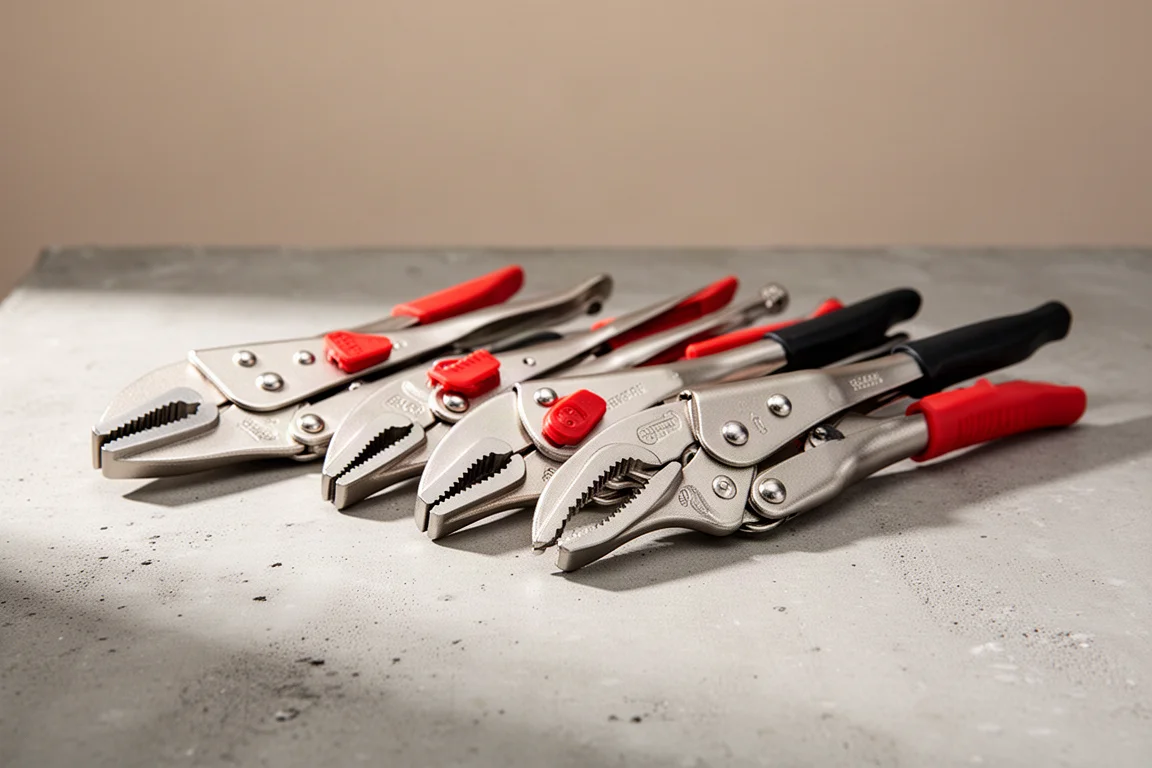
Best Locking Pliers 2026: Top Picks Tested for Grip and Durability
We tested 18 brands of 10-inch locking pliers for grip strength, jaw bite, build quality, and ease of release to find the best options for tough jobs.