Everyday Carry
Building the Perfect EDC Toolkit: 9 Essentials Worth Packing
From the Knafs Tool Burrito to Loctite 248, here are the gear maintenance essentials that make a compact EDC toolkit genuinely useful.
Introduction
A good EDC toolkit is not a bag of everything. The best ones are compact, focused, and built around light-duty jobs: tightening a pivot, cleaning a blade, popping a scale, or tearing down a box. After years of overlapping tool kits and knife maintenance kits, a sensible single kit has narrowed down to a set of essentials that all share one trait: multiple uses. Here are the pieces worth packing.
The Foundation: Knafs Tool Burrito
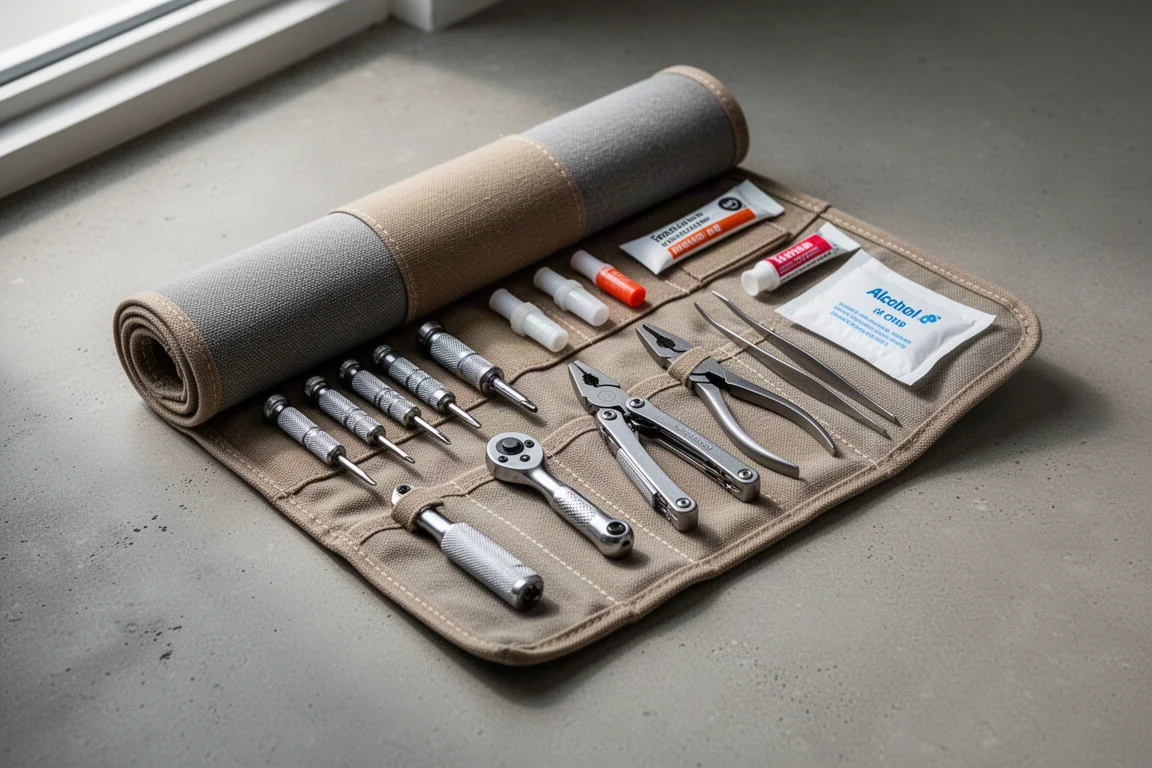
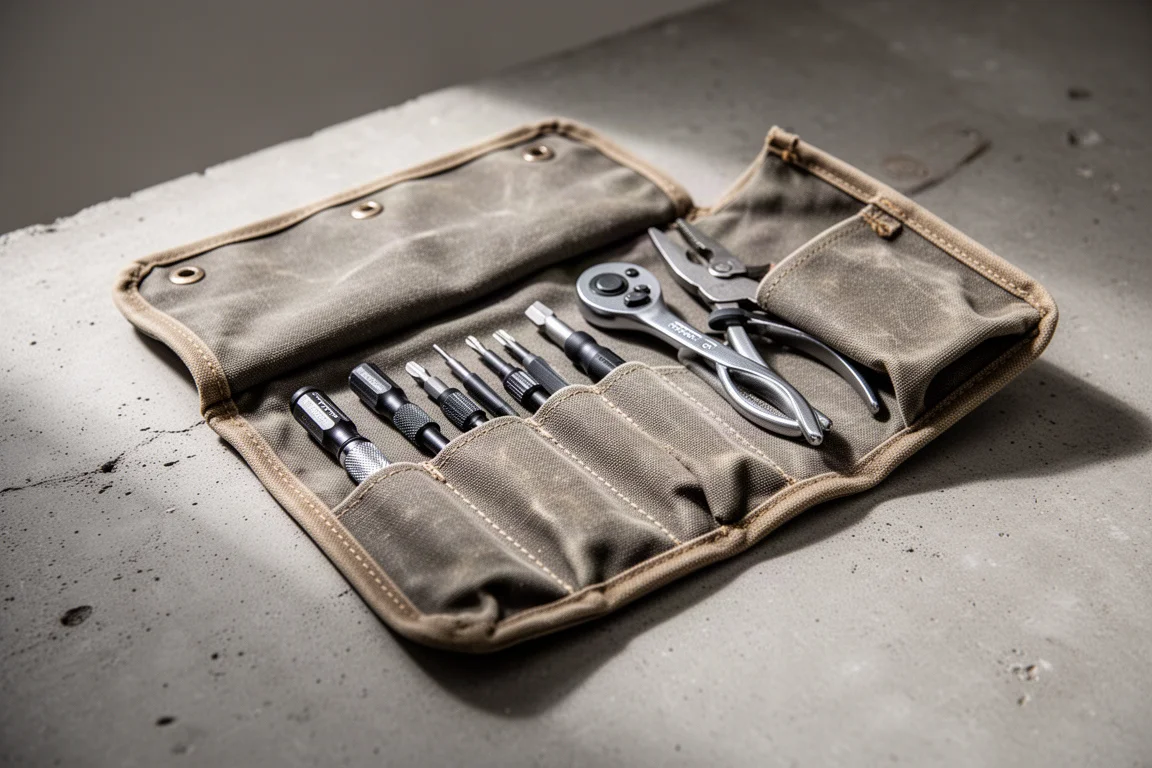
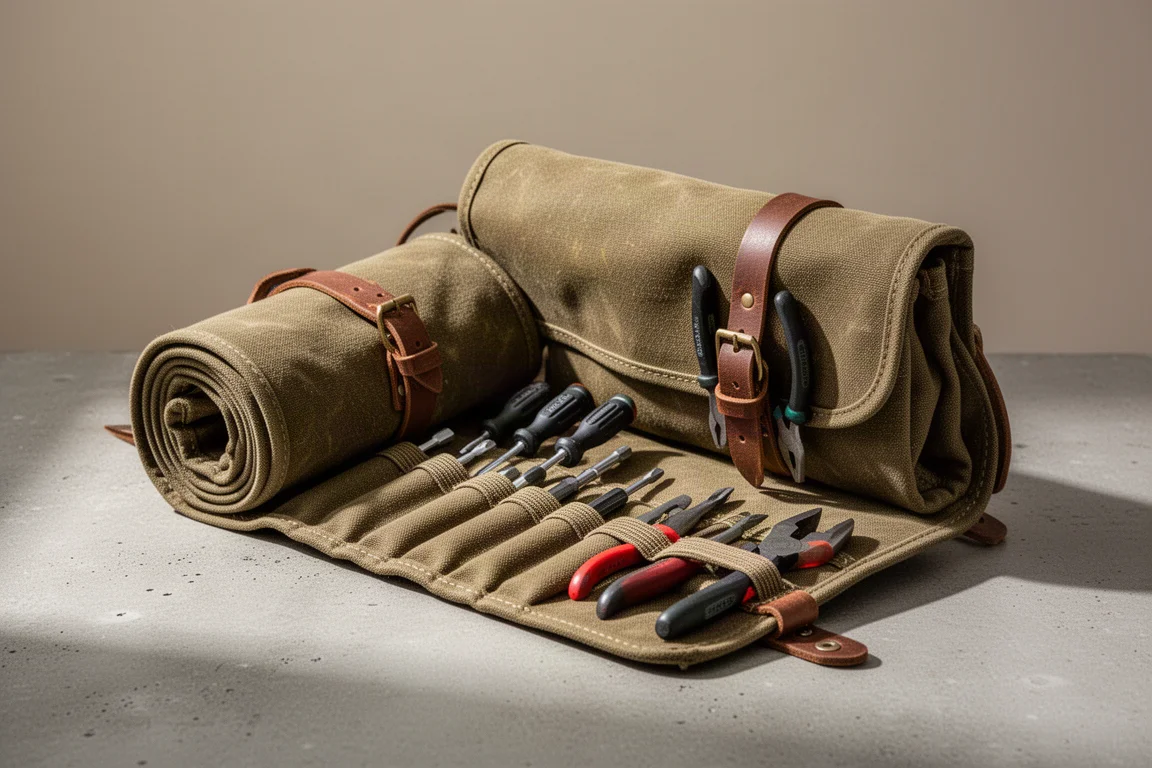
Every kit needs a home, and the Knafs Tool Burrito is one of the best value tool rolls available. Loaded, it is genuinely hard to beat at the price point, and this one has swelled to full “Chipotle burrito” status, bursting at the seams with everything needed to maintain knives, cameras, and other gear. It holds everything that gets used regularly without becoming a full truck-style tool bag.
Pliers and Precision Drivers
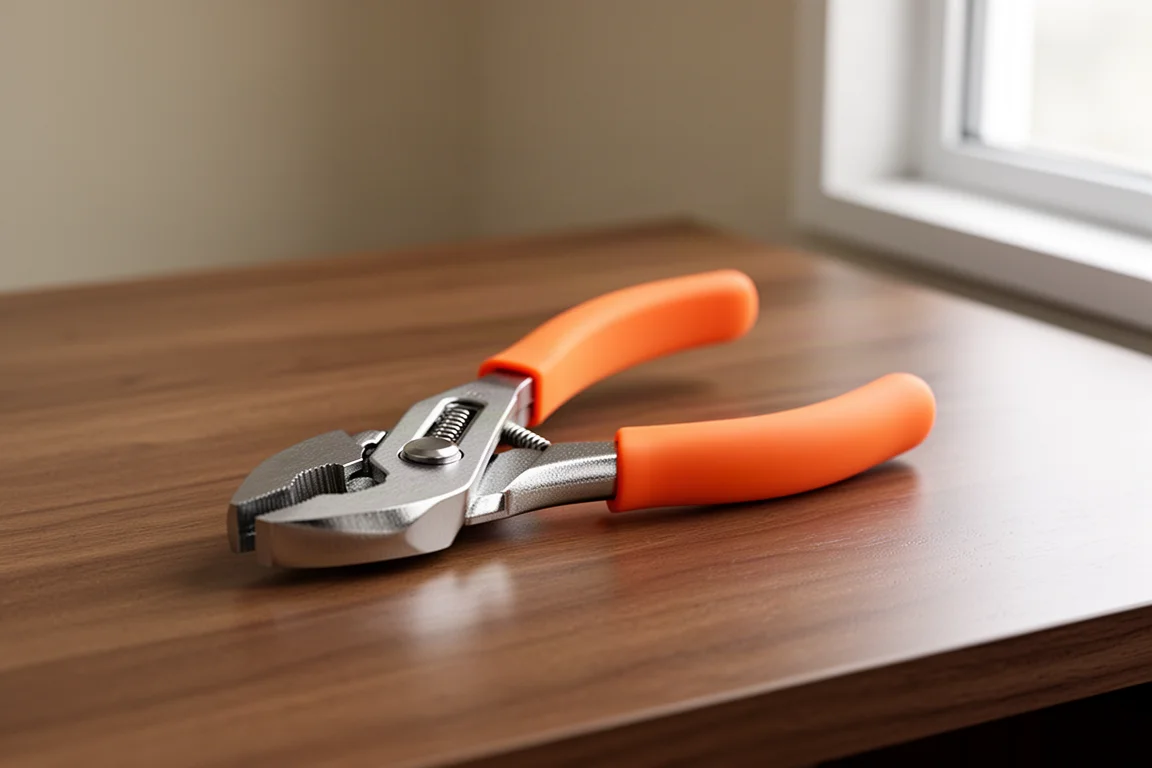
Pliers belong in any toolkit, and the Knipex five-inch Cobra pliers are arguably the best set you can get, with a Leatherman or Victorinox as a close alternative. They grip, hold, and turn while you work, and nothing else fills that role as well.
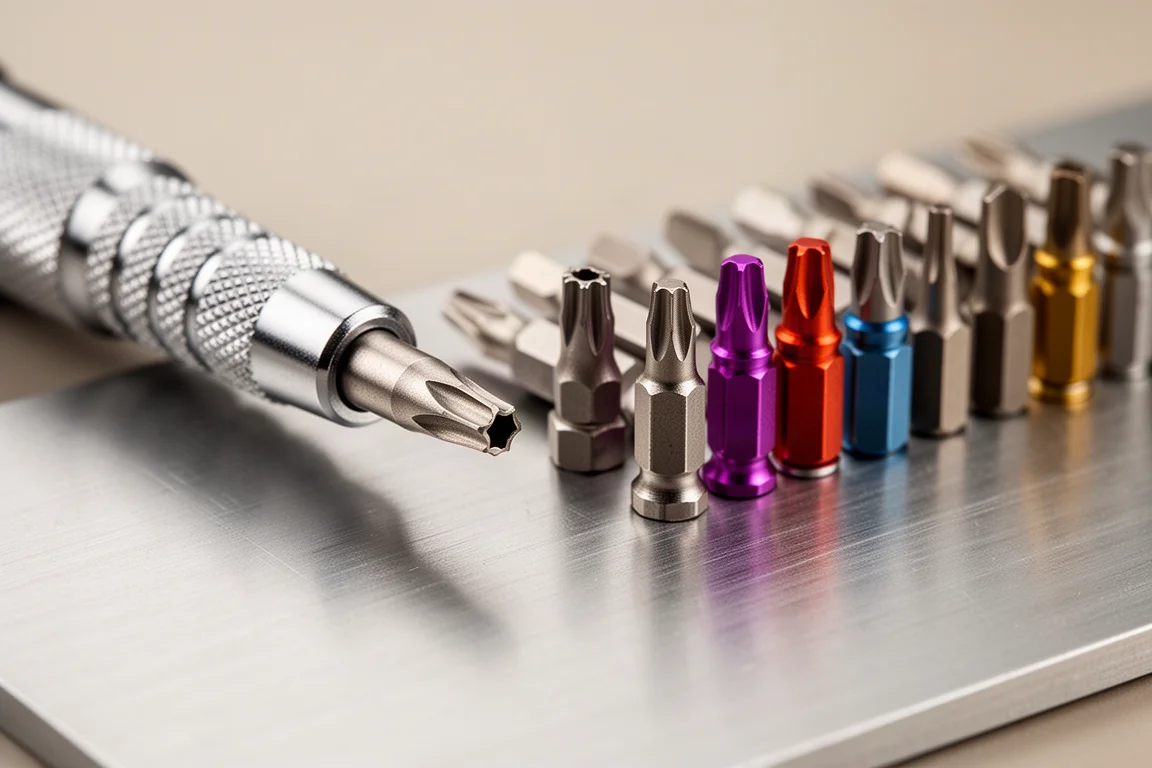
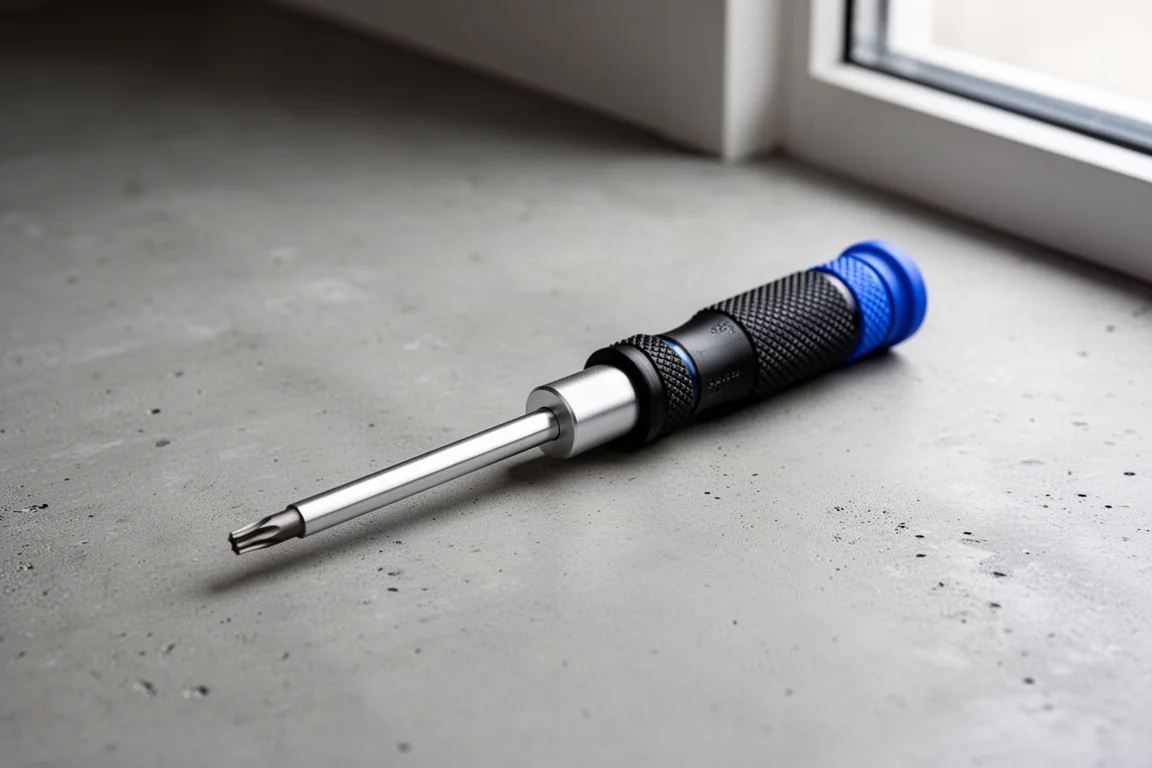
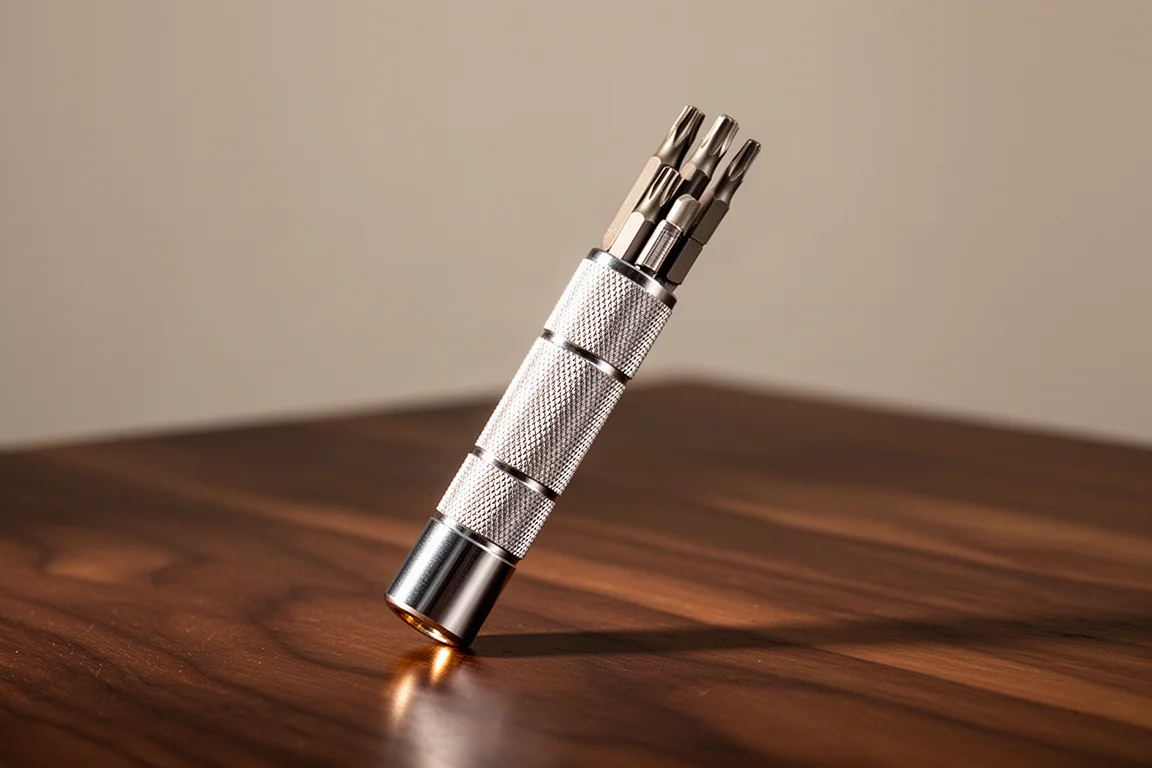
For screws, two precision drivers are the real trick. The iFixit Precision Driver pairs with a T6 bit, while the Combat Beads / Griffin Company Precision Driver V2 carries a T8 and stores bits in its handle. Having two drivers means no swapping bits mid-task, and for knives without a captive pivot, you can sandwich the blade and turn two torx screws at once to finally stop that pivot from free spinning.
The Leatherman Ratchet Driver
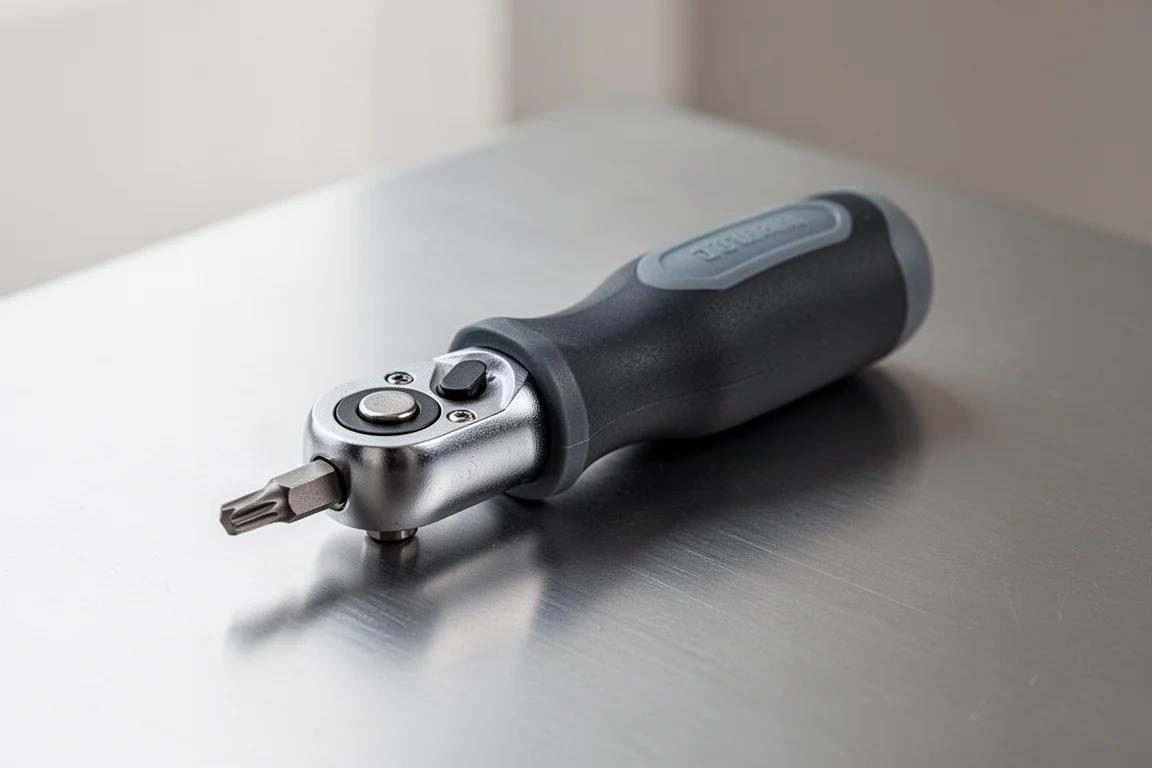
If more torque is needed than an inline driver can deliver, the Leatherman Ratchet Driver is worth its weight in gold. It works with Leatherman Wave or Charge interchangeable bits, adapts to full quarter-inch bits, and pairs with any EDC tool that happens to carry a quarter-inch driver. It is one of those items that ends up in every toolkit forever.
One more note on bits: torx covers most EDC work, but storing Phillips, flat head, and hex bits matters too. Some knife pivots, like a 2.5 hex, simply cannot be worked on with torx alone. If WE-style bits are available, get them.
Honing and Stropping: Benchmade x Work Sharp KMT
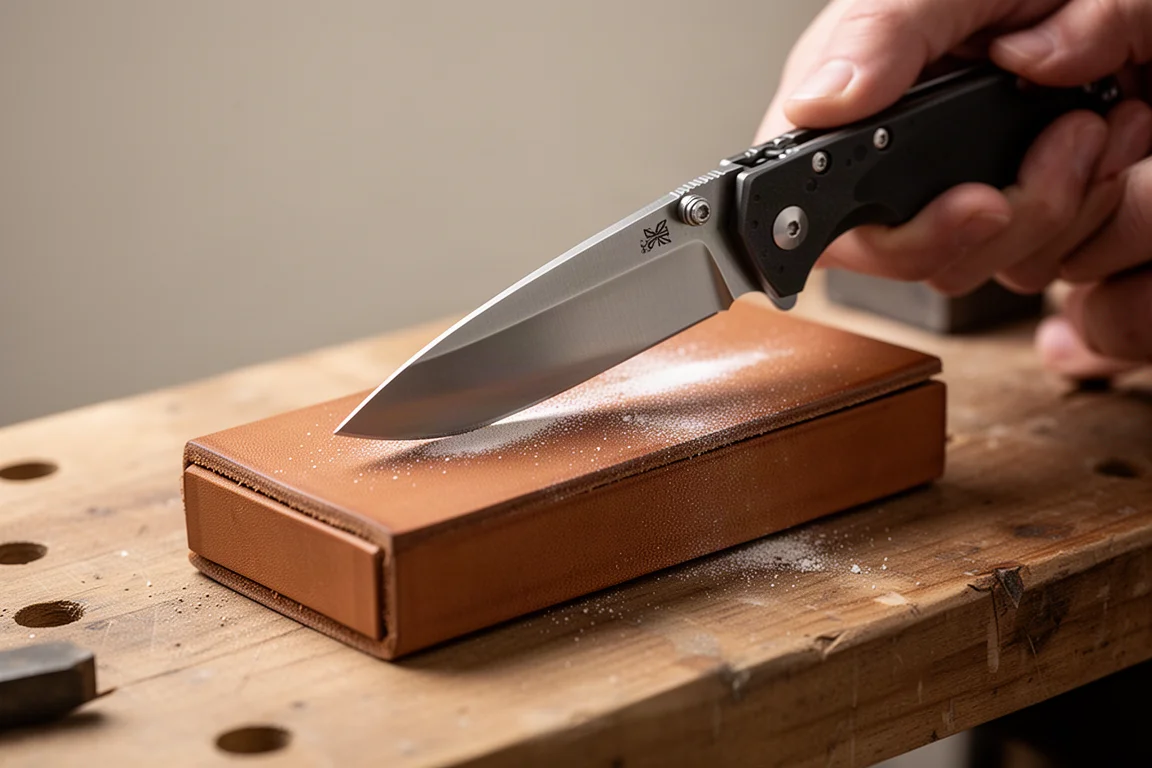
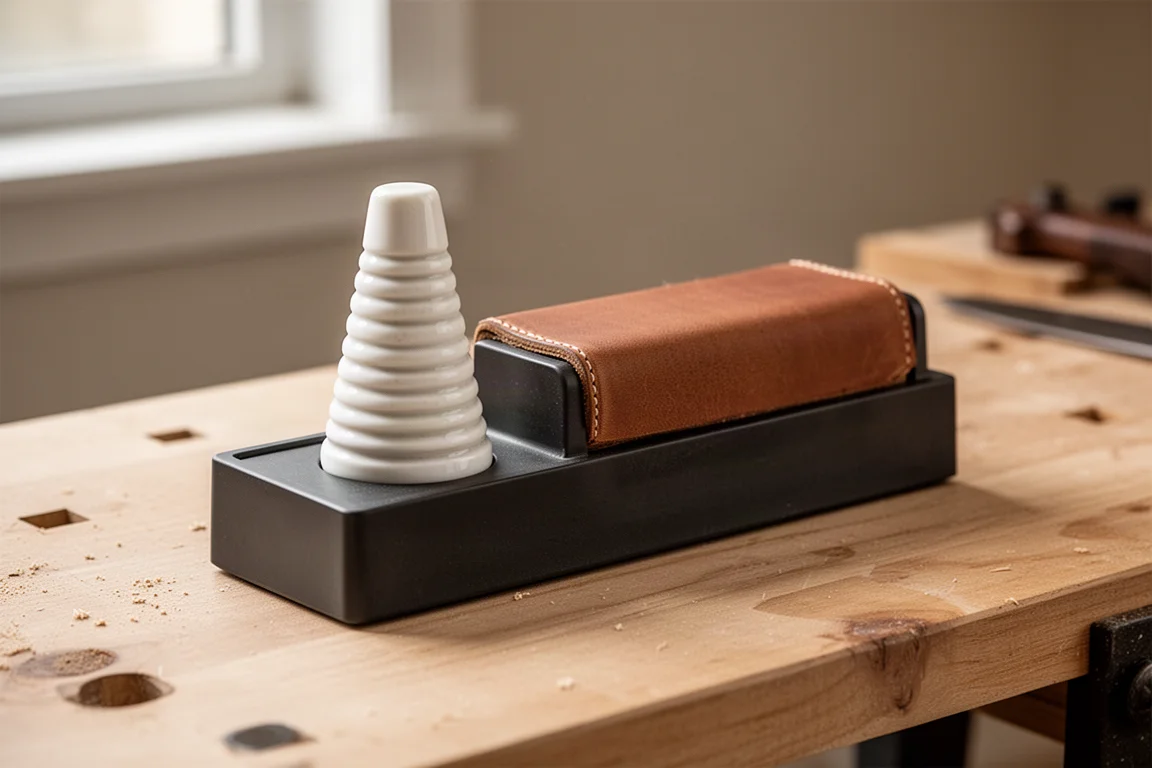
Nine times out of ten, a knife that feels dull just needs a hone and a strop, not a full sharpening. The Benchmade x Work Sharp KMT Knife Maintenance Tool combines a ceramic cone and a strop in one compact package. It is a little expensive for what it is, and a cheaper hone and strop exists, but the compact format earns its place. A plain leather strop or even the inside of a belt works too.
Lube and Threadlocker
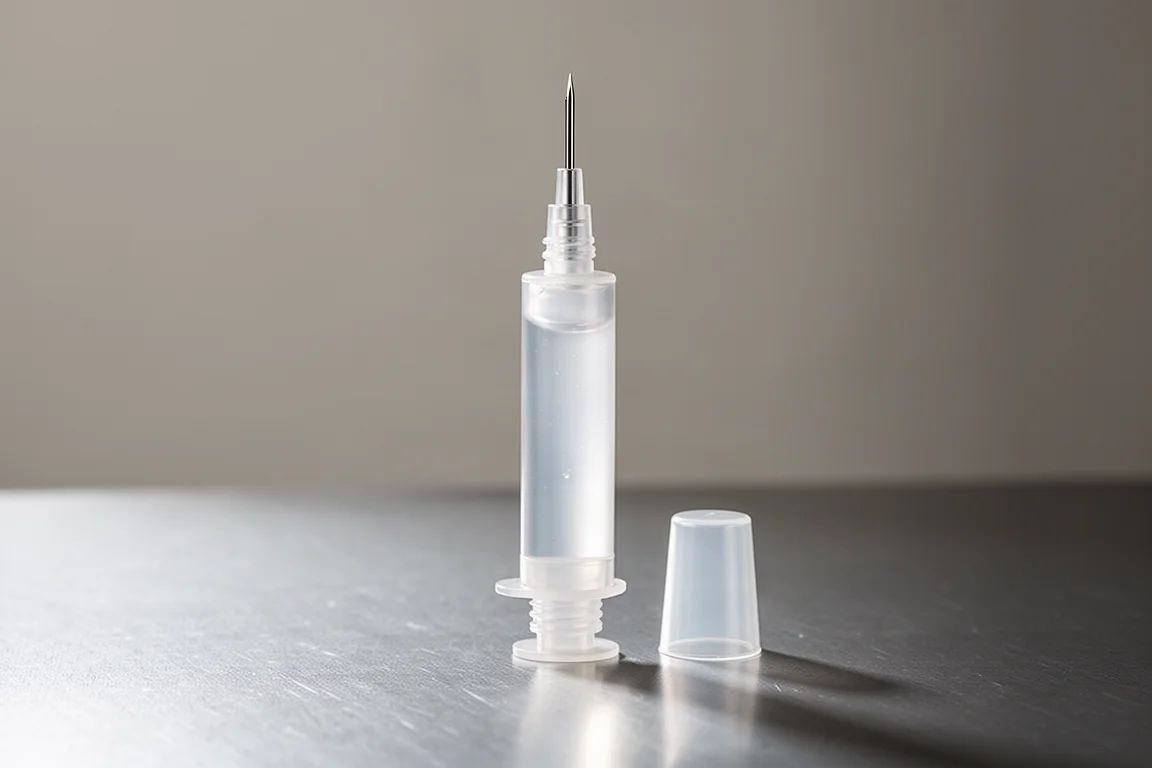
Sometimes a knife just needs lubrication. Nano Oil comes in a pin applicator tube that carries well and does not leak the way some bottled lubes do. These tubes run roughly 17 to 20 dollars each, but they last a long time. Tuff Glide is a solid alternative, and honestly any lube beats no lube.
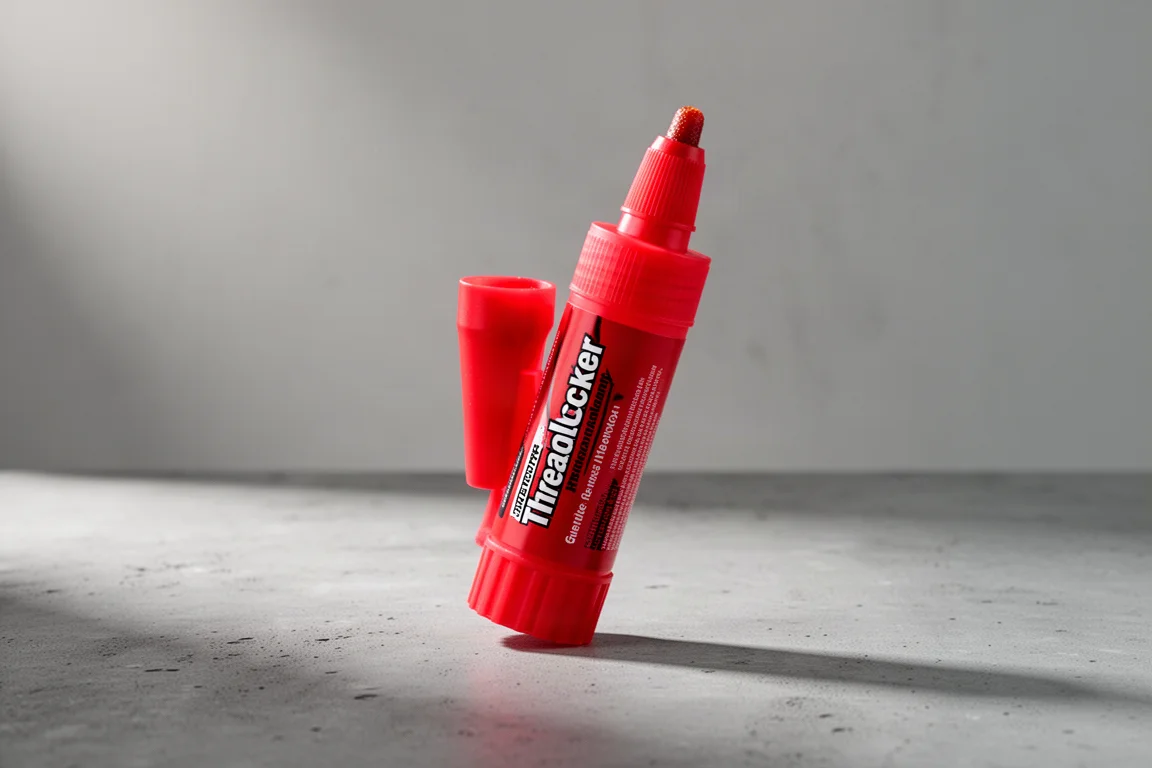
For screws that should never back out, Loctite 248 in glue stick form is the favorite format. It lasts for years, dispenses with precise control, and avoids the runaway squeeze problem of small red tubes that can go everywhere when they get warm. It gets used for far more than knife maintenance.
Utility Knives: TPT Slide
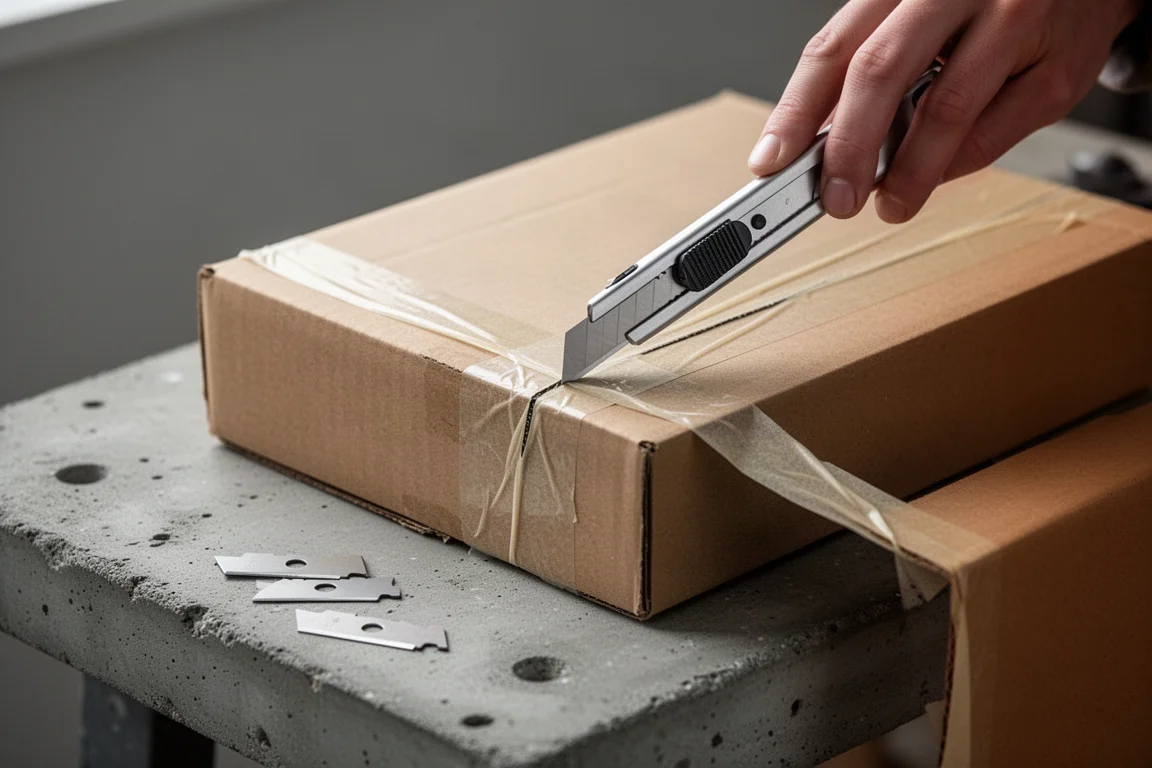
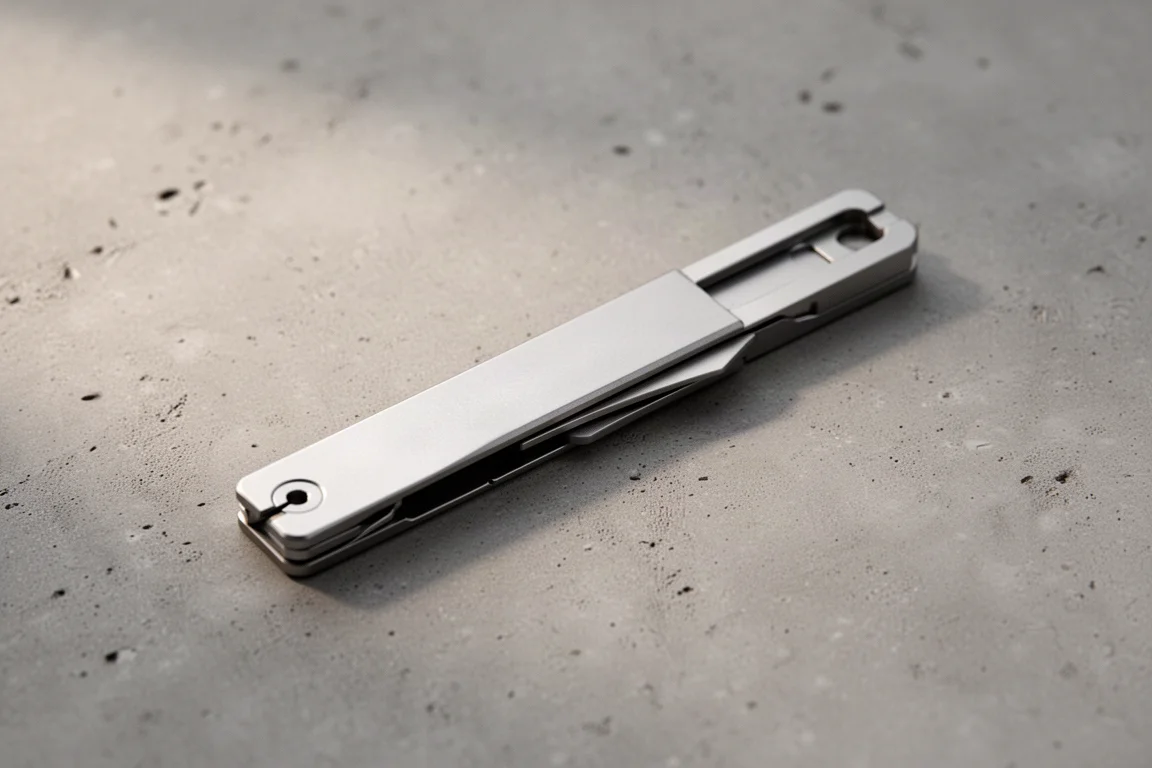
For jobs that would trash a good blade, a utility knife takes the abuse instead. The TPT Slide has been carried and beaten up for years, and a spare lives in the kit for odd jobs and box teardowns. Scalpel-style options like the KeyUnity slip joint scalpel cost around nine or ten dollars, and spare blades are cheap, making a replaceable blade one of the most practical inclusions in any light-duty kit.
Blade Protection: Red Eyed Hog B-Fat
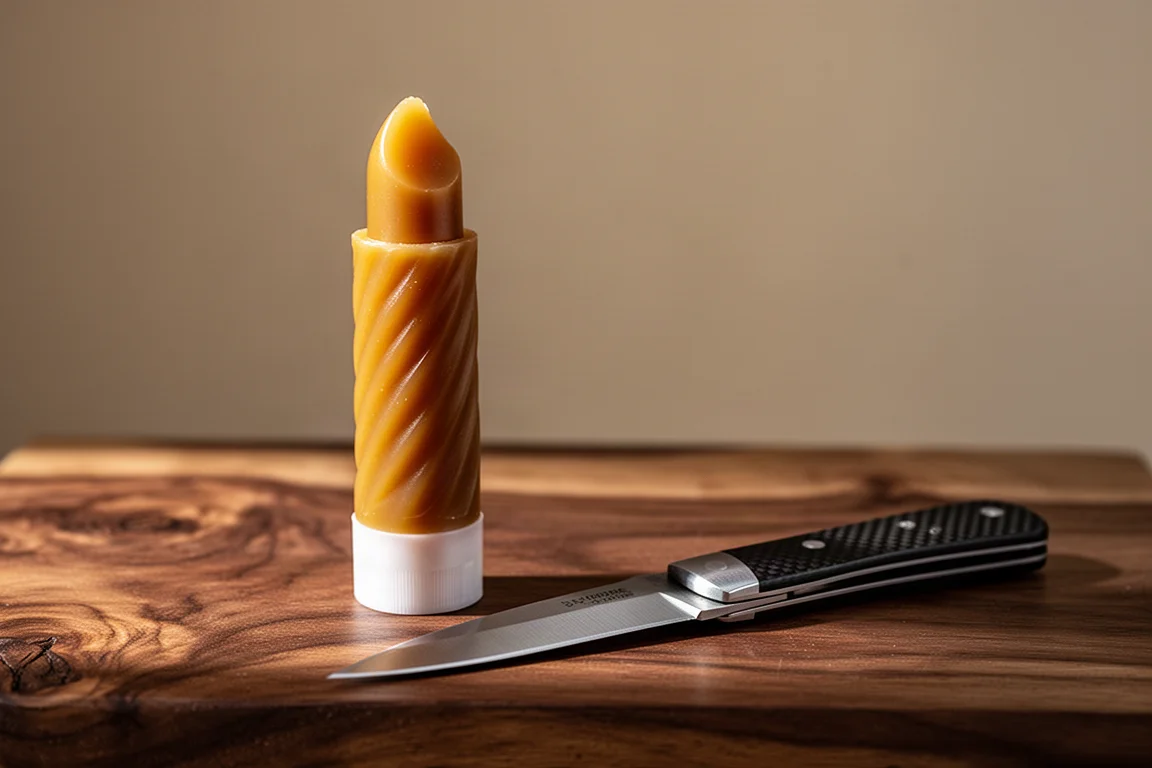
For anyone who rusts everything they touch, Red Eyed Hog B-Fat is a revelation. This blend of beeswax and hog fat gets rubbed on a blade like a glue stick, worked in, and wiped off, leaving a protective layer against rust. It even smells like barbecue. It has saved plenty of non-stainless fixed blades from corrosion.
Buying Advice
Two principles keep a kit compact. First, prioritize multi-use items: zip ties, alcohol wipes, Sharpies, tweezers, a microfiber-backed handkerchief, and a tiny pick or SIM tool all earn their space many times over. Second, look for tools that pull double duty, like a pry tool that also runs a driver. Q-tips for hard-to-reach cleaning and a small spare parts tray for loose bits and refills round everything out. When picking between alternatives, choose whichever tool covers more jobs at the same size.
Conclusion
A great EDC toolkit is built from small, cheap, multi-purpose items rather than exotic gear. Start with a solid roll like the Tool Burrito, add the best pliers and drivers you can justify, and fill the gaps with lube, Loctite, a strop, and a utility knife. Match every item to a real job and the kit stays small, useful, and complete.
Further reading
Related Reviews

Everyday Carry
Everyday Gear That Deserved a Second Look
A roundup of solid everyday carry items: watches, pens, a pencil, a knife, and a smart ring that each earned a place on the table.

Everyday Carry
KORE Tactical Bifold Wallet Review: A Durable Everyday Carry Option
A close look at the KORE Tactical Bifold Wallet, a reinforced nylon wallet with magnetic closure and room for cards, cash, and IDs.

Everyday Carry
Krabby Wallet Review: A Slim, Simple Carry That Has Stood the Test of Time
A closer look at the Krabby Wallet, a slim canvas and elastic design with a loyal following and a simple, functional approach to everyday carry.