Everyday Carry
Inside a Fully Loaded EDC Tool Pouch: 11 Gear Picks Worth a Look
A compact grab-and-go tool pouch built around precision drivers, tough snips, and small pliers, with cheaper alternatives for budget-minded builders.
Introduction
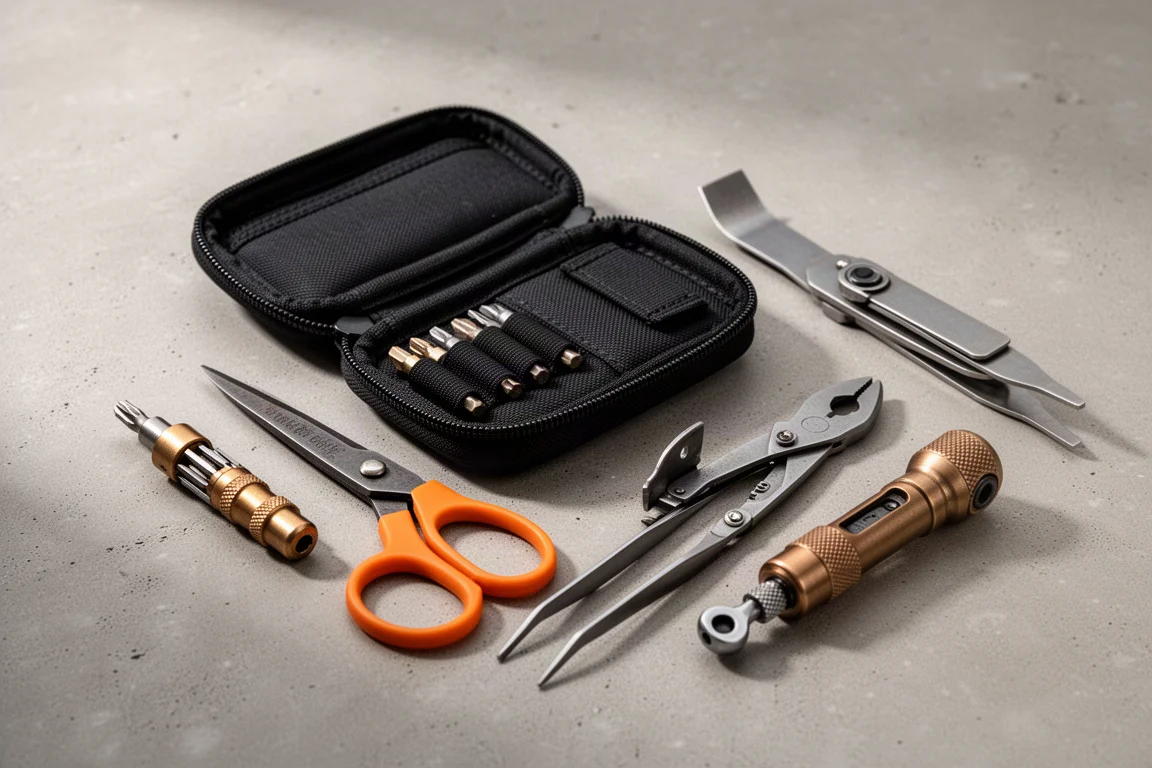
A well-built EDC tool pouch is one of those things that sounds unnecessary until you actually have one. Tightening a loose screw, fixing a kid’s toy, or reaching a bolt in an awkward spot all become quick jobs instead of a trip to the truck for a full tool bag. This setup distills years of trial and error into a single compact pouch that gets grabbed a couple of times a month, sometimes weekly, and covers screwdriving, prying, cutting, gripping, and precision work in one grab.
The honest caveat up front: this is not a budget build. The full kit adds up to roughly $400, and some picks are pure enthusiast purchases. But nearly every item has a cheaper stand-in, and we will point those out along the way.
The Pouch: Big Idea Design EDC Pocket Pouch
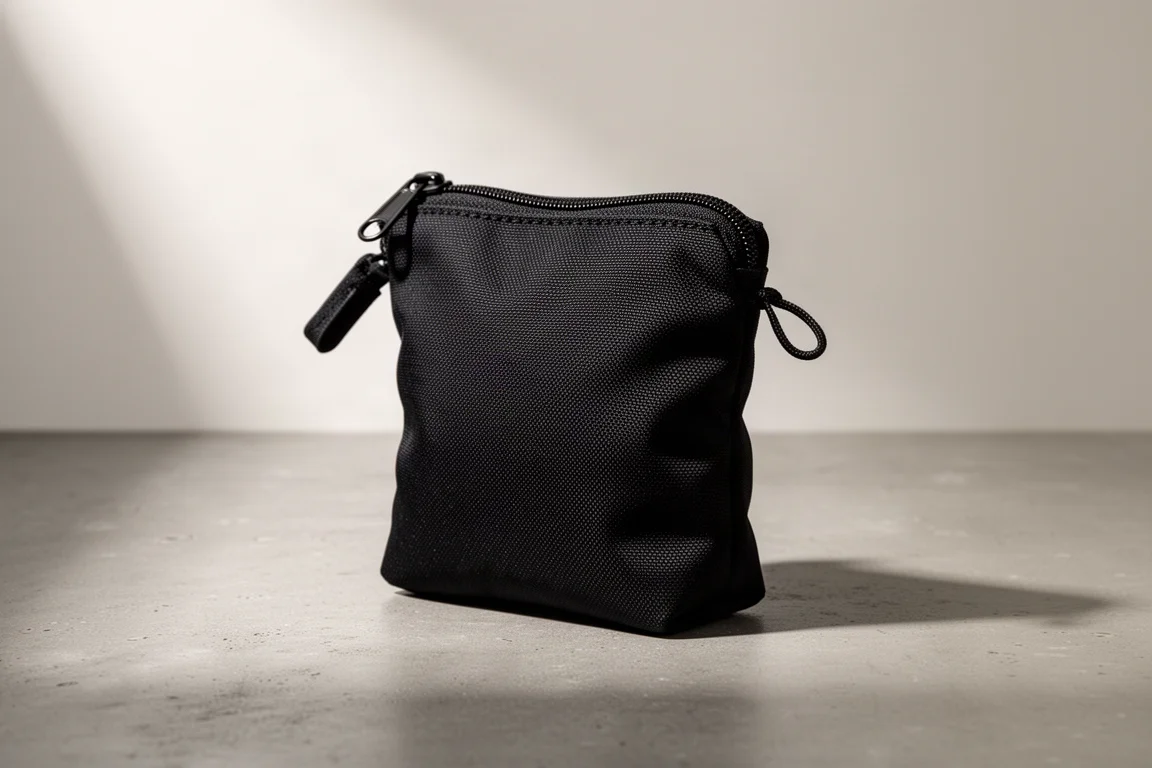
The container that started this whole consolidation project is the EDC Pocket Pouch from Big Idea Design. The compact size is what makes it appealing: it forces you to be deliberate about what earns a spot. The one gripe is fit. If it were about 5% bigger, it would be close to perfect, because as it stands the pouch works but is packed to the point of being chunky and just a little too tight.
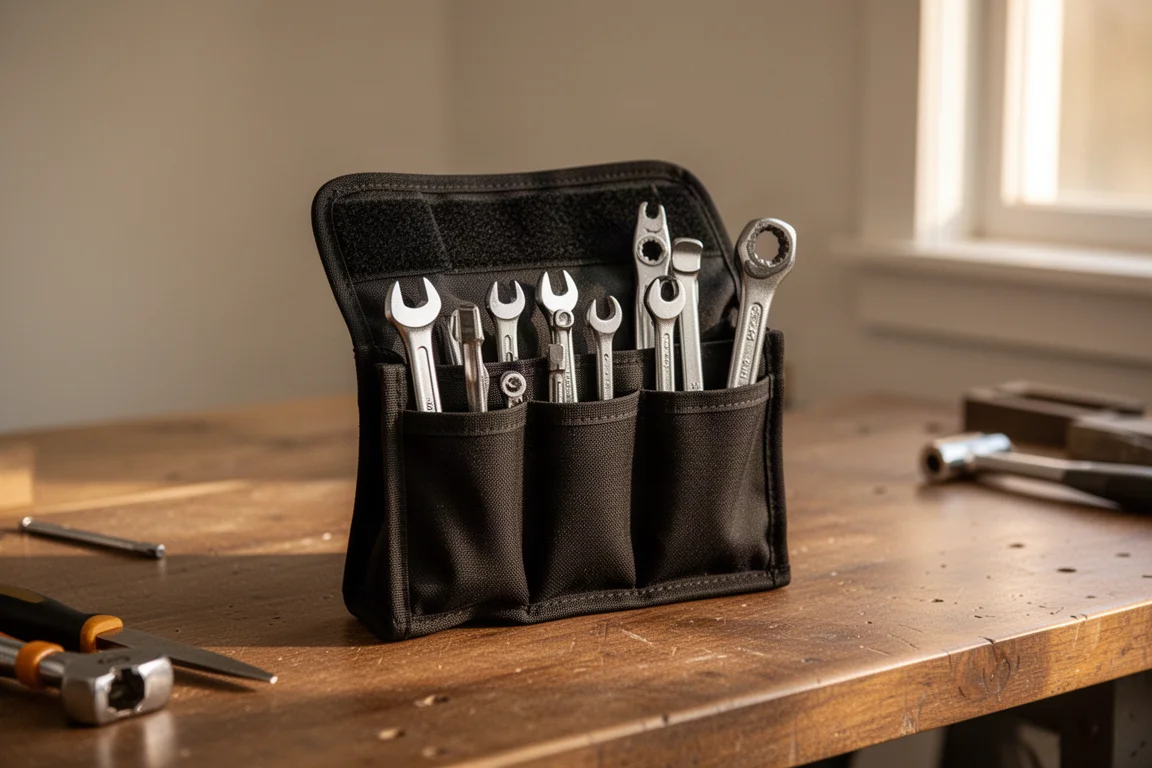
That tight fit is also the takeaway here: this setup has pressed the pouch to its limit, and a slightly larger bag would give everything room to breathe.
Precision Work: Cevivi Tack and Tweeze
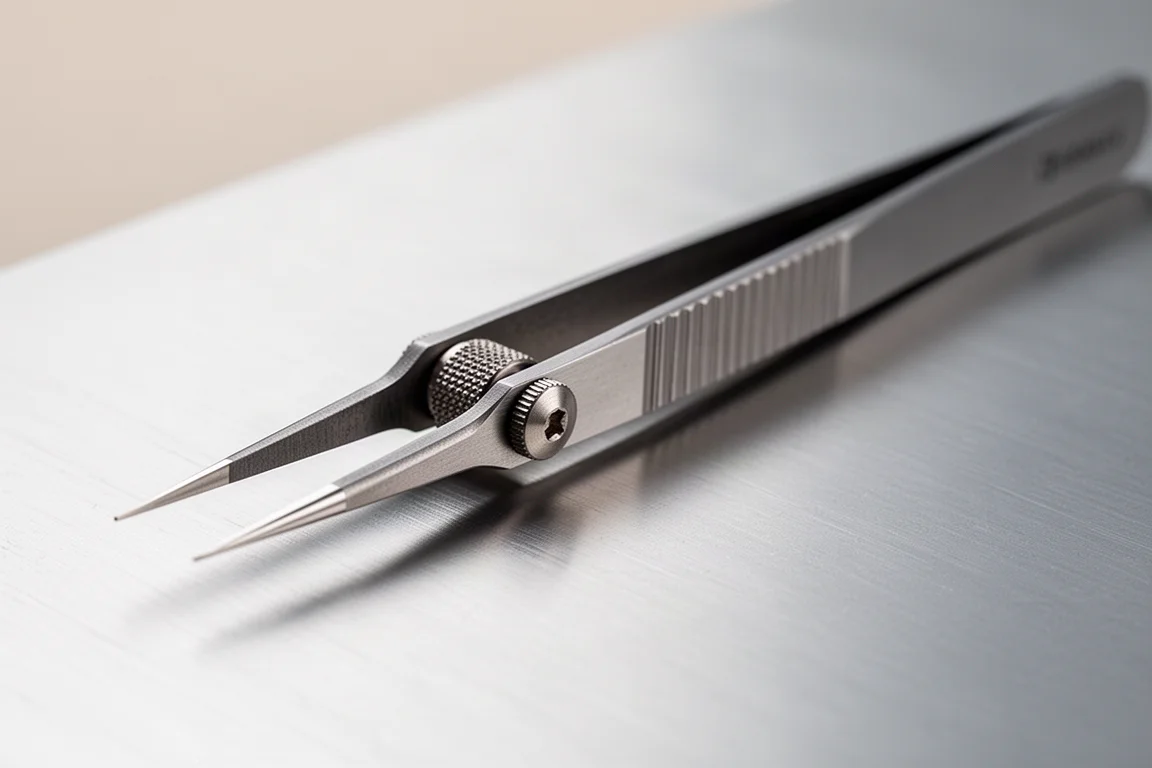
The Cevivi Tack and Tweeze precision tweezers, designed by Bob Terzula, are a surprisingly capable addition. They use a craft-knife-style threaded screw knob to adjust tension, and they genuinely perform well for fine work like pulling splinters or handling tiny fasteners. It is the kind of tool you forget is there until the moment it saves the trip to the junk drawer.
Prying: Zach Wood Tool Steel Pry Bar
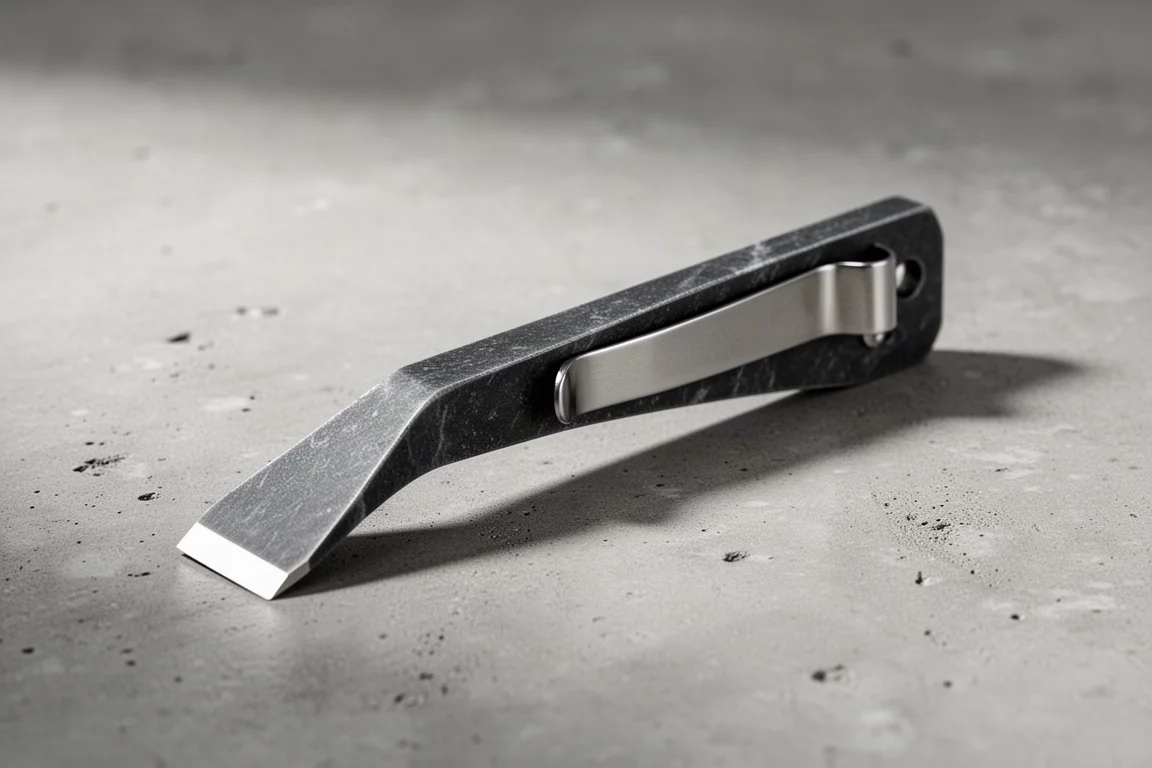
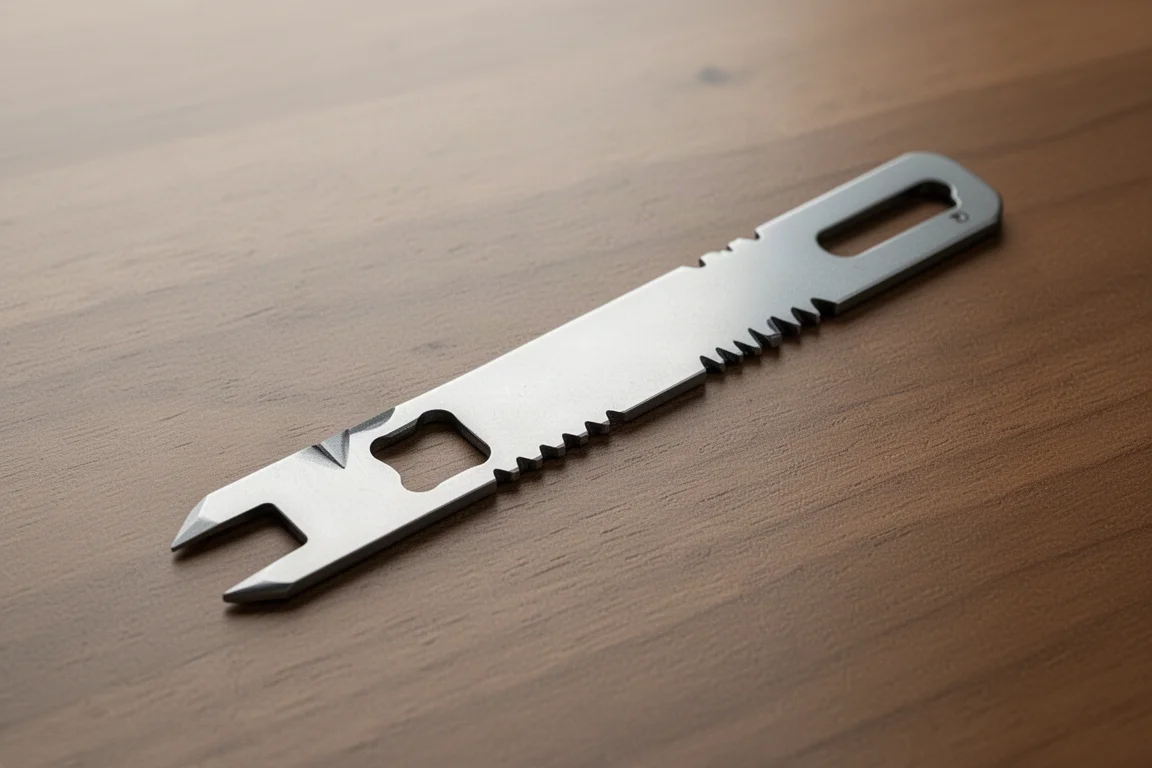
There is a strong case against titanium pry bars for real work: titanium is comparatively soft, so a titanium bar will deform and mark up under hard use. The Zach Wood pry bar in this kit is tool steel, believed to be O1 or A2, which means it is meant to be cranked on and beat on without guilt. This one is a first production run piece with a pocket clip added years ago, but the material choice is the real point. Anyone who actually uses a pry bar is better served by steel.
Klein Electrician Scissors
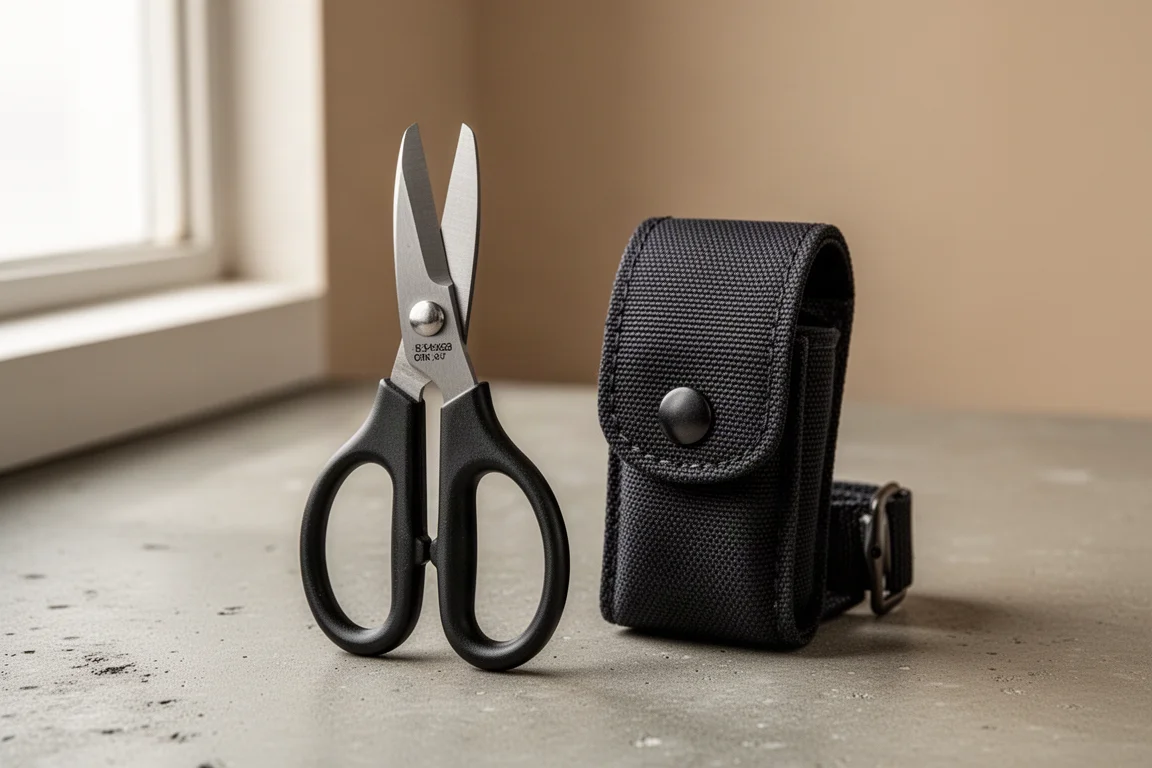
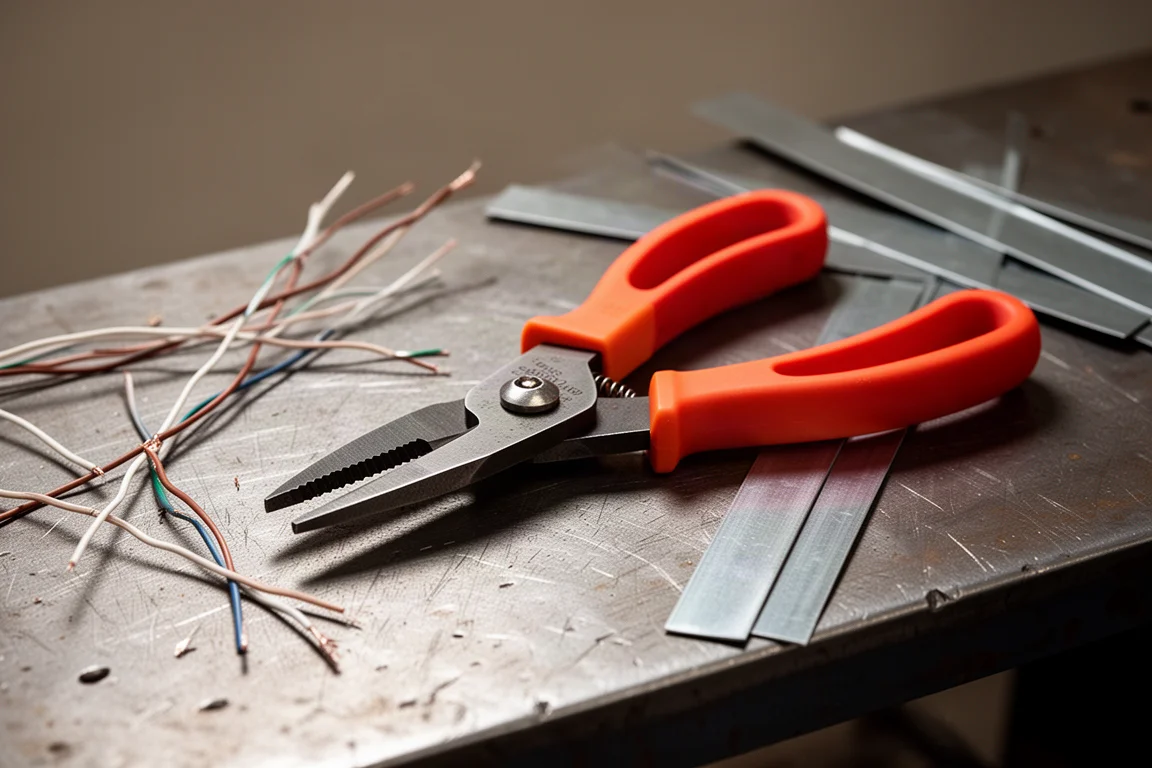
These might be the best value in the entire pouch. The Klein electrician scissors, or snips as they are properly called, are forged rather than stamped, which puts them in a different class from typical scissors. They have cut through a penny, they handle tough heavy-duty jobs without complaint, and they double as wire strippers with a small file section on the blade.
They were around $14 to $15 when they first gained attention and have since crept up to roughly $17 on Amazon and about $20 at Lowe’s. Even at the higher price, they are hard to beat, which explains why one enthusiast in this setup has bought six pairs over the years.
Drivers: Big Idea Design Bit Bar Inline Max and Bits
The driver section is the heart of this kit, and its purpose is simple: fill in the gaps a Leatherman cannot handle effectively. A Leatherman can drive many of these bits, but it is not always in every pocket, so the pouch carries a complete flat-bit solution for when it is not.
Big Idea Design Bit Bar Inline Max
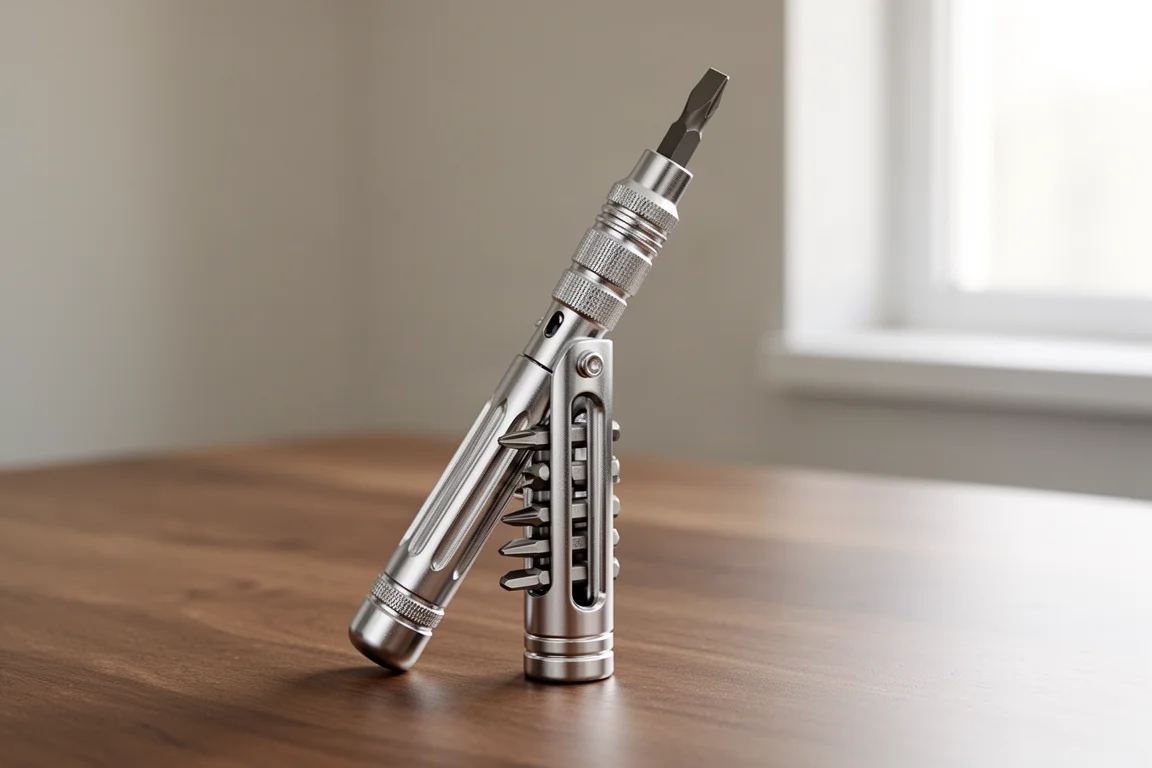
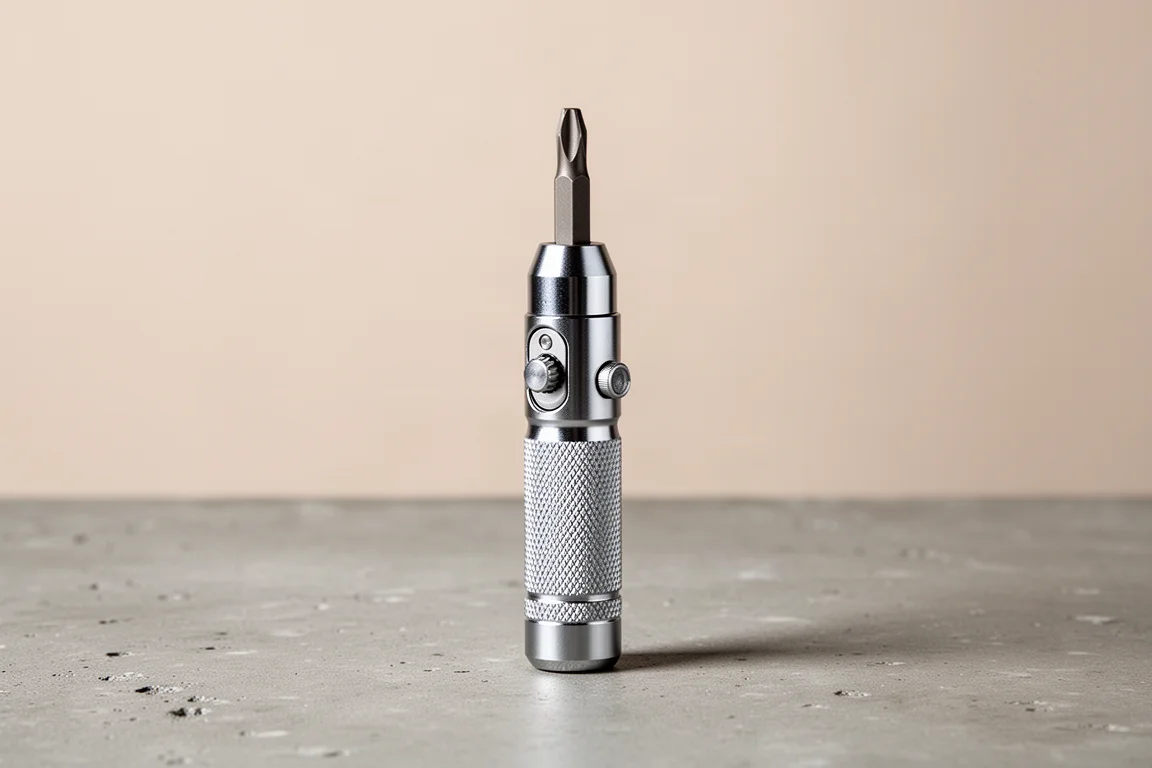
The Bit Bar Inline Max is an inline screwdriver that stores bits in the handle, using Leatherman-style flat double-ended bits. It technically holds up to ten bits, including one in the end of the shaft, and it has both a T-handle and an offset T so you can apply serious torque. It is one of the most compact, fully functional screwdrivers that fits in a pouch like this, but it is not cheap at $120.
Galvanox Leatherman-Style Bit Set
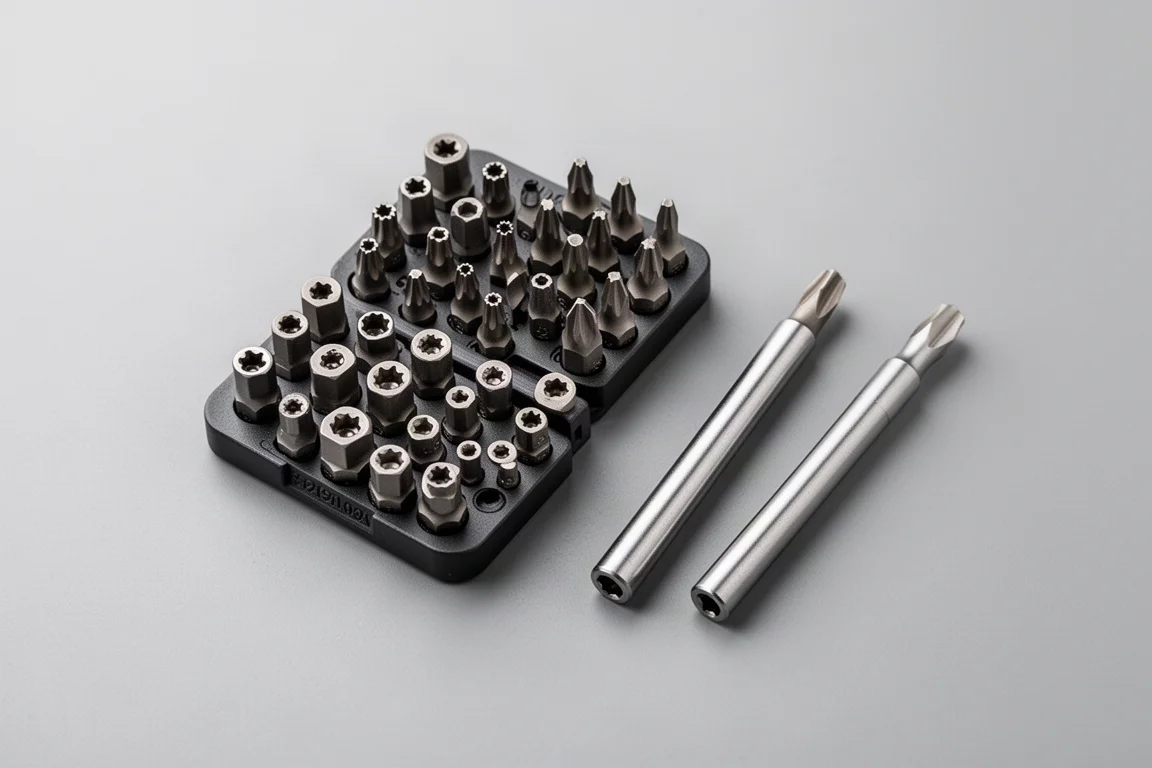
The Galvanox set solves the bits problem on a budget. Instead of Leatherman’s single-sided bit holders sold two to a pack, these are double-sided in one piece, so a single holder carries twice the bits. The set includes the bits on both sides plus two extensions for around $35, a strong deal given official Leatherman bits alone run about $30 and extensions cost $15 to $20 extra. The extension converts to quarter-inch drive, so standard bits work with the flat-bit driver, and it reaches into holes and recesses too thick for the inline driver alone.
Ratchet Drivers: 711L Inline and Leatherman
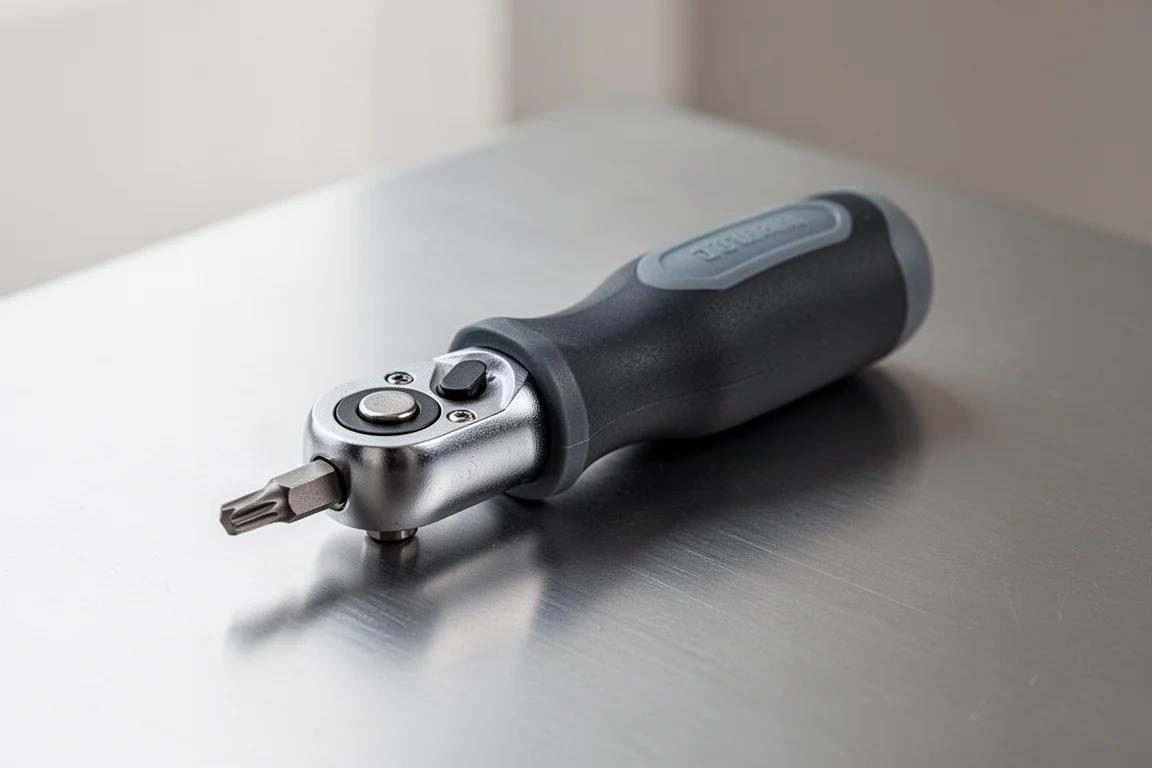
Ratcheting drivers are a genuine upgrade for a pocket kit, and the 711L inline ratchet driver is the current favorite. It is all metal, significantly bigger and heavier than the Leatherman ratchet driver, and simply better built. The Leatherman version is partly plastic and has a known flaw: bits can fall out of the end. It was the only option for a long time, which made it the best option, but that is no longer true.
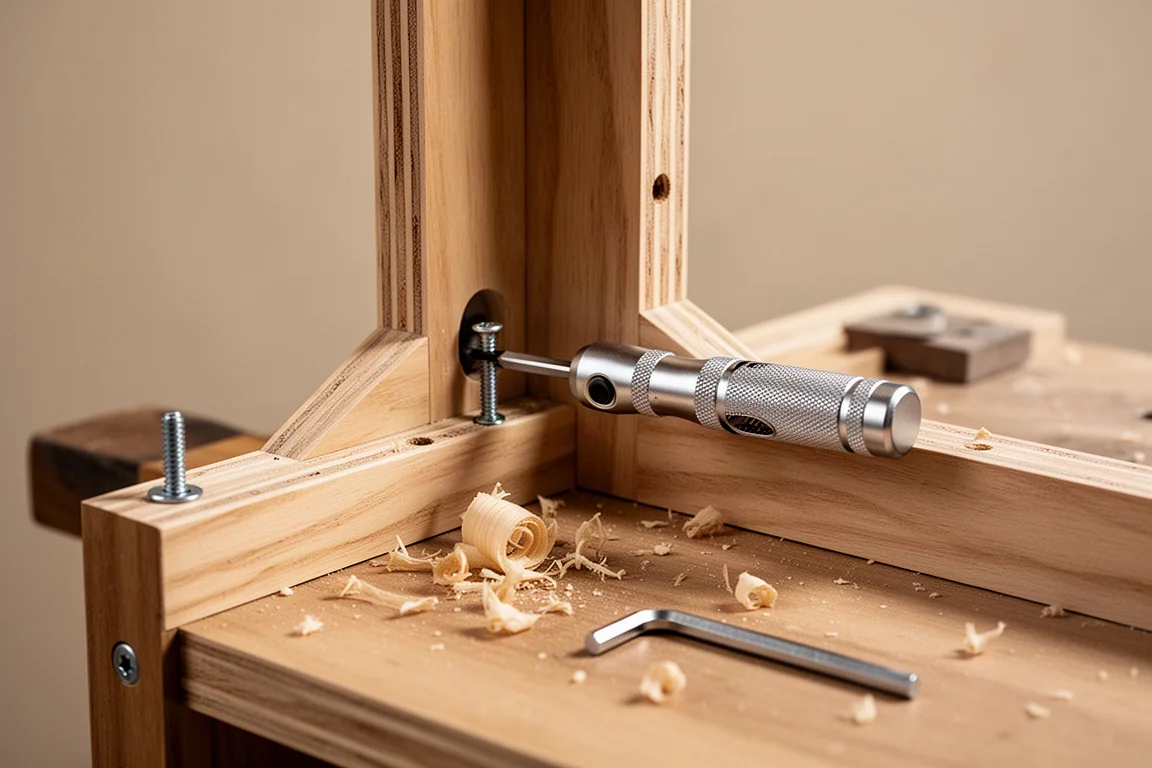
The trade-off is price: $60 for a Leatherman ratchet adapter is a lot, and the Leatherman one runs about $30 to $35. Still, for assembling furniture or working in tight spots, the inline ratchet makes quick work of it. Why carry both a ratchet and the Bit Bar? Because a straight inline driver does not always fit, and a ratchet paired with an extension can reach around corners and down into awkward spaces. Together they cover nearly every driving scenario in a compact package.
Gripping: Knipex Cobra Pliers, 5-Inch
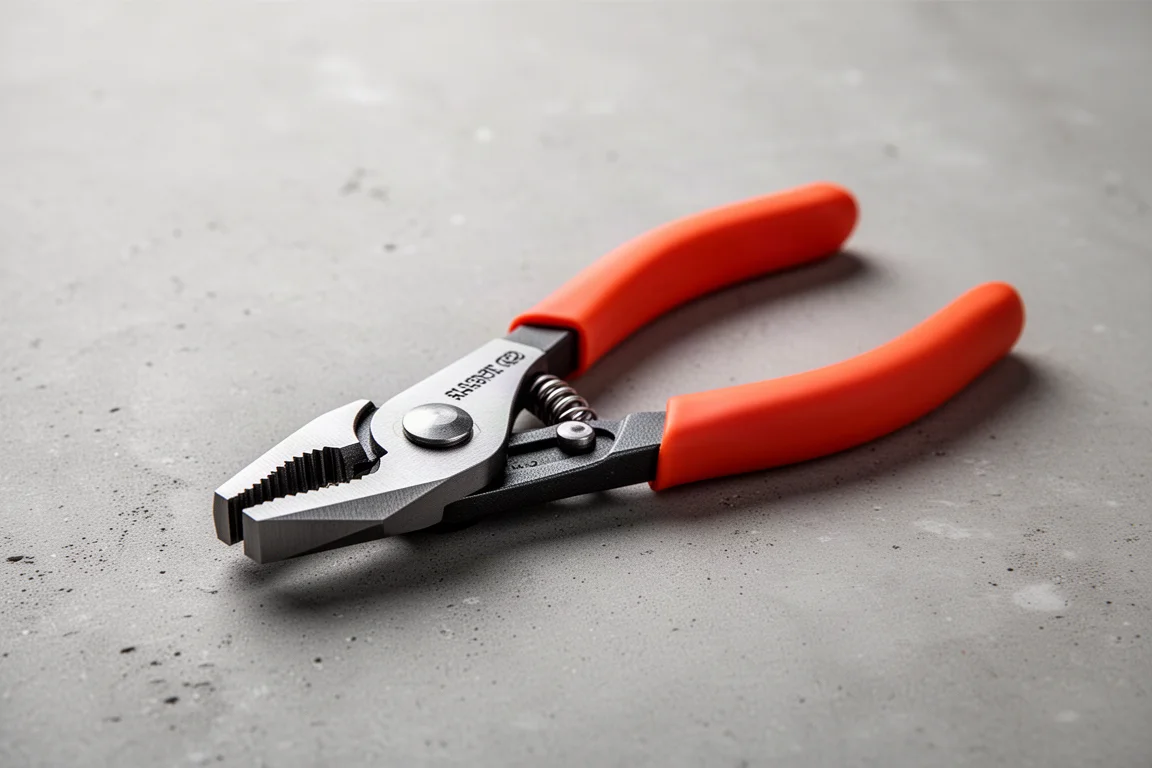
The Knipex Cobra pliers in the 5-inch size punch well above their weight at $35. They grip and turn bolts effectively, and they pair neatly with the rest of the kit since the jaws can clamp onto a bolt head already seated in the bit driver. They are forged rather than stamped, a real upgrade over the pliers on a multitool, and they round out a kit that covers hex, Torx, flathead, Phillips, and even eyeglass bits in a very small footprint.
The Small Stuff
Beyond the headline tools, the pouch carries a few low-cost essentials: alcohol wipes and lens wipes for cleaning off gunk, zip ties that are endlessly useful and inevitably run out at the worst time, and a compact titanium measuring tape with a 3-foot capacity that is admittedly a little silly but genuinely functional.
Cheaper Alternatives for a Budget Build
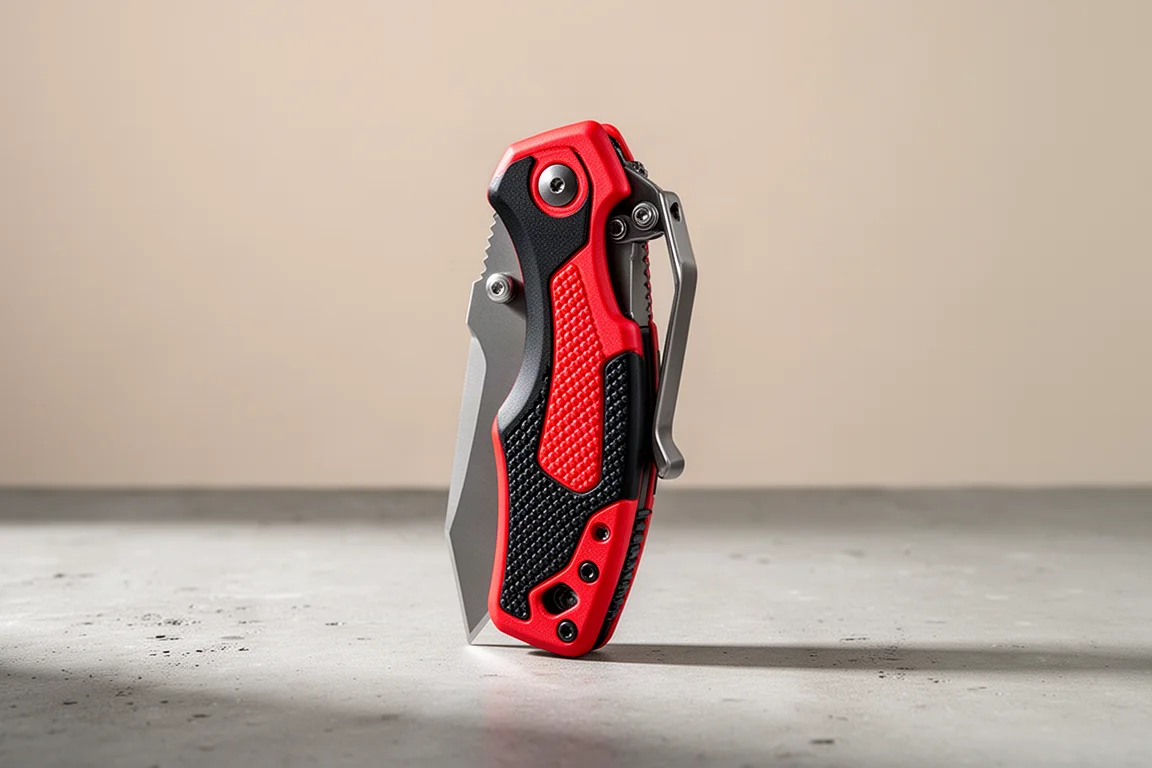
The full kit is a $400 exercise in enthusiasm, but a smarter budget version is easy. Swap the premium utility knife for a Milwaukee Fastback at about $20, which even includes a bit driver and replaces part of the bit loadout. Drop the $60 711L ratchet for the Leatherman ratchet at half the price. Skip the custom pry bar entirely; a Griffin Pocket Tool XL at around $40 is also steel rather than titanium and covers the same job, or any small hardware store pry bar will do. Those three swaps alone erase roughly $300 from the total.
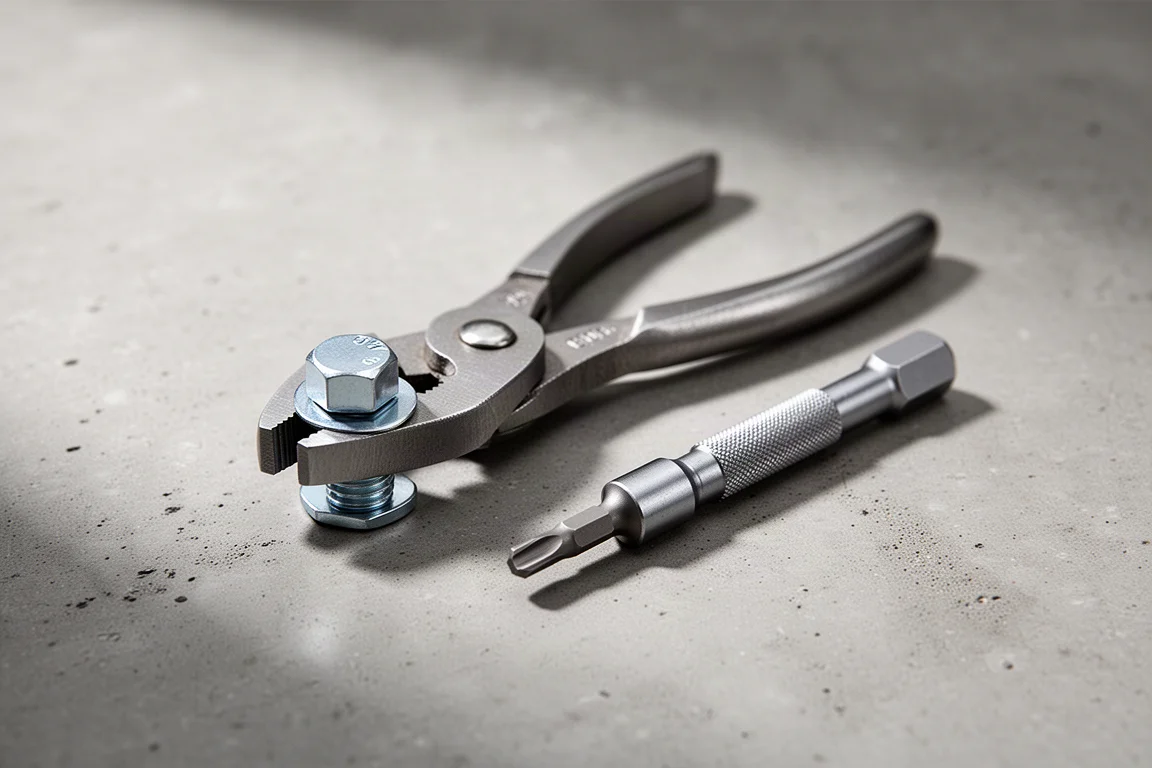
What is worth keeping even in a budget build? The Klein snips and the Knipex Cobra pliers. Both are forged instead of stamped, both outperform multitool equivalents, and both fill genuine gaps a Leatherman leaves. That is the guiding principle of the whole pouch: not a replacement for a full tool bag, but a quick grab-and-go complement that turns a five-minute fix into a thirty-second one.
Conclusion
This pouch is the most compact, fully featured kit its owner has put together, and it works because every item earns its place through actual use: drivers that reach where a multitool cannot, forged snips and pliers that outclass multitool equivalents, and a pouch small enough to live in a backpack permanently. If $400 feels steep, the budget path is clear: a Milwaukee Fastback, a Leatherman ratchet, and a steel Griffin Pocket Tool get you most of the capability for a fraction of the cost. Either way, the idea stands: a small, deliberate tool pouch is one of the most-used items in an everyday carry setup.
Further reading
Related Reviews

Everyday Carry
Everyday Gear That Deserved a Second Look
A roundup of solid everyday carry items: watches, pens, a pencil, a knife, and a smart ring that each earned a place on the table.

Everyday Carry
KORE Tactical Bifold Wallet Review: A Durable Everyday Carry Option
A close look at the KORE Tactical Bifold Wallet, a reinforced nylon wallet with magnetic closure and room for cards, cash, and IDs.

Everyday Carry
Krabby Wallet Review: A Slim, Simple Carry That Has Stood the Test of Time
A closer look at the Krabby Wallet, a slim canvas and elastic design with a loyal following and a simple, functional approach to everyday carry.