Everyday Carry
Best EDC Scissors Tested: Pocket Scissors, Medical Shears and More
Nine compact scissors and shears tested against a demanding materials gauntlet, with clear winners for everyday carry.
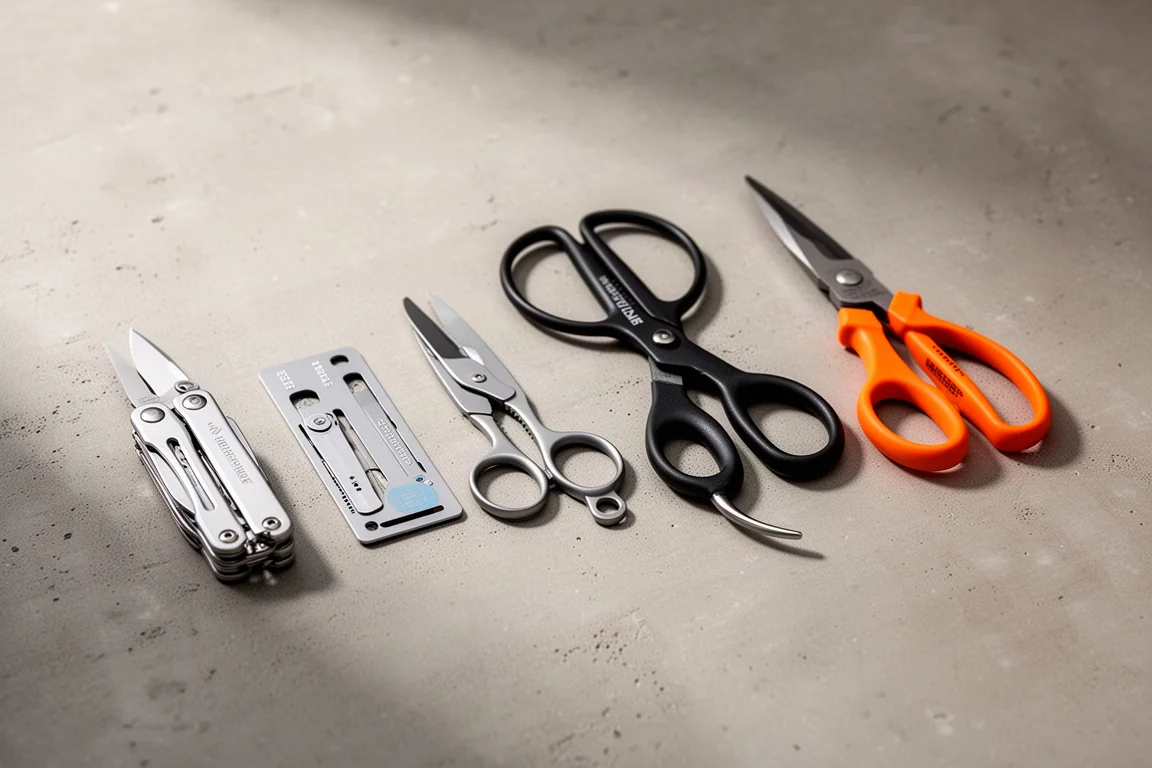
Introduction
Everyday carry scissors are one of the most requested comparisons among EDC enthusiasts, and for good reason: the category is far more varied than most people expect. This roundup covers nine different cutting tools, from tiny pocket knife scissors to medical shears to electrician scissors, and puts each one through the same demanding testing sequence.
The results were genuinely surprising. Some inexpensive tools performed brilliantly, some heavyweight options underperformed, and a sub-$10 pair of scissors turned out to be one of the strongest performers of the entire group.
How We Evaluated Every Scissor
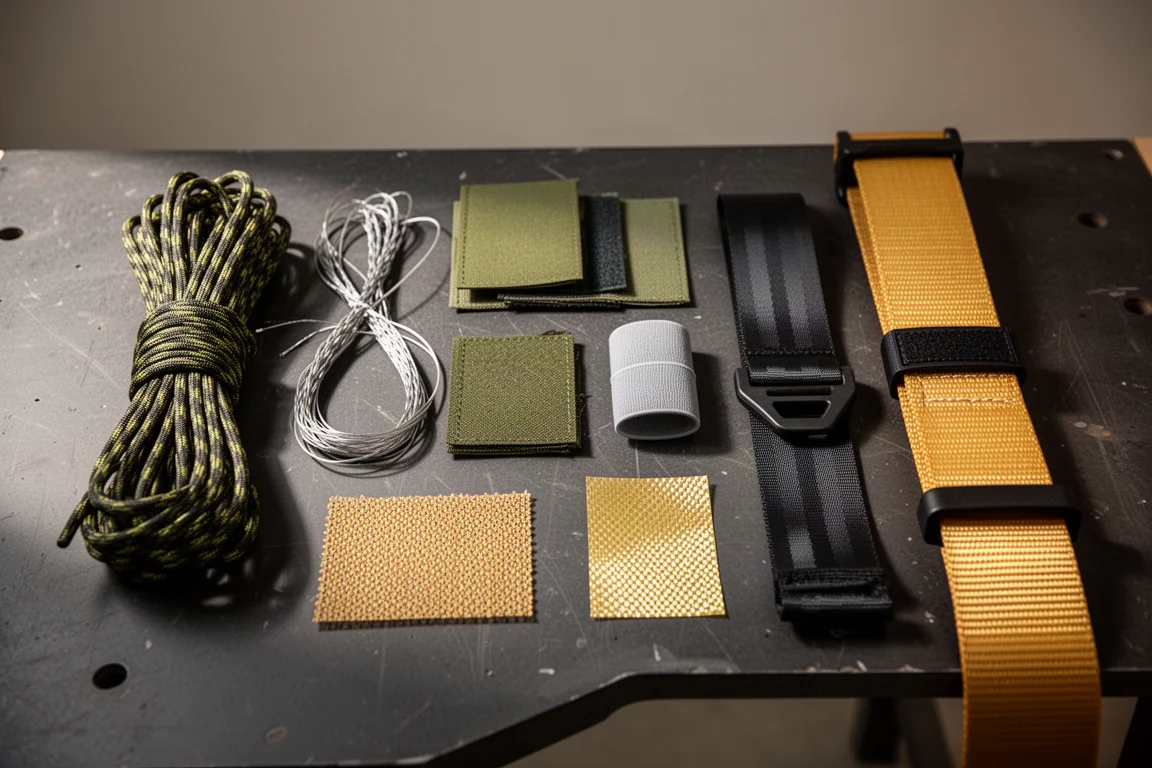
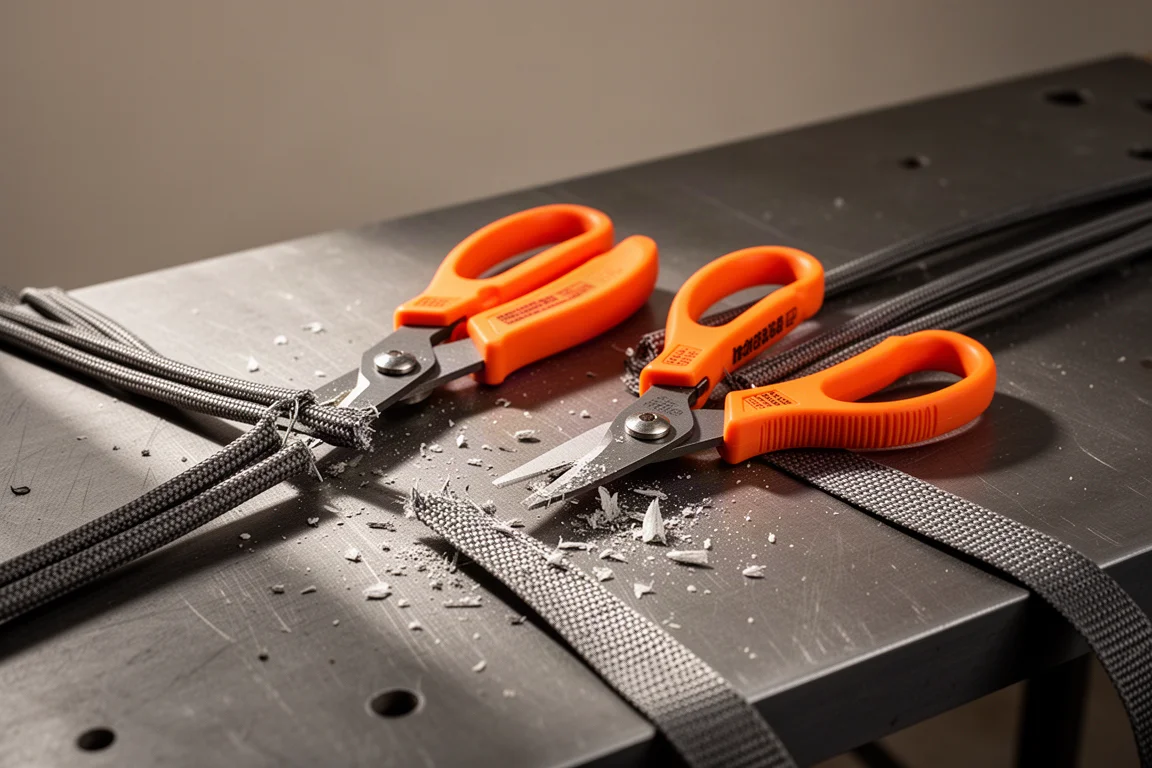
Every scissor faced the same gauntlet: a series of materials specifically chosen to expose weaknesses. Thin materials test whether fibers slip between the blades, stretchy materials cause trouble for dull edges, sheer fabrics rarely cut cleanly, and highly abrasion-resistant materials like 150-pound test dyneema reveal how sharp the blades really are.
The tougher levels included 550 paracord, and at a higher level a composite survivor cord that embeds copper wire, waxed jute and monofilament fishing line alongside the standard nylon strands. Beyond that sat silver theratube, seat belt material with 1,000-pound tensile strength, kevlar fabric, and finally the hardest challenge: a 3,333-pound rated pallet strap. Hard plastics and zip ties were deliberately excluded, since those are better handled with diagonal cutters or snips.
Precision Test
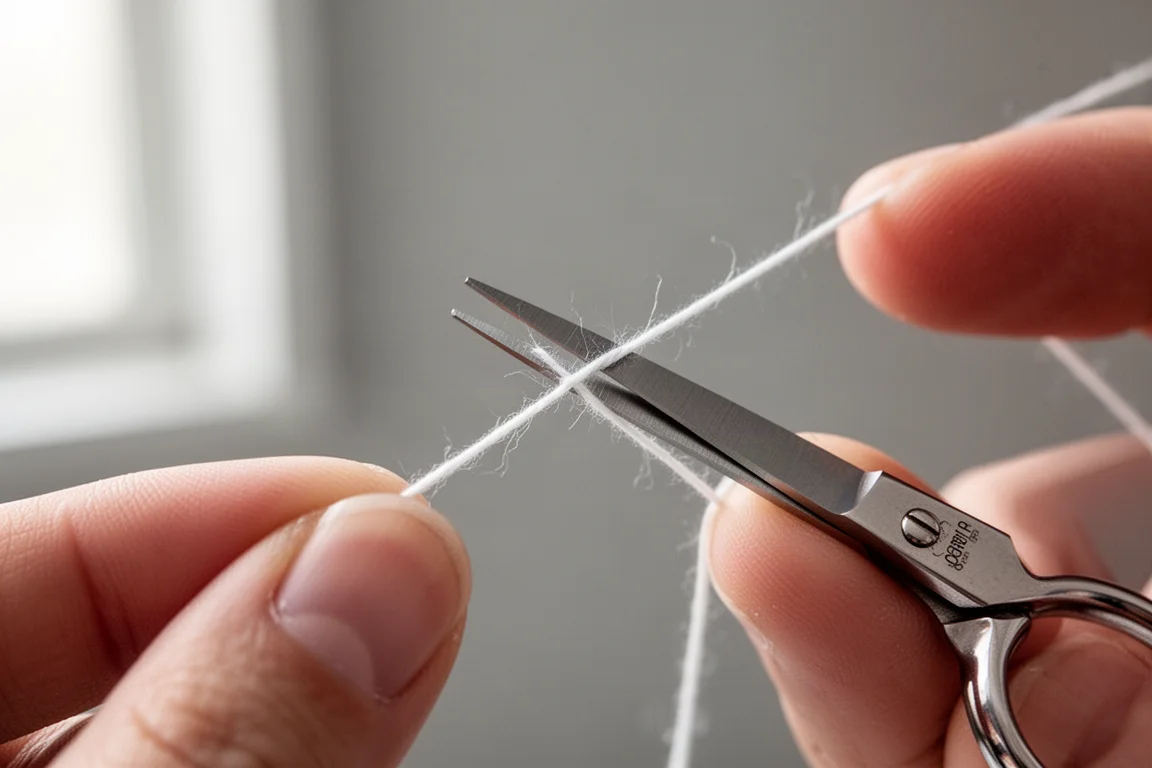
Cutting ability alone is not enough. The precision test checks whether the very tip of the scissor can snip a single fine thread without damaging anything around it, which is a genuinely difficult task that not every tool passed.
Scores were tallied across the gauntlet with a bonus point for passing the precision test. While exact scores are broken down per product below, the takeaway is that there is far more to scissor performance than blade length or handle shape: steel thickness, serration, grind angle, edge angle and heat treatment all matter enormously.
Victorinox Classic Alox 58mm
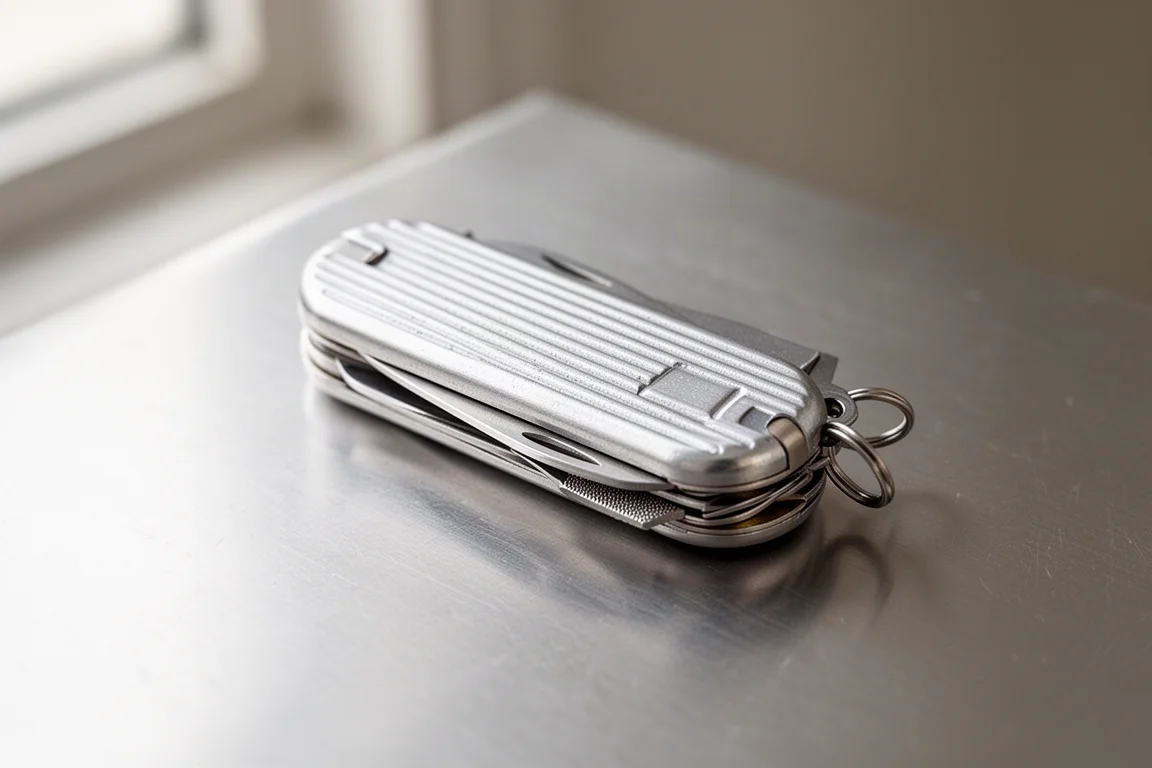
The 58mm Classic Alox is the thinnest and lightest scissor Victorinox makes, and it packs a file, a small blade, and a combination flathead and Phillips driver into an aluminium body. It is an ultra-compact pocket knife first and a scissor second.
In testing, the well-used sample cut the string and seat belt material but not ideally, and it struggled more than expected on paracord. The trade-off came on the precision test, where the tip proved very precise and earned a bonus. A brand-new or freshly sharpened unit would likely score higher, and a 74mm Victorinox model is worth considering if you do not mind carrying the knife blade too.
Victorinox SwissCard Light
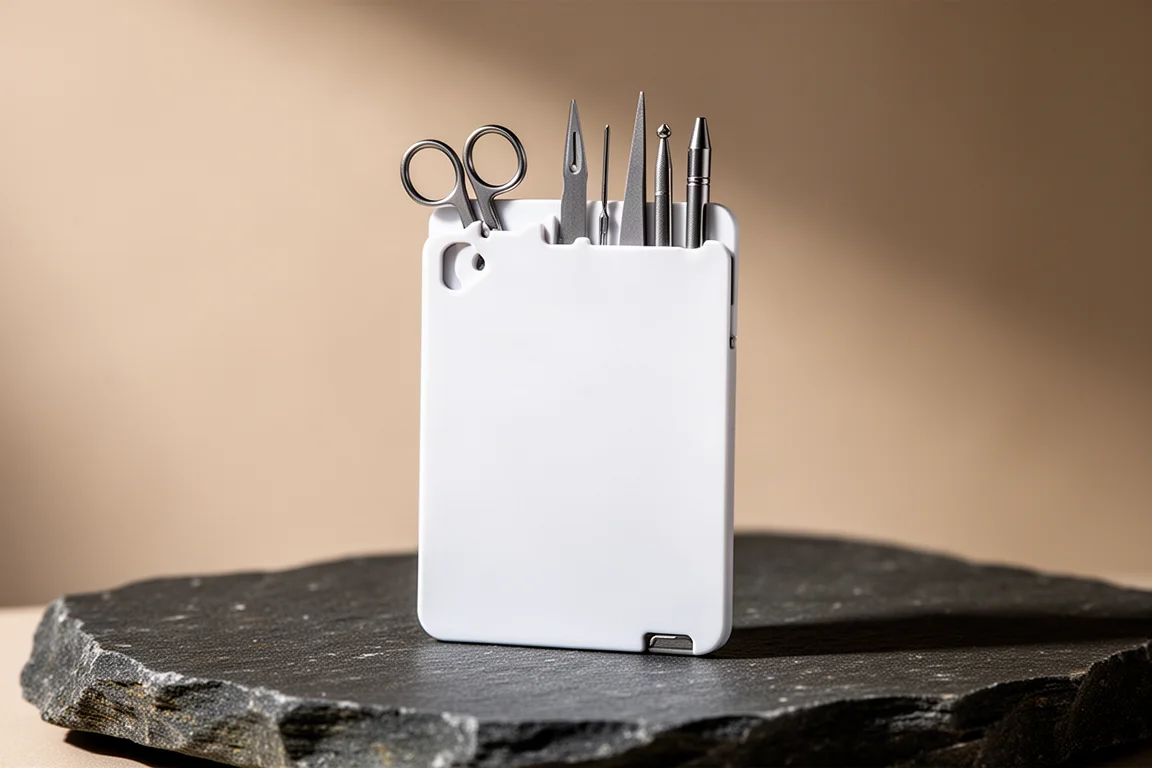
The SwissCard Light is unique: a credit-card-shaped tool kit that fits in a wallet. This variant includes a small flashlight, magnifying glass, four-way screwdriver, pressurized pen, tweezers, pin, knife and scissors. Crucially, if knives are not allowed where you carry, you can remove the blade and keep the rest.
Its cutting ability is genuinely good, and it even handled the dyneema thread better than most. The real weakness is ergonomics: the flat form factor is hard to hold securely, which forced awkward technique on tougher materials like the seat belt. If you can tolerate the grip, it is one of the most packable scissor options that exists.
Victorinox Compact 91mm
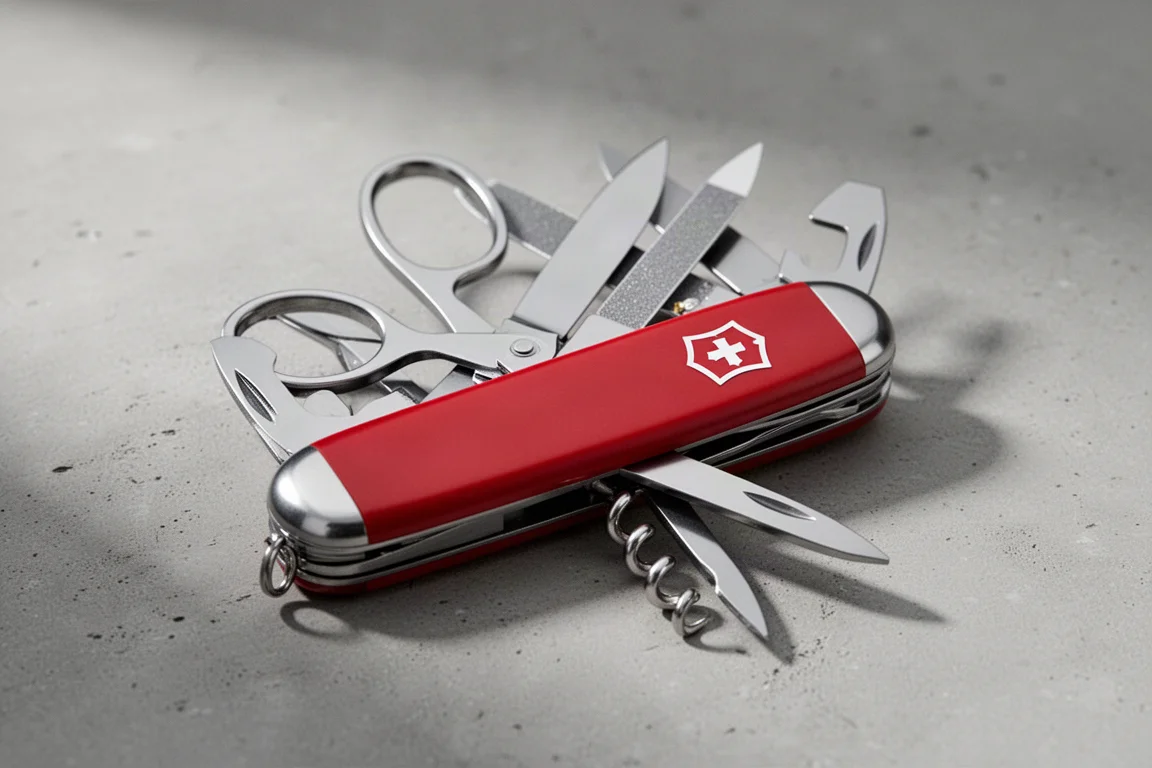
If there is a gold standard for multi-tool scissors, the 91mm Victorinox Compact is it. The tool density is hard to beat: blade, combo tool with can opener, bottle opener, flathead, corkscrew, parcel hook with nail file, toothpick, tweezers, a small needle, a glasses screwdriver and a pressurized pen, all in a light body.
Compared to the smaller scissors, it feels dramatically more comfortable in the hand and cuts through the gauntlet materials easily, including the seat belt material. It earned the best baseline score of the Victorinox group, and every other scissor in this roundup has to justify itself against it.
Fiskars Folding Scissors
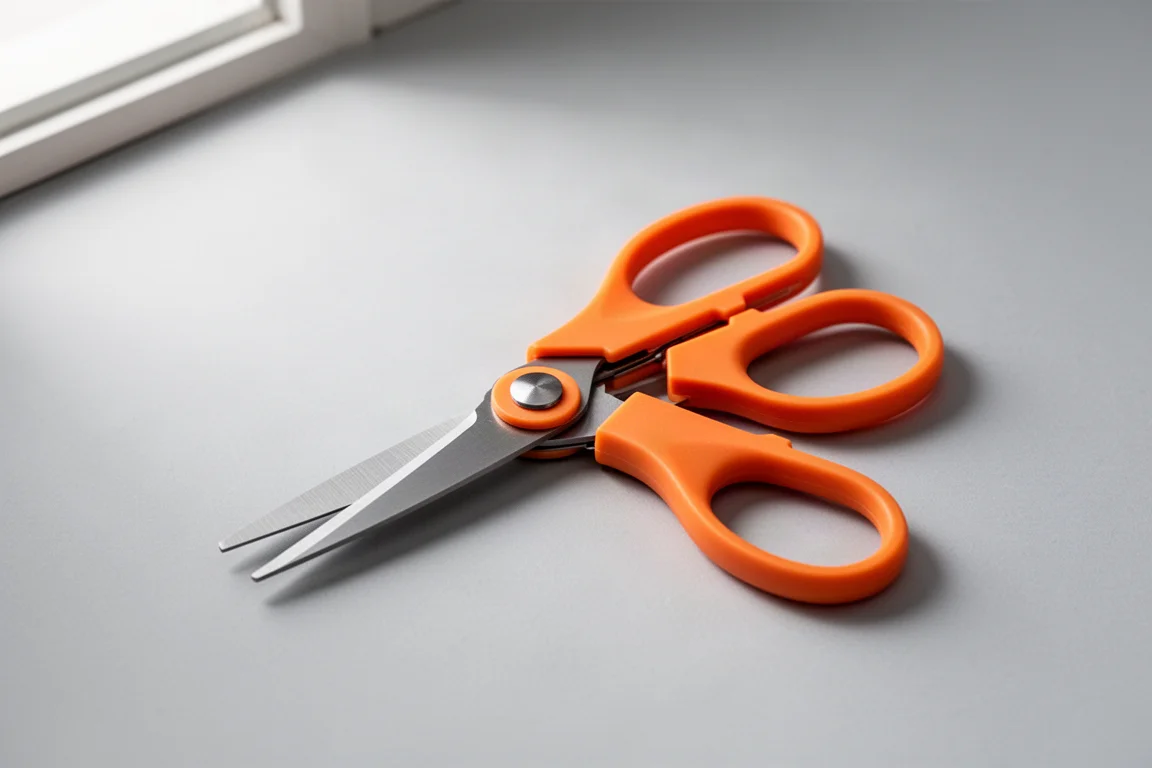
The Fiskars folding scissors were arguably the shock of the test. They clip onto a keychain, they are light and compact, they have no sharp edges sticking out when folded, and they are effectively their own sheath.
At around seven dollars, the performance was outstanding. They handled most of the gauntlet with excellent results, cutting through kevlar like it was nothing, and only narrowly missed a point on the toughest materials. For the price, nothing in this group beat them, and they are an easy recommendation for anyone who wants a capable scissor that lives on a keyring.
OneShear Mini Medical Shear
The OneShear Mini is a compact medical shear with a DLC coating, an oxygen wrench, one serrated and one non-serrated blade, and a curved blunt end that will not poke holes in your pocket. The special edition version also glows in the dark.
The handle thickness deserves special mention: it makes it genuinely comfortable to apply a lot of force, with nothing biting into the hand. Once testing was re-checked and scoring normalized, the Mini came out as one of the top performers, cutting through most materials, including the seat belt, with remarkable ease.
OneShear Pro Medical Shear
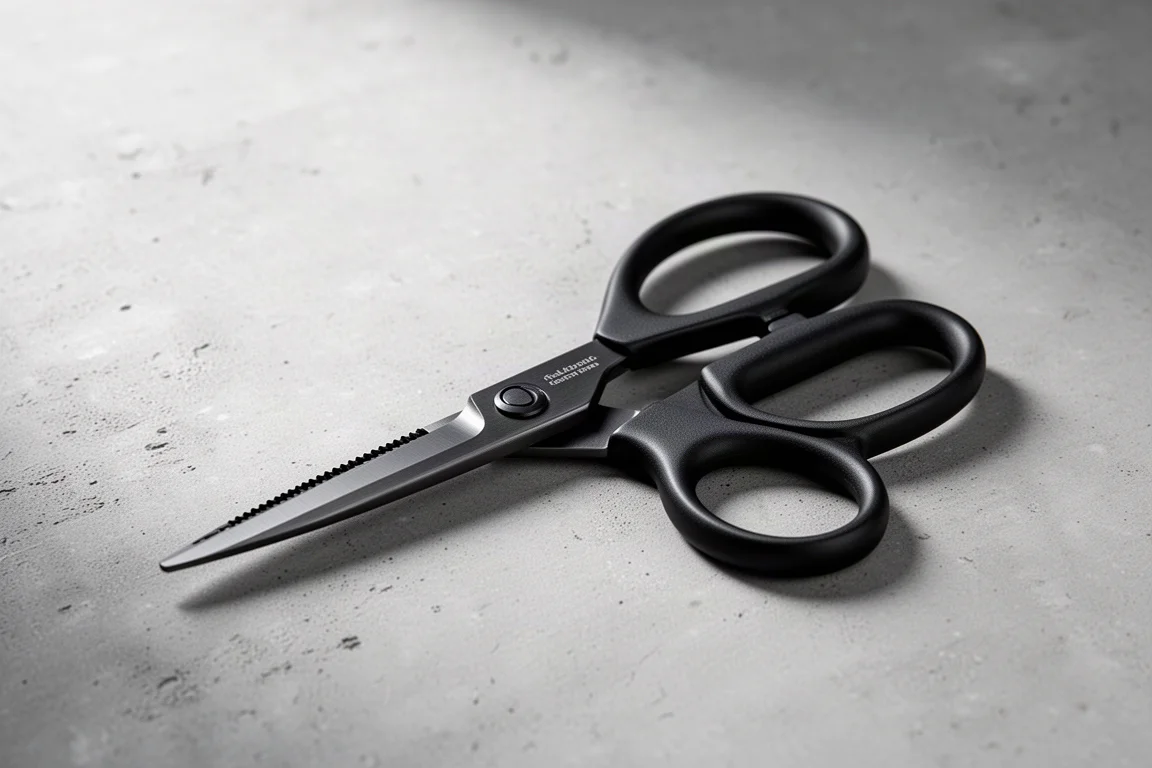
The OneShear Pro is the thickest, heaviest-duty version of the brand’s medical shears, sitting above the Mini with an Eco model in between. Build quality and comfort are on the same high level as the Mini.
Its cutting performance was excellent on almost everything, but one detail held it back: the very fine dyneema thread gave it trouble, which meant it actually tested slightly below the smaller Mini. If your priority is heavy-duty capability on webbing and tougher materials, the Pro remains a superb choice.
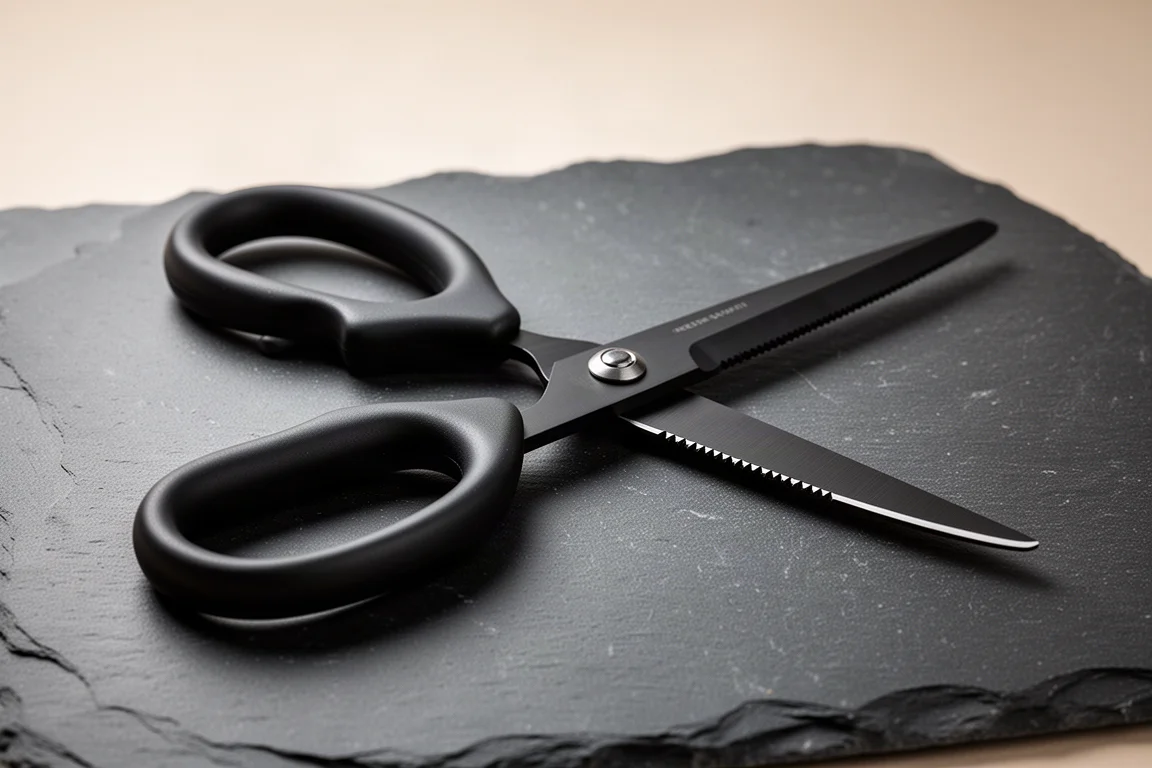
Slip-n-Snip Scissors
The Slip-n-Snip is made in the United States out of steel, folds down to a very compact size, and has no exposed sharp edges when closed. Its concept is compelling for EDC.
Unfortunately, performance was the biggest disappointment of the group. It managed some of the easier cuts but failed to complete several mid-level materials and did not pass the precision test either. It earns points for the clever folding format, but the cutting results lag well behind the rest of this lineup.
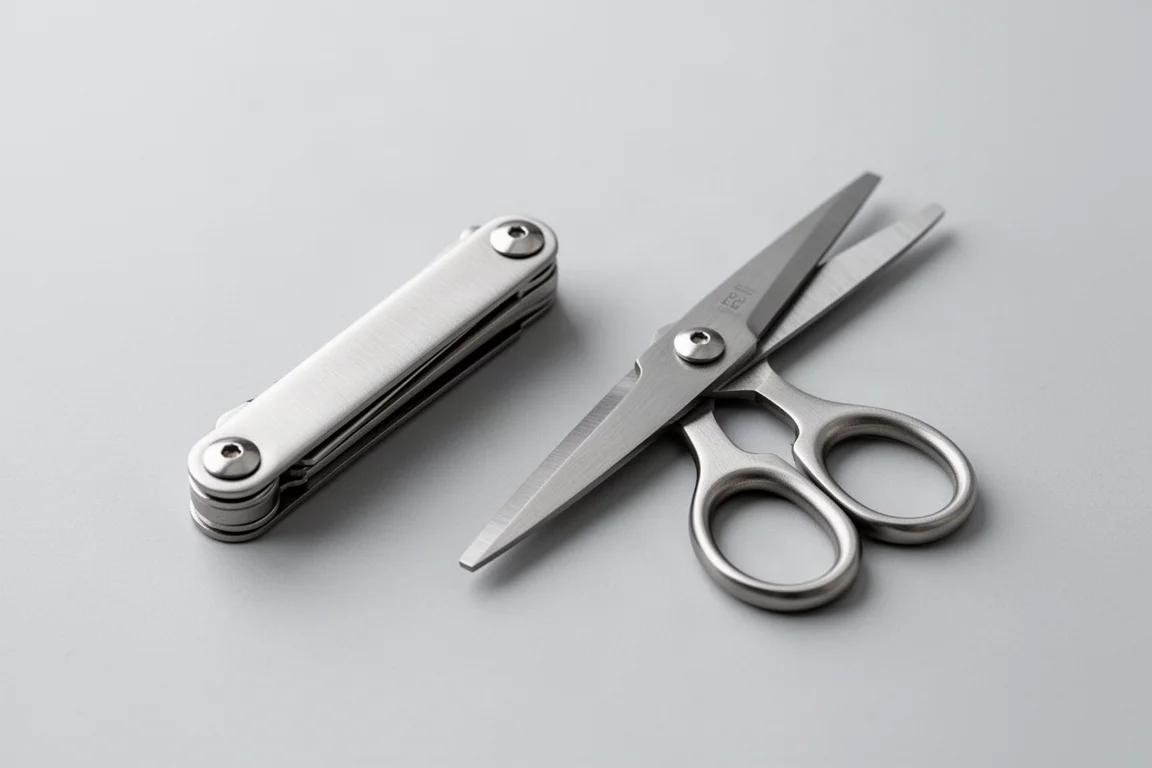
Klein Electrician Scissors
The Klein electrician scissors are a long-standing staple, also made in the United States, and they turned out to be the standout surprise of the whole comparison.
They cleanly cut nearly every material in the gauntlet, and even the pallet strap was not especially difficult. Better yet, they handled the precision test, snipping one of the fine threads cleanly without forcing it, possibly aided by a geometry change at the blade tip. These are not the smallest or lightest scissors, but at a very accessible price they delivered a near-perfect score.
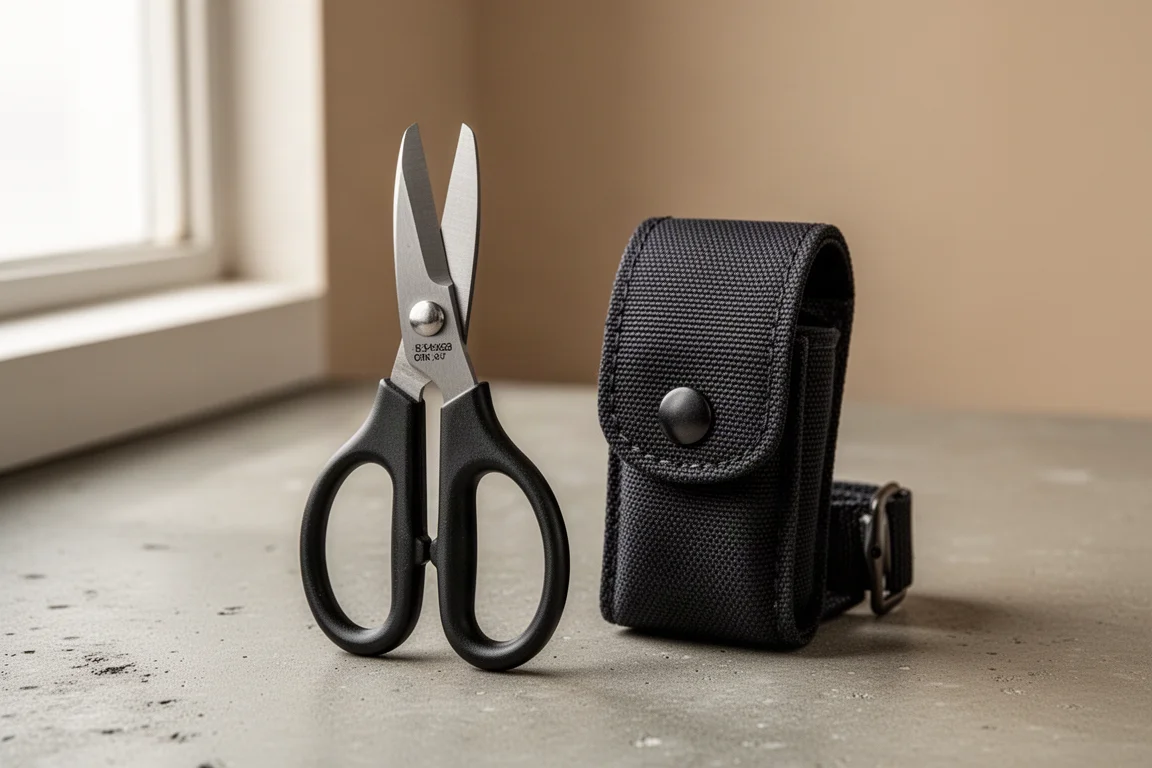
Gerber Processor Shears
The Gerber Processor is not really an EDC scissor: it is a fishing shear that can come apart, with two edged blades, a fish scaler, a gut hook and a sheath included. Visually, it is a conversation piece.
It performed admirably for tools of this type, though the big limitation is flex: at the tip of the blades it does not cut many gauntlet materials well. For its intended tasks, such as processing fish, it remains fine, but as a general-purpose carry scissor it is not the strongest pick here.
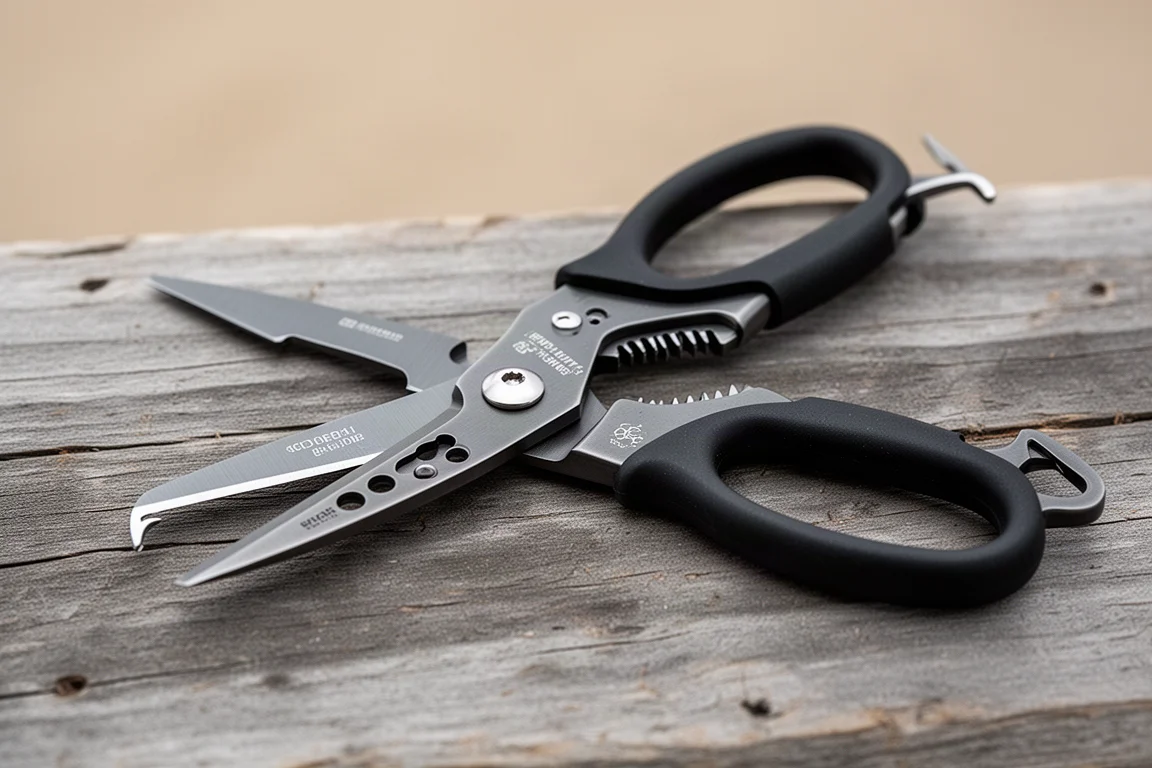
Overall Buying Advice
The clearest lesson from this comparison is that price and size do not predict scissor performance. The inexpensive Fiskars folding scissors and the Klein electrician scissors outperformed tools that look far more substantial, while some heavier options fell short on specific materials.
If you want maximum tool density and a proven baseline, the Victorinox Compact 91mm is the benchmark. If pocket space is the constraint, the SwissCard Light offers surprisingly capable cutting in a wallet-friendly form. For pure value on a keychain, the Fiskars is hard to argue with, and for cutting heavy webbing confidently, the OneShear shears and the Klein both excel. One cheap embroidery-style scissor was also tested and underlined the point: if you will carry something every day, invest a little more, because cheap steel and inconsistent grinding show up immediately in the results.
Conclusion
There is more to scissors than length and shape. Steel thickness, serration, grind angle, edge geometry and heat treatment separate good tools from great ones, and this testing made that clear in ways nobody would have guessed beforehand. Match the tool to your actual carry scenario, and any of the top performers here will serve you well for years.
Further reading
Related Reviews

Everyday Carry
Everyday Gear That Deserved a Second Look
A roundup of solid everyday carry items: watches, pens, a pencil, a knife, and a smart ring that each earned a place on the table.

Everyday Carry
KORE Tactical Bifold Wallet Review: A Durable Everyday Carry Option
A close look at the KORE Tactical Bifold Wallet, a reinforced nylon wallet with magnetic closure and room for cards, cash, and IDs.

Everyday Carry
Krabby Wallet Review: A Slim, Simple Carry That Has Stood the Test of Time
A closer look at the Krabby Wallet, a slim canvas and elastic design with a loyal following and a simple, functional approach to everyday carry.