EDC Tools
Best EDC Pry Tools: From Budget Keychain Picks to Premium Bit Drivers
A practical guide to everyday carry pry tools, covering budget keychain options, tough pocket tools, and premium titanium designs with bit drivers.
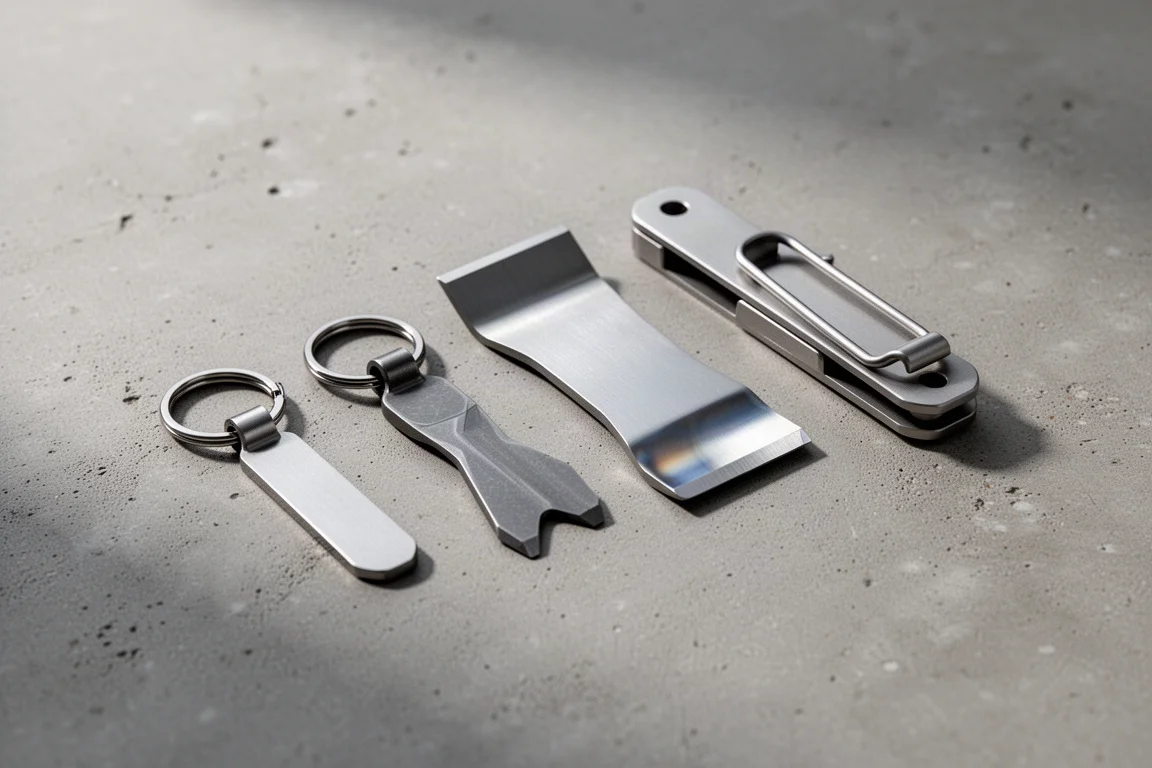
Introduction
A pry tool is one of those everyday carry items that confuses people at first. Why carry something extra when you already have a knife? The short answer: because there are tasks a knife blade should never do, and a dedicated pry tool handles them without risking your blade edge or tip.
This guide walks through the main categories, from a six-dollar keychain tool to premium titanium designs, so you can pick the level of capability that actually fits how you carry.
Why Carry a Pry Tool at All?
The core purpose is simple: protect your knife. Prying with the tip of a blade or scraping gunk off a surface with its edge is a fast way to chip, roll, or dull steel you paid good money for. A pry tool gives you a disposable-ish edge designed to take that abuse instead.
It also shines in small everyday jobs: opening paint cans, lifting tabs, scraping off stickers, separating clipped-together parts. A blunt wedge of metal simply does these better and safer than any blade.
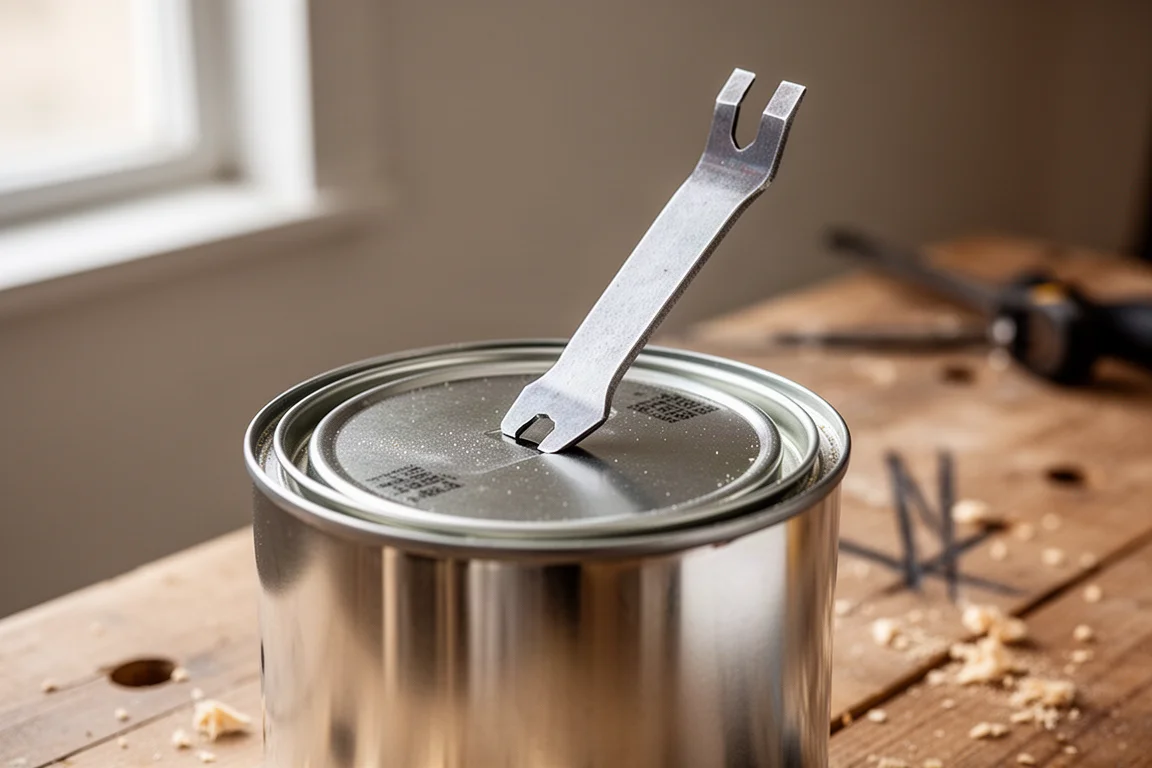
There is a travel angle too. If you are flying somewhere you cannot bring a knife, a small pry tool may still cover a surprising number of those tasks.
Keychain Pry Tools: The Easiest Place to Start
If you want pry-tool functionality without changing how you carry, keychain tools are the right entry point, and they can be genuinely cheap.
A Word of Caution: The Gerber Shard
Search keychain pry tools online and the Gerber Shard is usually the first result. It is widely sold and heavily rated, but it has a reputation for bending and snapping under real prying, and its pot-steel construction does it no favors. The feature list looks decent on paper, but as a prying tool it repeatedly fails people who actually use it.
The Better Budget Alternative
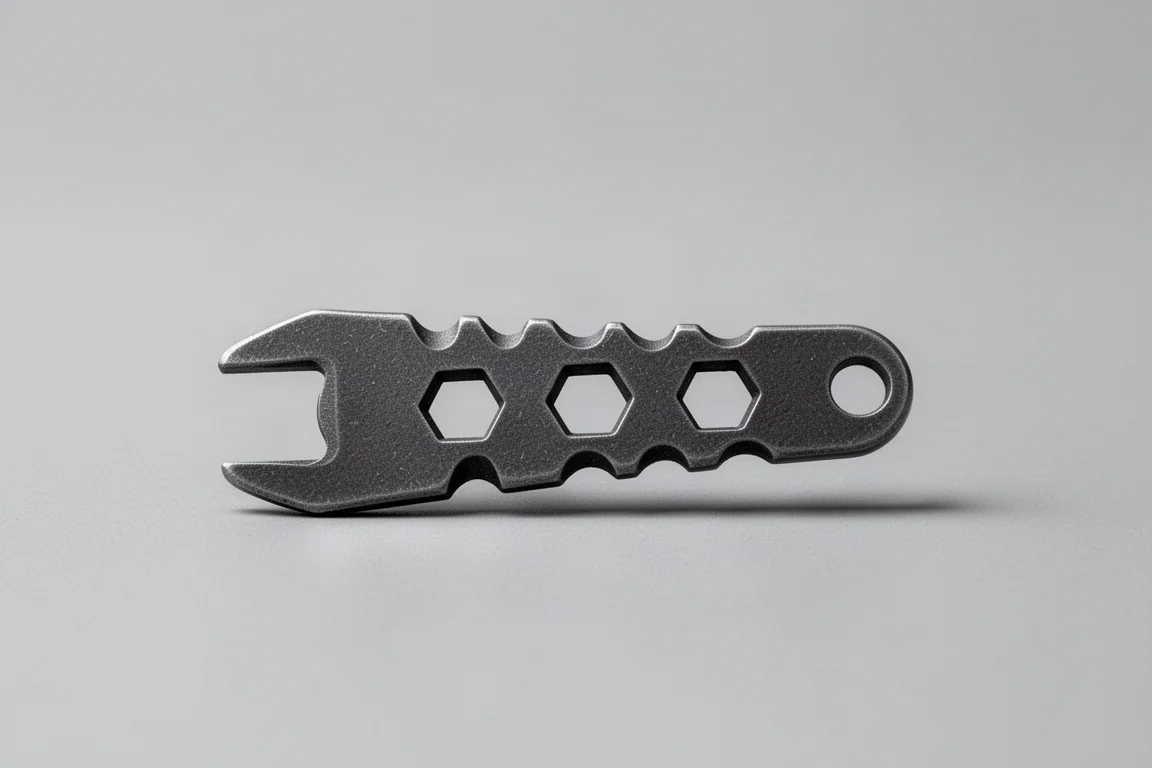
There is a far better option in the same budget bracket: a billet steel pry tool that is cut and milled rather than cast. It will bend before it breaks, which is exactly what you want in a cheap pry tool. It skips pointless extras like a nail-pull notch, adds a small box-cutting edge so tape never touches your knife blade, and includes imperial and metric graduations plus a few hex drivers and closed wrenches on the back.
The standout feature is the clip. It works as a key dangler, so you can attach it to a belt loop and forget it is there. Being soft steel is actually a benefit here: when you scrape a sticker off a surface you care about, it will not scratch or etch the material underneath. At around six dollars, this is the tool to buy if you just want to try the category.
Talon Psy x Trayvax Talon
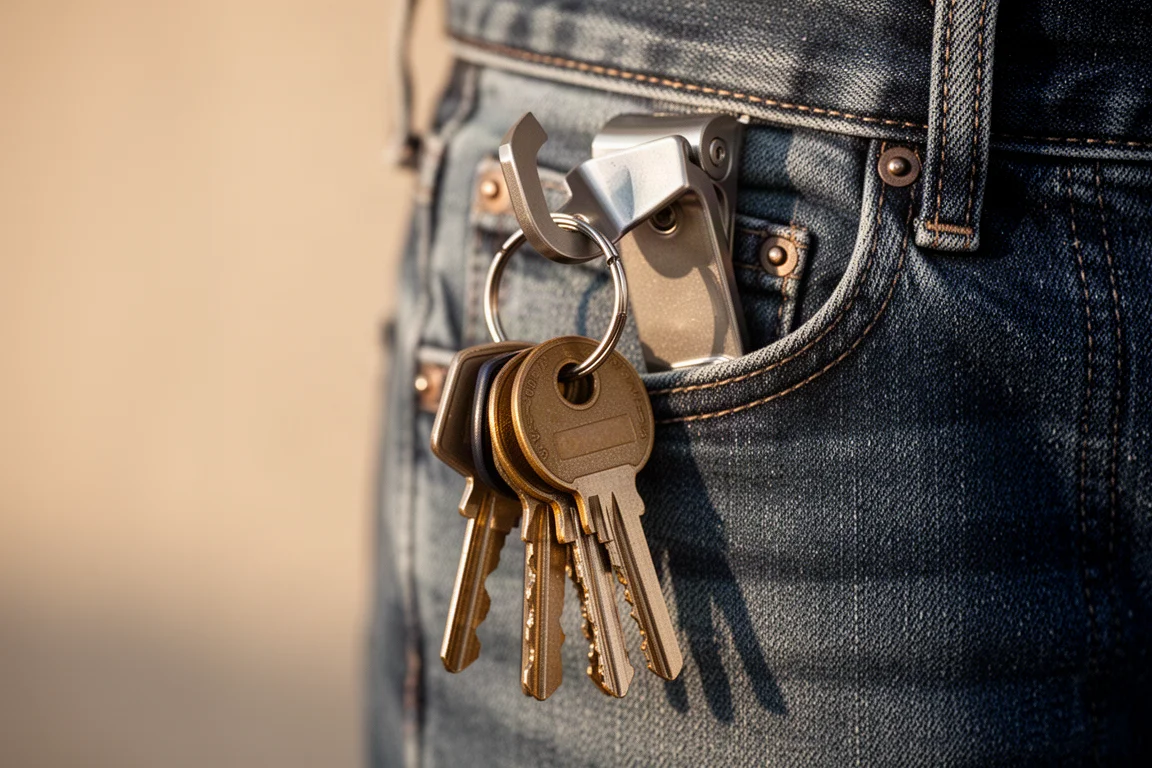
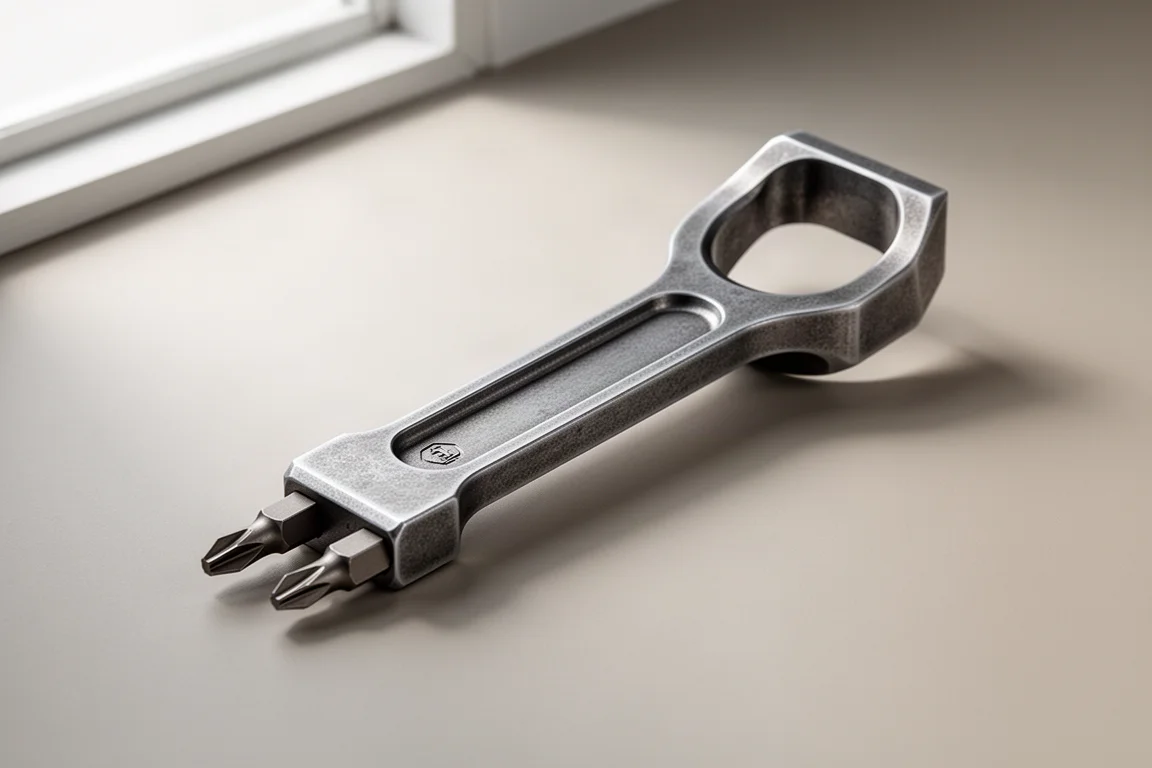
Designed by Talon Psy in collaboration with Trayvax, this is the premium take on the keychain pry tool. The version worth waiting for is the S35VN steel one, heat treated above 60 HRC, which means the integrated Phillips and flathead drivers hold their edges for a very long time and resist bending or damage.
The main trade-off is the prying edge: it is quite thick, which limits it to tasks like working on camera equipment unless you narrow it yourself with a file. It also works as a key dangler with a wider top opening than most, which makes it more versatile for attaching to belt loops or bags. The price sits well above the budget options, so it is one for people who already know they will use it.
Evers Ratchet Clip
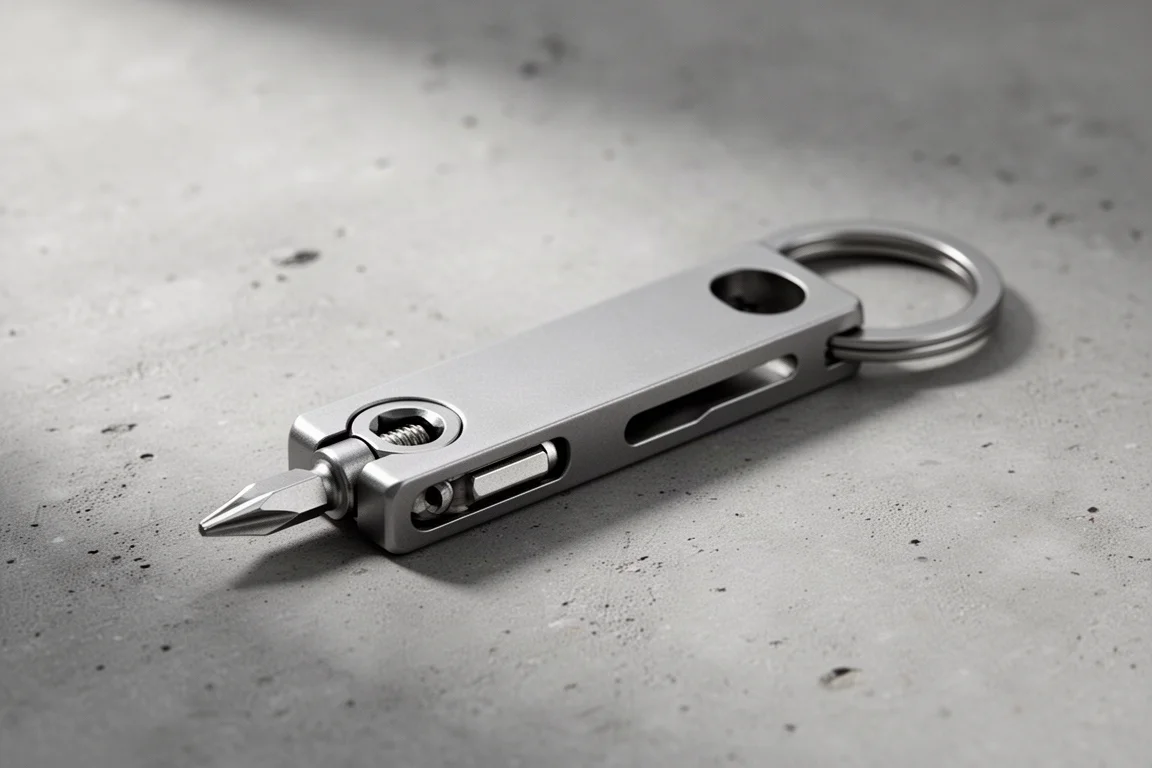
The Evers Ratchet Clip occupies the middle ground on price at roughly 25 to 30 dollars. It has a steeper prying edge that comes to a thinner point, plus a hex hole, but the headline feature is a patented ratcheting bit driver: press your thumb on the back to retain the bit and ratchet it back and forth, flipping direction as needed. Cut shelves inside hold the bit securely when stored.
It is made of titanium, so corrosion is a non-issue, and it slides onto a belt loop and stays put. For keychain attachment, an S-biner through the slot works well because you can detach it for prying and clip it back on afterward.
Pocket and Pouch Pry Tools for Harder Use
If you work in the trades or simply want something sturdier that lives in a pocket or a multi-tool pouch, steel is the right material for hard use on a prying edge.
Rogan RPT
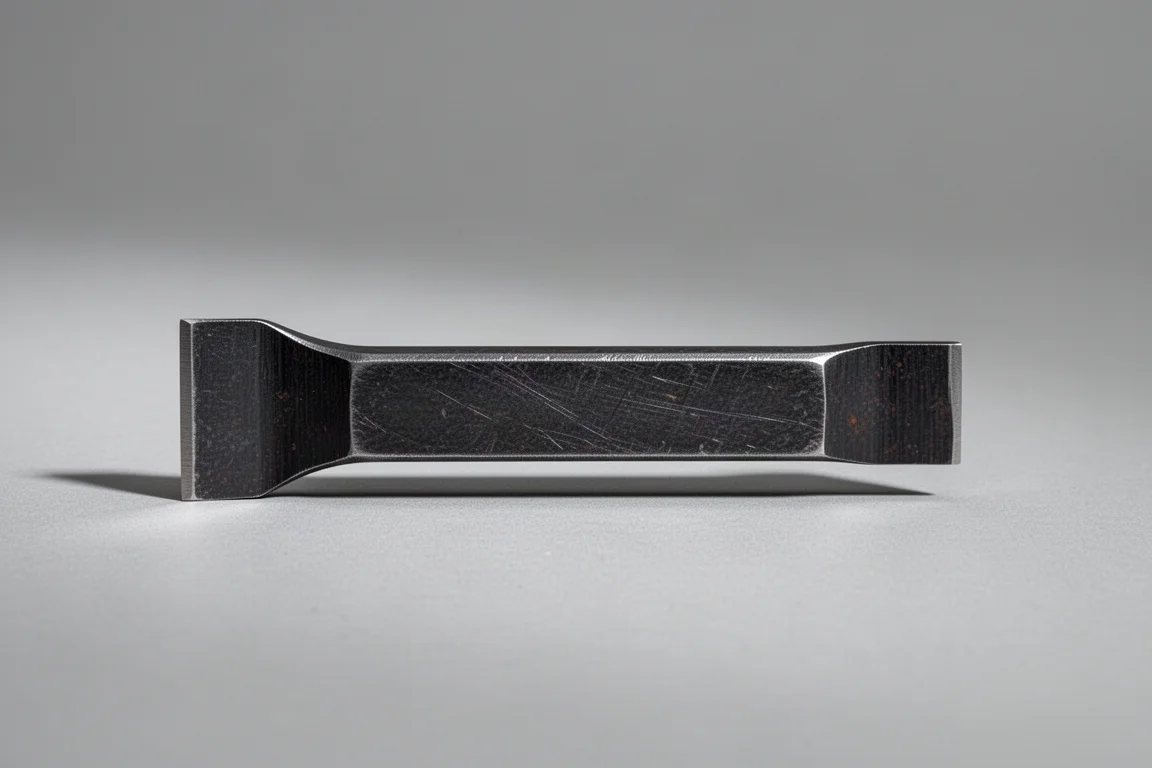
The Rogan RPT is probably the toughest pry tool that is easy to get hold of. It is sold in carbon steel and newer versions are heat treated, and it is seriously tough: breaking one would take real effort. It is just big enough for genuinely stupid levels of prying while still small enough to fit into a wide range of pouches. Some examples come with a polished convex edge, but the standard version is simpler and just as capable where it counts.
UpKnife T1
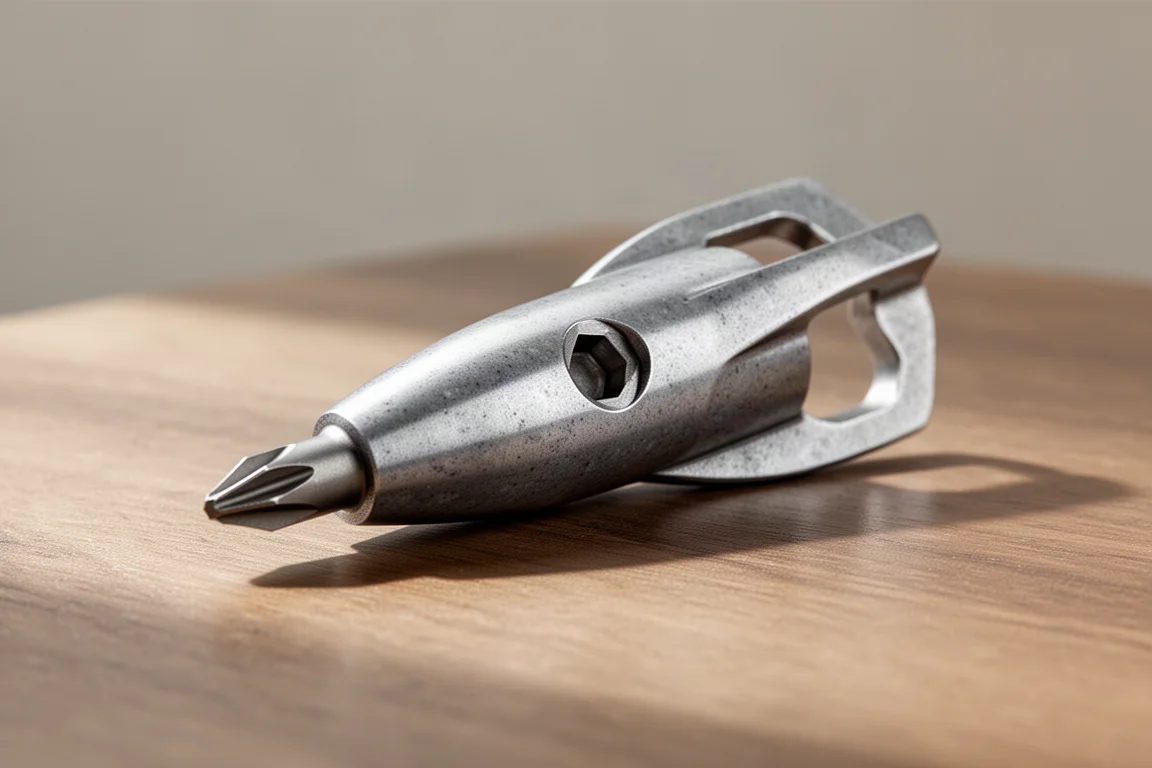
The UpKnife T1 sits in an interesting middle ground: almost long enough to pass as a keychain tool, but heat treated in CPM 154CM above 62 HRC so it can do real work without bending or snapping. Styling leans rocket-like, and the feature list is generous: a number two Phillips driver, a 4mm hex bit driver with a center notch that actually retains a bit, bottle openers on both sides, and a split that can genuinely pull a nail. The author of this guide has even narrowed part of it with personal file work. No loose parts come with it, which keeps it flat and pocket-friendly.
Counticon Titanium Separator Tool
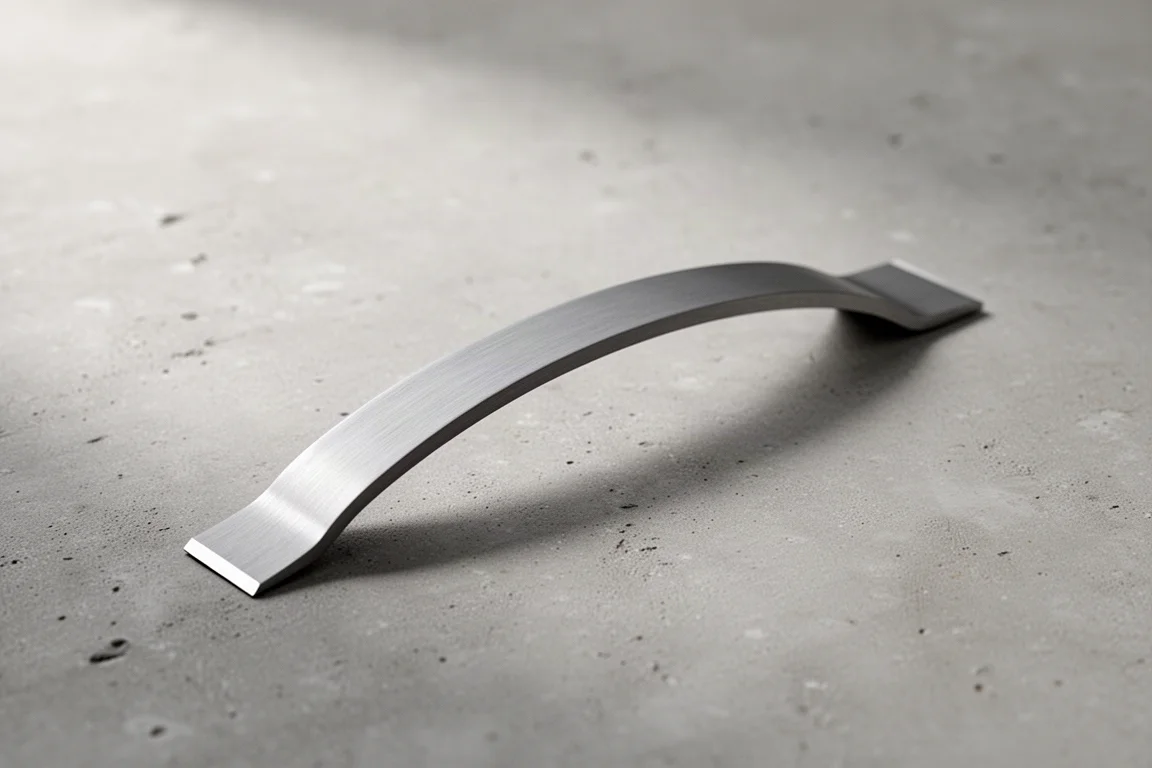
The Counticon is technically a separating tool rather than a classic pry bar, and that is the point. With two working edges and a curved profile, it is designed for jobs like removing interior car trim panels or pulling out a car radio without marring anything. Titanium versions run about ten dollars, plastic and flat versions also exist, and the flat variant in particular practically disappears in an organizer or the side of a multi-tool pouch. Surprisingly useful, and a good kit item.
Premium Pry Tools With Bit Drivers
This is the enthusiast category: pry tools that also carry a screwdriver bit, and often much more. Go in knowing what you want, because some designs pack in so much that they stop being pocket-friendly.
Vero Engineering Fulcrum
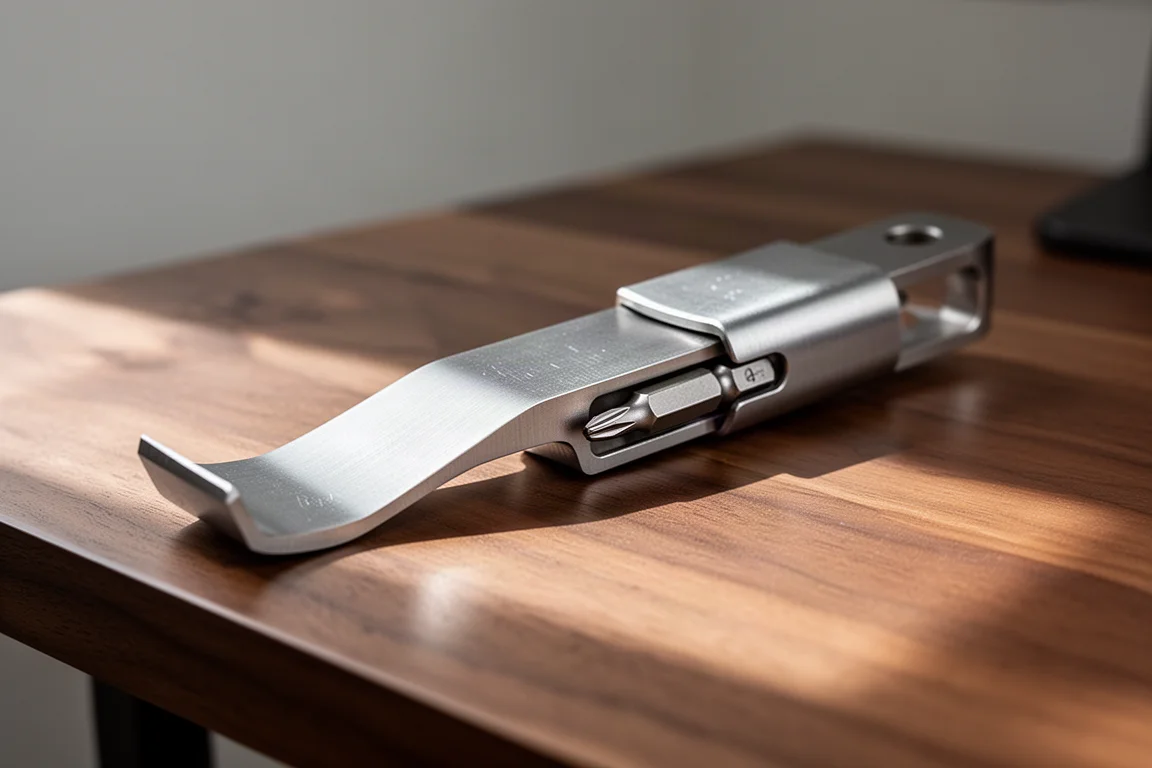
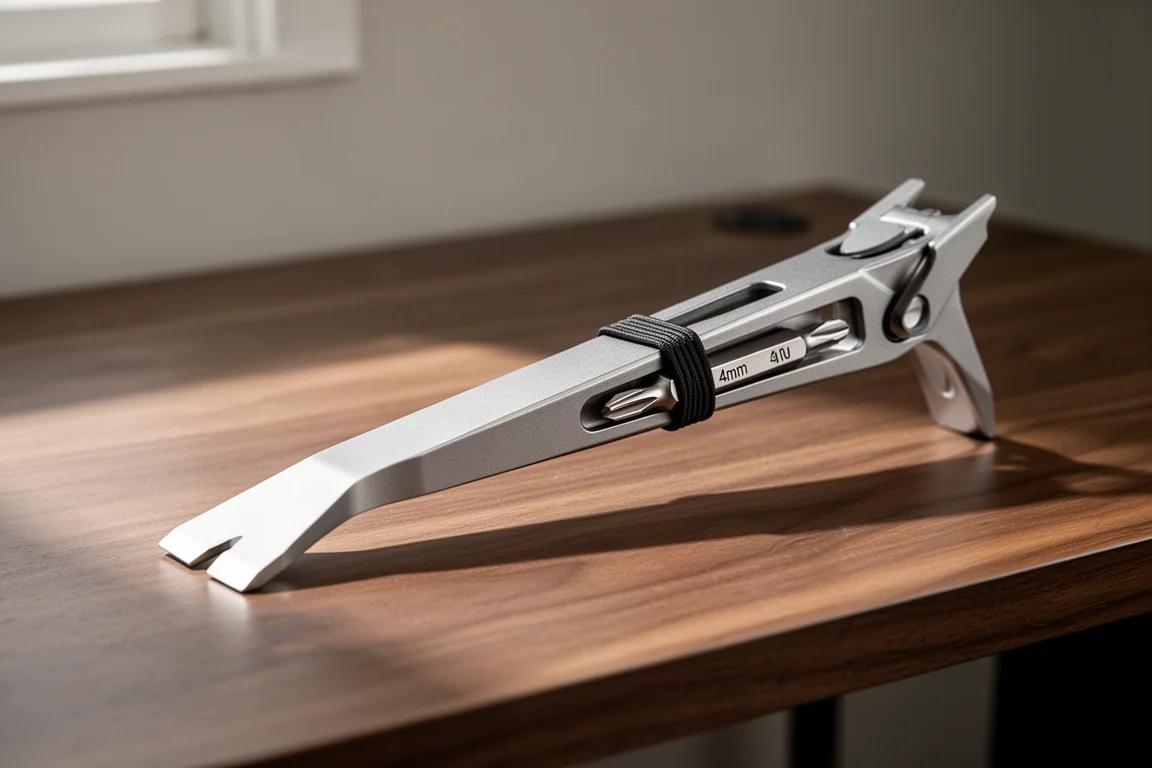
The Vero Engineering Fulcrum essentially started this whole subcategory, and it remains the favorite. The prying edge and its angle are close to perfect: it has handled every task thrown at it, including being hammered on, and held up without issue. Four-millimeter bits are held in place by elastic bands, with the clip itself retaining the bit so you can carry up to two. It is titanium, available in many finishes, and sits on the premium side at around one hundred dollars or more. If you want a true user and you are serious about daily carry, it is absolutely worth considering, even if it is not the right recommendation for absolutely everyone.
Buying Advice
Start small. If you have never carried a pry tool, a six-dollar keychain option tells you quickly whether the category fits your life. If it does, and you want something sturdier for work or pouch carry, the steel options are the sensible next step.
Only go premium once you know you will actually use a bit-driver pry tool daily. Among the premium options, a smaller keychain-compatible design covers more people than a full-size one, unless you are certain you need the extra capability. Watch the details too: titanium is more brittle than steel and can snap at thin edges, so split designs and overly thin prying edges deserve a second look. And skip pry features on multi-tools where a notch splits the titanium in the middle; it dramatically reduces strength.
Conclusion
Pry tools earn their place by doing what your knife should not. A cheap billet steel keychain tool is the smartest first purchase, steel pocket tools cover hard use, titanium separators solve scratch-sensitive jobs, and premium bit-driver designs like the Vero Fulcrum reward people who carry one every day. Match the tool to your actual carry habits and you will wonder how you managed without it.
Further reading
Related Reviews
EDC Tools
7ElevenL Leatherman Bit Driver Add-Ons: Two Compact Upgrades for Your Multitool
Two well-built bit driver add-ons that work with Leatherman bit systems and standard quarter-inch bits, including a keychain-friendly design and an articulating ratchet version.
EDC Tools
12 Compact EDC Screwdrivers Worth Carrying in 2026
From bike-kit ratcheting drivers to titanium keychain tools, these 12 compact screwdrivers cover pocket carry, small pouches, and ultralight toolkits.
EDC Tools
Best EDC Pliers: Nine Compact Options From Budget to Premium
Nine dedicated EDC pliers that add grip, cutting, and clamping capability without carrying a full plier-based multi-tool.