EDC Knives
10 Great EDC Knives Under $100: The Picks Worth Your Pocket Time
From the NAFS Lander to the Civivi Sokoke, ten folding knives that deliver premium feel, solid build quality, and real value without breaking the $100 mark.
Introduction
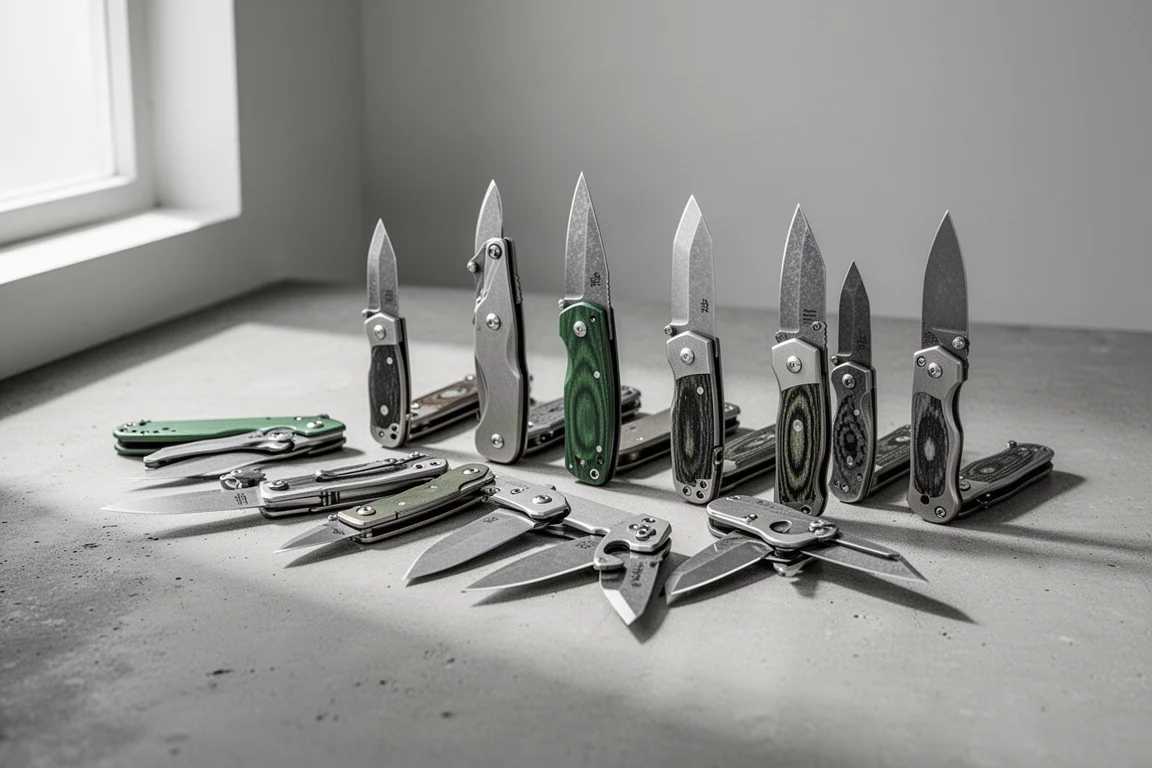
A few years ago, narrowing down the ten best knives under $100 was manageable. Today it is nearly impossible. New brands have appeared, established makers have flooded the market with releases, and the value at this price point has improved dramatically. Some of the knives worth recommending have crept slightly above $100, while others have pushed prices lower than ever.
Rather than claiming these are the definitive ten, treat this as a personal shortlist: knives that feel and look more expensive than they are, with build quality, action, and ergonomics that punch well above their price. Every pick here has earned genuine pocket time.
NAFS Lander
The NAFS Lander from Ben Peterson pairs a Sandvik 14C28N blade with green Micarta scales, and it earns its place through smart design. The action, lockup, and detent are all excellent, but the standout feature is the scale system: the scales are open source, so you can 3D print your own replacements, and they hot swap. Remove two screws and the clip, lift off the scales, and put new ones on without touching the action or taking the knife apart.
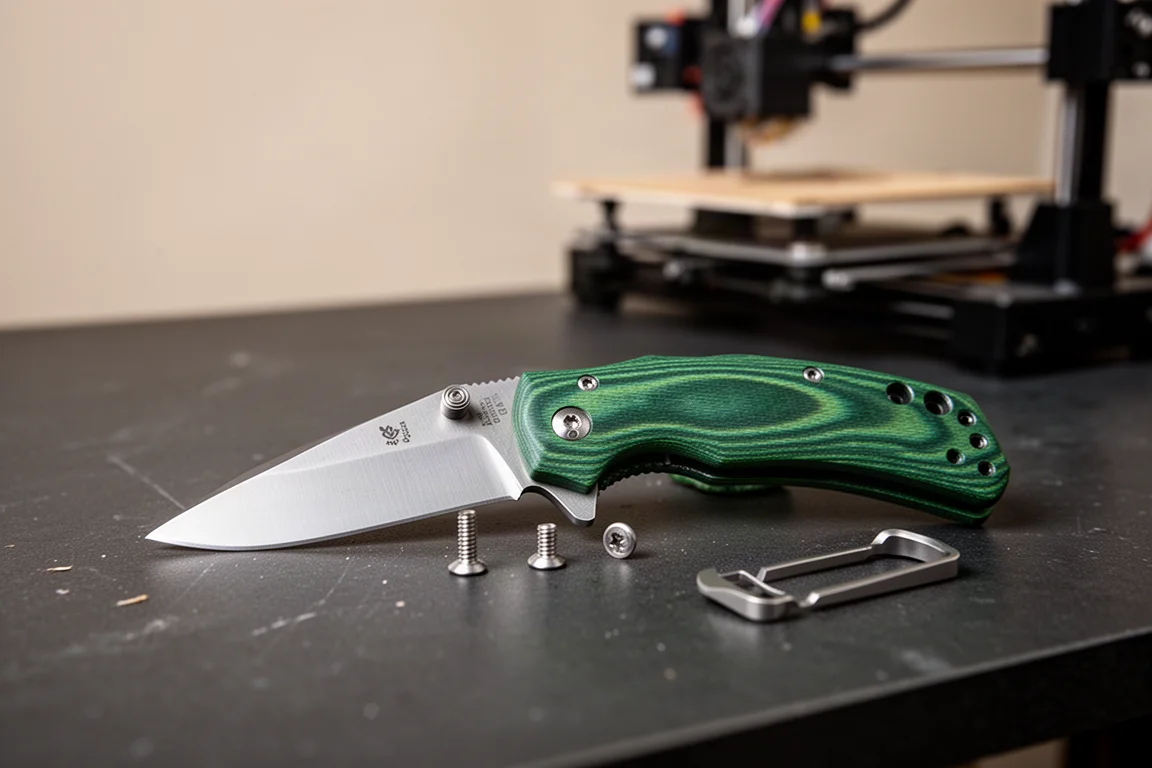
The only real complaint is size. The Lander is fairly small in hand, though it still finds regular pocket time and feels better built than many comparably sized knives. If the idea of a Rat 2 appeals but you want something that looks and feels a step above, this is it.
CJRB Pyrite
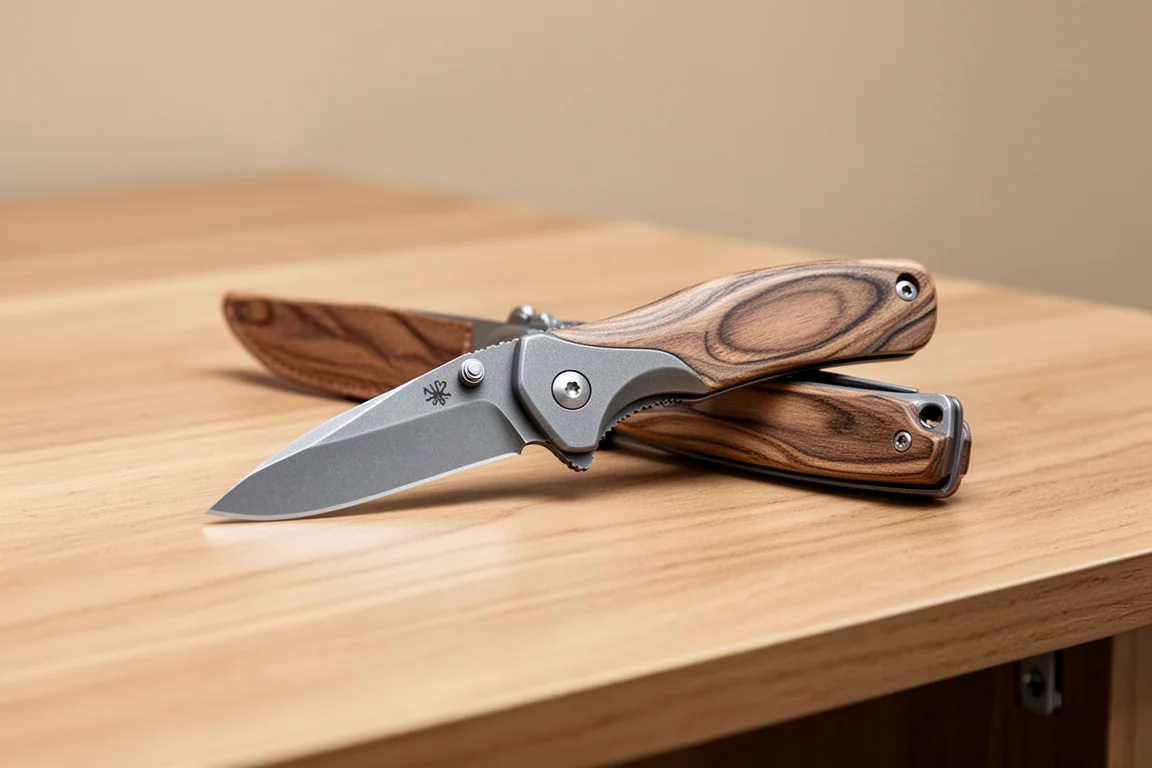
The CJRB Pyrite in the full stainless version is a sleek, polished folder that flies somewhat under the radar. It also comes with G10 handles, which many prefer because the stainless scales are genuinely slick in hand. The design calls to mind higher-end minimalist folders, just a bit narrower.
It runs AR-RPM9 blade steel, a steel associated mainly with CJRB that is often compared to 9Cr18MoV or VG10. Some users report it can be tricky to deburr and sharpen, and edge retention is a fair trade-off to expect at this price. On a knife around $50, something has to give, and a blade that needs more frequent sharpening is an acceptable compromise when lockup, action, and in-hand feel are this good. There is also a trace of lock stick, though nothing disruptive.
Kizer Assassin XL
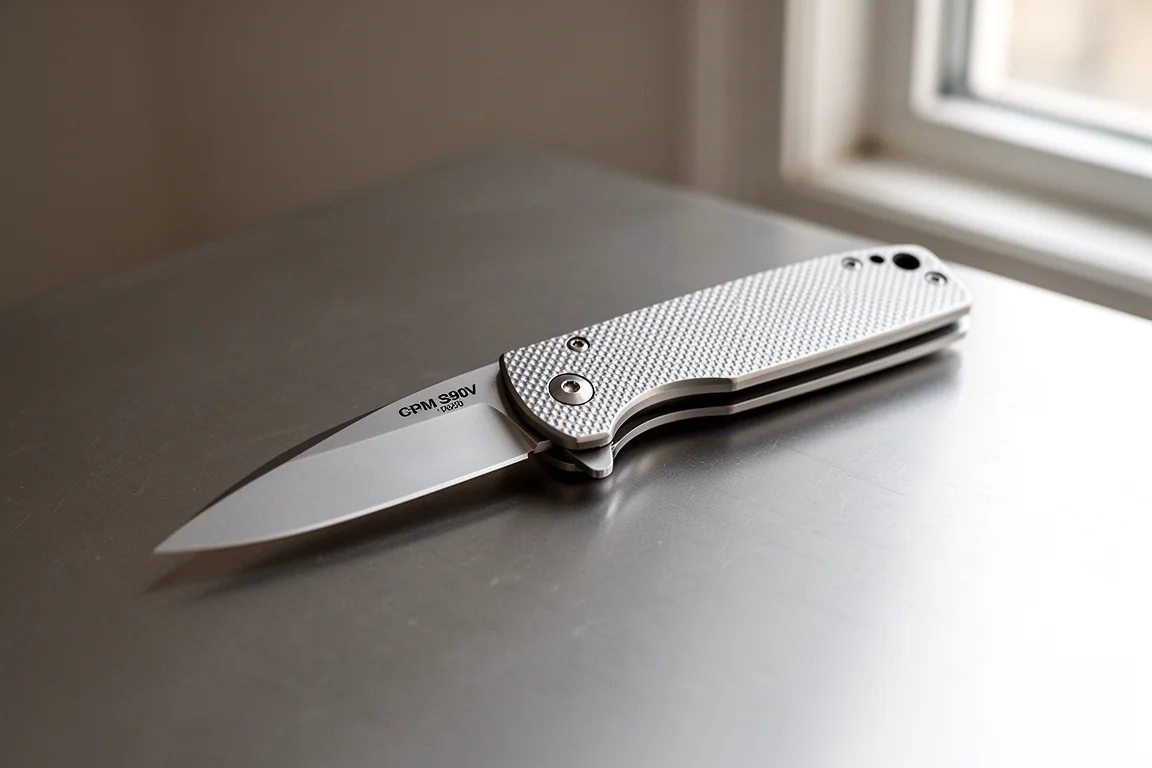
The Kizer Assassin XL is arguably the strongest pick on this list and a top-three contender. It carries a 154CM blade steel, Micarta scales, a button lock, and a deep carry pocket clip, all for around $90.
Why the XL rather than the original? The smaller Assassin has a notable flaw: the plunge lock button protrudes noticeably past the scale, so gripping the knife firmly during a hard cut can disengage the lock. The XL appears to have that issue addressed, with the button sitting more recessed, and it simply wears a little larger in a way that suits the design. Beyond that fix, there is very little to criticize. It is a ridiculously good knife for the money.
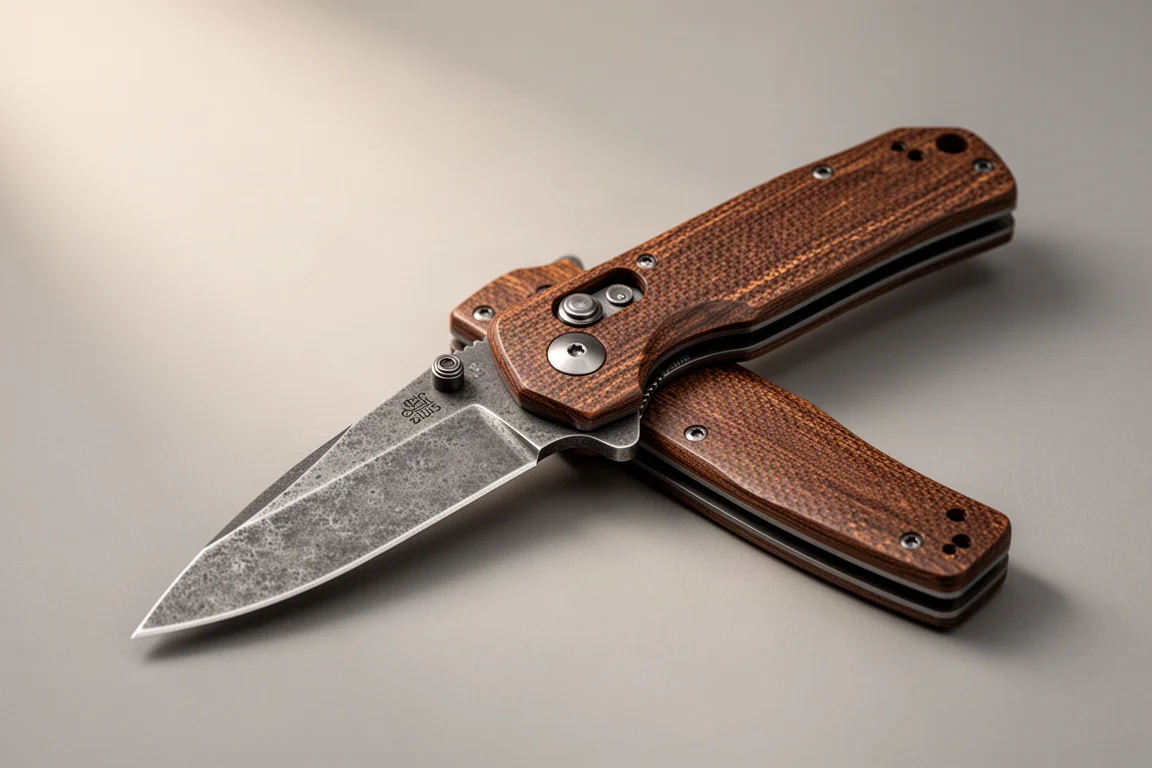
Sincut Tainan
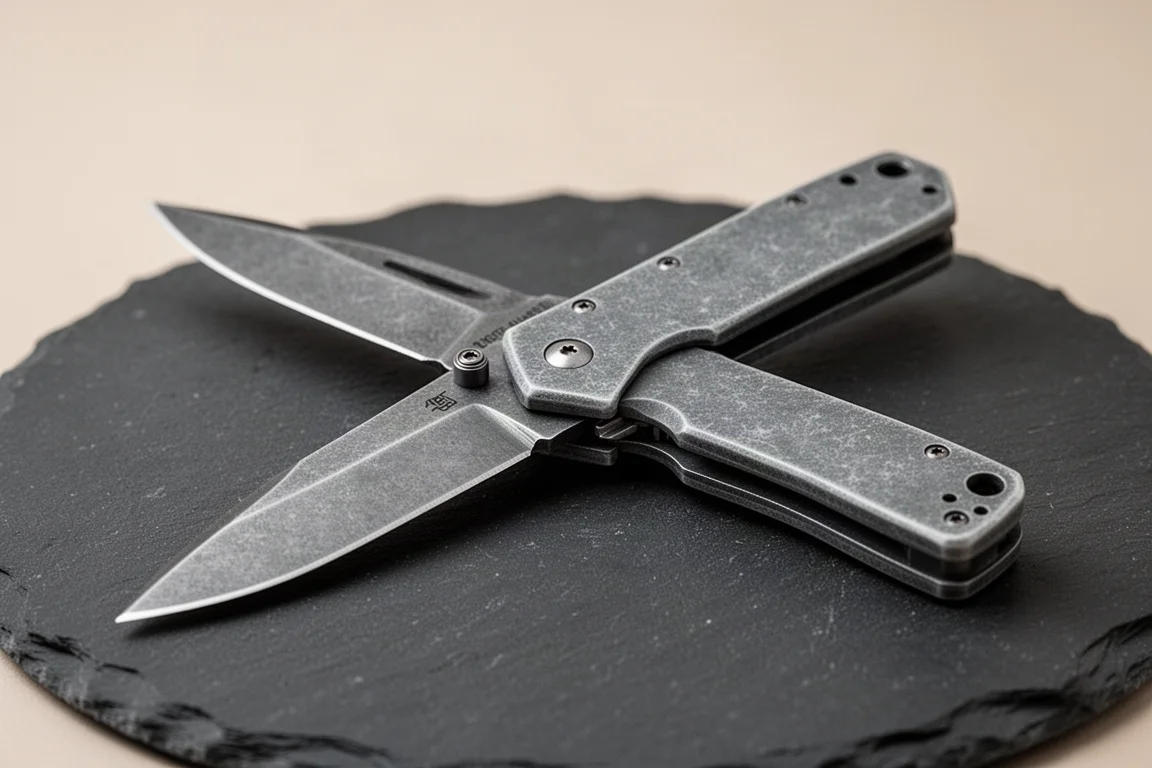
Sincut is Civivi’s sub-brand, effectively delivering Civivi-quality knives without the C branding, and the Tainan is the clearest example of why that matters. The entire knife gets a stonewashed finish except for a few hardware pieces, giving it a clean monochromatic look, and it costs just $47.
The blade runs 10Cr15CoMoV steel, which is not a well-known alloy, but with regular maintenance, honing on a ceramic rod and occasional sharpening, any budget steel at this level performs fine. Everything else about the Tainan is close to perfect for the price. It borrows the spirit of far more expensive gray-titanium designs, the kind that run several hundred dollars, and delivers the same general formula in a knife you can carry, use hard, and not worry about.
Boker Plus Bonfire
The Boker Plus Bonfire is a modern take on a traditional pattern, bringing a classic trapper-style handle profile into contemporary knife territory for $85. Traditionally, the only real options for a quality modern traditional folder sat around the $300 mark, which makes this an almost automatic buy for fans of the style.
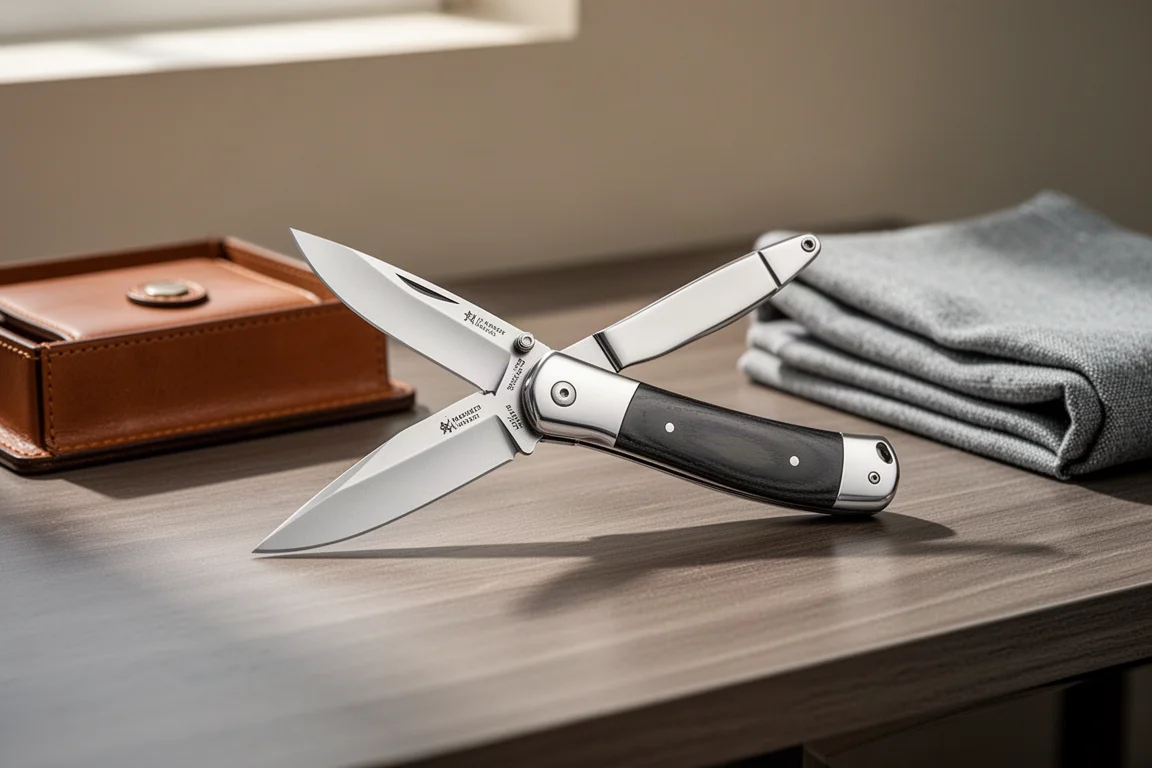
You get a D2 blade, which is polarizing: some people avoid it entirely, and it does require care because it rusts more readily than modern powder steels, particularly in humid summer conditions. The bolsters and liners are also not chamfered, leaving corners that feel a bit harsh, and the liner lock lacks a finger cutout. The clip is basic as well. But the action is good, the size is generous, and nothing else at this price offers this blend of traditional pattern and modern construction.
Kizer Feist
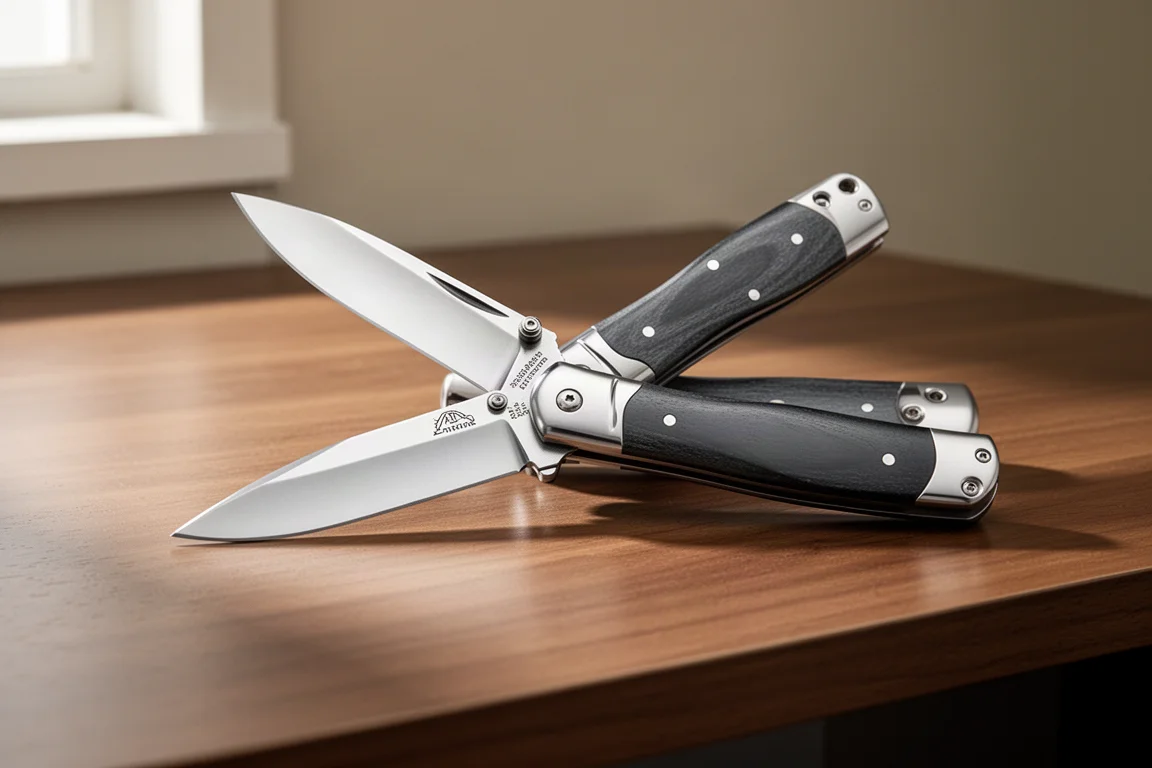
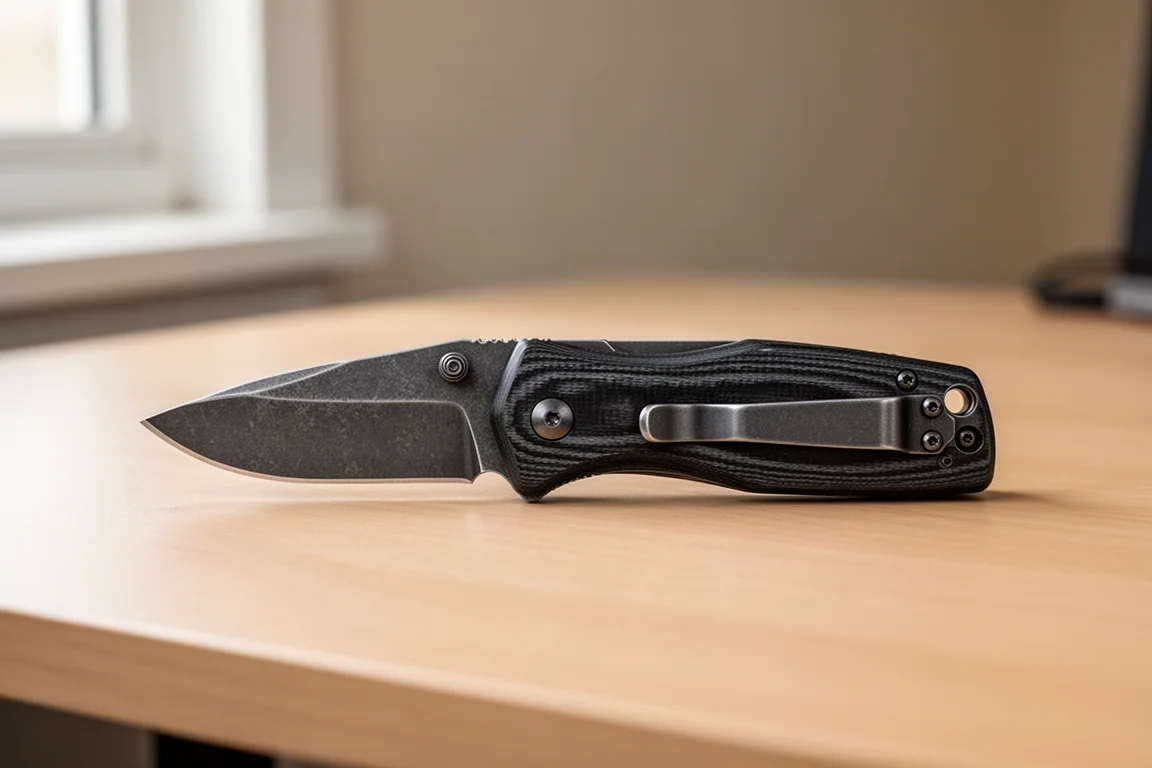
The Kizer Feist has long been a well-regarded design from Justin Lundqvist, but the original only came in wharncliffe and reverse tanto blade shapes. This version, at $99.98, technically squeaks under the $100 line and adds a drop point blade plus red Richlite handles, a combination that looks remarkably clean.
Ferrum Forge Stinger
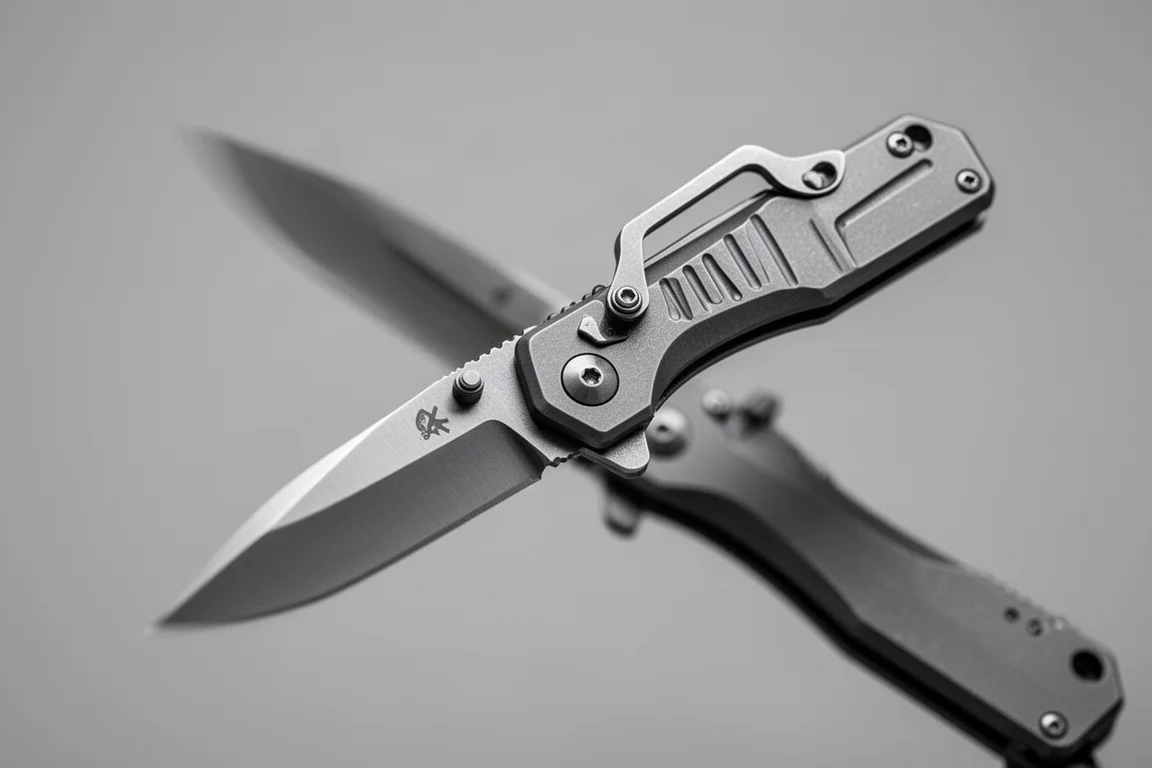
The Ferrum Forge Stinger is a recurring favorite because it is a phenomenal knife for $95. It runs a Nitro-V blade, another steel that rusts if neglected though less readily than D2, and the ergonomics are flawless, which is characteristic of Ferrum Forge designs. The action is snappy and it can be flicked open with a thumb as well as the flipper.
The one recurring complaint is the small blade notch near the fingernail, which can bite if you open it with the pad of your finger instead of the nail. It is avoidable with technique. On paper, the Stinger is remarkably similar to much more expensive favorites, matching the same size and general blade profile, and it checks all the same functional EDC boxes at a fraction of the price.
Bob Terzuola ATCF Light
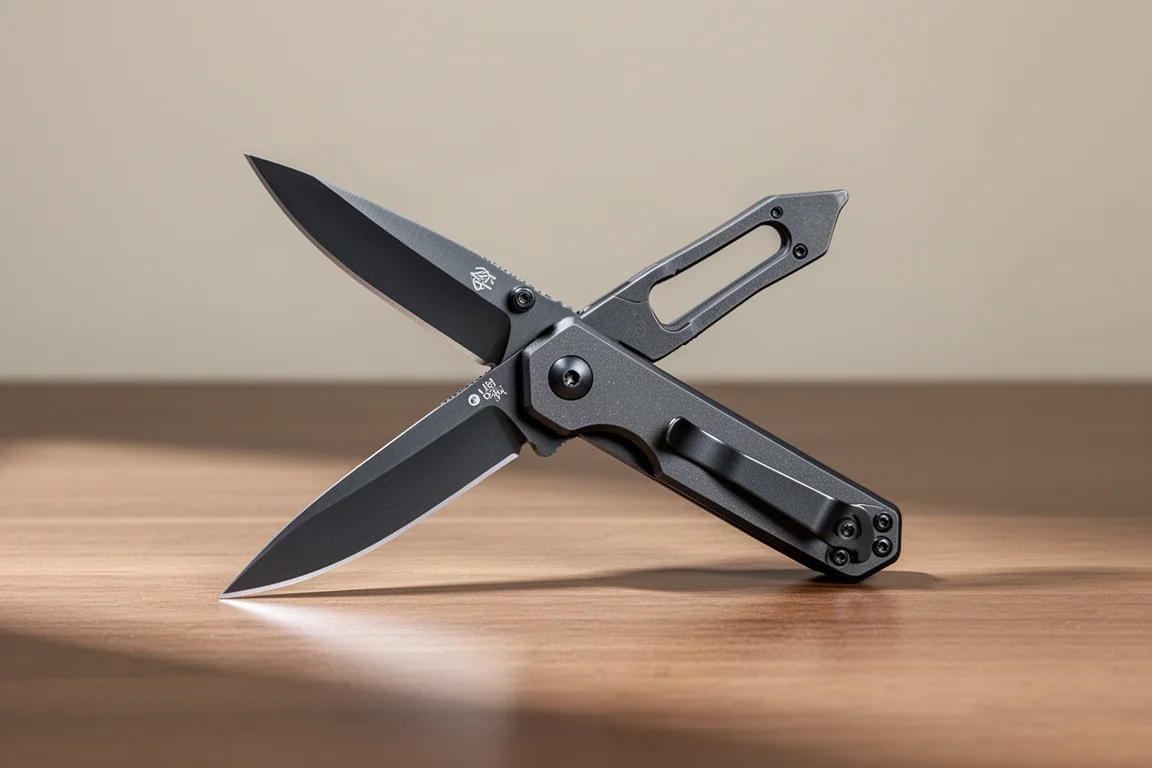
The Bob Terzuola ATCF Light is the knife carried daily more than any other on this list, and it has become the default recommendation under $100 for most people. It is a more budget-friendly, smaller take on the ATCF released with Pro-Tech, and like the Stinger it is believed to be a white-labeled We Knife production, with identical liners, G10 scales, and construction.
Specs include a Nitro-V blade, 6.9 inches overall length, a 3-inch blade, and a light 2.8 ounces. The jimping even allows easy front flipping. It comes in a wide range of colors, from green and tan to black blades and black handles, so there is likely a variant that suits your taste. Given the choice between the ATCF Light and the Stinger, this one wins on fit in the hand and looks, though the Stinger is slightly larger and some may prefer that scale. At $99.95 it is one of the best options on this list, period.
Kershaw Iridium
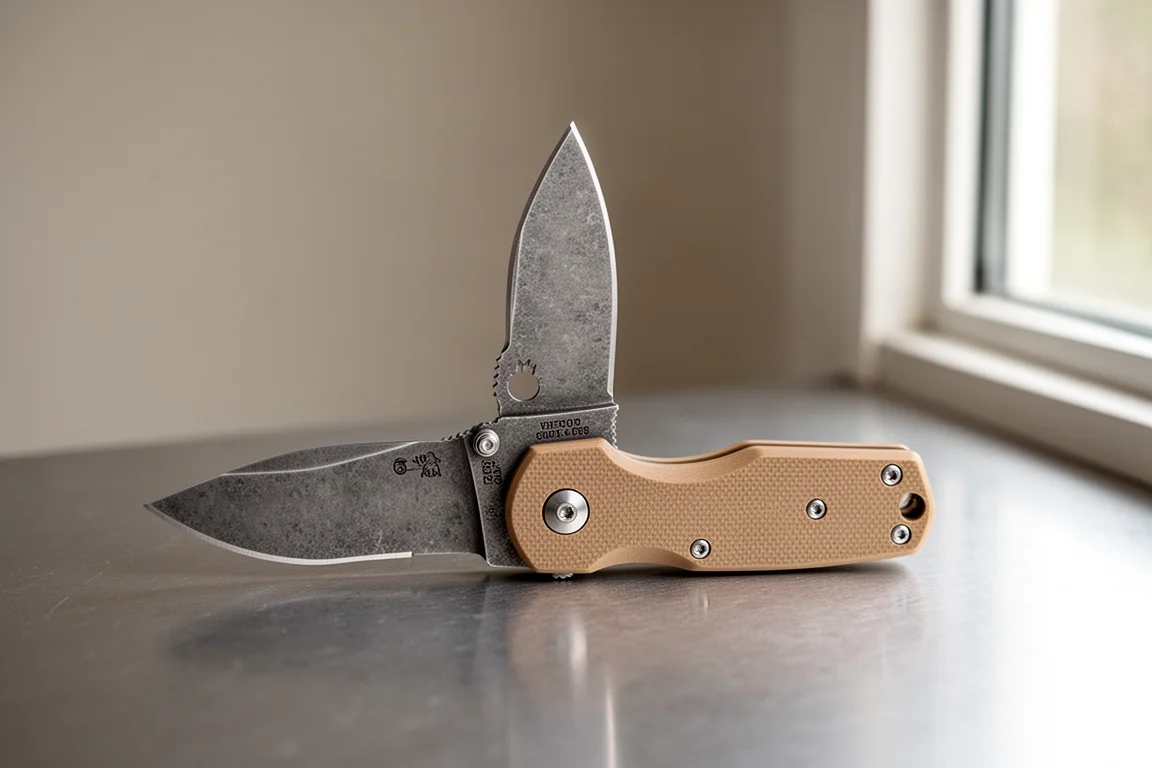
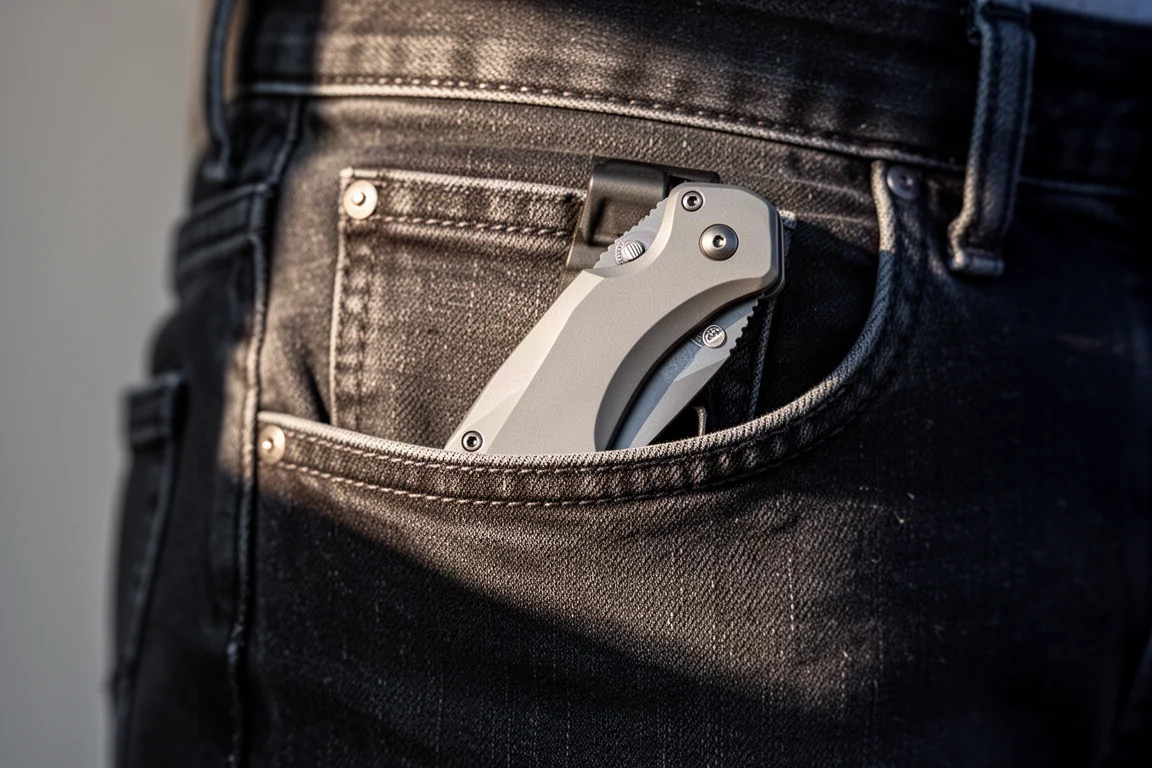
Kershaw has stepped up significantly in the last couple of years, and the Iridium at $65 is a perfect example. It looks excellent, with a slate gray aluminum handle and a bronze anodized backspacer that gives it a distinctly premium appearance.
It runs D2 blade steel, which is the only real mark against it for anyone wary of that steel’s rust habits. Beyond that, it is very lightweight, the action is good, blade centering is tight, and there is no blade play. The fit and finish genuinely surprised, especially given Kershaw’s historical positioning in the $20 to $30 range where cheaper competitors often won on value. This is a lightweight folder that checks nearly all the same boxes as folders costing twice as much.
Civivi Sokoke
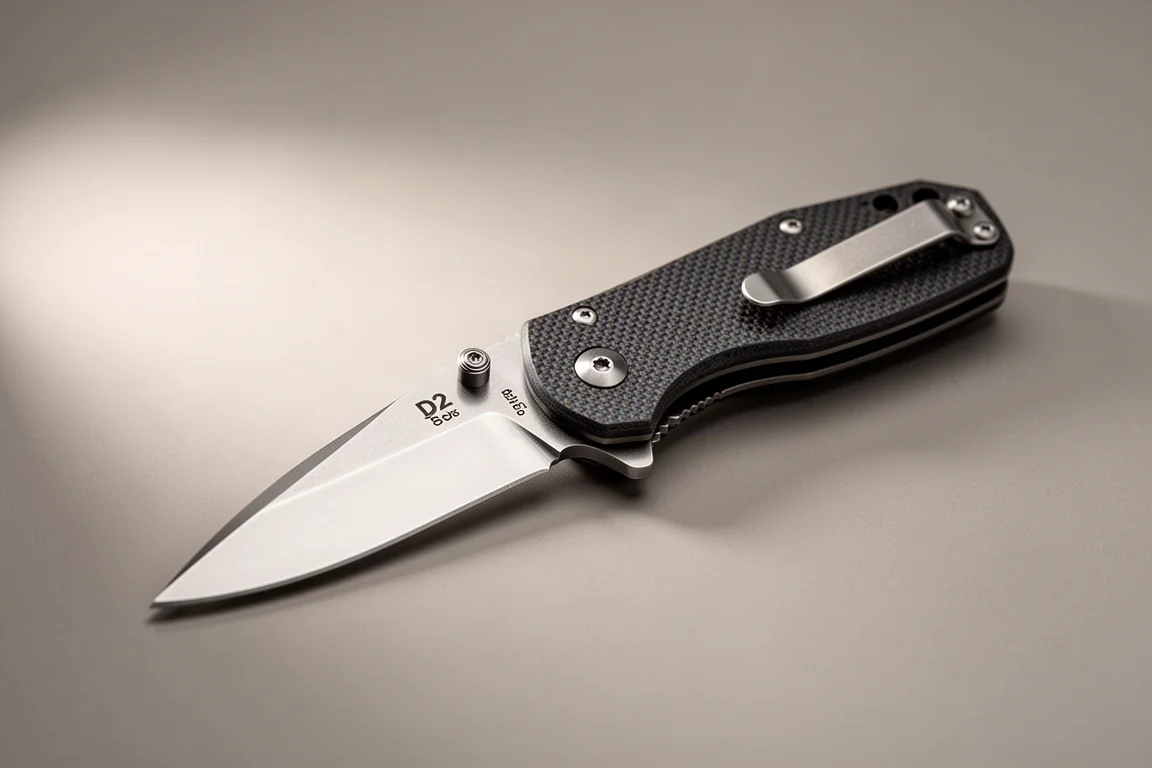
Straight to the point: the Civivi Sokoke at $65 is a badass knife, and it competes directly for the top spot on this list. Designed by Ray Laconico, a master of ultra-clean designs, it looks, feels, and operates like a knife worth far more. When people unfamiliar with the price handle it, most guess it costs well over $200. It has a bushcraft-adjacent feel while echoing favorite front-flipper designs with its screwdrop point blade and similar handle shape.
The only real complaint is the pocket clip, which is a bit long and bent badly in hard use; swapping in a milled clip is the obvious upgrade. Carried more than almost anything else here, the Sokoke is awesome, full stop.
Overall Buying Advice: Picking Three
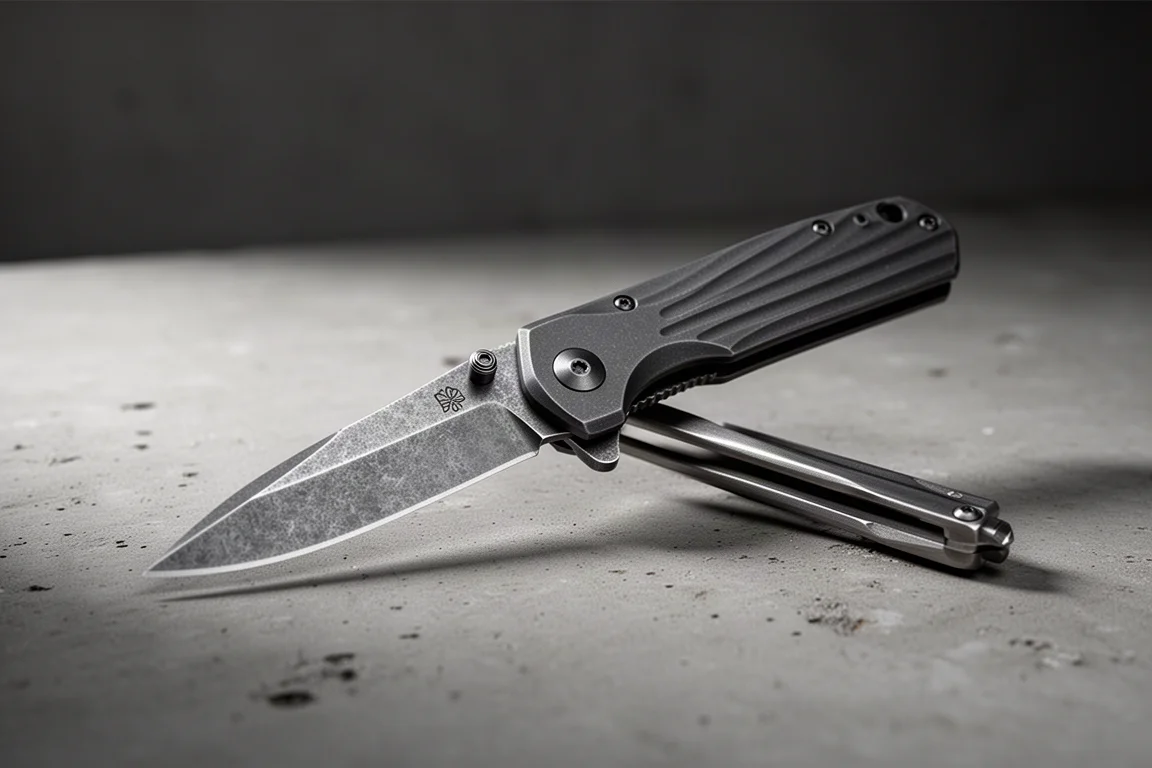
If the list of ten had to narrow to three, the toss-up comes down to the Civivi Sokoke and the Bob Terzuola ATCF Light, with the Kizer Assassin XL close behind. Both front-runners have been carried interchangeably, often in the same pocket on the same day, because they are genuinely that good.
For a first pick, the ATCF Light is the safest all-around recommendation for most people. If you want maximum visual punch for the money, the Sokoke wins. And if you want premium steel and Micarta at $90, the Assassin XL delivers. All three will hold a permanent spot in any rotation.
Conclusion
Most of these knives did not exist a few years ago, which shows how quickly the sub-$100 market has improved. Ten picks barely scratch the surface, but each one here delivers premium feel, dependable construction, and honest value. Pick the one that matches your carry style, and it is a great time to be shopping in this price range.
Further reading
Related Reviews
EDC Knives
Spyderco Techno 3 Review: A Beautiful Design Held Back by Factory Issues
The Spyderco Techno 3 is a stunningly designed titanium frame lock knife, but weak detent and quality control issues from the Italian factory make it a hard recommendation.
EDC Knives
Blade Show 2023 Picks: Three EDC Knives That Stood Out
From QSP's button lock Swordfish to Demko's MagnaCut fixed blade, these are the knives that made the strongest impression this year.
EDC Knives
Daily Carry Company Mag Blade Review: A Beautiful Knife I Struggle to Recommend
The Mag Blade pairs polished M390 steel with grade 5 titanium and an innovative magnetic butterfly hinge, but daily practicality falls short of the $199 price.