Flashlights
Best EDC Flashlights Roundup: Eight Everyday Carry Lights Compared
From budget 18350 workhorses to tactical flat lights with laser and UV, these eight EDC flashlights each bring something worth considering.
Introduction
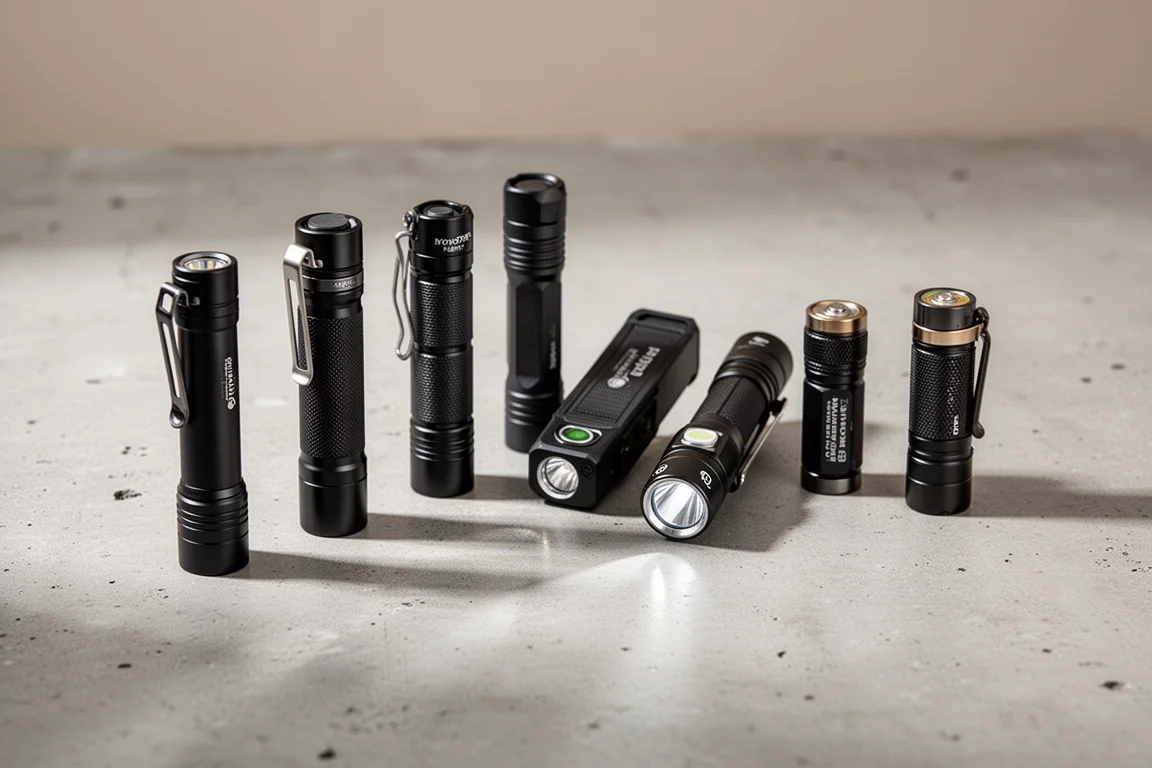
Everyday carry flashlights are advancing at a remarkable pace, and this roundup gathers eight lights that each earn a spot in the conversation for different reasons. Some are budget-friendly, some run on common AA batteries, and others push into tactical or multi-function territory with laser and UV output. One of them might even become a new daily driver. Here is how they stack up.
Sofirn SC13: The Budget Pick
The Sofirn SC13 comes in two versions that are essentially the same flashlight with different emitters: an N519A high CRI and a cool white. The cool white tops out around 1,300 lumens while the high CRI sits near 1,000, but for everyday use the high CRI is almost certainly the one to pick. This is not a high beam-intensity defensive light, so there is no reason not to choose the light source that is easier on your eyes during daily tasks.
The user interface is familiar and reliable: hold for moonlight, double press for turbo (1,100 lumens), and triple press for strobe or SOS. It has a magnetic tail base and a one-direction clip, but the clip is oriented in the correct direction, which means you can attach it to a ball cap and use it hands-free. That is a genuinely important EDC feature, and it saves you from the classic pocket-lint-flavored flashlight-in-the-mouth routine.
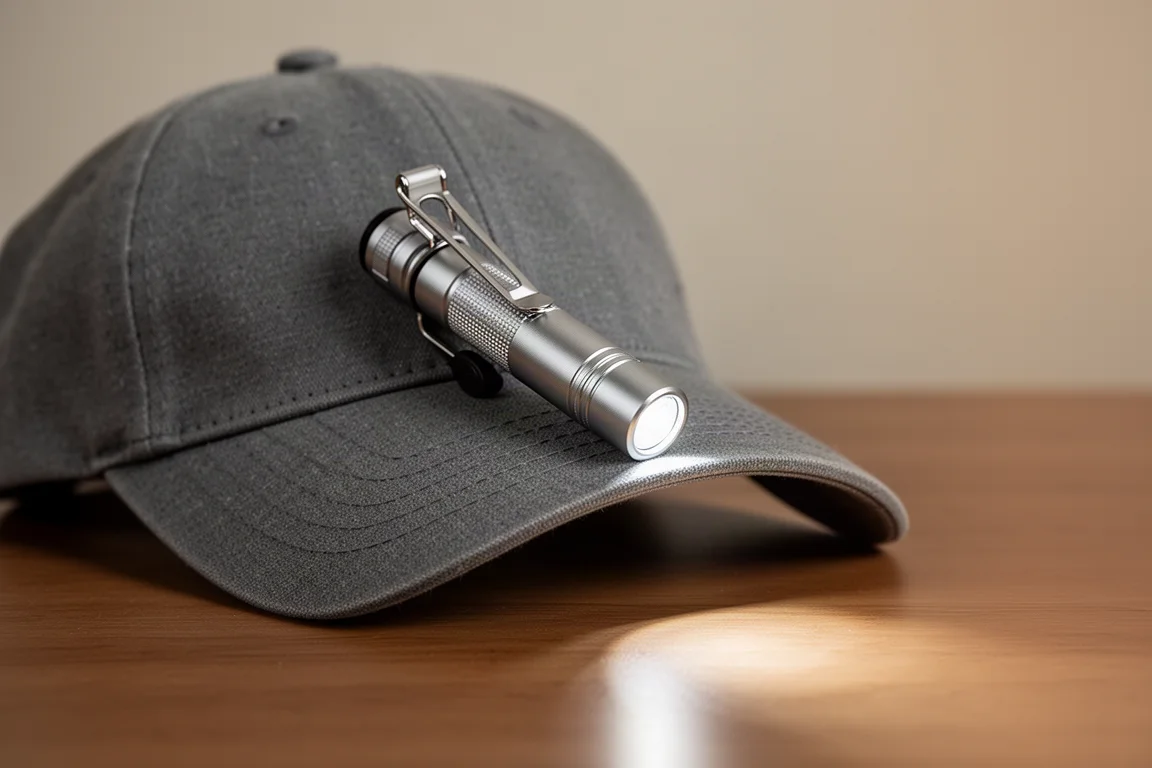
At under $30 for either variation, with an included replaceable 18350 battery and USB Type-C charging either in the light or via a bay charger, the value is excellent. It is also rated IP68, though note that removing the silicone port cover compromises the waterproofing.
The main drawback is the side electronic switch: the button stands proud of the frame, so the light can turn on accidentally in your pocket. Use lockout mode most of the time, or position the clip so the button sits in the corner of your pocket. A raised collar would have solved this easily, but as-is it is still a fantastic entry-level flashlight as long as you know its limits.
Olight Baton 4: The Design Benchmark
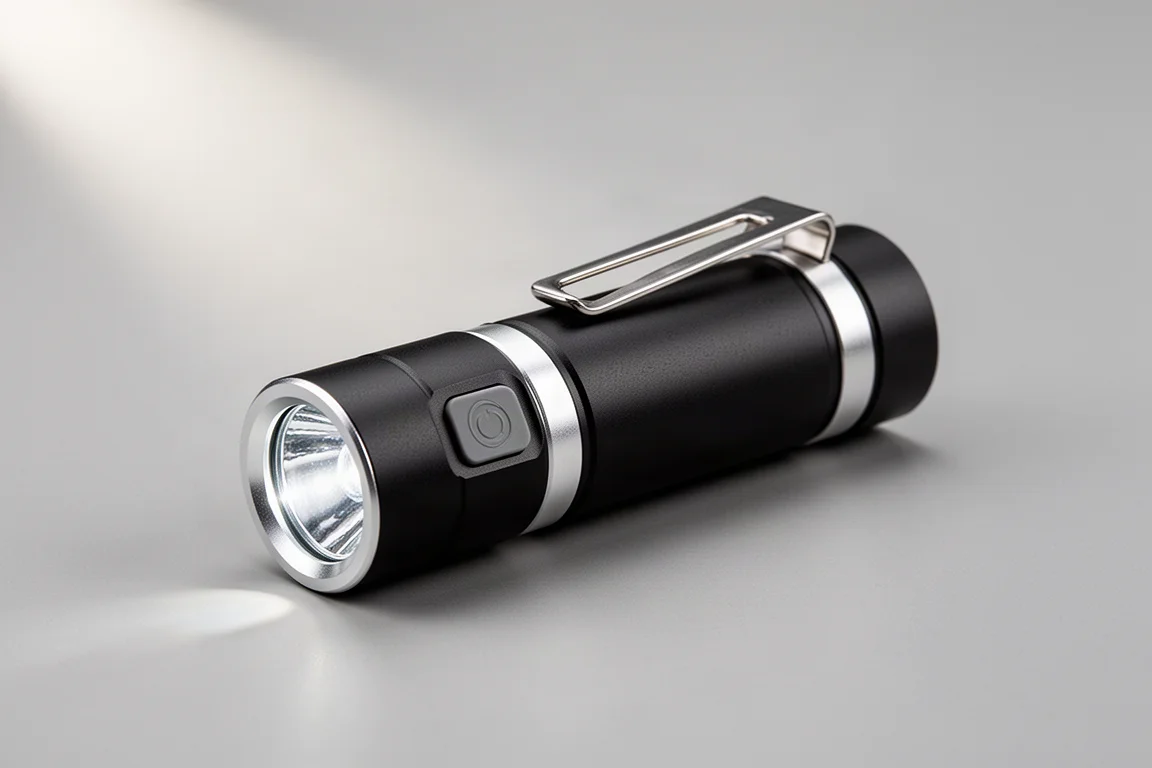
The Baton 4 costs more and uses proprietary charging, which is not ideal for many people. But it gets a few things right that other companies should pay attention to: the side button sits flush with the frame and requires a firm, deliberate press to actuate. That kind of switch design prevents accidental activation entirely, and it should be the standard on every flashlight, regardless of size. If you value pocket safety above raw value, this is the light that sets the example.
Nitecore MT1A Pro: The Pocket Rocket
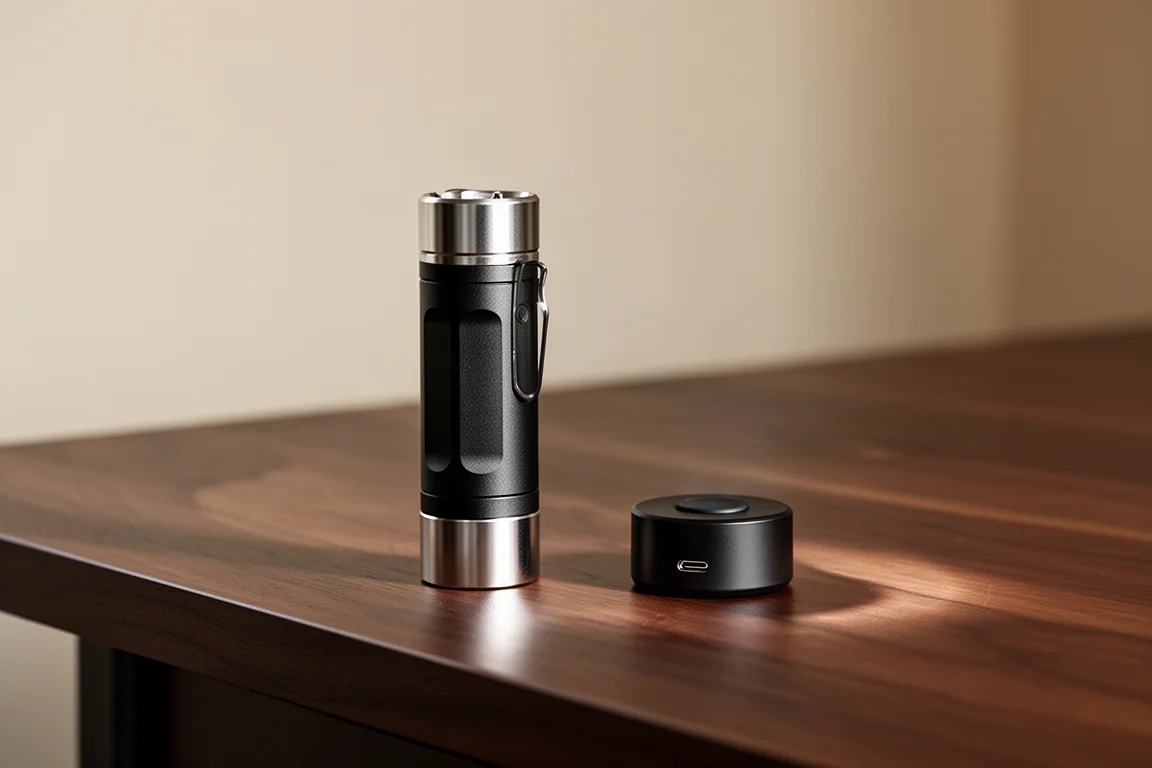
The Nitecore MT1A Pro is the little brother of a recent two-AA Nitecore release, and it is remarkable. It reaches 800 lumens with over 15,000 candela, which means an intensely concentrated beam that throws far beyond what its size suggests. Its candela rating is higher than some regularly carried 18650 lights, so it can technically see farther despite a lower lumen count. If you think of lumens as the size of the pipe, candela is the pressure: this light puts more brightness into a small hotspot than a larger 1,500-lumen 18650 does.
It has three modes: 50 lumens on the low end, around 400 in the middle, and 800 on top. With a single AA installed, it drops high mode and runs 50 and roughly 400 lumens. The one criticism is that 50 lumens is still far too bright for a dark room, and a genuinely low mode with longer runtime would have made it more functional.
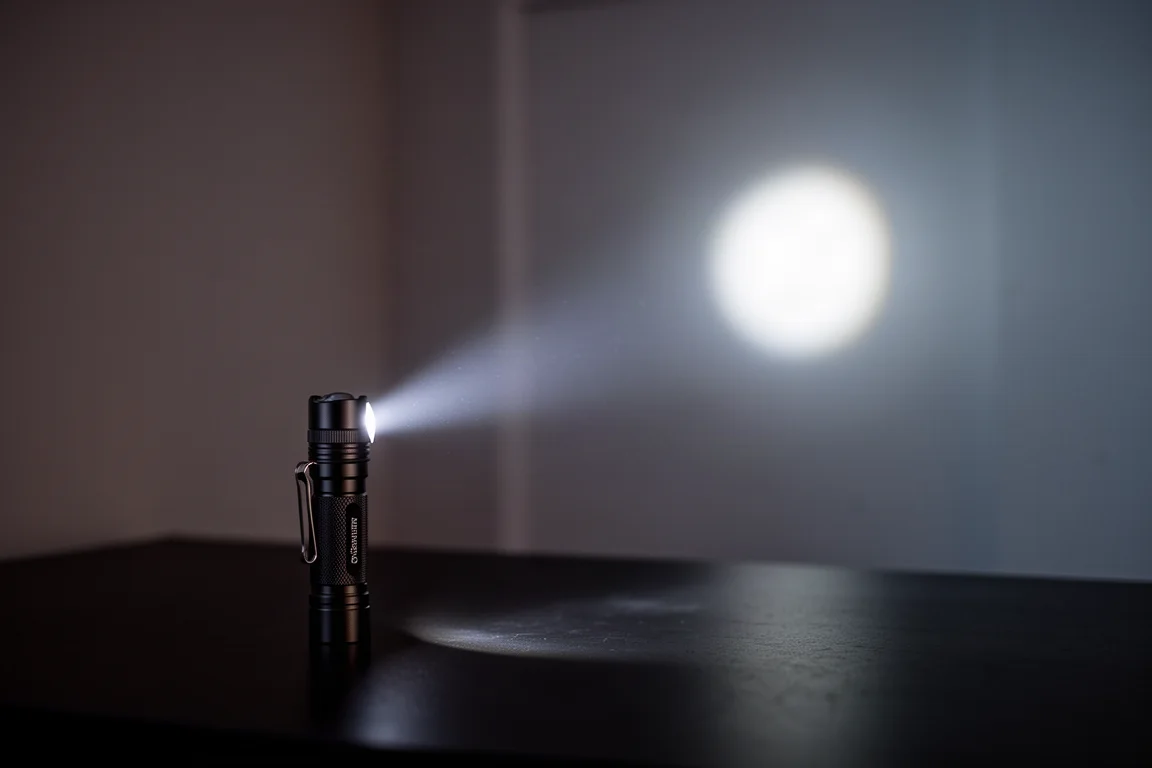
The tail switch is excellent, better than most in this category. A protective cover prevents accidental depression from side hits while still allowing easy activation from above, and the light can tail stand. It handles heat well even on turbo, and it is one of the best AA-format lights Nitecore has released. Availability is currently limited to the Nitecore website rather than Amazon or other distributors, but it is easy to recommend.
Acebeam TAC AA and Pokelit AA
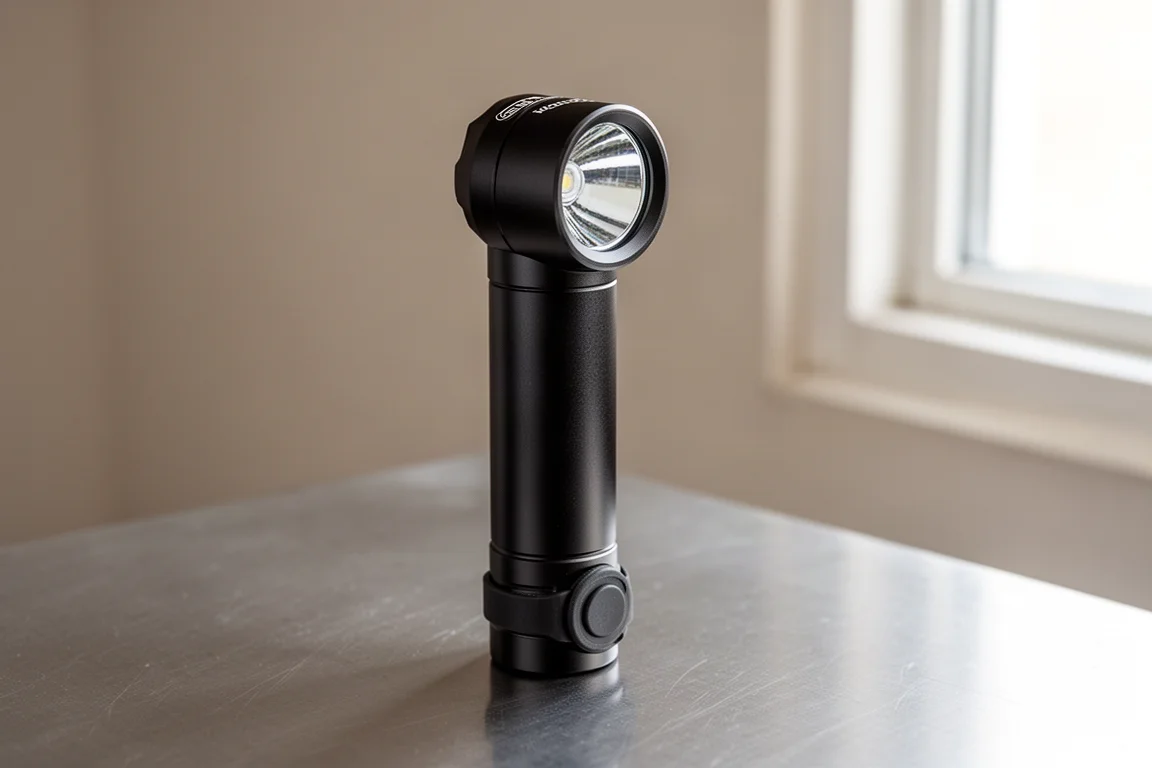
The Acebeam TAC AA is surprisingly comparable to the MT1A Pro in output and candela, and it has an equally good, possibly better, switch cover. The main differences are physical: the TAC AA has a larger body that is harder to fit into organizers, but it offers lower modes than the MT1A Pro. What holds it back is the lack of a reversible clip, which is the one missing feature that would otherwise make it a very likely daily carry.
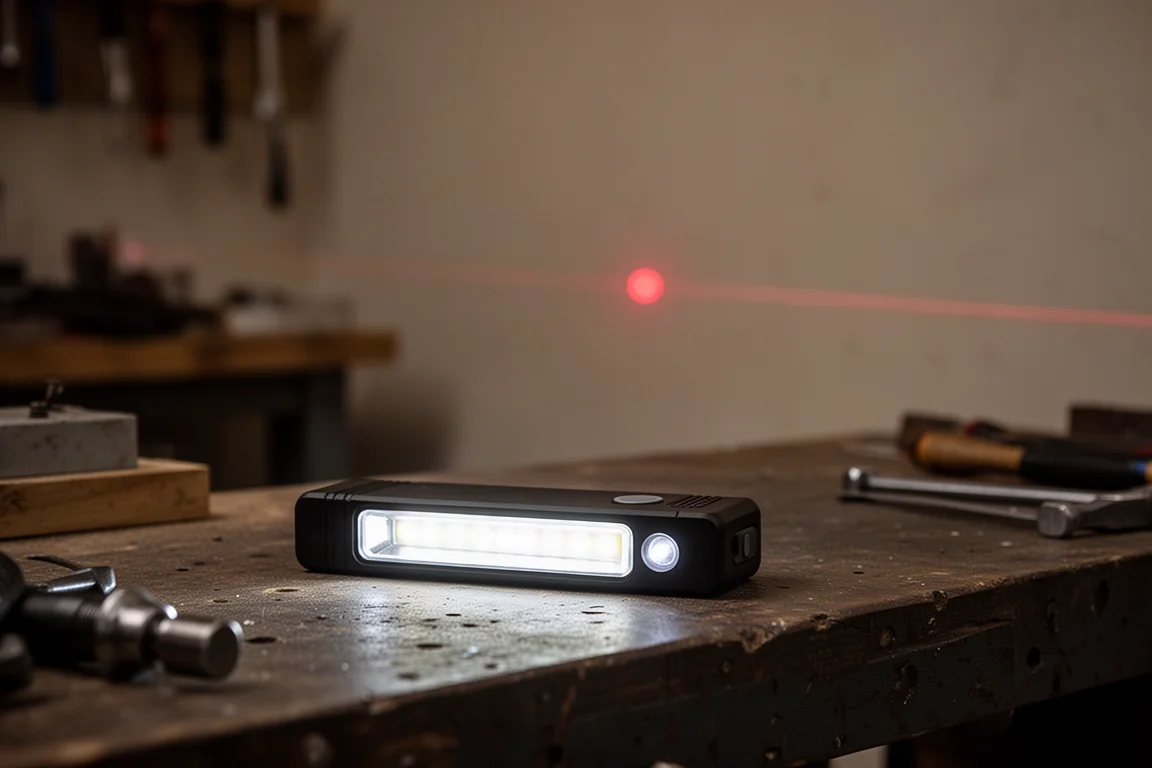
The Acebeam Pokelit AA takes a different approach: its lowest mode is considerably dimmer than the MT1A Pro’s 50-lumen floor, and the runtime is significantly higher as a result. For anyone who values a genuinely useful low mode for dark rooms and preserving night vision, the Pokelit AA handles that better.
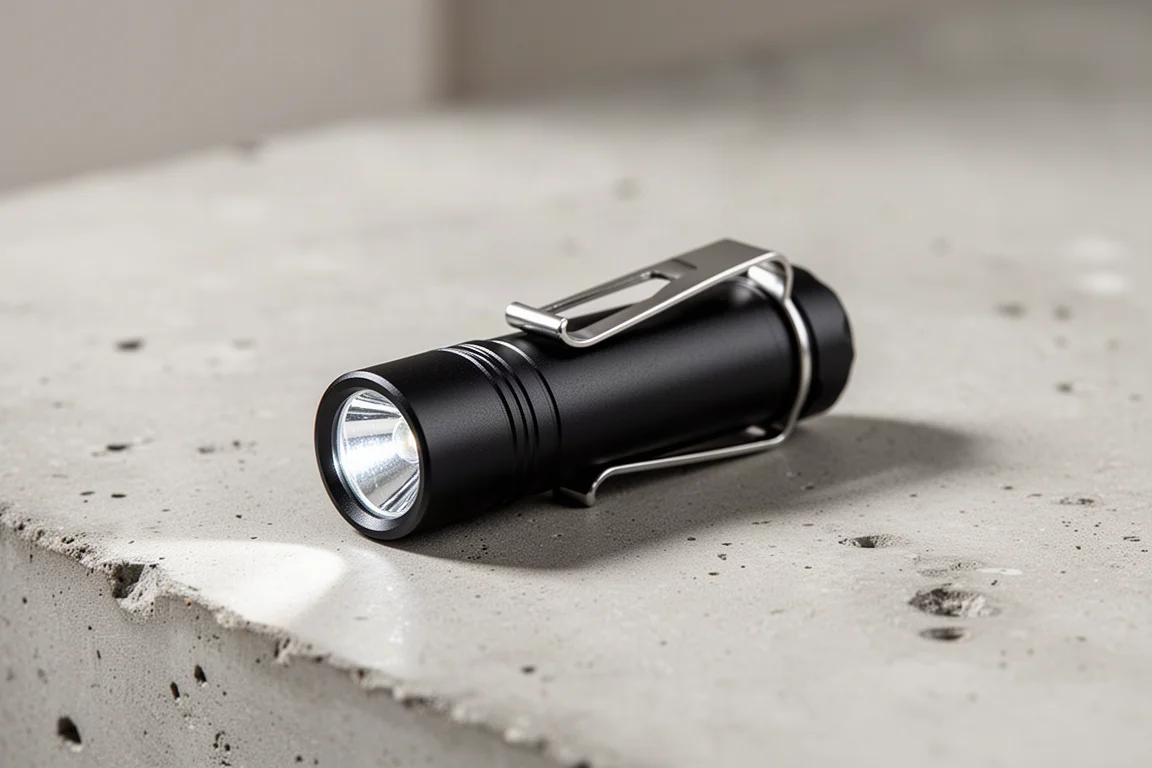
Coast Slayer and Slayer Laser
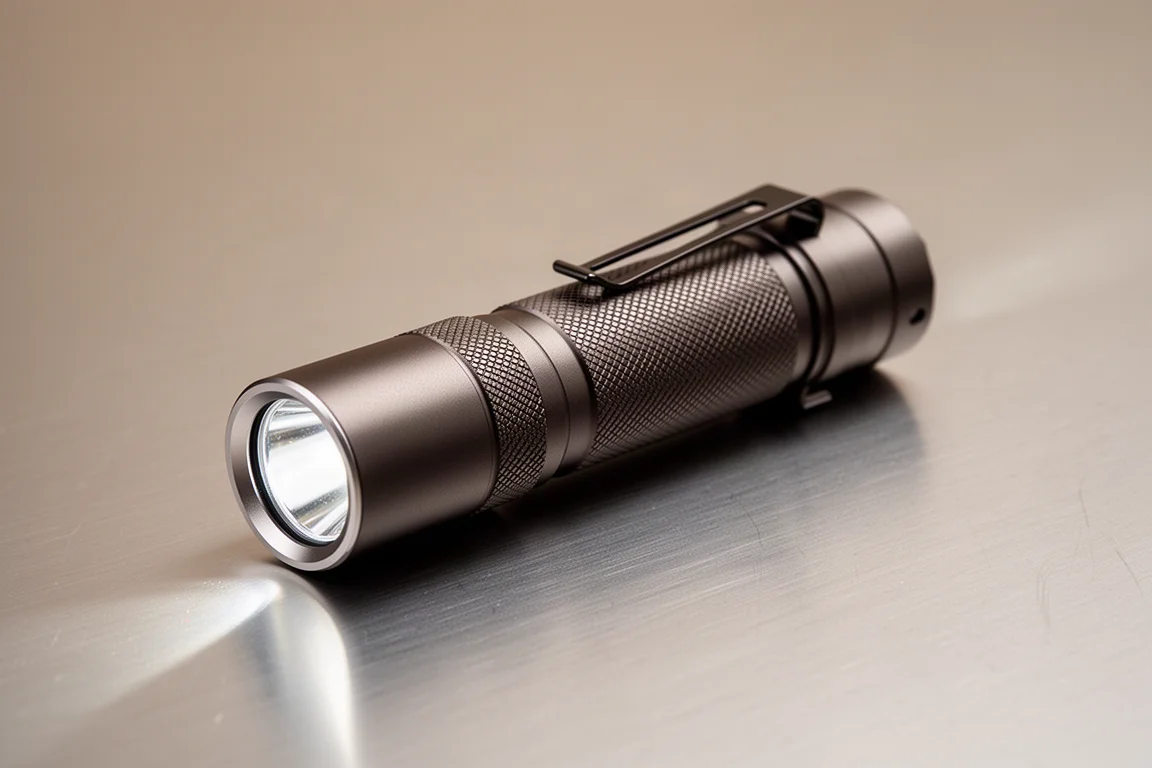
Coast’s new Slayer series, seen at SHOT Show in January, looks and feels substantially higher quality than what the brand is typically known for. Both lights use a solid aluminum body with a silicone cover hiding a Type-C charging port, and both are widely available in stores such as Home Depot, which is a real advantage.
There are important differences between the two. The base Slayer is IP67, while the laser version is only IP54, so the base model wins clearly on waterproofing. The laser version adds magnets in the base, which makes it the more versatile of the two for trades work, letting you mount it hands-free or use the laser to eyeball distances or mark positions.
The base Slayer’s UI is the weak point: it comes on in medium rather than low or high, hides the low mode at the end of the cycle, and requires cycling through all modes to turn off. A hold on the front switch gives a 30-second turbo burst of 1,100 to 1,150 lumens. There is a second programmable button for a memorized mode, which helps a lot once you set it to low. The laser version has a more logical high-low-moon progression and, crucially, a momentary laser activation: you can keep the laser running while adjusting output, unlike similar flat lights where the laser pairs only with turbo.
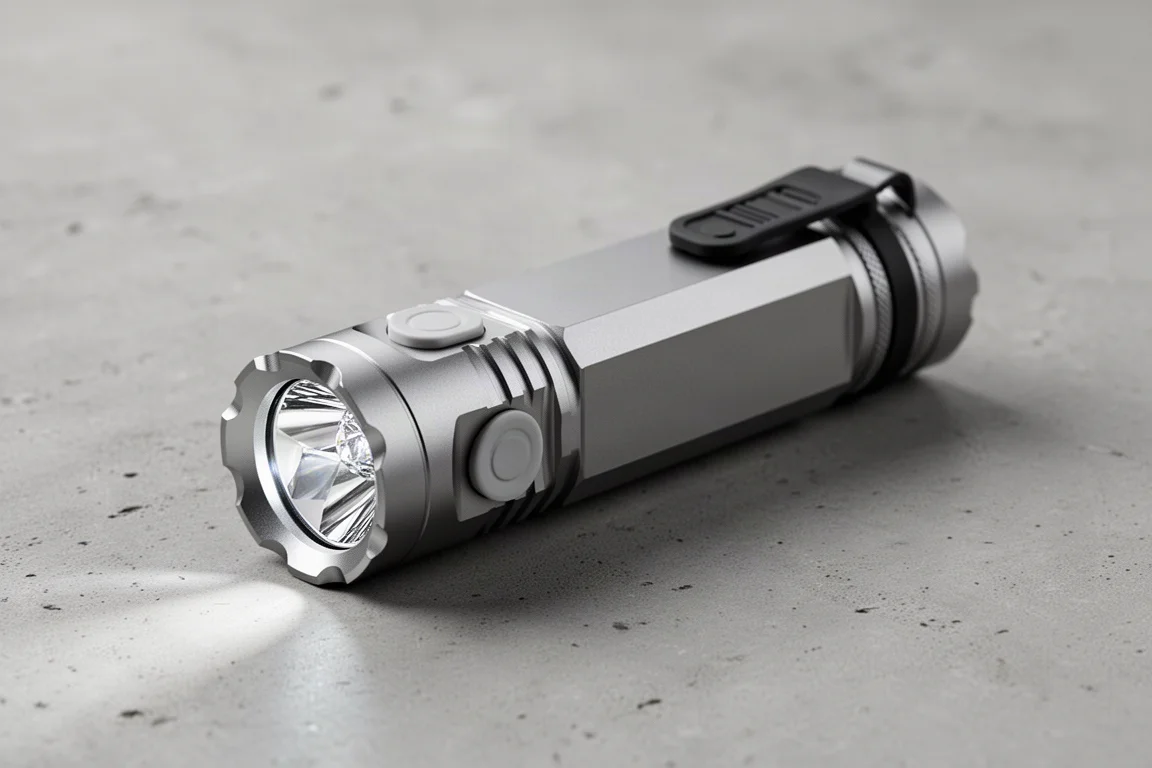
The deep-carry pocket clip is undermined by protruding screws, so a portion of the light sticks out of your pocket. Still, the Slayer Laser does more than enough to justify itself, and it is impressive how far Coast has come in a short time.
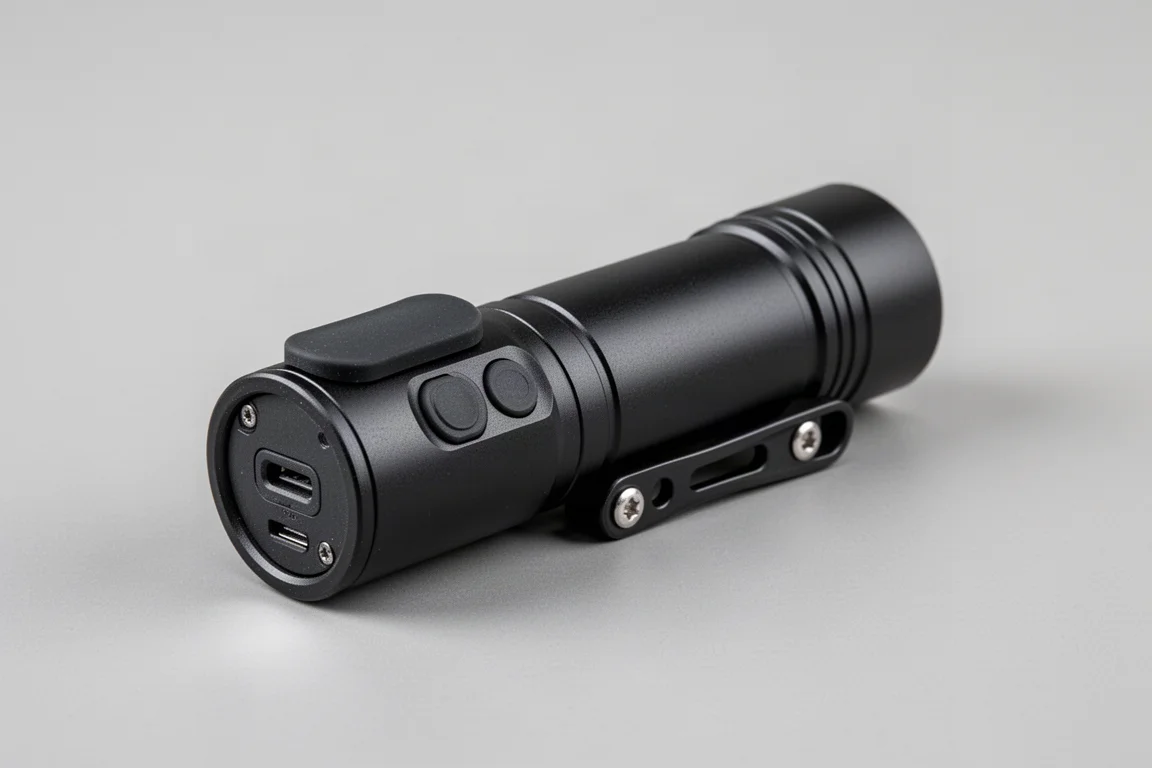
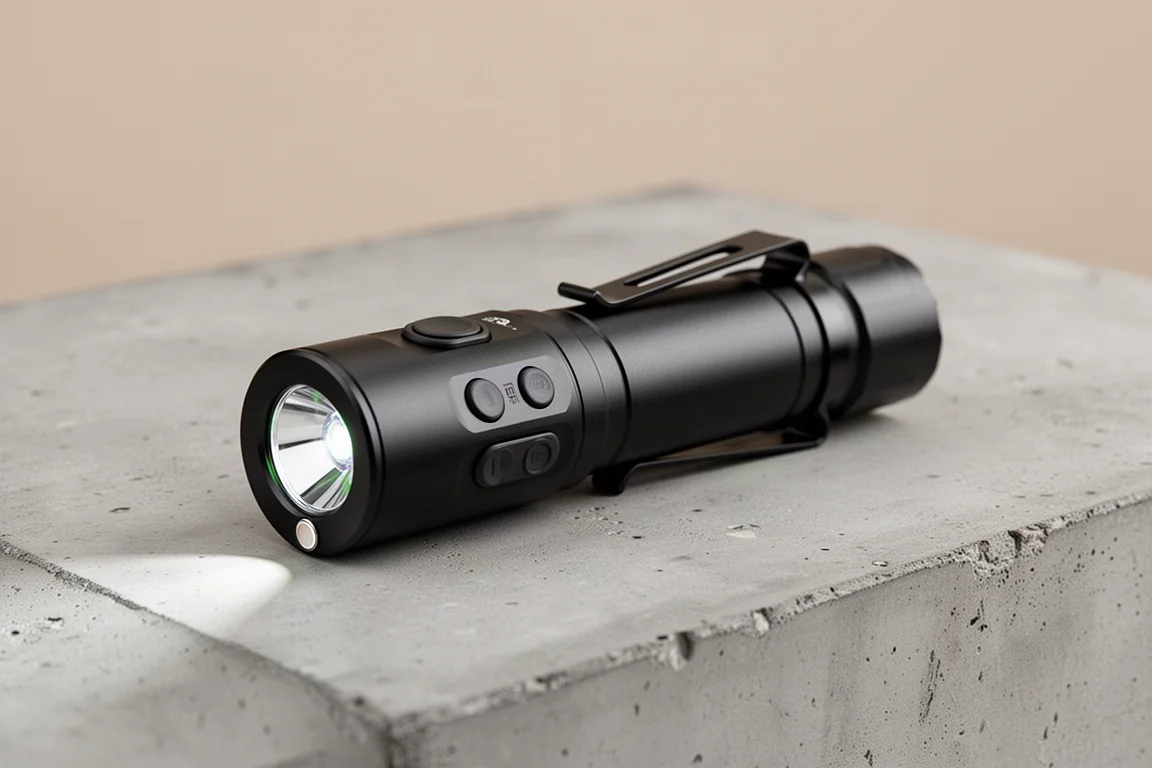
Jetbeam E26: The Tactical Flat Light
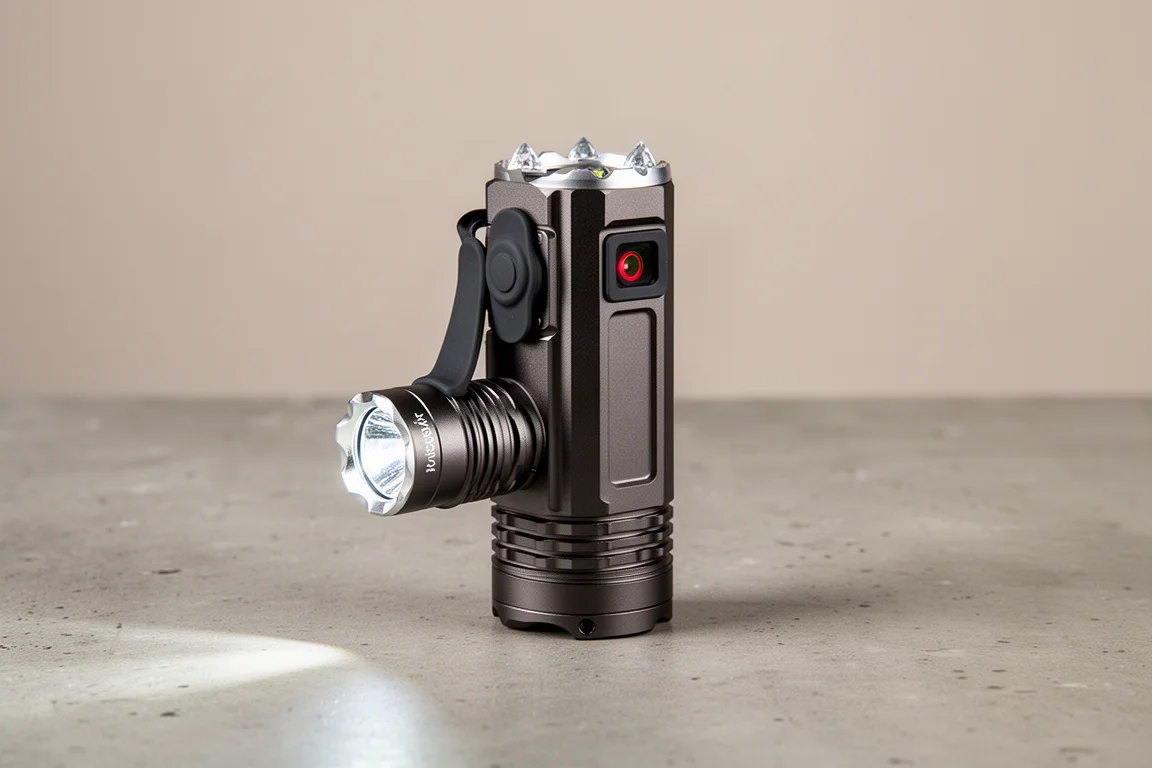
The Jetbeam E26 is a new entry in the flat flashlight category and a true tactical light: it uses a tail switch that accesses turbo and strobe directly, with a single quick press giving momentary strobe that shuts off the moment you release. Maximum output is 2,000 lumens, and the bezel includes glass breaker inserts rather than an aggressive cranial bezel, which keeps it TSA-friendly.
A standout feature is the mechanical lockout on the tail switch, so the light stays ready without electronic lockout and cannot be accidentally activated by the front button, laser, or UV emitters. The tail switch is slightly proud of the frame, and side guards would have improved it, but overall the design is well executed.
The light also includes UV output, useful for tasks like finding rodent trails, and a laser that is slightly less powerful than comparable flat lights but still clearly visible at a distance. The main emitter is a warm high CRI that cycles through low, high, and higher modes, then switches to a cool white emitter at maximum output, alternating between the two sides as it cycles. The exposed Type-C port is fully waterproof, which is a nice touch.
Two cautions: it heats up fast on the tail-switch turbo and steps down automatically after a few minutes, and at this size the flat form factor starts losing some of its pocketability benefits as weight climbs. If you go for it, choose the new SFT40 version, which performs even better.
Overall Buying Advice
Every light here has something going for it. If budget matters most, the Sofirn SC13 delivers remarkable value with Type-C charging and an included battery, just mind the pocket switch. If you want maximum throw in a small package, the Nitecore MT1A Pro is hard to beat. If you prefer common AA batteries with a useful low mode, the Pokelit AA fits, while the TAC AA trades the clip for a bigger body. The Coast Slayer Laser suits tradespeople who want magnets and a laser, and the Jetbeam E26 covers the tactical flat-light niche without proprietary charging. The Baton 4 remains the design reference for switch safety if the higher price and magnetic charging work for you.
Conclusion
This is a strong moment for EDC flashlights: every company in this group is making real strides, whether in candela, switch design, charging, or versatility. Pick the light that matches your actual daily needs, and any of these can be a worthwhile upgrade.
Further reading
Related Reviews
Flashlights
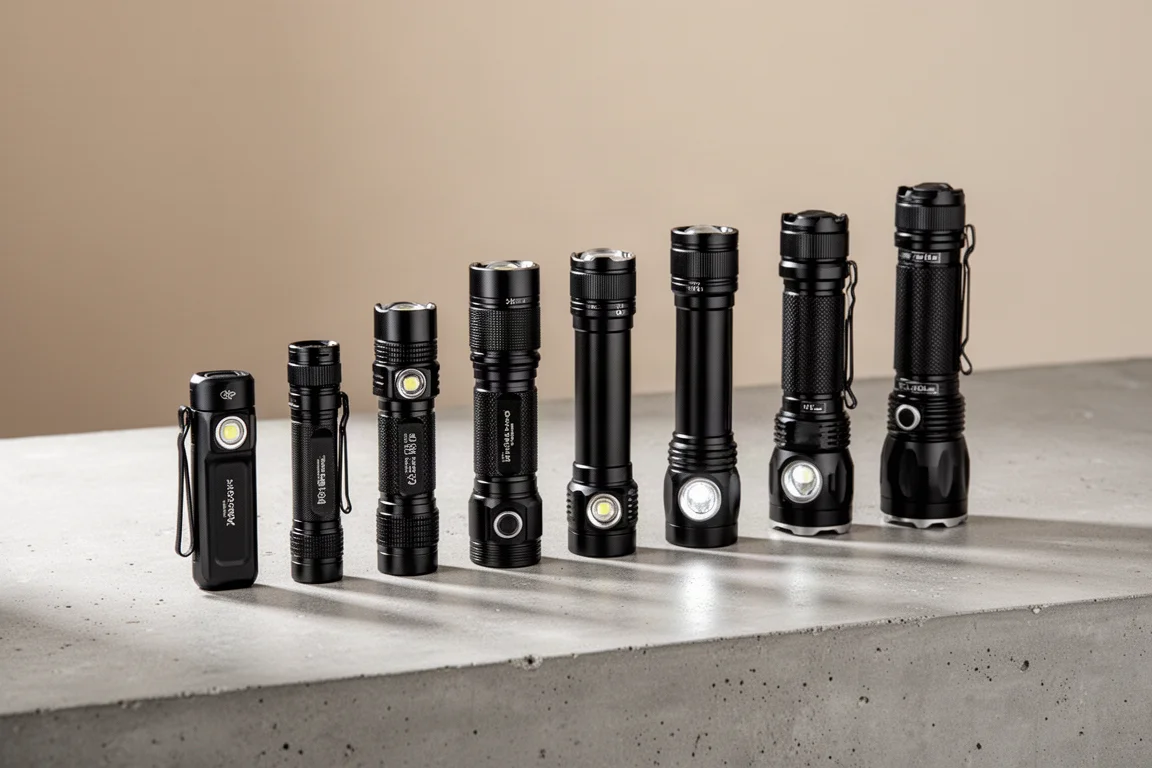
Best Flashlights 2026: Brightness, Battery, and Value Compared
We tested 18 flashlights across a wide price range to find the best performers in brightness, battery life, and durability.
Flashlights
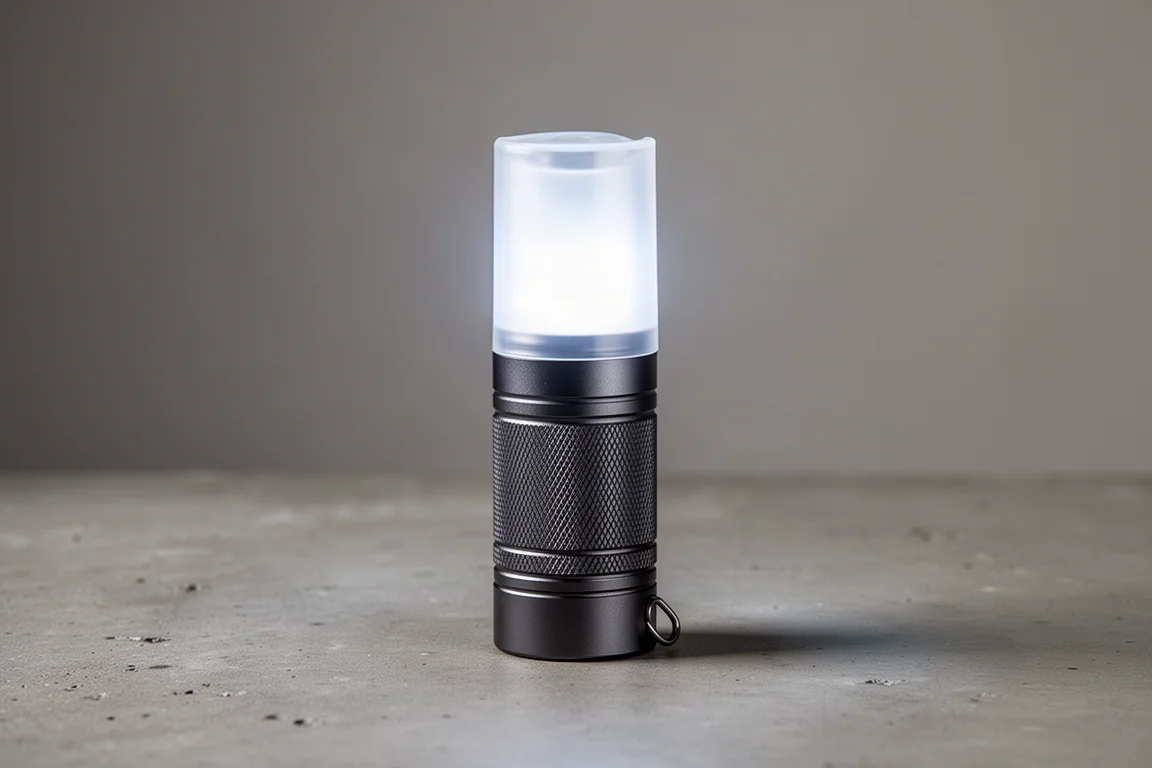
Nitecore LA10 Review: A Tiny 2-in-1 Lantern That Nails the Basics
The Nitecore LA10 pairs a pocket-sized lantern with a single AA battery, a magnetic tail cap and a five-year warranty. Here is where it shines and where it struggles.
Flashlights
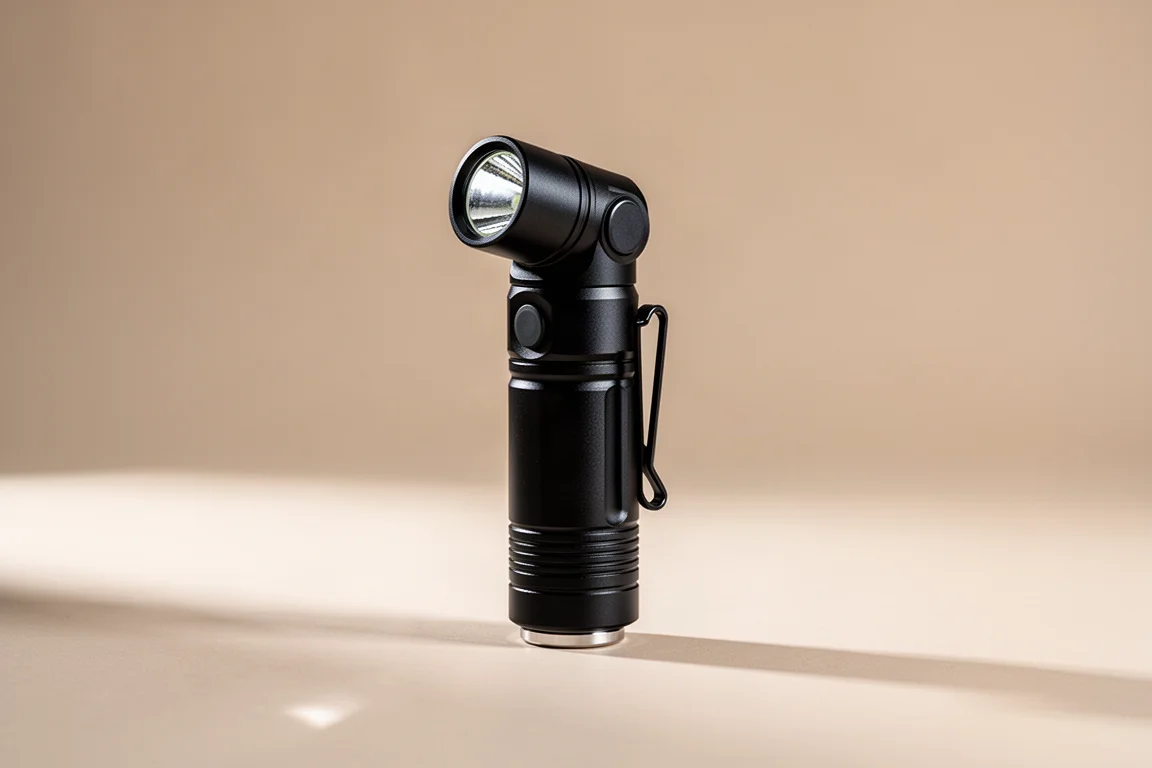
Wuben G5 Review: A Compact Everyday Carry Flashlight
The Wuben G5 is a small, rechargeable flashlight with a pivoting head, magnetic base, and color modes. Here is how it performs as an everyday carry light.