Everyday Carry
Best EDC Backpack Essentials: 13 Items Worth Keeping in Your Bag
From a tough everyday backpack to retro gaming handhelds, here are the essentials that make any EDC backpack genuinely useful day after day.
Introduction
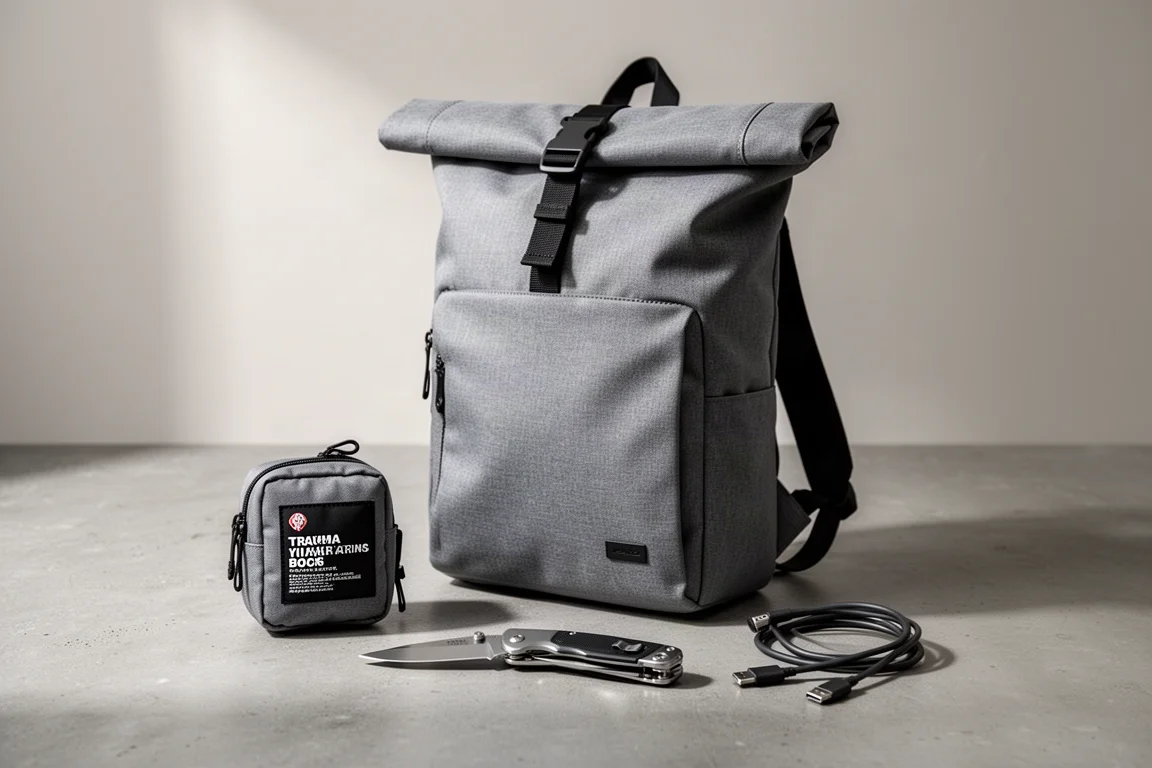
Pocket carry gets all the attention, but your backpack is where the real everyday carry flexibility lives. The right bag works even better when it is stocked with a small set of items that solve recurring problems: a dead phone, a loose cable you cannot reach, a small cut, a bag you need to hang somewhere clean. Below are the essentials that consistently earn their place in an EDC backpack, starting with the bag itself.
The Bag: Big Idea Design TI EDC Backpack
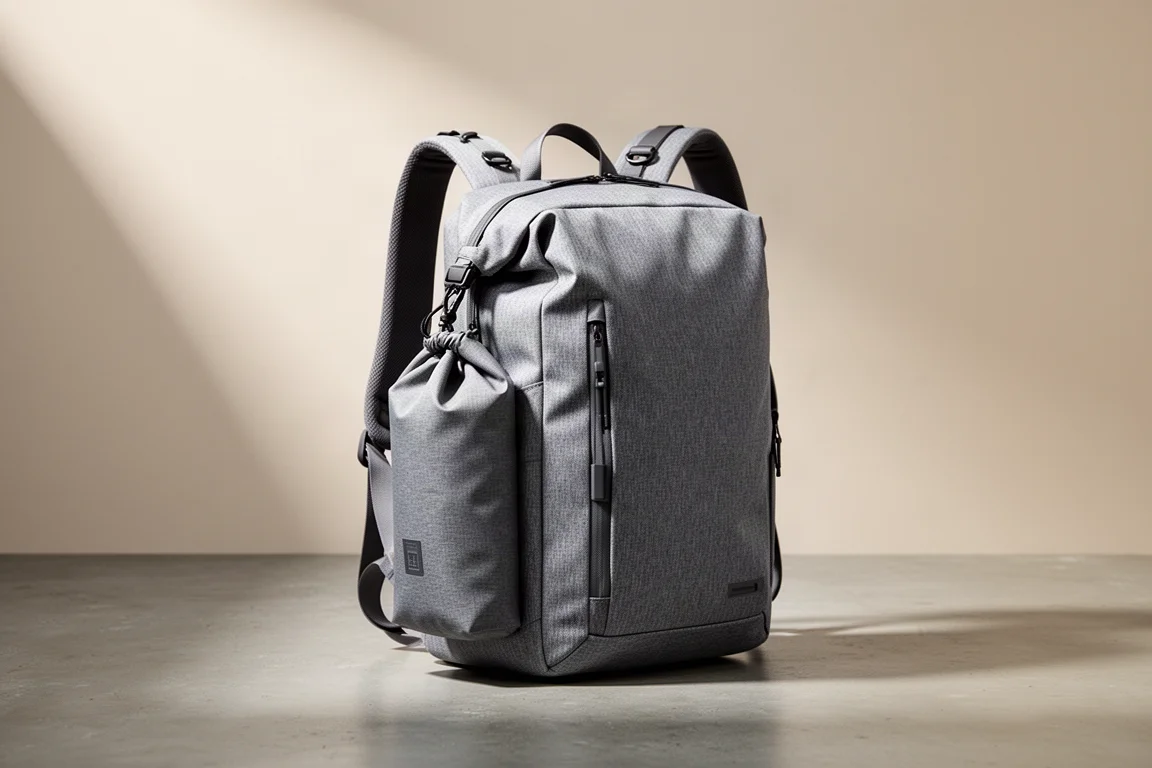
Big Idea Design is better known for titanium pocket tools and pens, and its TI EDC Backpack carries the same titanium-accented identity into a 25-liter semi-rigid backpack with titanium hardware on the straps and roll-top hook. The material is highly water resistant, and the design is sleek and minimalist, available in heathered gray or black.
The standout feature is a removable gear tray with customizable, moldable organization cubbies, very much like a camera bag. If you would rather skip the tray, it pulls out in one quick motion. There is a rear tech pocket for tablets and laptops, small zip pockets throughout for wallets and passports, and strap pockets for clipping a flashlight or pen. A front roll-top dry bag compartment adds another 10 liters on the fly, which is handy for separating gym clothes or extra gear. After more than a month of daily use, it proves comfortable with plenty of space for both everyday carry and travel.
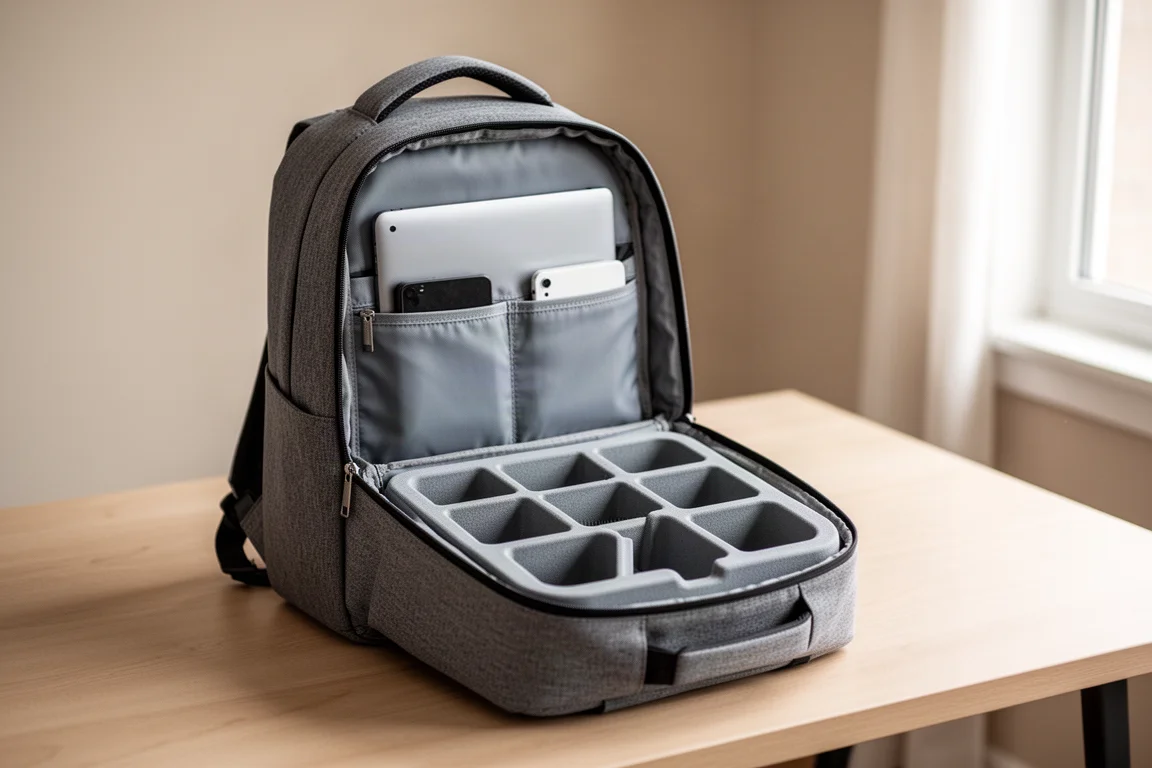
It suits anyone who wants a structured, organized bag that can expand or slim down depending on the day.
The Multi-Tool: Leatherman Arc
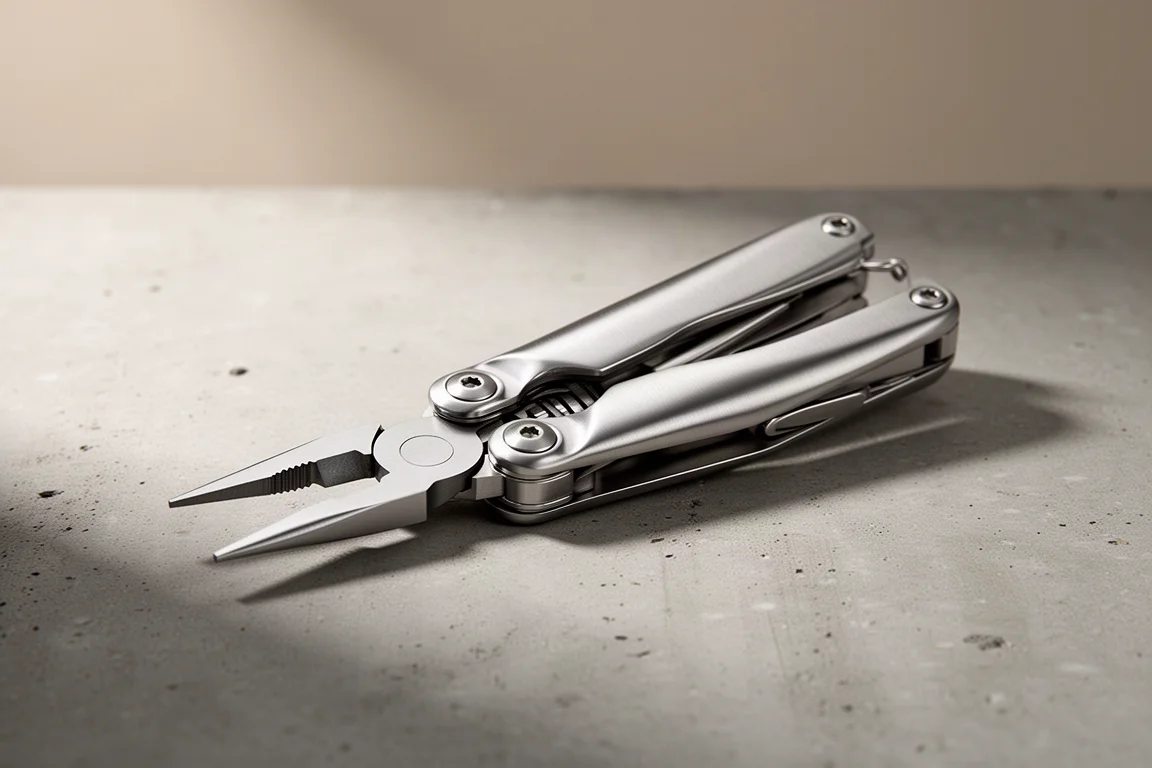
At the very least, a backpack should hold a tool kit or a full-size multi-tool. A full-size Leatherman Arc covers light-duty work without living in your pocket, which is exactly the point of keeping one in the bag: you get a capable tool nearby without the daily pocket bulk. The Arc is a strong pick because it pairs a premium toolset with everyday practicality, and it complements a smaller pocket tool rather than replacing it.
Pair it with a small dedicated pouch of essentials, such as a screwdriver, scissors, and a knife maintenance hone, and you have a mobile workshop that moves between truck, office, and bag.
The Charging Pair: Baseus 100W G Charger and Uni 15ft USB-C Cable
Baseus 100W G Charger
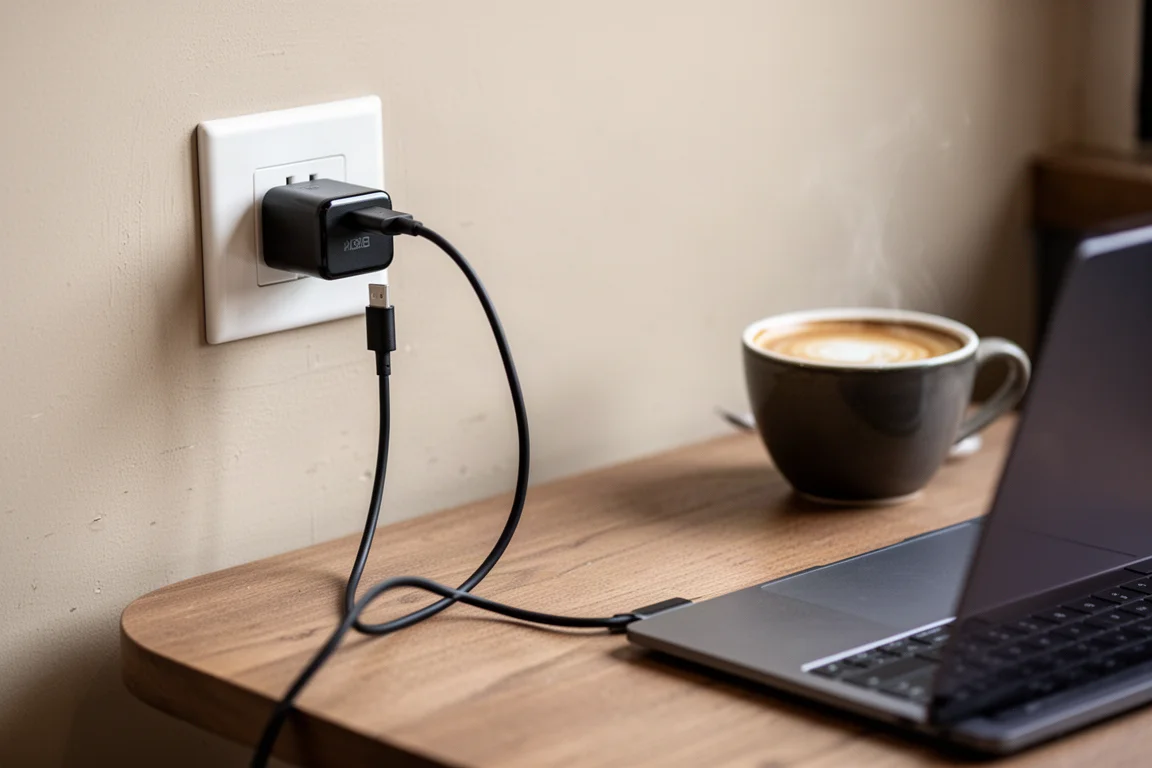
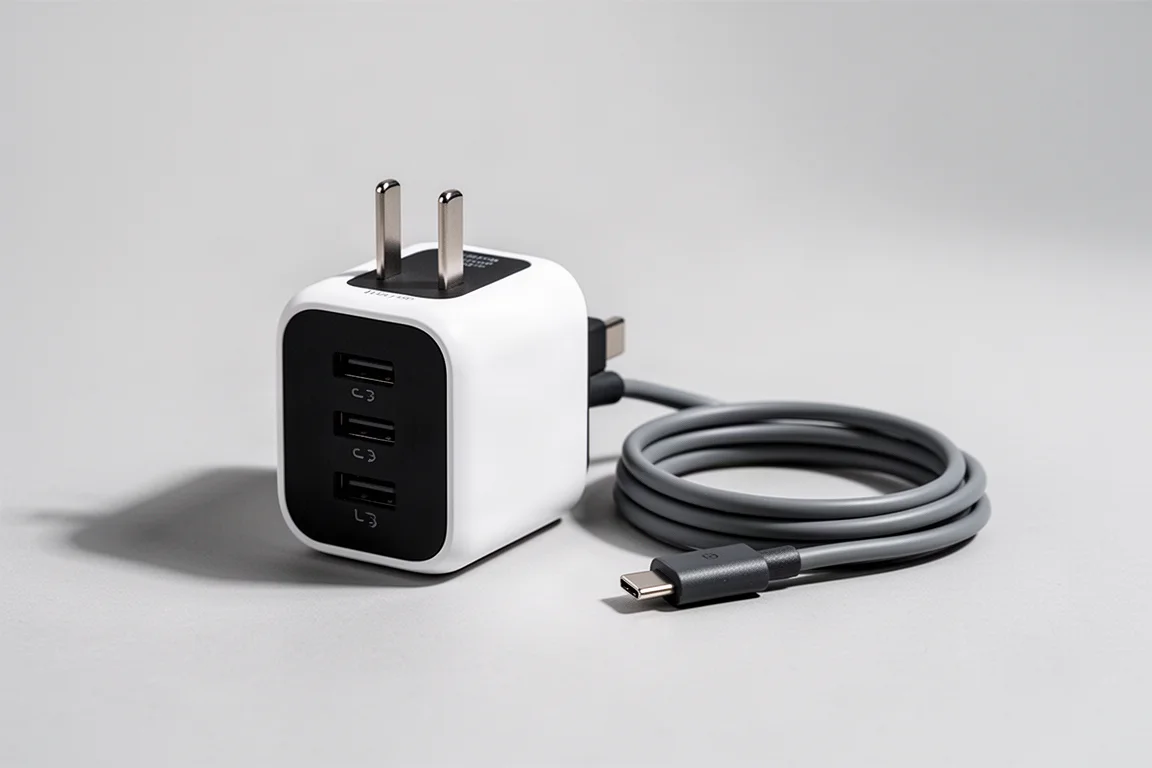
A battery pack used to be the obvious coffee shop companion, but a proper wall charger is often the better answer. The Baseus 100W G Charger offers two USB-C and two USB-A ports with a combined 100W output, plus a built-in extension so the plug does not fall out of loose outlets. It is a little bulkier because of that extension, but for anyone who works away from home, it removes the frustration of an unreachable or unreliable socket.
Uni 15ft USB-C Cable
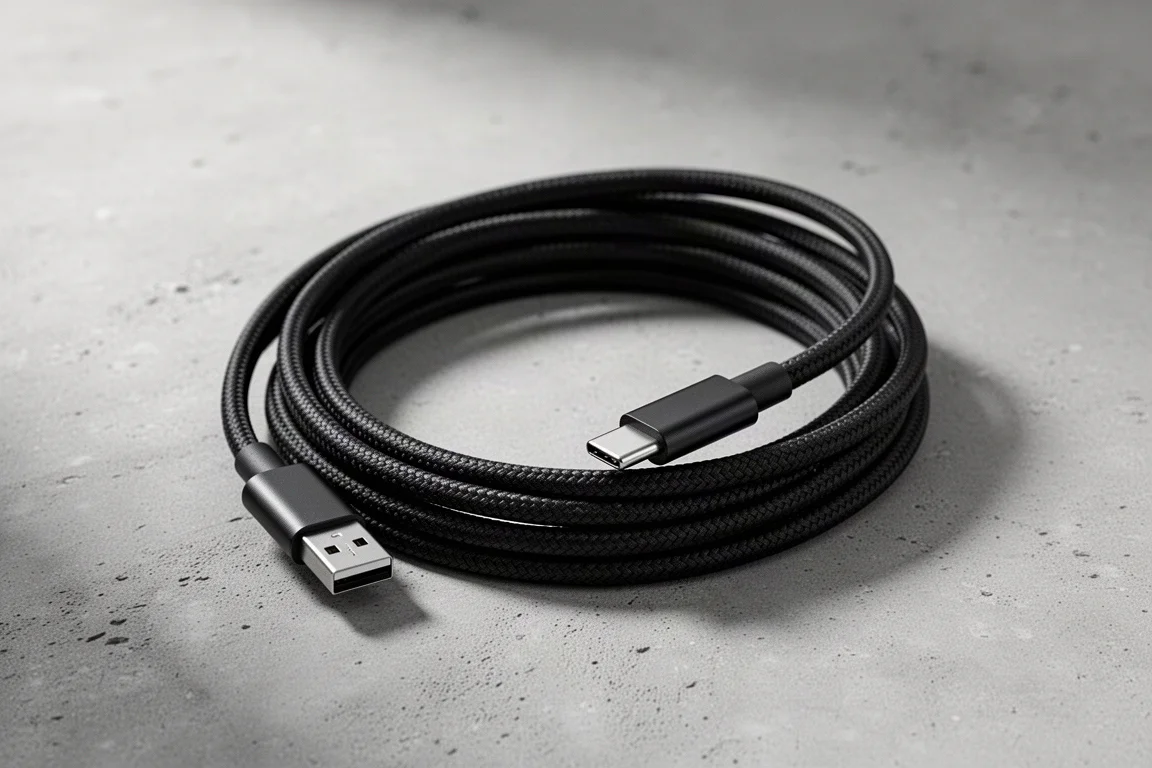
The second half of the pairing is Uni’s 15-foot USB-C cable, which also supports high-speed data transfer. Combined with the charger, it means there is effectively no coffee shop too big to reach a working outlet. These cables cost a bit more than generic ones, but the reach and reliability make them worth stocking in the office, the bag, and at home.
The First Aid Kit: My Medic EDC Trauma Kit
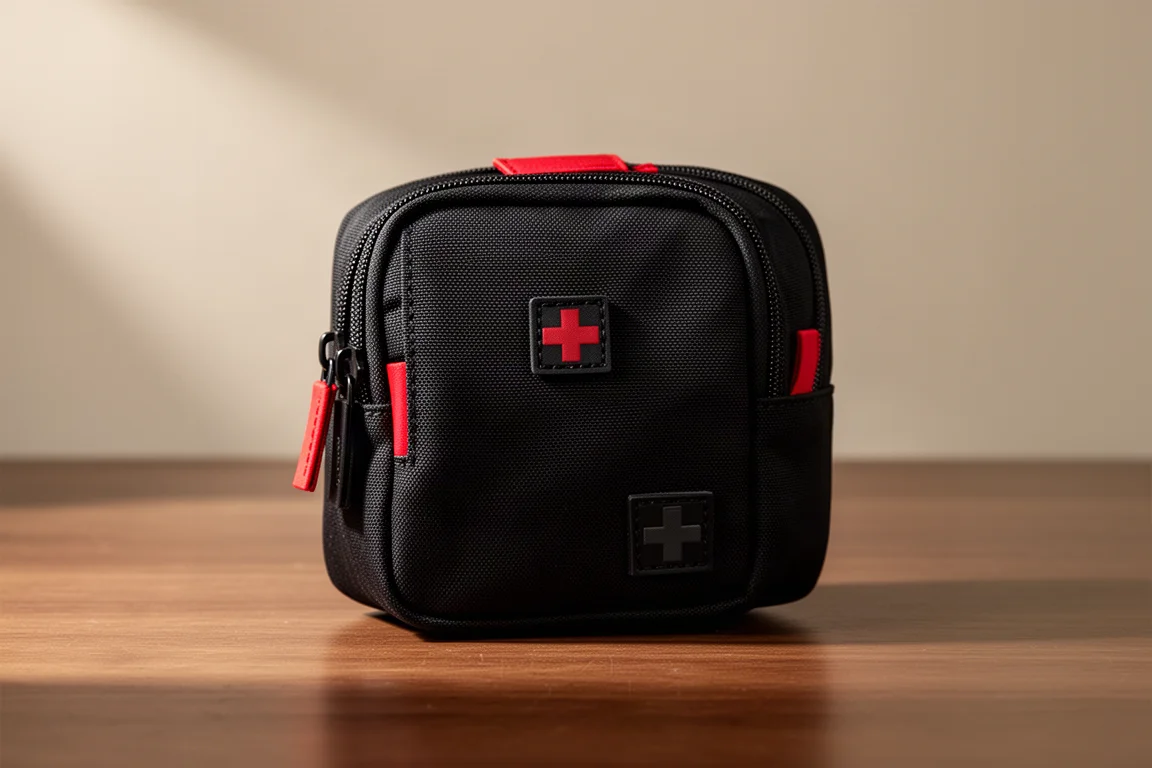
A first aid kit is a non-negotiable backpack item, sized to the situation. The My Medic EDC Trauma Kit is compact and serious, holding rubber gloves, a chest seal, a tourniquet kit, and quick clot for more significant incidents. For everyday bumps and bruises, a smaller kit with sterile pads, gauze, bandages, gloves, sting swabs, and prep pads covers the bases, or you can build your own boo-boo kit in a simple pouch.
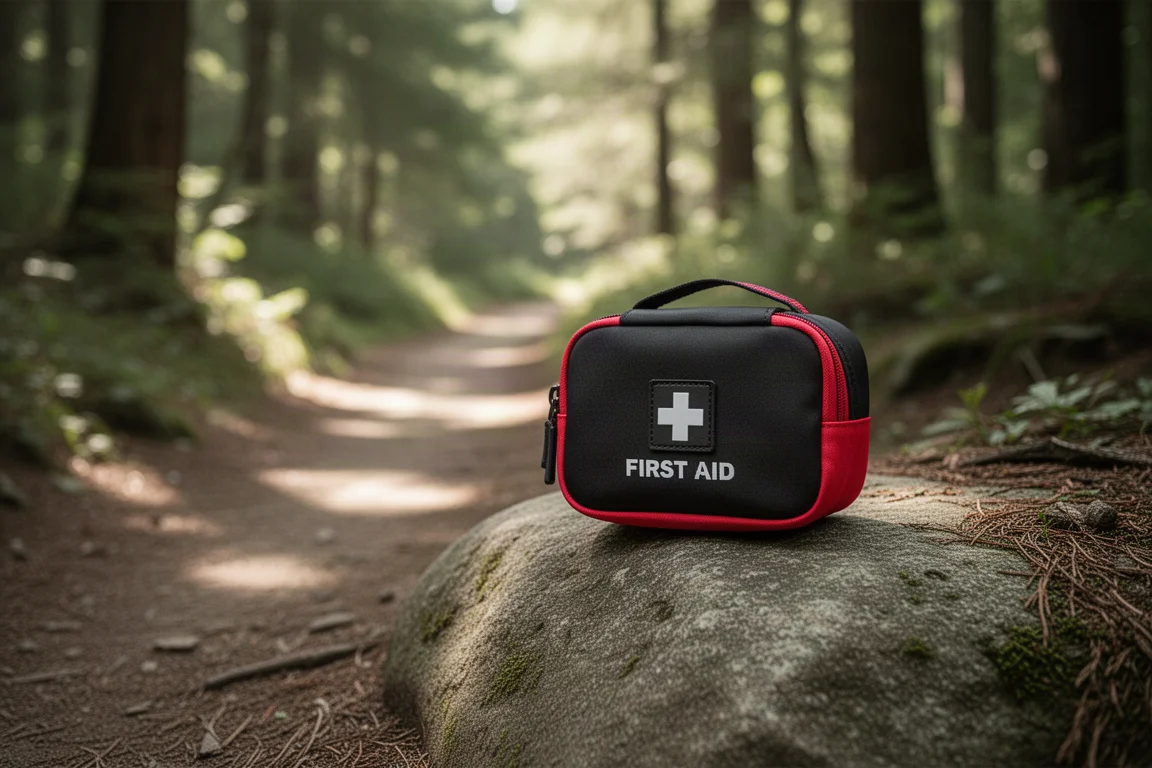
Whatever you choose, make it obvious at a glance: black and red coloring, a cross patch, or anything that helps someone else find it quickly. A glow-in-the-dark bead or similar glowing zipper pull also helps when you are digging through the bag in low light.
The Backup Flashlight
A pocket flashlight handles most daily needs, so the backpack light can be bigger and brighter. Larger formats, roughly CR123A, AA, or 18650 class and up, mean better run times and higher output without the chunky in-pocket burden. Features like a double-sided clip let you attach it to a hat brim and use it as a headlamp, and a charging case that doubles as a lantern adds flexibility for camping or power outages. A reliable backup light is one of those items you rarely think about until the moment you genuinely need it.
The Pocket Notebook: Arc Company Boulder Wallet and Yellow Birch Outfitters Pocket Pro
Arc Company Boulder Wallet
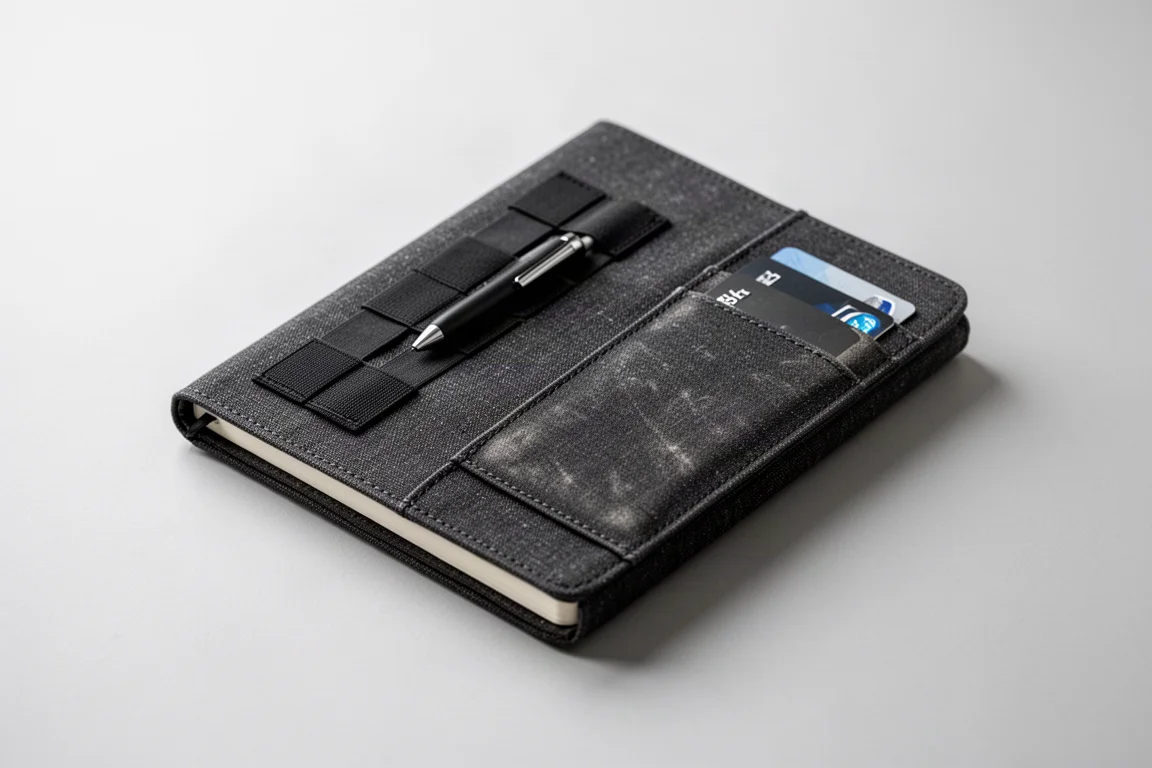
A phone is great for notes, until the battery dies or you need to leave a note for someone. Paper and a pen still win in those moments. A notebook holder with an exterior pen clip keeps both together, and tougher options like Rite in the Rain paper handle poor weather. The Arc Company Boulder Wallet goes further, with outside gear slots and a card pocket, so it can double as a secondary wallet or even hold a small lockpick set in the back.
Yellow Birch Outfitters Pocket Pro
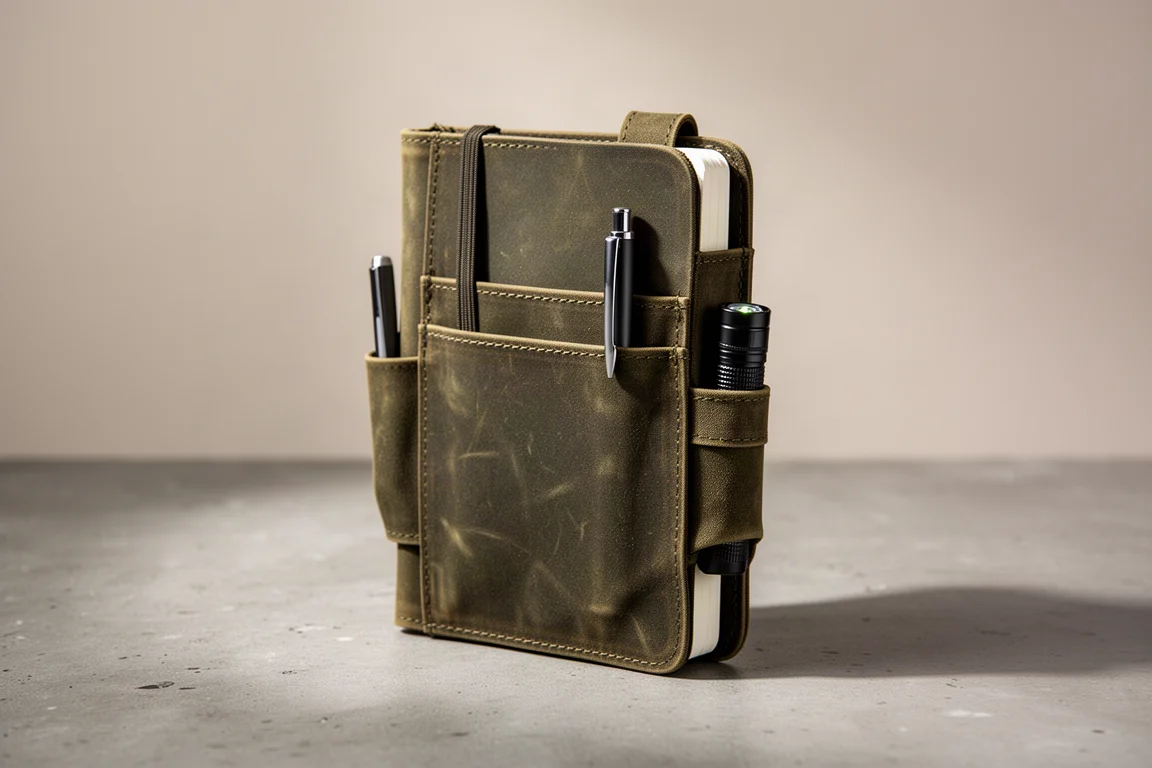
For something more focused, the Yellow Birch Outfitters Pocket Pro holds a knife, pen, flashlight, and a full-size notebook, though you do need to remove the notebook to use it. Hitch and Timber makes similar holders for full-size Field Notes with room for cards and other small gear. In a backpack, you can size up beyond pocket-friendly options and carry a larger notebook if you prefer.
The Secondary Wallet
A slim daily wallet is easier to maintain when everything else lives elsewhere. A secondary wallet pouch in the backpack holds the overflow: rarely used credit and debit cards, membership cards, and a bit of cash for the day the main wallet stays at home. A zip pouch works well because it also swallows small items, and the Arc Company Boulder Wallet is another good contender for the same role. None of it is irreplaceable, which is exactly why it belongs in the bag rather than your pocket.
The Multi-Use Cloth
A handkerchief earns its keep by not living in your pocket. An extra-large hank with a microfiber backing handles screens, glasses, sunglasses, and camera lenses, and the fabric side works for wiping down all sorts of surfaces. A large merino wool version, usable as a handkerchief, scarf, or quick mini blanket, is even more versatile, though such options are hard to find now. Whatever you pick, a multi-use cloth in the bag is quietly one of the most-used items you will carry.
The Hanger: HeroClip
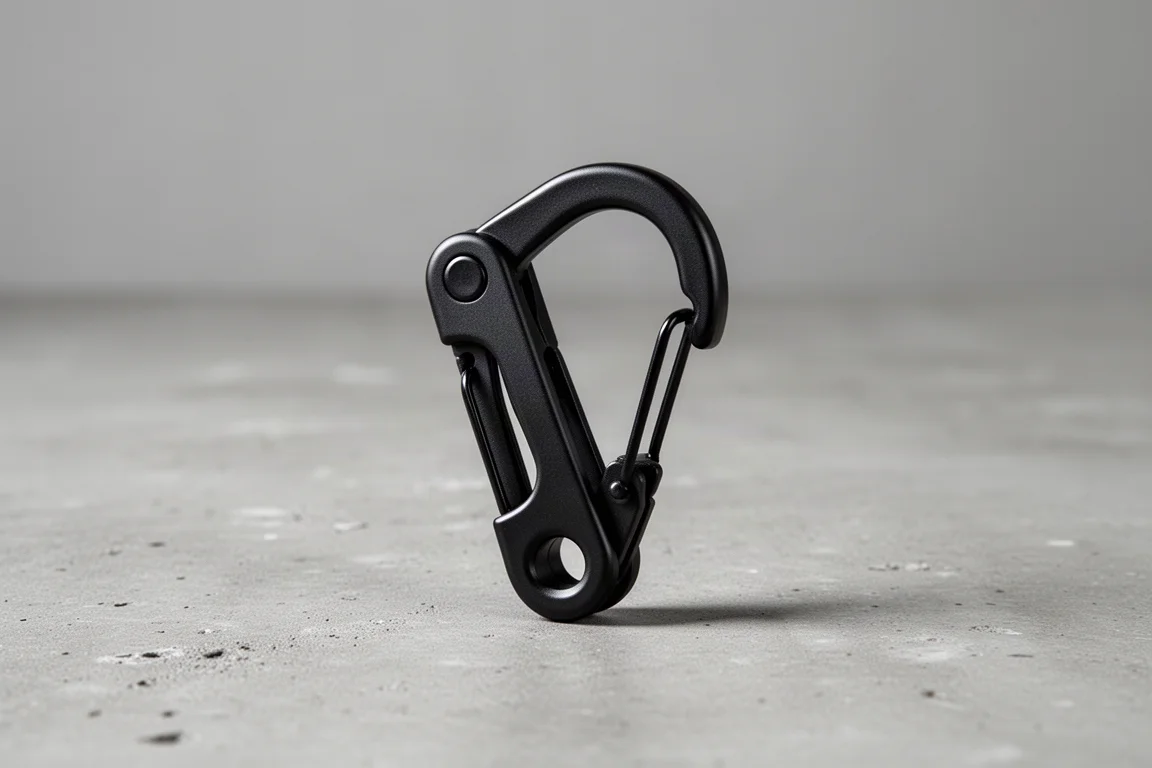
A carabiner, zip ties, and gear ties are the category here, but the HeroClip deserves the spotlight. It is effectively a hanger for your bag: clip it to the top handle and hang the bag on a door, hook, or tree branch, rotating freely to fit almost anywhere. It also handles other jobs, like hanging a trash bag at a campsite. Beyond that, soft carabiners and hook-and-loop cable ties keep long cables neat and make flexible tie-down points. Having both black and bright-colored ties helps too, since black stays discreet for quick fixes and bright colors make things easy to spot at a glance. None of it takes up meaningful space, and all of it is endlessly useful.
The Sling: Dango Datacrew Snack Sling, Vanquest Dendrite, and Verdict Long Walk Waist Pack
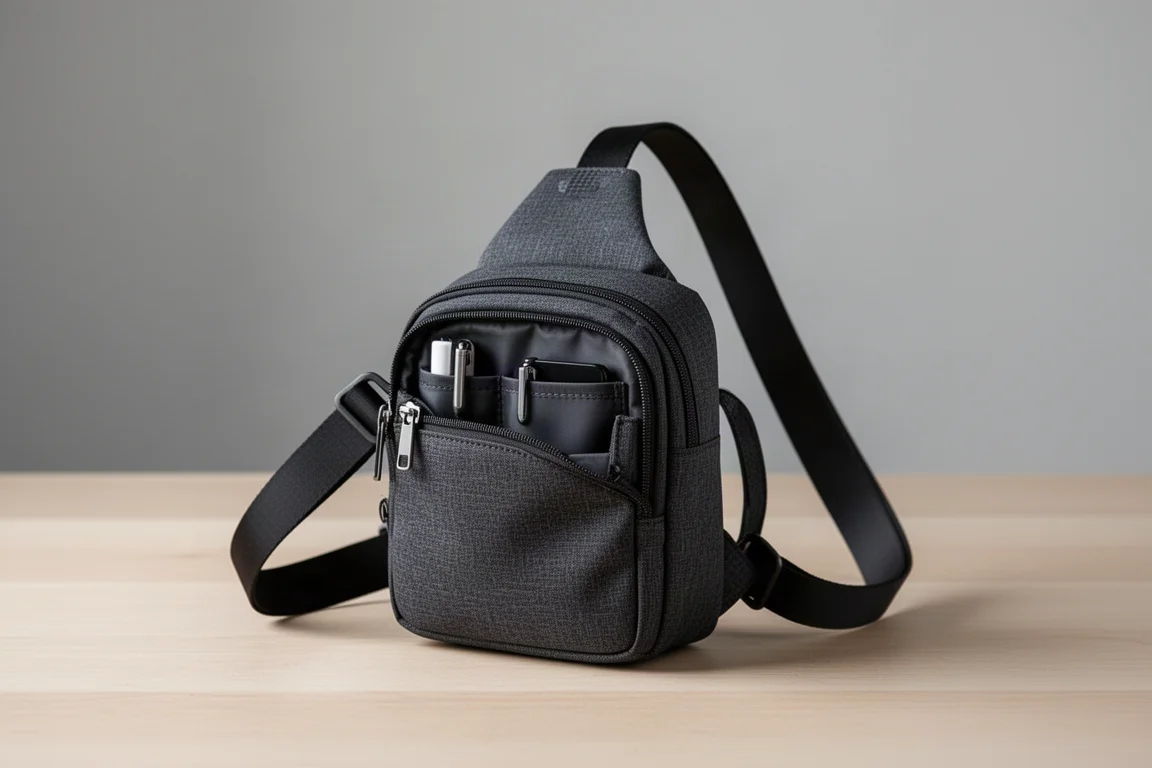
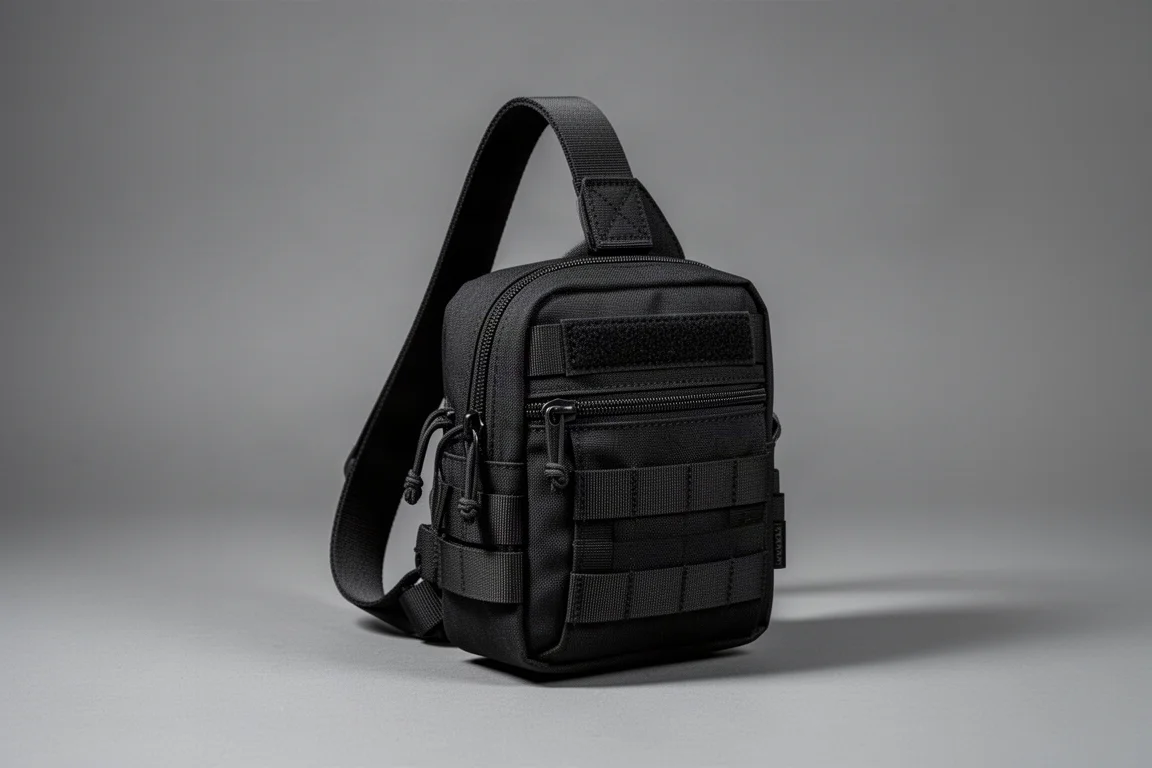
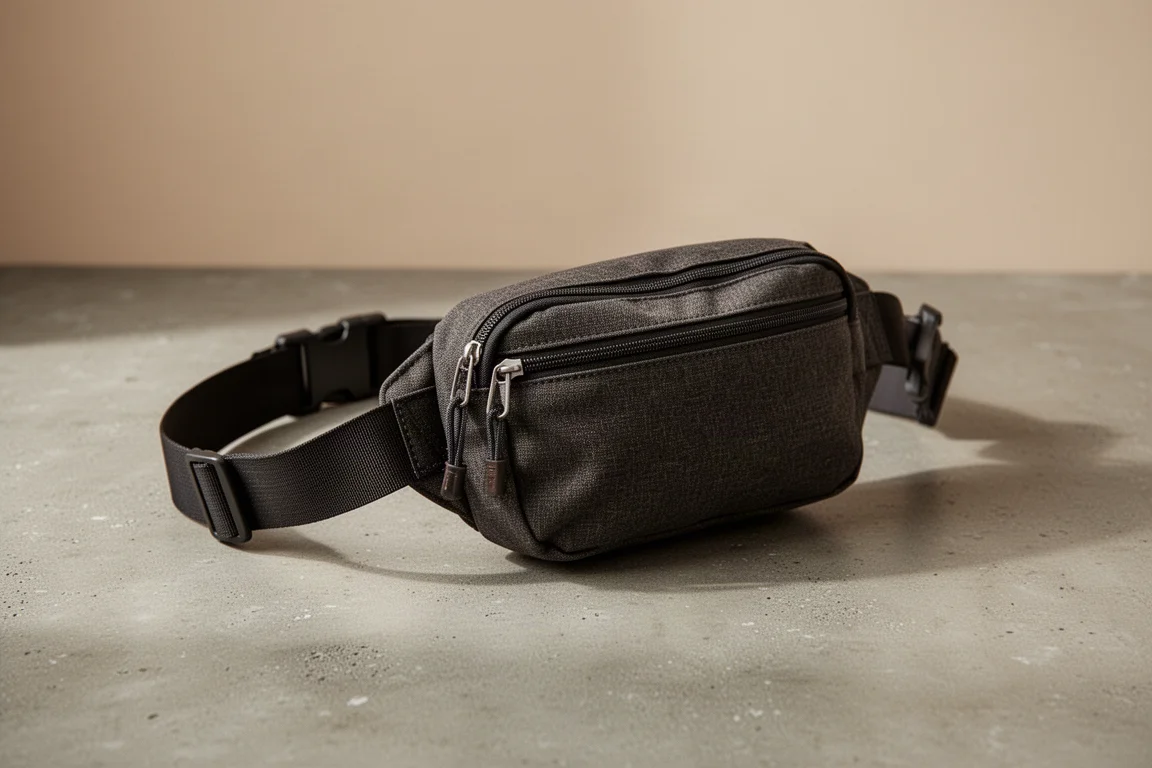
The best trick in this list is carrying a sling inside your backpack. It works exactly like a pouch, holding your small items organized inside the bag, but it has a strap. When you want to leave the backpack behind, you pull out the sling and go. The Dango Datacrew Snack Sling fits inside the TI EDC Backpack’s outer pouch and zips closed with internal organization intact. The Verdict Long Walk waist pack fits the same way, and the Vanquest Dendrite works as long as you skip its large bottle pocket. All of them fit in every bag they have been tried in, which makes this one of the most sensible upgrades you can make: a pouch that becomes a bag when you need it to.
The Micro Container
Finally, a small container or soft pouch keeps the tiniest items from wandering. A nesting set of tins works well: one holding a small ratcheting screwdriver with bits, another for a grooming kit with clippers, tweezers, a file, and a toothpick, and smaller tins for medicine like ibuprofen plus a stash of mints. One tin full of micro SD cards is another common use. A hard Altoids-style tin or a simple soft pouch, the choice matters less than the principle: little bits and bobs should always have a home.
The Fun One: Anbernic RG353V and Miyoo Mini Plus
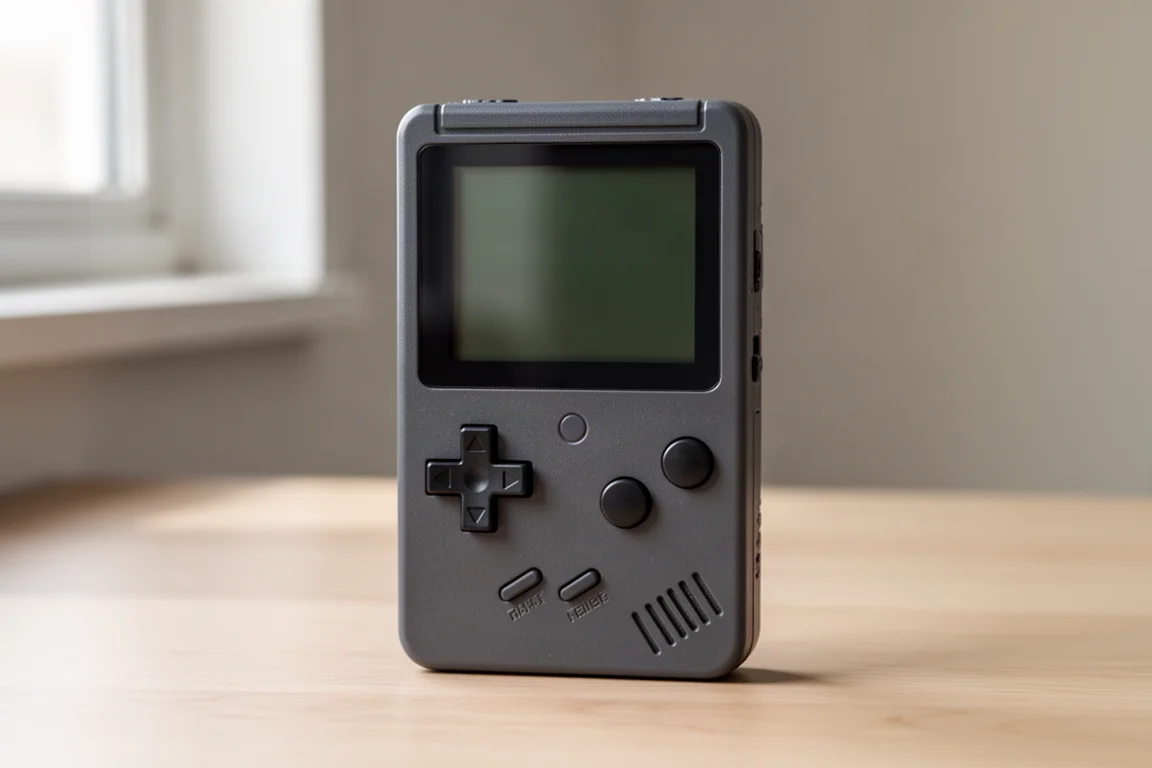
Not strictly essential, but genuinely worth having: a retro gaming handheld. The Anbernic RG353V has lived in the bag for months, and it earns its spot. It is small, lightweight, with excellent battery life, and it makes short waits fun in a way mobile games never do. Retro emulation also feels far more approachable than big modern titles when you only have a few spare minutes.
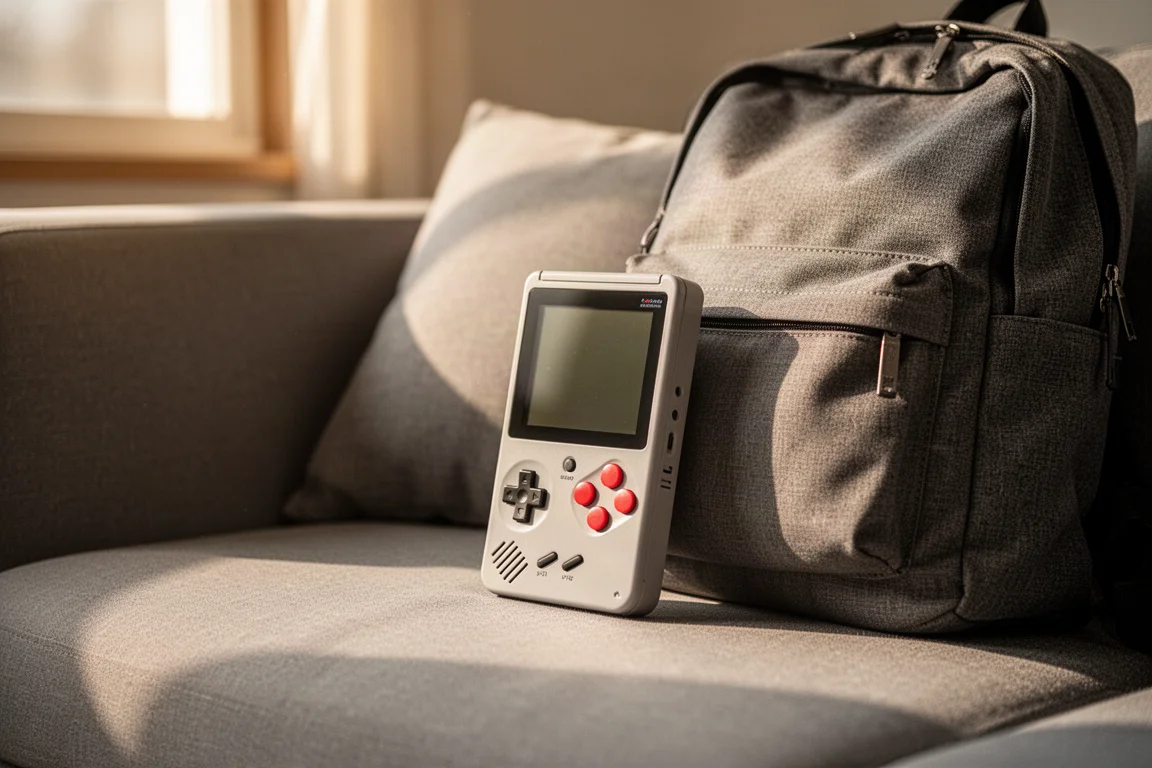
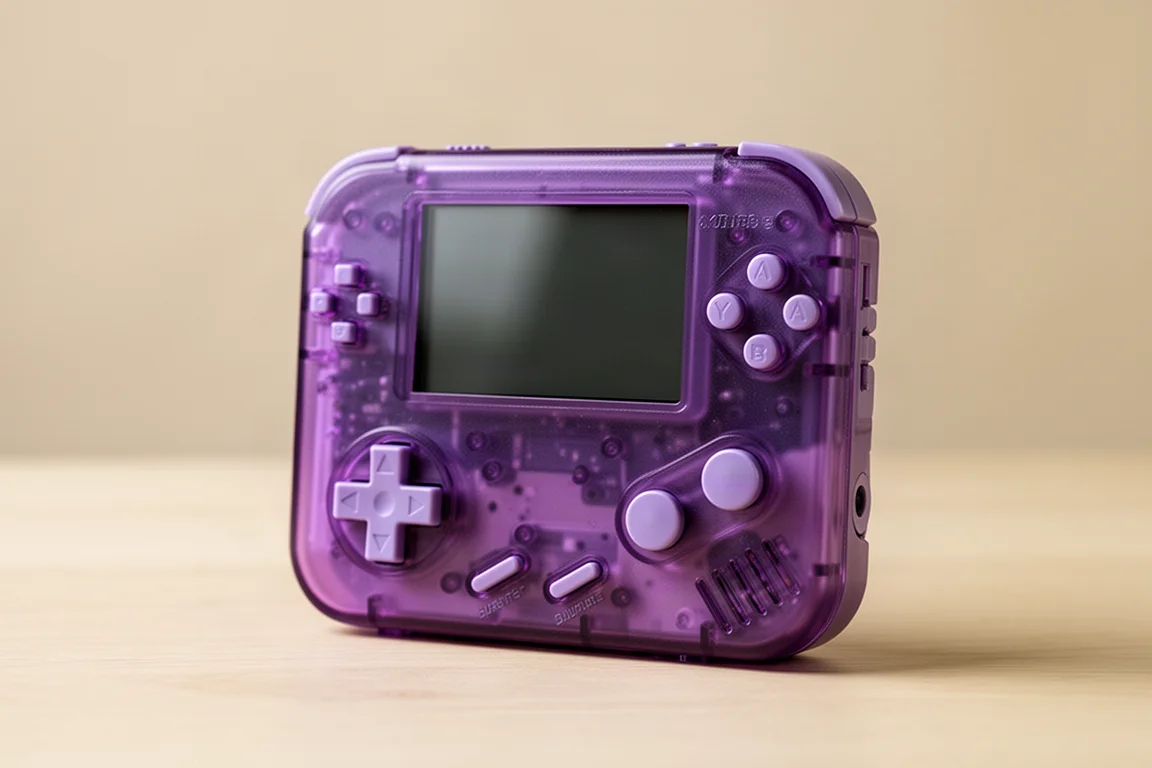
If you want something even smaller, the Miyoo Mini Plus is a proven favorite, popular enough that one household member reportedly stole theirs outright. Either way, tossing one in the bag costs almost no weight and pays off constantly.
Overall Buying Advice
Start with the bag and the boring essentials: a reliable multi-tool, a first aid kit that is easy to spot, a charging setup, and a backup flashlight. From there, the secondary wallet, notebook, cloth, hanger, sling, and micro container all add convenience for very little cost or weight. The retro handheld is optional but easy to justify if you ever find yourself waiting around with nothing to do.
Conclusion
A well-stocked backpack is less about carrying more and more about carrying smarter. Each item here solves a small, recurring problem, and together they make the bag genuinely self-sufficient for workdays, trips, and everything in between.
Further reading
Related Reviews

Everyday Carry
Everyday Gear That Deserved a Second Look
A roundup of solid everyday carry items: watches, pens, a pencil, a knife, and a smart ring that each earned a place on the table.

Everyday Carry
KORE Tactical Bifold Wallet Review: A Durable Everyday Carry Option
A close look at the KORE Tactical Bifold Wallet, a reinforced nylon wallet with magnetic closure and room for cards, cash, and IDs.

Everyday Carry
Krabby Wallet Review: A Slim, Simple Carry That Has Stood the Test of Time
A closer look at the Krabby Wallet, a slim canvas and elastic design with a loyal following and a simple, functional approach to everyday carry.