Coffee Makers
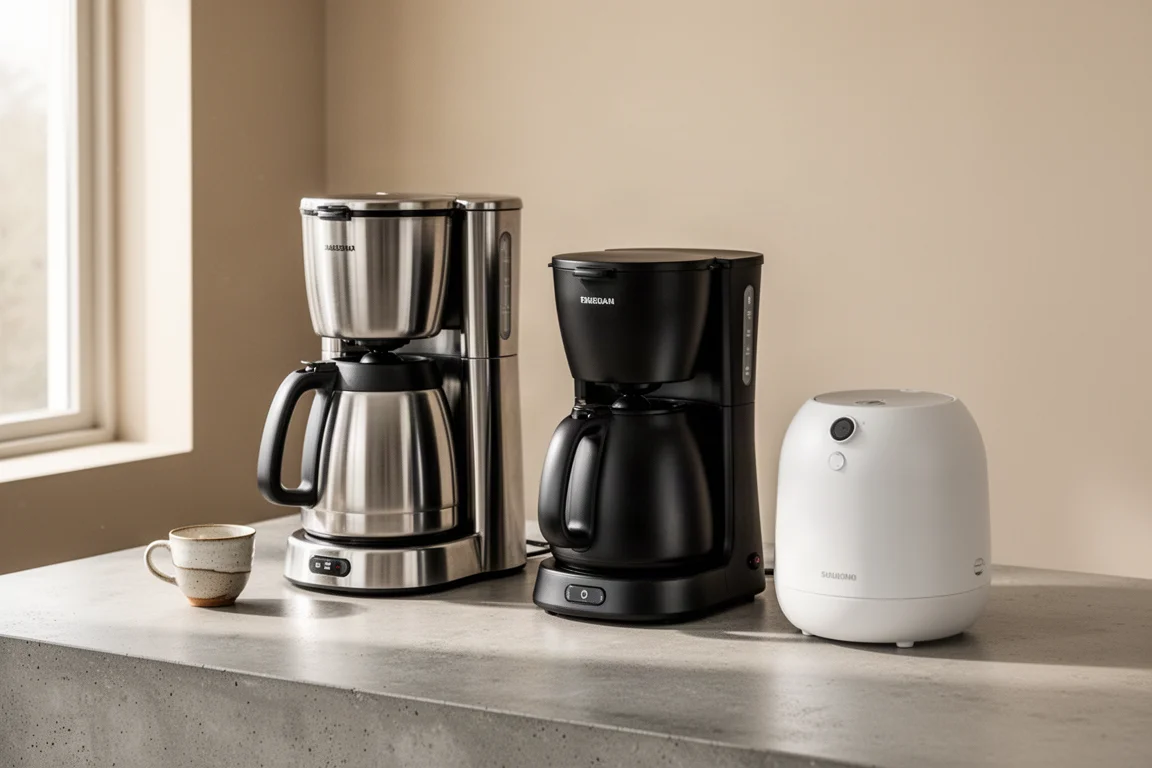
Best Drip Coffee Makers: Three Machines That Actually Get It Right
We compared 16 automatic drip coffee makers on flavor, brewing temperature, speed, and ease of cleaning. These three stood out.
Introduction
Many automatic drip coffee makers promise great coffee and deliver something weak, sour, acrid, or bitter instead. The process itself is simple: water from the tank is heated by a metal element, boils up through the machine, and is distributed over the grounds in the brewing basket before dripping through by gravity. Yet in testing, machines using identical coffee and water produced cups that ranged from wonderful to terrible. Buying a quality machine matters, and three models in particular earned their place.
How We Evaluated
The starting point was a list of home coffee makers certified as good performers by the Specialty Coffee Association (SCA), rounded out with interesting models beyond that list, for a total of 16 machines ranging in price from less than $20 to about $375. Testing covered brewing basket and water tank capacity, blind randomized taste ratings, brew water temperature, brew cycle timing, and lab-measured coffee quality metrics. Machines were judged on whether they could brew a full pot at the proper water-to-coffee ratio and how much time they spent in the ideal 194 to 205 degrees Fahrenheit range.
What We Learned From Testing
A few things separated the good machines from the rest. Great flavor comes first: subtle differences in heating, timing, and water-to-coffee contact decide whether coffee hits the benchmarks or falls short. Controls should be simple and intuitive, because a couple of machines tested were ridiculously complex with a steep learning curve.
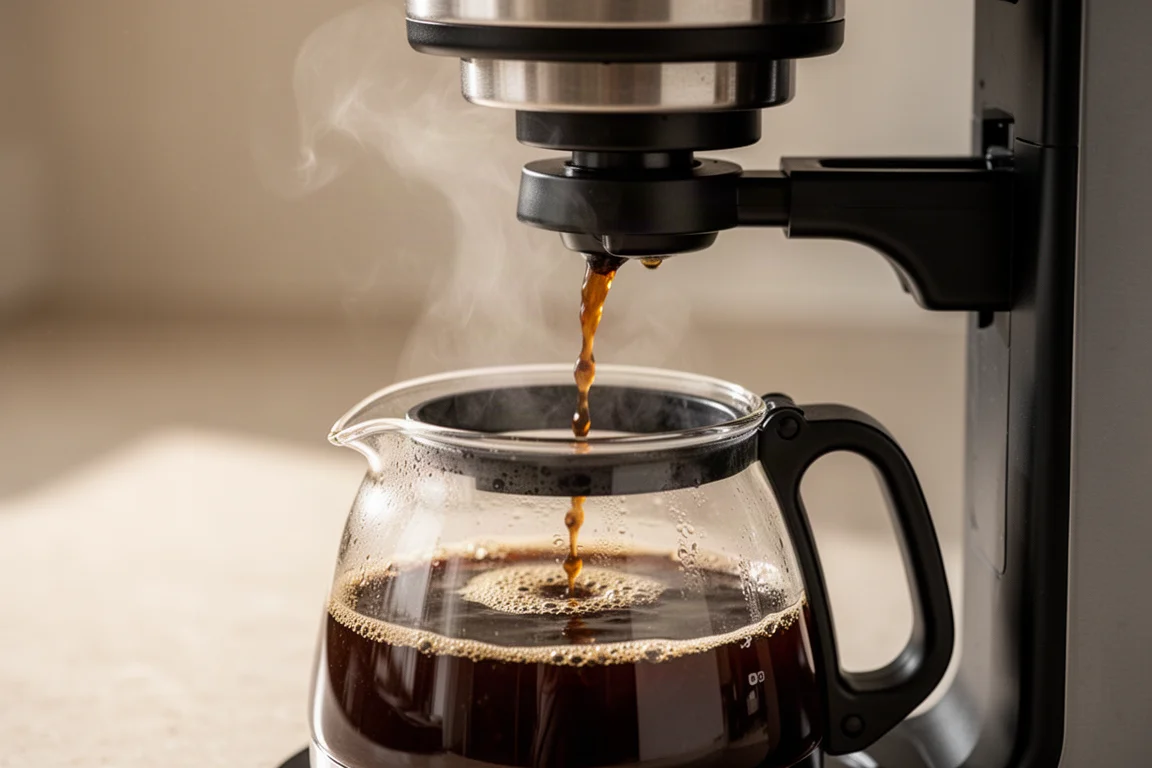
Brewing basket size matters more than most people expect. Every machine should hold enough ground coffee for the right ratio, and not all did: several 64-ounce or 1.8-liter water tanks were paired with petite brewing baskets, which sometimes overflowed when brewing a full pot at the SCA ratio. Big water tanks should be matched by roomy brew baskets.
Speed and temperature round it out. Good drip coffee comes from water heated to between 194 and 205 degrees Fahrenheit spending four to eight minutes in contact with the grounds. Too slow or too hot, and the coffee is over-extracted and bitter; too cool or too fast, and it is sour and under-extracted. It is simple science that too many manufacturers just do not build in.
Practical Brewing Tips That Make a Difference
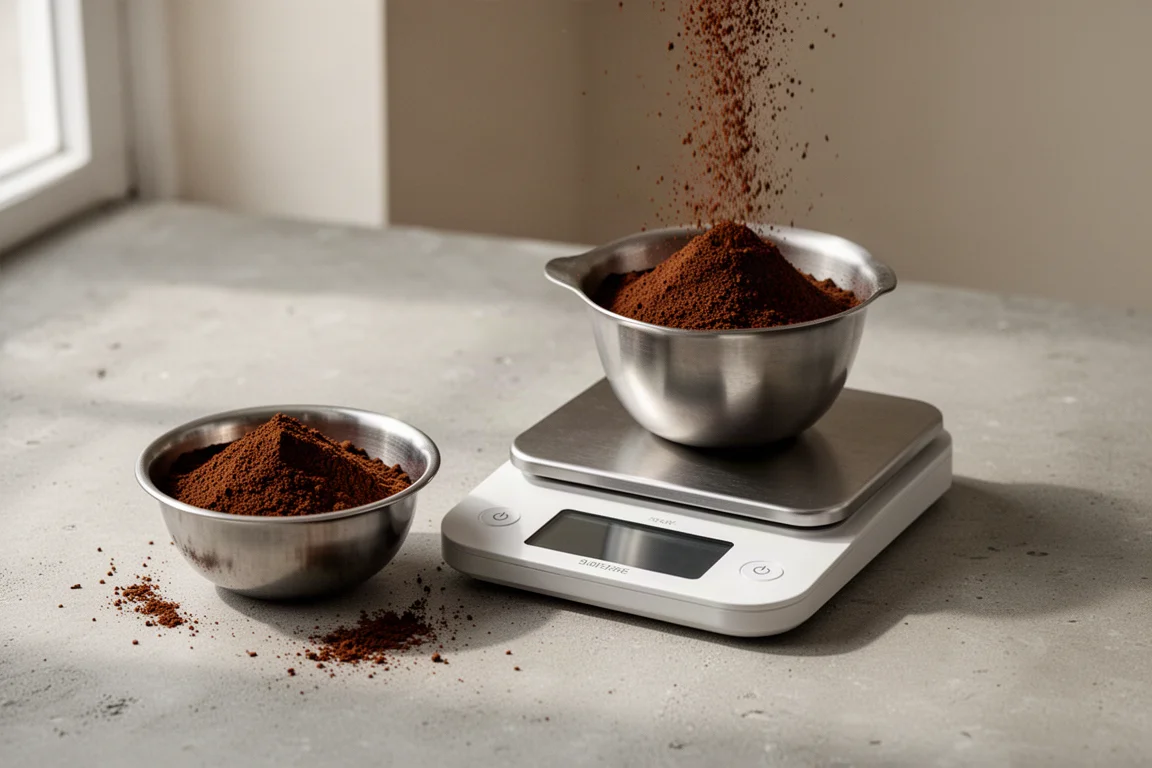
Skip the scoop. The little plastic scoops included with most machines are unreliable because ground coffees have radically different weights and volumes depending on roast and grind size. Buy a scale and weigh your grounds instead.
Also, do not bother with “strong” or “bold” settings. They simply extend the brewing cycle, which results in over-extracted, bitter coffee.
Use the right filters. Some machines call for their own brand of filters designed to control the drip rate for best extraction, while others, including the winners here, accept any filter, which avoids expensive proprietary purchases. Filter choice also tweaks flavor: paper filters hold back more fine grounds and oils than metal mesh, changing the coffee’s body.
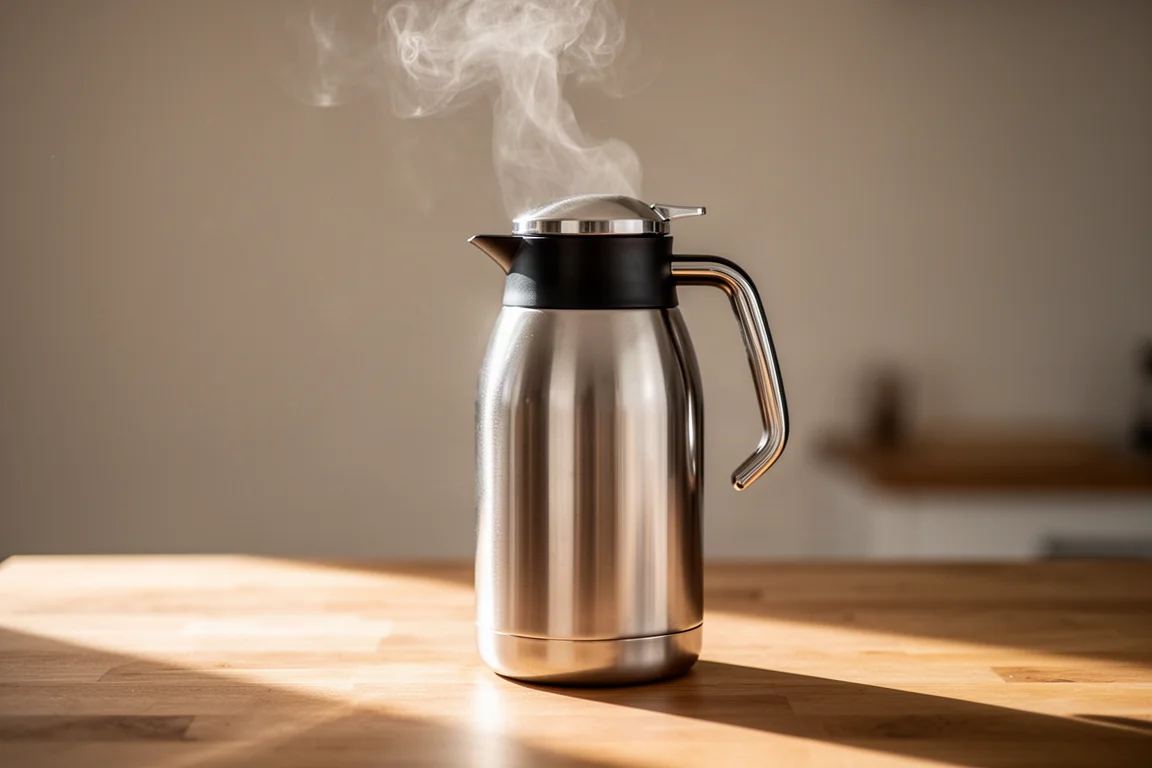
Finally, look for a thermal carafe and easy maintenance. Keeping coffee hot without scorching is easiest with an insulated thermal carafe; most glass-carafe machines share one heating element for boiling water and the hot plate, a recipe for scorched, bitter coffee. Cleaning should be simple and neat, with carafes that scrub easily and lids that do not trap water. For descaling, skip vinegar, which can be corrosive and may not remove all scale; use a dedicated descaling powder like Dezcal by Urnex instead, roughly once every 100 pots, or sooner if the machine brews slowly.
Our Overall Favorite: Technivorm Moccamaster KBT
The Technivorm Moccamaster KBT was the standout overall. Its powerful copper boiler quickly heats and holds water at a precise temperature, producing coffee that tasters described as very strong but smooth. The design is clean, with a single on-off control, and it brews into a thermal carafe. A five-year warranty and easily replaceable exterior parts promise a long, useful life.
It costs just over $300, which is significant, but it is built to hold up and serve you well over years of daily brewing.

Also Recommended: OXO Brew 8-Cup Coffee Maker
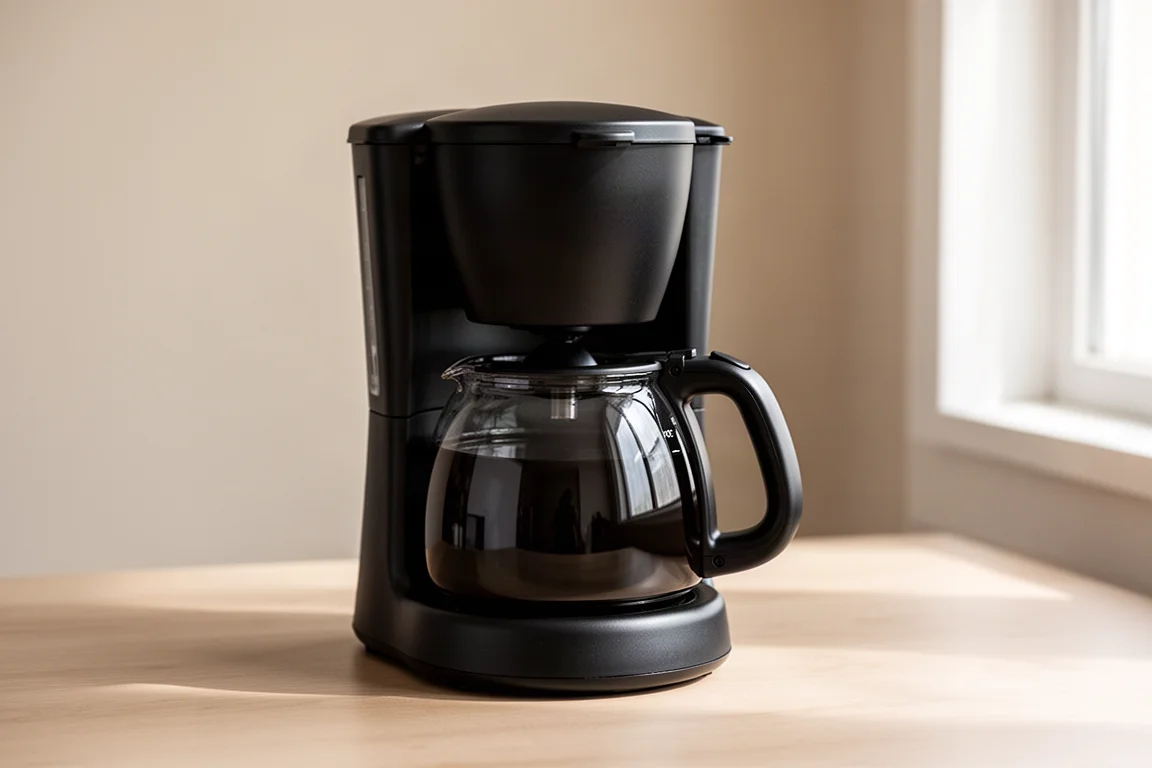
At about $175, the OXO Brew 8-Cup Coffee Maker pairs intuitive controls with the most ergonomically pleasing carafe seen in years of testing. It is a strong middle option for anyone who wants great coffee without stepping up to the most expensive tier.
For drinkers who value straightforward operation and a comfortable pour, this model makes an easy case for itself.
Our Best Buy: Zojirushi Zutto Coffee Maker
The Zojirushi Zutto Coffee Maker, at about $75, is the best buy. It is not a fan of its glass carafe, but it brewed a small pot of very good coffee, and its removable water tank makes cleanup easy. If you brew smaller amounts and want excellent results on a budget, this is the one to pick.
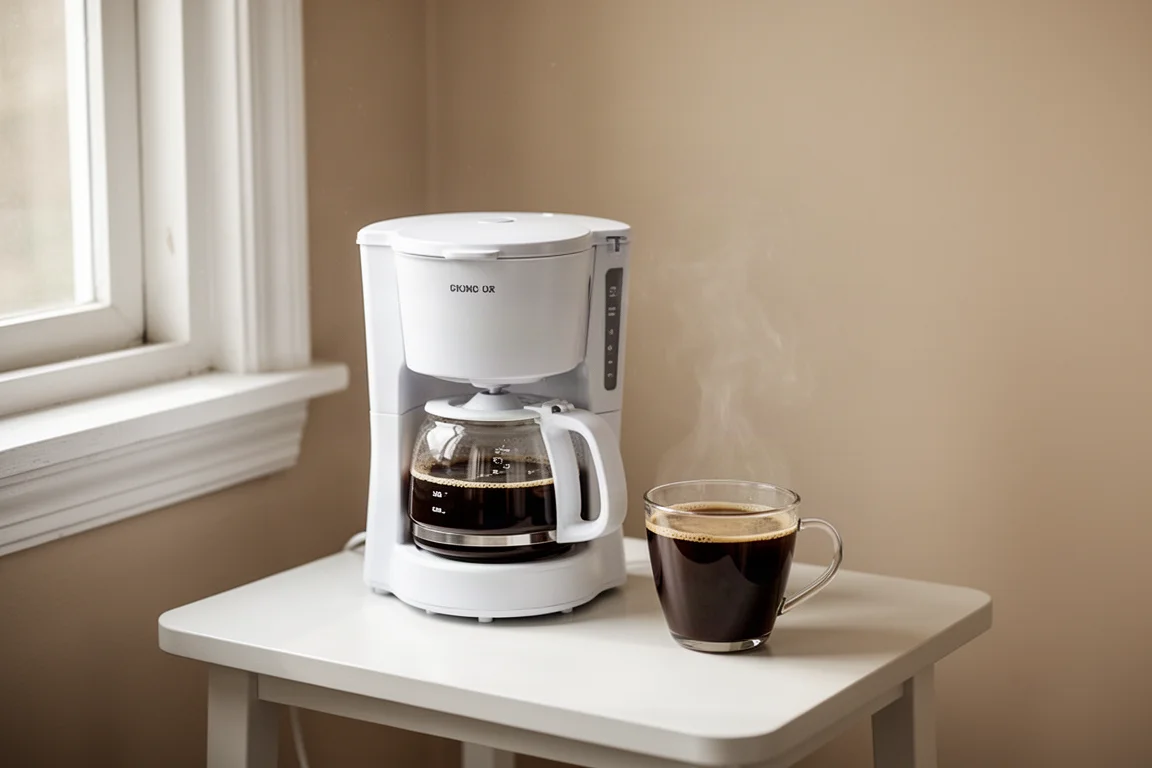
For smaller households or office corners, the Zutto delivers quality well above its price bracket.
Buying Advice
Match the machine to your habits. If you sip coffee over a long morning, a thermal carafe like the Moccamaster’s keeps it hot without scorching. If you want a balance of price and polish, the OXO is the comfortable middle ground. If budget leads and pots are small, the Zutto is hard to beat. Whichever you choose, weigh your grounds, use the right filters, and descale regularly with a dedicated powder, and any of these machines will make your morning coffee noticeably better.
Conclusion
Great drip coffee comes down to machines that hit the right temperature, timing, and ratio benchmarks, with controls anyone can use and parts that are easy to clean. The Technivorm Moccamaster KBT, OXO Brew 8-Cup, and Zojirushi Zutto all clear that bar at very different price points, so there is a clear pick whether you are investing for the long term or simply upgrading on a budget.
Further reading
Related Reviews

Coffee Makers
Best Bunn Speed Brew Coffee Makers: Top 5 Models for Home Brewing
A detailed look at five Bunn Speed Brew coffee makers, from high-altitude models to thermal carafes, to help you find the right brewer for your kitchen.

Coffee Makers
Best Coffee Makers Under $50: Four Affordable Brewing Options
Four budget-friendly coffee makers that deliver quality brews without expensive equipment. From portable AeroPress to classic French press, find the right brewer for your routine.

Coffee Makers
Best Coffee Makers with Grinders: Five Options for Every Brewing Style
Five coffee makers with integrated grinders that balance convenience, flavor, and control. From single-serve to automatic espresso machines, find the right fit for your kitchen.