Power Tools
Best Drill Clutch Consistency: Makita vs Metabo HPT Put to the Test
We compared four drills from Makita and Metabo HPT, including an electronic clutch, to find out which clutch settings drive screws the most consistently.
Introduction
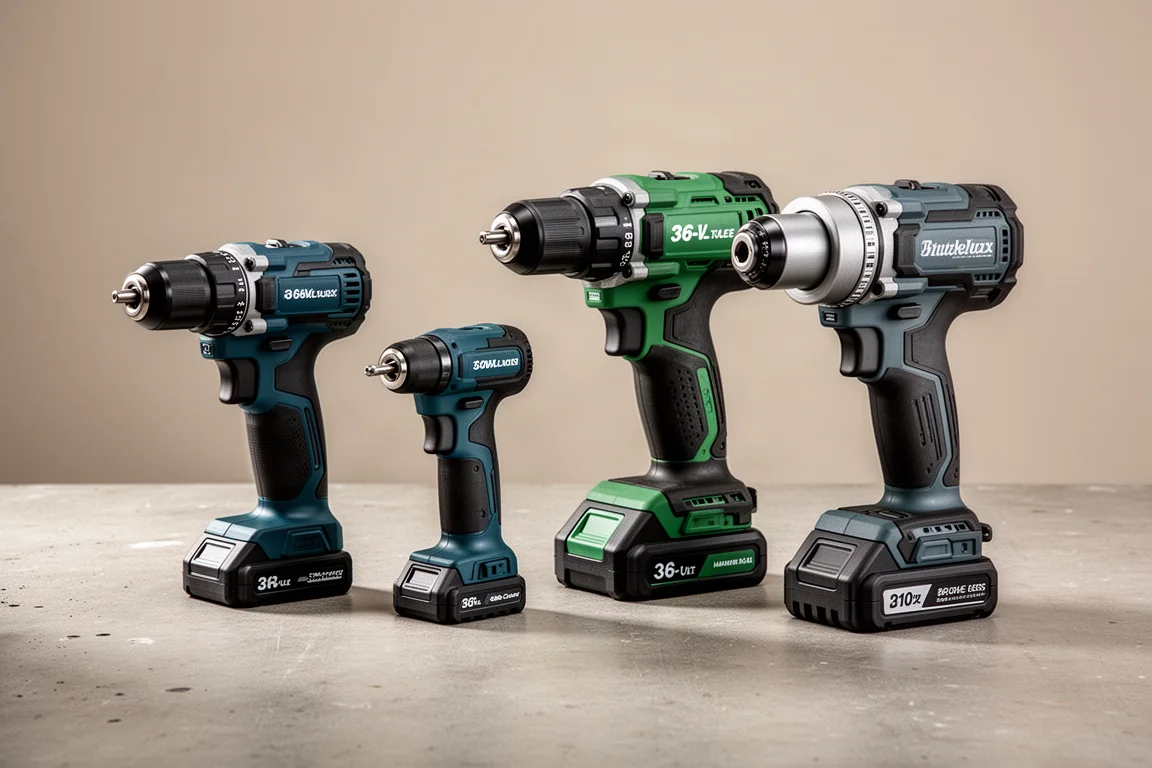
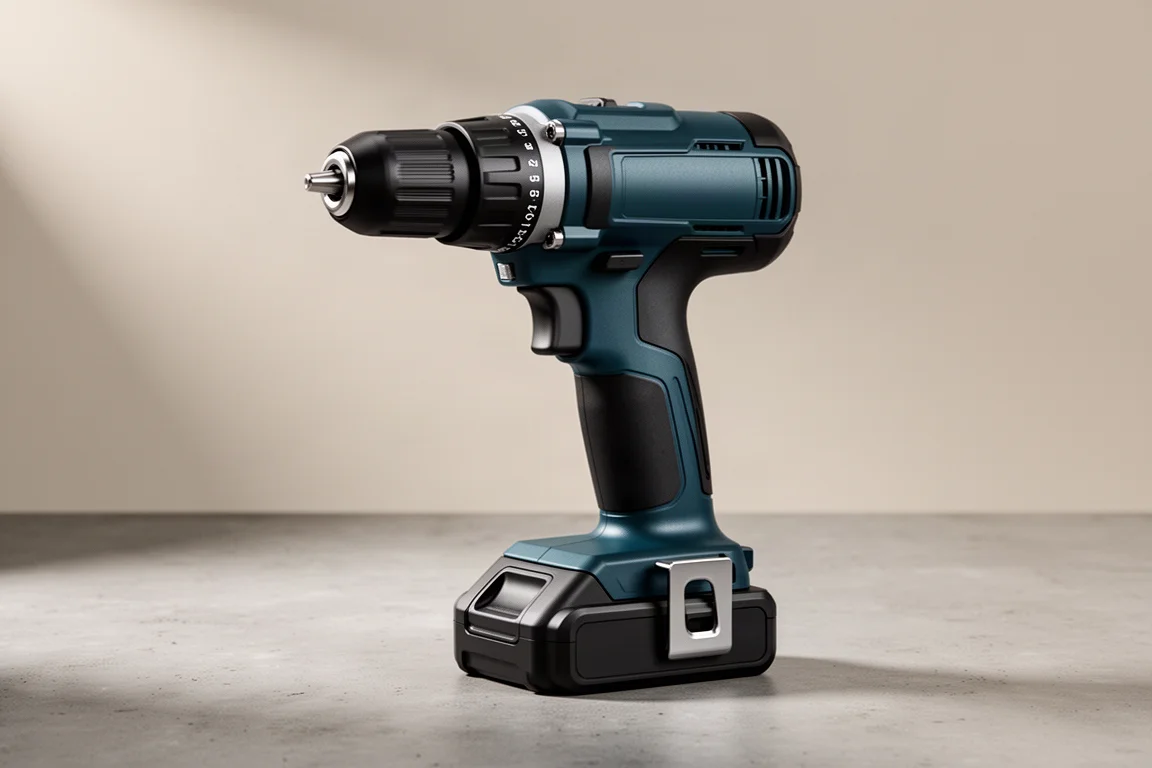
Clutch settings are one of those drill features most buyers skim past, yet they decide how clean and consistent your screwdriving looks. To see how differently clutches behave between brands, and how an electronic clutch compares with a traditional mechanical one, we put four drills through the same screwdriving tests: the Makita XPH12 hammer drill, the Metabo HPT DS18DDX sub-compact, the Metabo HPT DV36DA 36-volt hammer drill, and the Makita GPH01 XGT, Makita’s newer XGT hammer drill with an electronic clutch that shuts off instead of slipping.
The question was simple: which drill sets screws to the most even, repeatable depth, and does an electronic shut-off clutch beat the mechanical design used almost universally elsewhere?
How We Tested
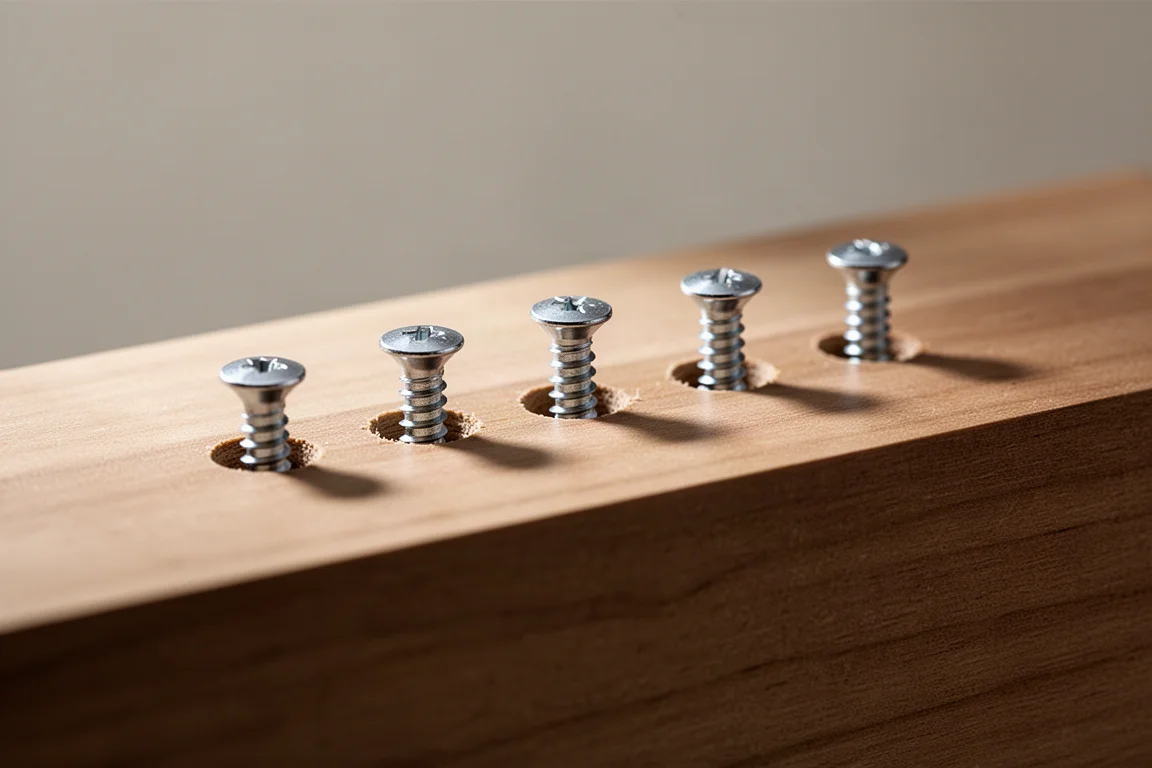
Every drill ran in its low speed, high torque mode (speed 1), set to the lowest available clutch setting. Each drill drove five identical screws, and we compared how high the screw heads sat and how even they were across all five. Ideally, a light clutch setting should leave screws noticeably above the surface and perfectly level with each other, rather than producing a bar-graph pattern of uneven depths.
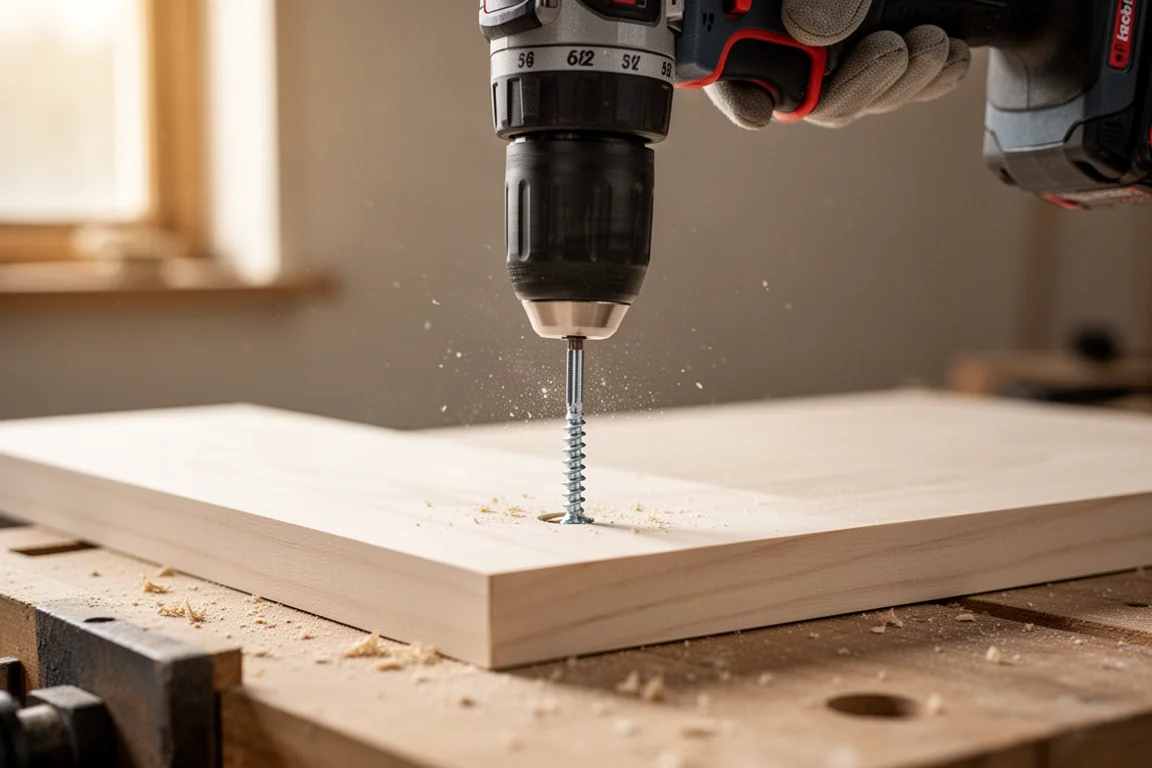
For a second round with longer screws, we moved every drill up to clutch setting 3, keeping all other settings unchanged, to see whether the ranking held when the screws demanded a bit more torque.
Makita XPH12: The Affordable All-Rounder
The Makita XPH12 is a regular, affordable hammer drill, not a sub-compact and not the top of the range, and it has long been a favorite for that reason. On the lowest clutch setting with small screws, though, its results were uneven. Some screws sat higher than others, and a few sank well past where a first clutch setting should leave them. For a setting meant to be the lightest available, that inconsistency was noticeable.
On the longer-screw test at clutch setting 3, the XPH12’s story changed completely. It kept all five large screws at exactly the same height, driving smoothly and evenly. If your work leans toward larger fasteners, the XPH12’s mechanical clutch performs very well there.
Metabo HPT DS18DDX: The Sub-Compact Standout
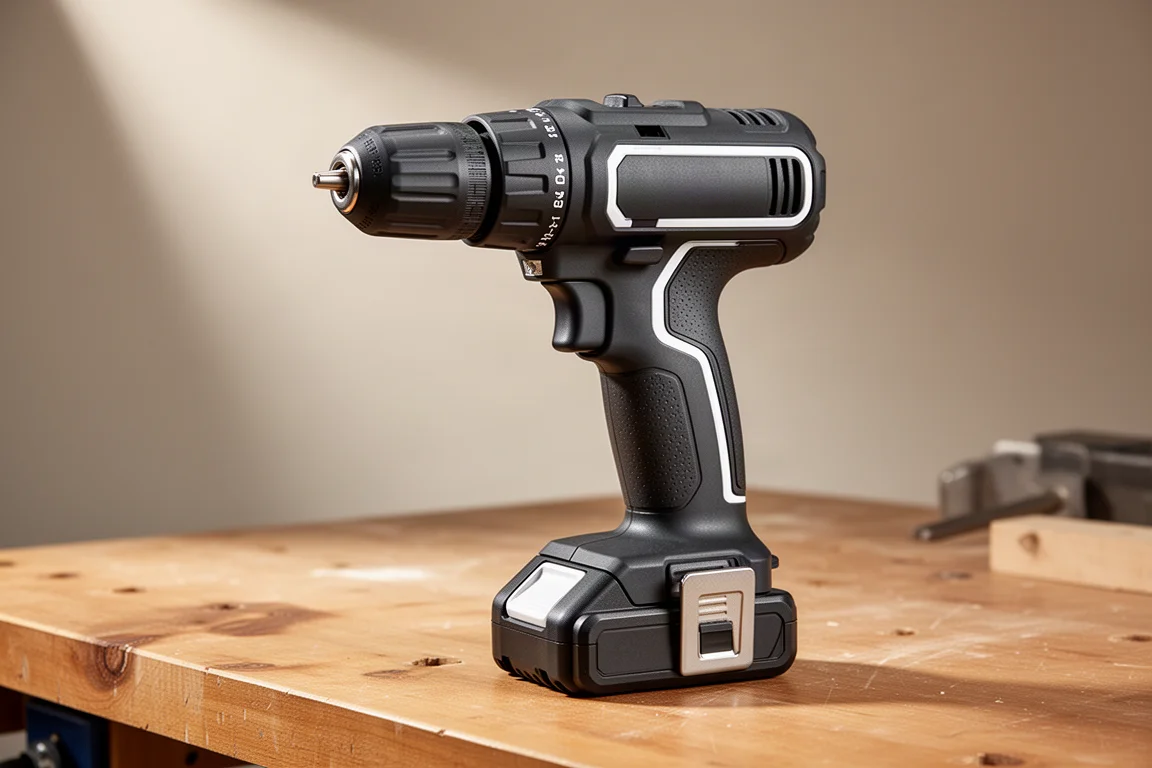
The Metabo HPT DS18DDX sub-compact was the most impressive small-screw performer of the group. At clutch setting 1, all five screws sat high and aligned, with a much more sensitive clutch response than the larger drills. It looked the cleanest and most consistent of the entire first round.
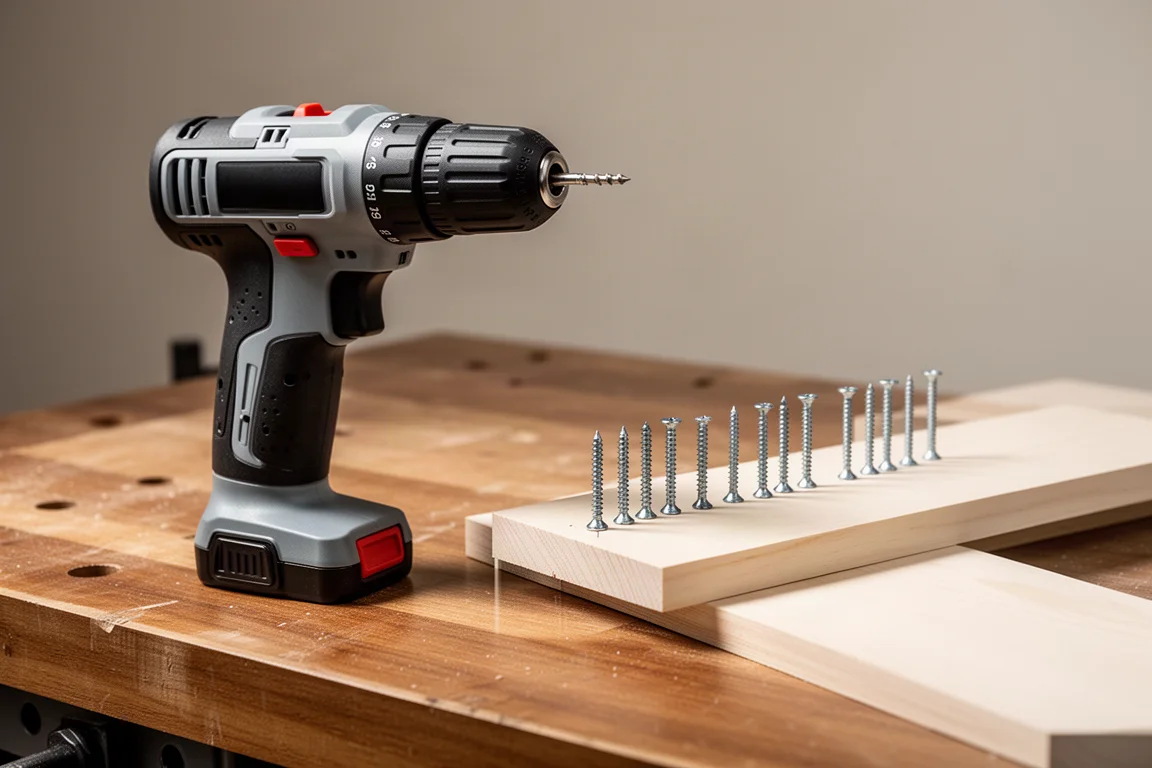
On the longer screws at setting 3, it did a solid but slightly less tidy job, with the first two screws going a bit farther down than the rest. It was not as smooth as the Makita XPH12 at that setting, but it still kept everything within about the same height. Across the whole test, this sub-compact proved the most accurate clutch in the lineup.
Metabo HPT DV36DA: Big Power, Good Consistency
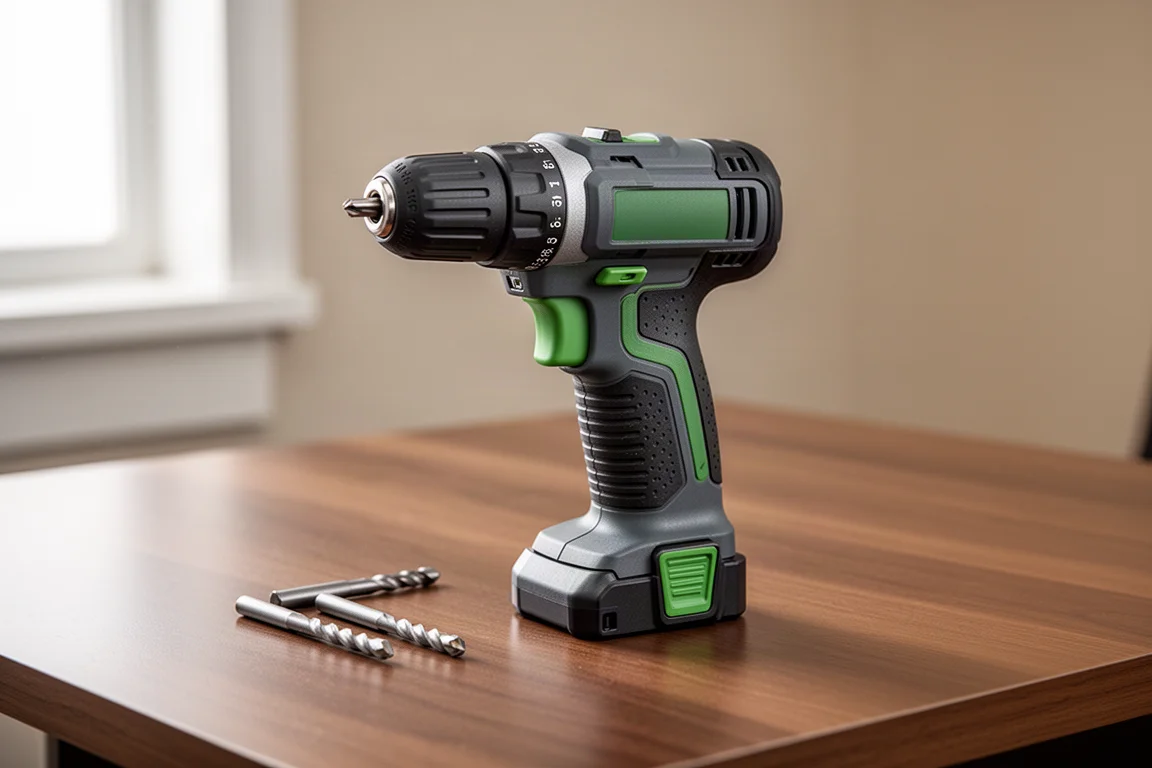
The DV36DA is the larger, heavier, more powerful 36-volt hammer drill from Metabo HPT, and it matched its smaller sibling almost exactly on the small-screw test, sinking all five screws to about the same height. That is exactly the consistency you want from a clutch.
The trade-off is control. Because it is a heavier and more powerful drill, it is harder to hold steady at the lightest clutch settings, and on the longer-screw test a couple of screws ended up slightly farther down than the rest. Still, the results stayed roughly even, mirroring the sub-compact’s performance closely.
Makita GPH01 XGT: The Electronic Clutch Question
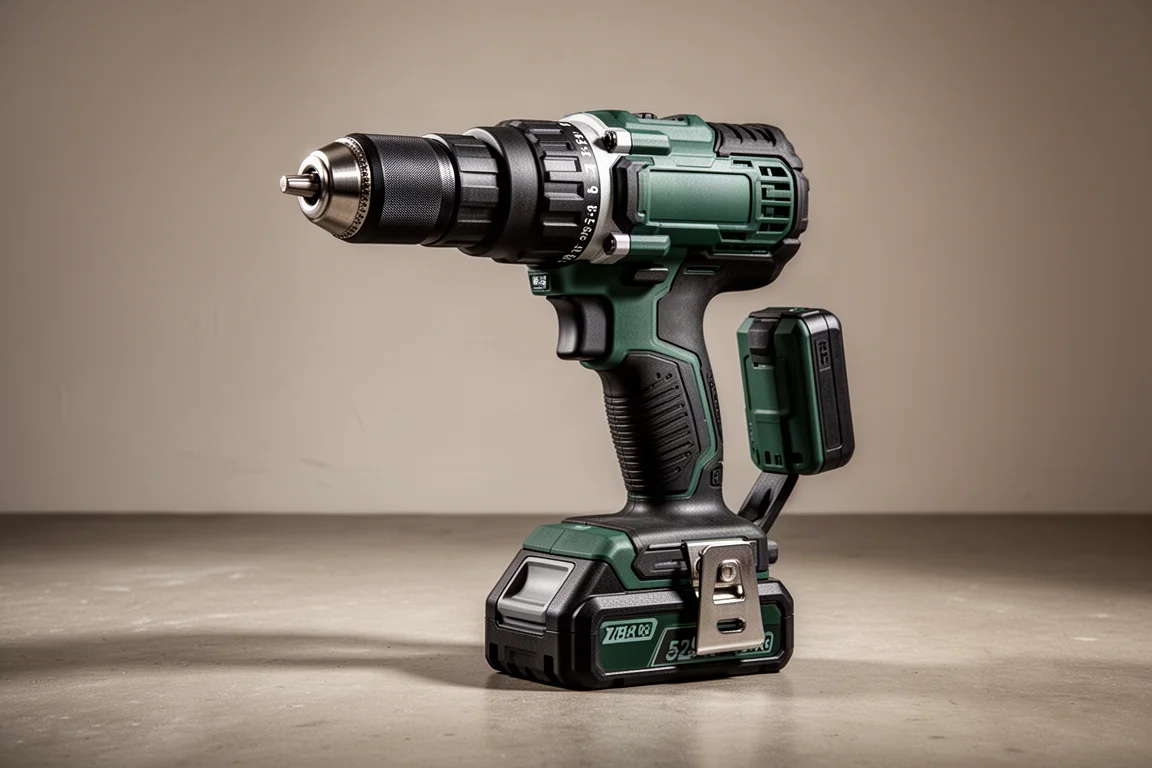
The GPH01 XGT is Makita’s newer hammer drill, and its headline difference is the electronic clutch. Instead of a mechanical clutch that slips, the drill simply shuts off when the clutch threshold is reached. In theory that should be precise; in practice, the small-screw test at setting 1 was inconsistent. Most screws landed at one depth, but roughly one in five sank noticeably farther, and repeated attempts kept producing two different depths, as if the clutch could not settle on a single stop point.
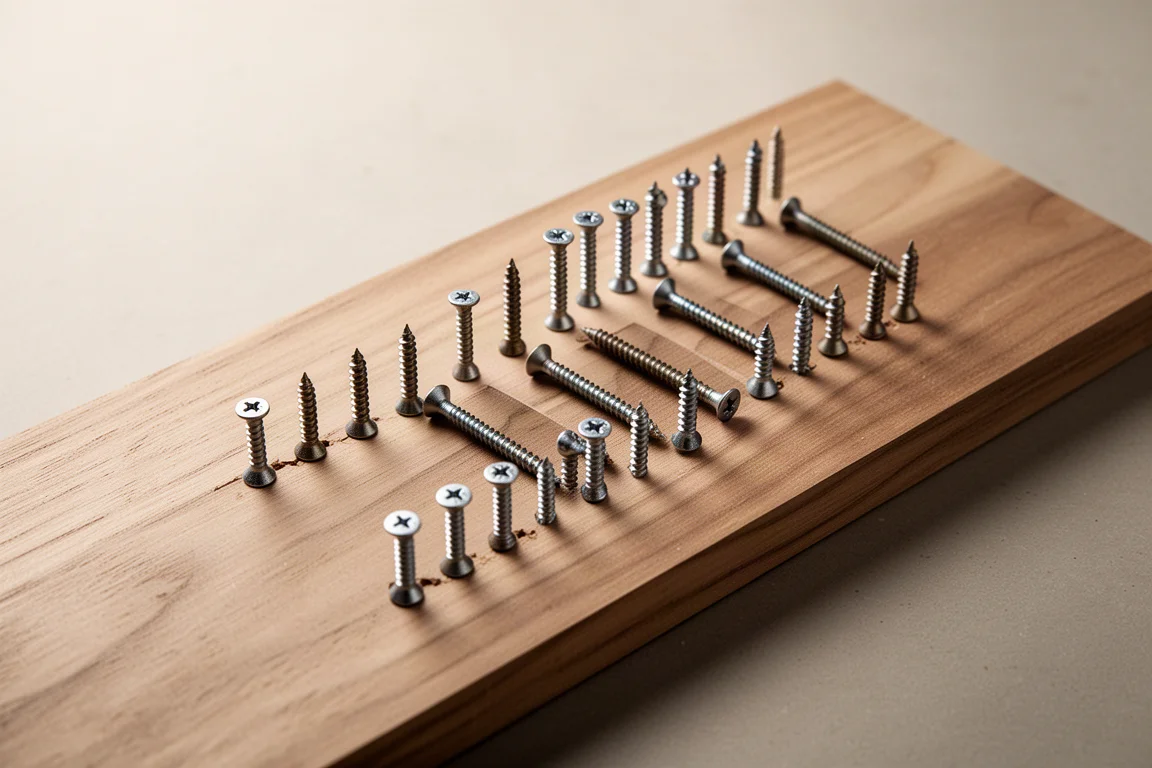
On the longer screws at setting 3, it was also a bit more up and down than the more sensitive mechanical clutches, definitely not as consistent. In the head-to-head staircase test against the DS18DDX using clutch settings 1, 3, and 6, the Metabo produced a subtler, more even progression, while the XGT showed a steeper stair-step, revealing a less sensitive clutch despite the same settings on both drills.
Which Clutch Should You Care About?
A few patterns emerged. The smaller the drill, the more accurate the clutch setting seemed to be, and the full-size, powerful drills were harder to control at light settings. Metabo HPT’s mechanical clutches were the most consistent across both small and long screws, while Makita’s electronic clutch delivered most screws to spec but with occasional outliers.
It is also worth being honest about how much you will use the clutch at all. For larger screws in a bigger drill, an impact driver at a lower speed setting often handles the job, which makes light clutch precision on heavy drills less critical. What matters most is consistency: when you set the clutch to a given number, you want the screw to land at the same depth every time, and that is where the Metabo HPT drills earned their advantage here.
Conclusion
For clutch consistency, the Metabo HPT DS18DDX sub-compact was the standout on small screws, with the DV36DA matching it closely despite being harder to control. The Makita XPH12 improved dramatically on larger screws, and the Makita GPH01 XGT’s electronic clutch is an interesting design that trades mechanical slipping for electronic shut-off, with a bit more depth variation in practice. Match the drill to your fastener sizes, but if even, repeatable clutch settings are your priority, the sub-compact Metabo HPT made the strongest case here.
Further reading
Related Reviews
Power Tools
Best 1-Inch Pistol Impact Wrenches: Three Heavy-Duty Options Compared
We compare three 1-inch pistol impact wrenches, from a budget-friendly Harbor Freight model to a premium Caterpillar unit, to help you choose the right one.
Power Tools
Best 3/4-Inch Impact Wrenches 2026: Five Contenders Compared
We compare five 3/4-inch impact wrenches across price and performance, from a budget Amazon option to Snap-on's most powerful model yet.
Power Tools
Best Budget Cordless Tools 2026: Walmart Finds That Punch Above Their Price
We tested five cordless tools from Walmart, including a high-torque impact wrench that trades blows with Milwaukee and a $35 duster that outperforms its price class.