Power Tools
Best Power Tool Lines for DIYers: Seven Brands Compared From Entry Level to Pro
Milwaukee, Ridgid, Ryobi, Craftsman V20 RP, Kobalt 24V, Masterforce and Bauer compared kit by kit, tier by tier, so you can see what your money actually buys.
Introduction
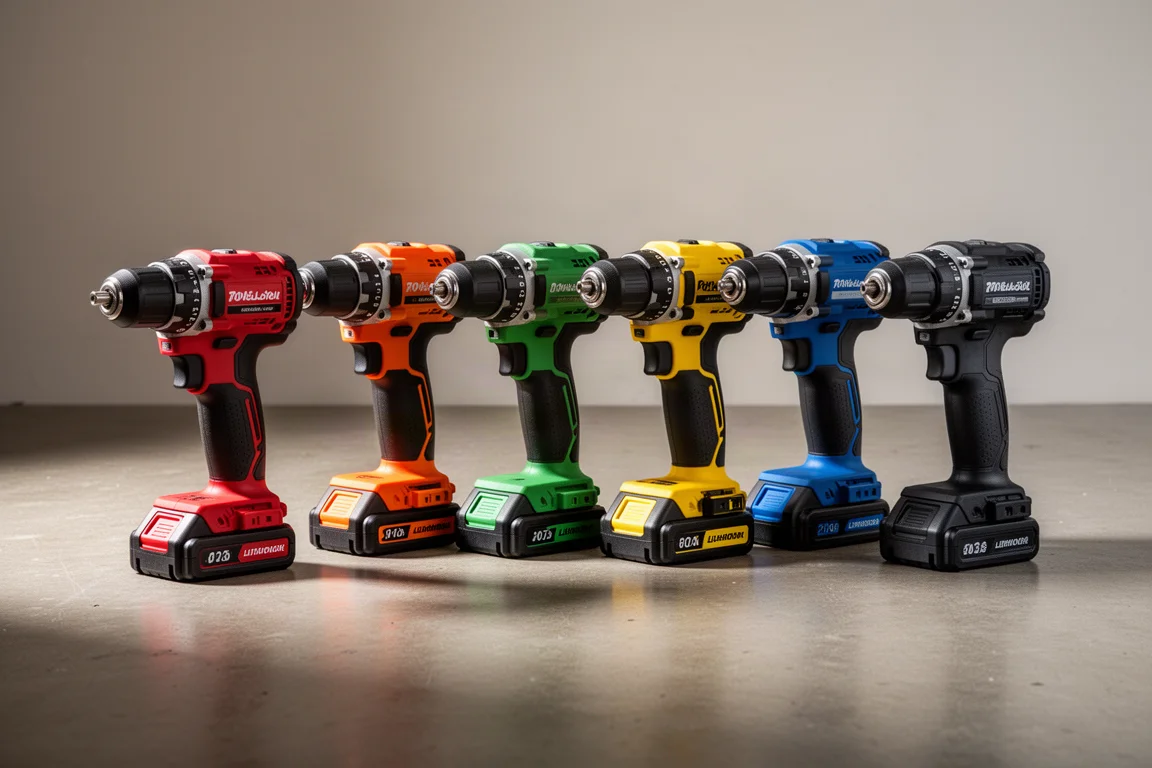
Spring tool buying comes down to one question: how much tool do you actually need? A full professional line like Milwaukee is a lovely thing to own, but if you are hanging shelves, building a deck rail and occasionally working on the car, paying flagship prices for every tool can be hard to justify. This comparison walks through seven cordless lines across five levels, from entry-level DIY up to full professional, using list prices for core combo kits, tier one tools, tier two tools and automotive tools so the numbers stay as apples-to-apples as possible.
How We Compared the Lines
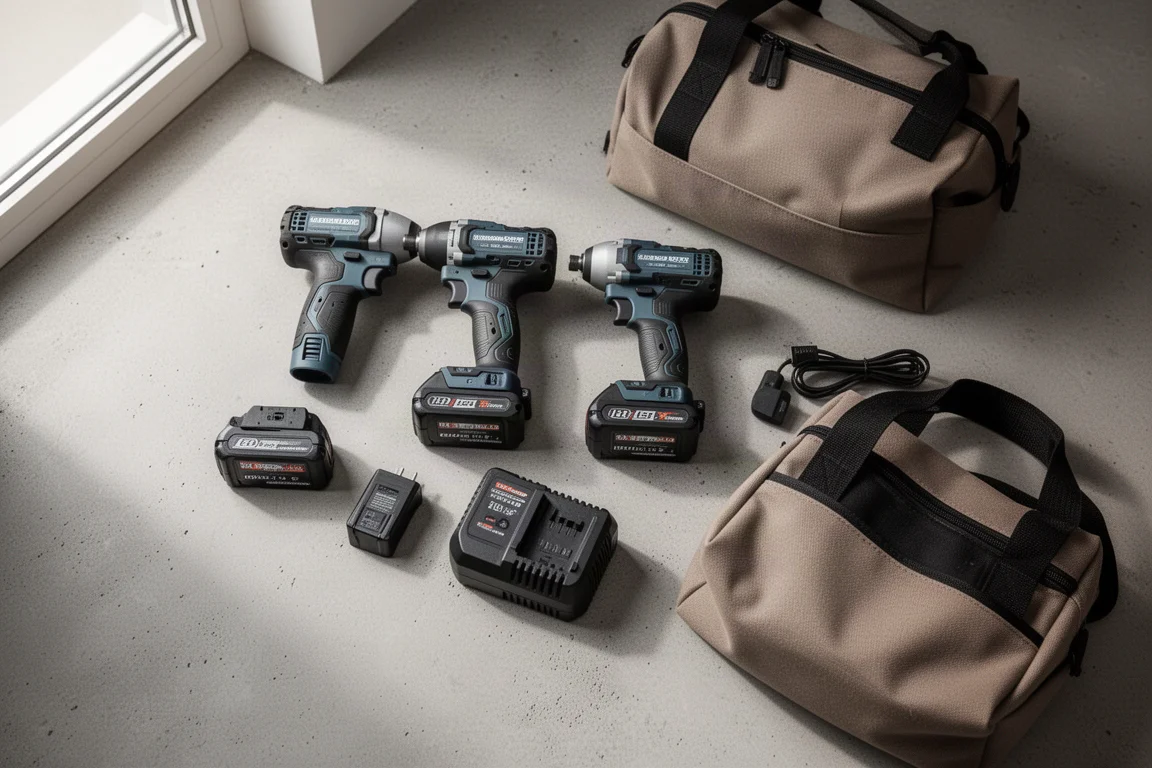
Each line was priced the same way: a core kit with a drill driver, an impact driver, two batteries, a charger and a bag, then build-outs across three tiers of tools plus a set of automotive tools. List prices were used rather than sale prices, because every brand runs sales and coupons, and comparing sale prices against list prices tells you nothing. Tool counts matter too: a line that looks cheap may simply be missing tools you will want later.
One more thing to weigh before buying: brushless versus brushed. In most cases brushless is now the sensible default. Brushless tools bring more power, a generally higher build quality because brands charge more for them and invest that back into the whole tool, and they squeeze noticeably more runtime out of every battery, which is a consumable you will keep buying.
The Seven Lines, Briefly
Here is a quick portrait of each line, who it suits and what to watch out for.
Milwaukee 18V
Milwaukee sits at the professional level, with a three-tier structure: brushed, brushless, and the top-tier Fuel line. The tools are excellent, but you are paying for capability most homeowners will never use. Buying Milwaukee for weekend DIY is like buying a heavy-duty pickup to drive the kids to soccer: you can do it, but you will not get your money’s worth.
Ridgid 18V
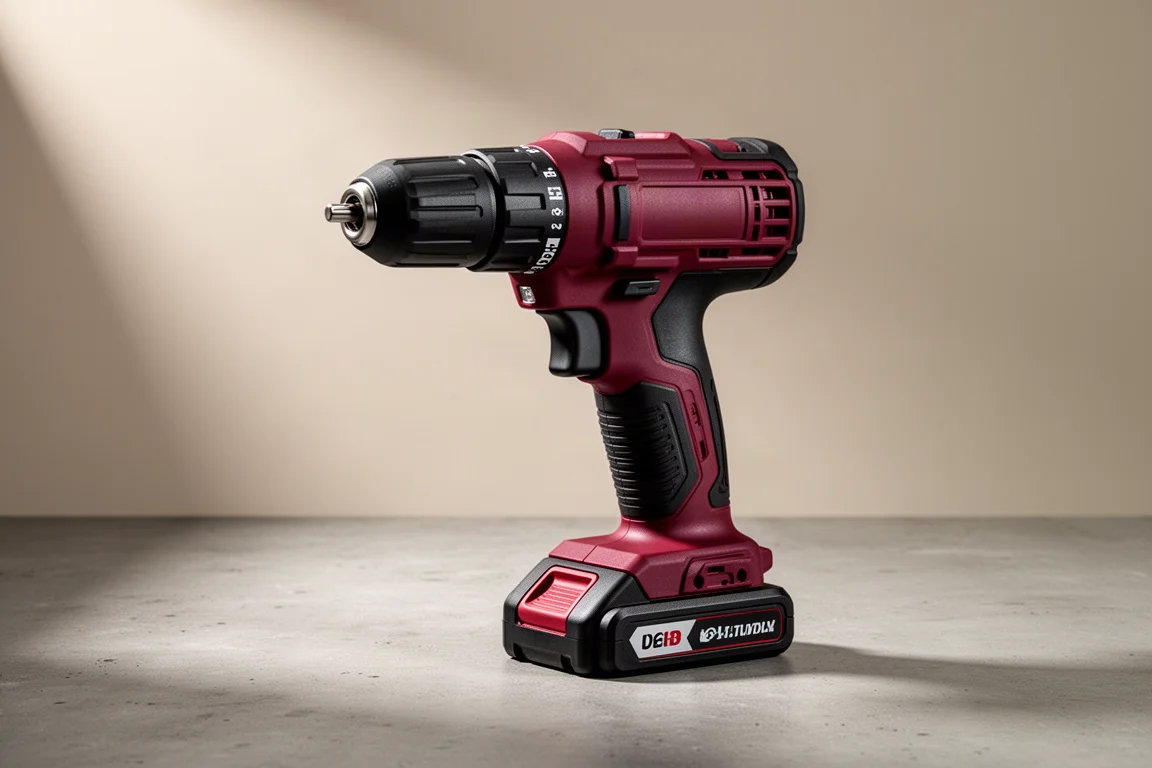
Ridgid teeters on the border of what many call value pro. Its newer subcompact brushless tools are slim, well made and priced sensibly. The big caveat is the Lifetime Service Agreement: it is a service contract rather than a warranty, and recent changes have produced mixed experiences for owners who have needed to use it. Ridgid also carries a standard warranty on top, which many buyers lean on instead.
Ryobi HP 18V
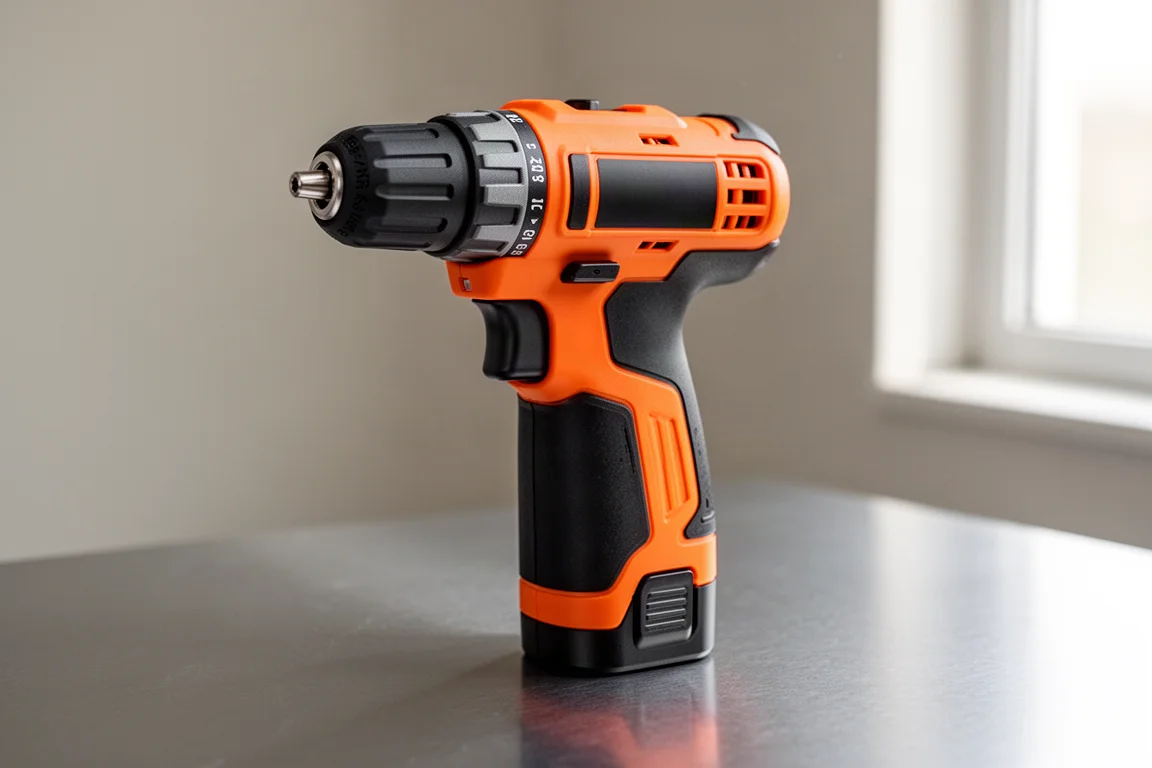
The Ryobi HP line targets the value-minded professional, and it delivers a lot of power for the money. The honest trade-off is the battery platform: the batteries work, but their form factor can get in the way at times. Plenty of serious tradespeople build entire businesses on Ryobi, so the brand deserves more respect than it sometimes gets.
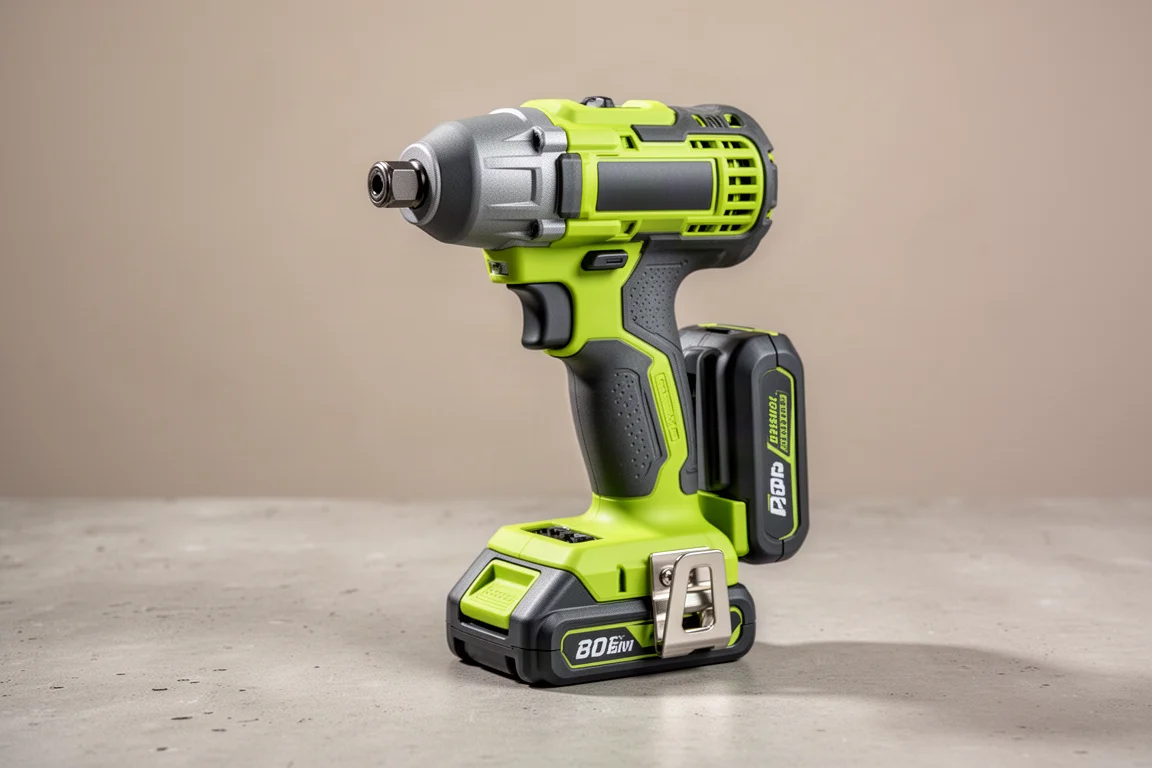
Craftsman V20 RP
Craftsman’s upgraded V20 RP line is all brushless and positioned as a slightly dialed-down alternative to DeWalt. The quality relative to the price is the standout here, and it is one of the pleasant surprises of this whole comparison. If you had written Craftsman off, it may be worth revisiting.
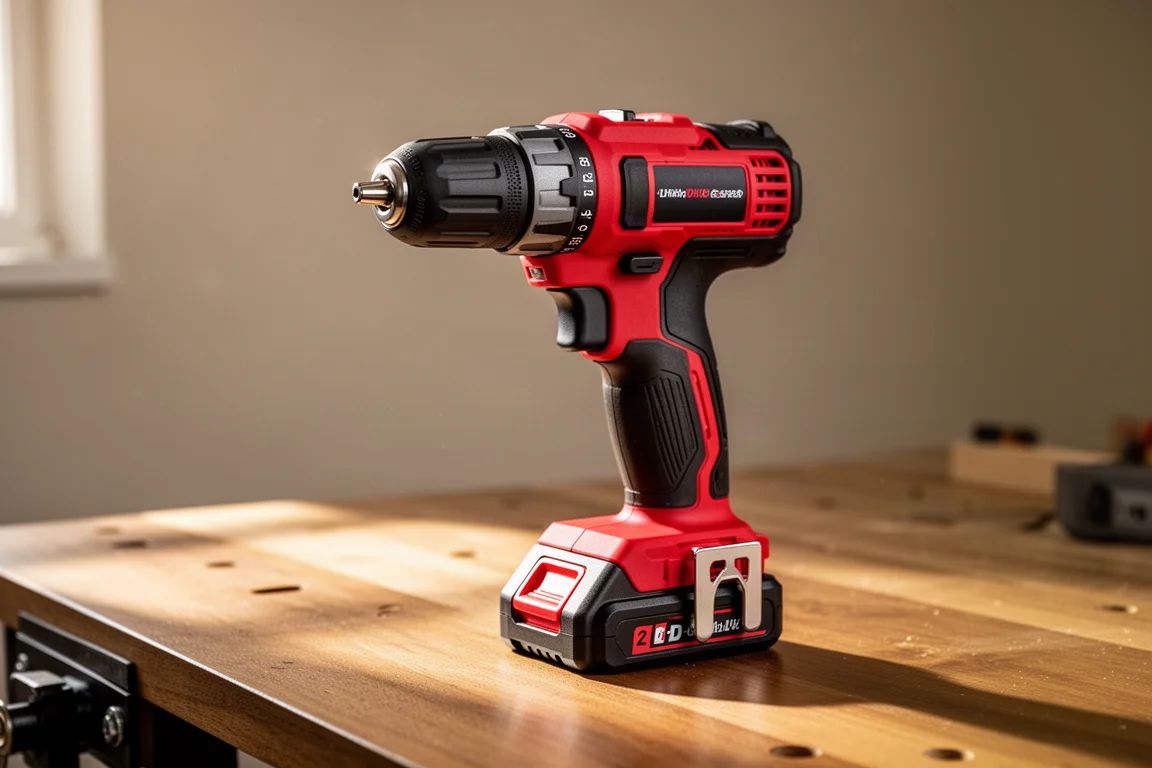
Kobalt 24V
The Kobalt line at Lowe’s runs on a 24V platform and everything in it is brushless, which sets it apart. The trade-off historically has been size: many Kobalt tools run big and bulky, although the newer generation has dialed the design back somewhat. It is a well-built line with a strong warranty behind it.
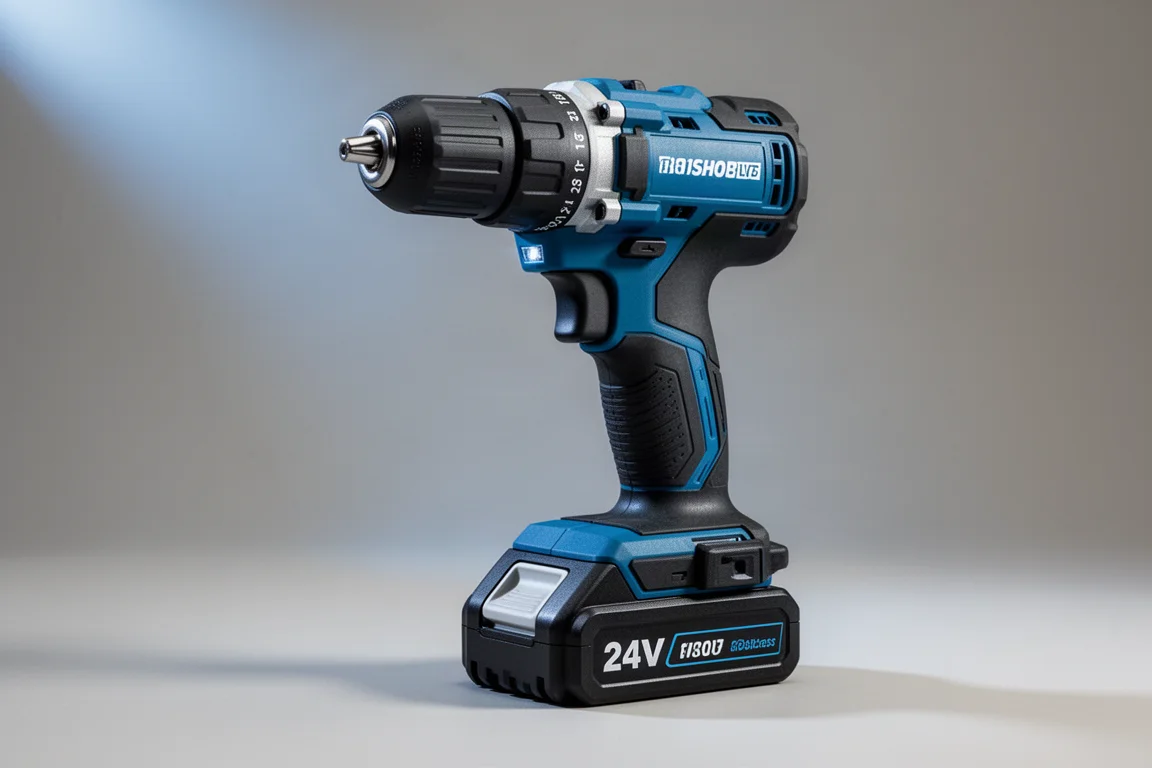
Masterforce 20V
Masterforce is Menards’ house line, made by Chervon, the same company that builds Kobalt. The tools are good and the pricing is among the lowest of the group, but the brushless selection is the smallest here, so gaps in the lineup are the main compromise.
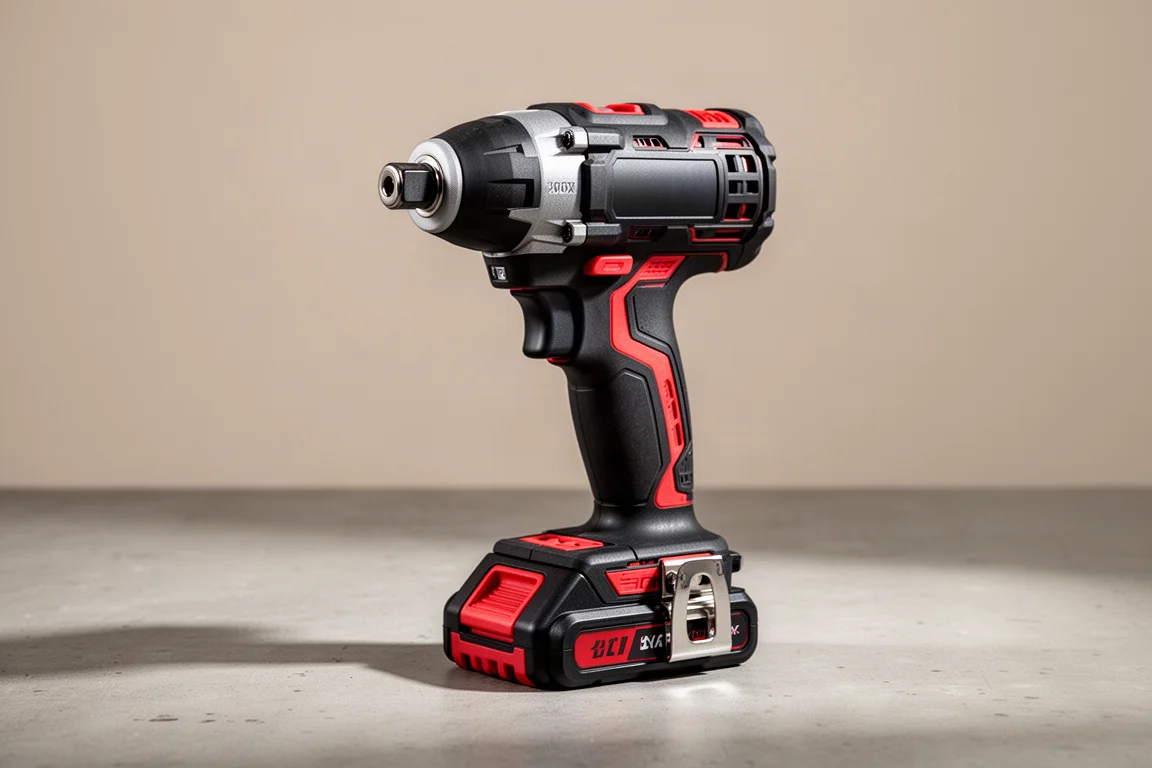
Bauer 20V
Bauer is Harbor Freight’s line, launched around 2018, and over the past couple of years it has quietly accumulated a fairly decent brushless lineup. Tools are bought piece by piece rather than as one kit, and the two-year service agreement is handled entirely in store: walk in, swap it on the counter and walk out. For the price, the value is remarkable.
Core Combo Kit Prices
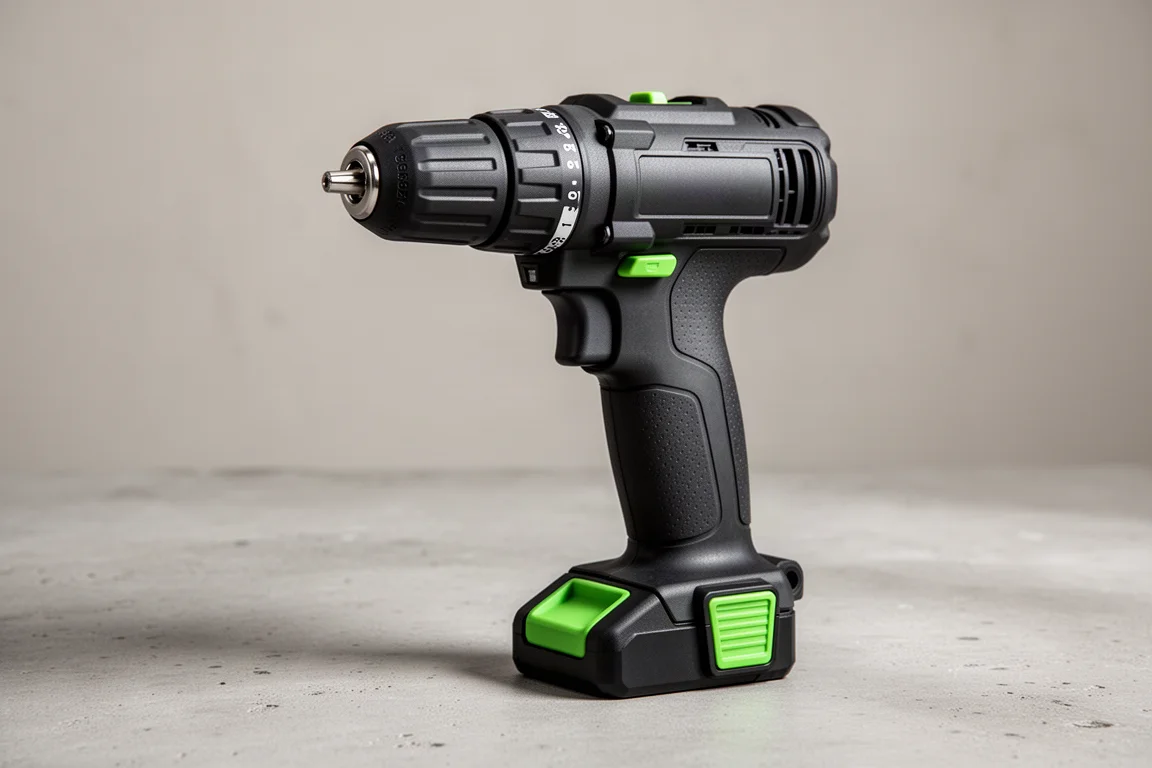
The core kit is where most people start, and this is where the lines are still surprisingly close. Milwaukee’s mid-tier brushless drill, impact, two batteries, charger and bag comes in at $239. Ridgid’s subcompact brushless equivalent is $219, with a full-size brushless kit at $250 that edges into value pro territory. Ryobi’s HP kit runs $200. Then comes the wake-up call: Craftsman’s V20 RP kit is $179 at list, including the drill, impact, two batteries, charger and bag.
Kobalt’s kit includes only one battery, so adding a second brings it to $239, though you get a genuinely all-brushless 24V platform for that. Masterforce undercuts everyone at $169. Bauer works differently: the drill is $53, the impact $53, each battery $30 and the basic charger $43, all including the two-year service agreement, for roughly $209. Tip: pay the two or three extra dollars for the rapid charger.
Building Out Tier One
Tier one is where a line becomes genuinely useful: a circular saw, reciprocating saw, jigsaw, orbital sander, grinder and hammer drill. This is also where the price gaps start to open, because many professional lines stop offering cheaper mid-tier versions of secondary tools.
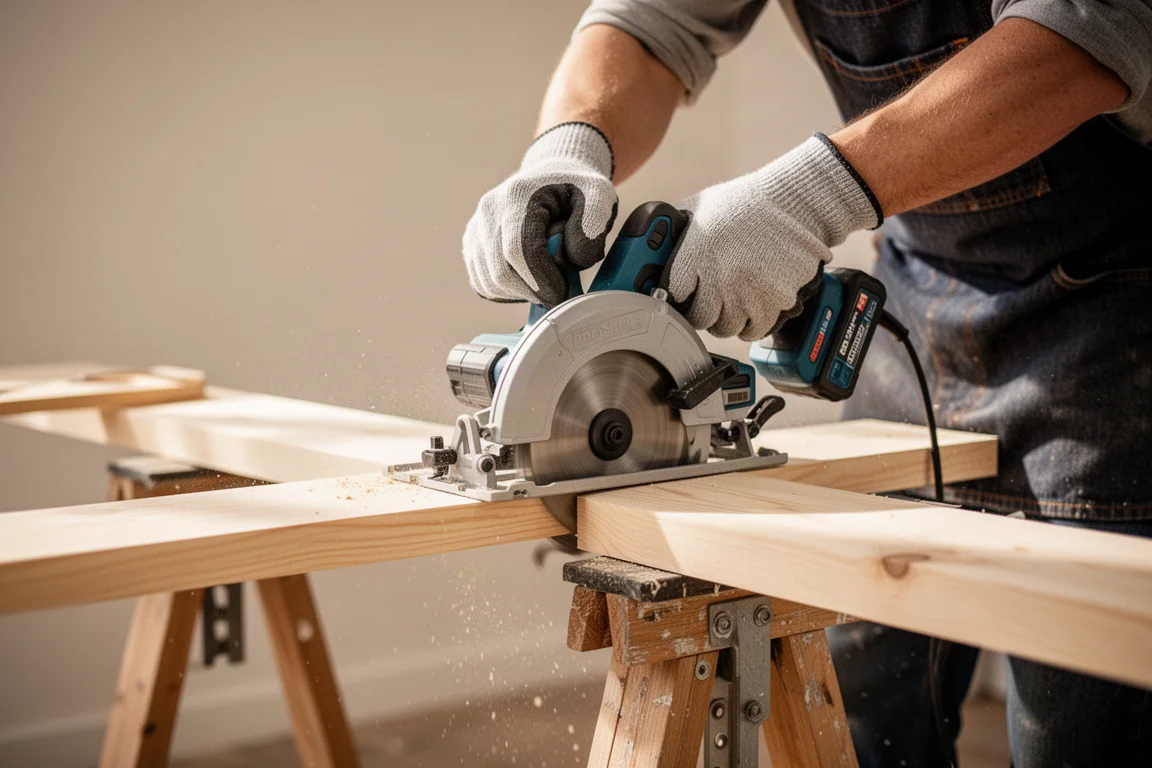
Milwaukee’s tier one adds $1,014 to your total, with the circular saw, reciprocating saw and jigsaw each at $200, the sander at $129 (brushed, and notably one of the tools that most needs brushless because sanders run constantly), the grinder at $149 and the hammer drill at $139. Ryobi lands at $755 for the same six tools, with only the sander brushed at $60. Craftsman comes in at $674, Kobalt at $750 with its only-brushed sander being the one brushed tool in the entire line, Masterforce at $734, and Bauer at just $459, less than half of Milwaukee. Ridgid sits in between at $814.
Tier Two and Beyond
Tier two adds the multi-tool, one-hand recip saw, trim router, belt sander, rotary hammer and miter saw. Milwaukee adds another $1,700 here, and its cordless miter saw is a large 12-inch model at $449, which is not apples to apples with the smaller 7.25-inch saws other lines offer, but it is the only cordless option in the Milwaukee ecosystem. Bauer’s tier two costs just $583 including the service agreement on every tool, and it even offers the smaller half-inch rotary hammer that several lines skip.
The pattern repeats across the group: Craftsman’s tier two is $794, Kobalt’s $844, Masterforce’s $834, Ryobi’s $1,116 and Ridgid’s $1,114. By this point the difference between the budget lines and the flagship is measured in hundreds of dollars per tier, and it compounds.
Automotive and Mechanical Tools
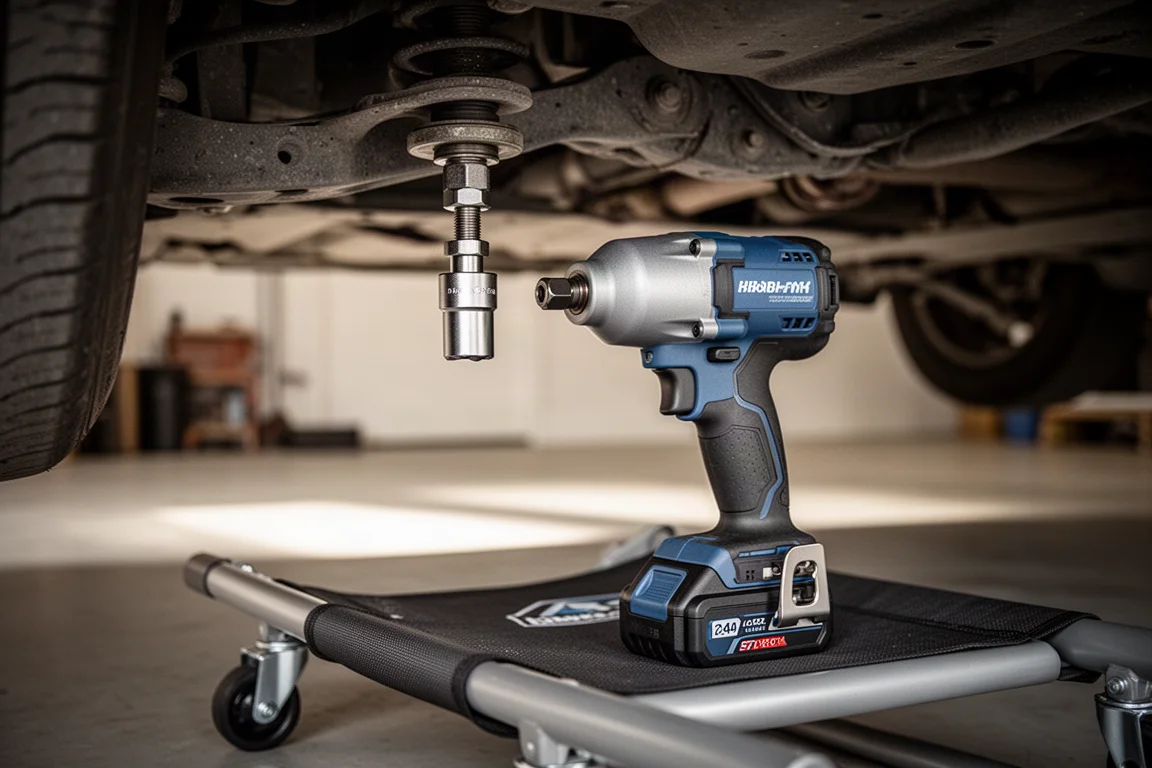
If you work on cars, trailers or an RV, the automotive category matters, and it is where the spread is at its widest. Milwaukee’s half-inch high torque is $299 and its mid torque $229, but there is no 18V ratchet, so you would need to buy into an entirely separate battery system to get one. Craftsman’s half-inch high torque, arguably one of the best bargains in this whole category, is only available as a kit, but it works out to roughly $169 in value.
Kobalt comes in at $427 for its automotive set, Masterforce at $369, Ryobi at $647, Ridgid at $749 and Bauer at $302. Bauer’s mid torque has a slanted nose cone that reaches into tight spaces, and a ratchet is expected to arrive soon, possibly in brushless form.
Total Cost of Ownership
Add up the core kit, all three tiers and the automotive set, and the gap becomes dramatic. The full Milwaukee setup totals $3,763. Ridgid comes to roughly $2,900, Ryobi about $2,600, Kobalt $2,264, Craftsman $2,183, Bauer $1,773 and Masterforce $1,661, though Masterforce’s low total partly reflects gaps in its lineup rather than pure savings.
On a speculative basis, filling in the missing brushless tools with educated estimates, Bauer’s complete lineup costs about 51 percent of the Milwaukee equivalent, putting roughly $1,800 back in your pocket. Craftsman lands around 65 percent, Kobalt and Masterforce around 67 to 68 percent, and Ryobi saves you a bit over 25 percent. That is real money for the same household jobs, perhaps with a few extra seconds per task.
Which Line Should You Choose
Be honest about how you will use the tools. Professional flagships earn their price on job sites every day, but combo kits are often loss leaders, and once you own a stack of batteries the ecosystem has you. Think about warranties too: Milwaukee, Ryobi and Craftsman carry three-year warranties, Kobalt five, Ridgid three plus its service agreement, and Bauer’s two-year in-store swap trades length for sheer convenience.
For most homeowners, the value tier is the sweet spot. Craftsman V20 RP stands out for quality at $179 for a core kit. Kobalt is the pick if you want everything brushless on a 24V platform. Bauer wins on sheer price if you live near a Harbor Freight and can live with a three-brushed-tools lineup. Ryobi HP suits a value-minded pro or a very active DIYer, and Ridgid’s subcompact brushless tools are genuinely nice if the service agreement fine print does not put you off.
Conclusion
You do not need to spend a lot to get a lot. The professional lines are excellent, but the numbers show that for most DIY and homeowner work, mid-tier and value lines deliver the same finished projects at roughly half the total investment. Match the tool to the job, buy the level you will actually use, and let the savings stay in your pocket.
Further reading
Related Reviews
Power Tools
Best 1-Inch Pistol Impact Wrenches: Three Heavy-Duty Options Compared
We compare three 1-inch pistol impact wrenches, from a budget-friendly Harbor Freight model to a premium Caterpillar unit, to help you choose the right one.
Power Tools
Best 3/4-Inch Impact Wrenches 2026: Five Contenders Compared
We compare five 3/4-inch impact wrenches across price and performance, from a budget Amazon option to Snap-on's most powerful model yet.
Power Tools
Best Budget Cordless Tools 2026: Walmart Finds That Punch Above Their Price
We tested five cordless tools from Walmart, including a high-torque impact wrench that trades blows with Milwaukee and a $35 duster that outperforms its price class.