Power Tools
Best DeWalt Impacts Compared: Tested Torque Numbers for Every Model
Ten DeWalt impact drivers and impact wrenches measured on a dyno, from compact drivers to the monstrous DCF961, with real torque numbers to help you pick the right tool.
Introduction
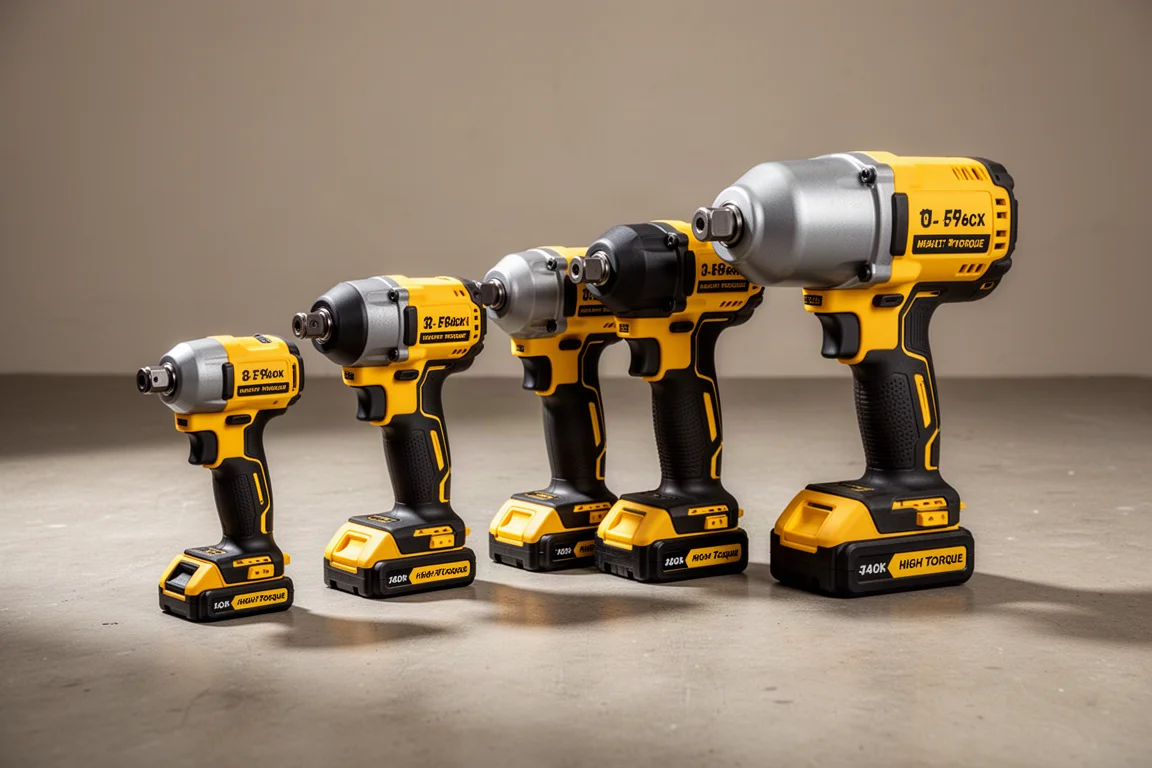
If you have ever stared at DeWalt’s impact lineup wondering which tool you actually need, you are not alone. DeWalt sells a wide range of impact drivers and impact wrenches, and the model numbers do not always tell the full story. We dyno tested just about every cordless impact in the current range, from compact drivers to high torque wrenches and a yet-to-be-released torque monster, and compared the real measured numbers rather than the figures printed on the box.
This guide breaks the lineup into practical categories, shows what each torque level can reliably handle, and covers which batteries unlock extra power. The numbers here represent what each tool can remove 90-plus percent of the time in real applications.
Compact Impact Drivers: DCF845 and DCF850 Atomic
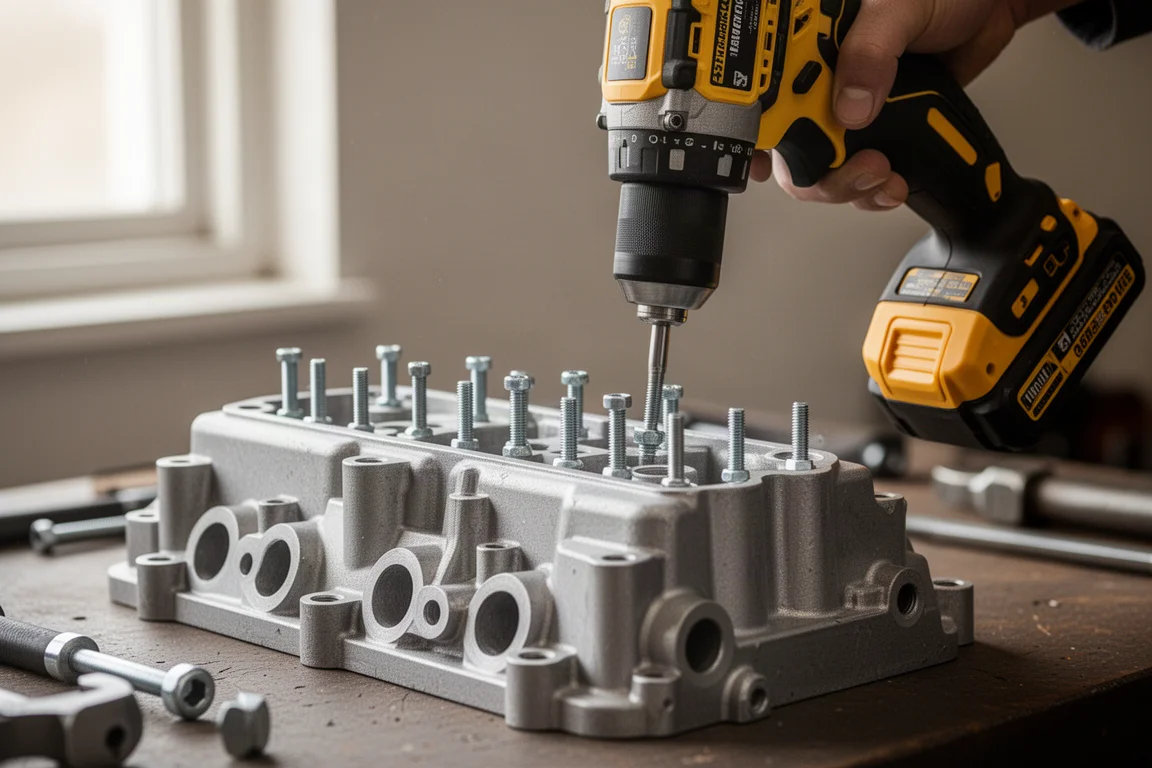
The DCF845 is DeWalt’s latest impact driver and one of several currently sold that are rated at similar power. On the dyno it measured 161 ft-lbs of nut-busting torque. That is plenty for valve covers, water pumps, alternators, most power steering pumps, and most non-safety related interior fasteners. It is not a tool to buy for lug nuts, though: it will remove some, but nowhere near reliably, so do not count on it for wheel work.
The DCF850 Atomic is the next newest driver and about as compact as impact drivers get. Its short front-to-back length matters on vehicles, where these tools already need an adapter to run sockets, so every bit of saved length helps. It measured 167 to 177 ft-lbs depending on direction, edging out the DCF845 and making it the stronger pick of the two despite its smaller size.
Compact Impact Wrenches: DCF901 and DCF911
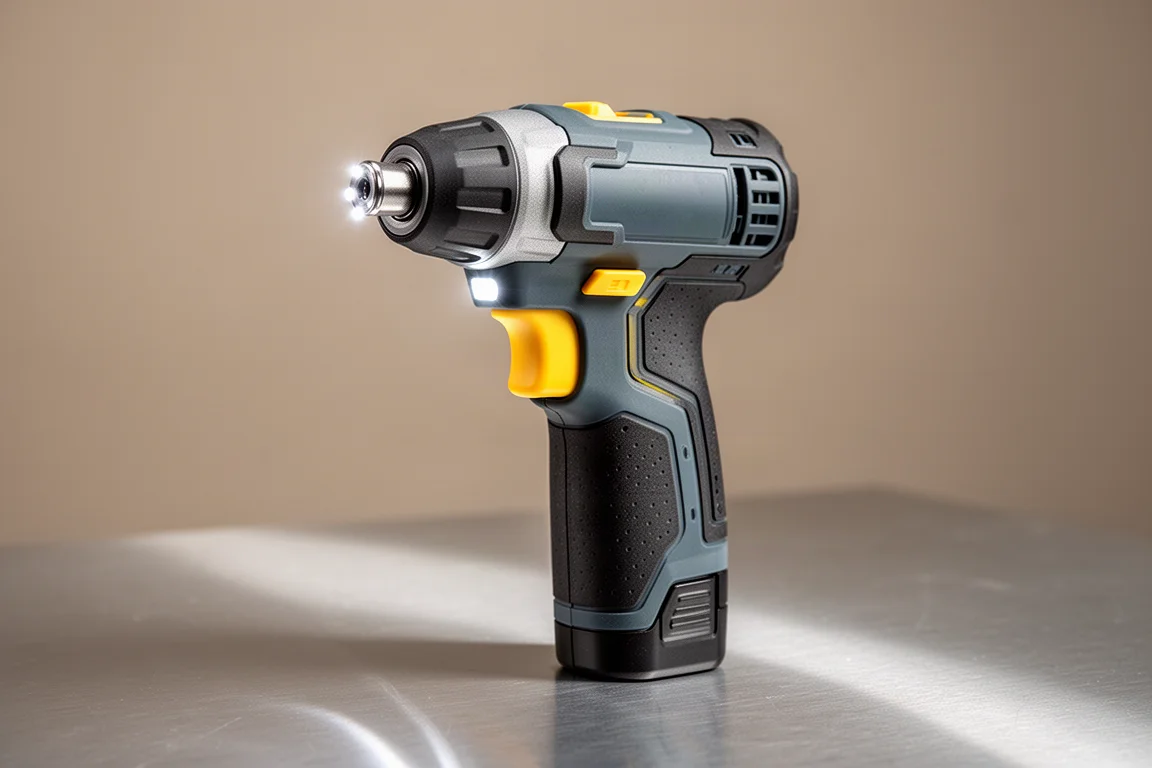
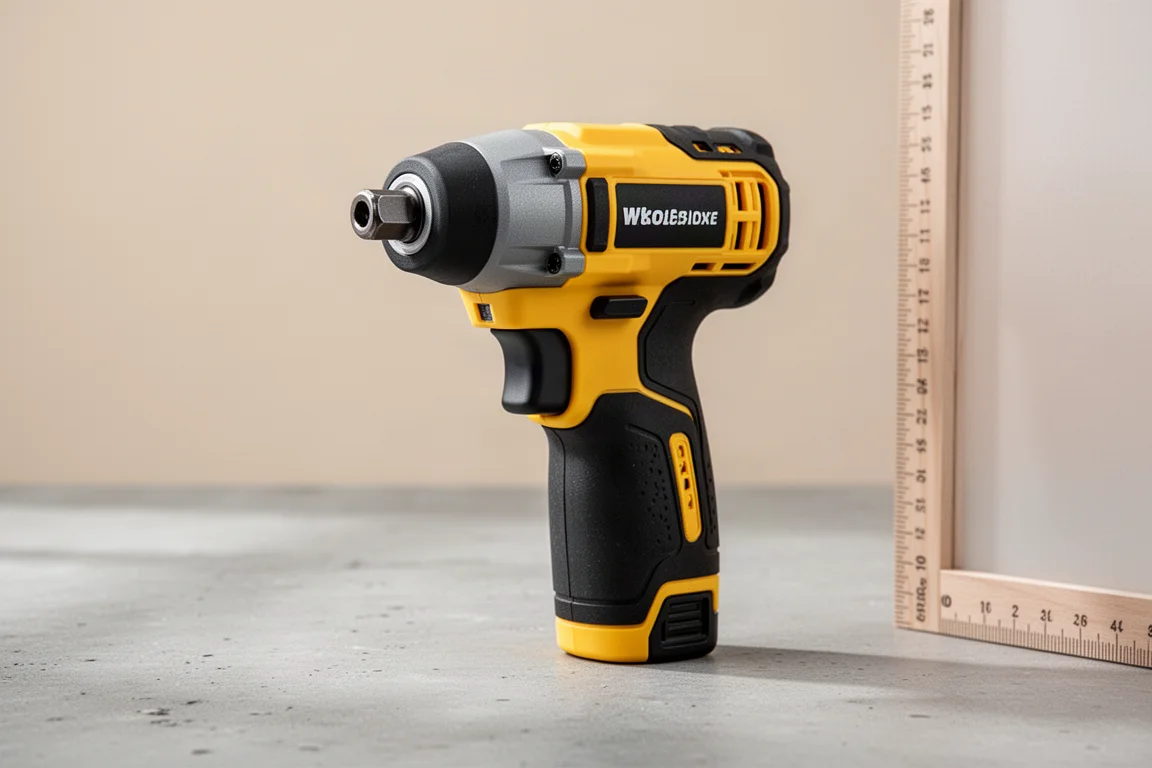
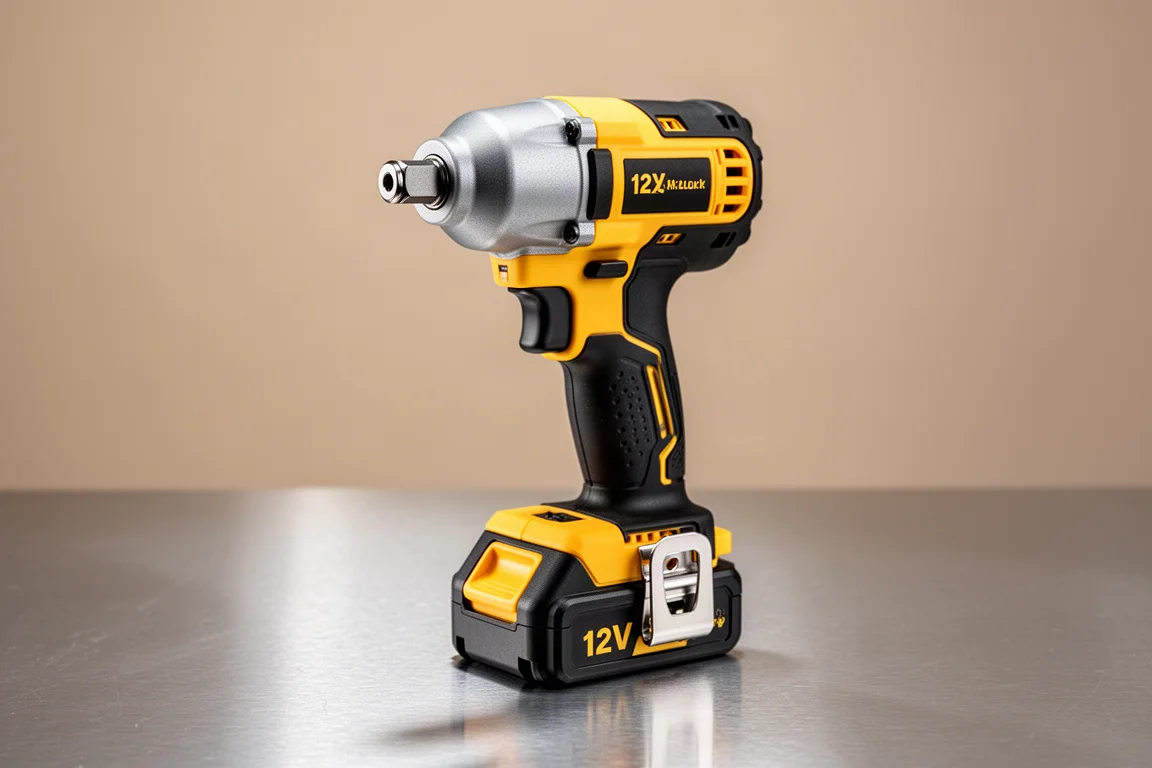
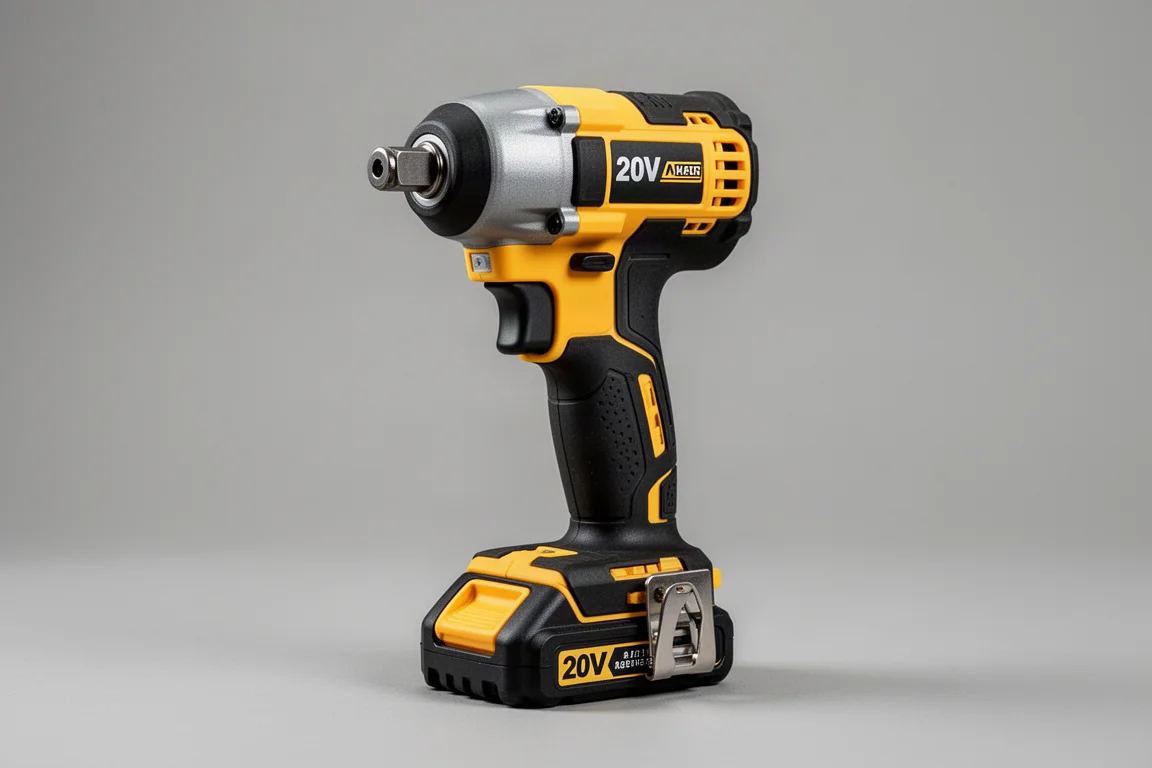
Next up are the first true impact wrenches: the 12-volt DCF901 Extreme Compact and the 20-volt DCF911. Both are based on the same internal design, just running different battery voltages, so they perform similarly and we group them together. Tested with their respective 5Ah batteries, they measured 259 and 274 ft-lbs. For reference, that outpaces comparable 12V and 18V compact competitors that make about 250 ft-lbs.
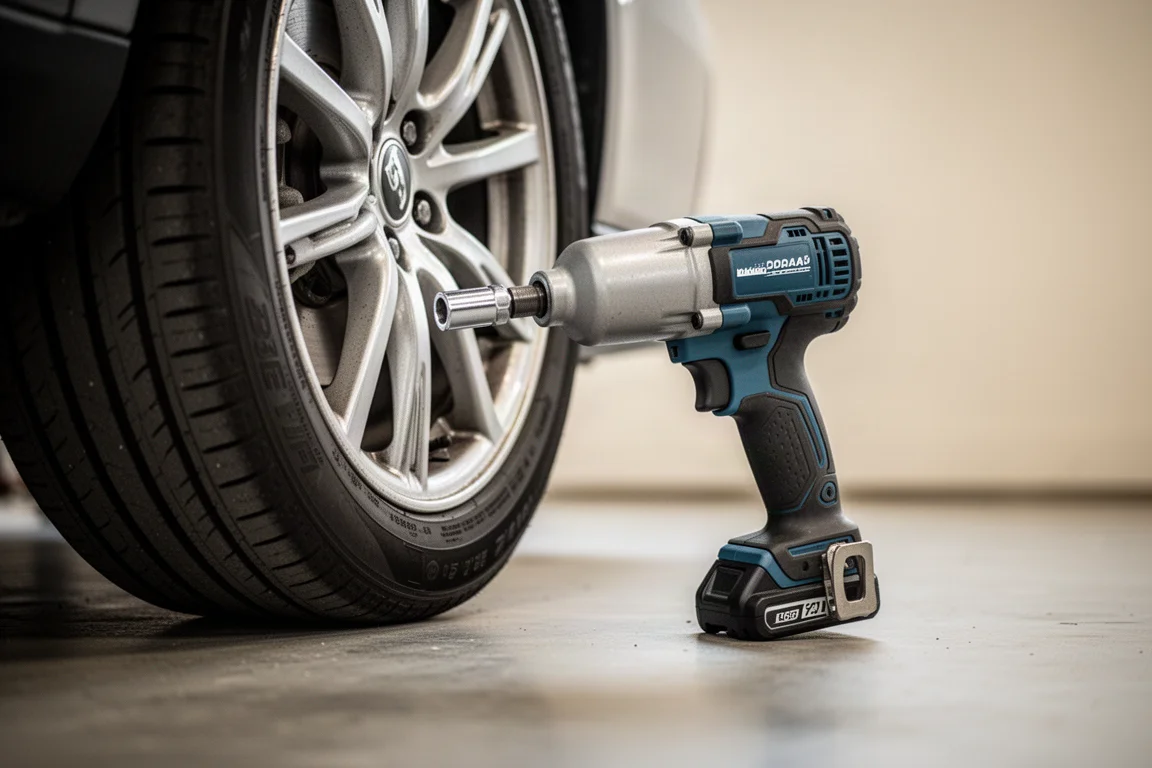
So can they do lug nuts? We consider 300 ft-lbs the responsible benchmark for new, well-maintained looking lug nuts. These tools come close, and real-world use has proven they can handle a few hundred lug nuts, but the odd stubborn or over-torqued lug will stop them. They are very capable, but not a one-stop shop for wheel work.
The Best All-Round Compact: DCF921
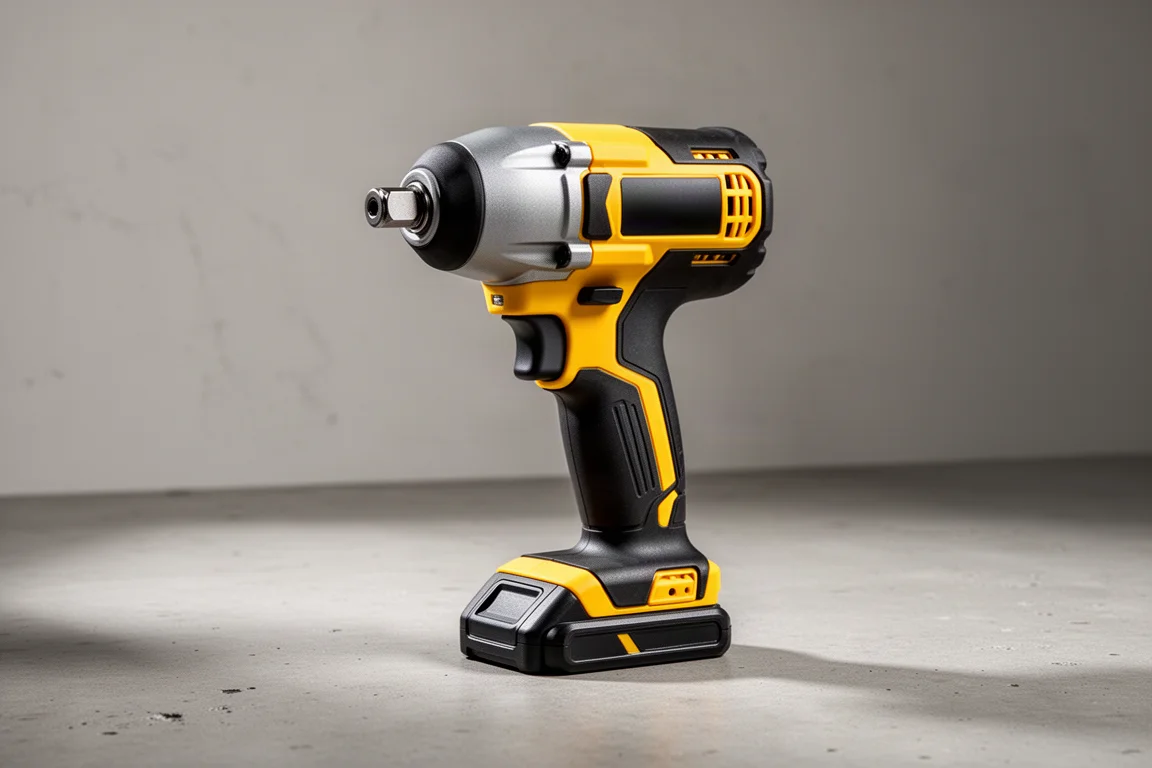
The DCF921 is a newer compact design that is somehow both shorter and more powerful than what came before. It measured a remarkable 319 ft-lbs, which pushes it past that 300 ft-lbs lug nut threshold. It is sold in 3/8 inch and makes the same power in 3/8 and 1/2 inch configurations.
This is arguably the best all-round compact cordless impact on sale right now. Same size and price as the leading competitor, but with 20 to 25 percent more power. It has done plenty of brakes and even some axle nuts, though it will not remove every application 90-plus percent of the time regardless of size and condition. For most people wanting one compact wrench, this is the one.
Mid Torque Impact Wrenches: DCF894 and DCF891
The DCF894 is the classic mid torque that helped define the category. It only claims 330 ft-lbs yet measured 363, so it over-delivers. The catch is that the latest compacts from DeWalt are not far behind for much less size, and better value exists in the newer model below.
The DCF891 looks nearly identical in appearance but has completely new internals, and its advertised torque jumps from 330 to 600 ft-lbs. Measured, it produced 620 ft-lbs, nearly doubling everything else DeWalt had released up to that point. It is the most powerful mid torque you can buy right now and the widest range tool in the yellow lineup: nearly all lug nuts including dealer-torqued and rusty swollen ones, rusted suspension components like leaf spring shackles, German axle hardware, ball joint presses, and even large wheel bearings given enough impacting time. If you are choosing between the two, spend a few more dollars on the DCF891. Just be careful at the register, because the two look almost the same.

High Torque Classics: DCF899 and DCF900
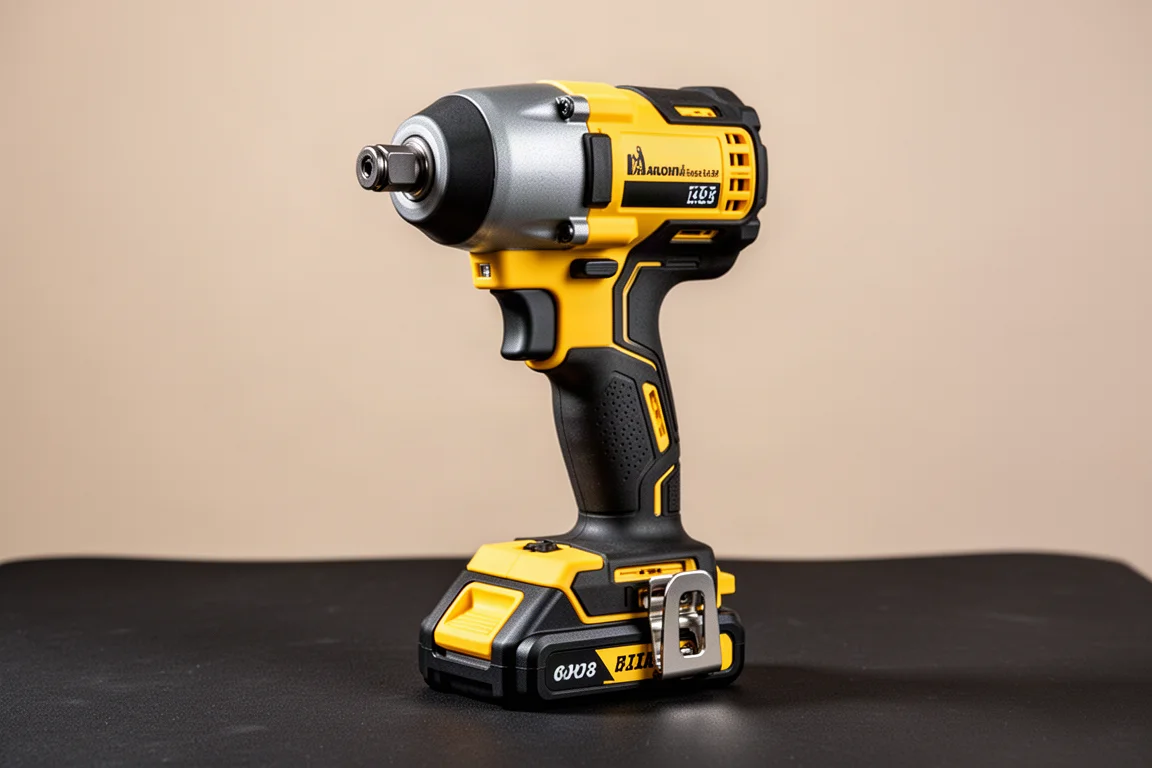
The DCF899 high torque is a bit long in the tooth now, but it has earned a strong reputation among DeWalt fans. It measured 629 ft-lbs, which is surprisingly close to the much newer DCF891 mid torque, closer than the size difference of the tools would suggest. DeWalt has clearly come a long way in this category recently.
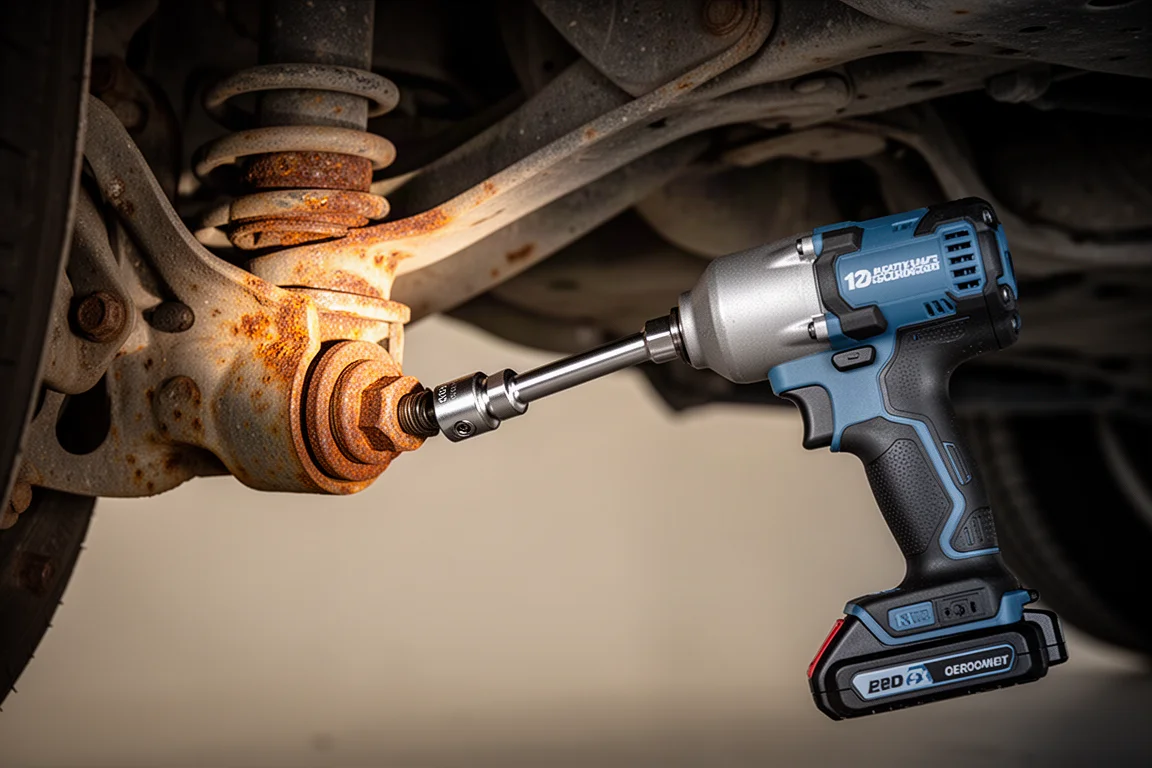
The DCF900, nicknamed the stormbringer, looks a lot like the older DCF899 but is all new under the hood, with a higher power, higher RPM motor and a much heavier hammer. It measured 895 ft-lbs, more than any other production half-inch impact we have ever tested, and we have tested over 100 of them. It is a handful to use and can tax your sockets, so a good socket warranty is wise. What justifies that power? Rusty chassis and suspension bolts through extensions and swivels, which can lose 40 to 60 percent of torque, 220 ft-lb spec upper control arm bolts on rusted cars, crank bolts, and even big rig lug nuts like 33mm hex on a surprising number of examples.
The Torque Monster: DCF961
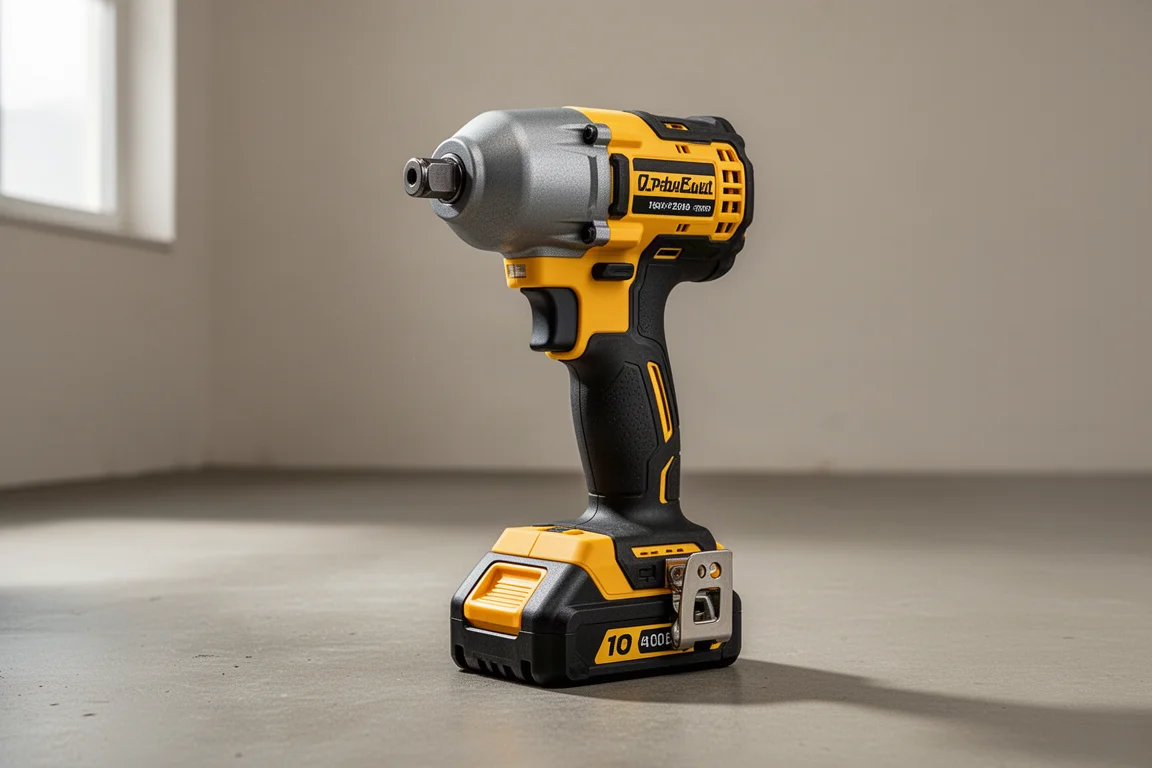
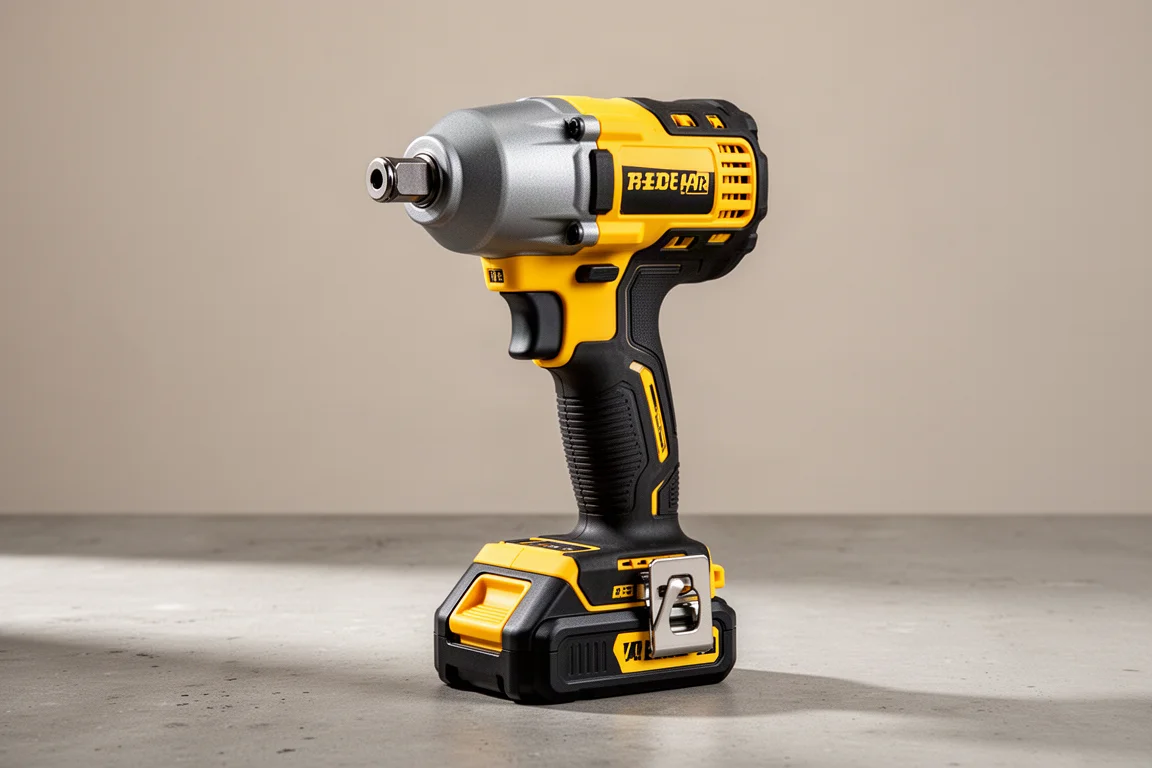
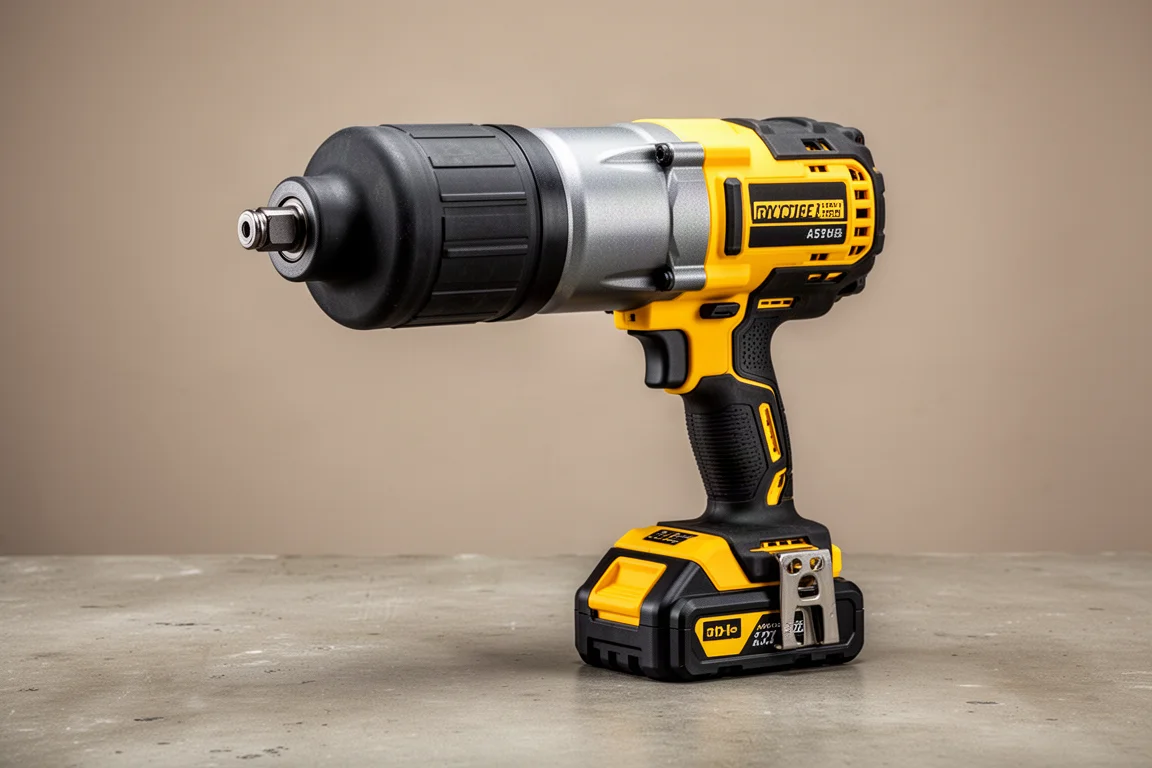
The only step beyond the DCF900 is the DCF961, internally called project ludicrous, which was not even announced at the time of testing. It uses a larger diameter, heavier hammer with a compound planetary gear reduction to produce brutal hits. Measured on a half-inch anvil with a 5Ah XR battery, it produced 947 ft-lbs, a new record. It is heavy and a bit oddly proportioned, but it is one of the few genuinely new designs from DeWalt at this end of the torque spectrum in nearly eight years. If 895 ft-lbs was a record, this smashes it. This is the tool for diesel and farm equipment territory, and there is a possibility it may also be released with a three-quarter inch anvil.
Battery Choices That Unlock More Power
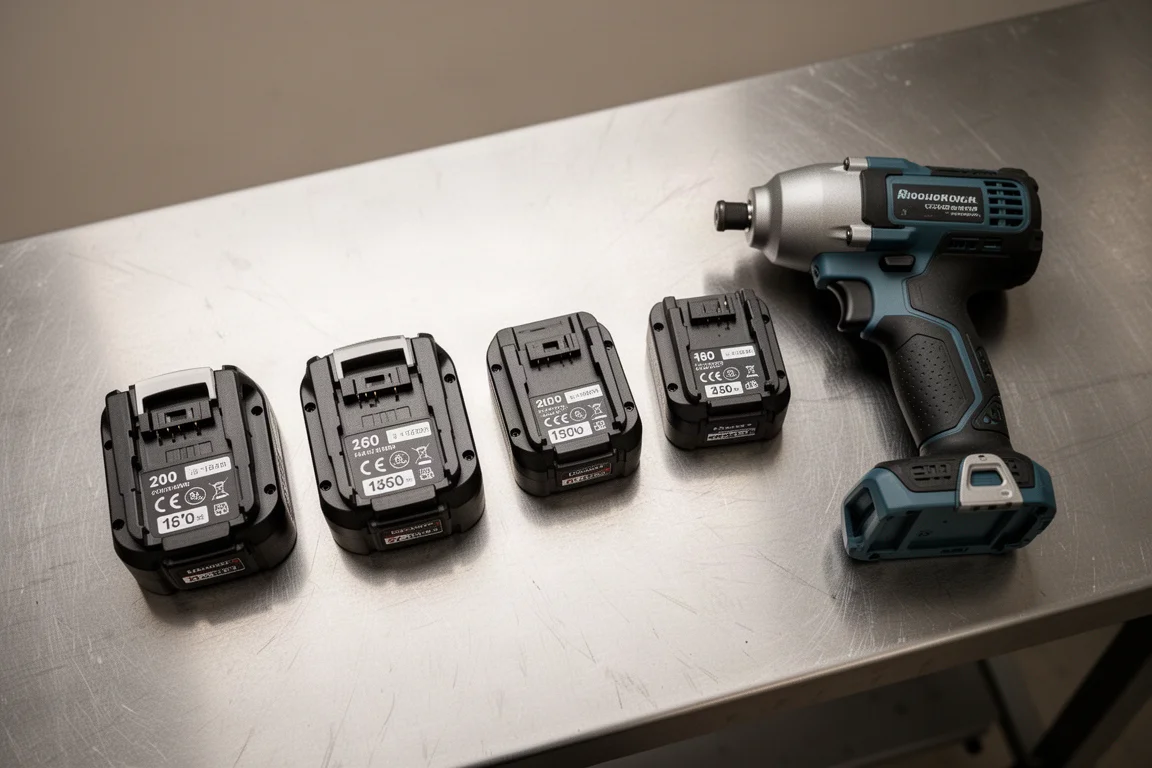
Batteries are not a solve-all solution; they do not always make noticeably more power on every tool. But on some models, a bigger battery pack meaningfully raises torque. The first recommendation is the 6Ah XR battery with 21700 cells: it costs less than the 8Ah XR and makes more power on every DeWalt we have ever tested, from drills to cutoff tools. It takes the DCF899 from 629 up to 662 ft-lbs and the DCF891 from 620 up to 649 ft-lbs, meaning the new mid torque with a 6Ah battery can rival the older high torque on a regular 5Ah pack. The DCF900 climbs from 895 to 936 ft-lbs, and the DCF961 from 947 to 976 ft-lbs.
The next step is the 5Ah PowerStack, which performs similarly to the 6Ah XR with less weight and even higher numbers in a few cases: 662 to 670 ft-lbs on the DCF899, and 976 to 985 ft-lbs on the DCF961. Beyond that sit the 9Ah FlexVolt battery, with three rows of the 6Ah’s cells, and the massive 15Ah FlexVolt, which roughly matches or sometimes falls short of the 9Ah due to its older cell design. Smaller tools see some gains too, but it is often not worth it there; the standard PowerStack battery makes the same power as a 5Ah XR in a much smaller, lighter package.
Conclusion
Choosing the right DeWalt impact comes down to matching torque to your real work. Compact drivers like the DCF845 and DCF850 Atomic handle engine accessory and interior fasteners. The DCF921 is the standout compact wrench and clears the 300 ft-lbs lug nut benchmark. The DCF891 is the most capable mid torque on the market and the best single wrench for suspension and undercarriage work, while the DCF900 and unreleased DCF961 serve heavy equipment and extreme rusted hardware. Pair the right tool with a 6Ah XR or 5Ah PowerStack battery and you get extra torque essentially for free on the big models.
Further reading
Related Reviews
Power Tools
Best 1-Inch Pistol Impact Wrenches: Three Heavy-Duty Options Compared
We compare three 1-inch pistol impact wrenches, from a budget-friendly Harbor Freight model to a premium Caterpillar unit, to help you choose the right one.
Power Tools
Best 3/4-Inch Impact Wrenches 2026: Five Contenders Compared
We compare five 3/4-inch impact wrenches across price and performance, from a budget Amazon option to Snap-on's most powerful model yet.
Power Tools
Best Budget Cordless Tools 2026: Walmart Finds That Punch Above Their Price
We tested five cordless tools from Walmart, including a high-torque impact wrench that trades blows with Milwaukee and a $35 duster that outperforms its price class.