Power Tool Accessories
Best 7-1/4 in Demolition Blades 2026: Three 24T Blades Put Through a 4-Foot Torture Test
Milwaukee Nitro Carbide, Diablo Demo Demon, and Spyder Tarantula face the same saw, the same operator, and a 4-ft cut packed with shingles, flashing, and 40 lag bolts.
Introduction
A clean piece of lumber is not the reason most people buy a demolition blade. Almost any sharp framing blade can move through ordinary 2x material. The real problem begins when the material is no longer ordinary: during renovation and demolition work, a single cut can pass through multiple layers of roofing, flashing, and fasteners.
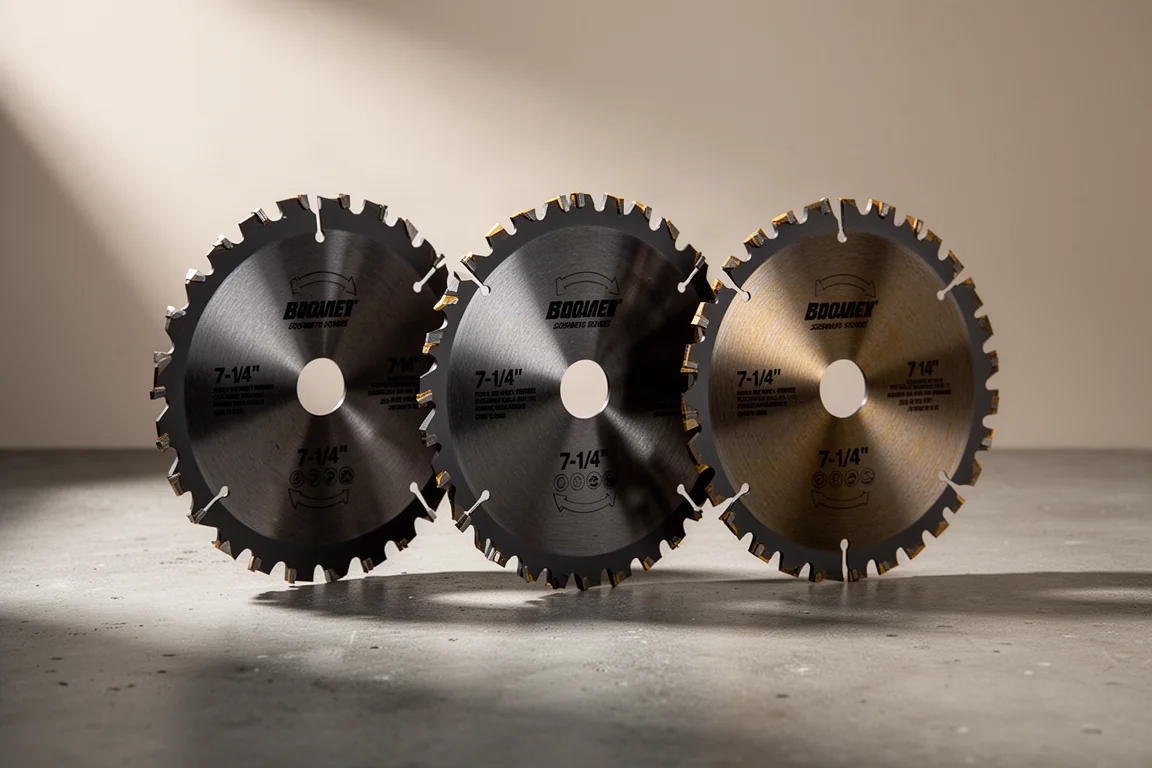
To find out which 7-1/4 in 24-tooth framing and demolition blade handles that reality best, three blades went through the same saw, the same operator, and the same 4-ft demolition torture test: the Milwaukee Nitro Carbide (48-40-0750), the Diablo Demo Demon (DO724D), and the Spyder Tarantula (13006). One blade took more than twice as long as the winner, and another was put through the entire test a second time. No manufacturer supplied the blades or influenced the results.
The Torture Test Setup
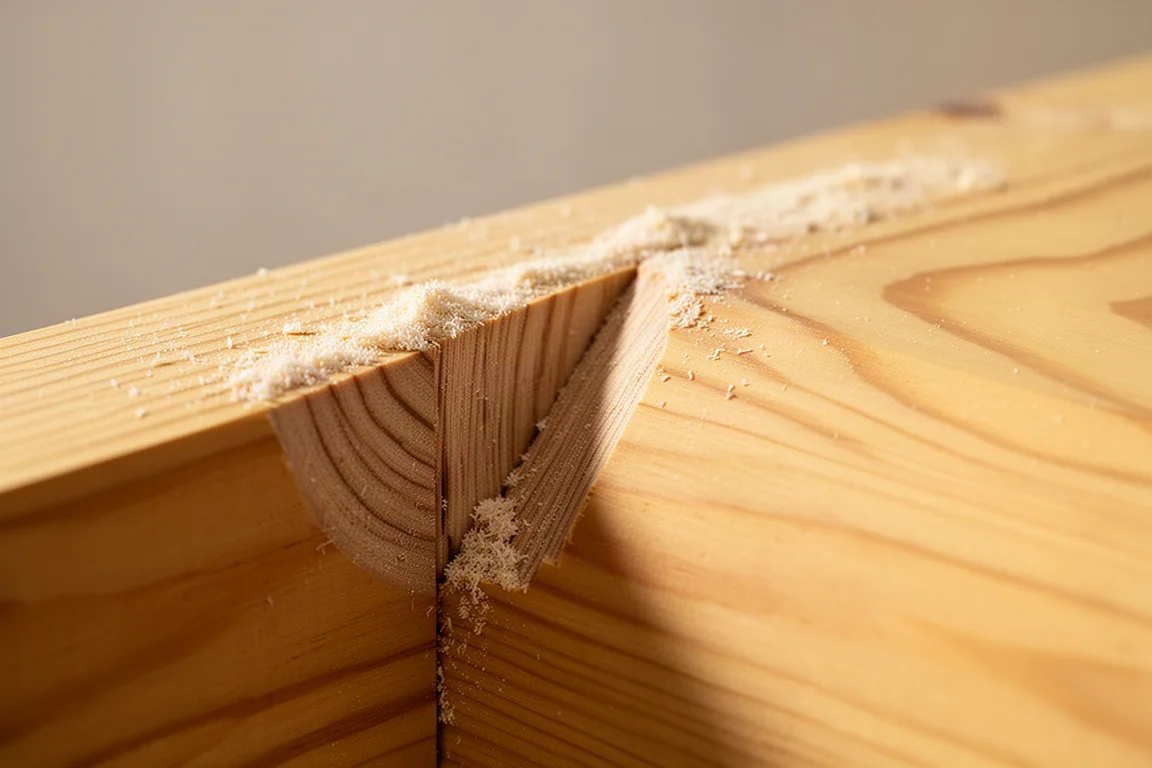
The foundation of the test assembly is a 4-ft long southern yellow pine 2x12. The cutting path contains two layers of asphalt shingles, two layers of aluminum flashing, and one layer of half-inch plywood. It also contains 30 standard lag bolts, each 3-1/2 in long and 1/4 in in diameter, plus 10 stainless steel lag bolts at 5/16 in diameter. That adds up to 40 substantial fasteners across the 4-ft assembly, which is a far more punishing load than a single hidden nail inside a 2x4.
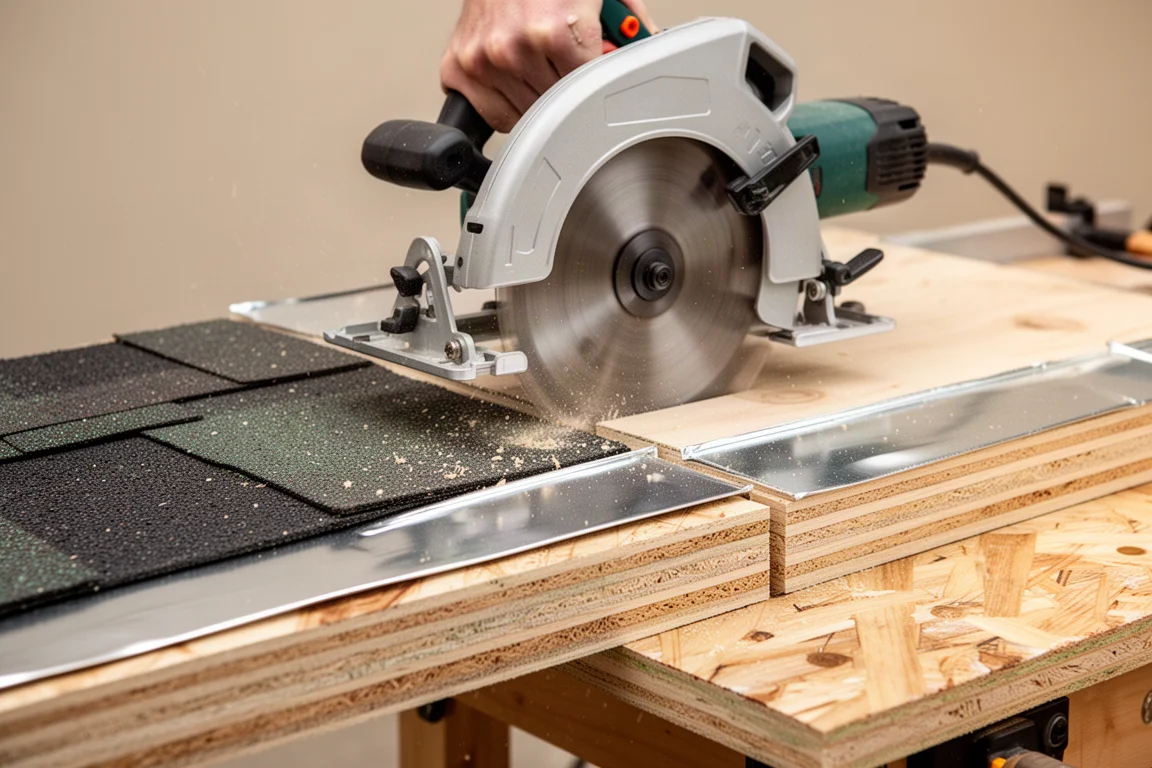
Every cut in this comparison used the same Skil Mag 77 circular saw, and every blade received the same corded power source. Asphalt shingles create significant resistance and friction, which heats the blade up, while stainless steel lags are far harder on carbide than ordinary framing nails.
Third Place: Milwaukee Nitro Carbide
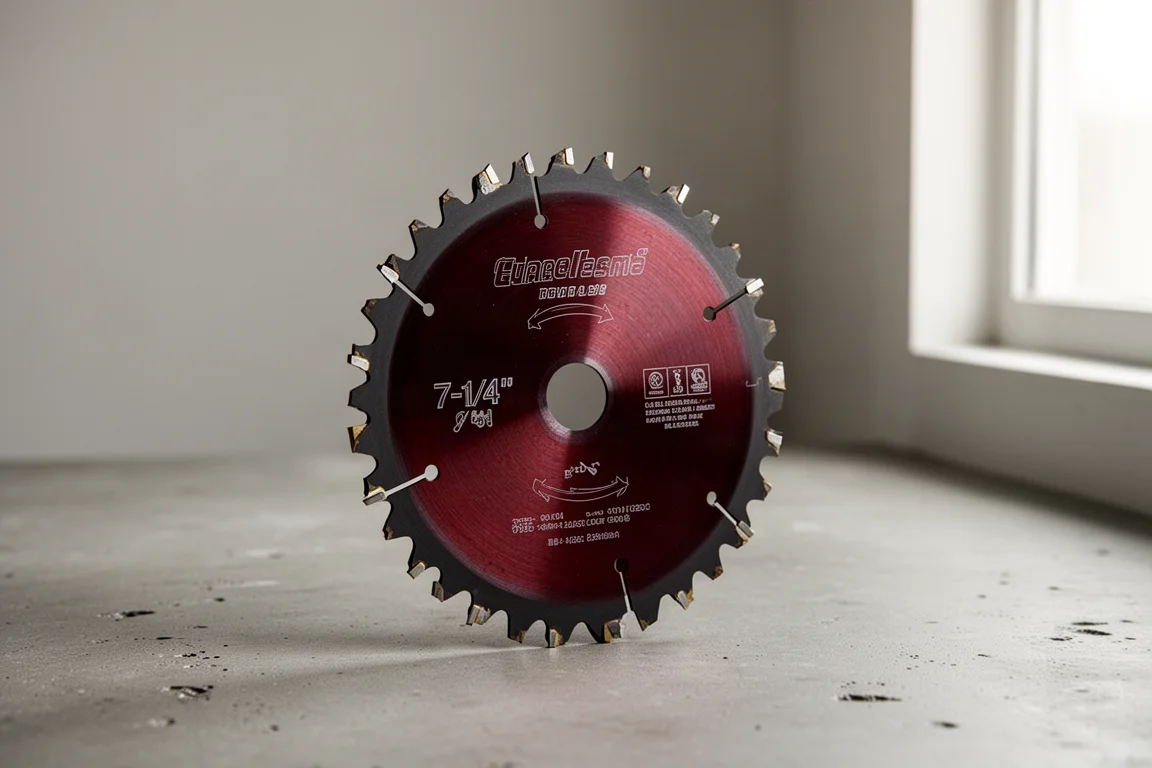
Milwaukee uses extremely strong language for this blade, calling it the fastest cutting, longest life framing and demolition blade in its lineup, and the company positioned it as a serious competitor in the demo space. In this test, though, it was a demanding pass. The Nitro Carbide completed the full 4-ft cut, but the cut felt like a fight through the material, with no real burning but noticeable gumming along the way.
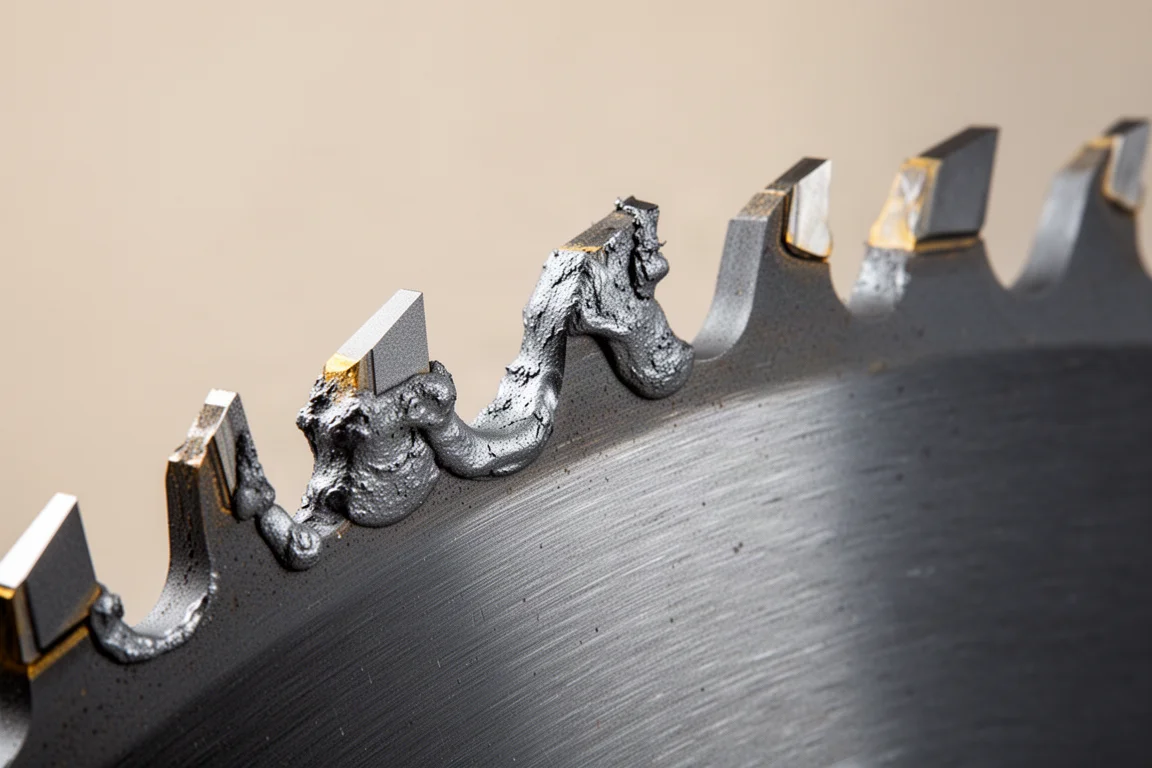
The post-cut inspection showed carbide tips intact but with metal that appeared fused to them from the cut, and the finish of the wood was noticeably rougher than the other two blades. The official time was 57.11 seconds, more than twice the winning time.
Second Place: Spyder Tarantula
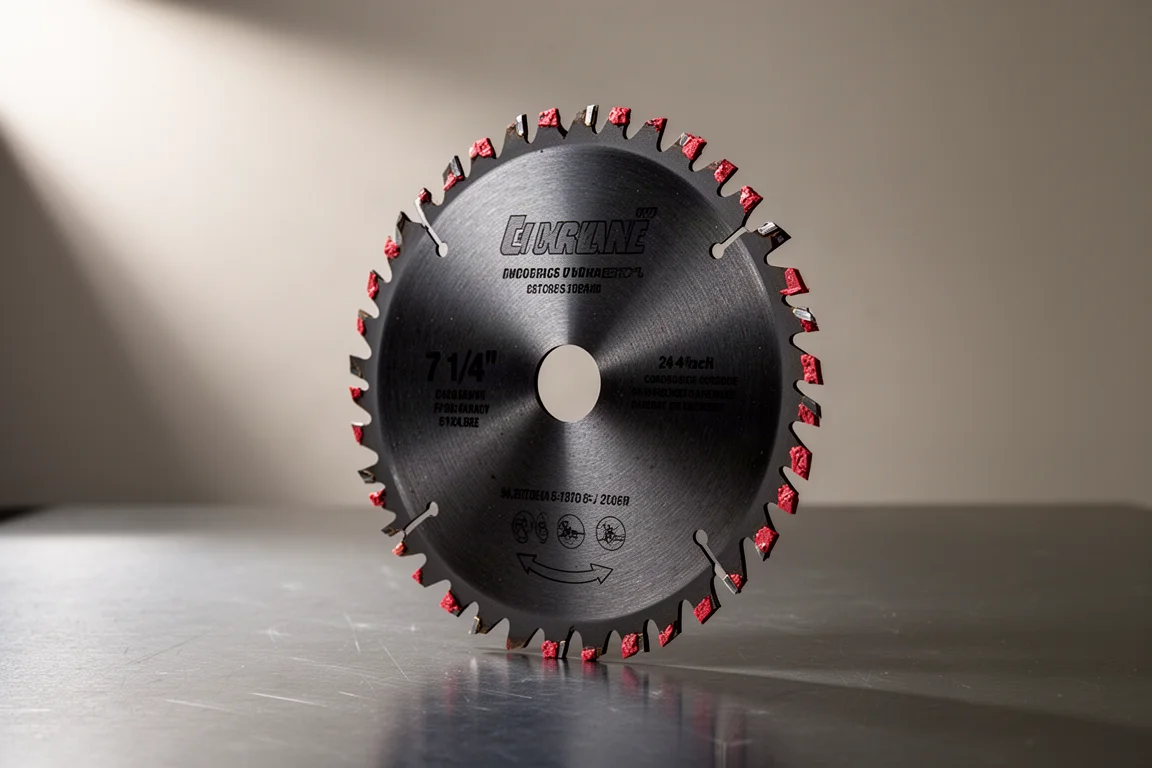
Spyder specifically markets the Tarantula (model 13006) for wood containing hidden nails, screws, staples, and flashing. It uses a nickel cobalt carbide tooth, an anti-friction coating, and stabilization vents. Spyder also makes a blade life claim versus standard carbide blades, which a single comparison cannot verify.
On the fresh-blade pass, the Tarantula impressed: everything stayed intact, with no visible attachment of steel or stainless steel lag material on any of the carbide. It finished the 4-ft cut in 27.27 seconds, 29.84 seconds faster than Milwaukee, and then went through the entire test a second time, completing the second lane in 32.25 seconds with no real damage to the carbide and no buildup.
The Winner: Diablo Demo Demon
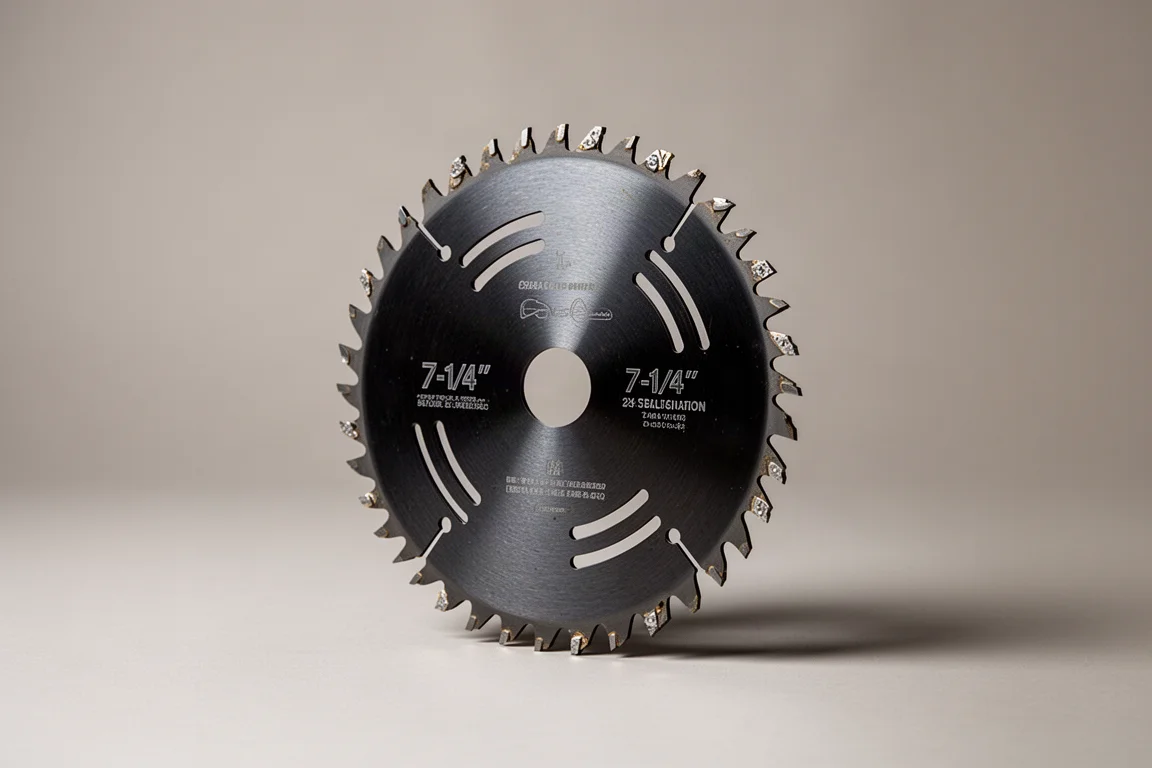
The Diablo Demo Demon DO724D is a 7-1/4 in, 24-tooth demolition blade, and it sizzles. In the cut there was no feeling of being bogged down at all, and the cut path through the wood was the cleanest of the three.
Post-cut inspection showed all tracking point teeth intact, no warping, and no broken carbide. There were some marks in the coating, but Diablo retained its coating far better than Milwaukee did. The official time was 24.25 seconds, finishing 3.02 seconds ahead of Spyder and 32.86 seconds ahead of Milwaukee.
Overall Buying Advice
The most dramatic comparison comes from Spyder’s two-pass combined time. The Tarantula cut 8 ft total on the same blade in a combined 59.52 seconds, while Milwaukee needed 57.11 seconds for a single 4-ft pass. In other words, Spyder cut twice the distance and required only 2.41 more seconds of total cutting time than Milwaukee needed for one pass.
If pure speed through the worst material is the priority, the Diablo Demo Demon is the clear pick. If long blade life across repeated demo work matters most, the Spyder Tarantula’s durability through two full passes makes it a compelling value. The Milwaukee Nitro Carbide finished the test, but it lagged well behind both rivals in this specific torture test.

Conclusion
In this 4-ft demolition test, the Diablo Demo Demon was the fastest fresh blade at 24.25 seconds, the Spyder Tarantula followed at 27.27 seconds and proved remarkably durable across two full passes, and the Milwaukee Nitro Carbide came in third at 57.11 seconds. All three survived 40 fasteners, shingles, and flashing, but the time gaps and blade condition tell a clear story: match the blade to how often your cuts hit hidden metal, and the winner becomes easy to pick.
Further reading
Related Reviews

Power Tool Accessories
Best Drill Attachments 2026: Three DeWalt Tools Worth Buying
A practical look at three DeWalt drill attachments that deliver real value, plus the sketchy options you should skip.

Power Tool Accessories
Best Drill Bits 2026: 14 Sets Tested on Mild Steel, Spring Steel, and AR500 Armor
We tested 14 drill bit sets across mild steel, spring steel, and AR500 armor plating to find the best value, speed, and durability.

Power Tool Accessories
Best Right Angle Impact Adapters 2026: Five Options Tested for Speed, Torque, and Durability
We tested five right angle impact adapters from DeWalt, Milwaukee, Warrior, Titan, and Milescraft to see which ones deliver real performance without failing early.