Power Tool Accessories
Best Demo Saw Blades Tested: Which Blade Survives Nails and Screws
Six demolition reciprocating saw blades put through wood, nail-embedded wood, and screw-embedded wood to find out which one lasts longest on the job site.
Introduction
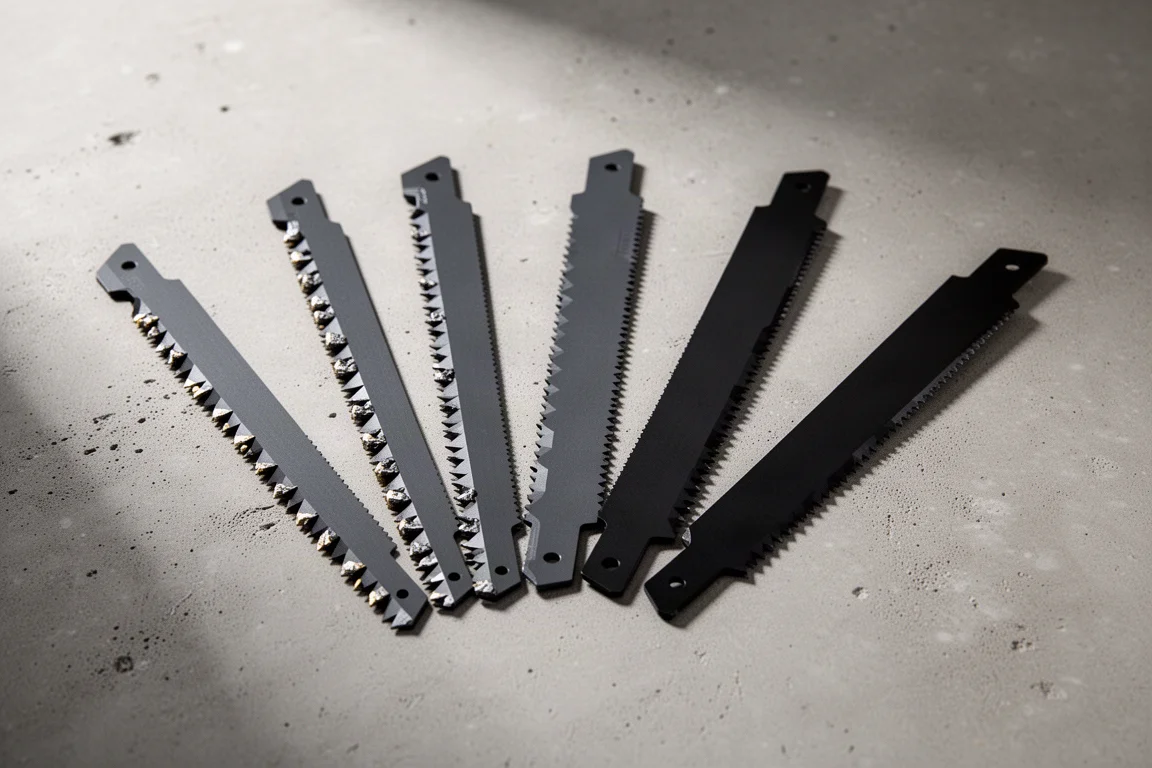
Demo blades live and die by one question: how long do they keep cutting once they start hitting nails and screws? To find out, six popular demolition blades were run through the same gauntlet: clean wood first, then nail-embedded wood, then screw-embedded wood. The goal was simple. First cut to last cut. Which blade still cuts after the abuse, and which one gives up early?
Most of these blades cost close to the same, and that matters. Even a blade costing half as much is a bad deal if it dies right off the bat, and a blade costing one and a half times more is worth it if it lasts. Here is how each one held up.
How the Blades Were Tested
The test saw was the Milwaukee 2834, chosen for its thick kerf blade: 1.5 millimeters of blade thickness with 2 millimeter carbides. Most of the other blades came in at about 1 millimeter thick with carbides around 1.5 to 1.6 millimeters. The Irwin was the outlier at 1.25 millimeters thick with roughly 1.78 millimeter carbides, making it the thickest blade in the group. The Spyder felt like the thickest in hand thanks to some heft, but it definitely is not.
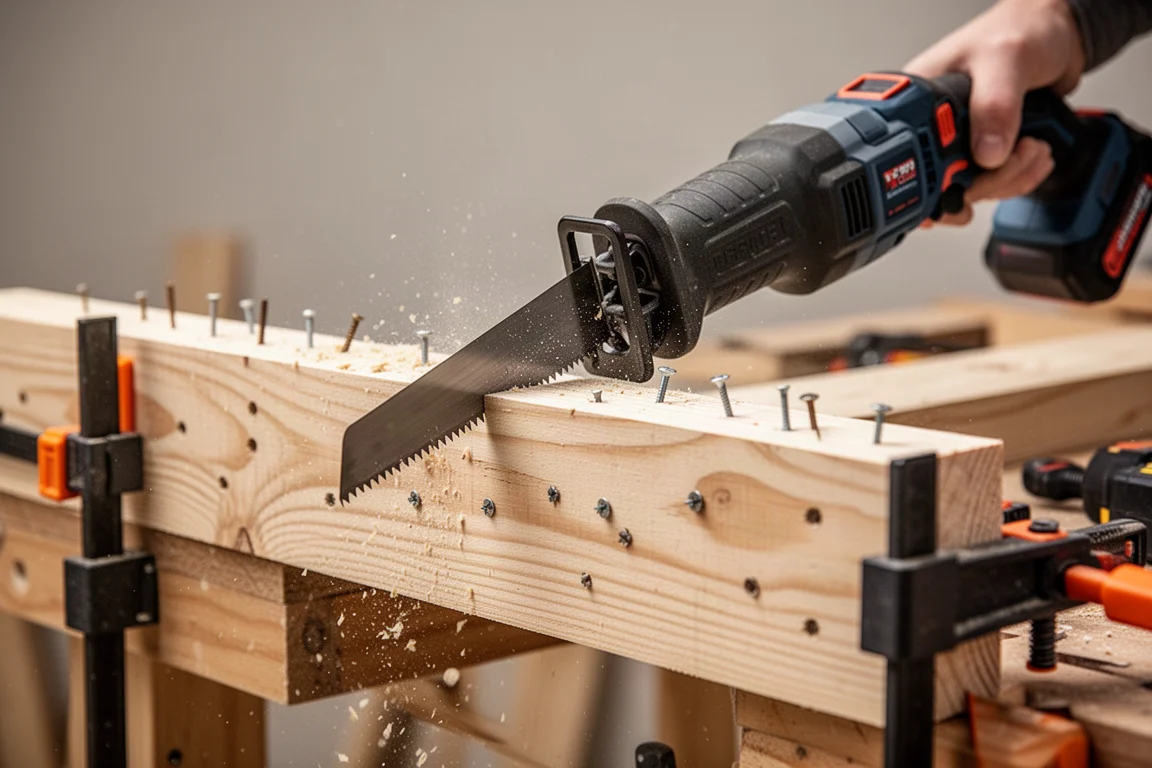
Each blade got four clean cuts in bare wood, then repeated cuts through boards set up with two nails per foot and four in the center, followed by boards with screws spaced similarly. A fresh battery was used for every blade so each one started with full power, and voltage drop was used as a rough signal of how hard the saw was working when a blade stopped cutting cleanly.
Diablo Demo Blade: The Early Failure
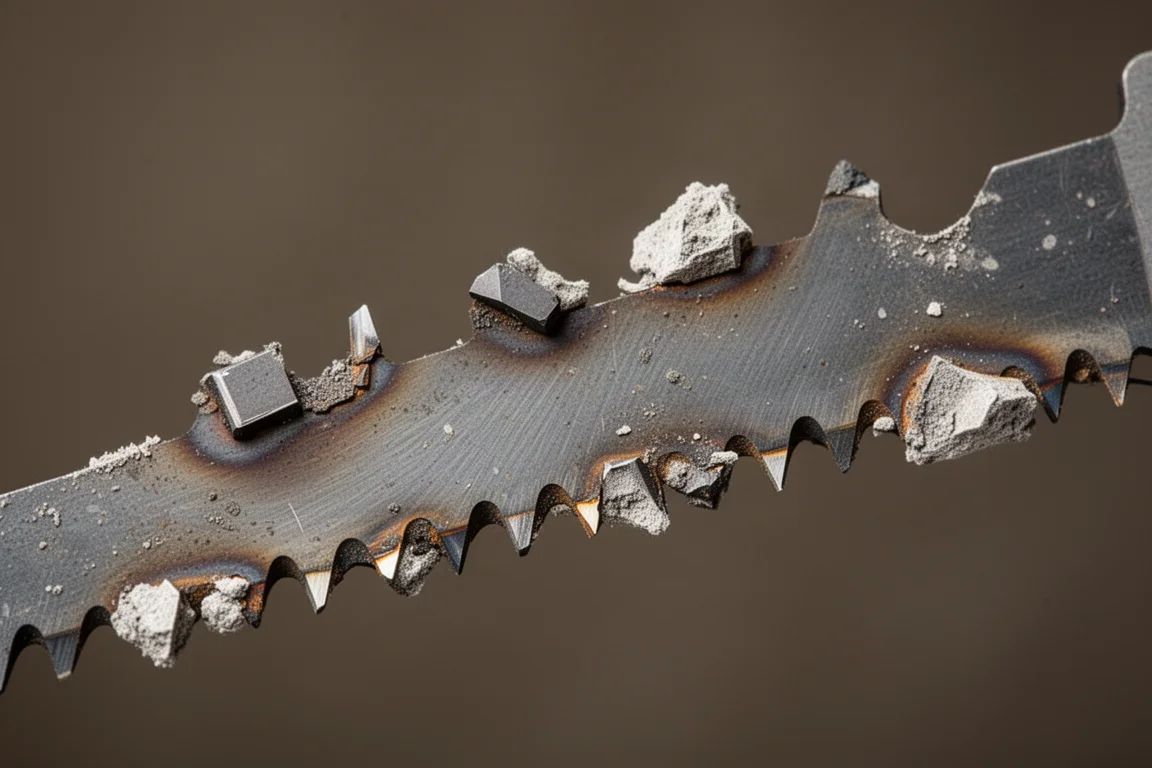
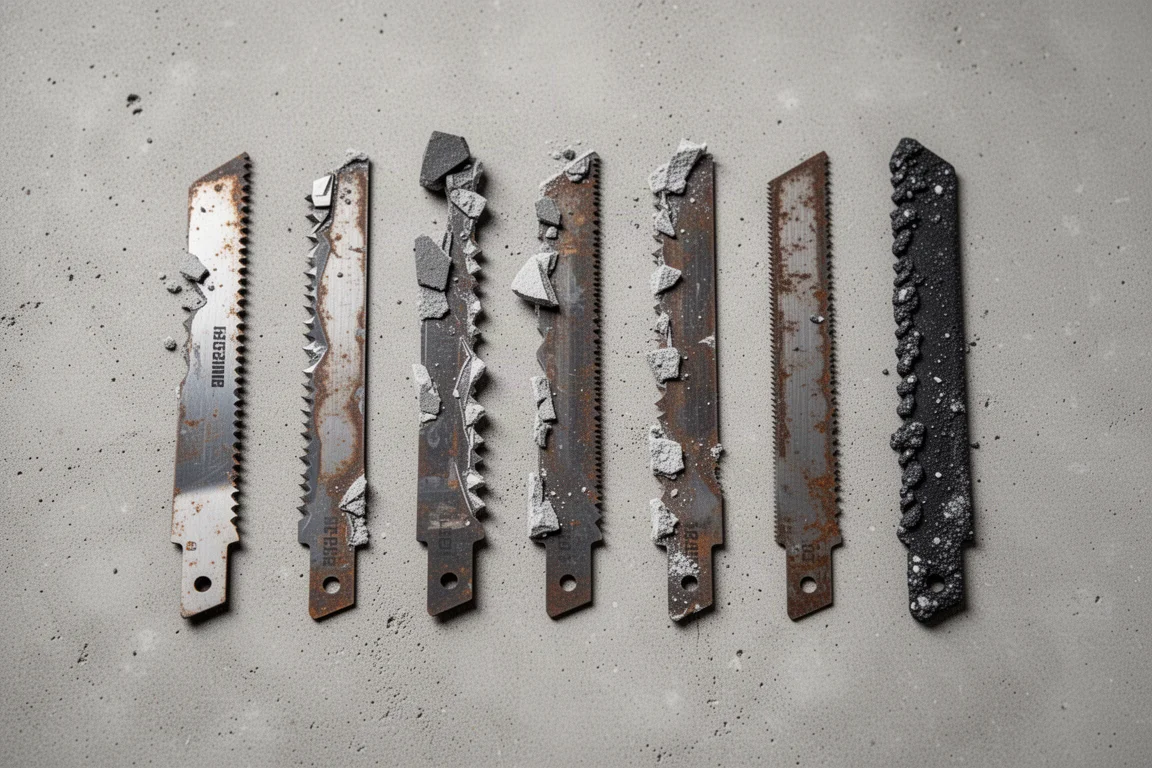
The Diablo was the biggest letdown of the test. On the very first nail pass, it tore chunks out of the blade: carbides completely missing, others chipped away, and the blade no longer cutting straight. It simply did not make it past the nail test.
Looking at the teeth afterward, the loss was significant, and it happened fast. For a blade expected to hold up much longer, this was a disappointing result.
DeWalt Demo Blade: Chipped but Second Place
The DeWalt took a clear beating too. After just a few nails there was a definite difference in how it cut, and by the screw stage the carbides were badly chipped with barely any tooth left. That damage made it hard to keep the blade in the wood, and it wanted to wander all over the cut.
Still, it kept going longer than the Diablo, losing some teeth along the way but remaining thinner and still cutting. Second place is a fair assessment.
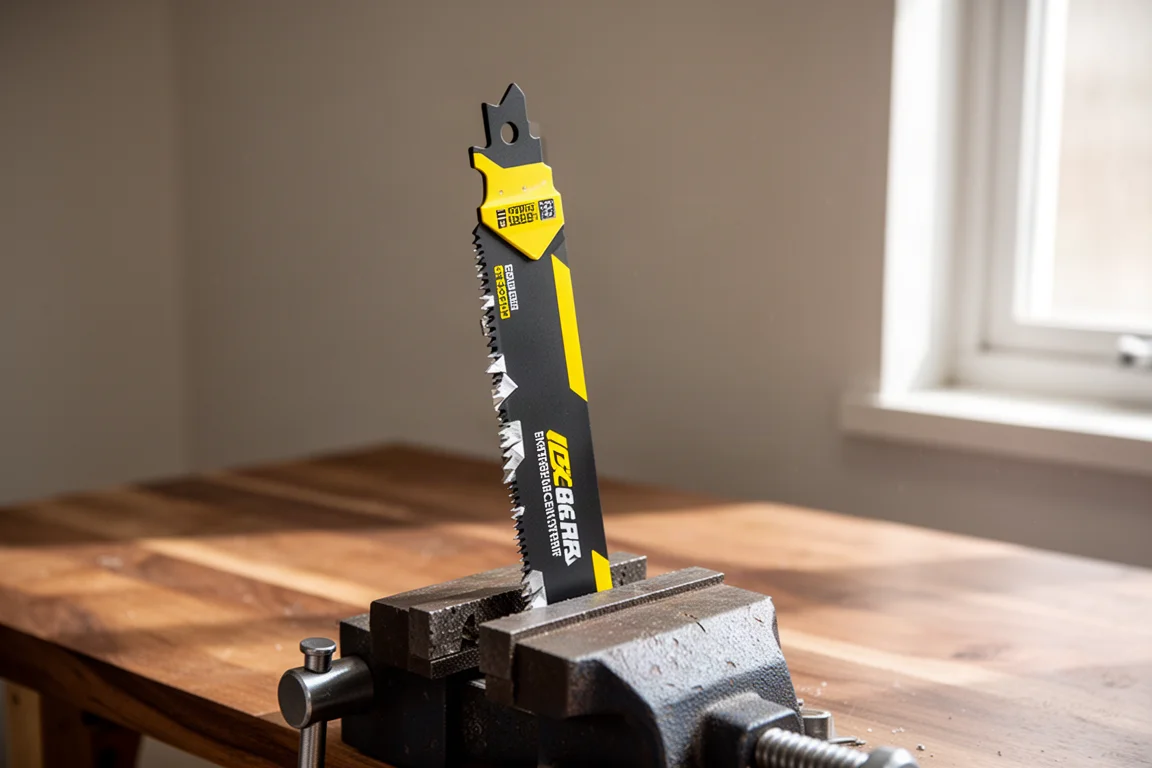
Milwaukee Demo Blade: The Clear Winner
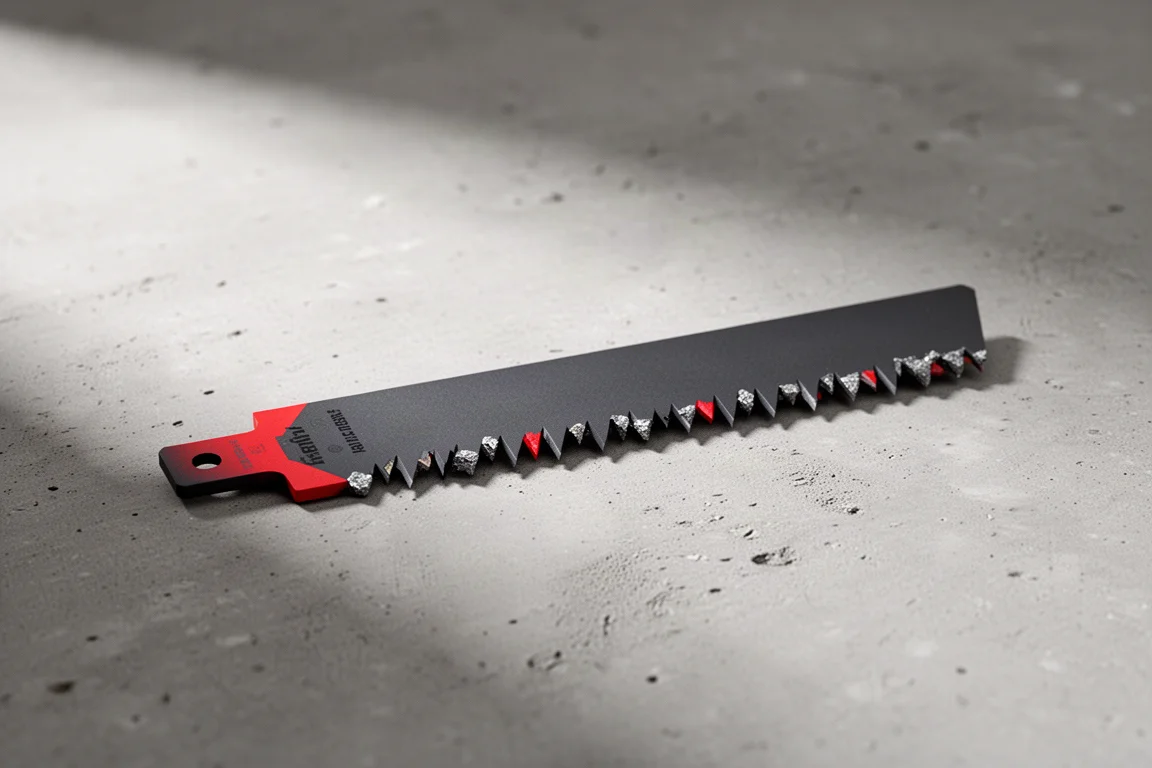
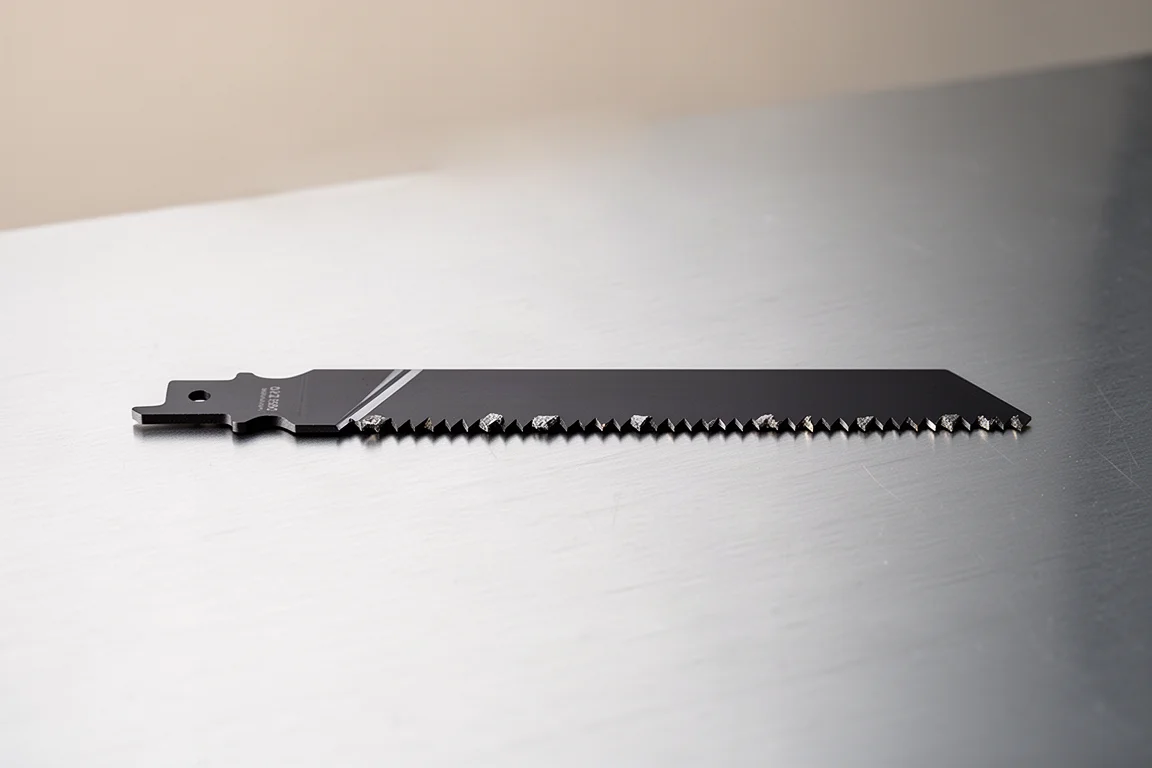
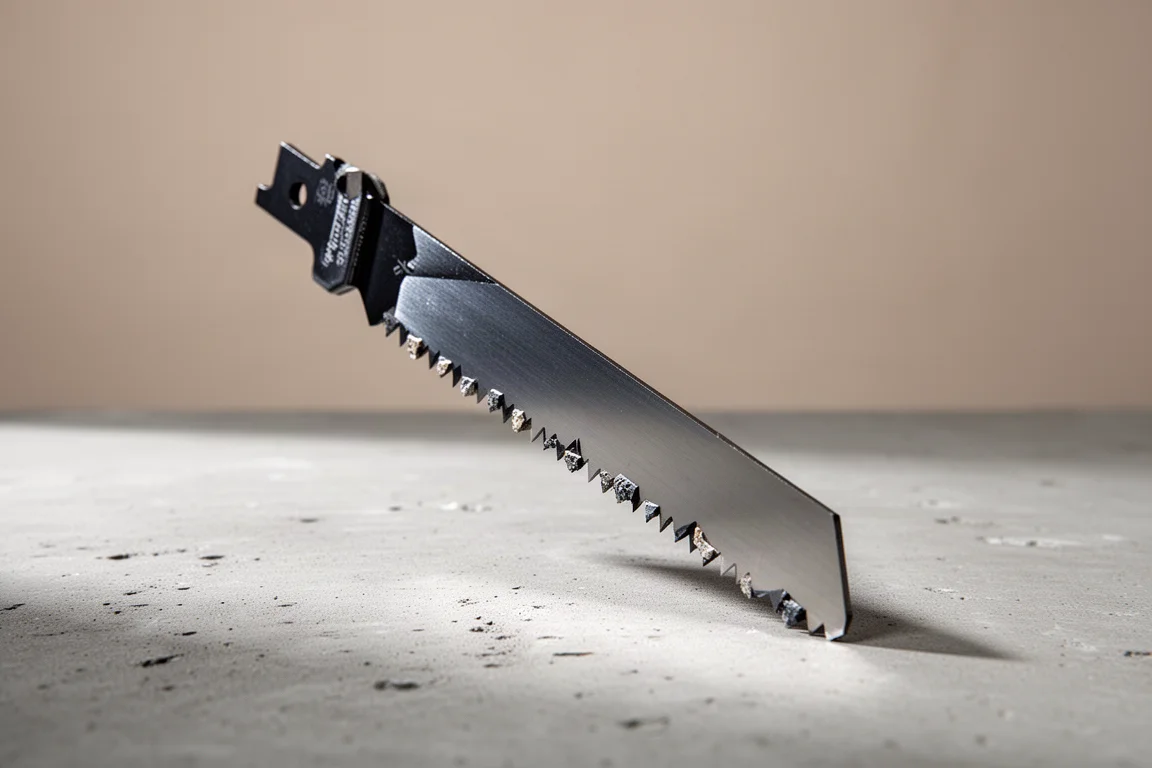
The Milwaukee stood out from the start because it is the only blade where the carbides are not silver: there is a coating over them. Through clean wood it felt better than the rest, and after the nail pass there was nothing visible wrong with it. The blade dulled through the screws and the saw got harder to push, but the teeth stayed in place far longer than anything else.
By the end, it had by far completed the most cuts of any blade tested. Nearly all the carbides were still attached, the coating was mostly still on both sides, and the teeth simply felt dull rather than destroyed. A few small chips appeared late, but nothing like the carnage on the other blades. This one completely won the test.
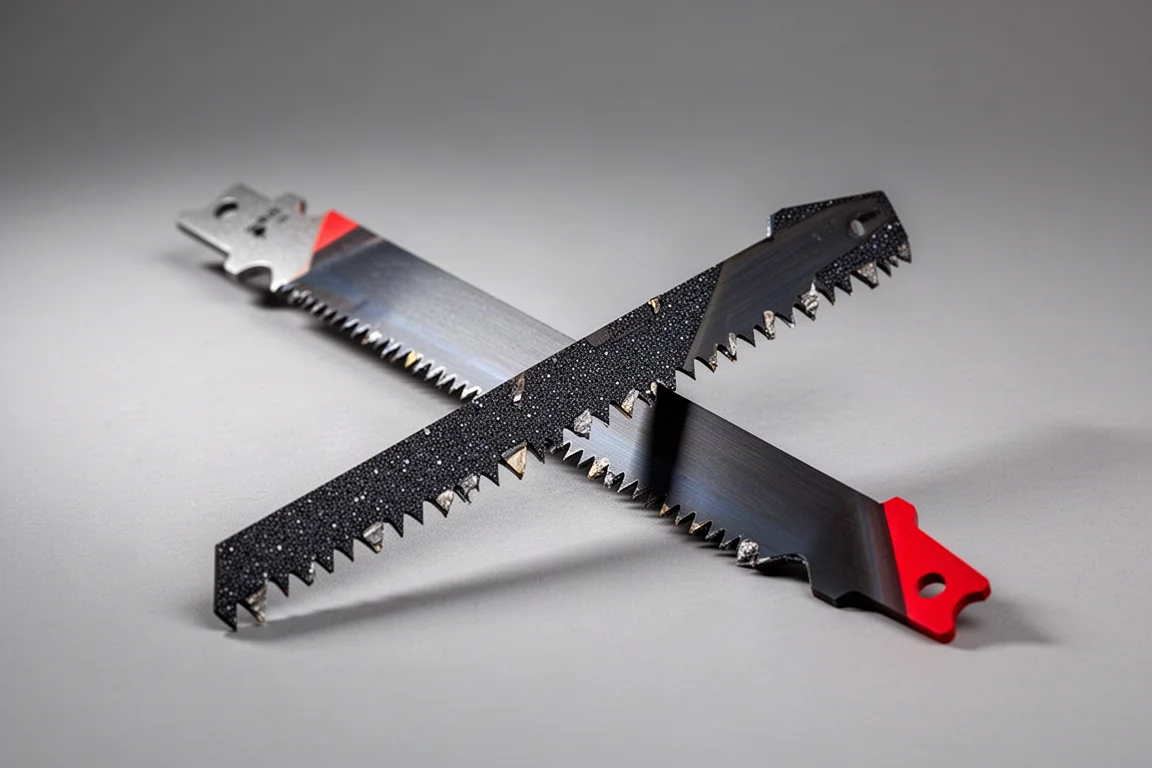
Spyder Tarantula Demo Blade: Curves and Missing Teeth
The Spyder Tarantula struggled with straight cuts almost immediately, curving all over the place, and it started losing teeth early. Once the curving started combined with broken teeth, cutting became very difficult. Everything that was not missing was chipped.
If straight lines no longer mattered and the job was pure demo work, it could probably still get through material, ideally on a corded saw, because on cordless it became almost impossible to push and started overheating everything.
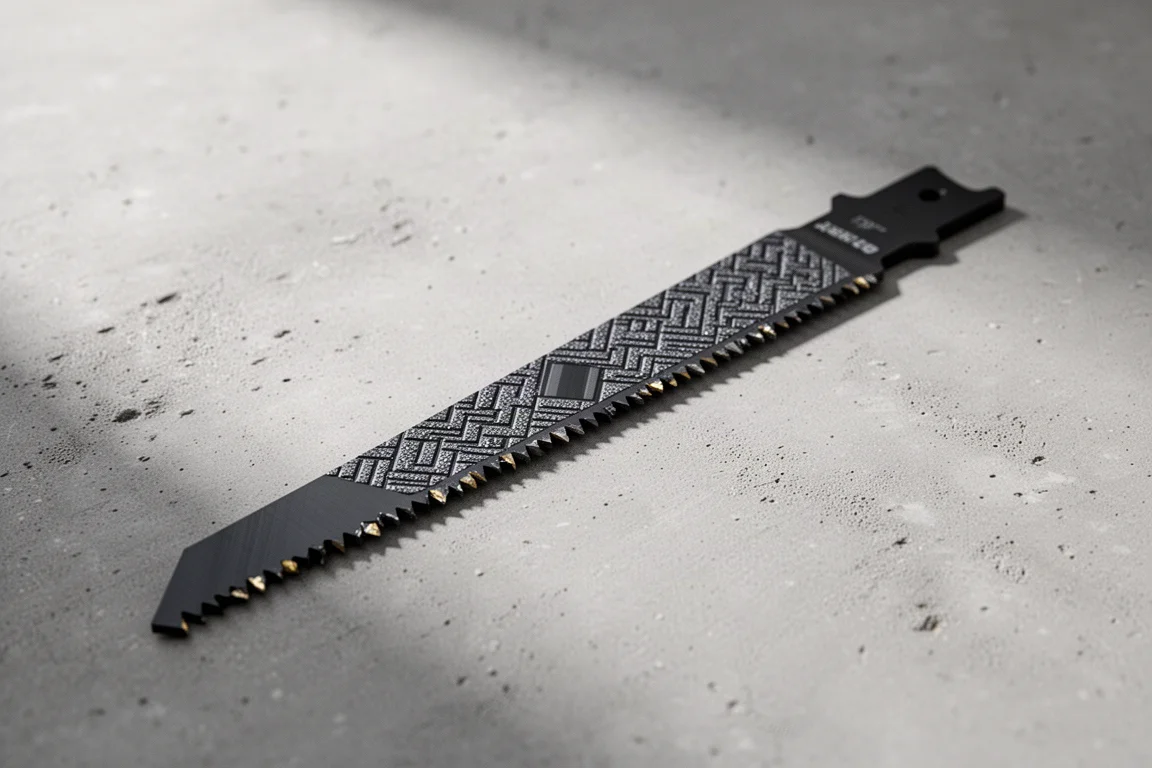
Crescent Nail Slicer: The Surprise Performer
The Crescent Nail Slicer was hard to push right from the first cut, and you could hear something breaking when it hit the nails. But it made it through, kept cutting, and then made it through a full set of screws, which was genuinely impressive.
The downside came at the end: when it let go, it let go. Carbides knocked off a couple of times, chipped teeth scattered across the blade, and some sections came apart while others stayed really good. It went further than expected, but the late collapse shows how quickly a few lost teeth can take these blades downhill.
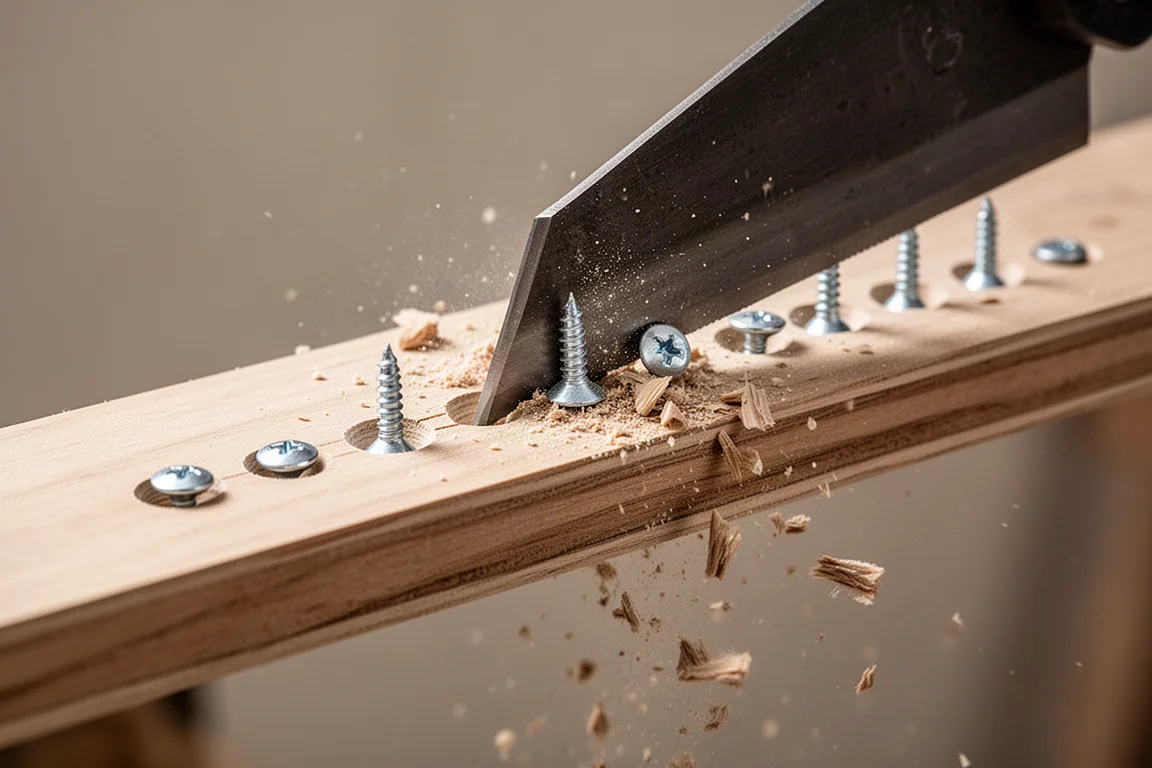
Irwin Marathon Demo Blade: Tough but Slow
The Irwin Marathon is the thickest blade of the group, so expectations were high. It is noticeably slower because of the width, bogs the saw down if you push too hard, and throws a surprising amount of wood chips in your face. After the nails, the saw started shutting off, a sign of chipped teeth, and the teeth got visibly rounded over at the end.
The impressive part: every single tooth stayed on the blade. The thicker blade and thicker carbides clearly held up structurally. The catch is that it just stopped cutting, getting progressively harder to push until it would cut no more. On a corded saw with steady power to keep pushing, this design might fare better; on cordless, it stalled out.
Which Demo Blade Should You Buy
The final ranking is clear. The Milwaukee was the outright winner, completing the most cuts with its teeth and coating largely intact. Second place is a split call: the DeWalt lost teeth but kept cutting thinner and longer, while the Irwin kept every tooth but dalled out quickly and had to be pushed hard. The Crescent Nail Slicer was the surprise, going far before collapsing late. The Diablo and the Spyder were the two that fell short.
The structural takeaway matches the results. Thicker blades and thicker carbides survived the abuse better, and the coated carbides on the Milwaukee clearly helped it endure. A blade that keeps all its teeth but stops cutting is not much better than one that loses them, though, so cutting performance at the end matters as much as survival.
Conclusion
If you want the longest-lasting demo blade, the Milwaukee is the one that earned it, out-cutting everything else while keeping its carbides and coating mostly intact. The DeWalt and Irwin both have arguments for second place depending on whether you value continued cutting or structural durability, and the Crescent Nail Slicer overdelivered for a blade few expected much from. The Diablo and Spyder Tarantula died early, and at similar price points to the rest, that is hard to justify. Match the blade to how much nail and screw abuse your demo work actually involves, and buy for longevity over a small upfront saving.
Further reading
Related Reviews

Power Tool Accessories
Best Drill Attachments 2026: Three DeWalt Tools Worth Buying
A practical look at three DeWalt drill attachments that deliver real value, plus the sketchy options you should skip.

Power Tool Accessories
Best Drill Bits 2026: 14 Sets Tested on Mild Steel, Spring Steel, and AR500 Armor
We tested 14 drill bit sets across mild steel, spring steel, and AR500 armor plating to find the best value, speed, and durability.

Power Tool Accessories
Best Right Angle Impact Adapters 2026: Five Options Tested for Speed, Torque, and Durability
We tested five right angle impact adapters from DeWalt, Milwaukee, Warrior, Titan, and Milescraft to see which ones deliver real performance without failing early.