Hand Tools
Best Dead Blow Mallets: PB Swiss vs Snap-on Compared
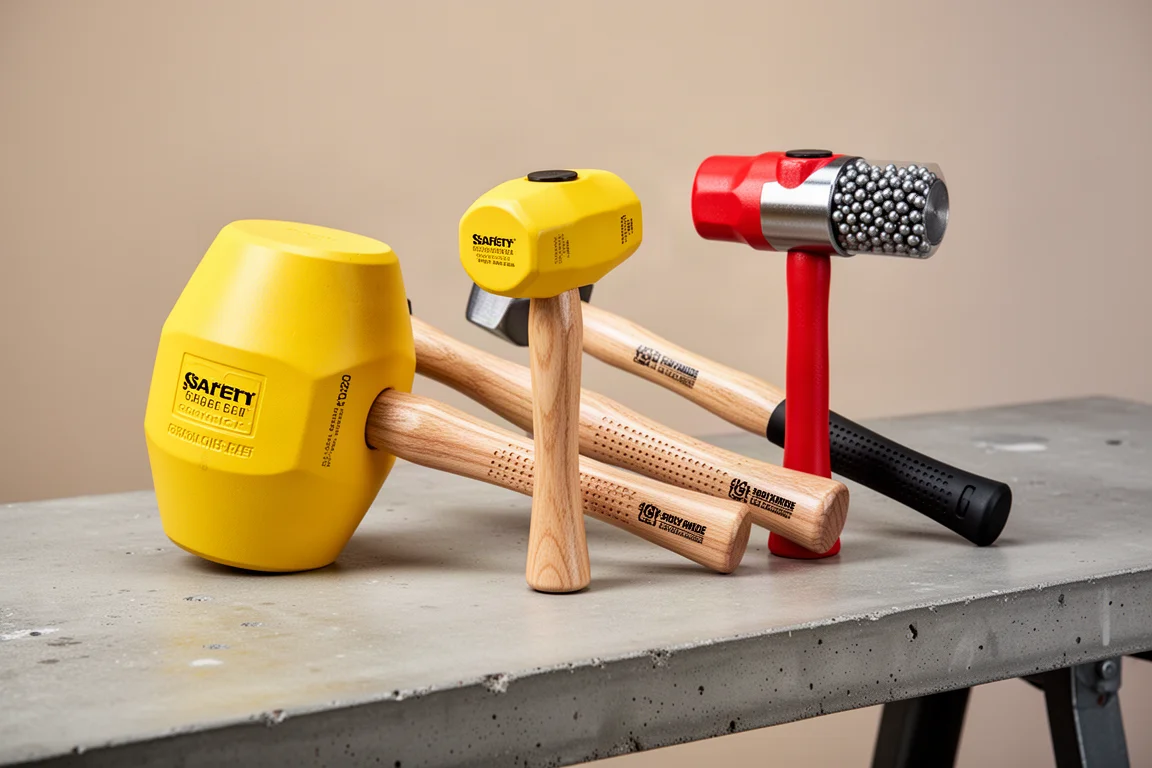
Three dead blow mallets, including the PB Swiss Size 6 and Size 1 and the Snap-on shot-filled design, tested for rebound control, comfort, and value.
Introduction
Dead blow mallets are one of those tools you only appreciate once you have used a good one. The whole point is rebound control: the head should hit the workpiece and stay there, not bounce back into your hand. We looked at three mallets that approach that problem in very different ways: two from PB Swiss with an internal washer-on-a-rod design and hickory handles, and a Snap-on dead blow that uses an encapsulated shot-filled head.
Why Rebound Control Matters
The difference between designs becomes obvious with a simple test: dropping each mallet onto a chunk of railroad track. A conventional ball peen hammer bounces noticeably. A shot-filled dead blow reduces that, but still gives a little spring. The PB Swiss design, which uses a steel rod through the center with a series of free-moving washers, produced a nearly dead stop on impact.
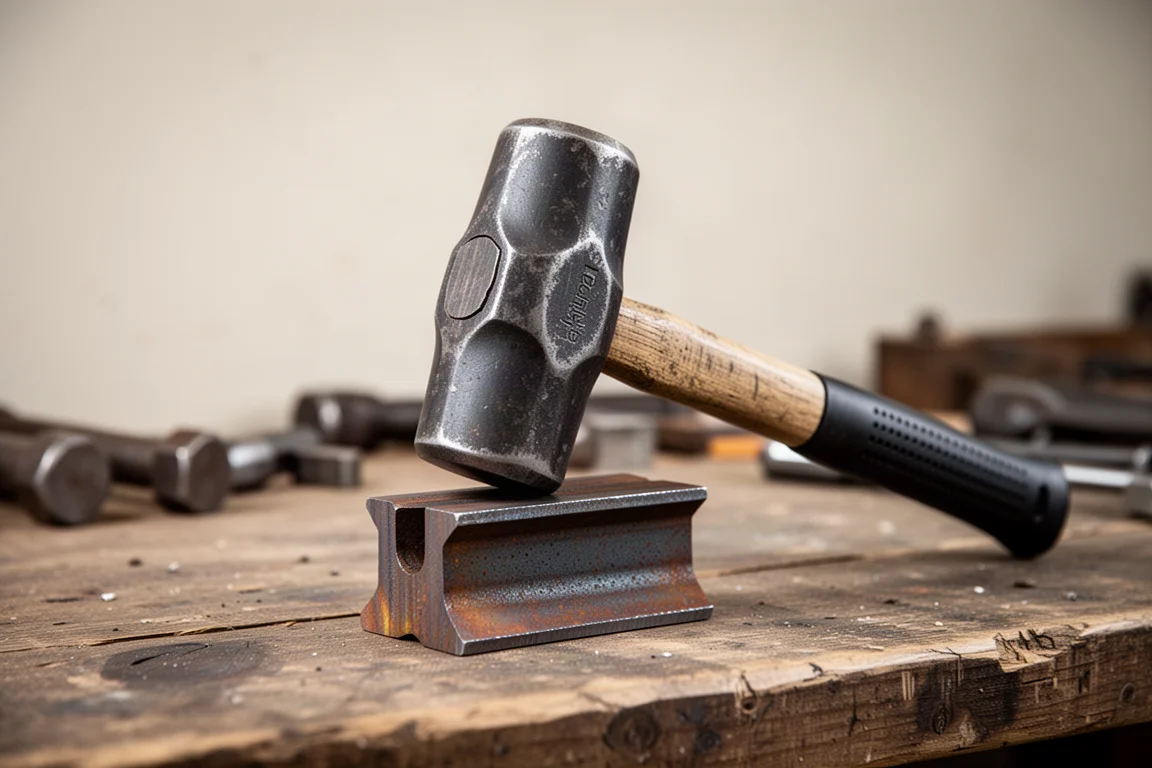
The physics explains why. The washers are larger mass units, and because of inertia one has to start moving before the next can follow. On impact they strike in sequence, one after another, instead of a whole volume of shot shifting at once. The result is strikingly little rebound, even when the mallet is held loosely with two fingers or hit at different angles.
PB Swiss Size 6 Dead Blow Mallet
The PB Swiss Size 6 is the flagship of the lineup at roughly 40 ounces, and it is the biggest dead blow mallet PB Swiss makes. One end carries a polyamide face and the other a steel cap, and both faces are replaceable. The heads are beautifully machined, the tools are serialized, and like all PB Swiss products they are made in Switzerland with American hickory handles.
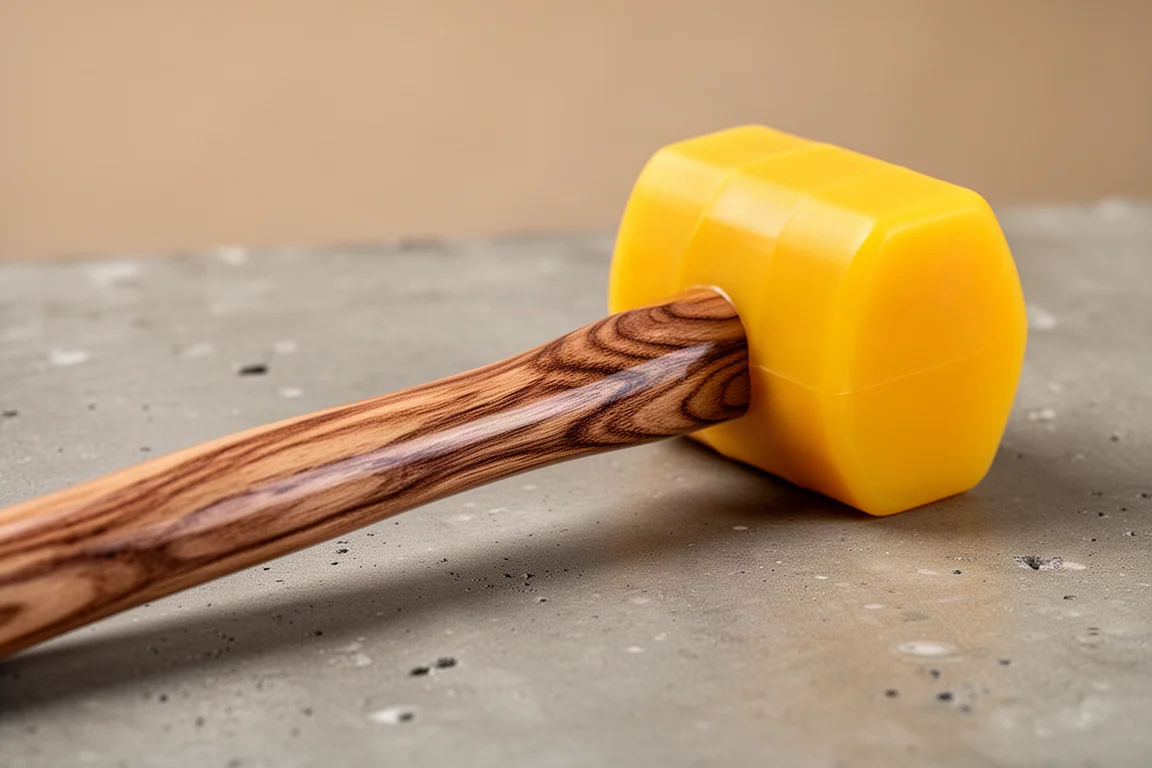
On the drop test it comes to a dead stop, no matter the angle. Hickory was chosen for a reason: it is a hardwood that reduces the shock transmitted straight through the handle, which is why it has long been favored for heavier striking and chopping tools. A small one can be found for under 50 dollars, and the Size 6 lands somewhere around 80 to 85 dollars, with prices moving up and down over time.
PB Swiss Size 1 Dead Blow Mallet
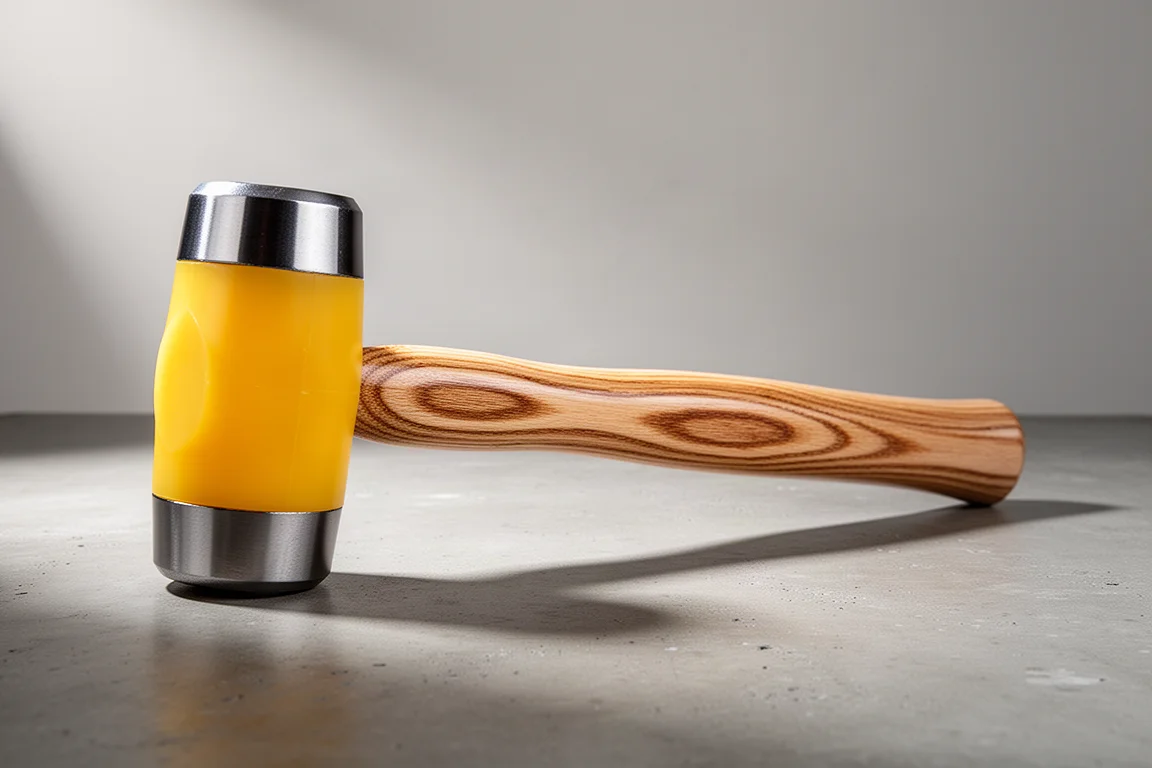
The Size 1 is the little brother: a tiny precision mallet at roughly six ounces once converted from grams. It is the tool that first revealed how impressively dead the PB Swiss design is. Hit flat and the rebound is essentially zero, and trying all kinds of angles to force a bounce does not really change that.
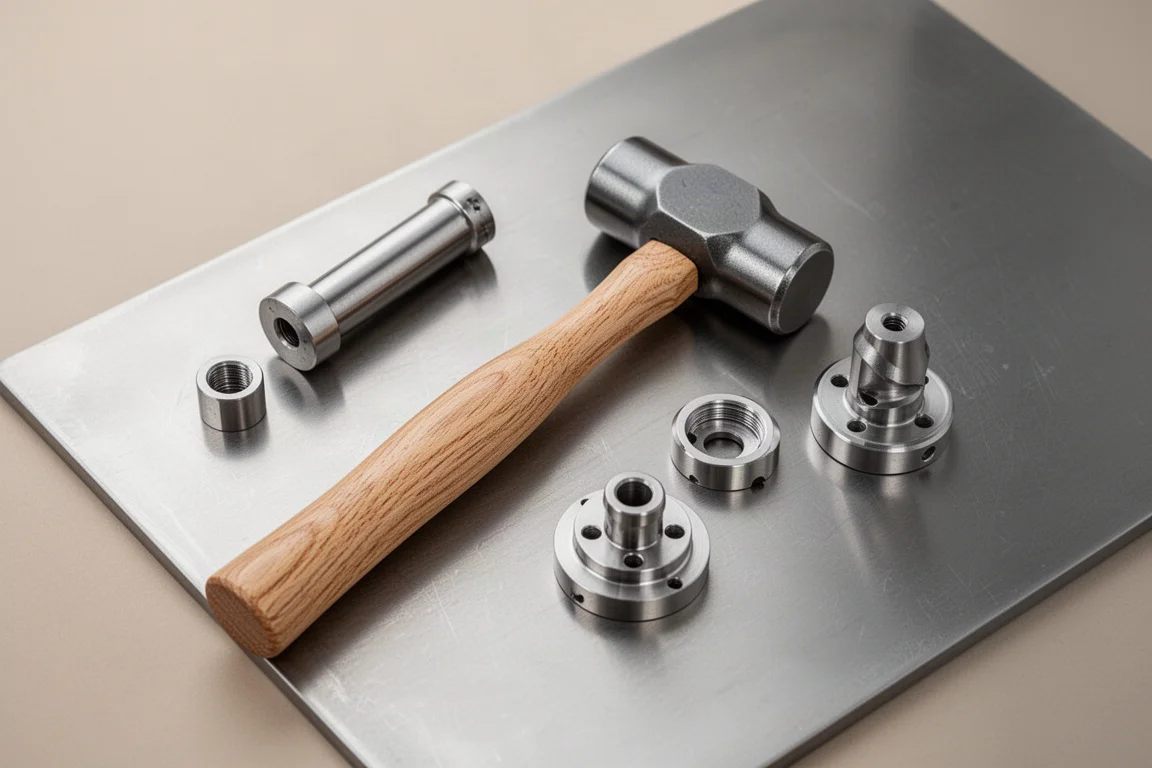
This is the right entry point if you do assembly, fitting, or delicate work where you want controlled force without marring the part, and it is the most affordable way into the PB Swiss dead blow line.
Snap-on Dead Blow Mallet
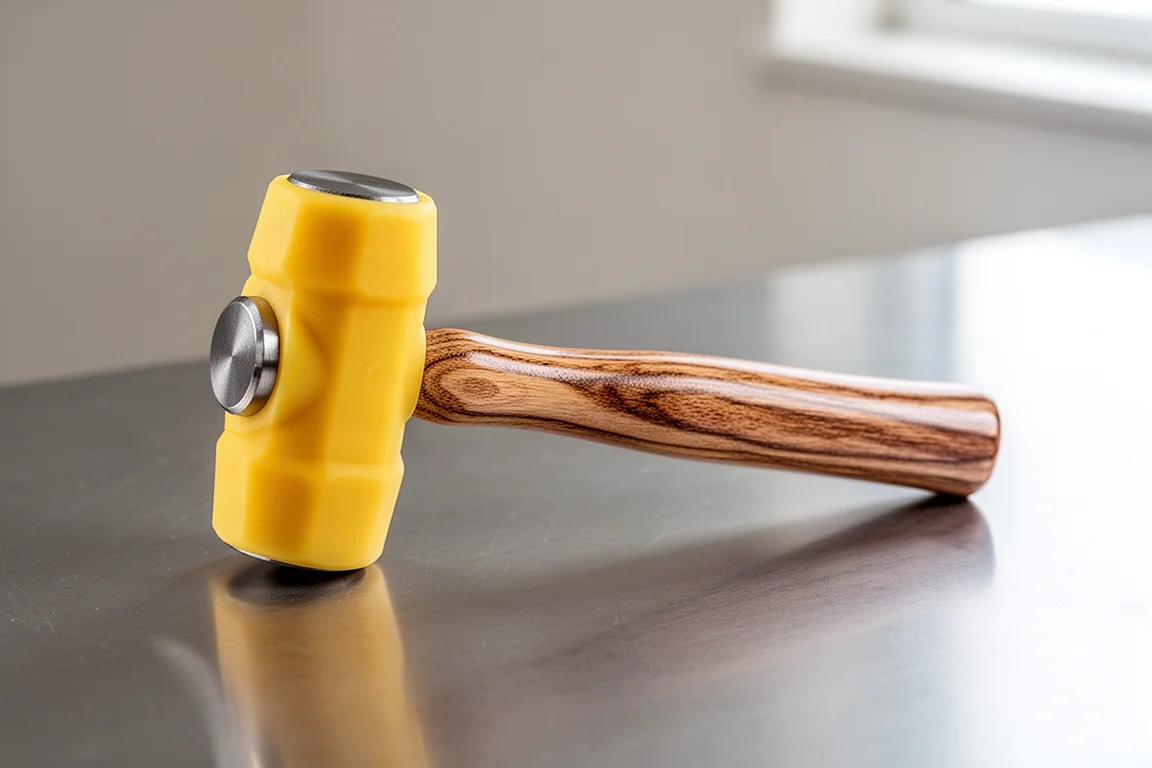
The Snap-on approach uses an enclosed, encapsulated container in the head filled with shot. It is the industry standard look in red, and it works well: a full plastic dead blow version performed solidly, and the largest sizes hit hard. The smallest is around eight ounces, and the previous flagship was 40 ounces before a 56-ounce version came along.
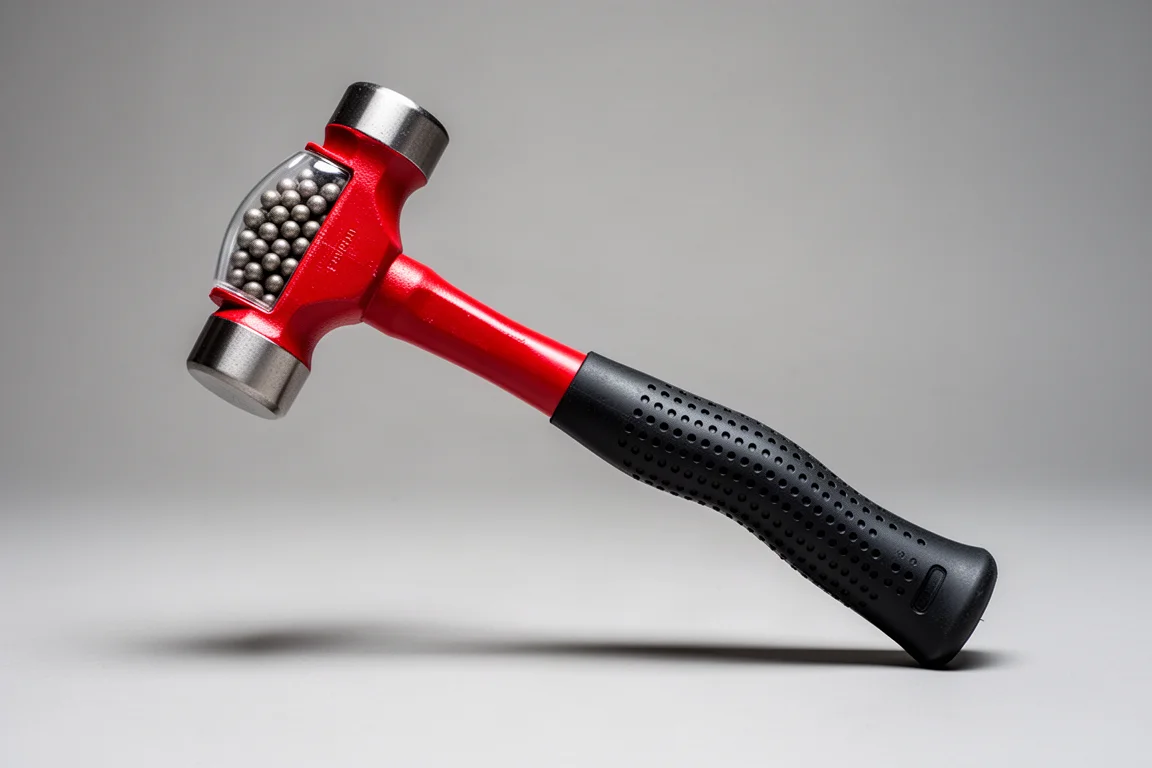
The trade-off is rebound. Even the shot-filled design gives a little bounce compared to the washer-based PB Swiss mechanism, and Snap-on mallets cost quite a bit more, reaching into three-digit territory. What Snap-on offers instead is a flexible handle with a rubberized grip: you can genuinely bend it, and that flex is deliberate, adding acceleration into the workpiece while absorbing reverberations before they reach your hand.
The Traditional Wood Handle Trade-off
The PB Swiss hickory handle is old school in the best sense, but it is honest about its limits. The lacquer finish helps keep the wood healthy, though it can feel a little slippery compared to a rubberized grip. Wood does not flex the way the Snap-on composite handle does, so some shock transfer remains part of the experience.
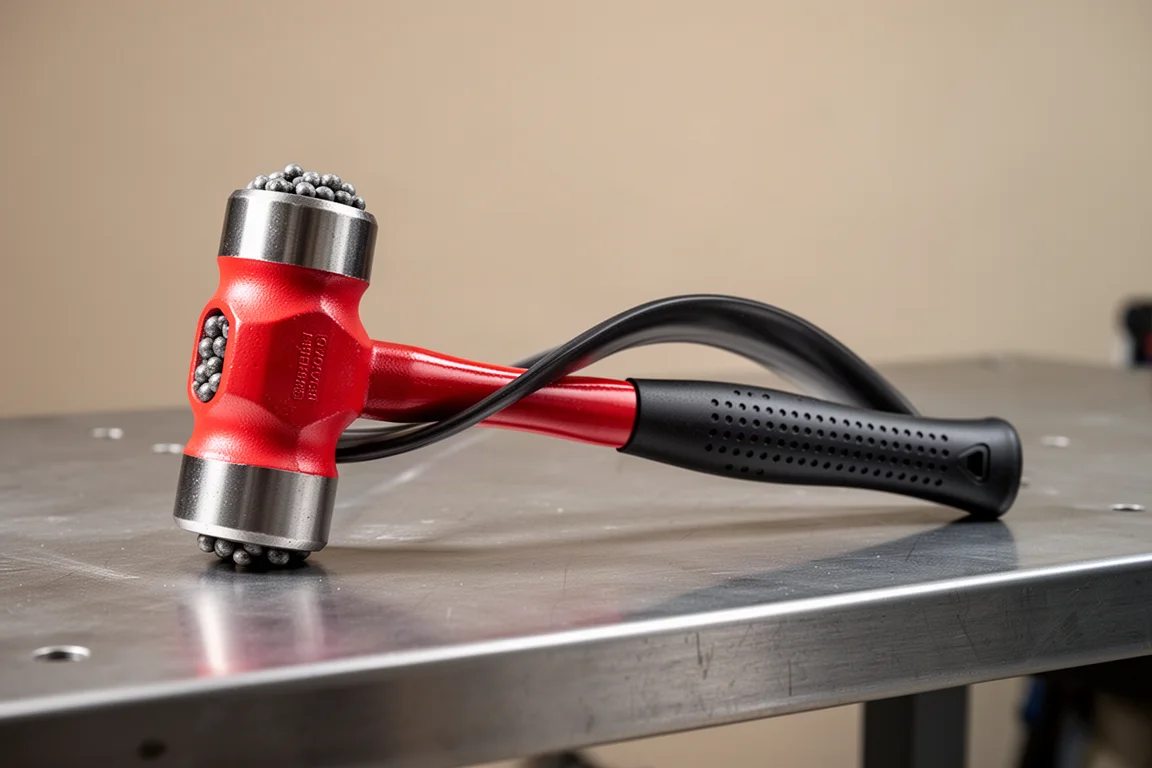
The safety-yellow finish on the PB Swiss mallets also makes them easy to spot in a crowded tool chest, which is more practical than it sounds. Neither design is wrong: one favors tradition, machined quality, and price, the other favors grip comfort and handle flex.
Conclusion
If rebound control is the priority, the PB Swiss washer-based dead blows are the high-performance option, with replaceable faces, serialized build quality, and prices that stay under the Snap-on competition. If you prefer a flexible, grippy handle and do not mind paying more and accepting a little bounce, the Snap-on remains a solid choice. For most buyers, starting with a small PB Swiss is the easiest way to see what a truly dead blow feels like.
Further reading
Related Reviews
Hand Tools
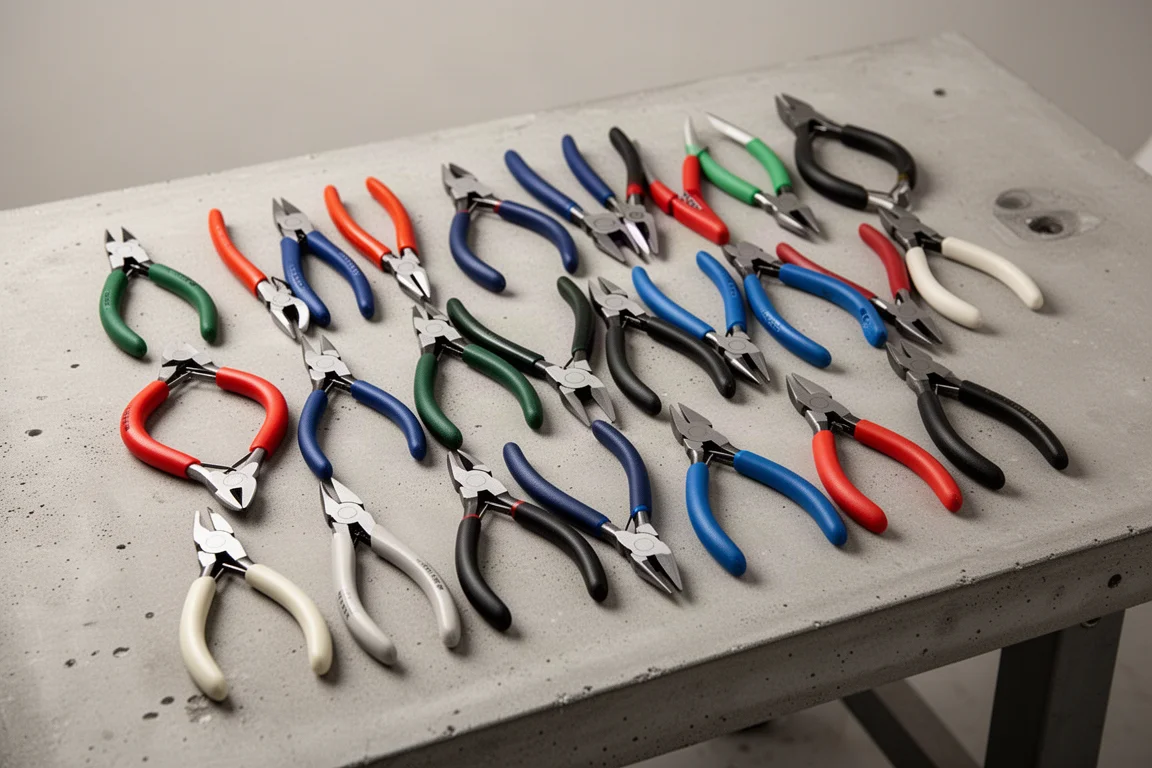
Best Diagonal Cutters 2026: 16 Pliers Tested for Cutting Power and Durability
We put 16 diagonal cutters through nail, screw, drill bit, and hex key tests to find the best value picks for your toolbox.
Hand Tools
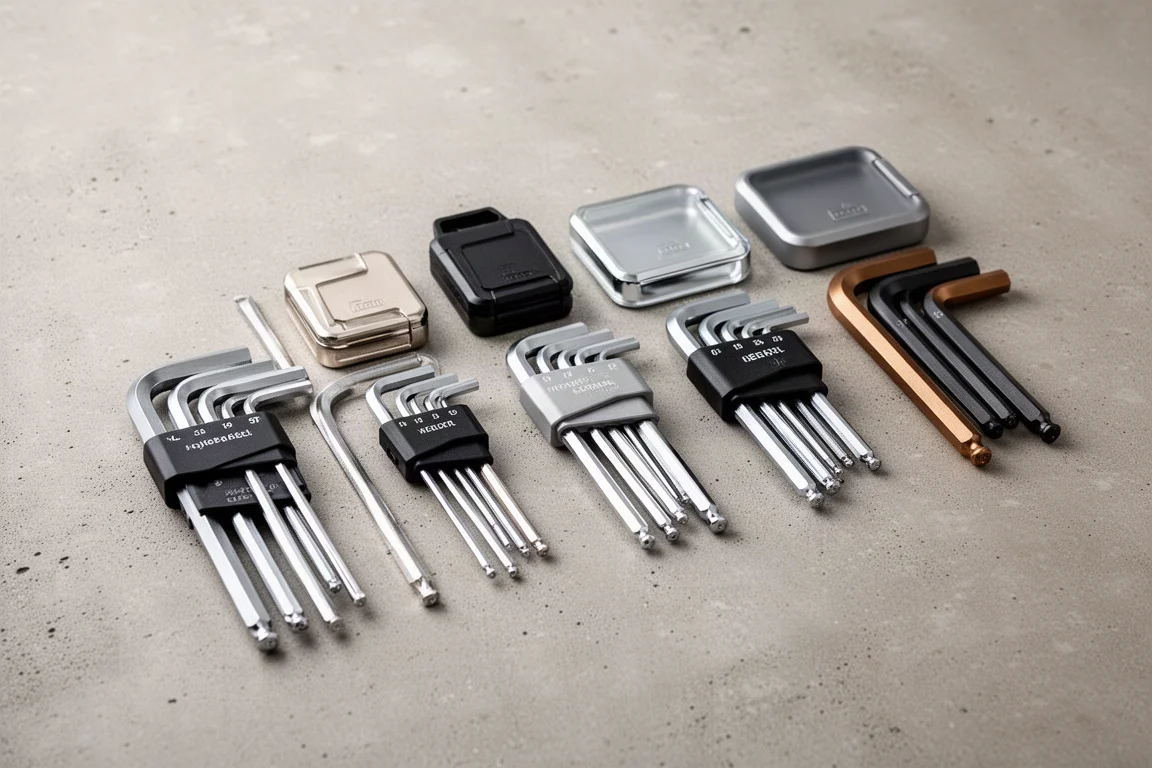
Best Hex L Key Sets 2026: Nine Sets Tested for Real-World Torque
Nine hex L key sets from budget to premium, tested for torque, fit, and durability. See which sets deliver real performance and which ones to skip.
Hand Tools
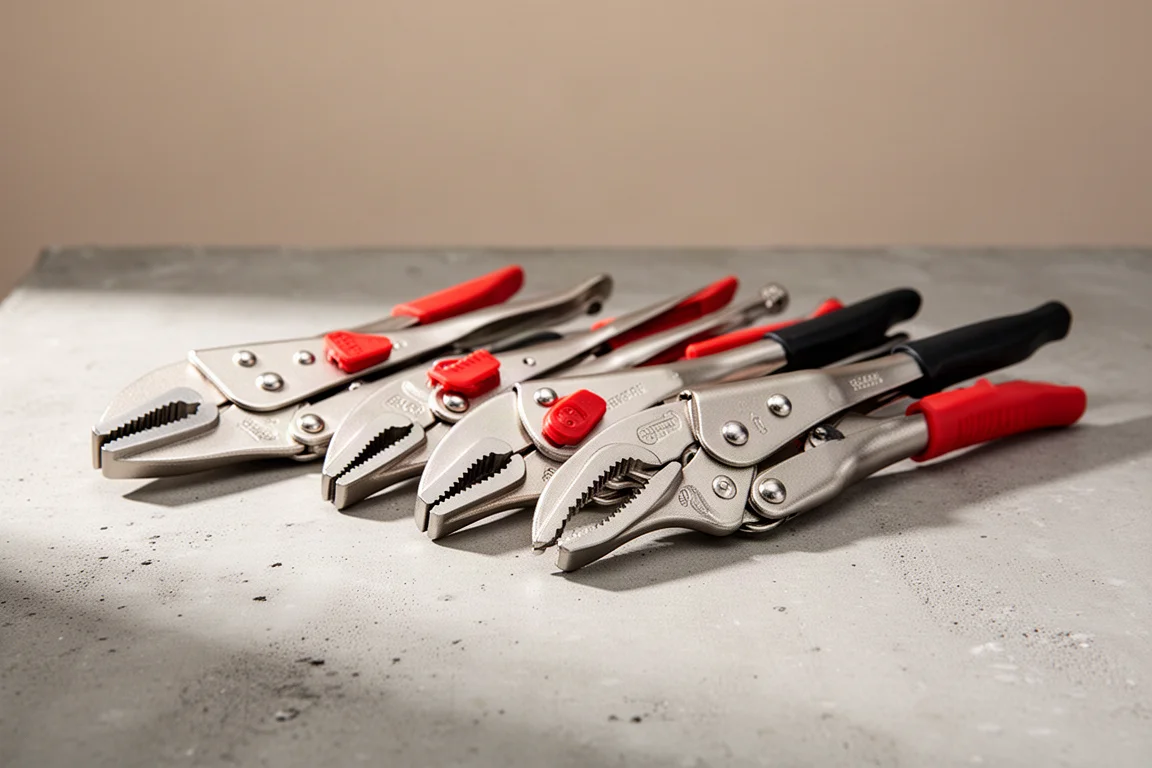
Best Locking Pliers 2026: Top Picks Tested for Grip and Durability
We tested 18 brands of 10-inch locking pliers for grip strength, jaw bite, build quality, and ease of release to find the best options for tough jobs.