Hiking Gear
Day Hiking Essentials: The Gear That Earns Its Place in Your Pack
A practical day hiking kit built from proven trail gear, covering footwear, satellite safety, packs, water treatment, trekking poles, navigation, and lighting.
Introduction
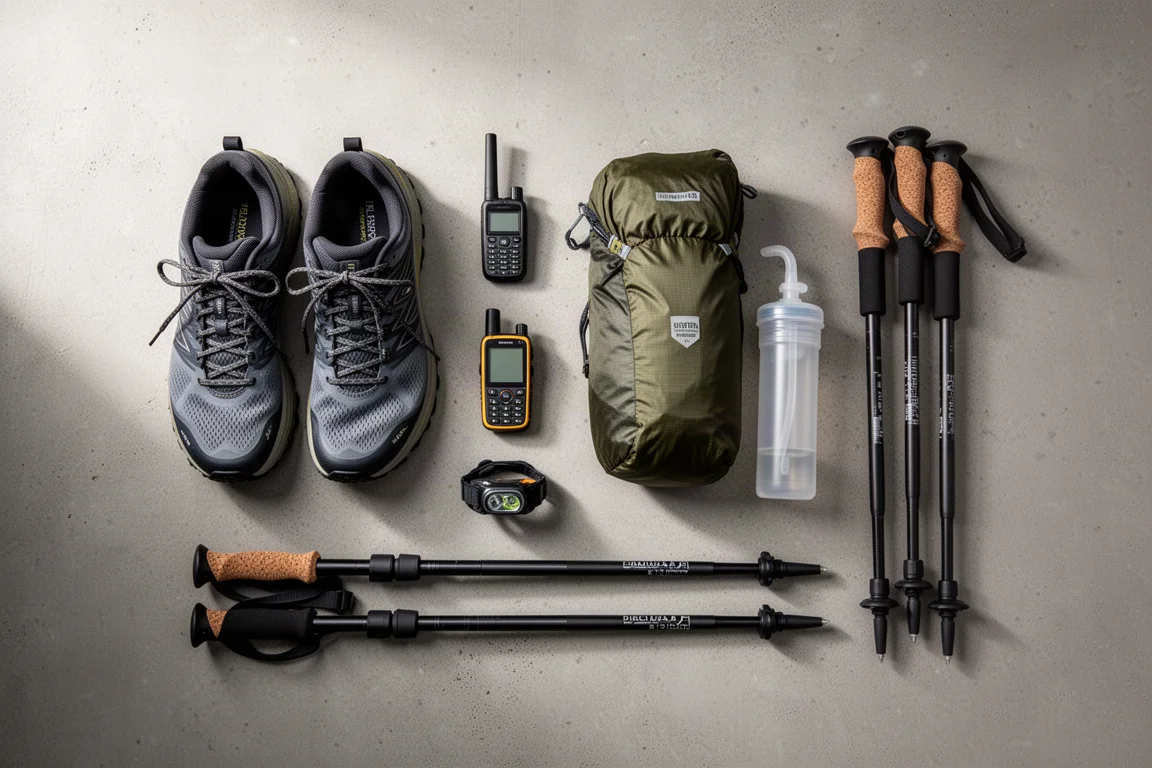
The classic hiking essentials list dates back to the 1930s, and it still holds up. What changes from hiker to hiker is the specific gear that fills it. A workable day hiking kit has to do three things: keep you comfortable on the move, keep you safe if something goes wrong, and give you enough to spend an unplanned night out if weather or a rescue delay forces you to wait.
The items below have earned a permanent place in the pack over hundreds of miles of trail. Nothing here requires a full backpacking setup, and every piece stays light enough to carry on a long day.
What Makes a Good Day Hiking Kit
Three priorities shape this kit. Comfort comes first, because a day hike turns unpleasant quickly with wet feet, hot spots, or a pack that digs into your shoulders. Safety comes second, and it usually means redundancy: more than one way to navigate, more than one way to call for help, and a light source that works when your hands are cold.
The third priority is the overnight contingency. That does not mean tents and cookware. It means a small, light kit that blocks wind and rain, adds warmth, and lets you wait out a night in reasonable shape if you have to.
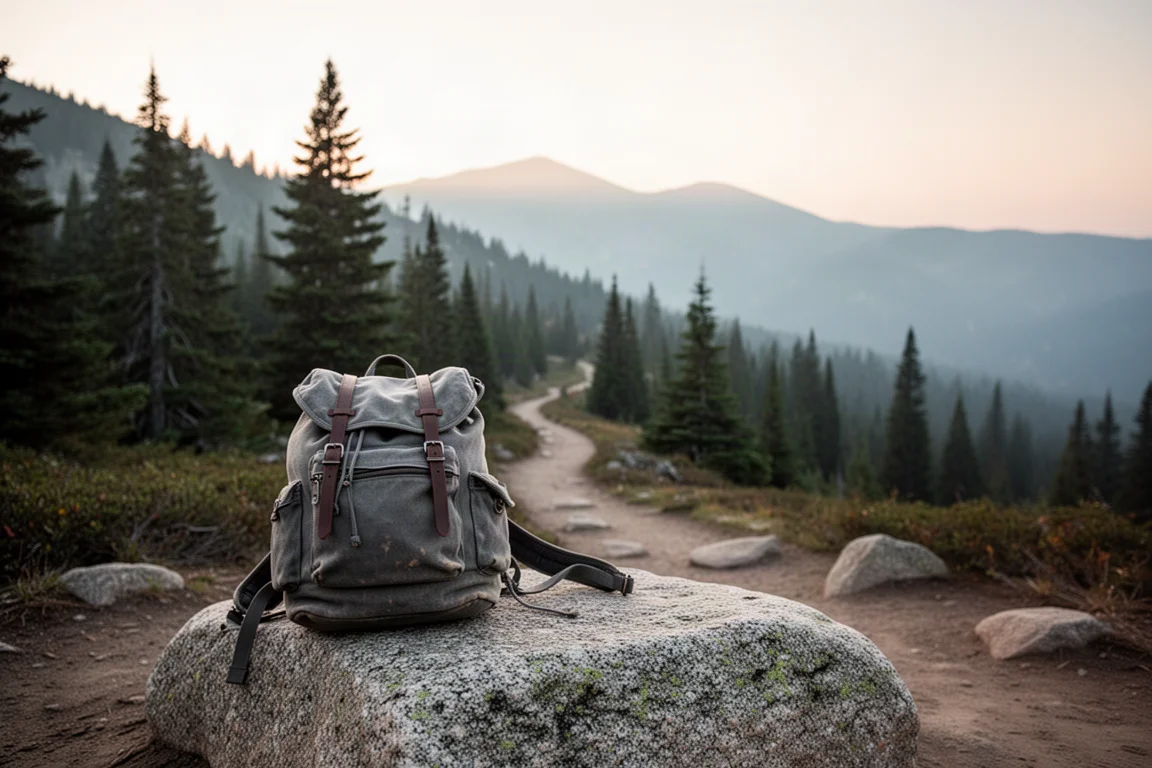
Weight discipline ties all three together. Every item here is chosen so the whole package stays manageable on a long climb. A kit built this way is not about worst-case thinking. It is about removing the small uncertainties that make a hike stressful, so you can focus on the terrain in front of you.
Hoka Speedgoat 5: Trail Shoes That Handle Long Miles
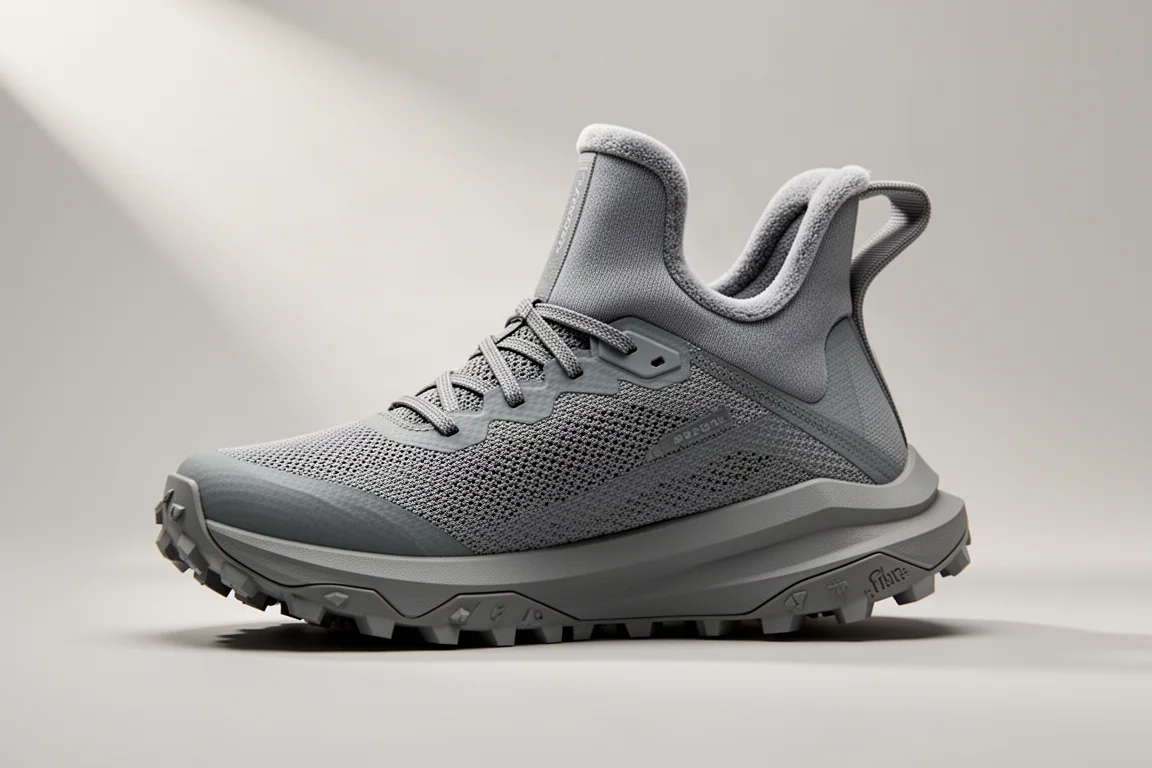
Footwear is the first decision, and the Speedgoat 5 is a strong all-rounder for day hikes. It is lightweight, it dries quickly after a stream crossing or a wet morning, and it has a decent stack height with a low heel-to-toe drop. On trail, it is simply comfortable over long distances.
Fit is the one thing to plan for. These shoes run narrow and do not leave much room for toes to splay when you step down. For an average foot, a wide fit a half size up is a sensible starting point. If you already wear wide shoes, a full size up may work better. That extra room also helps as your feet swell over a long day.
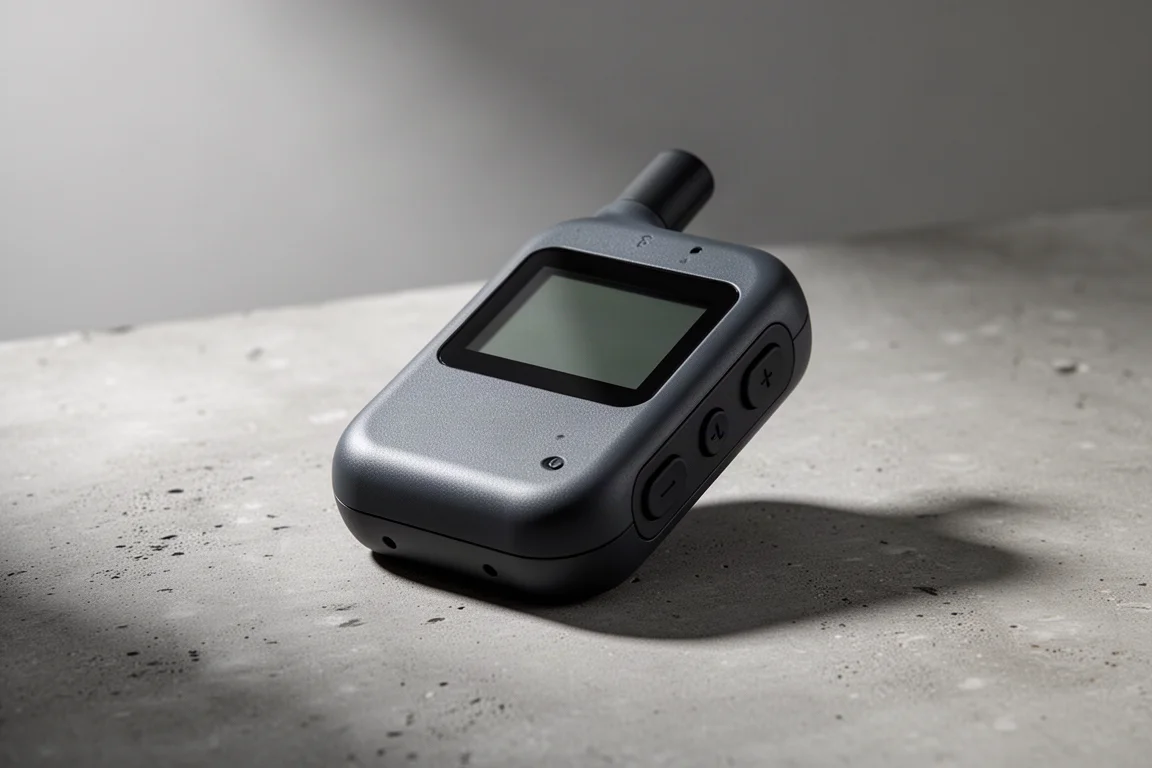
Garmin inReach Mini 2: Satellite Safety You Can Rely On
A satellite communicator is the most important safety item in this kit. The inReach Mini 2 has long battery life, a rugged body, and full button operation, which means you can use it without pairing a phone at all. Weather forecasts, non-emergency messaging, breadcrumb tracking, basic location sharing, and emergency SOS are all available from the device itself.
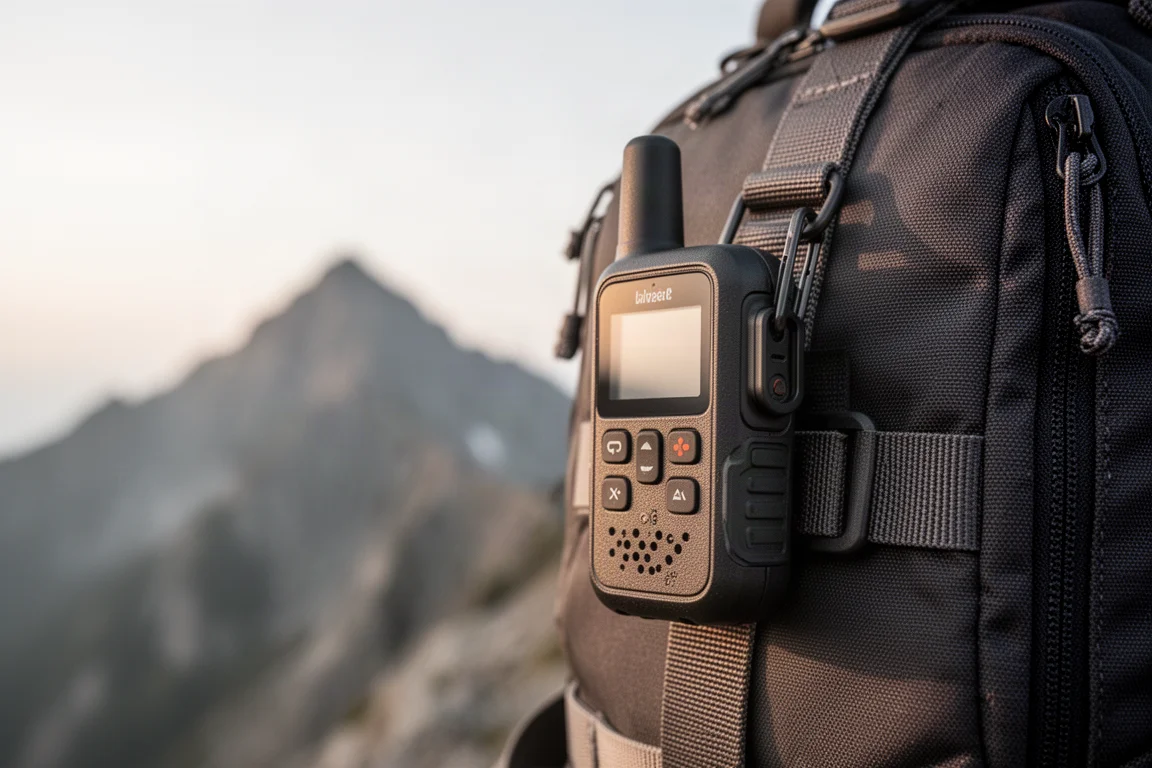
Some newer phones now include their own emergency satellite SOS feature, which is a useful backup. The inReach goes further by supporting two-way text conversations, so you can coordinate with rescuers or family instead of sending a one-way alert. Carrying both is reasonable redundancy, and the device is small enough that the weight never becomes a consideration.
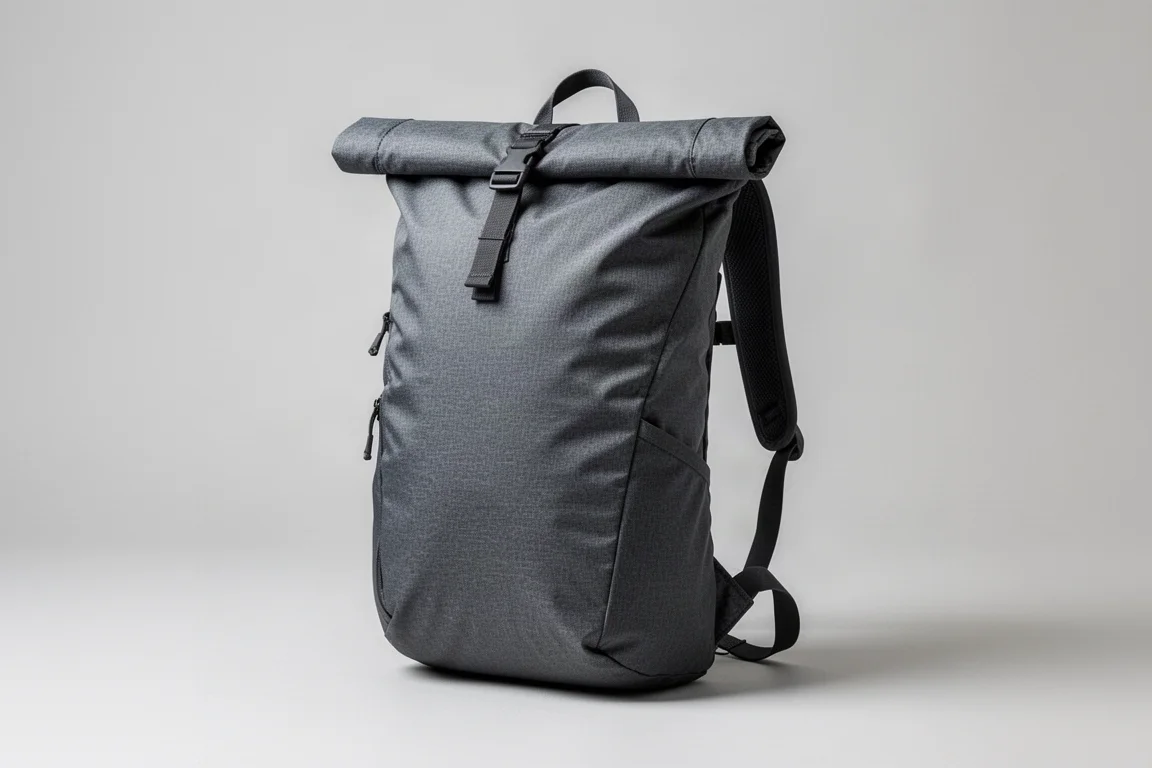
Zpacks Sub Nero 30: An Ultralight Pack for Minimalists
The Sub Nero 30 is about as light as a 30-liter pack gets. It is effectively waterproof, so there is no need for a pack liner or a rain cover, and the design is deliberately minimal. This is a pack for hikers who already know what they want to carry and do not need much organization built in. It rewards a dialed-in kit rather than a packed-to-the-brim one.
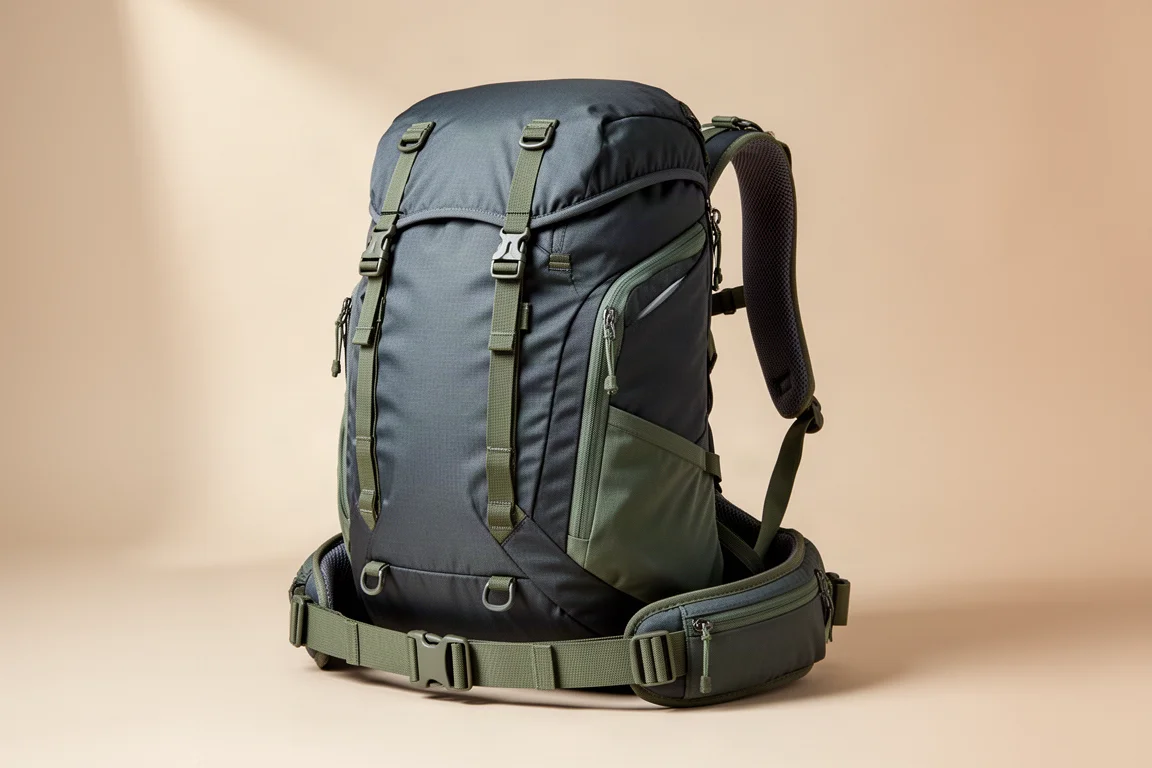
Osprey Stratos 24: Ventilated Carry for Hot Days and Heavier Loads
The Stratos 24 takes a different approach. Its trampoline back panel holds the pack away from your spine, which makes a noticeable difference in the heat, and the structure carries a heavier load more comfortably. It is the pack to reach for on hot days, or when the day’s kit is heavier than usual.
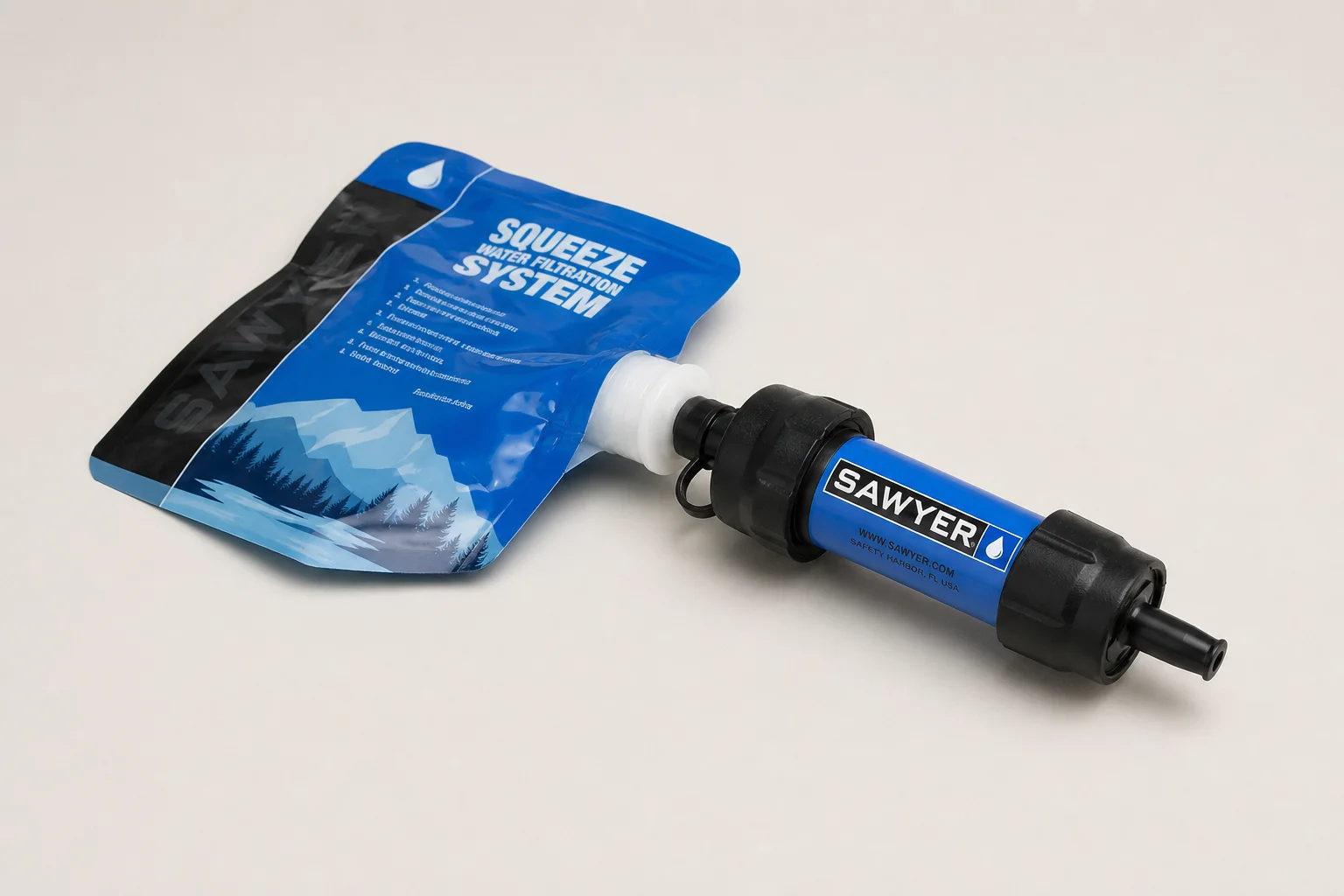
Sawyer Squeeze: Simple Water Treatment on the Trail
Water treatment does not need to be complicated. The Sawyer Squeeze threads directly onto the top of a standard one-liter bottle, and you drink by squeezing the bottle through the filter. It is affordable, easy to find, and durable enough to last for years.
Because it fits ordinary bottles, you can carry a few empties and refill wherever you find water instead of hauling a full day’s supply from the trailhead. One small trick: move a sport flip cap onto a one-liter bottle and you have a convenient way to drink on the move. As a rough guide, three liters covers about twelve miles in summer heat, and less is needed in cooler weather.
Black Diamond Alpine Cork Trekking Poles: Support Where It Counts
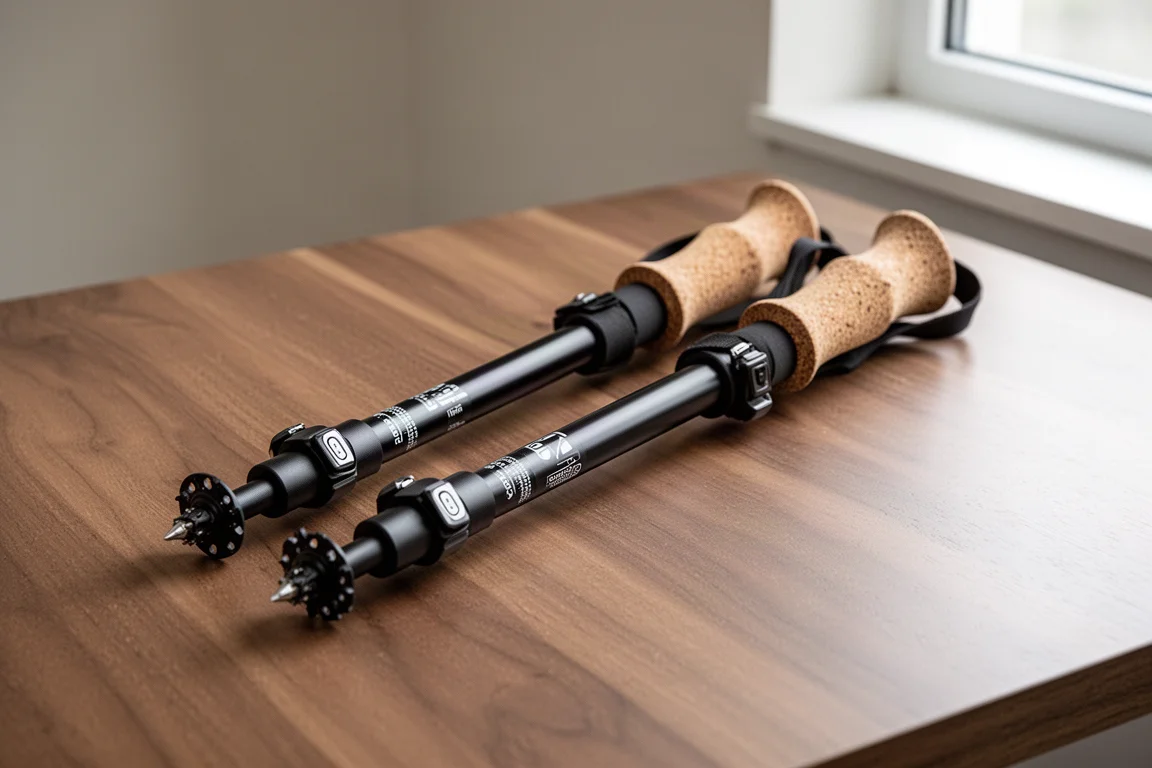
Trekking poles are optional, but they earn their place on steep descents and stream crossings. The Alpine Cork model uses cork grips, which stay comfortable once your hands get sweaty, and the locking mechanism is simple and reliable. They are lightweight and built to take abuse.
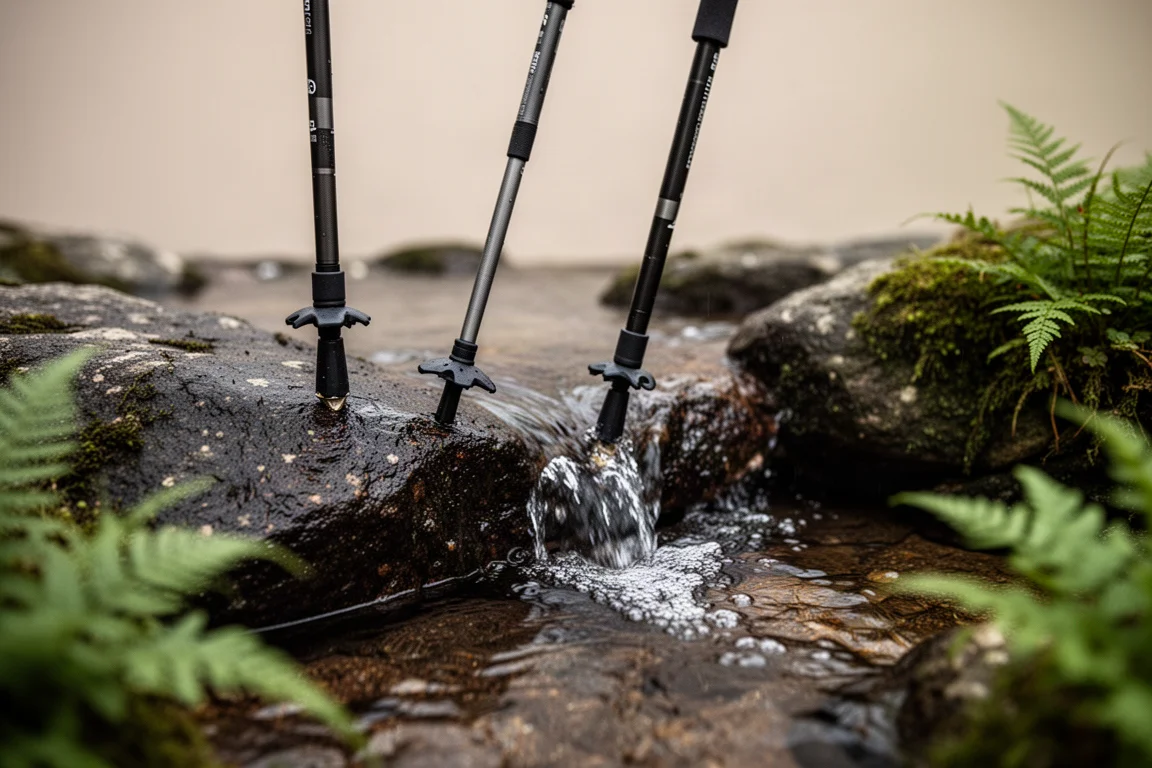
Folding poles are lighter still, but they trade adjustability for that savings, since there is no locking mechanism and you set a fixed height. A practical middle ground is to carry a single pole in a side pocket and pull it out only for a crossing or a long descent. That way you get the support when you want it without committing to two poles all day.
Garmin GPSMAP 67: Button-First Navigation in Bad Weather
Phones handle navigation well in good conditions, and a few apps cover most needs: one is strong for recent trail reports and feedback, another offers a deep library of map layers, including National Geographic maps and overlays for wildfire, wind, weather, and cell coverage with a premium membership, and a third makes offline downloads straightforward. A GPS file with a breadcrumb track can be built before you leave and synced to the phone.
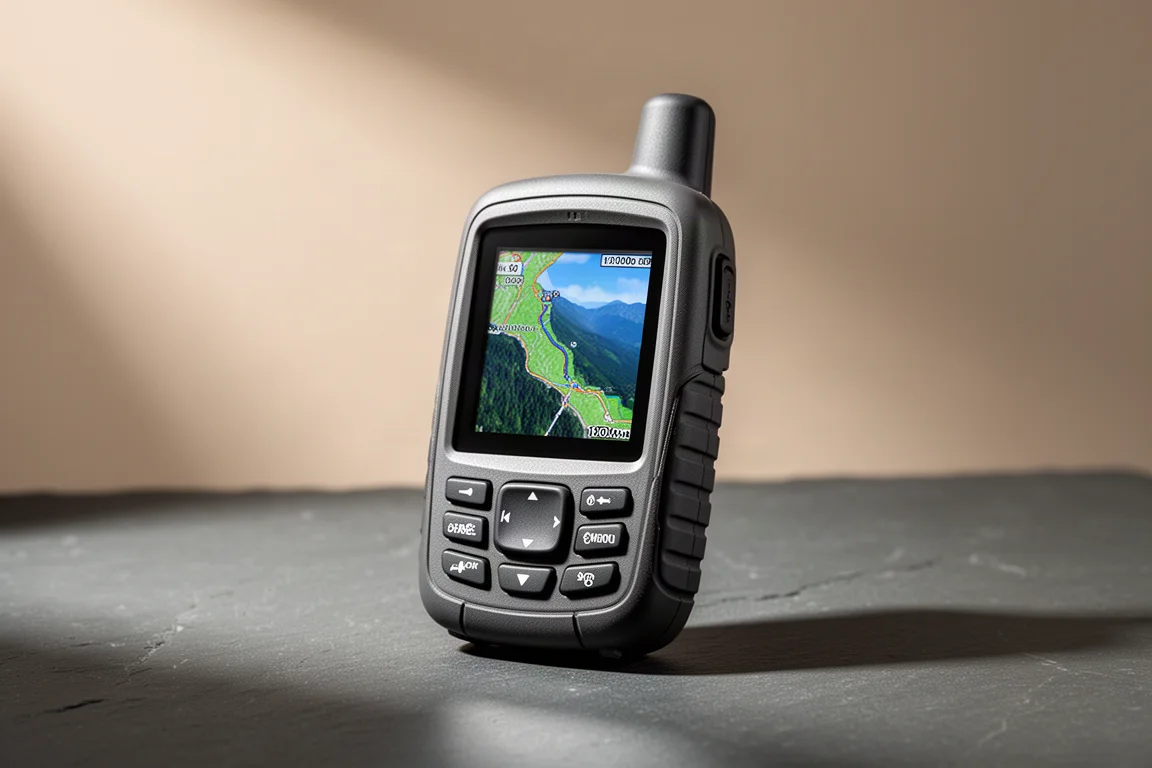
The GPSMAP 67 takes over when conditions turn. It is rugged and waterproof, and it relies on physical buttons with tactile feedback rather than a touchscreen, which matters in rain or when you are wearing gloves. Maps come preloaded, so you only need to load your course, and if you skip that step the trails are already on the device. It lets you navigate on the fly in ways a phone or a watch cannot easily match. Paper maps remain the final backup, and learning basic compass use is worthwhile even if you rarely need it.
Nitecore NU25: A Headlamp That Stays Out of the Way
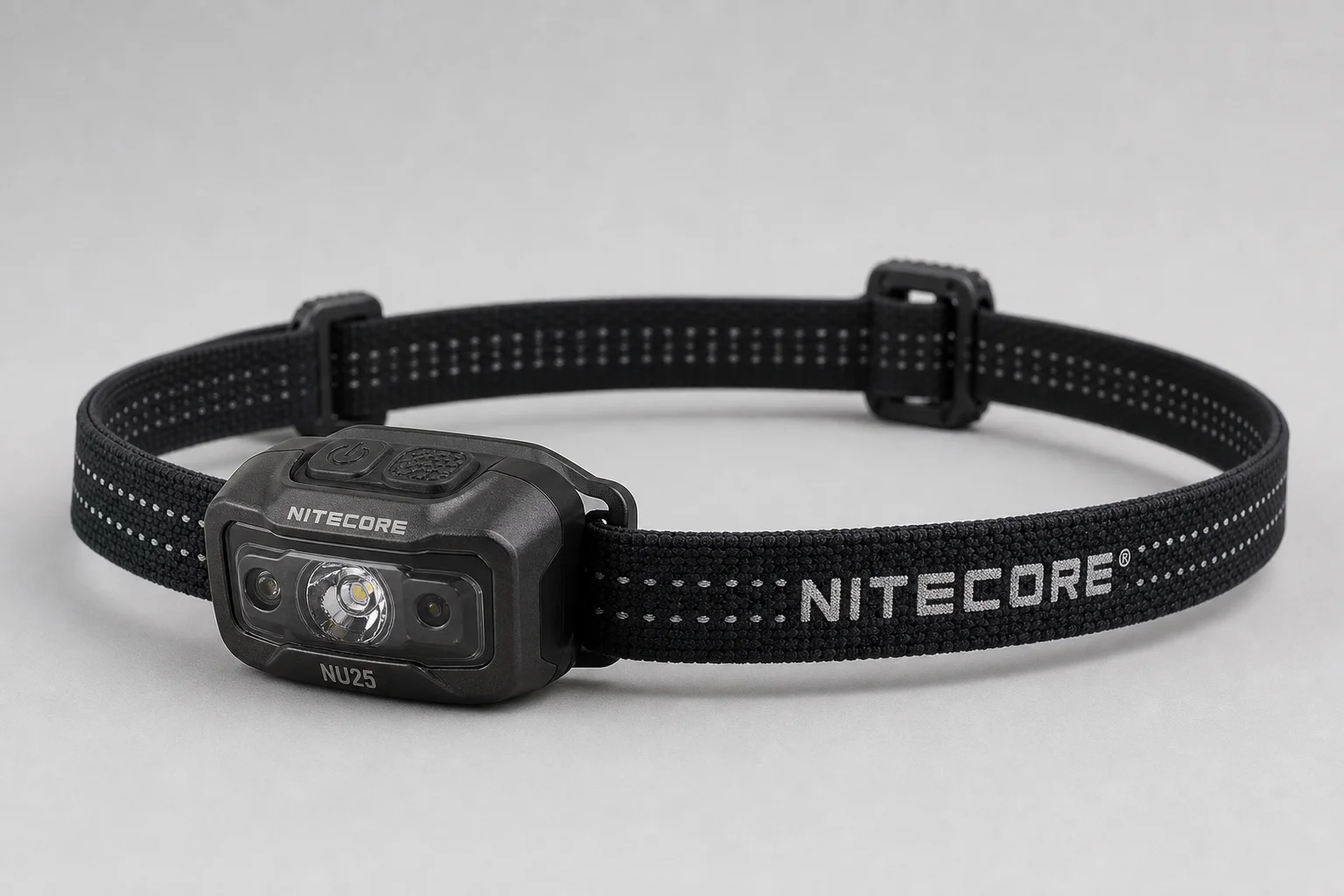
A headlamp is a small item that can ruin a hike if it fails. The NU25 is tiny, light, and simple: a compact body, a single button, a bungee strap with a small clamp at the back, and USB-C charging. It avoids the common annoyances of larger lamps, such as switching on accidentally inside a pack or popping open and spilling batteries. For day hiking, this is all the light most people need.
Kühl Renegade Convertible Pants: One Layer, Two Uses
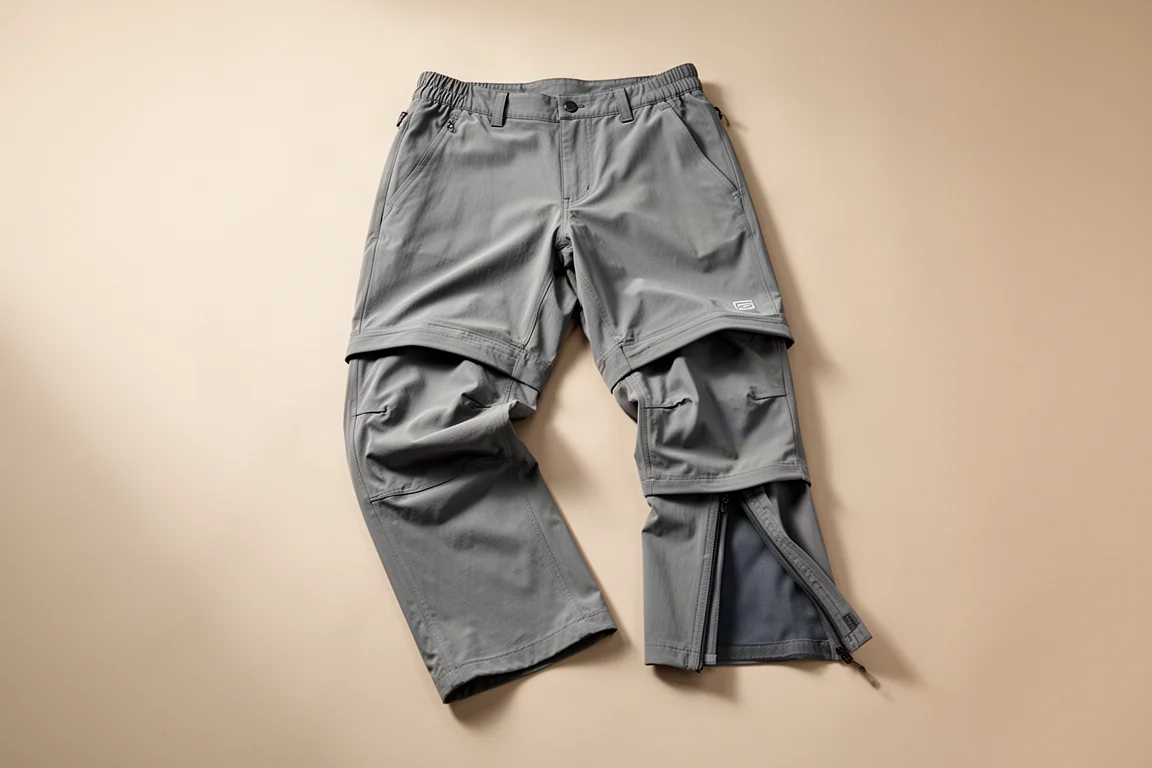
Convertible pants solve a real problem. The Renegade model is rugged, durable, and light, with enough stretch to climb and scramble comfortably. Zip the legs off and you have shorts for warm afternoons. Carry the removed sections in your pack and you can zip them back on when the temperature drops or when the route turns into brushy terrain.
Rounding Out the Kit: Clothing, Food, and Small Extras
The remaining items are small, but they are what make a long day comfortable. Layering covers most weather: lightweight rain pants and a rain shell with an adjustable hood that stays peaked in wind, a visor that doubles as a sweatband in the heat, a light beanie that pairs with the visor when it turns cold, and a long-sleeve layer or hooded top that can be rolled up or down as conditions change. Cushioned merino socks in a micro crew height hold up for years, wick moisture, and reduce blister problems, especially when paired with shoes sized slightly roomy. Lightweight sunglasses are worth carrying for bright days above treeline or in the desert, where glare can make it hard to read the ground.
Food stays simple and calorie-dense. Salted nuts, trail mix with dried fruit, and a couple of bars cover most hikes, with an all-natural fruit-based energy gel reserved for a hard climb that needs a quick boost. For power, a compact 10,000mAh battery pack and a short USB-C cable keep a phone, headlamp, and camera charged, and a magnetic battery that snaps to the back of a phone is a convenient option for phone-first hikers. Putting the phone in airplane mode saves a surprising amount of battery.
Bug and wildlife protection rounds things out. A lemon eucalyptus repellent keeps insects away without DEET, which can damage nylon packs and other synthetic gear, and a head net is worth carrying when the bugs are truly out of control. In bear country, bear spray is the standard defense, and it also works on mountain lions. Finally, a small hygiene kit with a lightweight trowel, a mini roll of toilet paper, and hand sanitizer handles the practical side of a long day, and a compact umbrella is useful for both rain and shade on exposed stretches. Organization is easy to overlook: resealable bags or lightweight stuff sacks keep layers, food, and emergency items separated so you can find them without unpacking everything.
Buying Advice: Match the Kit to the Hike
Start with footwear and water treatment. Those two decide how the day feels, and they are the items most worth getting right before anything else. Add a satellite communicator if you hike anywhere without reliable cell coverage, and treat it as the core of your safety kit rather than an optional extra.
Navigation deserves redundancy, but not necessarily three devices. A phone with downloaded maps and a paper map cover most day hikes. A handheld GPS unit earns its place when you expect rain, heavy brush, or long routes where a touchscreen and a battery-hungry phone become liabilities.
Layering and a small emergency kit complete the picture. Carry enough to stay warm through an unplanned night: a reflective emergency bivy, a bit of cordage that doubles as tinder, a rechargeable lighter, a whistle, a small blade, and a compact medical pouch with electrolyte tablets, antibiotic ointment, bandages, alcohol wipes, and a strip of adhesive tape. Keep it in a single bag so it stays light and easy to check before every hike. If you buy most of your gear from one outdoor retailer, a lifetime membership that returns roughly ten percent of most purchases as an annual dividend can pay for itself quickly.
Conclusion
A good day hiking kit is not a long list of gear. It is a small set of items that cover comfort, safety, and an unplanned night out without weighing you down. Get the shoes and water treatment right first, add satellite communication and navigation redundancy for the terrain you actually hike, then round out the layers and the emergency pouch. From there, the kit evolves as you learn what you reach for and what stays at the bottom of the pack.
Further reading
Related Reviews
Hiking Gear
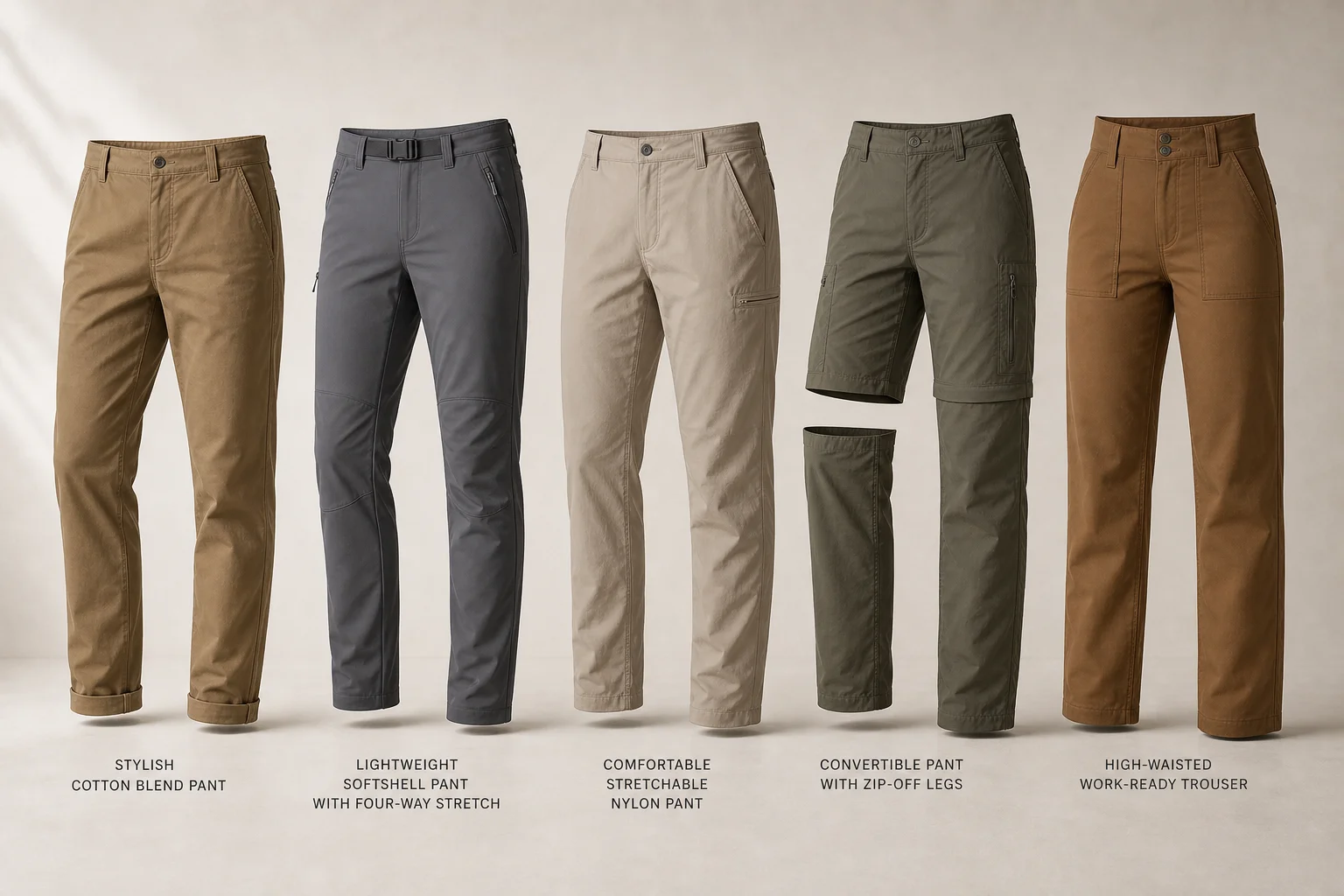
Best Hiking Pants on Amazon: Five Practical Options for Different Needs
A practical review of five hiking pants with clear strengths and trade-offs, from lightweight convertible styles to durable work-ready trousers.
Hiking Gear
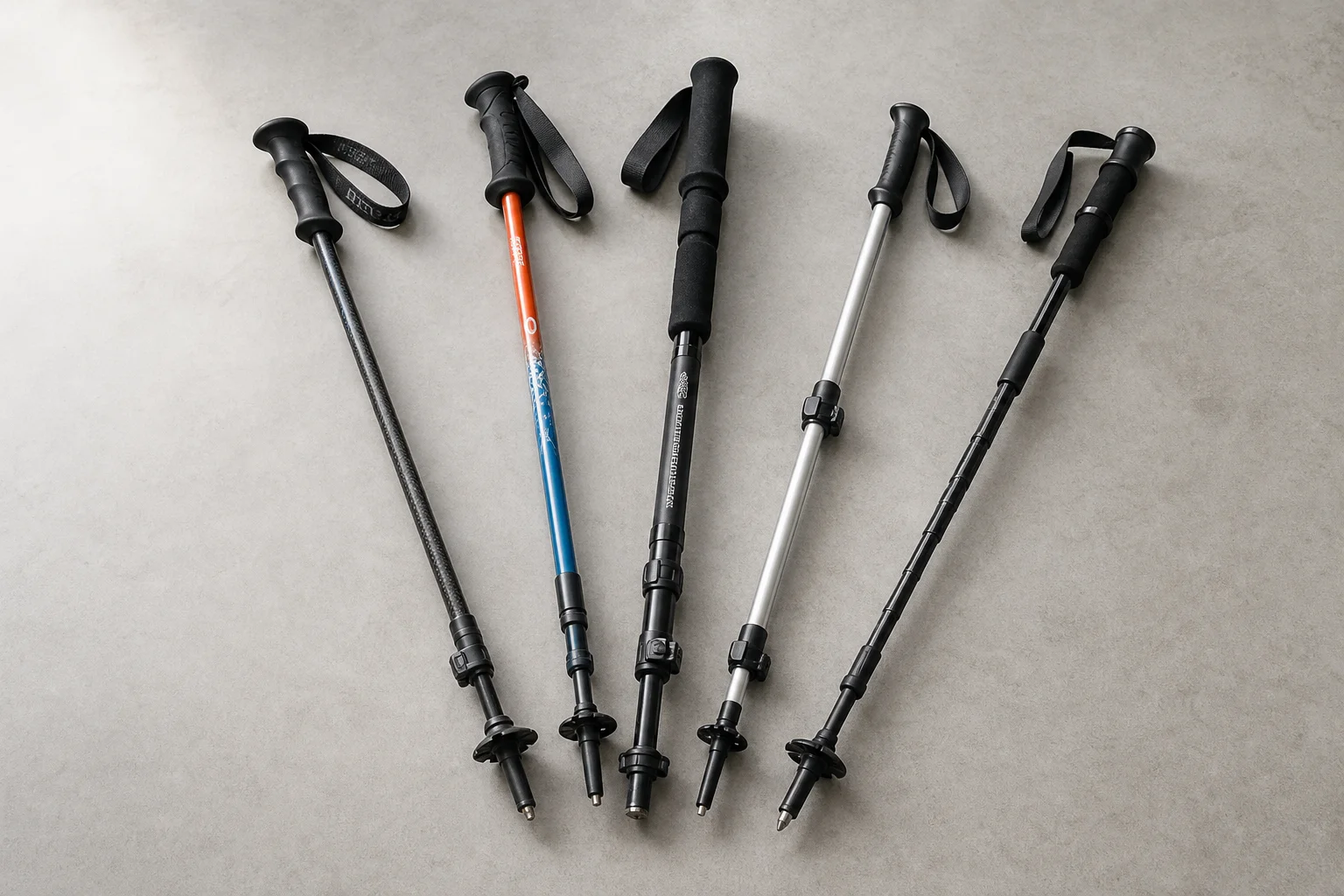
Best Hiking Poles 2026: Five Options for Different Trail Needs
A practical review of five hiking poles, from lightweight carbon designs to versatile all-terrain options, with clear strengths and trade-offs for each.
Hiking Gear
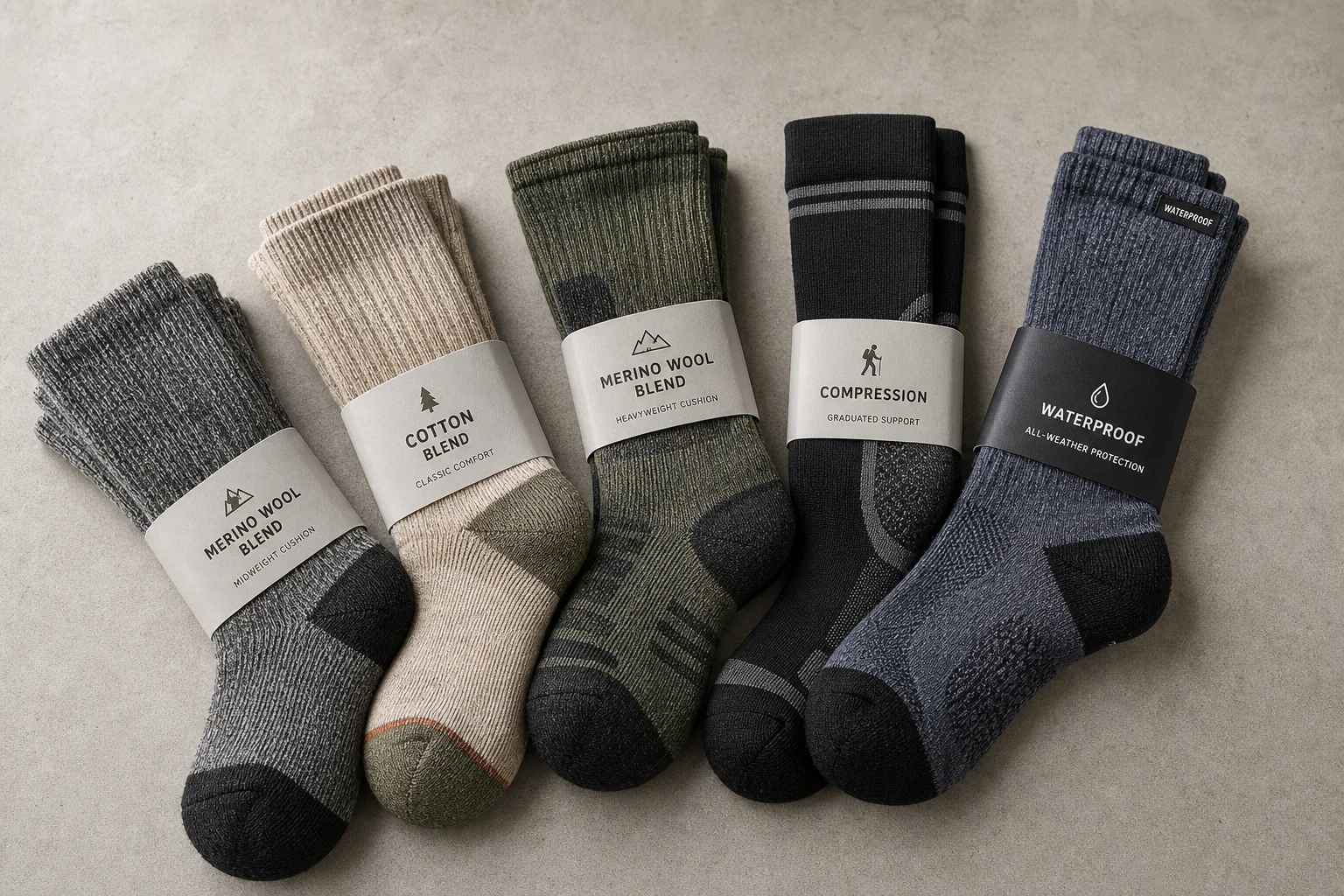
Best Hiking Socks 2026: Five Top Choices for Different Trail Needs
A practical roundup of five hiking socks, from lightweight merino options to heavy-duty compression styles, with clear guidance on which suits your outdoor activity.