Dash Cams
Best Dash Cams Compared: 6 Top Performers From Budget to 4K
We compared six dash cams across license plate readability, motion sharpness, sunset exposure, and night vision to find out which ones are actually worth the money.
Introduction
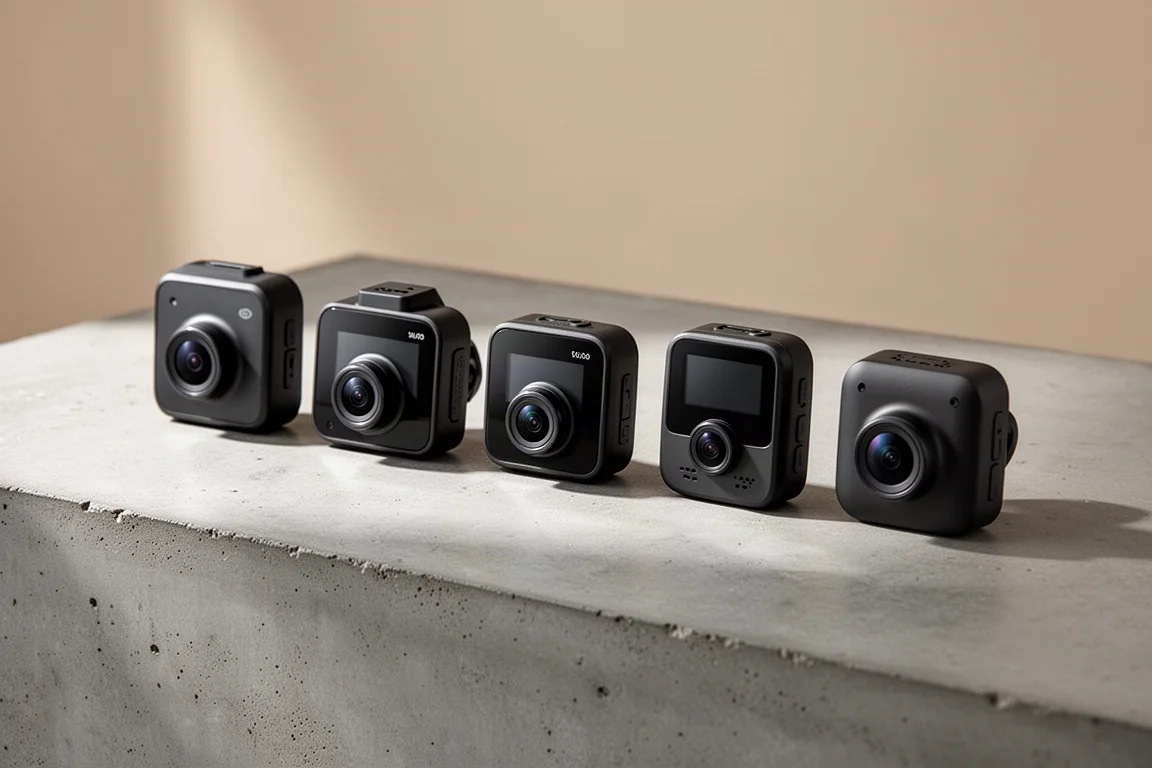
Dash cams vary wildly in real-world performance, and a higher price does not always guarantee a better image. We compared cameras ranging from a $22 entry-level model to $114 premium options, testing how well each one reads license plates, captures road signs while moving, handles sunset glare, and records at night.
The results were surprising. Some budget cameras promise high resolutions they cannot deliver, while one camera priced well below the most expensive options outperformed nearly everything in the lineup.
How We Tested
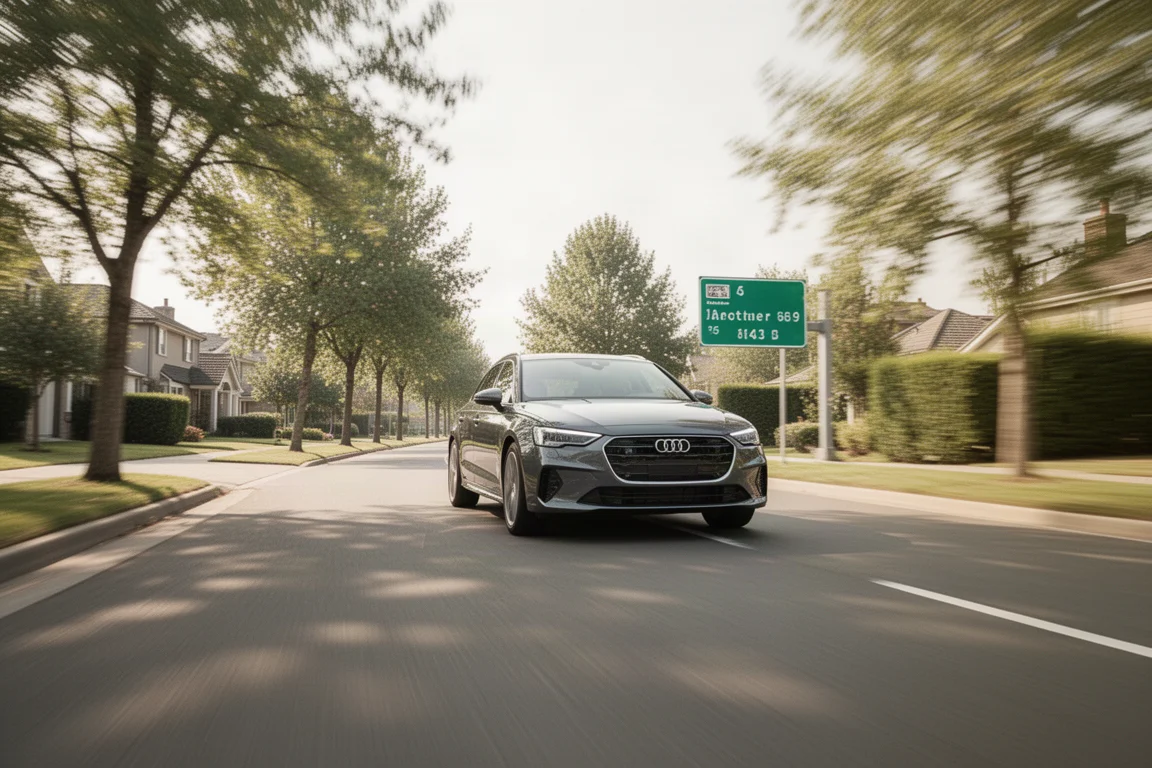
Each camera faced three core challenges. First, license plate readability facing directly into the sunset, measured in 5-foot increments from 10 feet out to 30 feet. Second, sharpness while capturing road signs while driving past them at approximately 35 mph. Third, night vision performance, judged on how far away a reflective street sign could still be read.
Sunset exposure was scored separately, since glare is one of the hardest conditions a dash cam faces. Every camera was also compared on a lighted box sign with a digital gas price display, one of the most challenging low-light, high-contrast scenarios for any camera sensor.
Best All-Rounder: Viofo
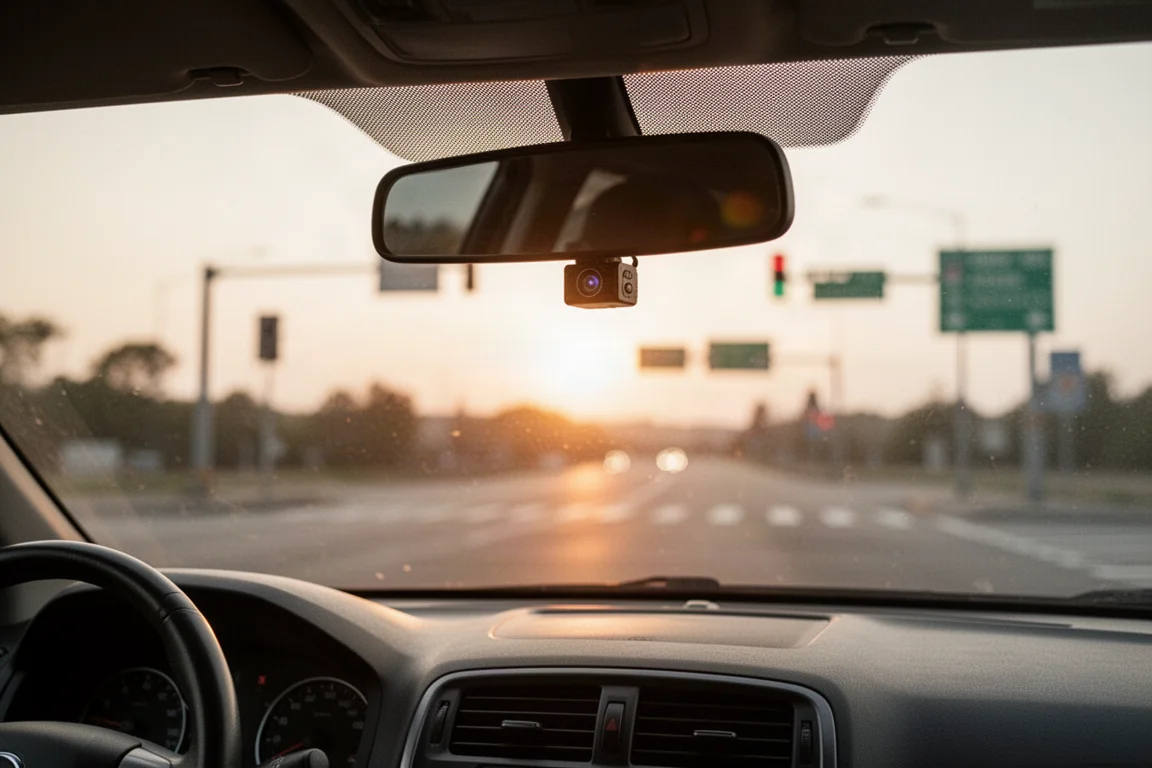
The Viofo is a front-only dash cam with a claimed 1440p resolution at 60 frames per second, a 5 MP Starvis sensor, a 140° wide-angle lens, built-in GPS, and buffered parking mode. It does not record the rear of the car, which is the main trade-off, but its image quality was the best in the entire comparison.
Even facing directly into the sunset, exposure stayed close to perfect, and it produced the sharpest image of the lineup. License plates remained readable at 30 feet, a distance no other camera matched. In the moving road sign test, its 1440p footage held up against cameras claiming 4K. In night vision, it pulled into the lead as early as the third stopping point and delivered the cleanest images from there on. On the lighted box sign test, it was readable from a couple hundred feet away and clearly the best up close.
Across all tests, it ranked first overall with an average finish of 1.3. If you only buy one dash cam, this is the one, and adding a separate rear camera later is an easy upgrade path.
Best for Rear Coverage: Red Tiger
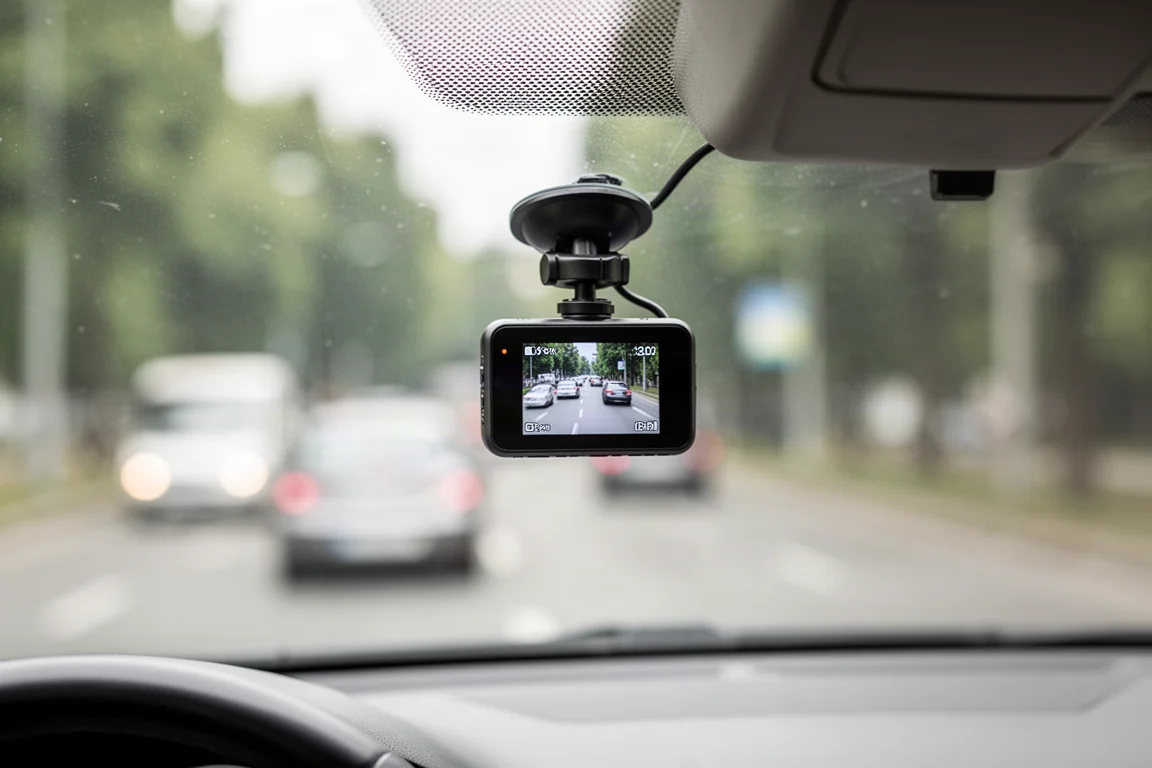
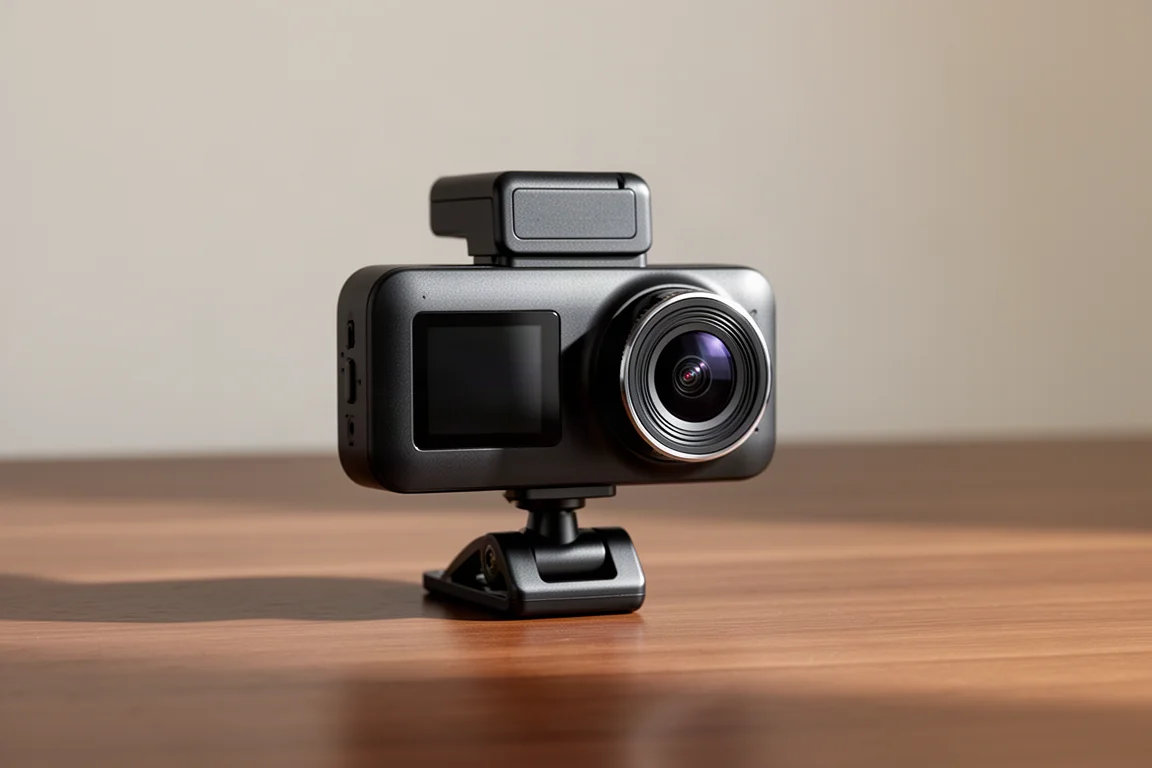
The Red Tiger is a very popular dual-channel dash cam with a claimed full 4K front camera and a rear camera, built-in Wi-Fi GPS, a 3.16-inch screen, a 32 GB SD card, and night vision support. At $100 with a coupon, it packs a lot of hardware for the price.
In sunset testing, brightness levels looked excellent, and license plates were very easy to read at 10 and 15 feet, with strong results at 20 and 25 feet. It performed nearly as well as the top performer in the moving sign test, and it delivered one of the best night vision results, reading the street sign as early as the fourth stopping point. The lighted box sign was its one weak spot, where the digital display proved hard to read.
It finished second overall with an average ranking of 2.2 and was among the top-rated cameras for sunset exposure. If you want front and rear coverage in one purchase, this is a very strong pick.
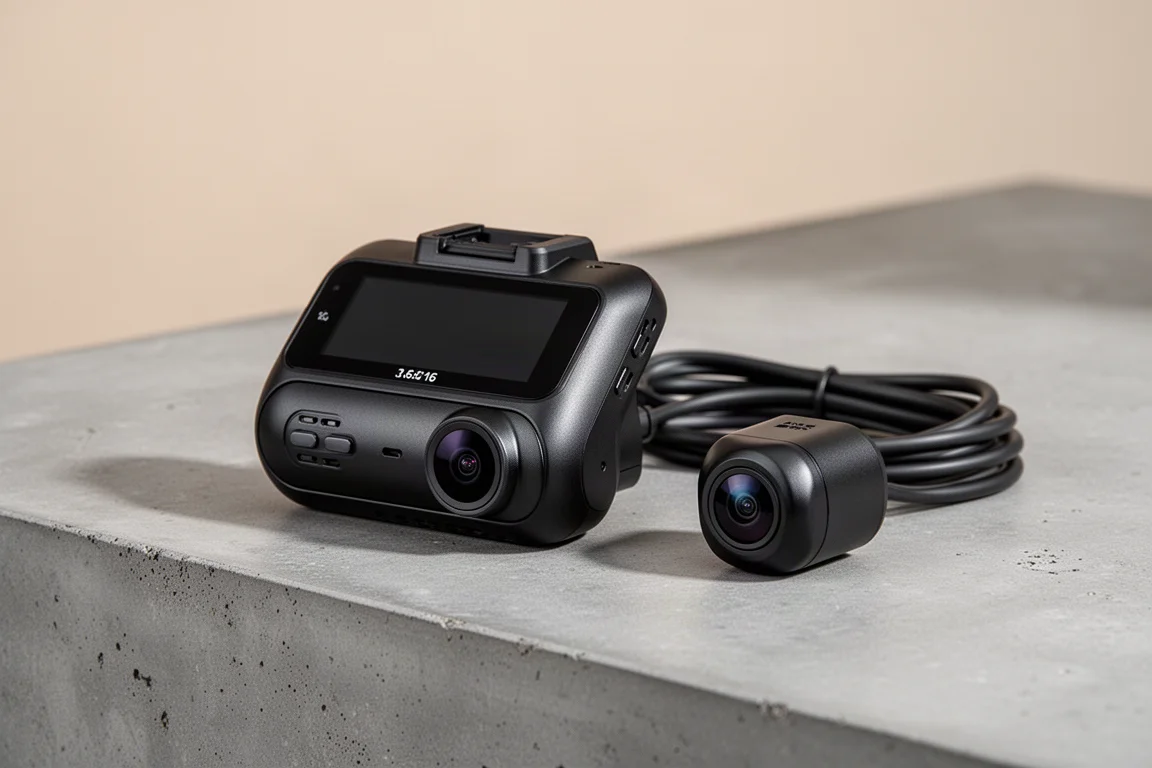
Best Value 4K: Cool Crazy
The Cool Crazy is a front and rear dash cam claiming 4K ultra-clear recording, 5G Wi-Fi, GPS tracking, and ultra-high-definition 2160p night vision. At $90, it outperformed several more expensive competitors.
Sunlight exposure was the best of any camera tested up to that point, and license plates stayed readable out to 25 feet. In the moving road sign test, it delivered by far the sharpest image of both signs and background trees, ranking it among the top two. On the lighted box sign test, it was the best performer up to that point, with the sign and digital display both easy to read.
It finished third overall with an average of 2.7 and beat the Red Tiger specifically in the lighted sign category. For buyers who want strong all-around 4K footage at a mid-range price, it is an excellent choice.
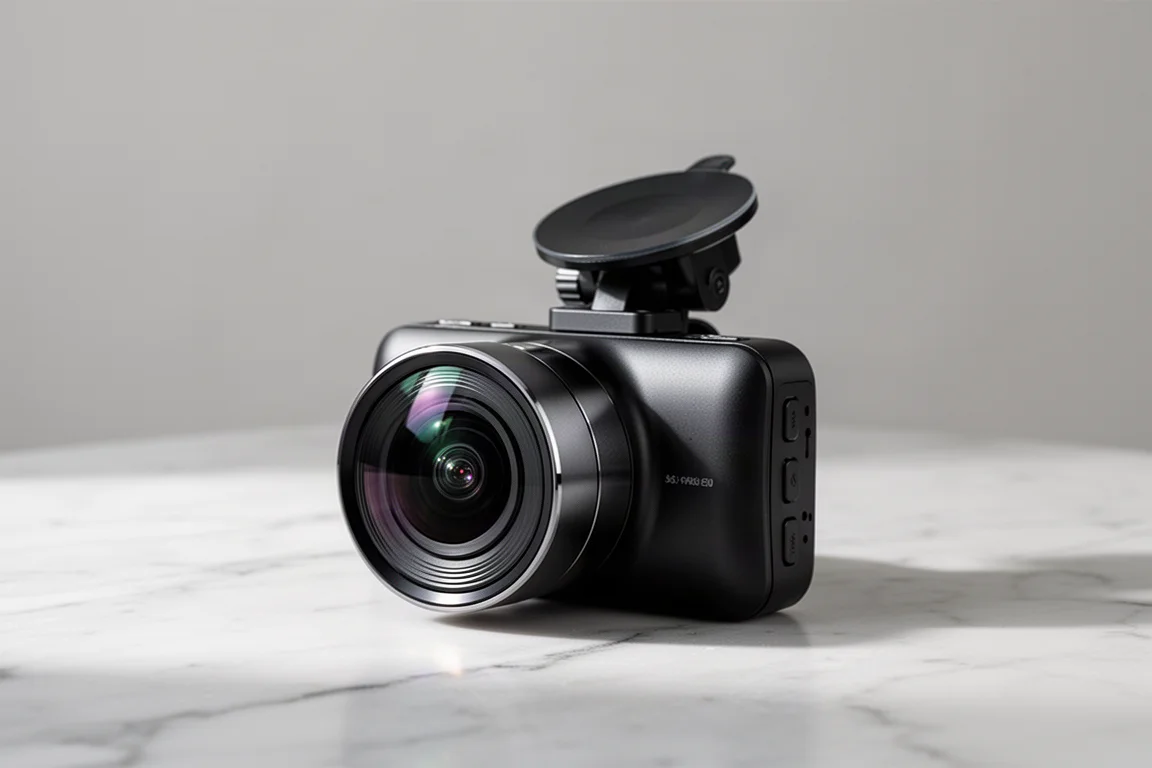
Strong Runner-Up: Rove R2
The Rove R2 claims a Starvis 2 sensor, full 4K front recording with a 1080p rear camera, a fast 20 Mbps download speed, GPS, and it ships with a 128 GB SD card included. At $100, it is priced the same as the Red Tiger.
It produced one of the sharpest images yet in sunset testing, with the 75-foot distance marker clearly visible and license plates easy to read at 10 and 15 feet. In the moving sign test, it matched the Red Tiger closely. Night vision was solid, though not quite at the level of the Cool Crazy, with a sharp image captured from the fifth stopping point. The lighted box sign test went well, with both the sign and digital display readable, though not quite as sharp as the Cool Crazy.
It is a well-rounded option that competes closely with the Red Tiger, and the included 128 GB card is a practical bonus many rivals omit.
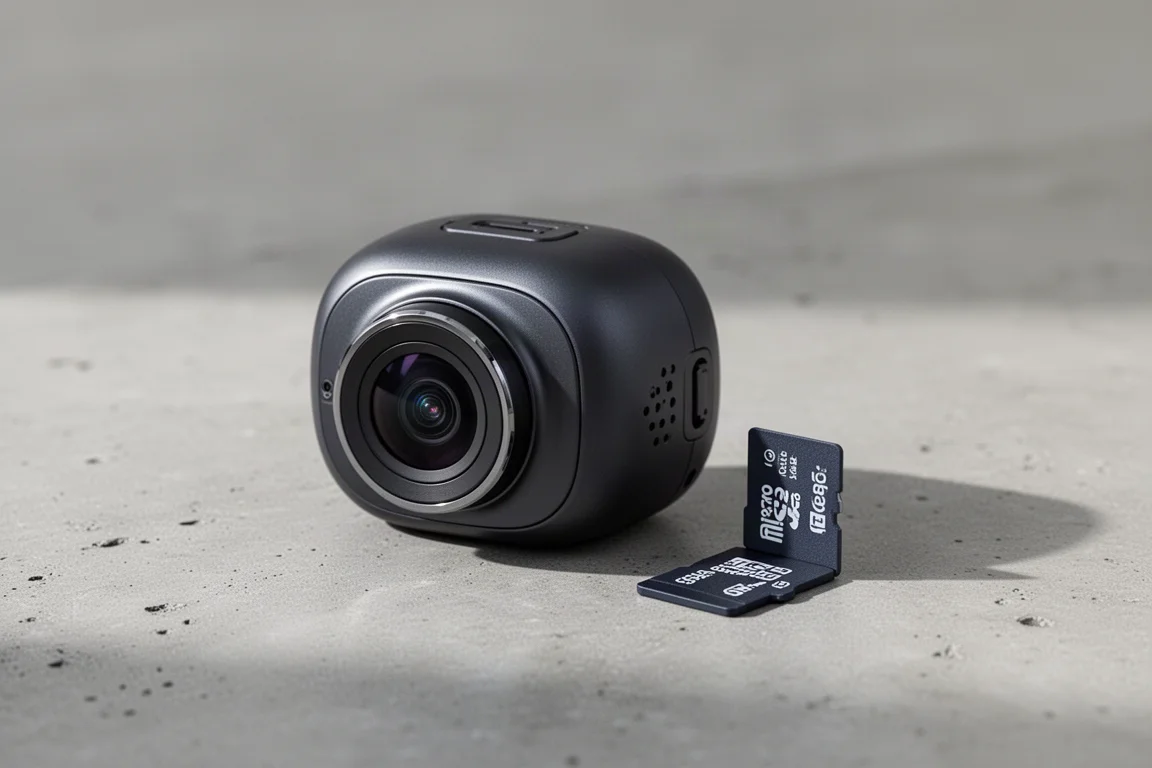
Best Three-Channel Option: Wolfbox i07
The Wolfbox i07 is a three-channel dash cam with a full 4K forward camera and two additional 1080p cameras, a 32 GB SD card, IR night vision, 24-hour parking mode, and six infrared LEDs using advanced Starvis technology. At $114 with a coupon, it is the most versatile configuration in this comparison for monitoring front, rear, and cabin.
Sunset caused some underexposure, but the 75-foot marker was almost as sharp as the best in class, and license plates were very clear at 10 and 15 feet. In the moving sign test, it delivered one of the sharpest images of the day, tying for the top rating. Night vision was strong, reading the street sign from the fourth stopping point. The lighted box sign test was its weak spot, with the display only marginally readable.
It tied for second place in night vision with an average finish of 1.5. If interior and rear coverage matter as much as image quality, this is the model to shortlist.
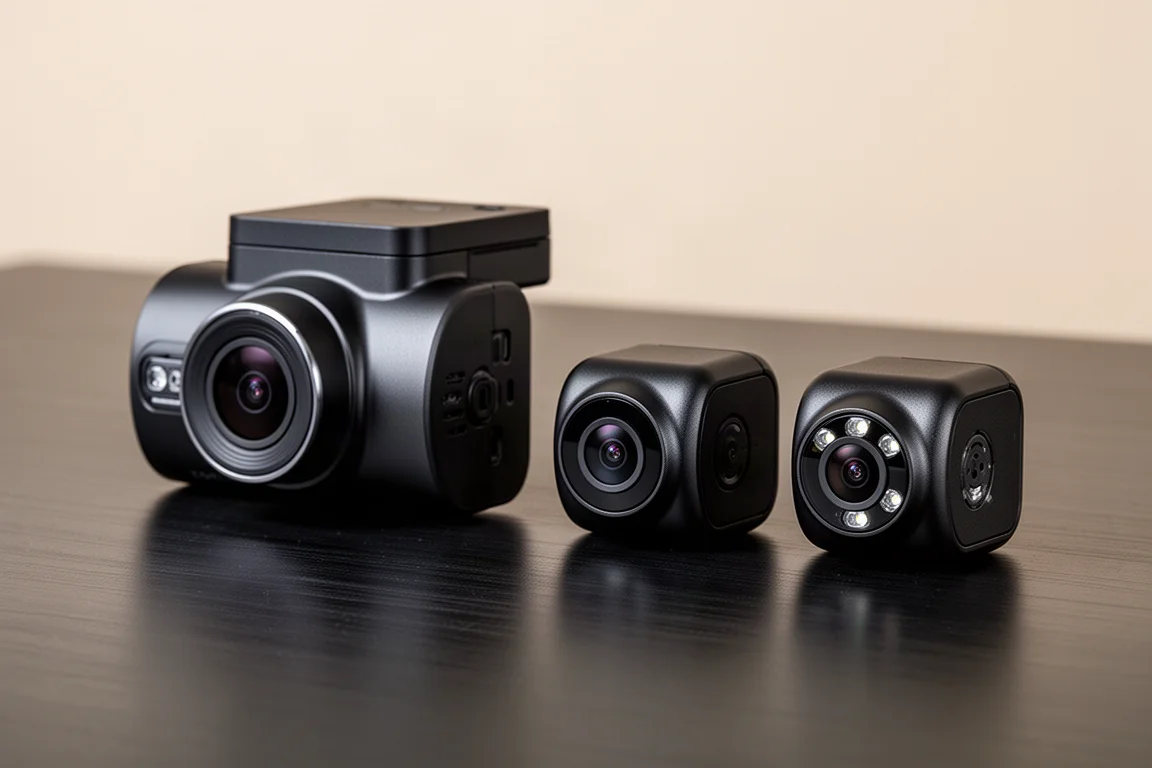
Budget Pick: Apeman K600
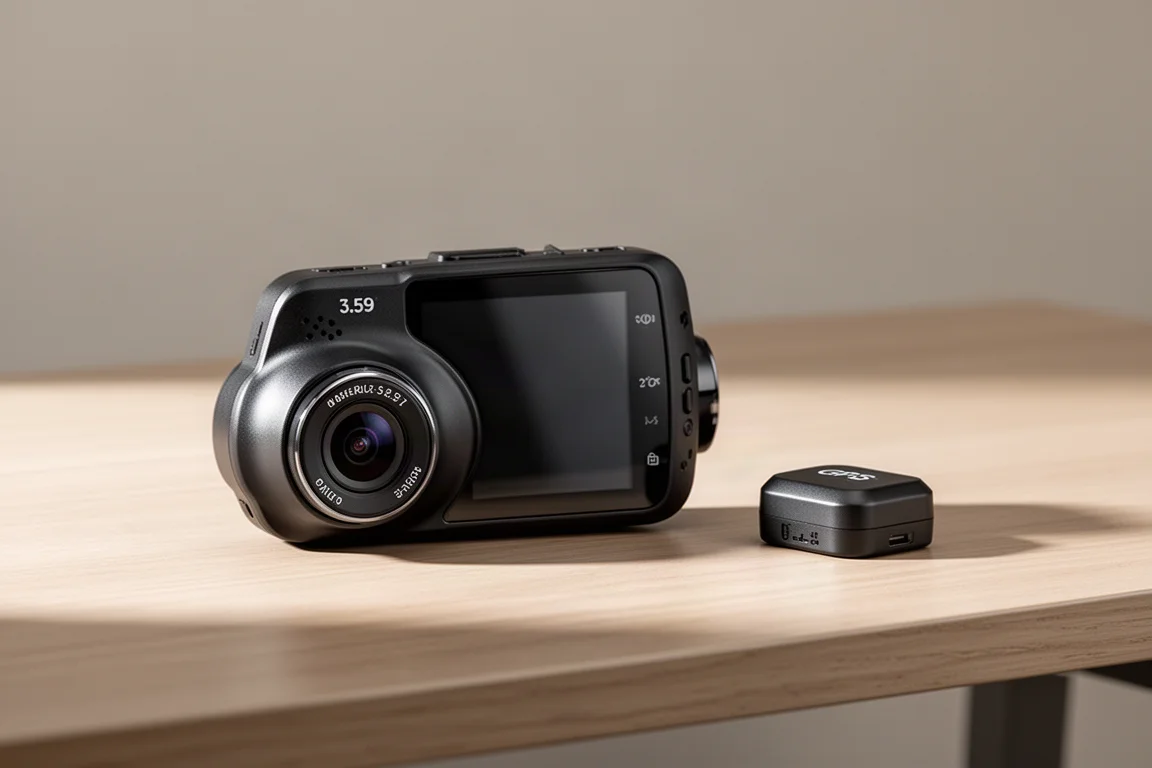
The Apeman K600 is a dual-channel dash cam claiming 4K ultra-clear recording with 5G Wi-Fi, GPS tracking, a 3.59-inch screen, and a 32 GB SD card included. At $65, it sits in the middle of the price range and punches above some of its cheaper rivals.
Sunset exposure was well balanced and noticeably better than the budget tier, and it produced the sharpest image up to that point in the comparison, with license plates readable at 10 and 15 feet. However, in the moving road sign test, both signs looked grainy despite the 4K claim, and it struggled in the lighted box sign test, where the digital display was unreadable.
It is a reasonable step-up from true budget cameras, but buyers wanting consistent moving footage and low-light clarity should look at the higher-ranked options above.
What About the Budget Tier?
The cheapest cameras in the comparison, including the $22 V300, the $30 Apeman 1080p, the $40 Maidan S7, and the $45 E-Yegor S60, all struggled in most tests. License plate readability generally faded between 15 and 20 feet, road signs while moving were often grainy or unreadable, and sunset exposure was either too dark or too washed out. The E-Yegor was the weakest overall, unable to read a street sign at any stopping point in the night test.
One exception: the Maidan S7 performed noticeably better at night than in daylight, with the street sign at its final stopping point the easiest to read among the early group. If your budget is strictly under $50, expectations should be modest, and the price difference to the mid tier is usually justified.
Night Vision and Low-Light Performance
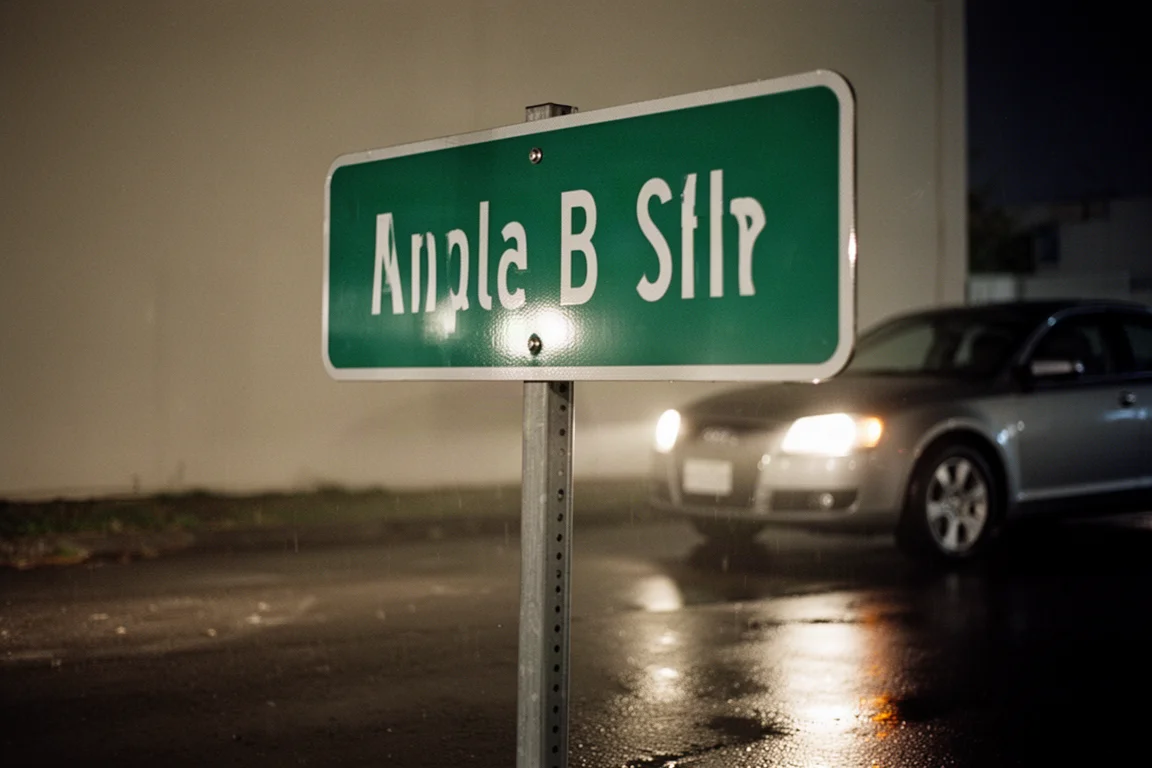
Night testing separated the field more than any other category. The Viofo ranked first with the best possible rating, catching a readable image as early as the third stopping point and staying sharp through the sixth. The Red Tiger and Wolfbox i07 tied for second, both reading the sign from the fourth stopping point. The Cool Crazy and Rove followed, while the 1080p Pruveo and the budget models lagged well behind.
The final lighted box sign test told a similar story: the Viofo was by far the best, the Cool Crazy nearly matched it, and the Rove took third. Cameras that handled glare and low contrast well tended to dominate across every night scenario.
Buying Advice
Overall rankings put the Viofo first with an average finish of 1.3, the Red Tiger second at 2.2, and the Cool Crazy third at 2.7, followed closely by the Rove R2 and Wolfbox i07. The performance gap between the best and worst cameras was far larger than the price gap might suggest.
If you want a single camera, the Viofo is the safest choice, with a rear camera added separately if needed. If you want front and rear coverage out of the box, the Red Tiger and Cool Crazy are both compelling at their prices, and the Wolfbox i07 is the way to go if you need three channels.
One caution: manufacturer marketing claims and actual specifications did not always line up consistently across brands, so double-check specs before buying. Also note that none of the tested in-cabin cameras offered 4K, and 1080p interior footage was not considered acceptable performance.
Conclusion
Image quality differences between dash cams are real and significant. The Viofo proves that a well-tuned 1440p sensor can beat cameras claiming 4K, while the Red Tiger, Cool Crazy, Rove R2, and Wolfbox i07 form a strong second tier at their respective price points. Match the camera to your coverage needs, prioritize real-world low-light performance over resolution marketing, and any of the top picks will serve you well.
Further reading
Related Reviews
Dash Cams
70mai 4K T800 Dash Cam Review: Three-Channel Coverage With 4K Front and Rear
A three-channel dash cam with 4K front and rear recording, dual Sony Starvis 2 sensors, and optional 4G connectivity for remote vehicle tracking.
Dash Cams
70mai M310 Review: A $33 Dash Cam That Covers the Basics
The 70mai M310 is an ultra-budget dash cam that records at 1296p, offers basic parking modes, and works with a Wi-Fi app. Here is how it performs and who it suits.
Dash Cams
Best Dash Cam Black Friday Deals 2026: Top Picks Across Every Price Point
A practical guide to the best dash cam deals this Black Friday, covering front-only, multi-channel, cloud-connected, and budget-friendly options.