Everyday Carry
Best Crossbar Lock Knives Compared: From Budget Gems to Premium Classics
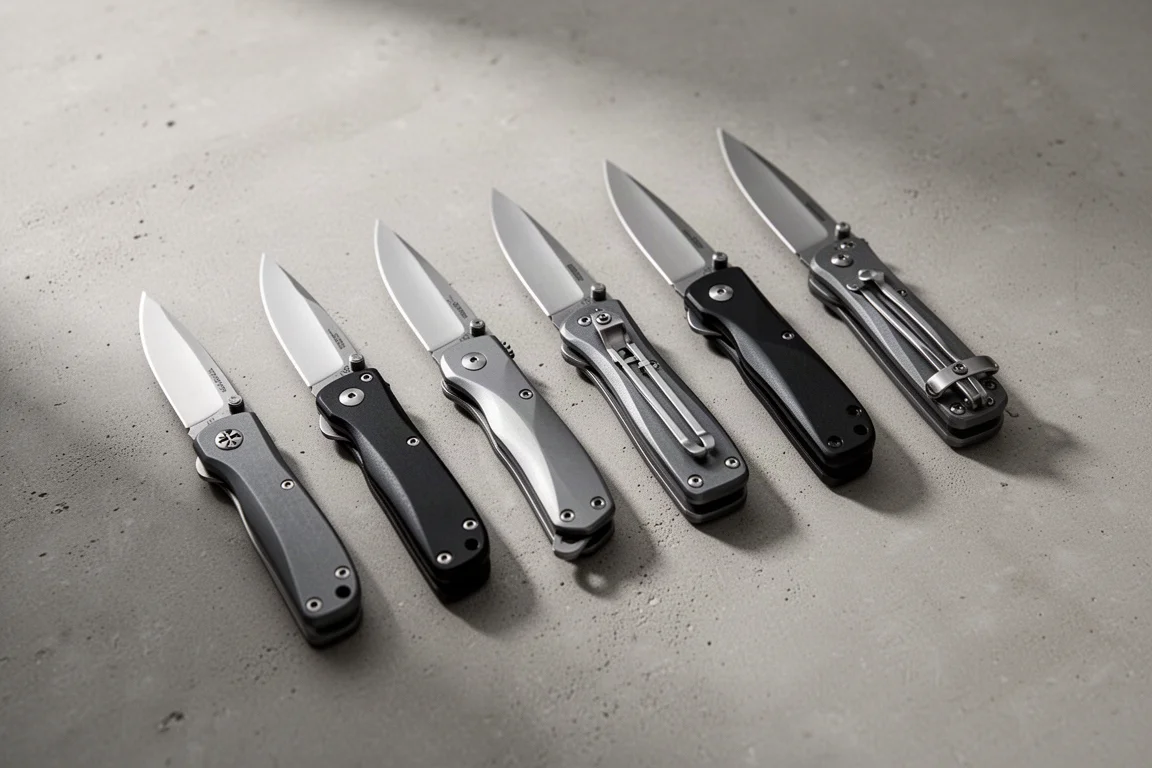
Seven crossbar lock folding knives compared on spring tension, handle width, and traction, from the Vosteed Corsair to the Benchmade Adamas.
Introduction
Crossbar locks are one of the most satisfying locking mechanisms in folding knives: ambidextrous, quick to deploy, and satisfyingly snappy when tuned well. But not all crossbar locks are created equal. Some feel like a vault at lockup, others feel nervous to disengage one-handed, and a few sit dangerously in between. This comparison looks at seven knives across several price tiers to figure out what actually makes a crossbar lock feel right.
What Makes a Crossbar Lock Work
Three characteristics determine whether a crossbar lock is pleasant or frustrating. First, how wide is the handle? A wider handle gives you more purchase for manipulating the bar one-handed without your fingers sliding toward the blade. Second, how strong is the spring tension? And third, how much traction does the crossbar itself offer, which depends on how far it sticks out from the body and how it is machined.
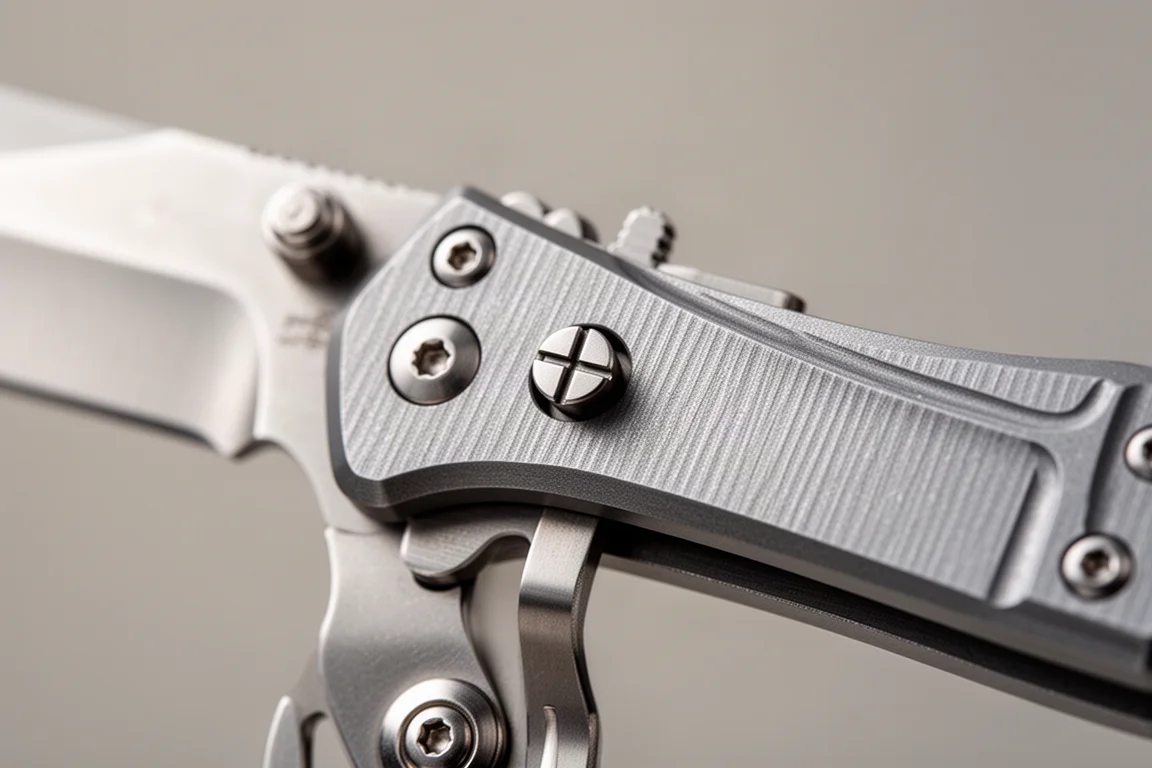
These three factors have to work together. A very strong spring can be fine if the crossbar stands far enough out of the frame and the handle gives you grip. A light spring can feel perfect on a narrow knife. When those elements are mismatched, disengaging the lock one-handed becomes awkward or even unsafe, because applying heavy force near a sharp edge is exactly when injuries happen.
Vosteed Corsair
The Vosteed Corsair stands out immediately for the details. It has one of the best generic pocket clips of almost any brand: recessed screws, completely flush with the frame, and reversible as it should be on an ambidextrous lock. The blade shape is well executed with a good grind, Nitro-V steel, and full steel liners at a price around $79, which makes it a strong value given the very good fit and finish.
The big punch line is the action. This is one of the strongest spring actions ever seen on a crossbar lock, stronger even than the Benchmade Adamas. Lockup is rock solid with no movement whatsoever, and the blade throws out with real authority. It also includes a bonus clip insert and an extension that changes the handle feel, plus a Micarta lanyard spot that replaces a standoff to fill in the handle silhouette. The one caveat: the strong spring means less experienced users may struggle to disengage it one-handed. For anyone already proficient with crossbar locks, it is arguably one of the best designs in this style under $80.
Budget Contenders: Schrade and Ganzo
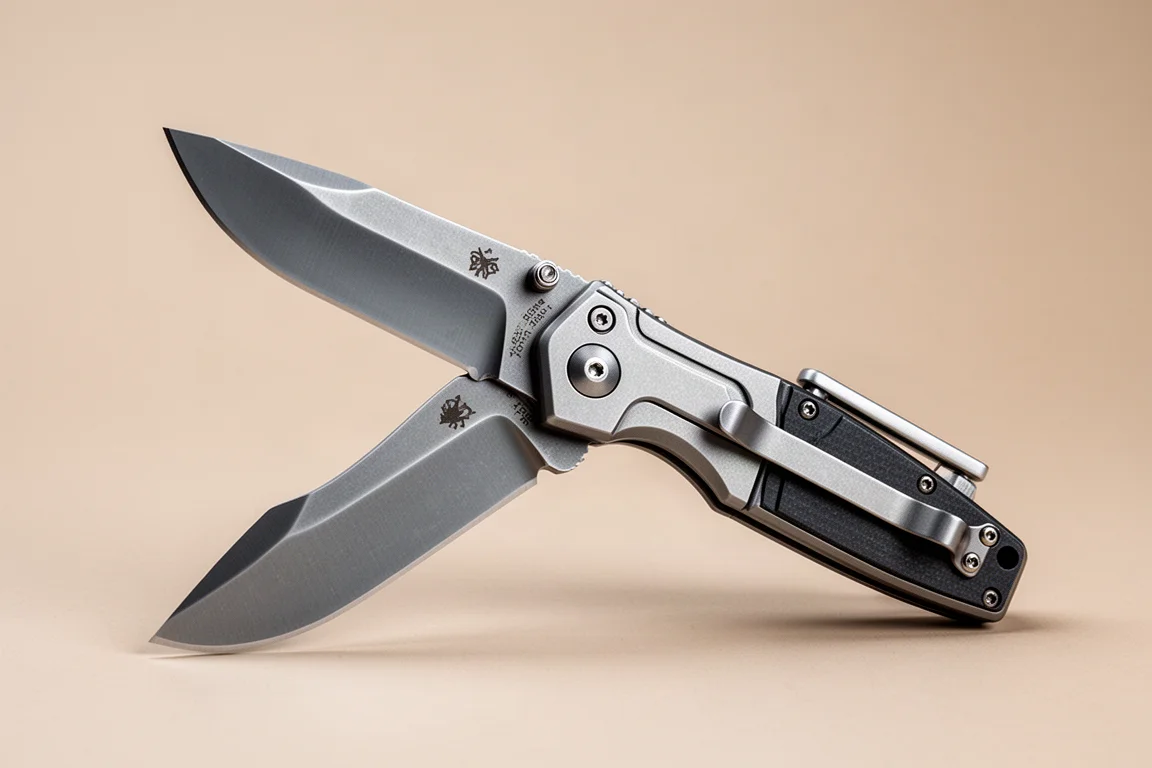
At the bottom of the price range, execution varies wildly. One sub-$20 D2 folder with a four-inch blade has good action, but a narrow handle makes it easy to slide fingers onto the blade, the crossbar has a very short pull, and spring tension is high. That combination puts it firmly in the danger zone.
By contrast, the Schrade gets things nicely right: the crossbar stands proud of the body with mid-range spring tension, neither light nor heavy. The Ganzo options, well known for crossbar locks in 440C under $20, are both excellent value knives, with one in particular offering better ergonomics, steel, and mechanism than the knife it takes inspiration from.
SRM 9201
The best of the entire budget bunch by a long shot is the SRM 9201. The crossbar has just the right amount of exposure from the frame, with a corner you can really feel for grip. The handle offers plenty of traction, it is tall in the hand, runs on washers, and even includes a cutout that makes it easier to get fingers into position. It is a textbook example of a crossbar lock done correctly, and likely a favorite knife under twenty dollars for good reason.
SRM 255L
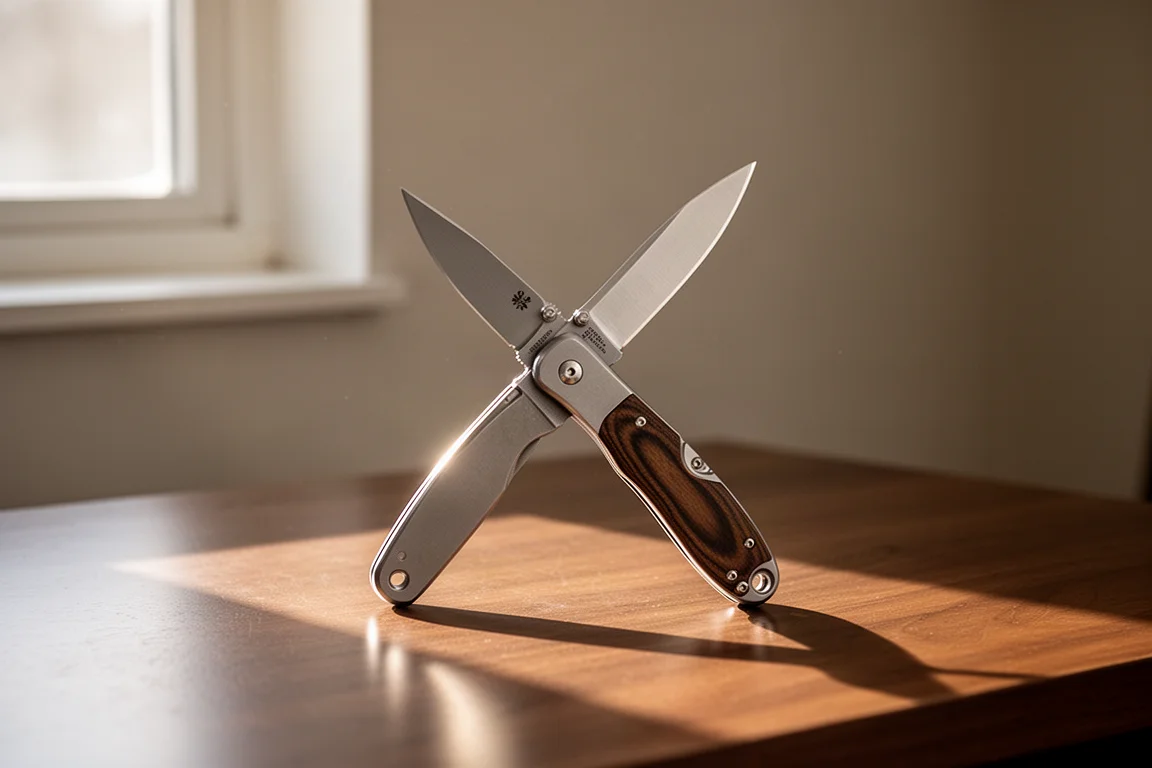
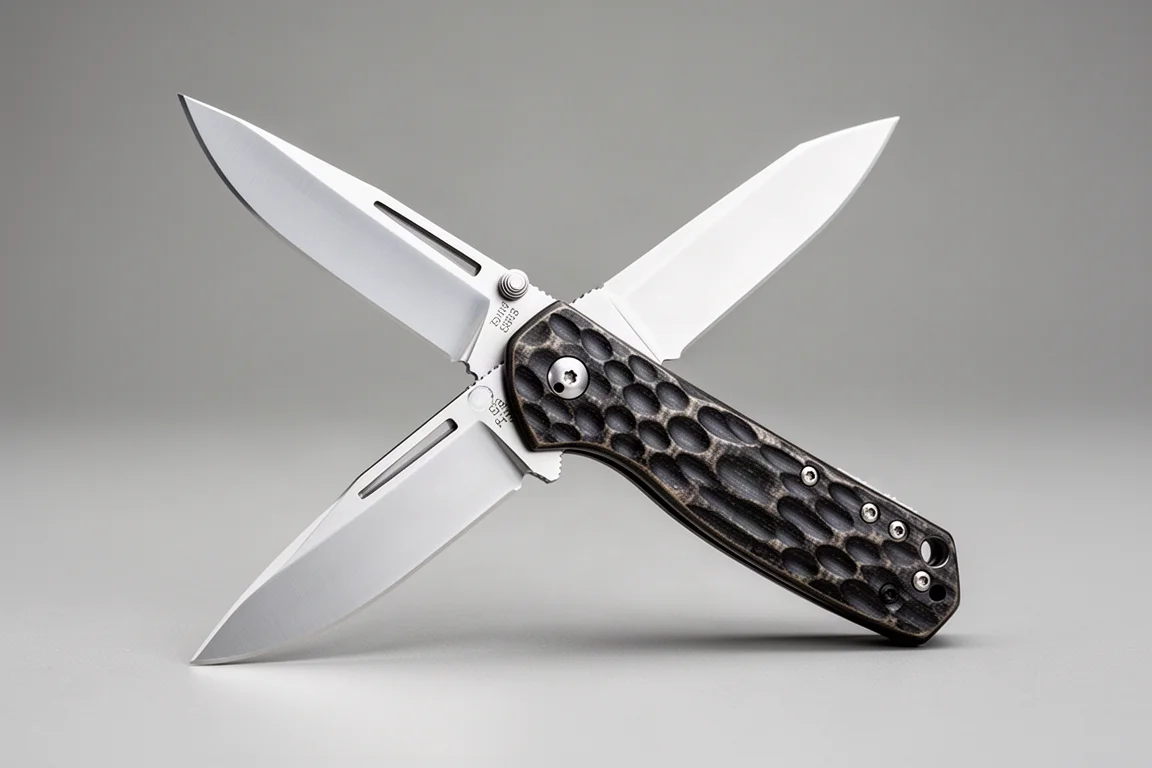
Moving up a tier, the SRM 255L takes a different approach. The spring tension is really soft, but it feels appropriate for the width of the handle, the handle traction, and the modest exposure of the studs. Everything balances. A bit more crossbar exposure would help if the tension were higher, but as tuned, it feels just about perfect. It is one of the favorites in the roughly $60 to $70 category.
Benchmade 940
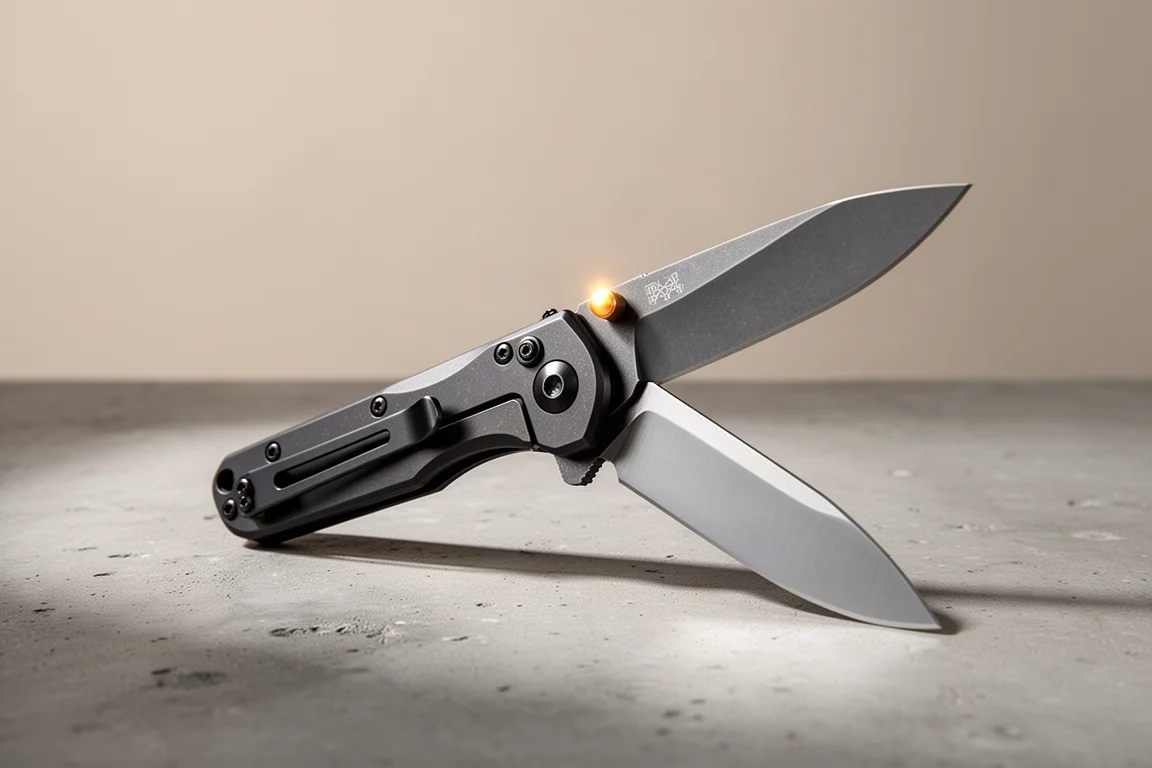
The Benchmade 940 shows what decades of refinement with the axis lock can produce. The spring tension is just about right, dialed in from the start. There is enough traction to disengage the lock with a single finger instead of two, which is saying something. The ideal crossbar would offer grip without slipping even in wet or dry conditions, and while the 940 does not quite reach that level of traction, it sits comfortably in the realm of very good.
Hogue Deka
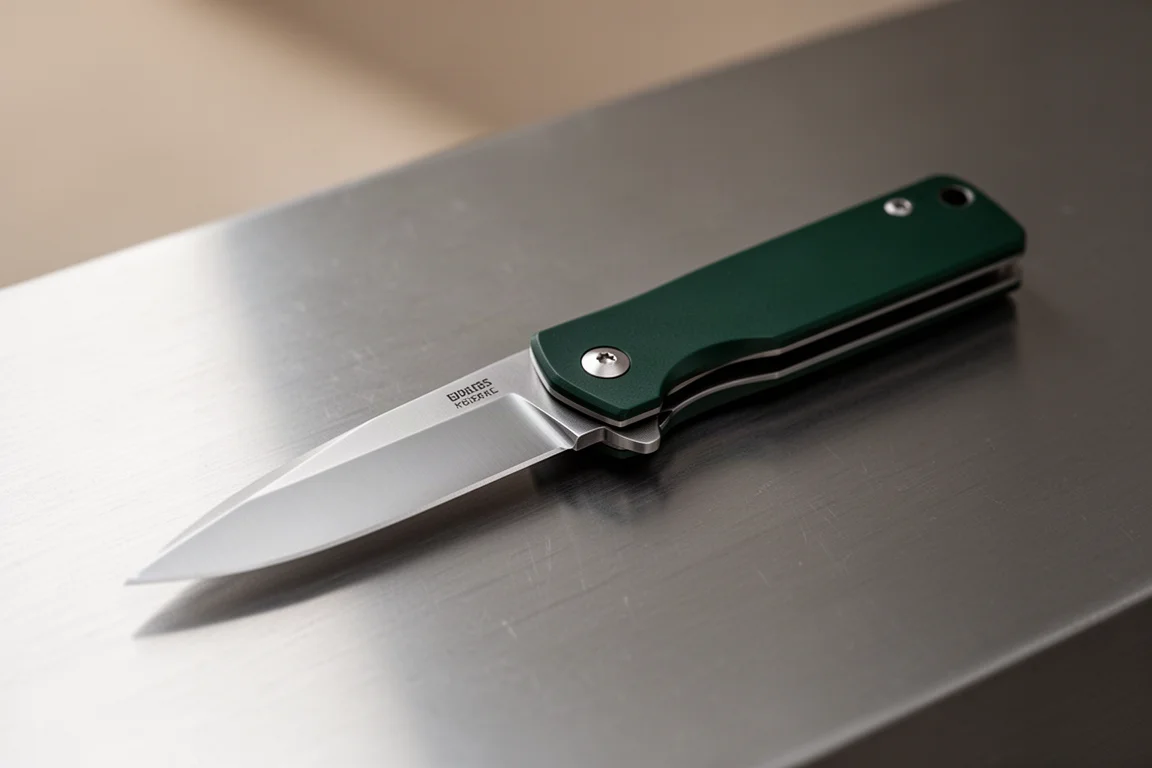
Hogue may be the king of crossbar locks, and it comes down to the things some people dislike. The thumb studs are extremely bitey, with enormous traction. In wet conditions your fingers simply do not slip off them, and the crossbar can be pulled back one-fingered without sliding around toward the blade. That confidence is what makes the Deka phenomenal. It is also remarkable that these washers-action knives are that smooth while feeling this secure.
Hogue RSK MagnaCut
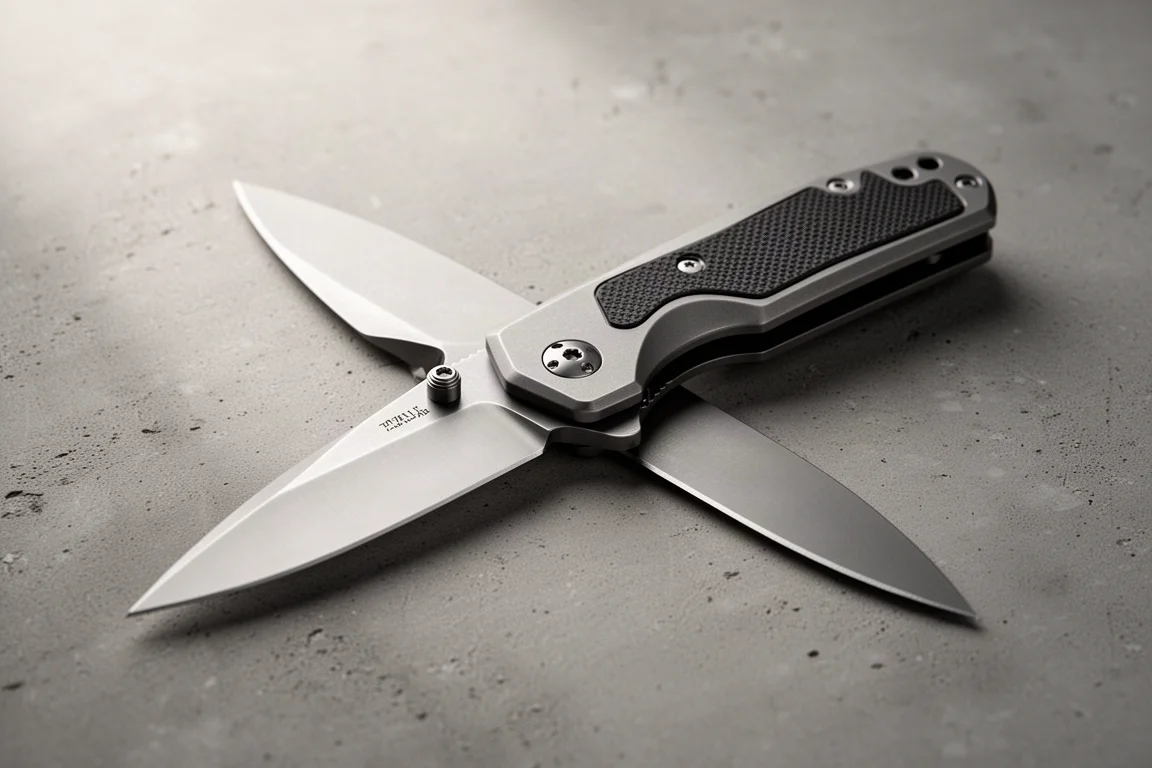
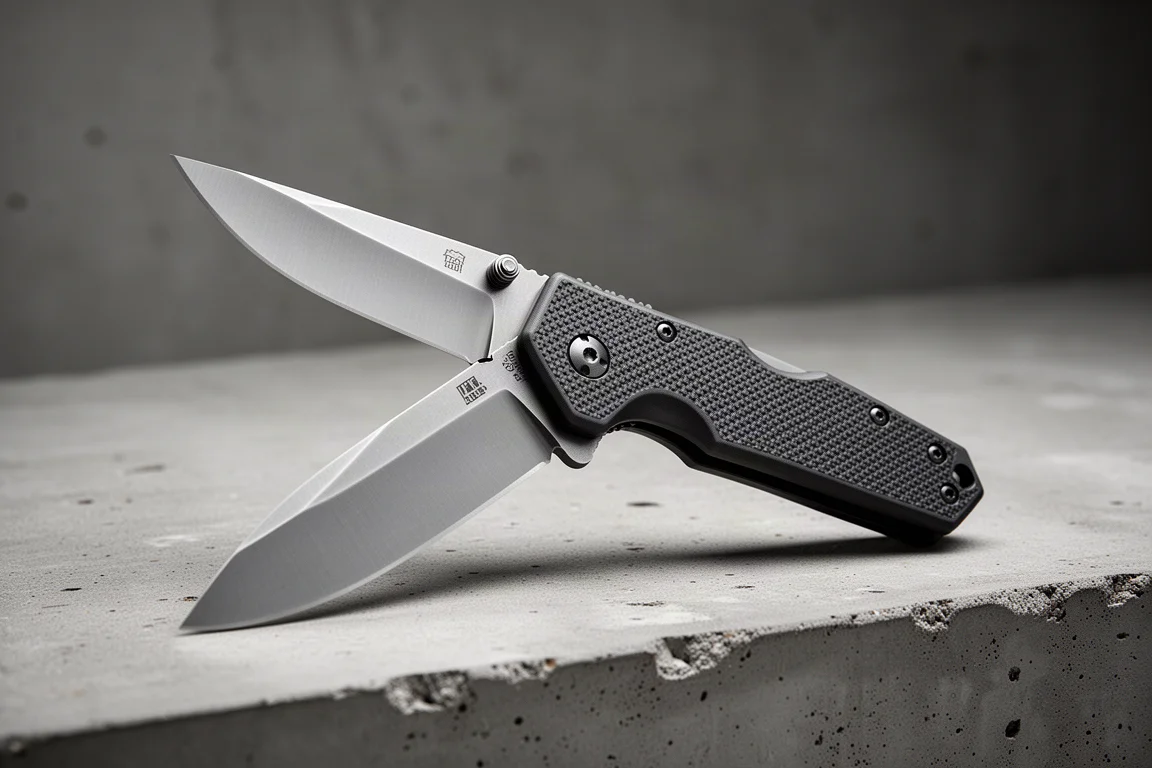
The Hogue-made RSK, a collaboration with Doug Ritter, takes the same philosophy further in its MagnaCut version. Its spring tension is noticeably higher than the Deka, and that extra force is matched by extra texture on the handle, the crossbar, and a nice wide handle profile. Plenty of purchase means you stay locked in without drifting in front of the blade. That perfect combination of width, texture, and tension makes it one of the favorite knives ever made for this locking style.
Benchmade Adamas
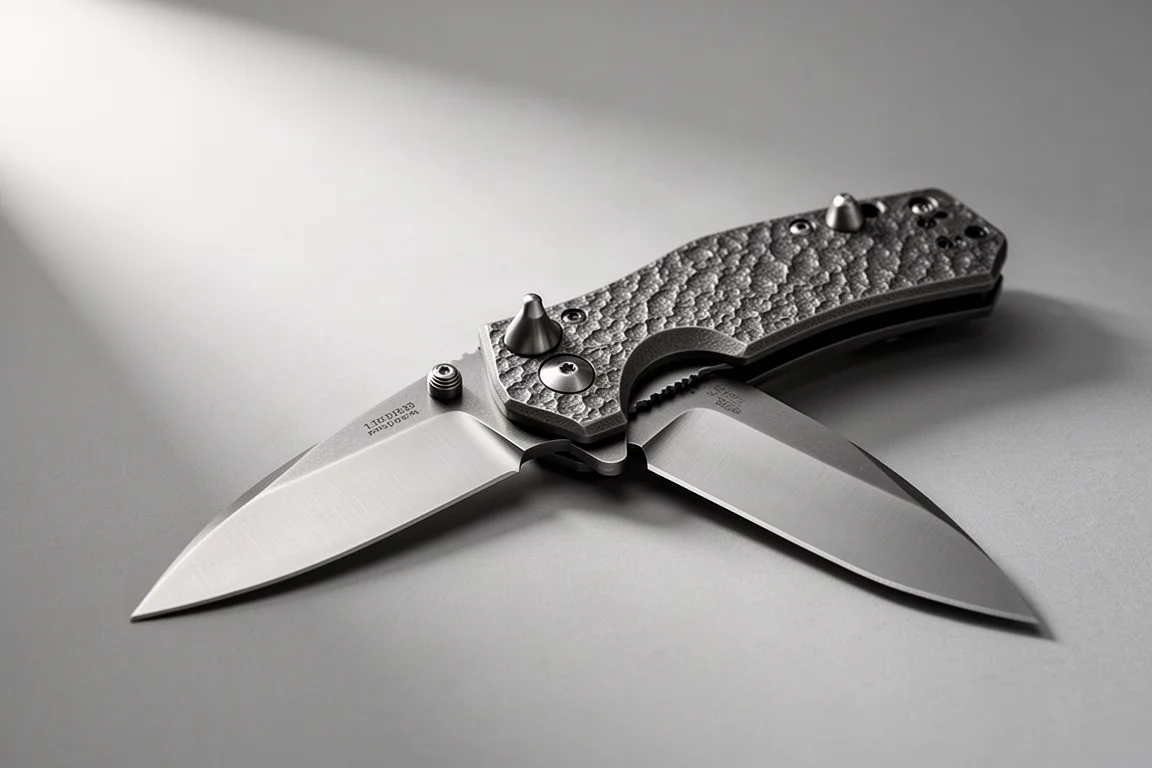
The Adamas is where things go slightly wrong. The thumb studs are liked and the crossbar texturing is good, but the spring tension is really low for what it should be: as the thickest blade on the table, it arguably deserves the strongest spring. A larger version of the knife with approximately the same tension feels even more nervous to use. The broader lesson is that heavier, thicker blades generally call for higher crossbar spring tension.
Buying Advice
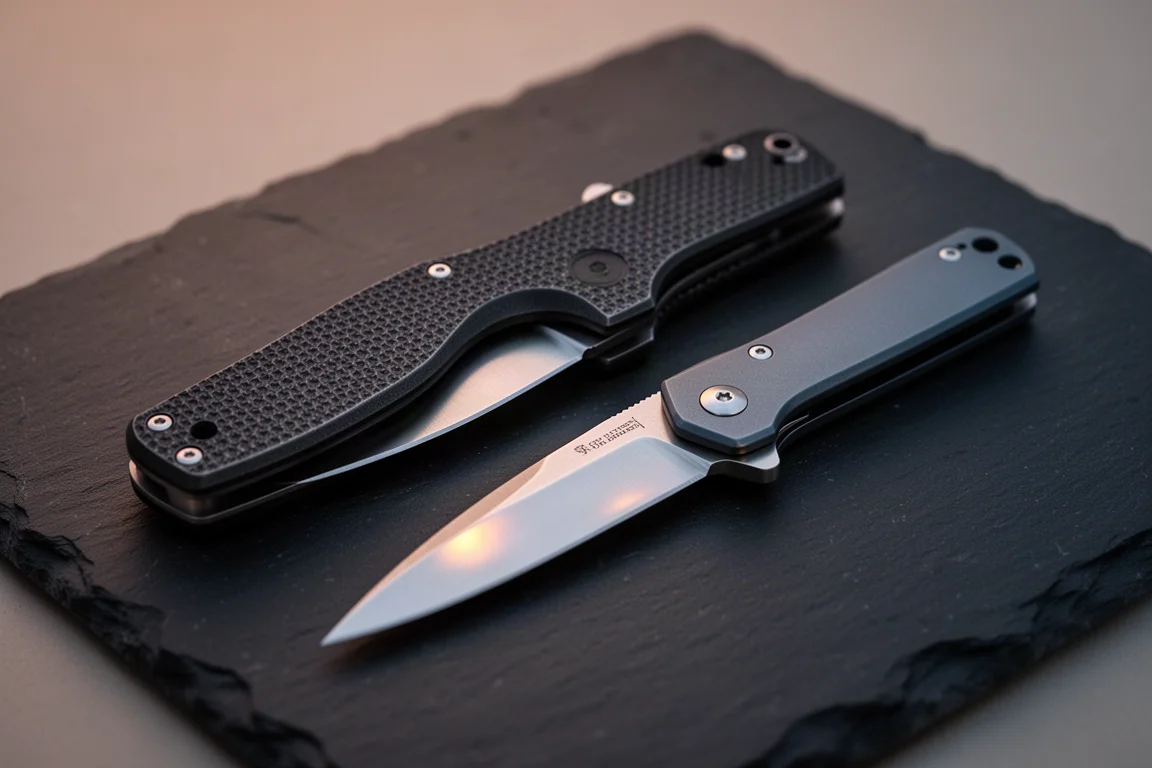
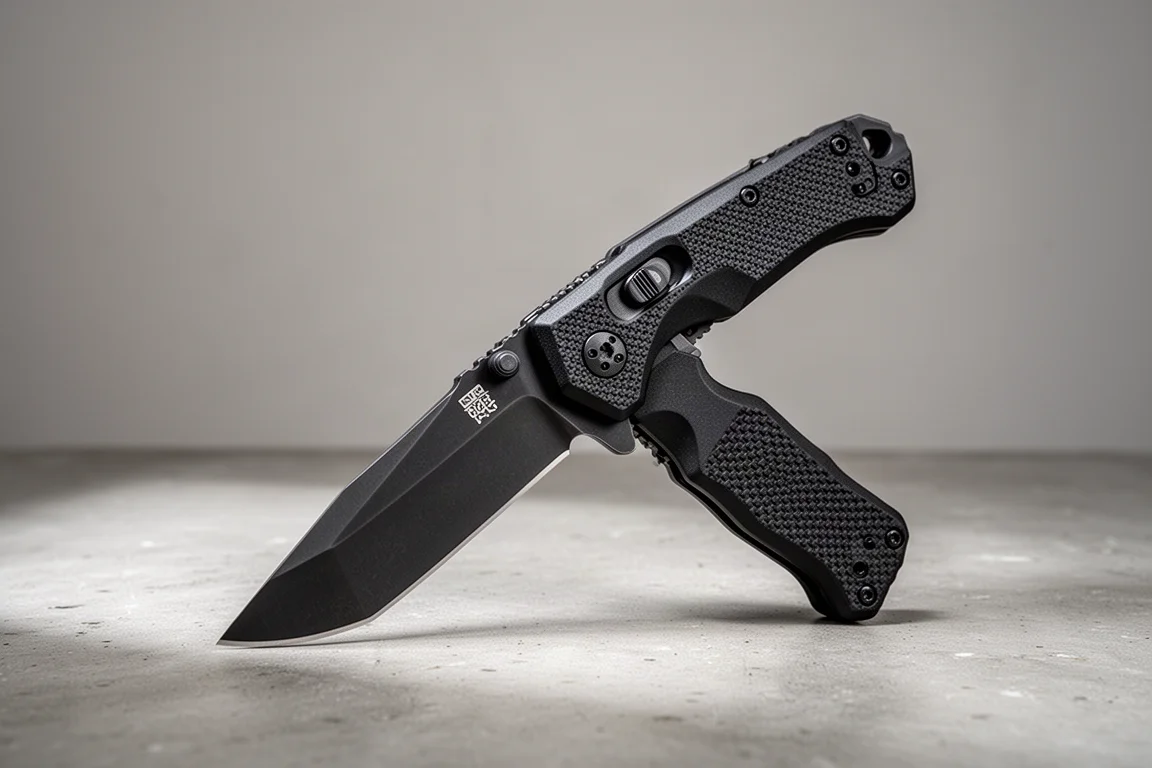
If you are shopping for a crossbar lock knife, judge the three factors together. Check how far the crossbar stands out of the frame, how much texture it and the handle offer, and whether the spring tension matches the blade’s size and weight. A light spring on a narrow knife can feel perfect, like the SRM 255L. A strong spring needs the grip and exposure to back it up, as the Vosteed Corsair and the Hogue RSK MagnaCut demonstrate. When one element is out of balance, as on the Adamas or the sub-$20 danger-zone folder, the whole design suffers.
Conclusion
Crossbar locks reward thoughtful tuning. The SRM 9201 proves excellent execution is possible under $20, the Vosteed Corsair delivers outstanding fit, finish, and raw lock strength around $79, the Benchmade 940 remains a refined benchmark, and Hogue’s Deka and RSK MagnaCut set the standard for traction and tension balance. Match the design to your hands and experience level, and a crossbar lock knife can be one of the most enjoyable folders you carry.
Further reading
Related Reviews

Everyday Carry
Everyday Gear That Deserved a Second Look
A roundup of solid everyday carry items: watches, pens, a pencil, a knife, and a smart ring that each earned a place on the table.

Everyday Carry
KORE Tactical Bifold Wallet Review: A Durable Everyday Carry Option
A close look at the KORE Tactical Bifold Wallet, a reinforced nylon wallet with magnetic closure and room for cards, cash, and IDs.

Everyday Carry
Krabby Wallet Review: A Slim, Simple Carry That Has Stood the Test of Time
A closer look at the Krabby Wallet, a slim canvas and elastic design with a loyal following and a simple, functional approach to everyday carry.