Power Tools
DeWalt vs Makita Cross Line Laser Kits: Which Green Laser Fits Your Jobsite?
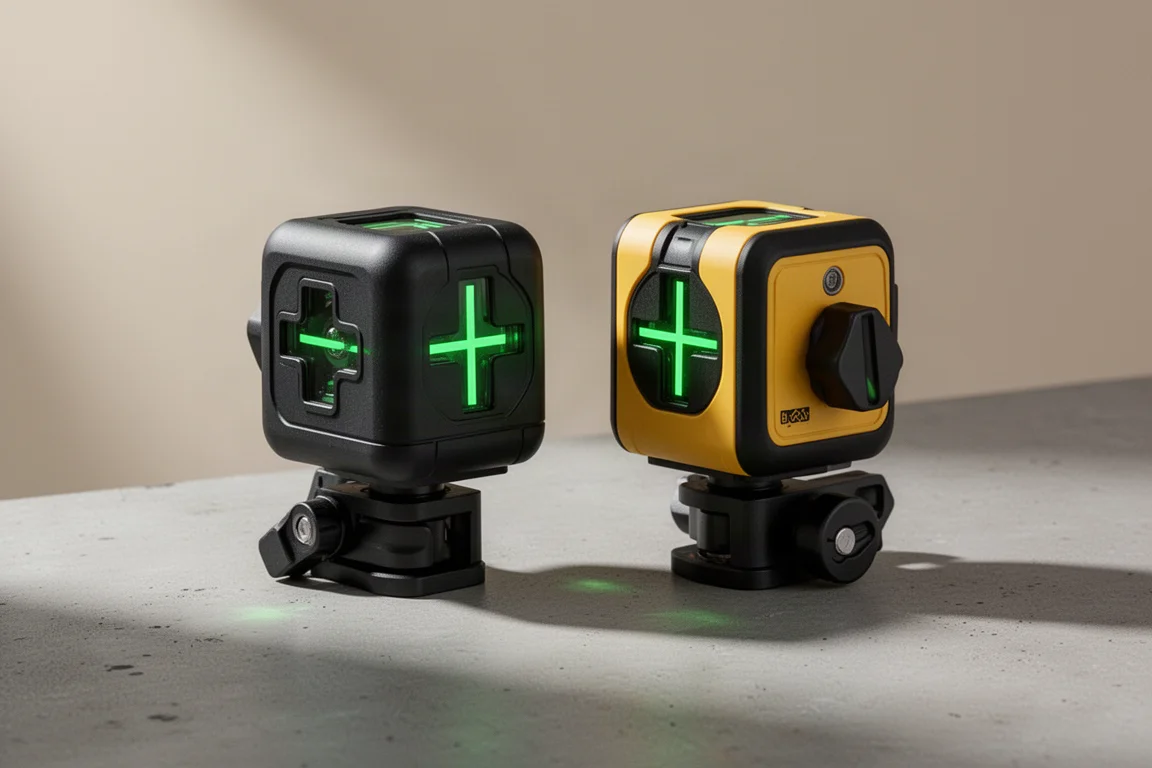
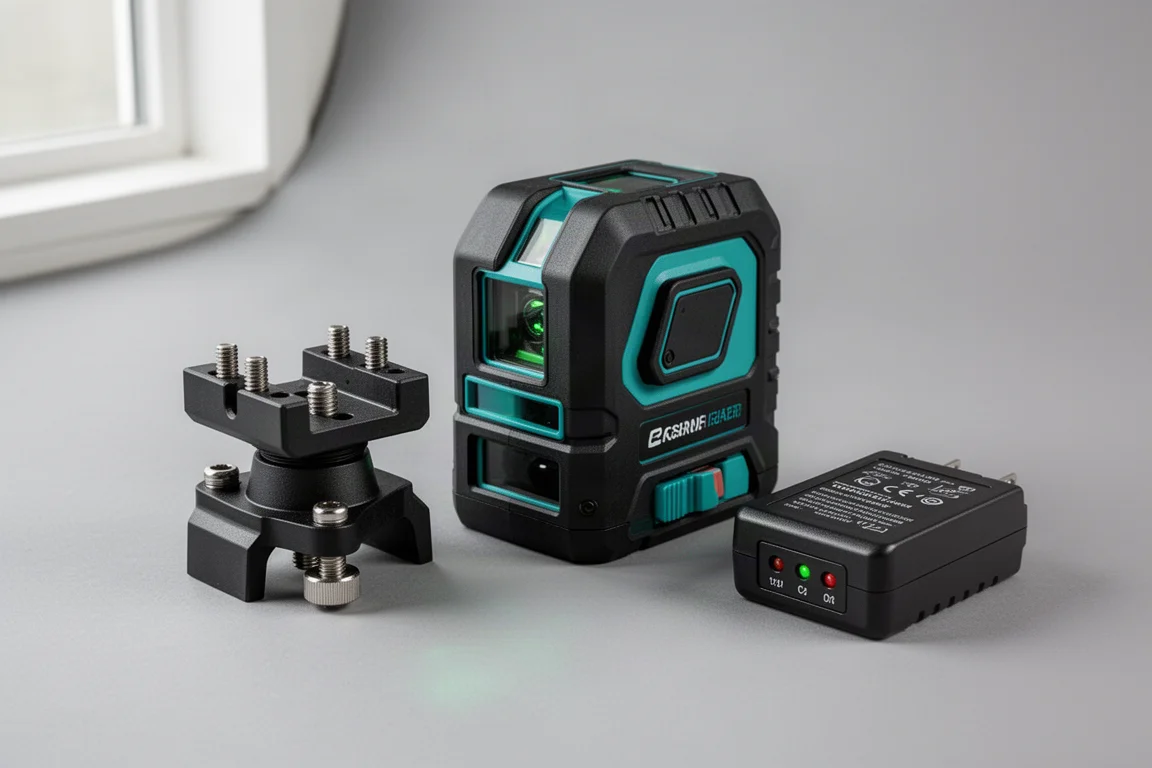
Two green cross line laser kits with different strengths: the Makita Four Spot Plus Cross Line wins on brightness, while the DeWalt Five Spot Plus adds a forward-facing dot for plumb work.
Introduction
Green cross line laser kits are a jobsite staple for layout, and two kits come up again and again: the DeWalt Five Spot Plus Cross Line and the Makita Four Spot Plus Cross Line. Both are 12V rechargeable battery lasers that project an up, down, left and right dot plus a cross line, but they differ in meaningful ways: beam brightness, spot visibility, detector compatibility and the included accessories.
This comparison breaks down where each kit excels and which trade-offs you should weigh before buying.
DeWalt Five Spot Plus Cross Line Laser Kit
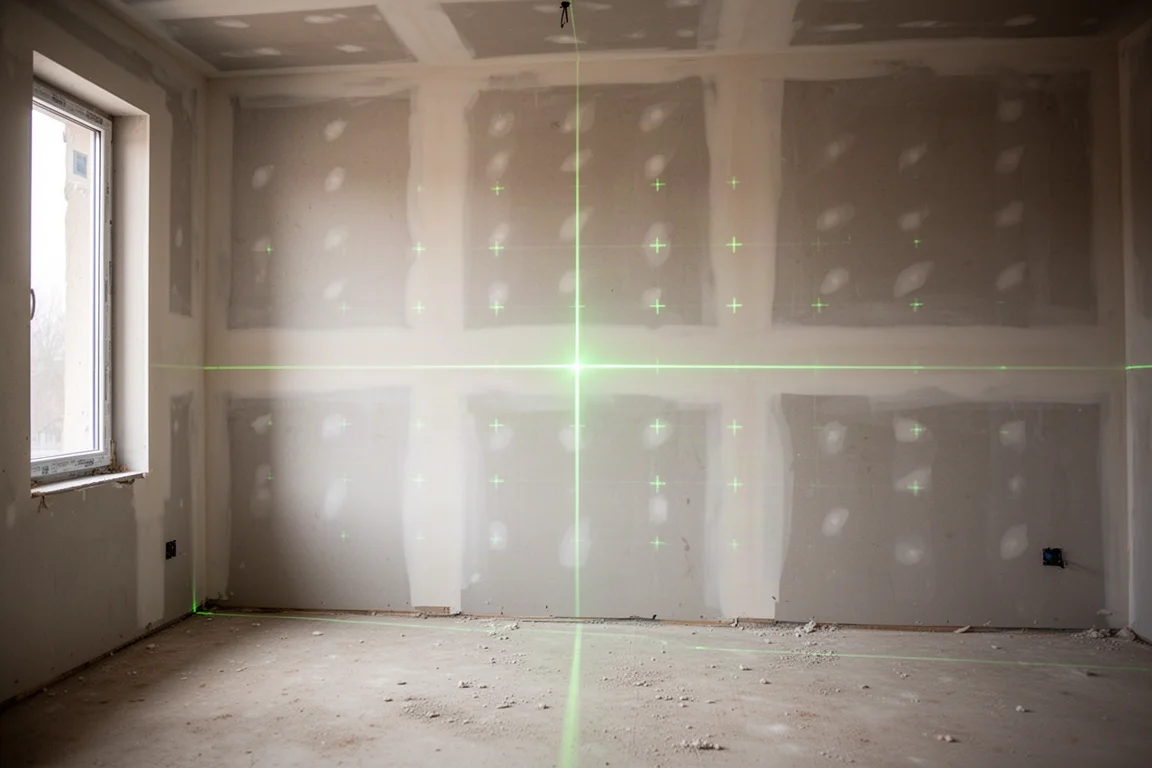
The DeWalt kit covers everything the Makita does and adds one extra beam: a forward-facing laser dot on top of the crosshair. So you get the up, down, left and right dots, a forward-facing dot, plus the cross line projection. That extra spot makes it easier to transfer plumb points forward on the wall or floor.
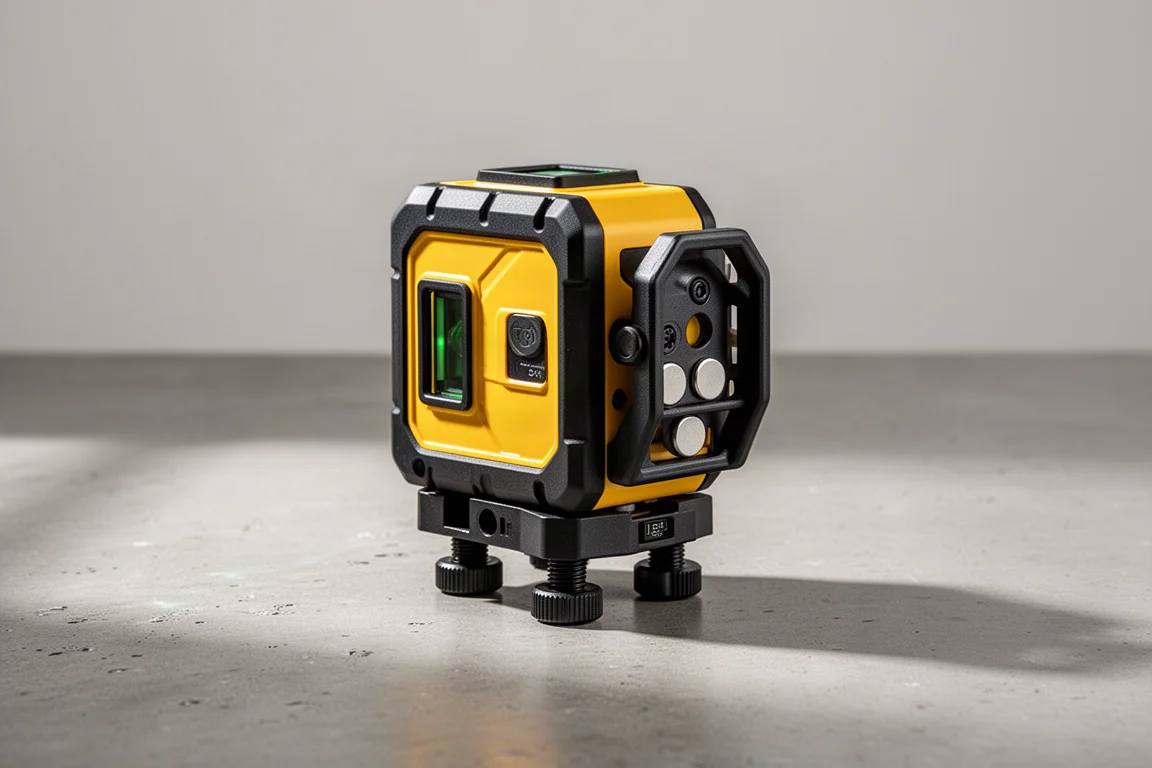
The DeWalt comes permanently mounted on a pivoting bracket with both a 1/4-inch and a 5/8-inch thread mount. Two strong magnets on the back let you suspend it on a metal surface, and two more magnets on the front hold it flush against the bottom track of a metal stud wall. A ceiling bracket for drop ceilings and a magnetized target card are also included, and the bracket can be flipped upside down for floor layout work.
Makita Four Spot Plus Cross Line Laser Kit
The Makita projects an up, down, left and right dot with a forward-facing crosshair. It does not have the DeWalt’s forward-facing dot, but in day-to-day use the beams themselves are the standout: the Makita line is noticeably brighter against a dusty floor, and it stays a bit easier to see than the DeWalt even on comparable settings. It also has fewer blind spots.
On the lower brightness setting the two lasers are roughly the same, but the Makita still reads slightly better. If beam visibility is your top priority, the Makita is the stronger pick here.
Outdoor Spot Visibility
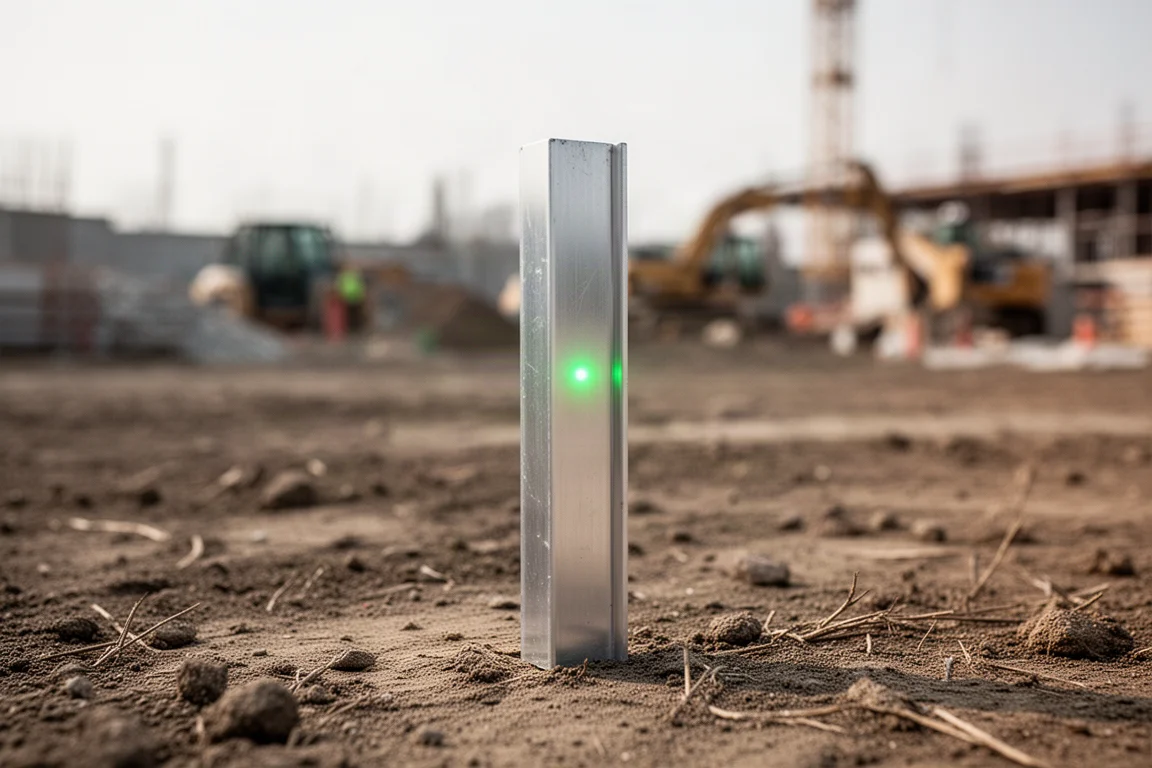
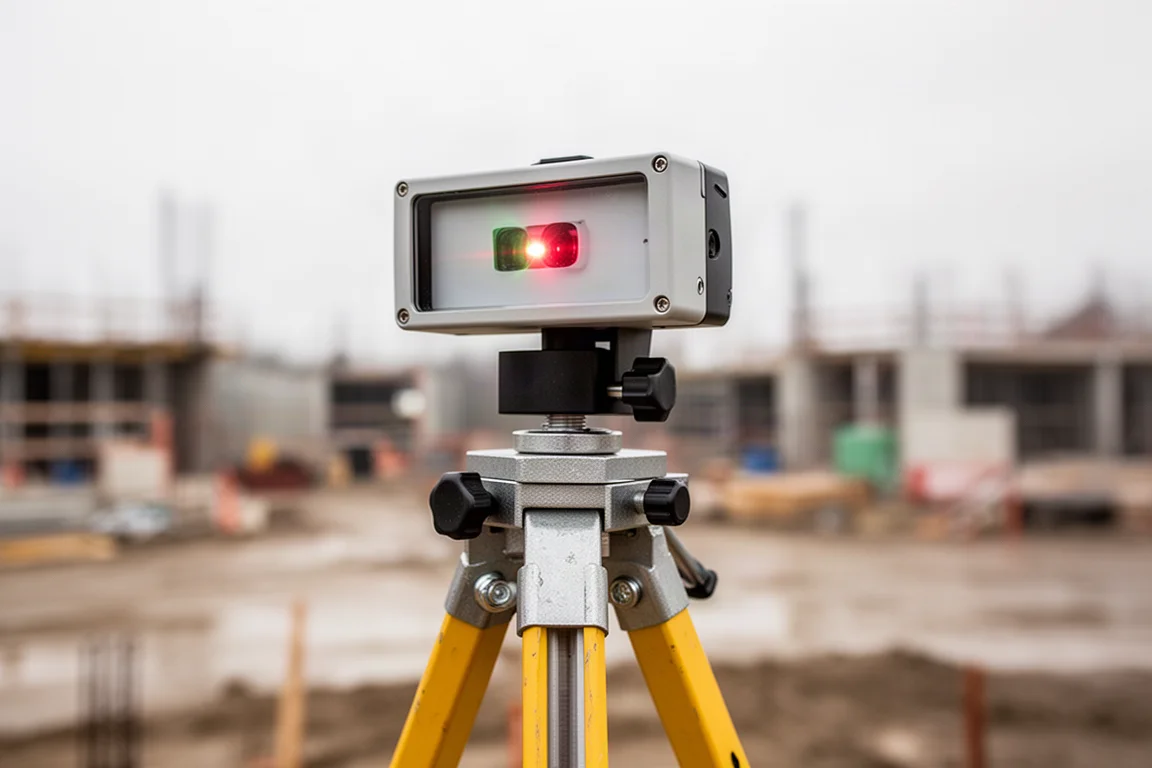
For outdoor work with a detector, spot visibility matters. At around 30 feet, the DeWalt’s forward-facing spot is really visible on the white side of a grade rod stick, and even more visible on the silver side. At roughly 130 feet it remains usable, with a readable measurement.
Because the Makita lacks a forward-facing spot, testing relies on the side spot. It is visible and you can take a measurement with it, but it seems a little less visible than the DeWalt’s. If you regularly shoot spots outdoors at long range, the DeWalt has the edge.
Detector and Carry Case Differences
The included detectors are not interchangeable in behavior. The Makita detector reads red or green lasers from Makita, and can read from the front or the back. The DeWalt detector reads green only, but reads green from DeWalt and Makita, and in principle any green laser, though testing covered only these two kits. The DeWalt detector can also be used above or below the laser line.
Storage differs too. The DeWalt includes a hard case with dedicated space for the detector and the grade rod bracket. The Makita supplies a soft bag with noticeably less room for those same accessories, which is worth considering if you carry a full layout kit.
Batteries and Line Brightness
Both lasers run on 12V rechargeable batteries. The Makita’s 12V battery pack includes charge indicators; the DeWalt battery has no indicators, though there are battery indicators on the laser itself.
As mentioned above, the Makita’s line is much brighter against a dusty floor. The DeWalt line shows a flicker, which disappears when you add the spots, but turning the spots on makes the line even dimmer. The Makita’s lower setting brings the two close together, though the Makita still holds a small advantage.
Brackets, Mounts and Ceiling Accessories
The Makita ships with the same style of pivoting bracket: magnets on the back for metal surfaces plus 1/4-inch and 5/8-inch thread mounts, but you can choose to use it with or without the bracket. The DeWalt’s bracket is permanently mounted.
The DeWalt pulls ahead on accessories for drop ceiling work: the included ceiling bracket clips to the perimeter wall angle of a drop ceiling, and the magnetized target card sticks to different hanger points of the ceiling grid to level it out. Flip it upside down and it works on the floor for layout.
Range Limits to Know About
Neither laser’s 180-degree fan works much past about 15 feet, and the forward-facing line disappears once you turn the laser away from your viewing direction. The same limitation applies to both kits, even though the Makita’s line is brighter: at an angle you will still see the spot, but the line itself is not really visible. Plan your workflow around placing the laser where you need the line visible.
Which One Should You Buy?
Overall, the Makita is the nicer laser of the two: it is brighter, easier to see and has fewer blind spots, and its detector reading from the front or back adds flexibility. Choose it if beam visibility and general usability top your list.
The DeWalt makes sense if the forward-facing laser dot is central to your workflow, if you shoot spots outdoors at long range, or if the included ceiling bracket and roomier hard case fit how you work.
Conclusion
Both kits are capable 12V green lasers with strong magnetic brackets, dual thread mounts and usable detectors. The Makita takes the overall win on brightness and ease of visibility, while the DeWalt counters with its forward-facing dot, better outdoor spot visibility and richer accessories for drop ceiling layout. Match the kit to the work you do most and either one will serve you well.
Further reading
Related Reviews
Power Tools
Best 1-Inch Pistol Impact Wrenches: Three Heavy-Duty Options Compared
We compare three 1-inch pistol impact wrenches, from a budget-friendly Harbor Freight model to a premium Caterpillar unit, to help you choose the right one.
Power Tools
Best 3/4-Inch Impact Wrenches 2026: Five Contenders Compared
We compare five 3/4-inch impact wrenches across price and performance, from a budget Amazon option to Snap-on's most powerful model yet.
Power Tools
Best Budget Cordless Tools 2026: Walmart Finds That Punch Above Their Price
We tested five cordless tools from Walmart, including a high-torque impact wrench that trades blows with Milwaukee and a $35 duster that outperforms its price class.