Hand Tools
Klein Rapid Drive vs Milwaukee Quick Fastening Screwdriver: Which Cranking Screwdriver Spins Better?
Two near-identical cranking screwdrivers go head to head. We compare tip design, shaft bend, balance, and build quality to help electricians and DIYers pick the right one.
Introduction
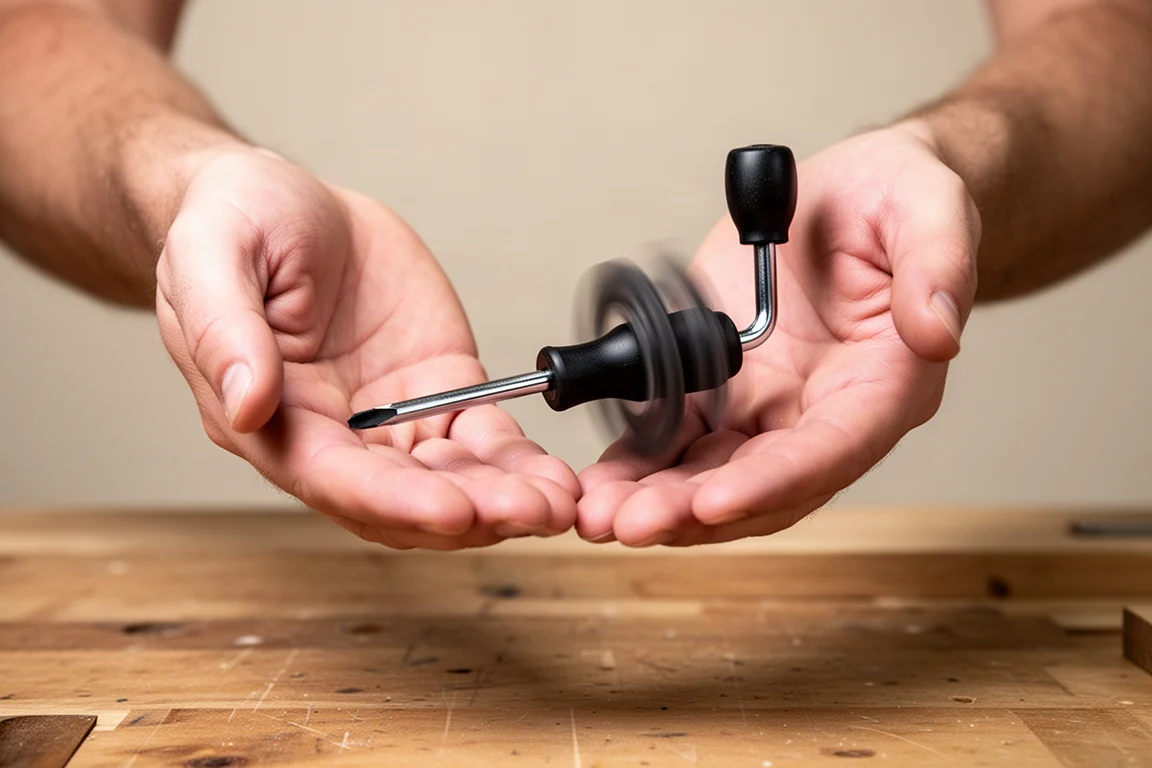
Cranking screwdrivers are one of those tools most people never think about until they see one in action, and then they immediately want one. The idea is simple: instead of twisting a screwdriver the usual way, you roll the handle between your palms and the shaft geometry does the work. For anyone doing electrical work, that translates into a dramatically faster workflow, especially when a job involves removing dozens of switch plate covers or outlet covers.
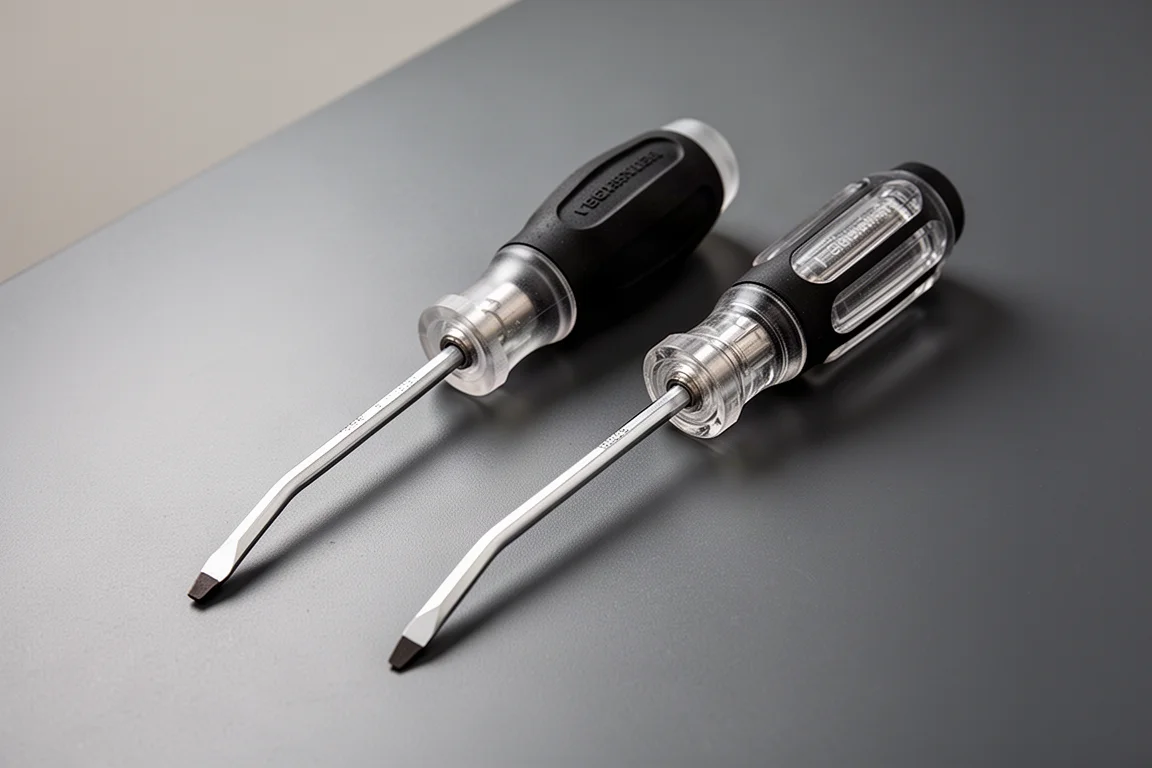
Klein pioneered this category with the Rapid Drive, and Milwaukee has now entered the space with the 48-22-2916 Quick Fastening Screwdriver, a tool that is almost identical in many ways. That makes for a genuinely interesting comparison, because the two are close enough that small refinements actually matter.
The Tool That Sells Itself: Fast Cover Removal
If you spend any time doing electrical work, particularly removing and replacing switch plate covers and outlet covers, a cranking screwdriver is simply much better than a standard screwdriver. The rolling motion applies plenty of force for most common tasks while being dramatically faster, and the number-two Phillips size covers the vast majority of cover plate screws.
Klein makes the Rapid Drive in a slotted version as well, which is worth noting because some switch plates and older fixtures still use slotted screws. If your work mixes both screw types, having the right version on hand makes the cranking technique usable across the whole job.
Interchangeable Tips: Reversible and Detent Fit
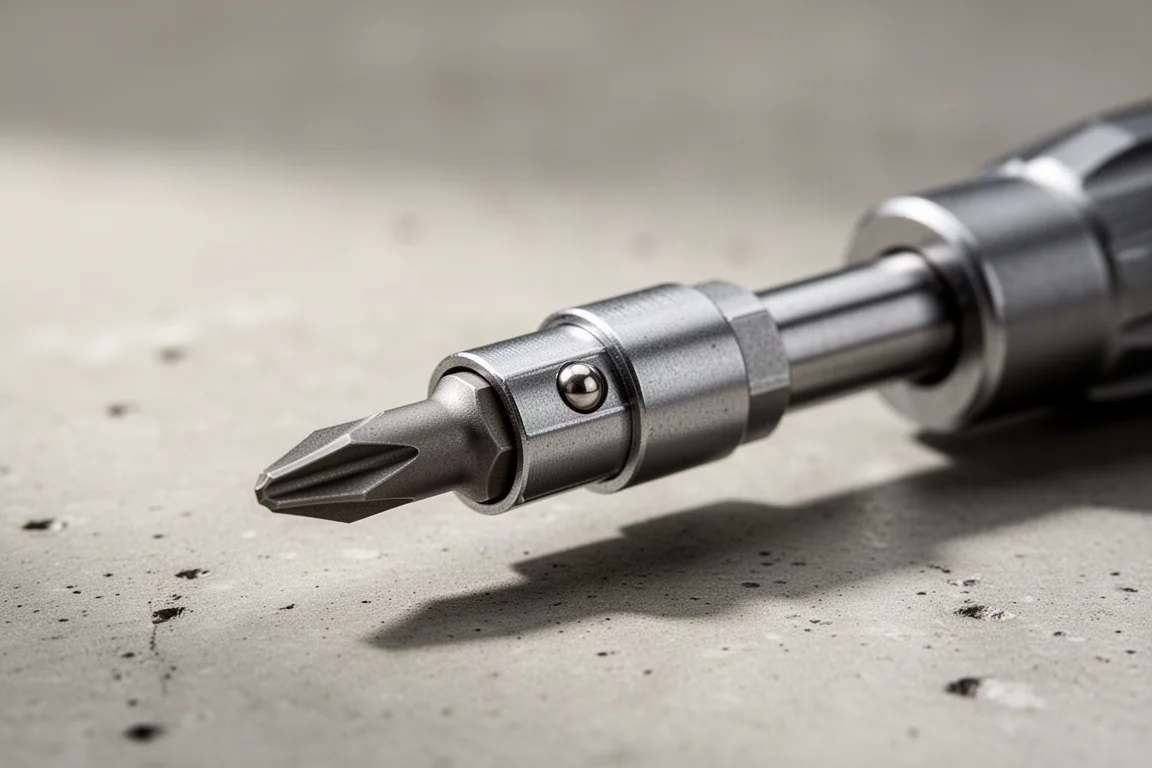
Klein also offers a reversible-tip version of the Rapid Drive. It comes with a double-ended bit, number-two Phillips on one side and slotted on the other, that seats into a collar on the shaft with a ball detent. You get the same cranking motion, just with the flexibility of flipping the bit around to switch drive types in seconds.
The detent fit is firm and forgiving: the bits are interchangeable between the two tools and flip around easily either way. Whether the bit came from the Klein or the Milwaukee does not seem to matter in practice, which says a lot about how closely aligned these two designs are.
The Secret Sauce: The Bent Shaft
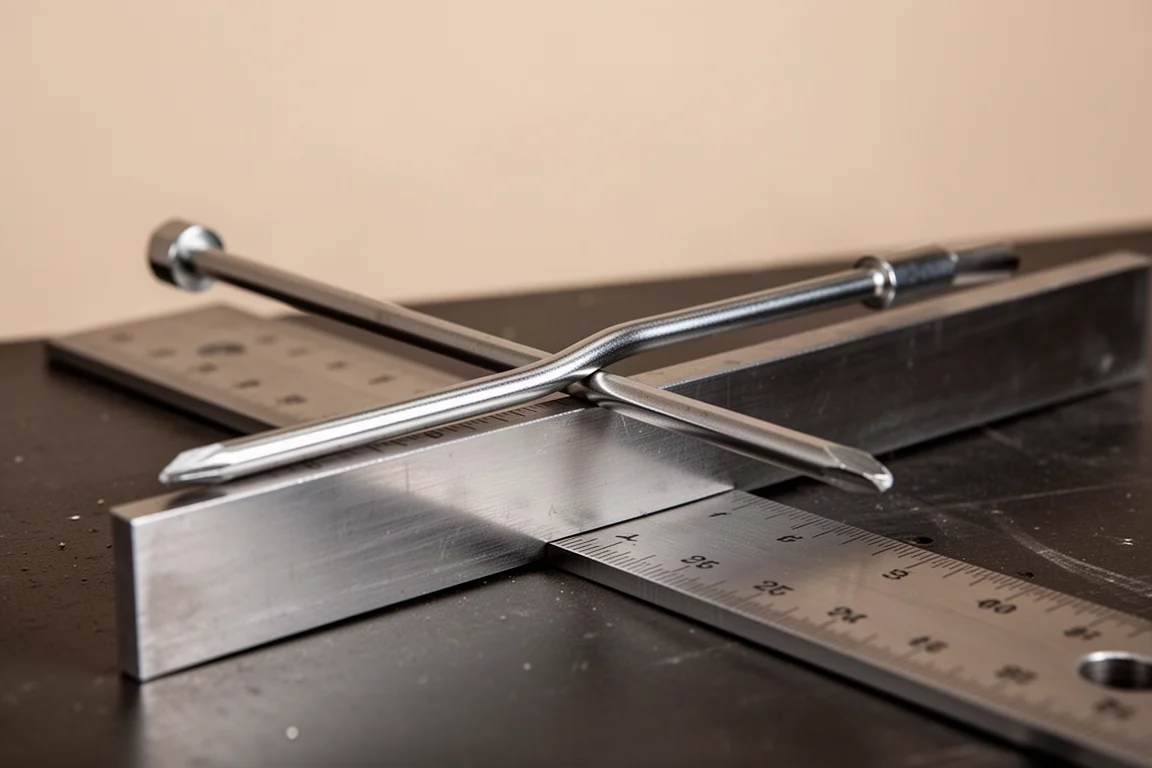
The defining feature of both tools is the shaft bend. Check either screwdriver against the edge of a combination square and you will see a clear slope running down the shaft. That bend is the secret sauce: it lets the driver spin much more naturally between your palms, which keeps it centered on the screw instead of wandering around as it gains speed.
Not every cranking screwdriver on the market has this bend. Some knockoffs and lesser alternatives skip it entirely, and they are noticeably harder to control as a result. Both the Klein and the Milwaukee have it, and both spin smoothly at speed.
There is one subtle difference, though. Spinning the Milwaukee quickly shows a bit less deviation than the Klein held the same way. The Milwaukee appears to have refined the bend slightly, perhaps by a degree or even a fraction of a degree, with a slightly stouter column and a somewhat longer shaft. It produces an oddly more natural spin, even though the Klein is still very smooth and easy to control. Whether that tweak was deliberate refinement or simply a way to differentiate the design is hard to say, but it is the most meaningful performance gap between the two.
Build Quality and Markings
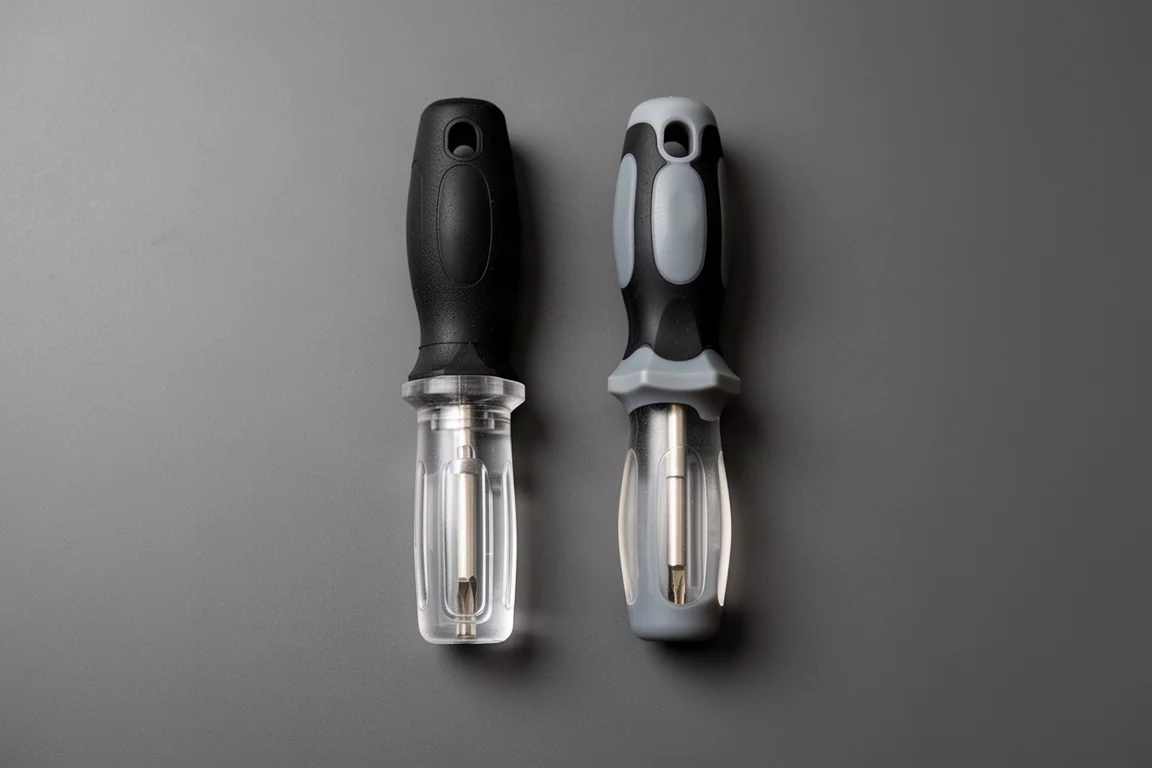
The two tools share a very similar multi-component handle construction: rubber over-mold on top of an acetate body. The Klein has a classic look with just a little more flare to the grip, while the Milwaukee sits a touch closer in silhouette to the original.
Where they clearly differ is origin. The Milwaukee tip is marked made in Taiwan, while the Klein carries made-in-USA branding on its packaging and tool. Milwaukee’s model number, 48-22-2916, is printed on the shaft; the quick fastening screwdriver name is how Milwaukee refers to it in its lineup. Curiously, one of the two shafts carries no markings at all, which can make the two easy to confuse once they are in the same drawer.
Buying Advice
Milwaukee is clearly going after Klein aggressively, even in the small tool space, and this comparison shows just how close the competition has become. The tools are nearly identical in form and function, might even come from the same factory, and their tips are interchangeable.
If you want the smoothest, most natural spin out of the box, the Milwaukee’s slightly refined bend gives it a small edge in high-speed control. If you prefer made-in-USA tools, the classic Klein handle feel, or the broader Rapid Drive family including the slotted version, the Klein remains a superb choice. Either way, you are getting one of the most satisfying hand tool upgrades available for electrical work.
Conclusion
The Klein Rapid Drive remains the benchmark cranking screwdriver, fast, comfortable, and well built. The Milwaukee Quick Fastening Screwdriver matches it almost feature for feature and, thanks to a slightly tweaked shaft bend, arguably spins a touch more naturally at speed. For fast cover removal and everyday electrical work, both are excellent, and the deciding factors are brand preference, origin, and how the handle feels in your hand.
Product link
View more details for Klein Rapid Drive Screwdriver
This product is mentioned in the review. Check the specifications, options, and compatibility before buying.
View more details for Klein Rapid Drive ScrewdriverFurther reading
Related Reviews
Hand Tools
Best Diagonal Cutters 2026: 16 Pliers Tested for Cutting Power and Durability
We put 16 diagonal cutters through nail, screw, drill bit, and hex key tests to find the best value picks for your toolbox.
Hand Tools
Best Hex L Key Sets 2026: Nine Sets Tested for Real-World Torque
Nine hex L key sets from budget to premium, tested for torque, fit, and durability. See which sets deliver real performance and which ones to skip.
Hand Tools
Best Locking Pliers 2026: Top Picks Tested for Grip and Durability
We tested 18 brands of 10-inch locking pliers for grip strength, jaw bite, build quality, and ease of release to find the best options for tough jobs.