Yard & Outdoor Tools
Best Cordless String Trimmers: 11 Models Head to Head
DeWalt, Echo, EGO, Husqvarna, Makita, Milwaukee, Ridgid, Ryobi, Skil, Stihl and Toro string trimmers compared, including how each trimmer head loads and feeds line.
Introduction
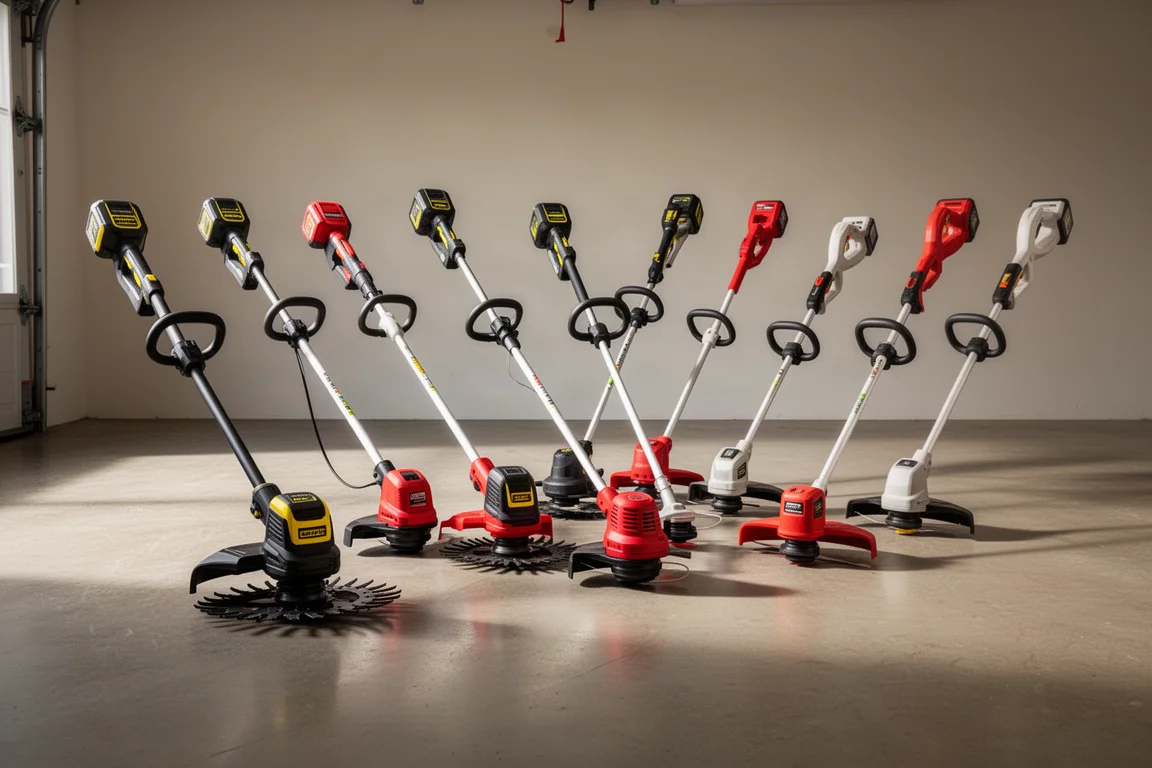
Cordless string trimmers have matured into a category where nearly every major tool brand offers a credible option. To make sense of the field, we lined up eleven models from DeWalt, Echo, EGO, Husqvarna, Makita, Milwaukee, Ridgid, Ryobi, Skil, Stihl and Toro and looked closely at the part you will interact with most: the trimmer head.
How We Prepared the Trimmers
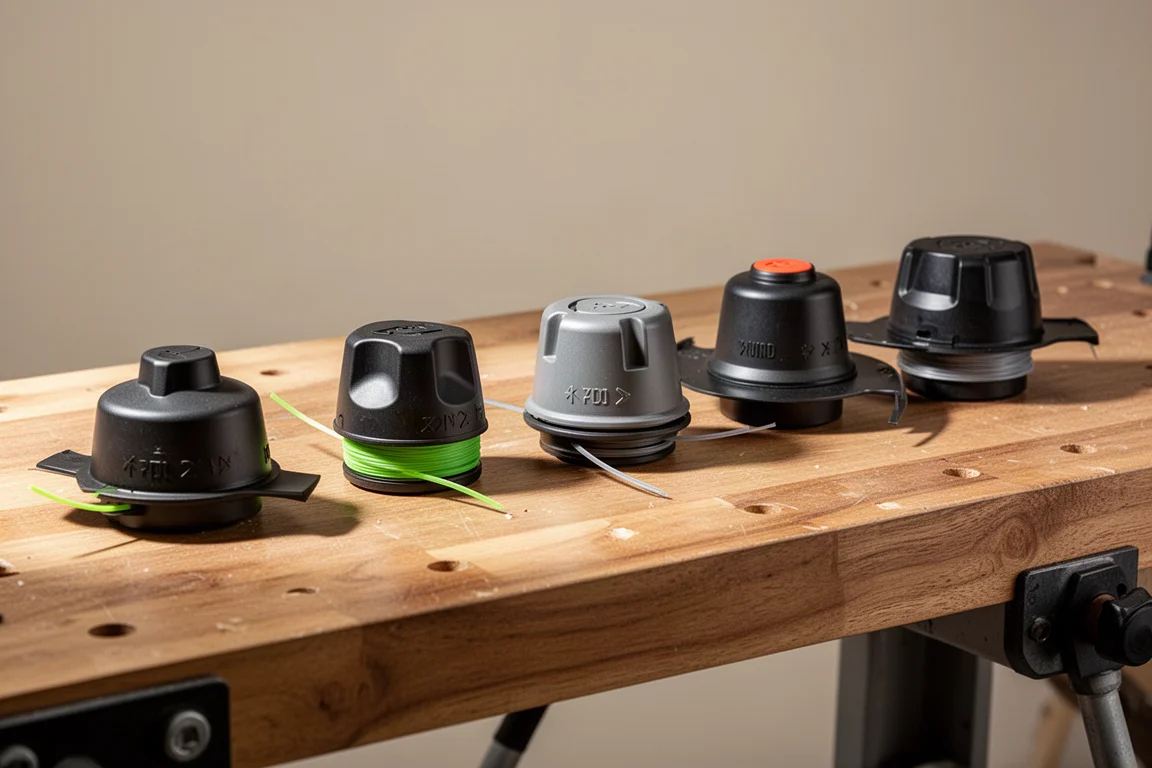
Trimming performance depends heavily on the line, so every trimmer in this comparison was loaded with the same consumable: 12-foot lengths of round 0.095 trimmer string. Using a common line and a common length keeps every tool on an even playing field, even though individual spools hold more or less than that amount.
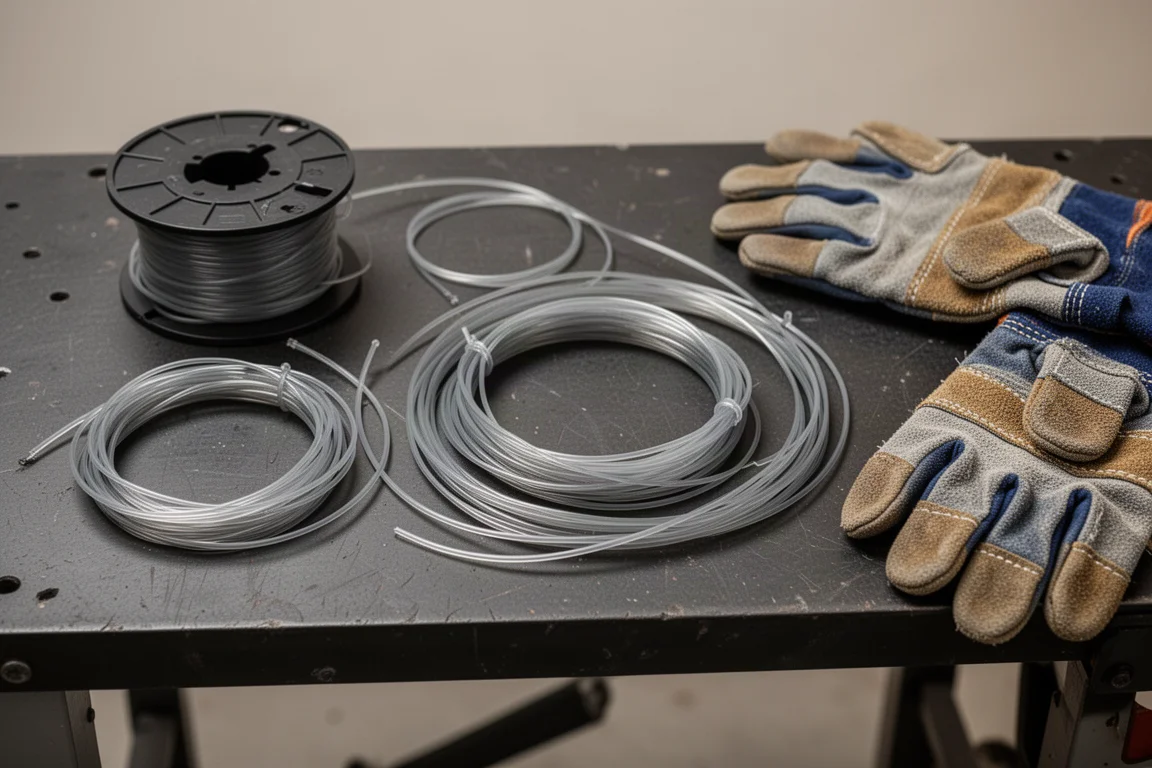
Loading each head also revealed a lot about day-to-day ownership. Some heads are genuinely quick to reload, some are trickier, and one model automates the entire process.
The Lineup
DeWalt 60V String Trimmer
The DeWalt 60V uses a bump feed head. Bumping the head extends the line as you work, and a cutter blade built into the guard trims both lines to equal length. Reloading is a familiar push-the-tabs, swap-the-spool routine: the cover pops off, the spool unwinds, and new line is fed through after aligning the head’s white reference marks. The head holds a generous amount of string, and the tabs need to click fully into place before you rotate and wind it in.
Echo 56V String Trimmer
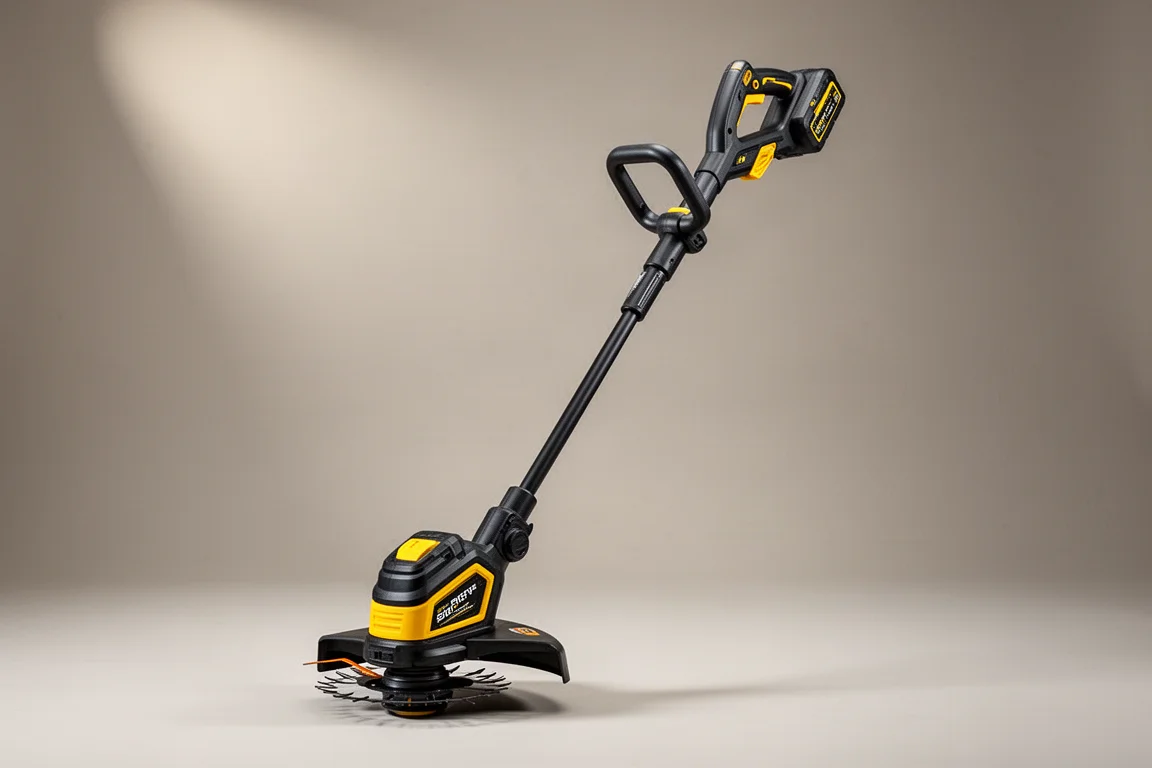
Echo’s 56V also uses a bump feed head that verified cleanly in testing. The cover removes via side tabs to expose the spool, and the head has a top arrow that you line up with one of the exit holes before feeding the line straight through. A friendly detail: the bottom section only rotates in one direction, so there is no way to wind the line backwards. A quick bump test confirmed the feed worked as intended.
EGO 56V with Line IQ and Power Load
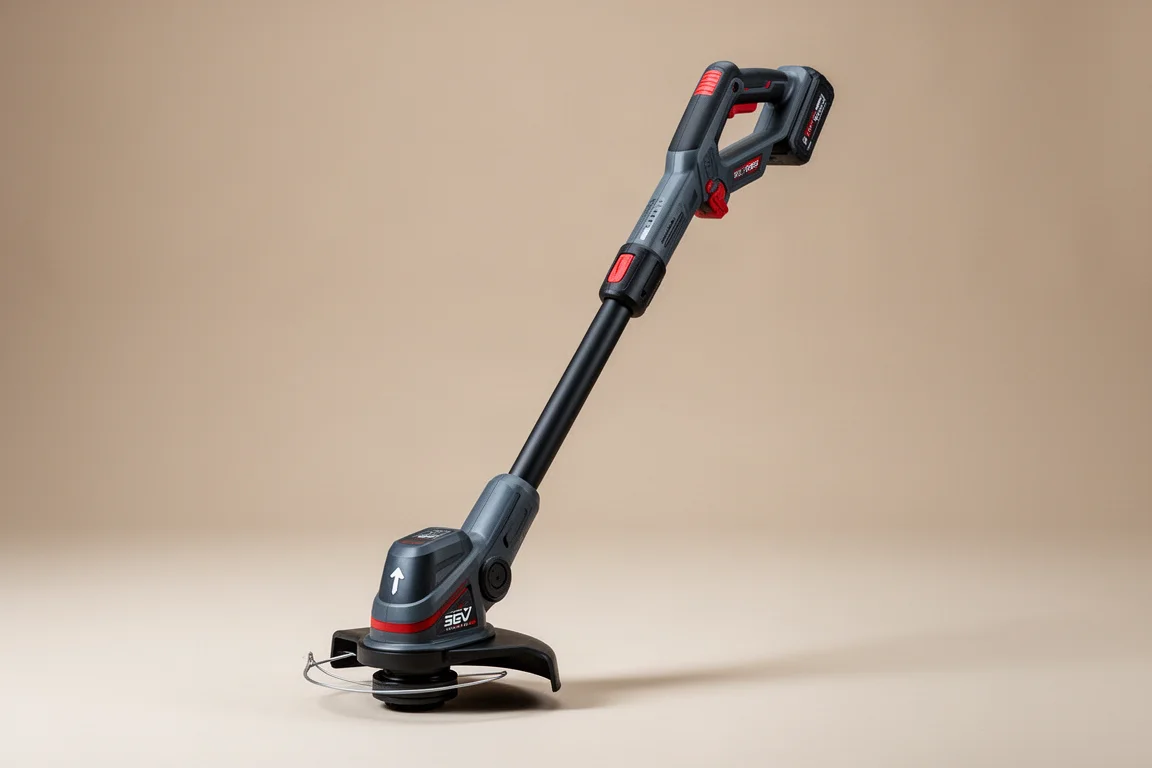
The EGO 56V is the outlier of the group. Its Line IQ head automatically feeds line out as you use the trimmer, so there is no bump feed at all. Power Load goes further: press the button on top of the head and the trimmer pulls the line in and winds it onto the spool by itself. You thread one end through, it pops out the other side, you center it, and the machine does the rest. For anyone tired of spool fiddling, this is the most automated loading experience in the class.
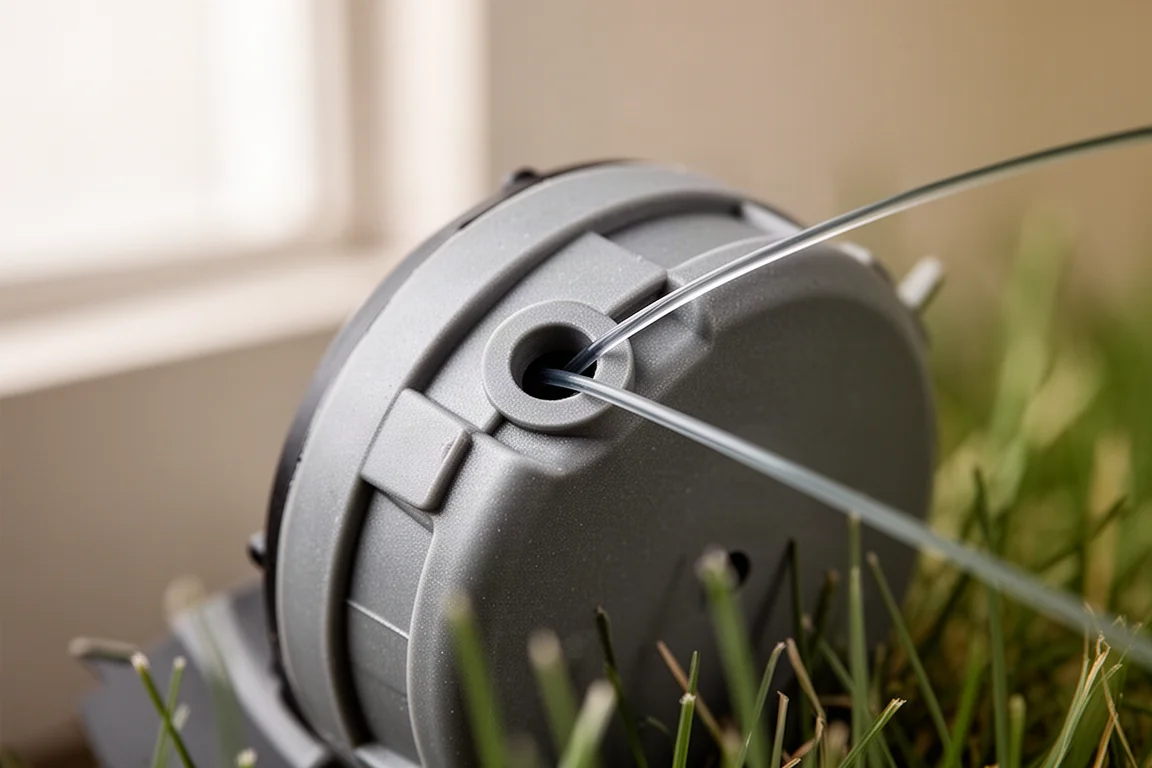
The trade-off is a different kind of head to learn. If you are used to bumping to extend line, the automatic feed takes a little adjustment, but during use it simply keeps the line at working length without input from you.
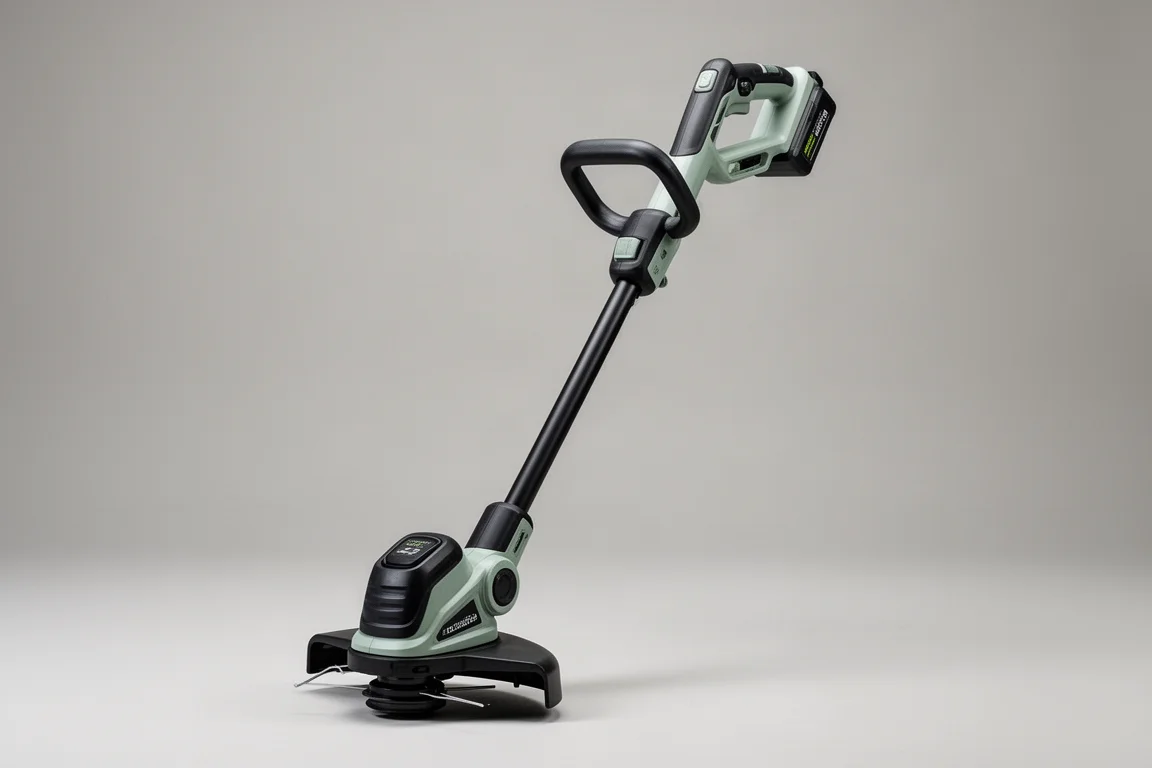
Husqvarna 525LK
The Husqvarna 525LK is a newer trimmer with a bump feed head. The spool comes out as a separate piece, has a center divider that keeps the two line halves separated while winding, and holds considerably more than a 12-foot load. Small notches on the spool lock the line in place so it cannot unwind while you fit everything back together, and the head clicks onto the spinner in two positions. A bump test confirmed clean line extension.
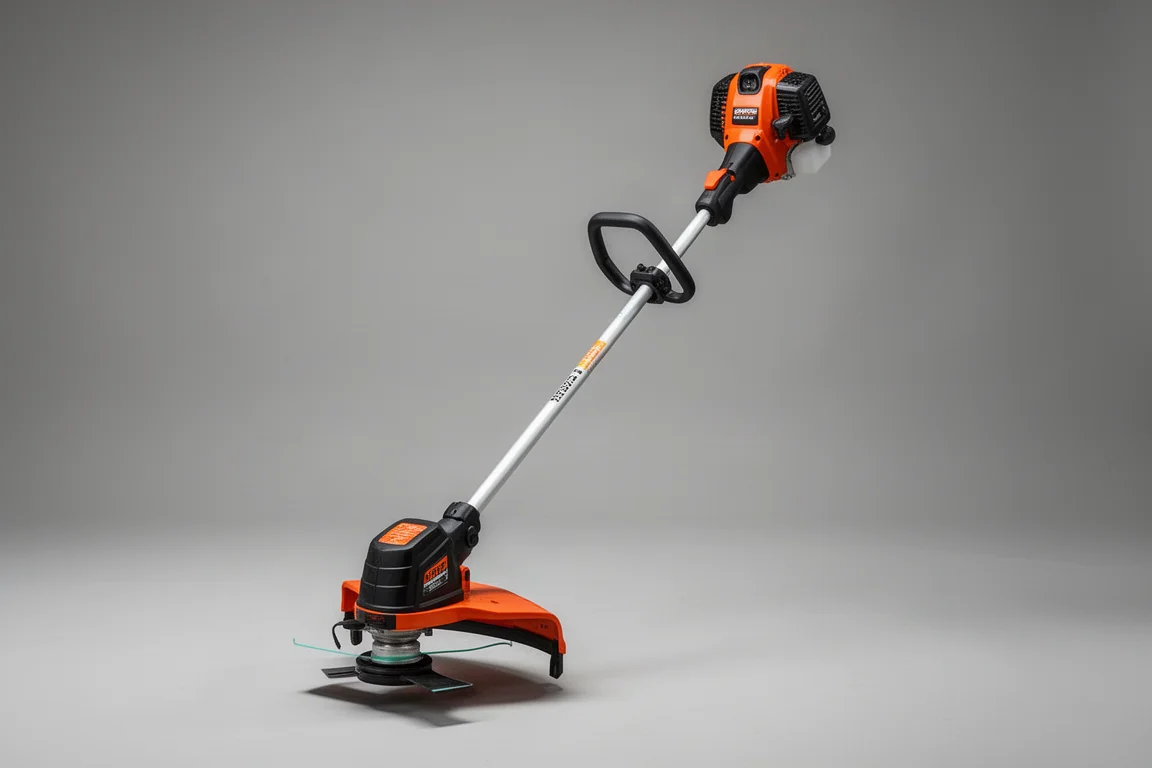
Makita XGT 40V String Trimmer
The Makita XGT 40V is a manual line head, which changes the loading routine. You feed line through a center hole in the spool, equalize the lengths, and wind it on, keeping the two sides separated by the spool’s internal divider. Helpful molded instructions indicate which direction to wind. Small clips hold the line in place on each side before reassembly, and the line seats into the groove of a metal insert in the head. As with the others, a cutter in the guard trims the line to proper working length.

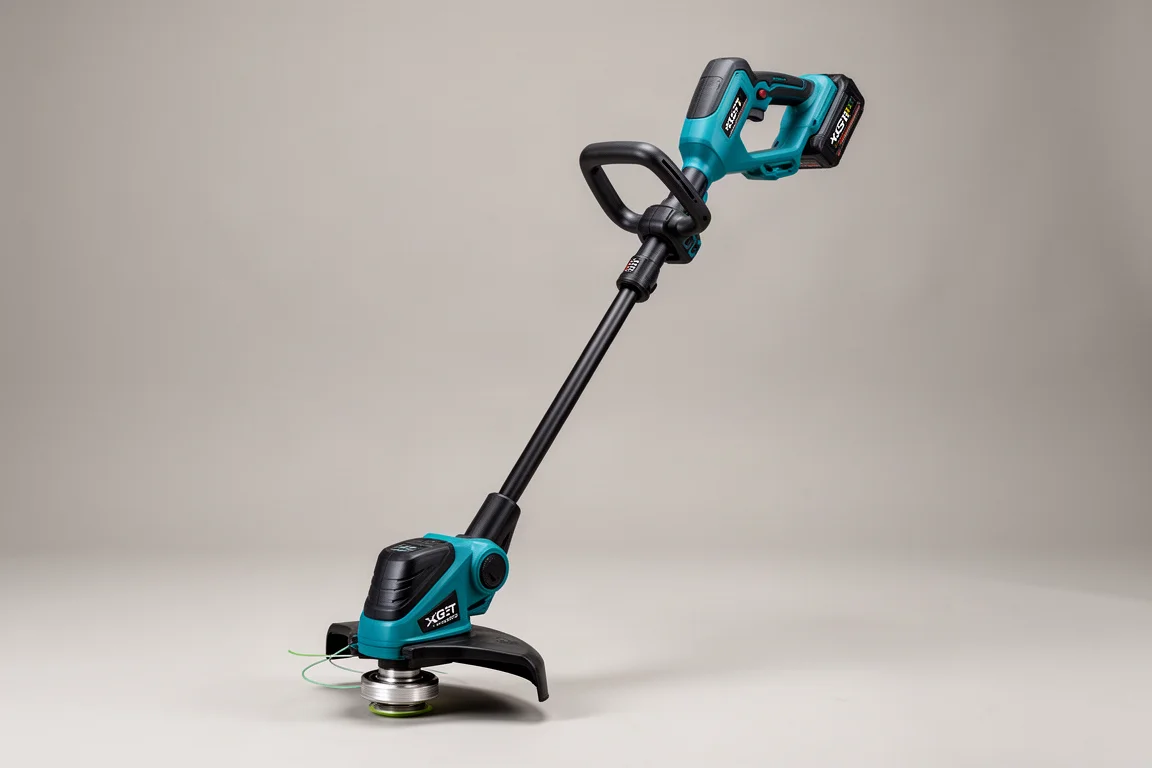
Milwaukee M18 Fuel String Trimmer
The Milwaukee M18 Fuel is a dual-battery design with an easy load head. Press the side tabs, pop the cover, remove the old line, then align the “load” marking on the spool with the “align” marking on the top. When correctly positioned, it creates a pass-through channel so the line pops out the opposite side. From there you twist the top section with the bottom held steady, and the line winds in. A bump confirmed proper feeding.
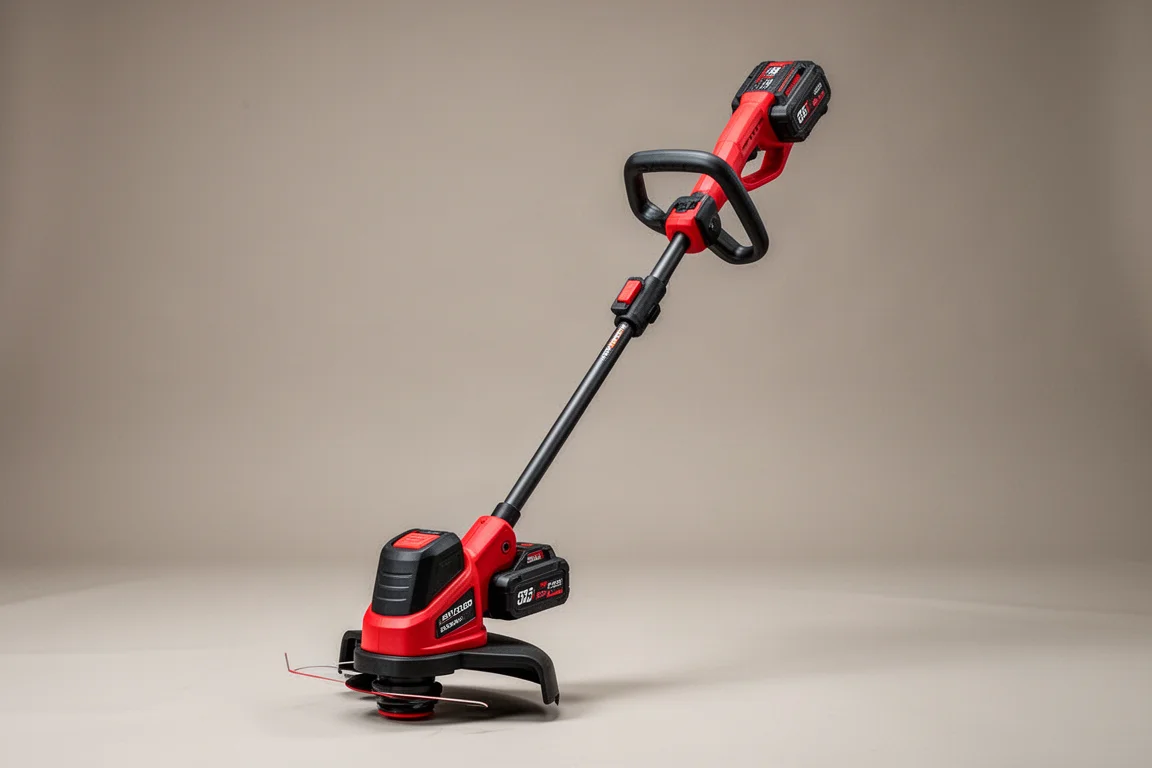
Ridgid 18V String Trimmer
The Ridgid 18V is a basic, smaller and notably lightweight trimmer. Its spool uses a lock button with lock and unlock arrow positions, and the parts only fit together one way, which removes the risk of reassembling the head incorrectly. Loading means pushing the line through a metal insert, pulling until it is even on both sides, then turning the bottom bump section to wind the line in. A quick press-and-pull test showed the feed working properly.
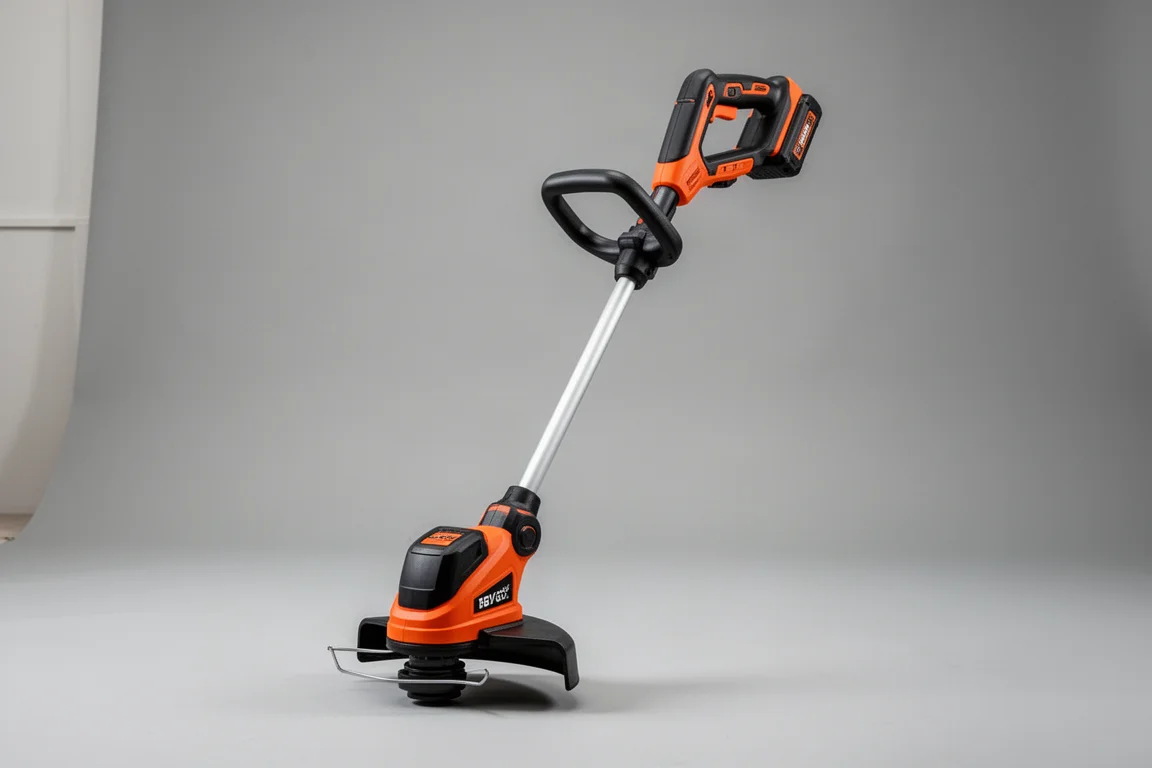
Ryobi 40V String Trimmer
The Ryobi 40V head uses a simple front lock ring with lock and open arrow positions, and it comes apart with a turn. The components again only assemble one way, so misalignment is not an option. Loading is straightforward: feed line through the metal insert until it clears all the way through, find the center, then turn the bump head, which winds the line in with a satisfying clicking action. A bump test confirmed the line extends as needed.
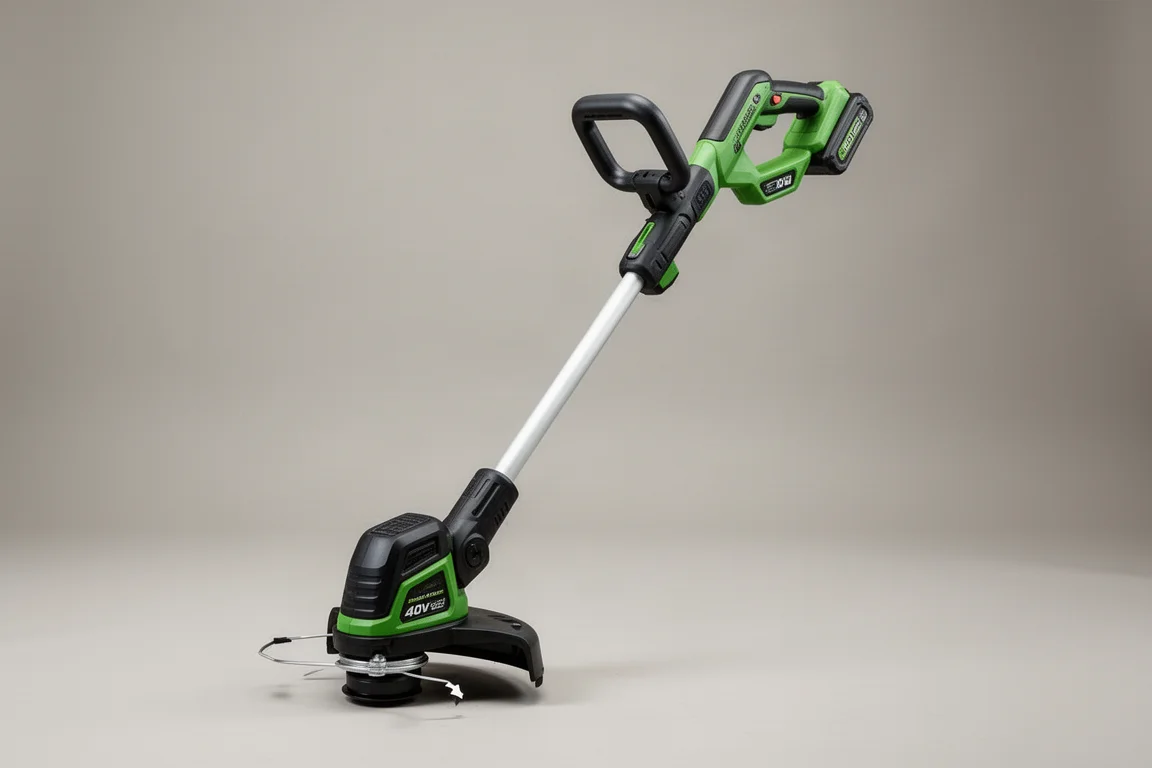
Skil 40V String Trimmer
The Skil 40V has an easy load head. The cover pops off with two side tabs, the factory line unwinds quickly, and reloading is refreshingly simple: once the spool is empty, you feed the new line through one side, pull it through until even, then twist the top red section to wind it in. It even accepted the line without needing a specific alignment step. A bump test verified clean feeding.
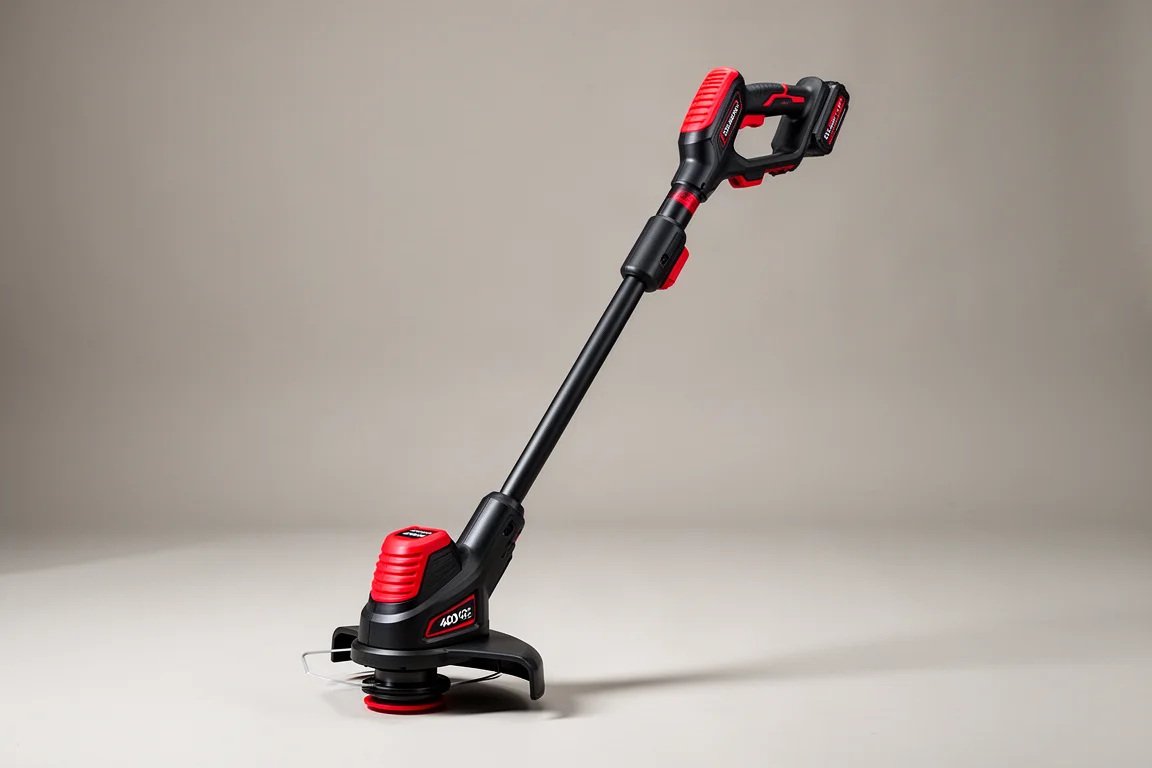
Stihl 135R
The Stihl 135R head is the most fiddly of the group to reload, but it rewards careful work. The line must actually be cut in half and each end poked into small holes inside the spool, then folded over and pulled tight. The wind direction is clearly marked with arrows inside the spool, and you need to keep the two line runs separated in their slots. A clever groove system lets the loaded spool rest without unwinding while you reassemble, and the cover snaps on with a very positive, loud click.
Toro 60V String Trimmer
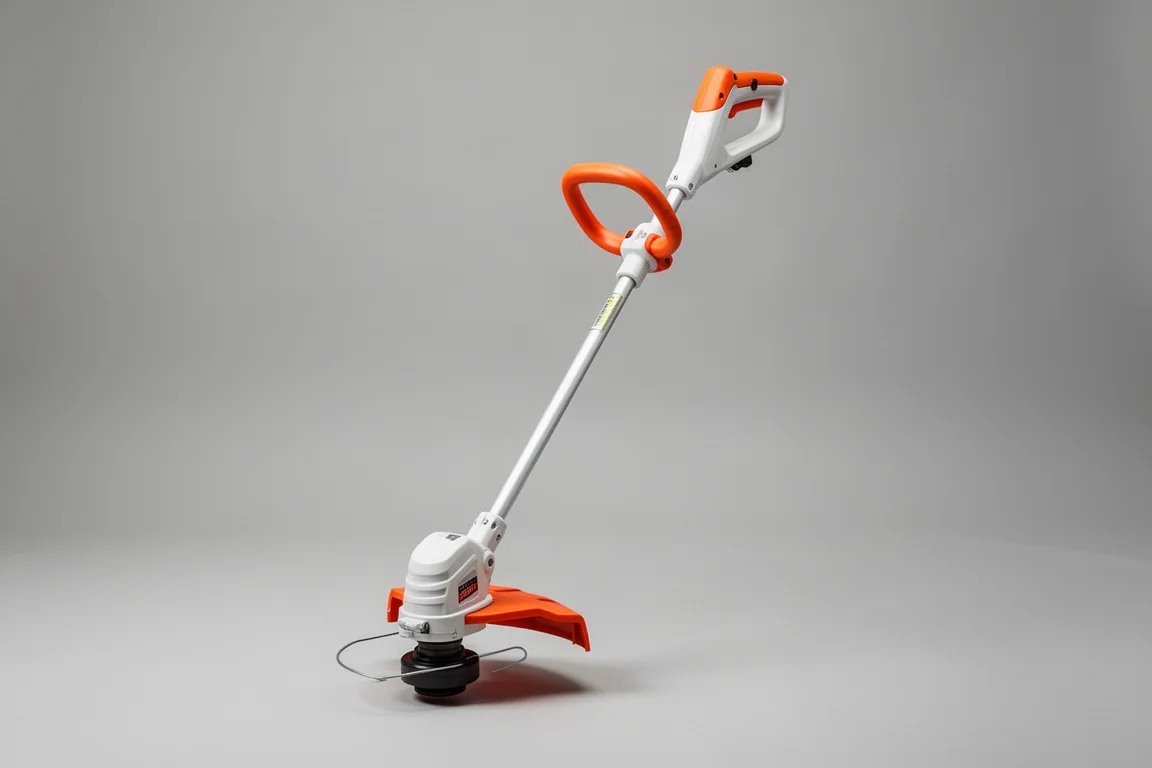
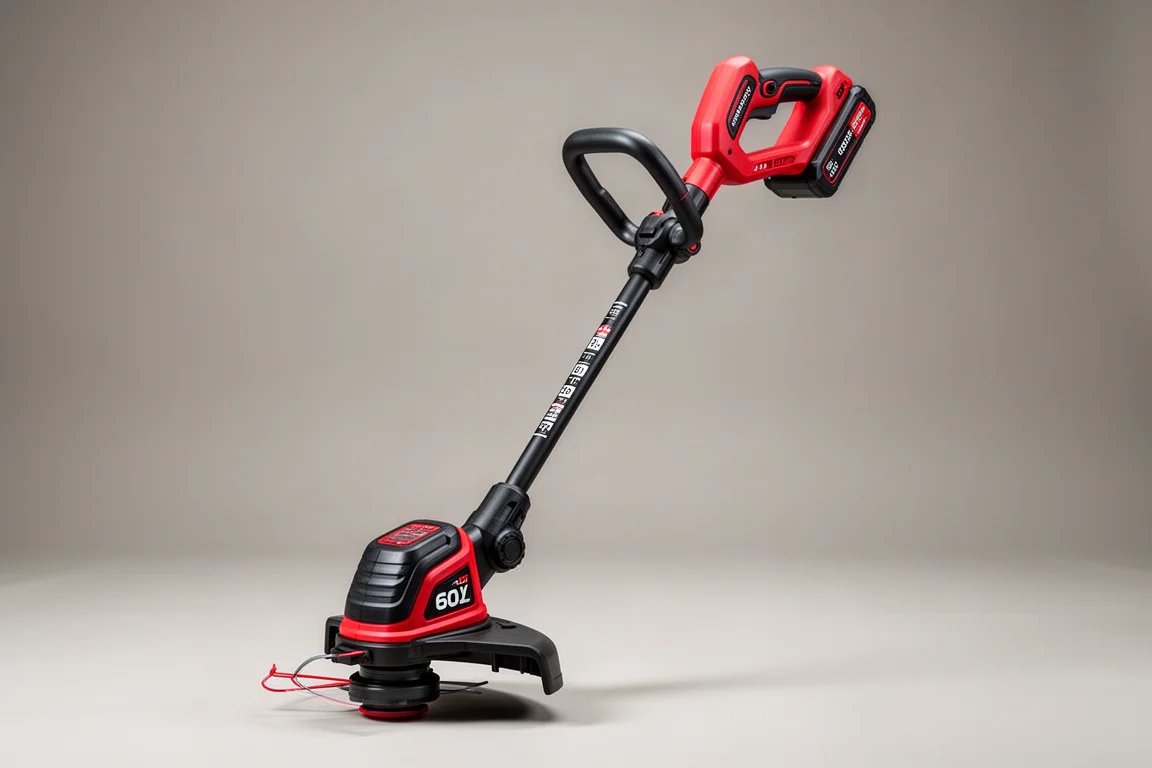
The Toro 60V has an integrated design where the spool does not fully separate from the head, meaning there is nothing to lose or misplace. The easy load head reassembles with a click, and loading involves matching the “load” marks on the head so there is a straight, visibly clear path for the string to pass through. Once centered, you hold the top and turn the bottom, which only rotates one direction, and the line winds in. A final bump test confirmed it extends correctly.
Buying Advice
Choosing between these trimmers comes down to platform and head design as much as power. If you already own batteries from a brand, staying in that ecosystem is usually the smartest move, and several of these tools are strong enough reasons to start one.
If line handling is your biggest frustration, the EGO 56V with Line IQ and Power Load stands apart, since it both feeds line automatically during use and winds new line for you at the press of a button. The Milwaukee M18 Fuel, Skil 40V and Toro 60V are the friendliest conventional loaders, with clear alignment marks and forgiving one-way mechanisms. The Stihl 135R and Makita XGT 40V take more patience to load but represent the traditional, deliberate approach that some buyers prefer.
For lighter duty around a small yard, the compact and lightweight Ridgid 18V is worth a look. For heavier, professional-adjacent use, the DeWalt 60V, Husqvarna 525LK and Echo 56V offer generous line capacity and conventional bump feed reliability.
Conclusion
Every trimmer here can do the job; the differences are in ergonomics, head design and how much patience reloading demands. Match the tool to the batteries you already own, decide whether bump feed or automatic feed suits your habits, and any of these eleven will keep your edges tidy all season.
Further reading
Related Reviews
Yard & Outdoor Tools
Best Battery Powered String Trimmers: Our Top Picks for Homeowners and Pros
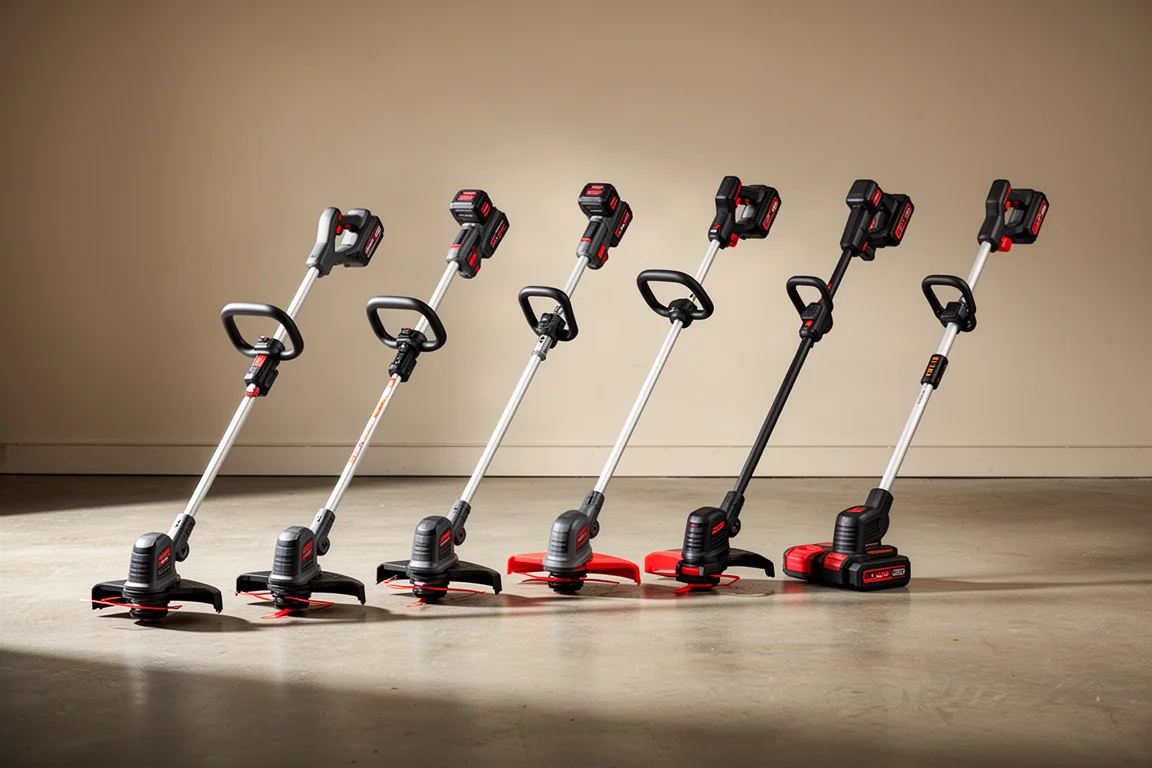
From a dual-battery Milwaukee powerhouse to a budget-friendly Skil, these six cordless string trimmers cover every yard, workload, and price point.
Yard & Outdoor Tools
Craftsman V20 Cordless Leaf Blower Review: A Small-Job Specialist
Over 400 CFM and 100+ mph air output in a compact 20V package, but runtime and battery capacity make this a blower for quick cleanups rather than whole-yard work.
Yard & Outdoor Tools
Milwaukee M12 Fuel 8-in Compact Hedge Trimmer Review: Detail Work Without the Bulk
A lightweight, one-hand-friendly hedge trimmer built for landscape pros who need precision on small hedges and potted plants, not just raw cutting speed.