Power Tools
Best Cordless Screwdrivers 2026: Seven Models Tested Head to Head
We ran seven cordless screwdrivers through a bolt gauntlet to see which small drivers actually keep spinning under load.
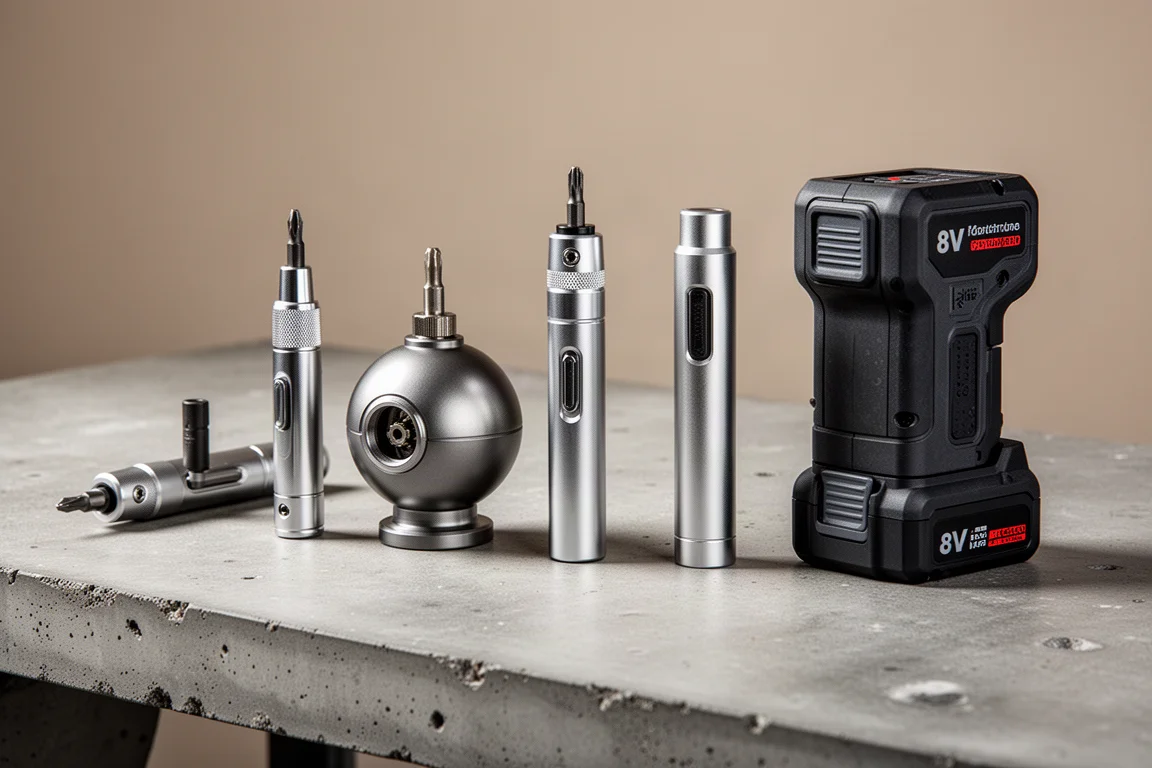
Introduction
Cordless screwdrivers are not torque monsters, and they are not trying to be. These are the tools you reach for when a full impact driver is overkill: small fasteners, assembly work, light repairs around the house. The question is not raw power but whether the driver keeps spinning when a thread fights back.
We picked up seven models, from a 24 dollar house brand driver to an 84 dollar 8V DeWalt, and ran them through the same bolt gauntlet to see which ones are actually worth their injection molding.
How We Tested
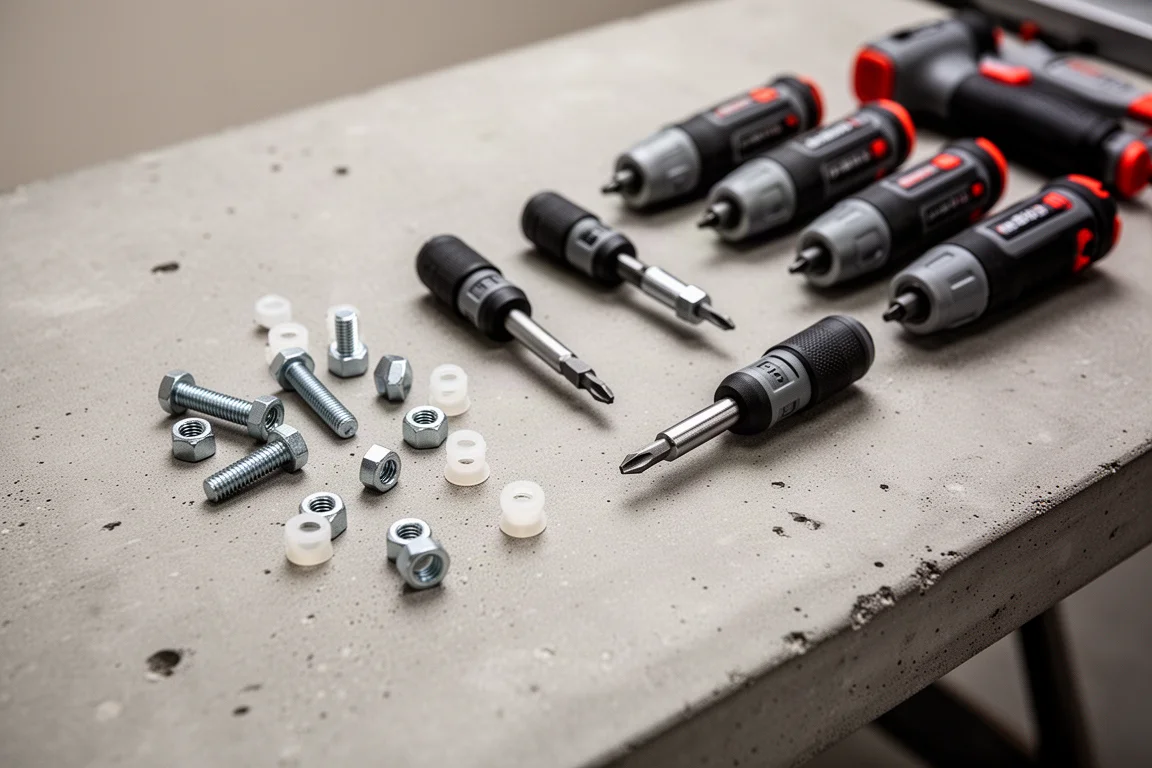
Each driver faced the same course: common hex nuts run at free speed for pure spinning pace, then nylon lock nuts to tighten and remove, simulating thread resistance, and finally a pair of larger 5/16 bolts with nylon lock nuts as the hardest task. Fresh nuts were used for every tool, and every battery was fully charged before its run.
Performance is measured in seconds, with size and switch placement factored into the rankings. That matters because plenty of these drivers spin happily at zero resistance but slow to a crawl the moment a lock nut pushes back.
Denali Cordless Screwdriver
At 24 dollars, the Denali is Amazon’s own entry into power tools, and it arrived with modest expectations given some past house brand offerings. It is a straightforward inline design close in size to a classic screwdriver, with a forward toggle for drive and back for reverse, all USB charging.
The surprise is how hard it is to slow down. Its 300 RPM free speed threads the easy hardware quickly, and under lock nut resistance it actually pulls further ahead rather than stalling. It cleared the gauntlet in 63 seconds, the best time of any four volt driver here, helped in part by a 2Ah battery it holds onto under load. Our only gripes: the control buttons sit a bit far back from where your thumb naturally rests.
Ryobi F1K Cordless Screwdriver
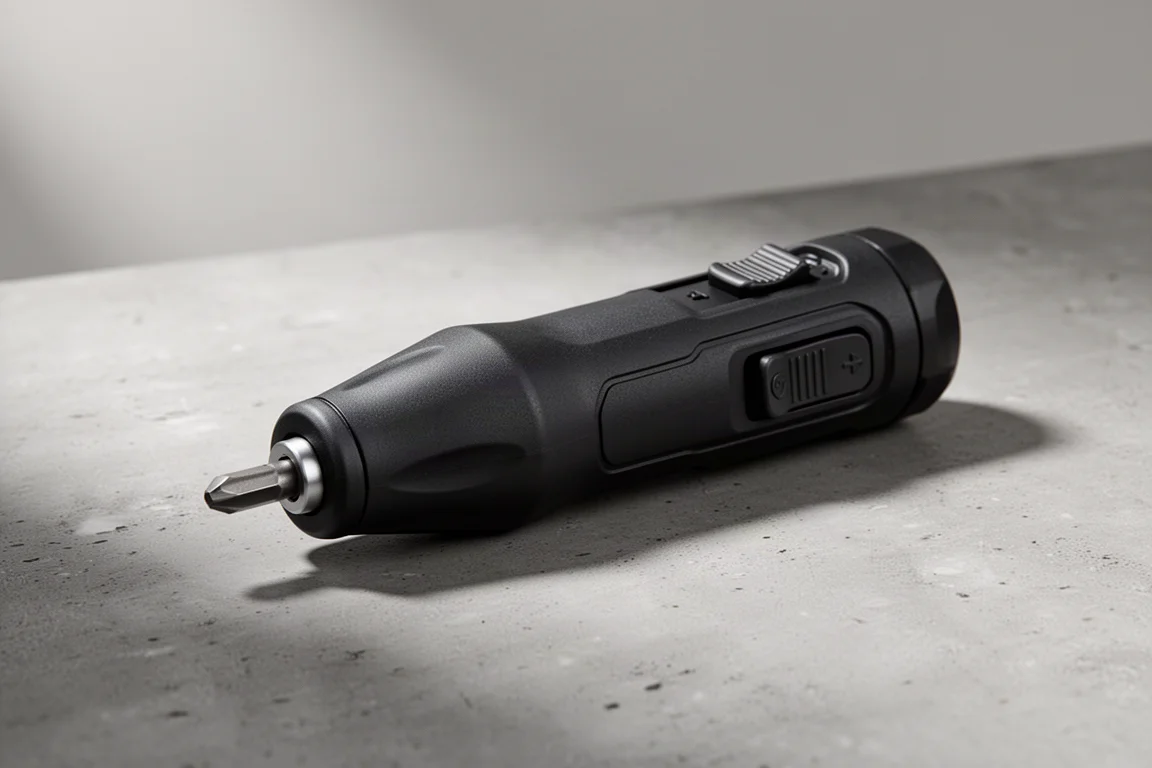
The Ryobi F1K is a genuinely compact offering at 25 dollars, only about a year old, and it packs its battery and electronics into a tiny 28cc footprint. It charges over USB like everything else in this group.
On paper it should be competitive, but the gauntlet tells a different story. Its 250 RPM free speed is already behind the Denali, and it does not like turning anything much above zero resistance. Under load it needs frequent hand intervention, essentially finishing jobs by turning the fastener manually. It ended at 172 seconds, more than double its cheapest rival, even fully charged.
Skil Twist 2.0
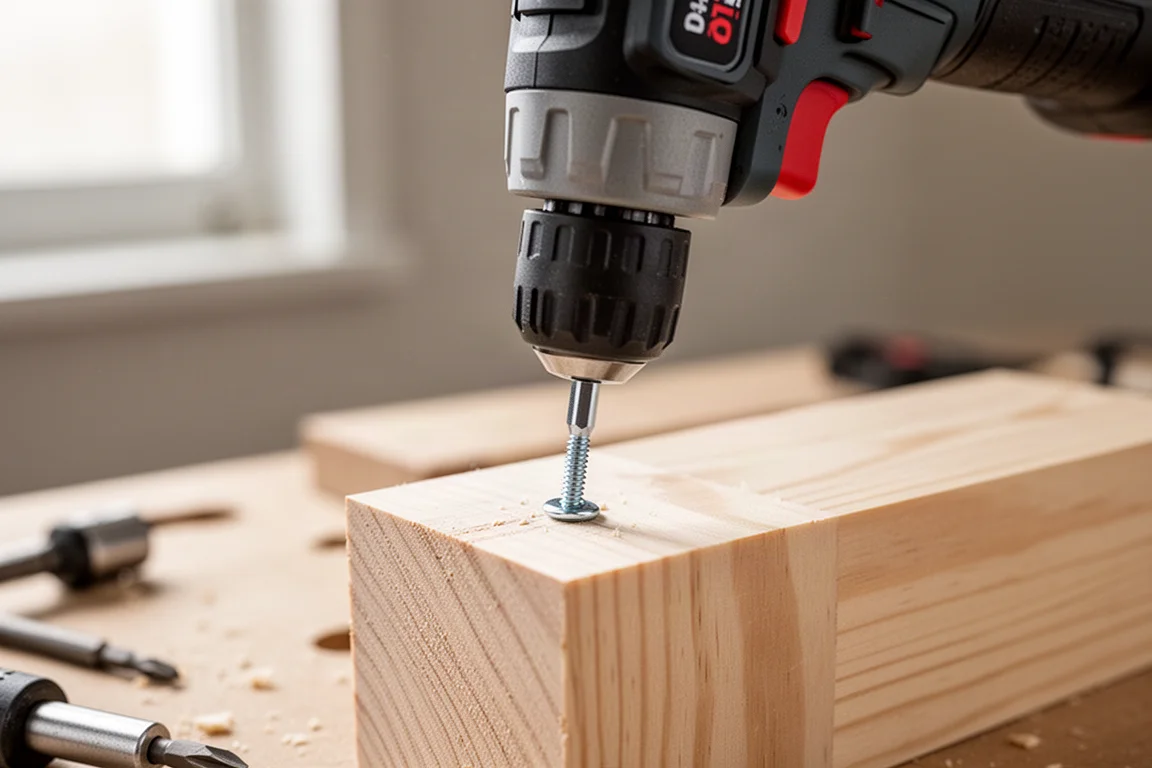
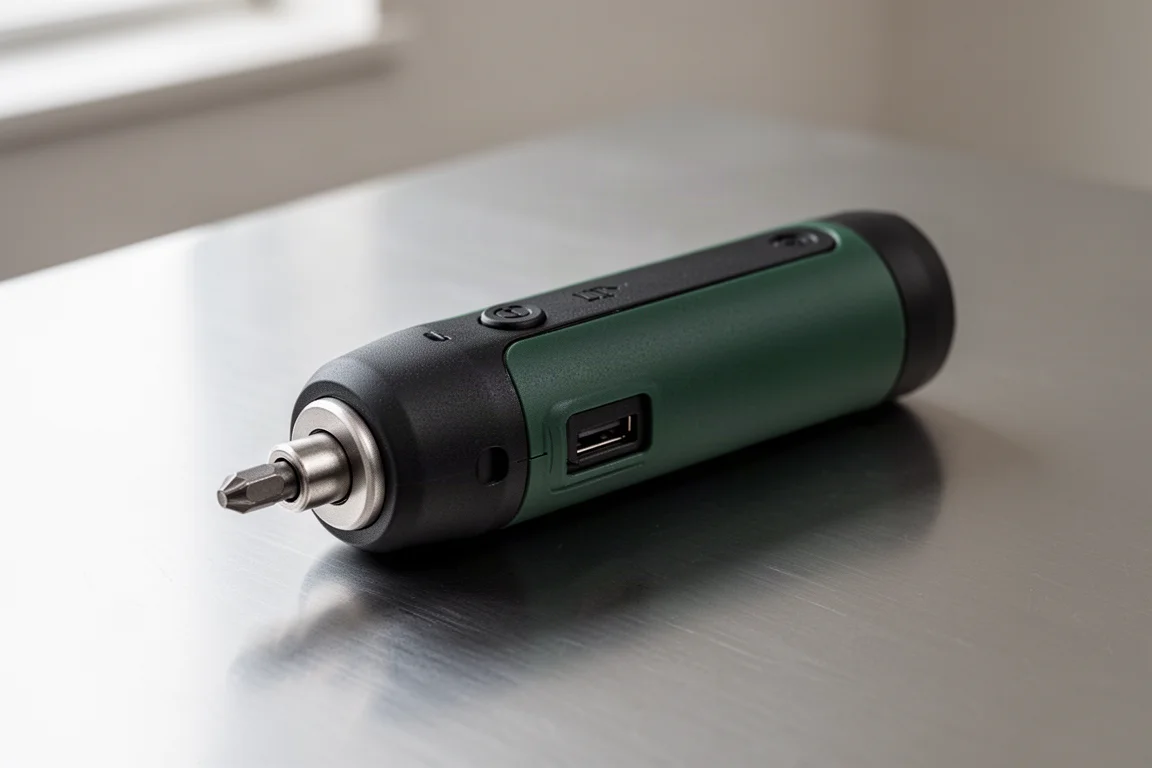
Skil’s Twist 2.0 is their newest screwdriver at around 30 dollars, and it is the most interesting design of the bunch. A little globe-shaped window lets you watch the drive shaft do its thing, and that shaft can articulate to an angle, which is genuinely useful. The switch placement feels natural, sitting right where your thumb wants to be.
The trade-off is size: its unique form makes it the second largest here at 234cc. In the gauntlet it ran 240 RPM and finished in 94 seconds, slower than the Denali on the resistant hardware but not by miles. It is a solid pick if you value the articulating shaft and switch ergonomics.
Worx Cordless Screwdriver
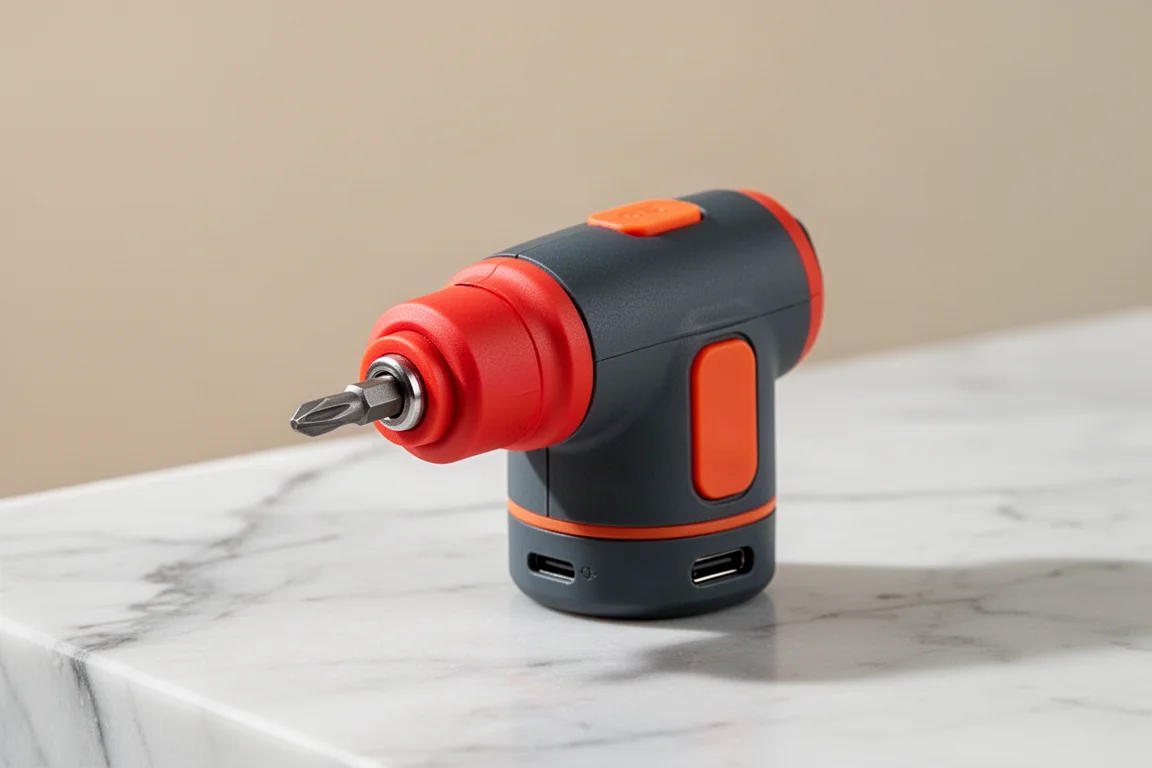
The 35 dollar Worx looks, from nearly every angle, like a mirror copy of the Denali, right down to the switch layout and settings display. That is not bad news given how the Denali performed, and on the course the two ran neck and neck for most of the test.
The difference shows up at the end. The Denali runs a 2Ah battery while the Worx carries 1.5Ah, so the Worx presumably sagged in voltage sooner. It finished in 67 seconds, just four behind. Very good in this bunch, and a fine alternative when it is the one on sale.
Craftsman Cordless Screwdriver
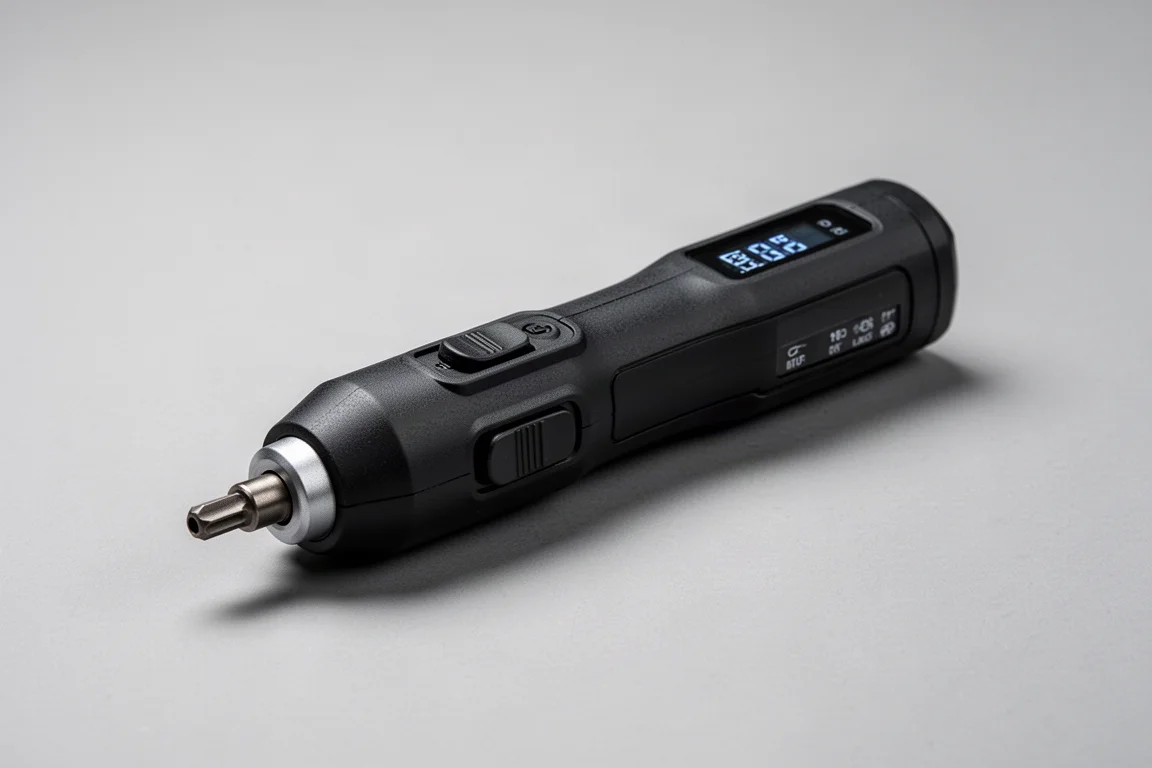
The 42 dollar Craftsman wins the appearance contest: at 160cc it is the smallest driver here and genuinely looks like a classic screwdriver, with the best-placed and most intuitive switches of the group.
Unfortunately, that is where the good news ends. On free speed it hangs with the leaders, but the moment there is any resistance the gap opens fast. It is a bear on anything tougher than toy batteries, demanding heavy manual effort to finish the same tasks. The run took 236 seconds, the slowest of the day. Buy it for the form factor and ergonomics, not the muscle.
Hoto Cordless Screwdriver
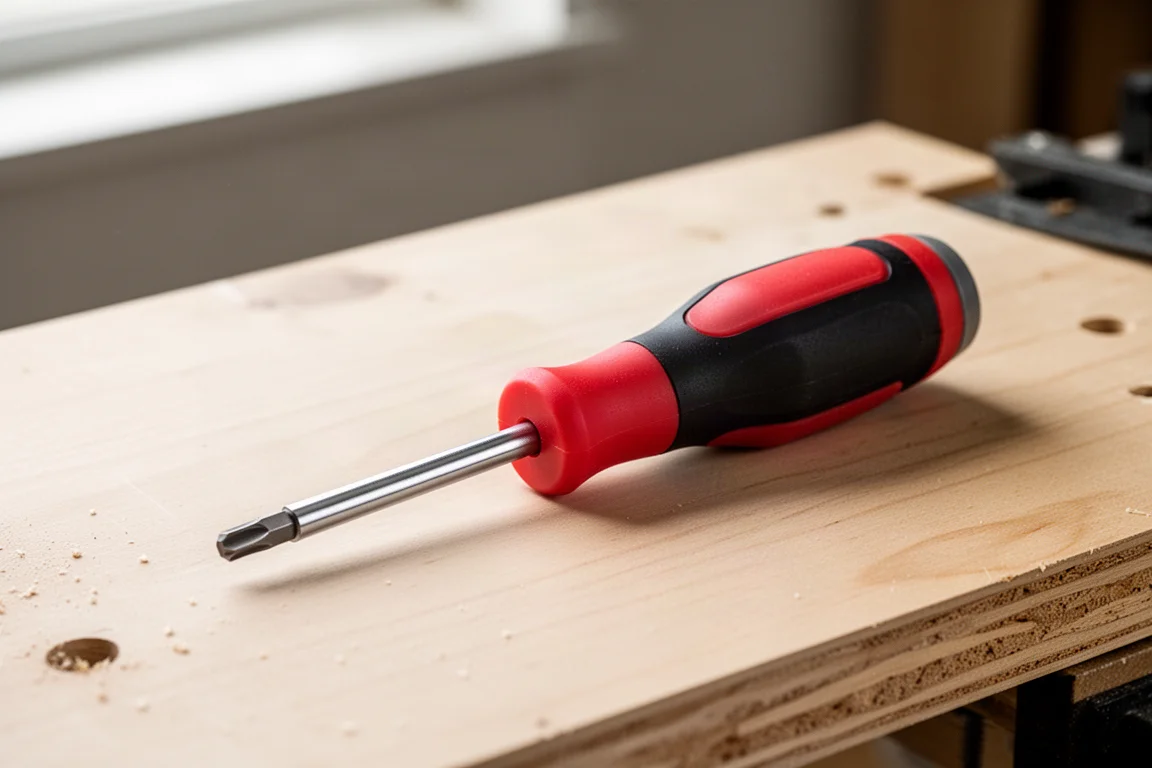
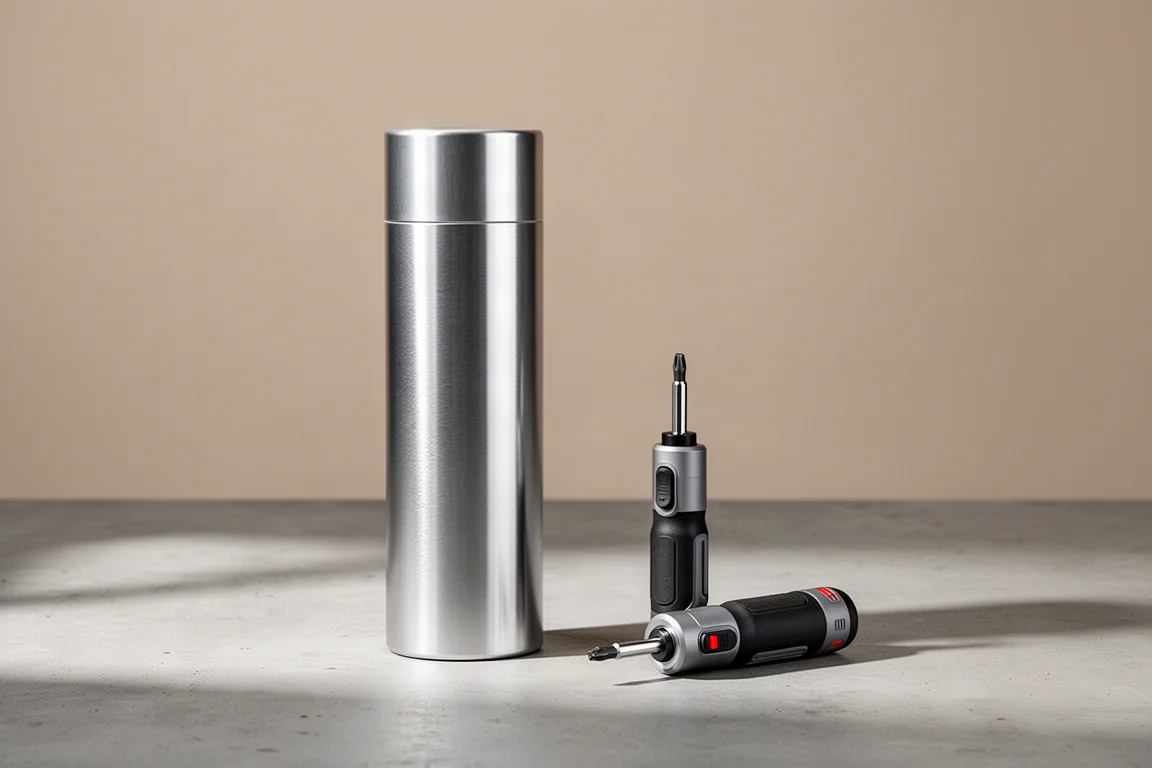
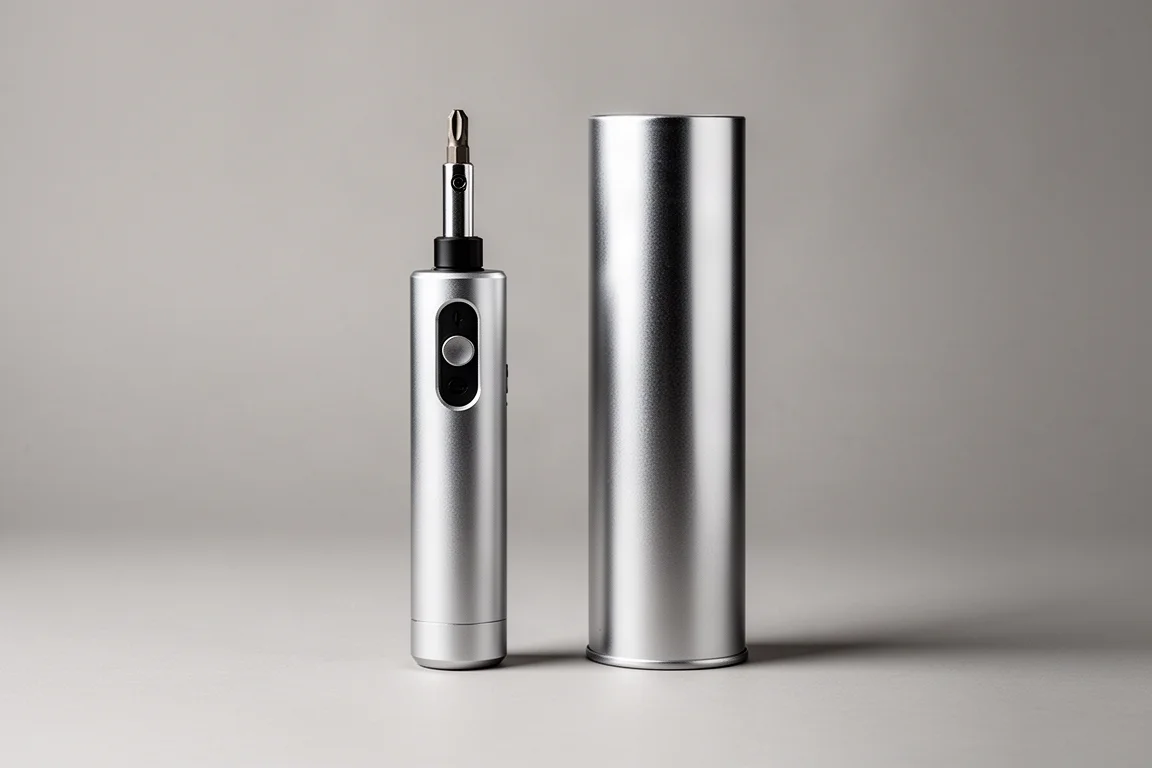
The 50 dollar Hoto is the stylish outlier, arriving in a thick aluminum tube that gives off a distinctly premium storage vibe. It is the only driver here not made of plastic or nylon, and at 196cc it is no larger than most of the others despite the cylinder look.
In testing it is not as fast as the Denali, and its main limitation is RPM, but it never felt underpowered for anything in the gauntlet. It finished in 93 seconds, one second ahead of the Skil Twist 2.0. Between the metal build, the refined design, and street prices that sometimes dip below what we paid, it is an easy aesthetic pick that also performs.
DeWalt 8V Gyroscopic Screwdriver
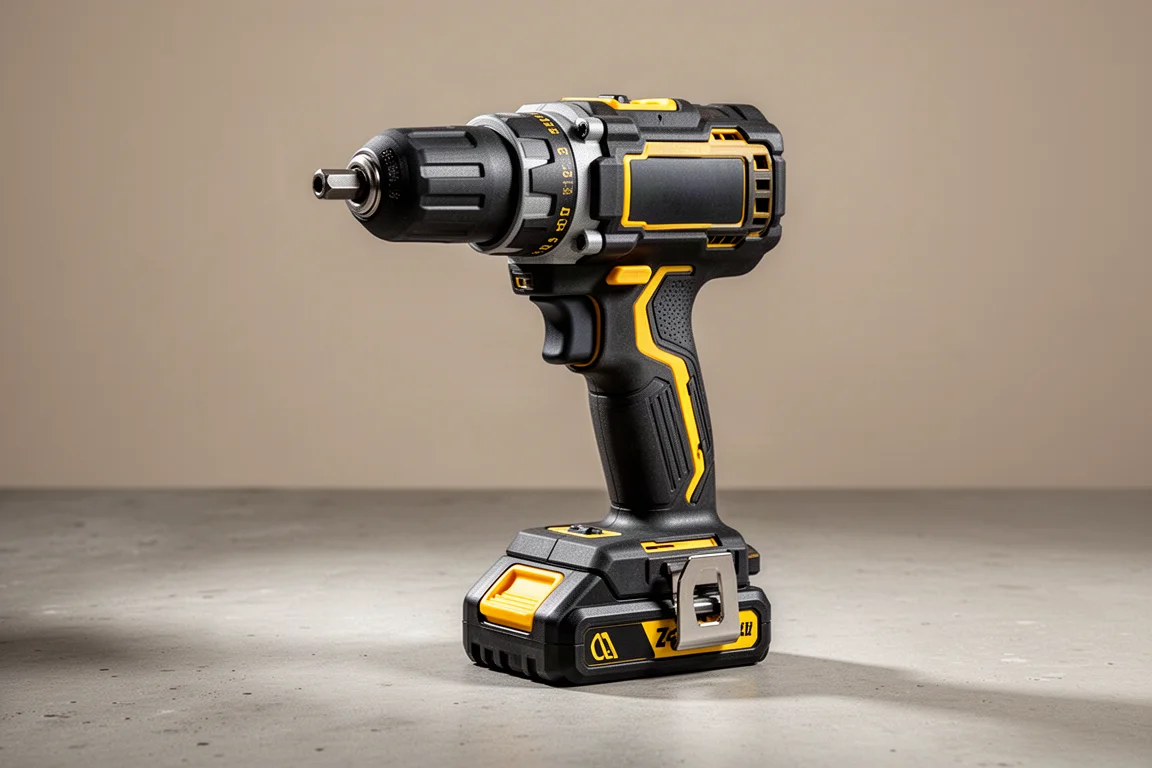
The 84 dollar DeWalt plays in a different bracket entirely. It brings a string of firsts to the category: a swappable battery, a separate charger, and 8 volts instead of the 4 volts everyone else runs. It is also by far the largest here at 418cc, and it has no switches at all. Instead, gyroscopic control does the work: pull the trigger, twist the wrist slightly for slow driving, twist quickly for full speed. It sounds messy but works almost every time.
On the course it is a rocket ship, clearing the gauntlet in 45 seconds and barely slowing on the tougher hardware, faster even than any cordless ratchet we have run through similar tests. The squared-off body also helps you manage reaction torque by hand. The catch is practical: the swappable battery is used on almost nothing else, so it might as well be internal.
Which One Should You Buy?
If you want one straightforward recommendation, the Denali is almost impossible to argue with. It was the cheapest driver tested and it took the 84 dollar DeWalt, more than three times the price, to beat it. The DeWalt itself is the pick for serious small-fastener work with real resistance, provided you have the space and budget for it. The Hoto earns the style pick, landing third overall when it was expected to be near the bottom.
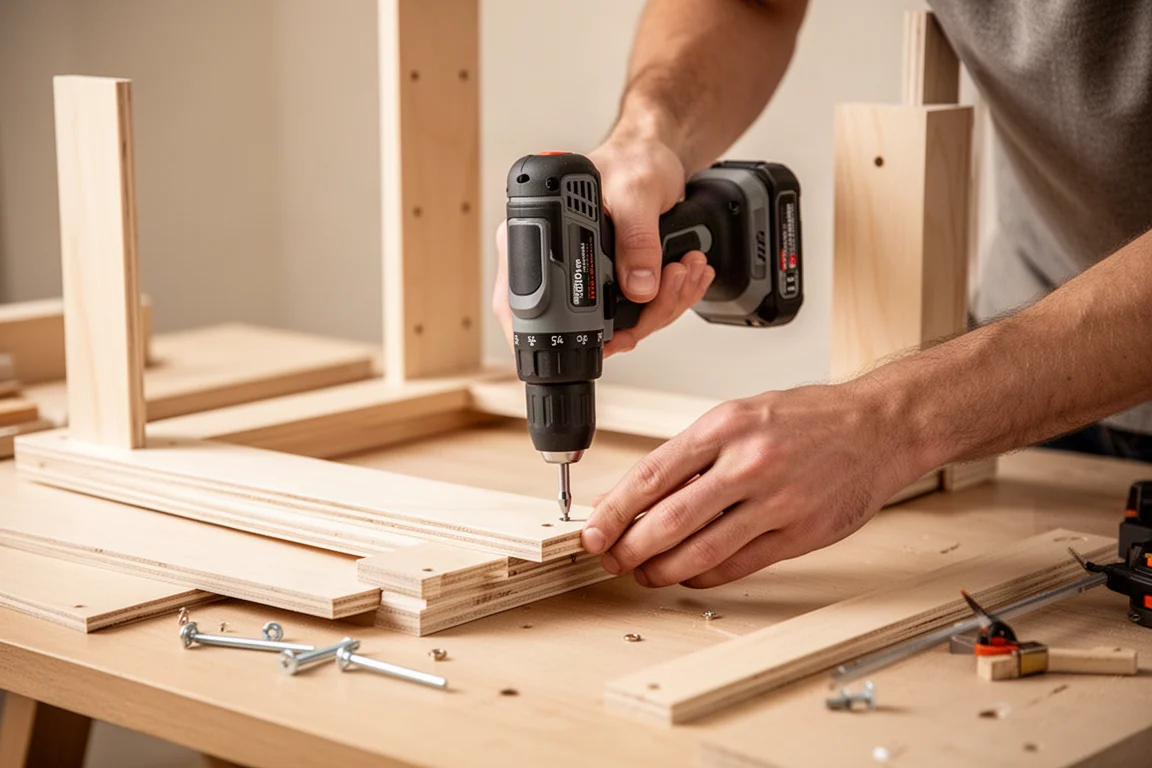
If you mostly assemble furniture and tighten light screws, the Skil Twist 2.0, Worx, or Hoto all make sense depending on your taste and budget. The Ryobi and Craftsman are harder to recommend on performance alone, though the Craftsman’s size and ergonomics might still win some people over.
Conclusion
Seven drivers, one clear lesson: price does not track performance in this category. The 24 dollar Denali embarrassed drivers costing twice as much, and only the far more expensive DeWalt managed to top it. Match the tool to your workload, and either of those two will serve you well.
Further reading
Related Reviews
Power Tools
Best 1-Inch Pistol Impact Wrenches: Three Heavy-Duty Options Compared
We compare three 1-inch pistol impact wrenches, from a budget-friendly Harbor Freight model to a premium Caterpillar unit, to help you choose the right one.
Power Tools
Best 3/4-Inch Impact Wrenches 2026: Five Contenders Compared
We compare five 3/4-inch impact wrenches across price and performance, from a budget Amazon option to Snap-on's most powerful model yet.
Power Tools
Best Budget Cordless Tools 2026: Walmart Finds That Punch Above Their Price
We tested five cordless tools from Walmart, including a high-torque impact wrench that trades blows with Milwaukee and a $35 duster that outperforms its price class.