Power Tools
Best Cordless Rivet Guns Compared: Milwaukee, Bosch and Makita
Five cordless rivet tools tested side by side, from the compact M12 to the quarter-inch heavyweights from Milwaukee, Bosch and Makita.
Introduction
Pulling rivets by hand is slow, awkward and hard on your wrists. A cordless rivet gun turns a two-handed struggle into a one-second squeeze of the trigger, and once you have used one it is difficult to go back. But not all riveters are built the same. Some are compact tools for small rivets, while others are built specifically for quarter-inch (6.4 mm) work.
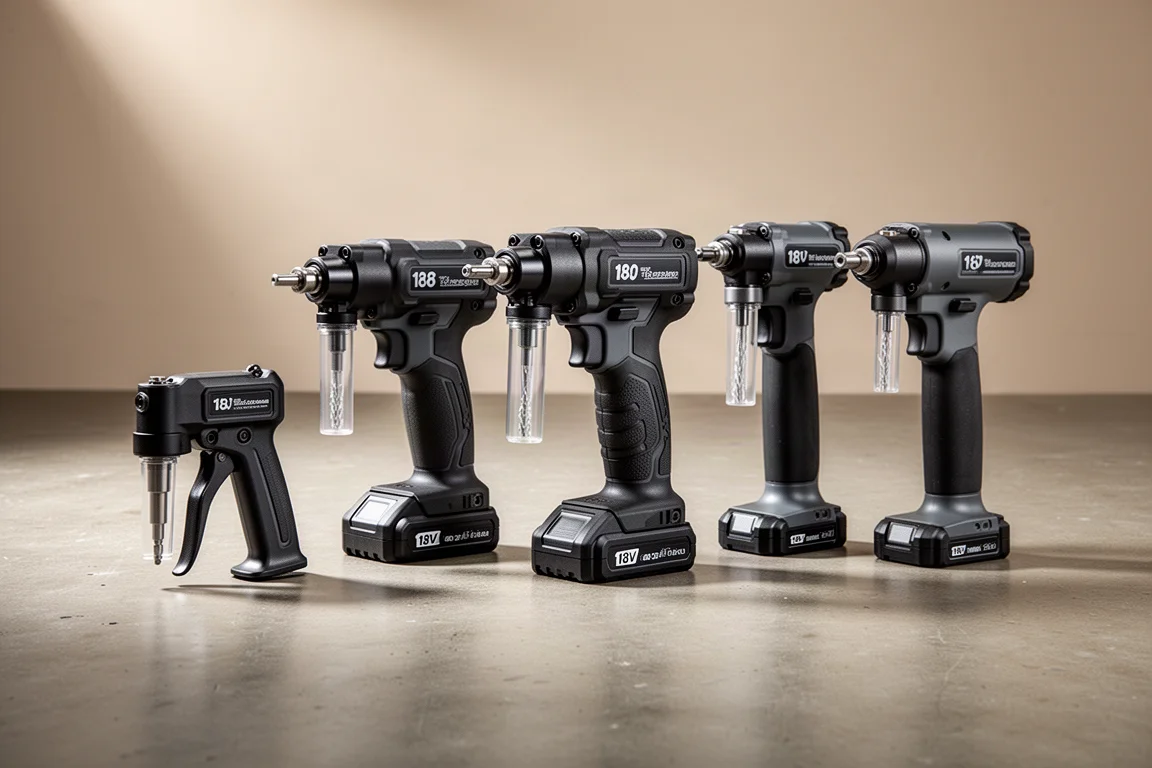
This comparison looks at five cordless rivet tools: the compact Milwaukee M12 rivet gun, the Milwaukee M18 Fuel FPRT-0, the Bosch Professional Blue GRG 18V-16C, and the Makita DRV250 and DRV150. The focus is on pulling large rivets, with weight, pulling force, stroke, rivet size range and everyday usability all in play.
The Line-Up: Five Rivet Tools, One Job
The compact Milwaukee M12 rivet gun pulls up to 4.8 mm (3/16 inch) rivets and delivers around nine kilonewtons of pulling force, roughly the equivalent of 900 kg of pull. That is plenty for small rivets, but it simply does not have the guts to set quarter-inch rivets. For 6.4 mm work you need a bigger tool, and that is where the other four come in.
The Milwaukee M18 Fuel FPRT-0 starts at 4.8 mm and pulls rivets all the way up to 7.14 mm (9/32 inch), which is the largest range of any tool here. The Bosch GRG 18V-16C starts lower, at 3 mm, and goes up to 6.4 mm. The Makita DRV250 covers 4.8 mm to 6.4 mm, and the smaller Makita DRV150 covers the 3/16 inch range.
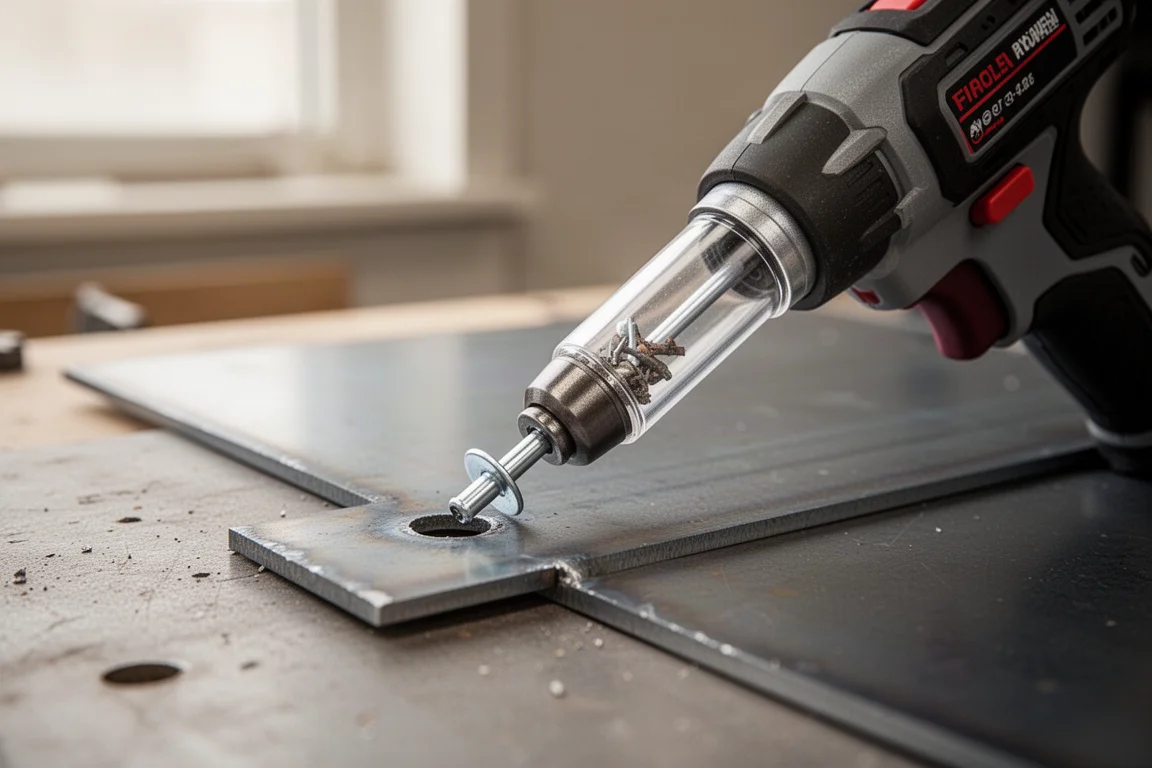
All three quarter-inch tools have a rivet retention method, a small ball bearing that keeps the rivet in place when you poke it in, and all three catch the spent mandrels in clear tubes so they are easy to see and empty.
Weight, Grip and Build
Weight matters if you are pulling rivets all day. On paper, the Bosch is the clear winner at 1.6 kg bare tool, with the Makita and Milwaukee listed at 2.1 and 2.13 kg respectively. In practice, a set on the scale told a different story: the Bosch at 1.6 kg, the Makita at only 1.7 kg, and the Milwaukee at 2.15 kg. The Makita is much closer to the Bosch than the official figures suggest.
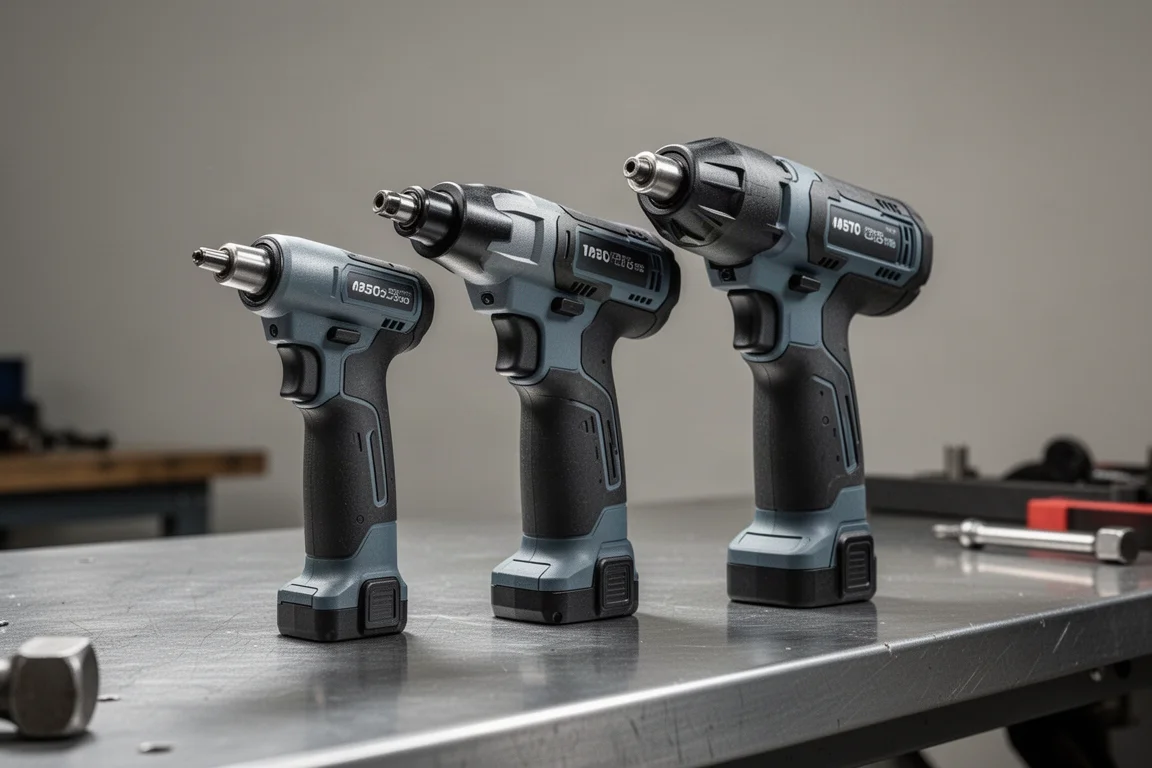
The Milwaukee is visibly the sturdiest and chunkiest of the three quarter-inch tools, with a protective hand guard at the front and a big steel nose area. It feels like a much meatier tool, and that extra heft is noticeable, especially with a large battery attached. You do not really need a big battery on a riveter anyway, since the pulling work does not demand it.
Stroke tells another story. The Makita DRV250 and Milwaukee M18 both offer a 30 mm stroke, giving a bigger pull and a better chance of setting a rivet in one trigger pull. The Bosch and the smaller Makita DRV150 both have 25 mm strokes, and the M12 has 20 mm. The shorter Bosch stroke occasionally meant a second pull was needed to snap the mandrel.
Pulling force separates them too. The Makita DRV250 and Milwaukee M18 both deliver 20 kilonewtons, over 2,000 kg of pull on the rivet, about 4,400 pounds. The Bosch is the lowest of the quarter-inch trio at 16 kN, and the DRV150 sits at 10 kN.
Built for Different Users
The Makita DRV250 was the first of the three quarter-inch tools to be released, and it shows a different design philosophy. It is a production-line tool: basic looking, with no rubber over-molding and no extraneous parts to catch on anything. Screws go into nuts on the other side rather than directly into plastic. It is built simple, solid and tough, set up once and left to fire in rivets all day. It is also made in Japan rather than China.
That focus comes at a cost in usability. To change rivet sizes on the Makita you have to change the plunge rod on many sizes, then store those parts somewhere where they will not get damaged. There is no on-tool storage, no hang hook and no side fittings. The Milwaukee and Bosch both let you unscrew the tip and swap it, with extra fittings screwing into the tool itself, a spanner that clips in front, a hang hook on top and a belt clip.
The newer Milwaukee and Bosch also add connectivity. Both offer Bluetooth features: the Milwaukee has One-Key, so you can track the tool’s location and disable it if it walks off your site. The Makita predates that trend.
Pulling Quarter-Inch Rivets
In free-air tests with 6.4 mm by 25 mm rivets, the Milwaukee was the only tool that consistently broke the mandrel off every time. On a test panel, all three quarter-inch tools set the rivets well, with the Milwaukee and Bosch holding rivets slightly more loosely in the nose compared to the much tighter Makita grip.
With rivets surrounded by nylon, the Bosch and Milwaukee broke them quickly, and the Makita handled it without problem, as expected. Pulling rivets through rusty, layered tin around 7 mm thick: all three popped the rivets, with the Makita leaving the thinnest mandrel, the Milwaukee the longest and the Bosch the fattest.
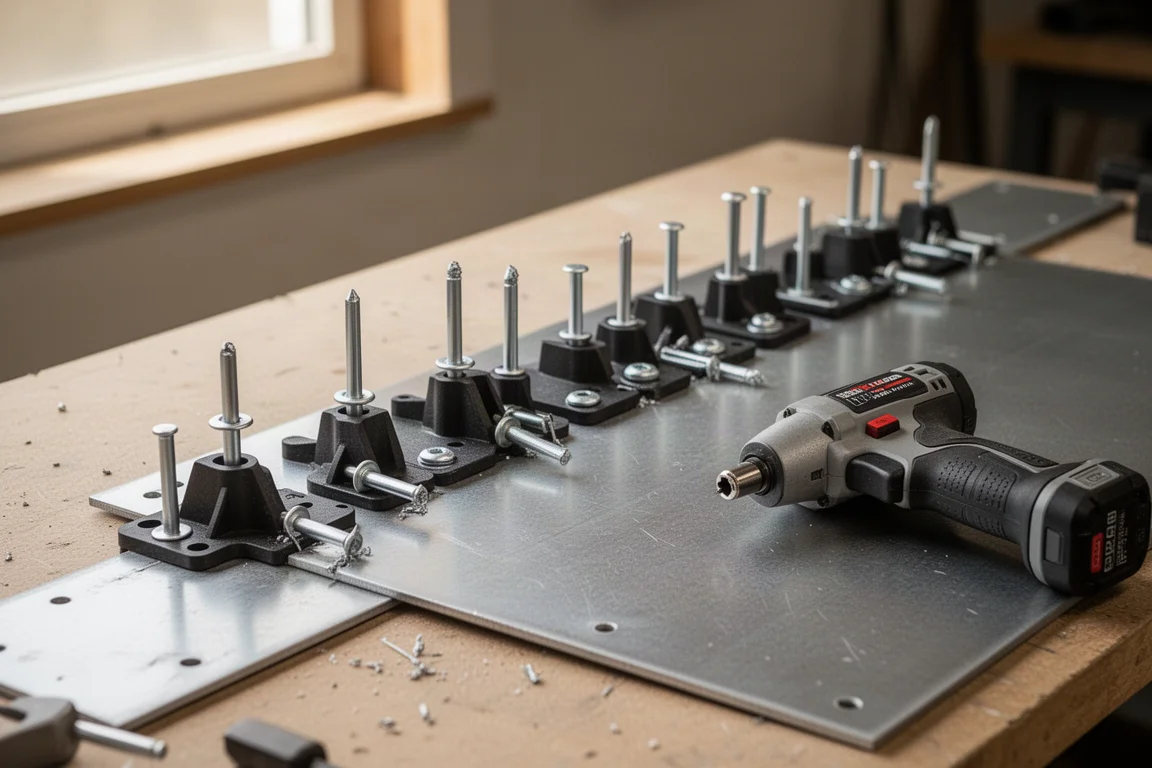
The Bosch’s auto mode proved genuinely useful. Tapping the trigger on the Bosch runs the full pull cycle, whereas a light tap on the Makita or Milwaukee gives only a tiny pull, which could snap a mandrel awkwardly if the rivet were in material. The Bosch also runs cooler in the hand, though all of these tools heat up fast. If you are weighing the three against each other, the auto function is a real point in the Bosch’s favor.
One caveat on the Makita DRV250: the instructions state it is not rated for quarter-inch stainless rivets, only aluminum. The Milwaukee says it is fine for quarter-inch stainless, and the Bosch instructions are silent either way.
Small Rivets and Speed: DRV150 vs DRV250
The Makita DRV150 is the 4.8 mm counterpart to the DRV250, and in a head-to-head speed test the 150 was clearly much quicker. The trade-off is force: the DRV250 pulls slower on purpose, so it does not snap small rivets at the wrong moment or put undue stress on the tool, but it applies far more force for big rivets.
If you fire in small rivets all day and want speed, the DRV150 is the one. If you occasionally do small rivets but mostly pull big ones, the DRV250 makes more sense. Buy the DRV250’s extra nozzles and pull rods and it can cover the entire rivet range, though the tip-change process remains more involved than on the Milwaukee or Bosch.
Which Rivet Tool Should You Buy?
If your job is pulling the same size rivet all day, every day, the Makita DRV250 is hard to beat. It is the nicest to hold, slim and streamlined, with nothing to fall off or catch, and purpose-built parts for every rivet size. But for mixed-use, the tip changes involving plunge rods and loose parts make it the least user-friendly of the bunch.
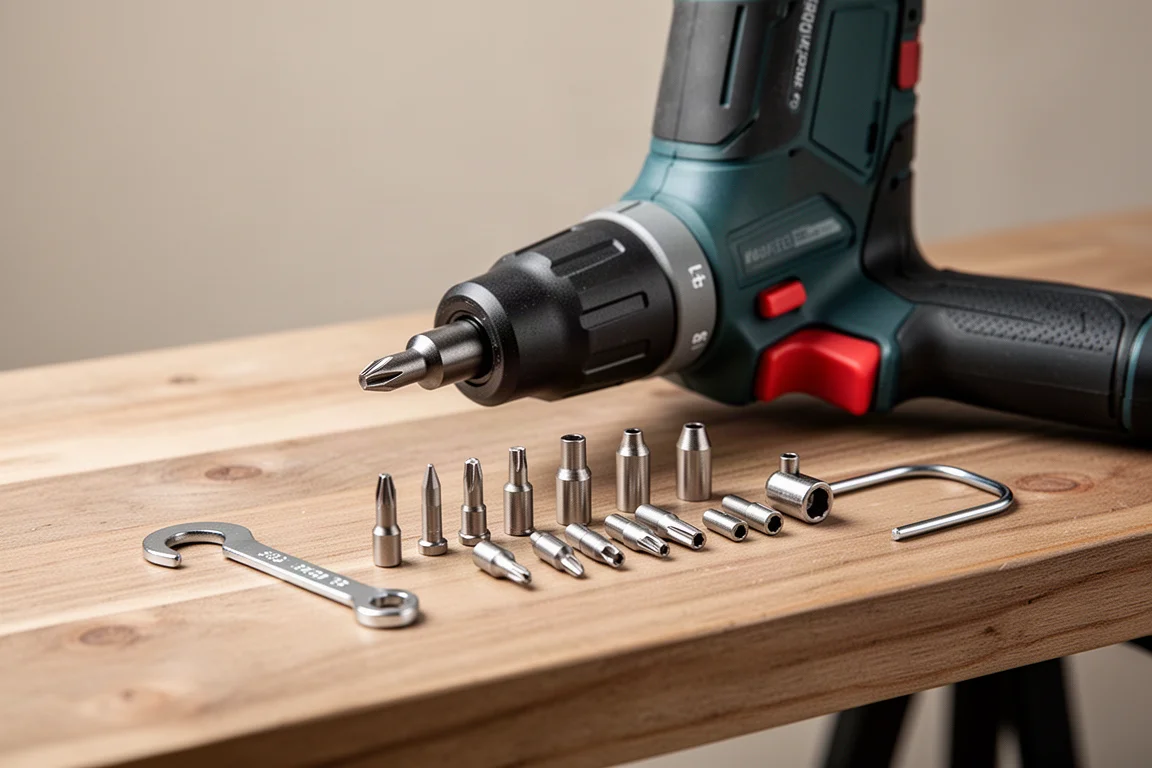
The Milwaukee M18 Fuel FPRT-0 is the power pick. It pulls the biggest rivets here, up to 7.14 mm, and it is rated for quarter-inch stainless, making it arguably the strongest tool of the group. The cost is weight: it is noticeably heavier than the other two quarter-inch tools.
The Bosch GRG 18V-16C is arguably the most feature-friendly. It has the auto mode, the slimmest nose for getting into tight spots, easy tip changes with onboard tool storage, a hang hook, and the most flexible small-rivet range at 3, 3.2, 4, 4.8, 5 and 6.4 mm. Mandrels also clear to the back more reliably than on the other two. Its main weakness is the shorter 25 mm stroke, which occasionally needs a second pull. If only one tool could be picked from this comparison, the Bosch takes it, though a fan of big 9/32 inch rivets would have to go Milwaukee.
Conclusion
All five of these rivet tools get the job done; the differences lie in how and where you work. For a single dedicated production task, the Makita DRV250 is the toughest and most comfortable. For the biggest rivets and stainless work, the Milwaukee M18 Fuel is the strongest. For mixed DIY and trade use with the nicest feature set and the widest practical size range, the Bosch GRG 18V-16C is the most versatile. And for speed on small rivets, the DRV150, or the compact M12 if you want the lightest option, will serve you well.
Product link
View more details for Milwaukee M12 Rivet Gun
This product is mentioned in the review. Check the specifications, options, and compatibility before buying.
View more details for Milwaukee M12 Rivet GunFurther reading
Related Reviews
Power Tools
Best 1-Inch Pistol Impact Wrenches: Three Heavy-Duty Options Compared
We compare three 1-inch pistol impact wrenches, from a budget-friendly Harbor Freight model to a premium Caterpillar unit, to help you choose the right one.
Power Tools
Best 3/4-Inch Impact Wrenches 2026: Five Contenders Compared
We compare five 3/4-inch impact wrenches across price and performance, from a budget Amazon option to Snap-on's most powerful model yet.
Power Tools
Best Budget Cordless Tools 2026: Walmart Finds That Punch Above Their Price
We tested five cordless tools from Walmart, including a high-torque impact wrench that trades blows with Milwaukee and a $35 duster that outperforms its price class.