Power Tools
Cordless Reciprocating Saw Showdown: Flex 24V vs Makita XGT vs Metabo 36V
Three cordless reciprocating saws tested cutting treated lumber: where the Flex 24V slots in against the higher-voltage Makita XGT and Metabo 36V, and which one deserves your money.
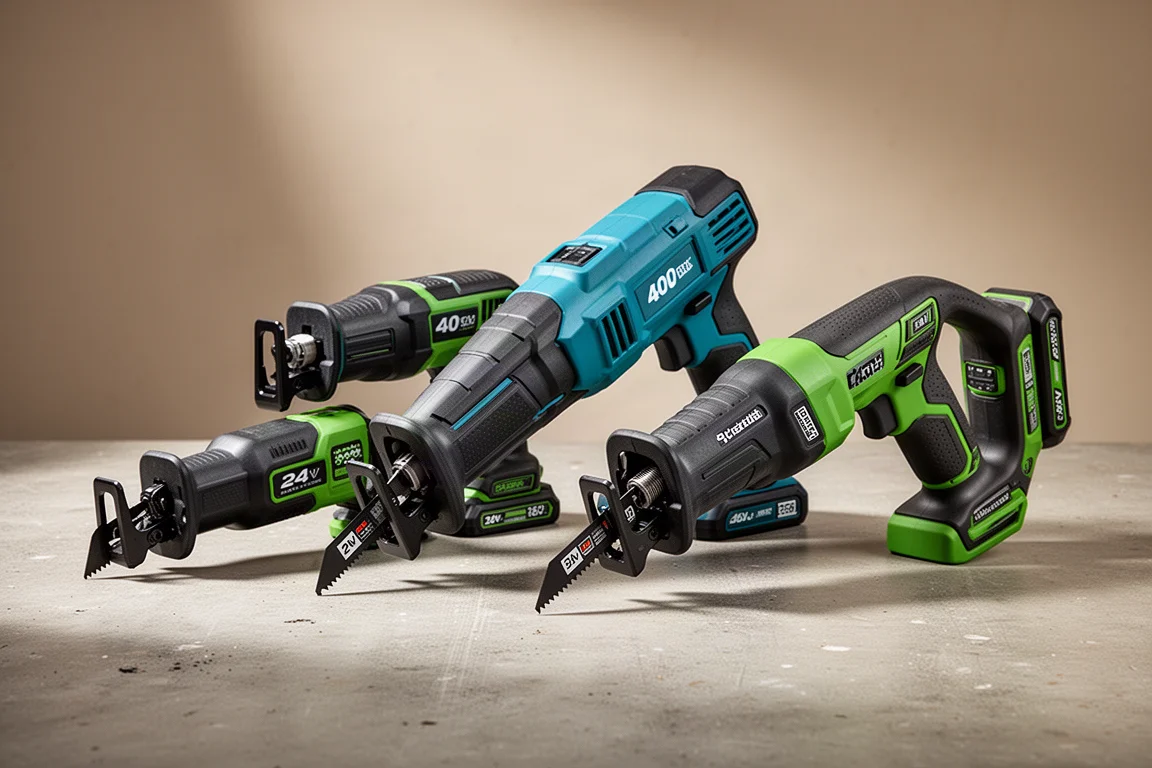
Introduction
Reciprocating saws have quietly become one of the most useful tools in the cordless lineup, and the market now splits cleanly into two camps: the familiar 18 to 20 volt models and the bigger, heavier-duty high-voltage saws. The Flex 24V reciprocating saw with orbital action is an interesting case, because it sits in the 24 volt class but behaves more like an upper-18V tool in size and feel. To see where it actually lands, it went up against two of the biggest names in the high-voltage camp: the Makita XGT reciprocating saw at 40 volts and the Metabo 36V reciprocating saw with orbital action.
How We Tested
Each saw cut through the same piece of roughly six-by-six treated lumber, with the best of three runs used for comparison. Battery charge was monitored between runs, and all three saws started with plenty of headroom on the fuel gauge.
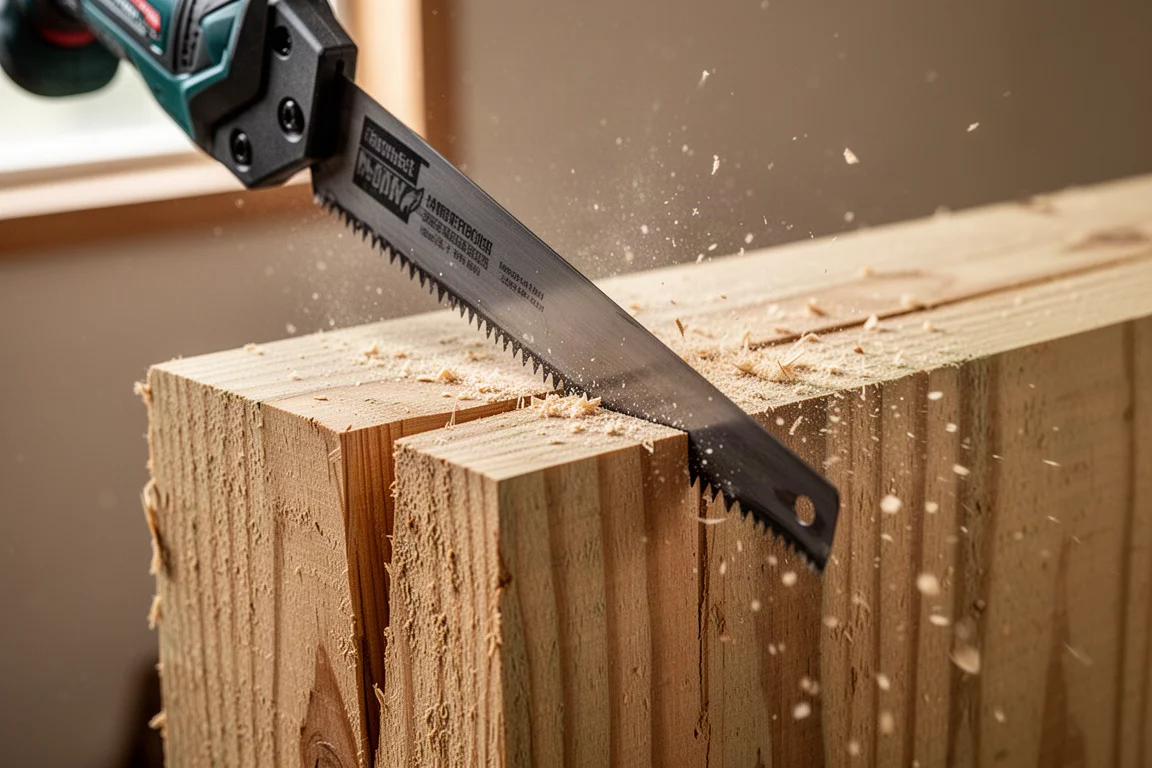
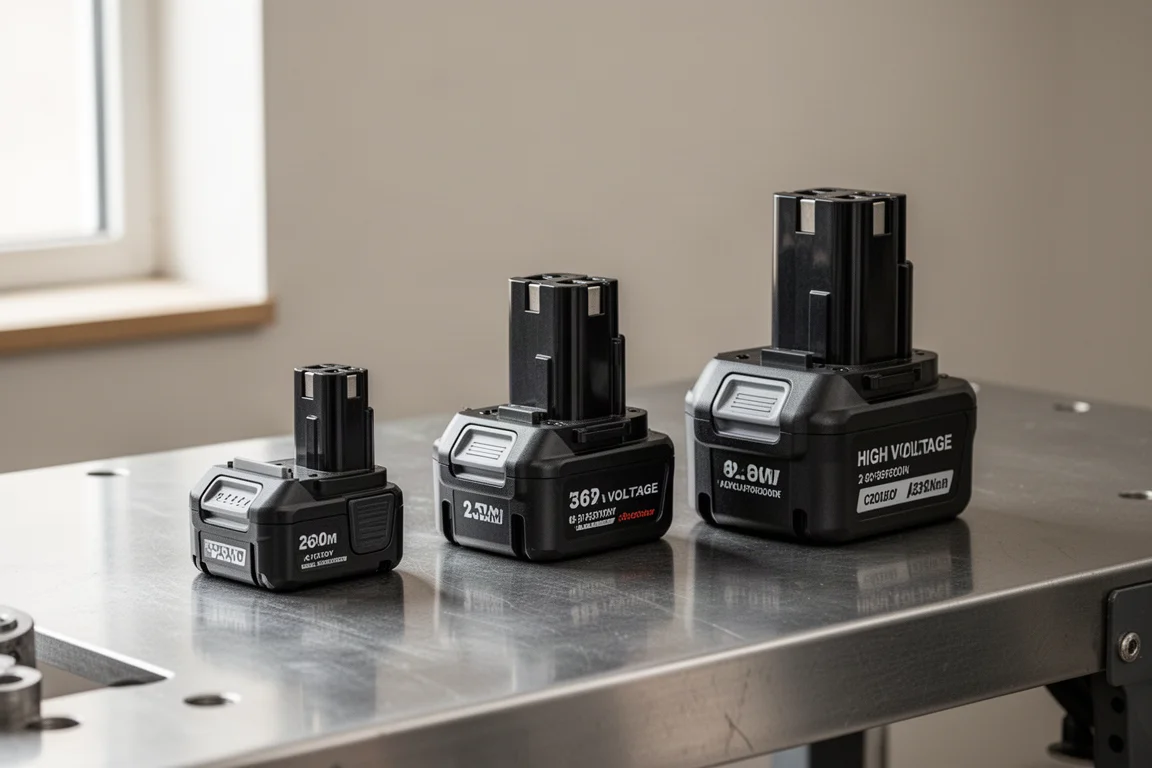
One important caveat: the Flex only had a smaller 2.5Ah-class battery available for this comparison, while the Makita and Metabo ran larger packs of the same physical size class as each other. With a bigger battery on the Flex, performance would very likely improve, so treat the raw cutting results with a grain of salt.
Makita XGT Reciprocating Saw
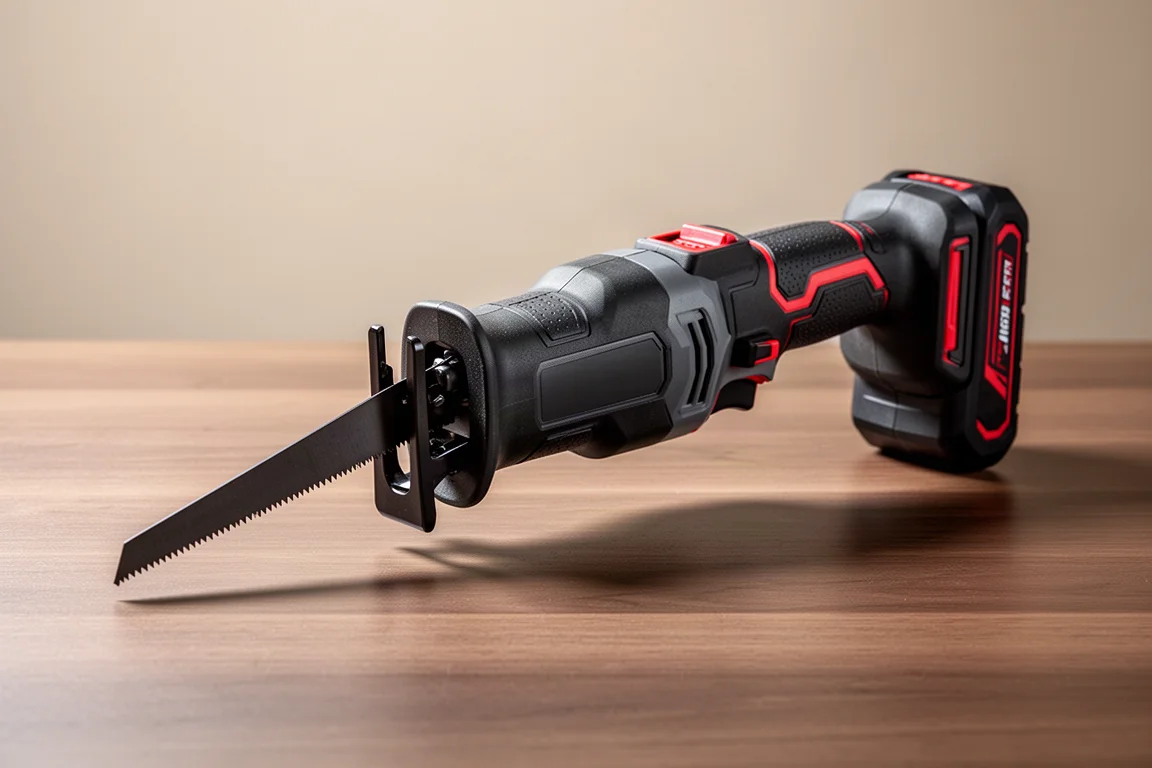
The Makita XGT is the first-generation 40 volt class reciprocating saw. It does not have orbital action, and although a newer version with orbital action has been announced, it is not yet readily available. In cutting, it delivered solid, consistent performance and still finished its runs with four bars left on the battery.
As a two-handed high-voltage saw, it feels beefier and heavier duty than the Flex, which is exactly what you would expect from the 40 volt class. One thing to know before buying: the side-mounted blade release can clog with debris over time. When that happens, you may need pliers to pull out the junk, a spray of WD-40, and it is good to go again.
Metabo 36V Reciprocating Saw
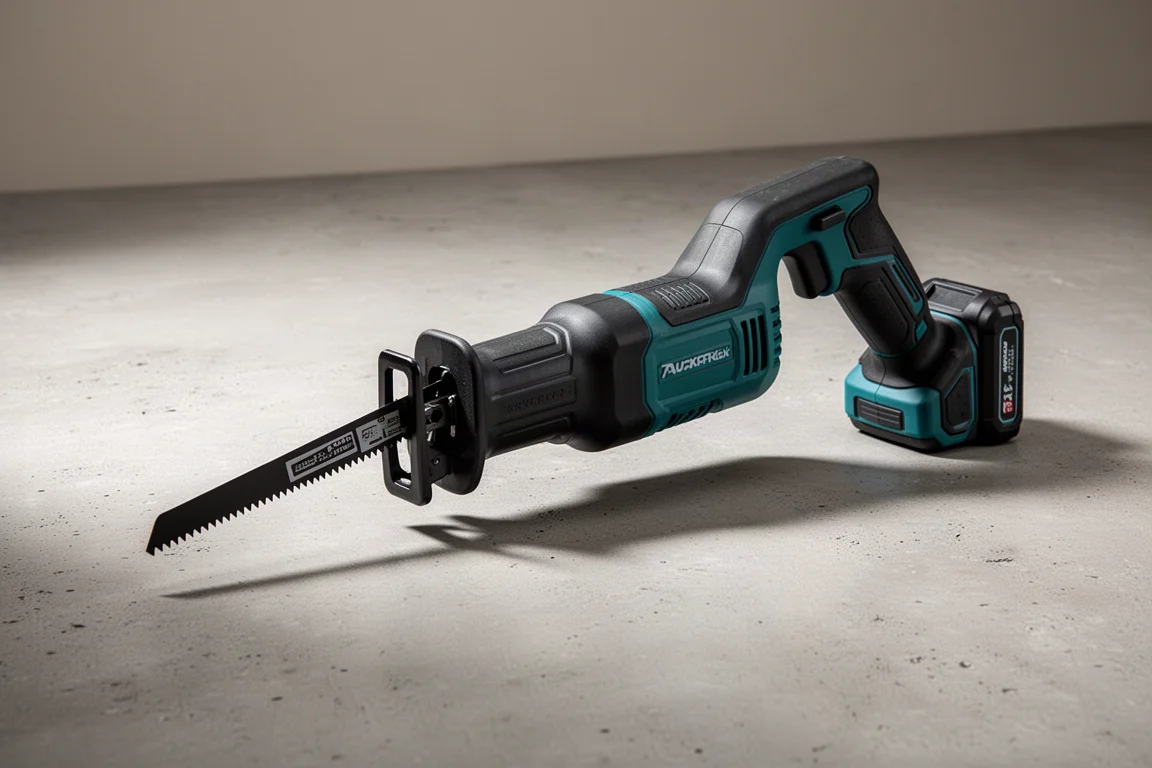
The Metabo 36V brought orbital action to the test, and it showed. It felt smoother and a bit faster than the Makita through the wood, which is consistent with how much difference orbital action makes when cutting lumber. Like the Makita, it retained four bars on the battery after its runs and used the same size battery class.
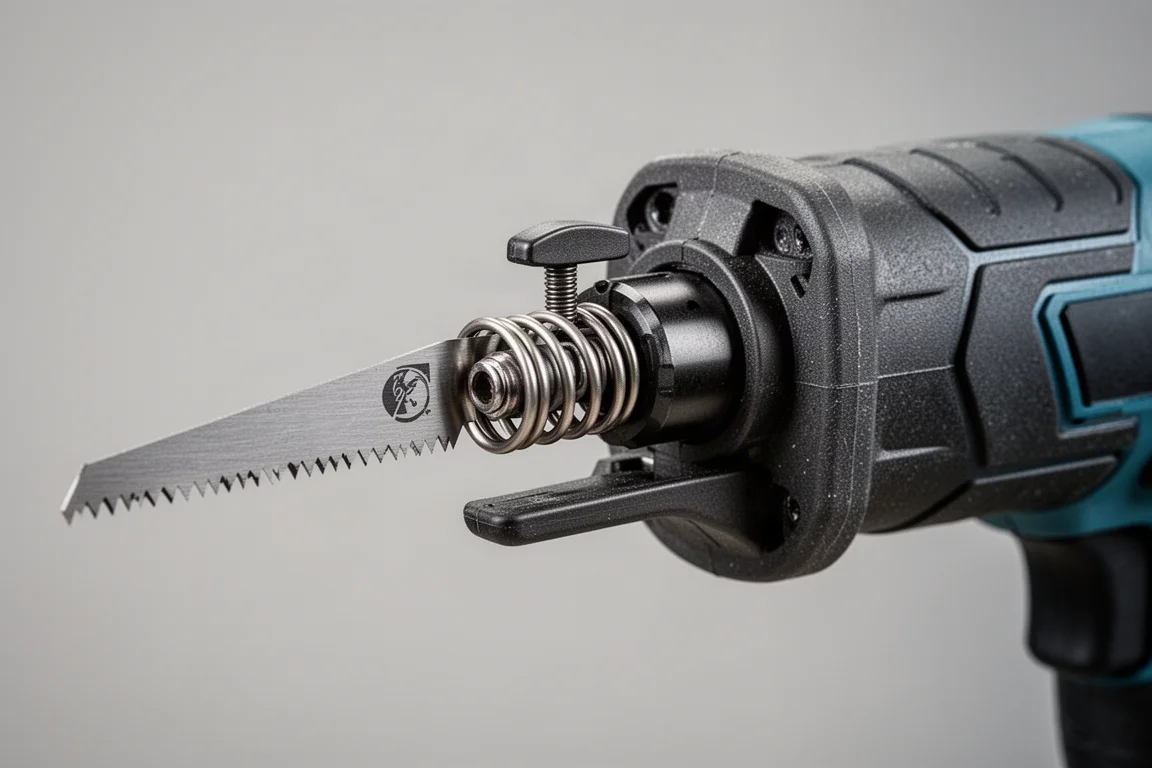
It is a big, heavy-duty saw, and it was the fastest of the three in this comparison. The main ergonomic complaint is the blade change system: it uses a small chuck-style mechanism that is less convenient to operate, especially one-handed.
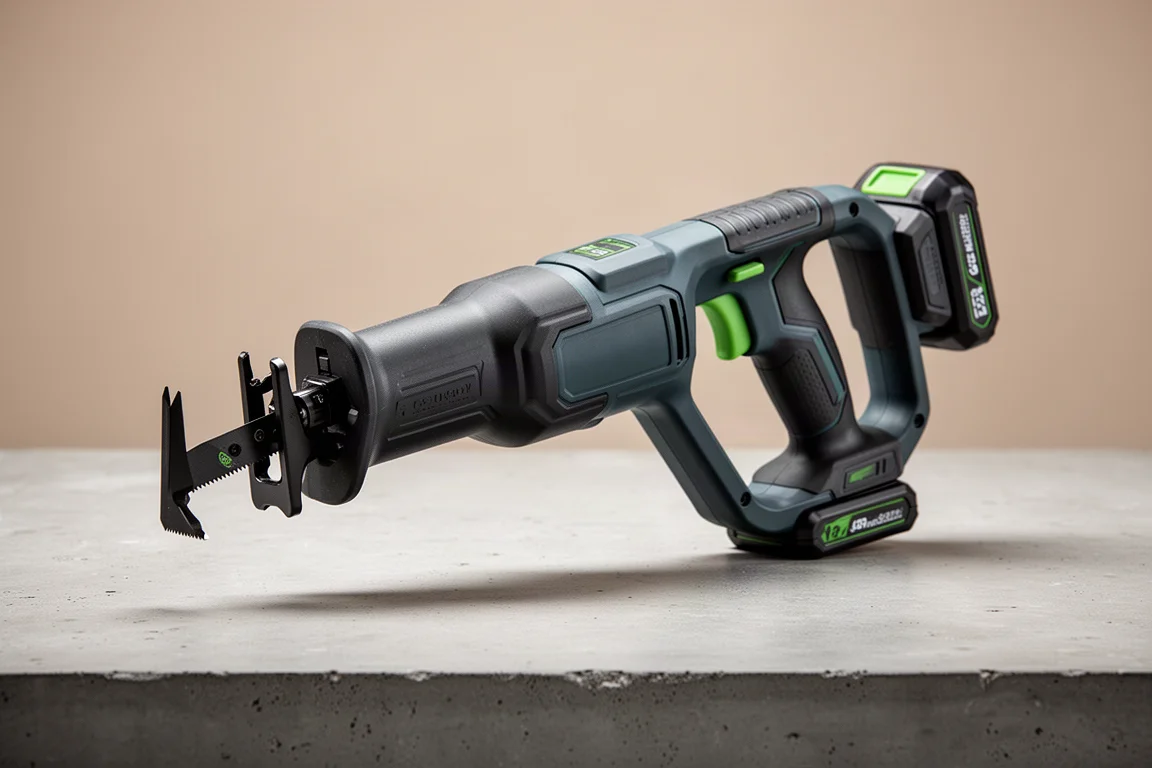
Flex 24V Reciprocating Saw with Orbital Action
The Flex is the only two-handed reciprocating saw the brand currently offers, and it is the one that benefits most from orbital action in this price bracket. Despite running the smallest battery of the three, it still turned in respectable cutting times, though the battery dropped to around one bar after its runs and the saw visibly bogged down a little in the final stretch.
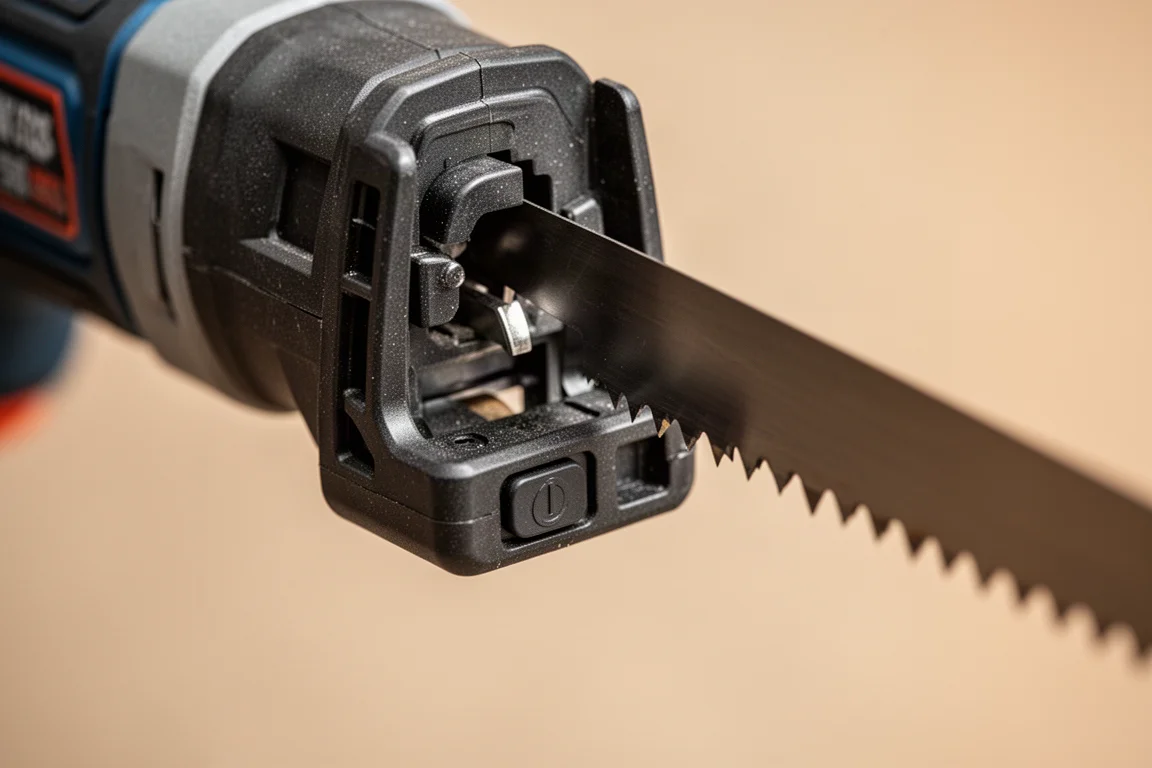
Where the Flex genuinely shines is usability. It is very light and very easy to handle. The blade change system is excellent: a one-click lever, insert the blade, and a spring pushes it out for removal, all doable with one hand. The system appears well sealed, so the debris clogging that affects side-mounted chucks is unlikely here. The shoe release is also a simple button on the bottom, although the shoe does not clamp down as tight as some users might like, leaving a small gap at its tightest setting.
Performance and Battery Reality
On raw cutting speed, the order came out Metabo first, Makita second, and Flex third. That is not a shocking result given the voltage gap: the Metabo runs 36 volts, the Makita 40 volts, and the Flex 24 volts with a smaller pack. In practice, the Flex belongs in the 18 to 20 volt class in feel and output, and against those mainstream saws it is very comparable.
The upside is that Flex is releasing a pouch-style battery similar in concept to folding-cell designs, with larger capacities in the five to six amp-hour range. With one of those larger packs, the saw’s performance would very likely climb, so the current results may understate what the tool can do.
Value, Warranty, and Buying Advice
Value is where the Flex makes its strongest case. A single-battery Makita reciprocating saw kit costs about the same as the entire Flex kit, which includes two batteries, a light, an impact driver, and a drill. For an orbital-action recip saw in this bracket, the alternatives are thin: there is no comparable offering from one major brand, and Milwaukee’s Super Recip is an older design, not included in kits, and around $250 by itself.
Flex currently offers a lifetime warranty with registration, though it is worth understanding the fine print: it is not truly unlimited, with limits on service events and replacements over time, so read the terms before you count on it. There is also an unusual padlock-style lock icon on the tool that is not self-explanatory, a minor quibble on an otherwise well-designed saw.
Conclusion
If you want maximum cutting power and orbital action in a heavy-duty package, the Metabo 36V was the fastest of the three and the smoother cutter. The Makita XGT is the durable high-voltage workhorse for buyers already in that battery system, with the caveat of a clog-prone blade release. The Flex 24V is the value pick: light, compact, easy to live with, and bundled into one of the most generous kits on the market, with the realistic promise of more performance once larger batteries arrive.
Further reading
Related Reviews
Power Tools
Best 1-Inch Pistol Impact Wrenches: Three Heavy-Duty Options Compared
We compare three 1-inch pistol impact wrenches, from a budget-friendly Harbor Freight model to a premium Caterpillar unit, to help you choose the right one.
Power Tools
Best 3/4-Inch Impact Wrenches 2026: Five Contenders Compared
We compare five 3/4-inch impact wrenches across price and performance, from a budget Amazon option to Snap-on's most powerful model yet.
Power Tools
Best Budget Cordless Tools 2026: Walmart Finds That Punch Above Their Price
We tested five cordless tools from Walmart, including a high-torque impact wrench that trades blows with Milwaukee and a $35 duster that outperforms its price class.