Power Tools
12 Cordless Random Orbital Sanders Tested: Which One Earns Your Money?
From a $35 Bauer to a $149 DeWalt, twelve cordless random orbital sanders went through wood-removal, dust collection, grip, and vibration testing. Here is how they stack up.
Introduction
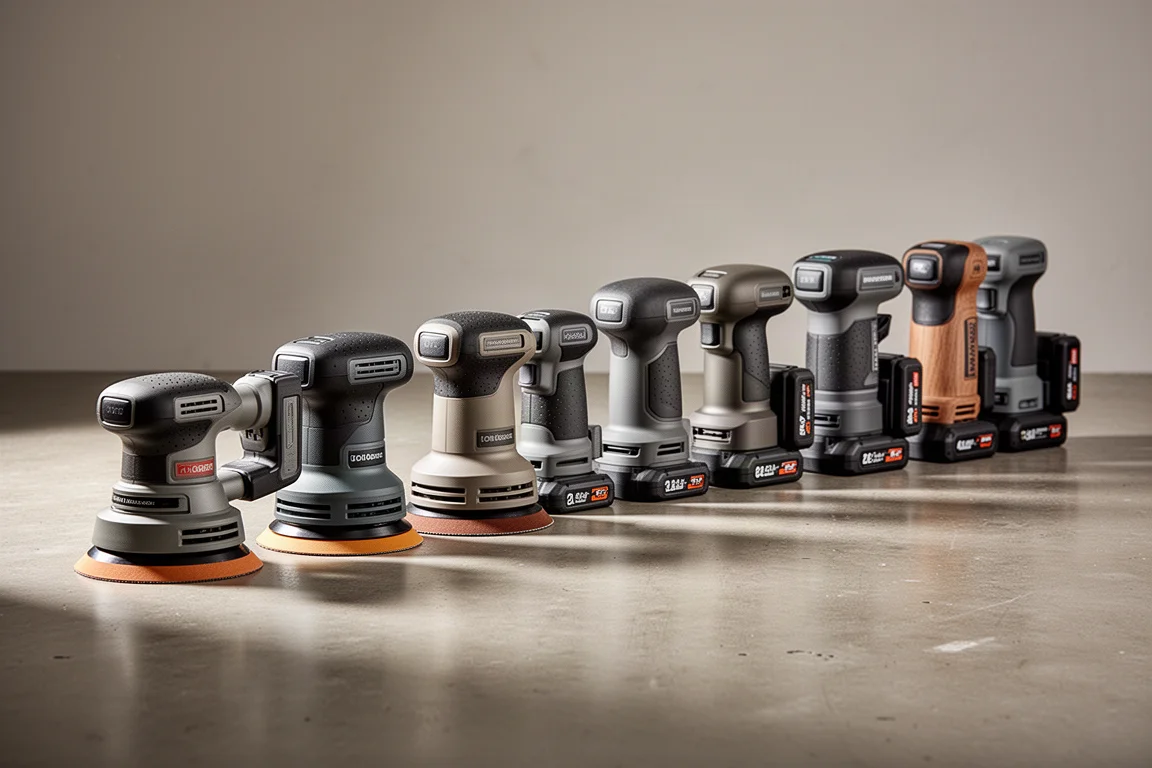
Battery-powered sanders have quietly become good enough to replace corded models for most workshop jobs, but the differences between brands are bigger than the price tags suggest. In this showdown, twelve cordless random orbital sanders went head to head, with prices ranging from $35 for the Bauer at Harbor Freight up to $149 for the DeWalt.
Every sander was judged on the same checklist: how much wood it removes, how well it holds its sandpaper, how much dust it collects, and how much vibration reaches your hand. Whether you want the cheapest tool that works or the best overall performer, this breakdown will help you pick with confidence.
How the Sanders Were Tested
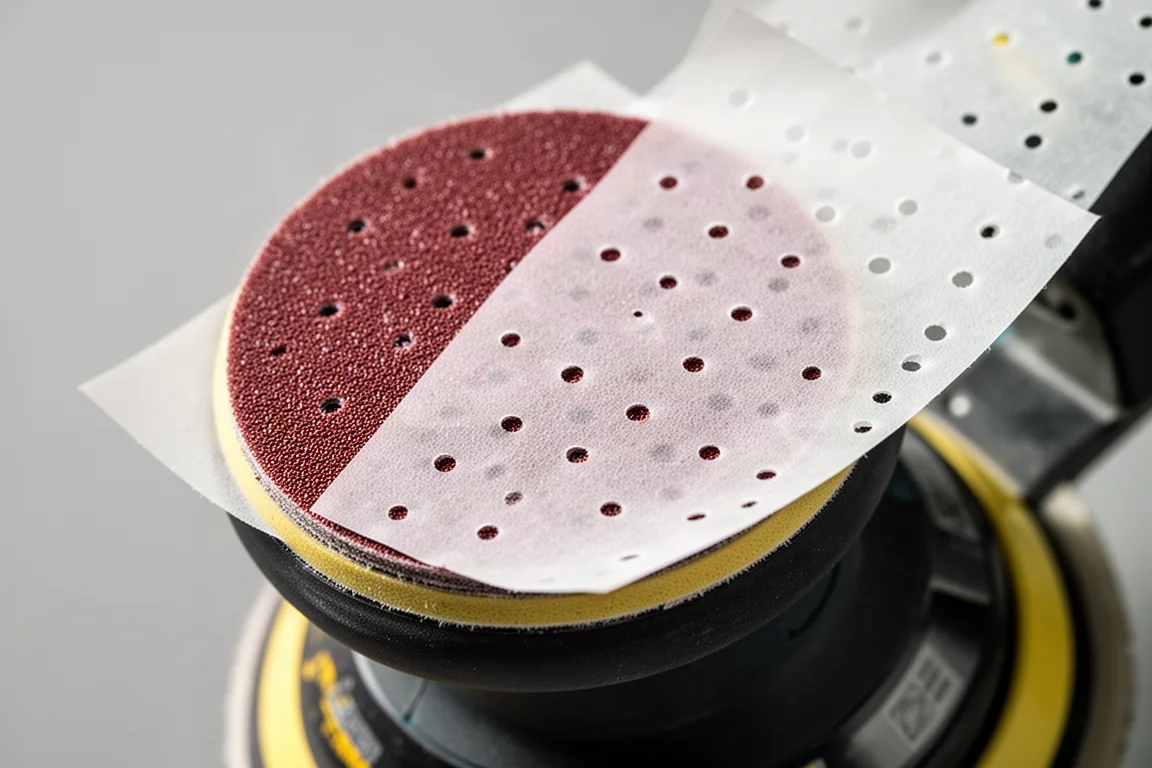
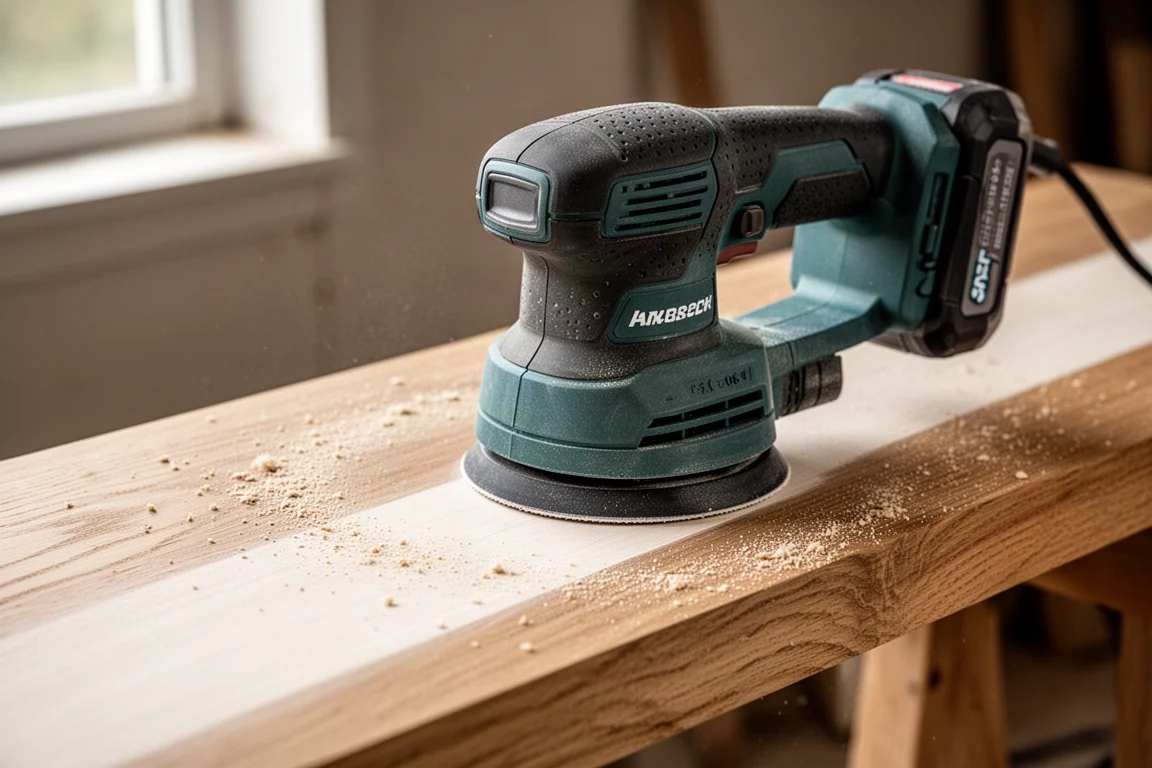
Each sander was run on a piece of oak with a Janka hardness rating of 1,300, using Diablo 60-grit sandpaper with holes aligned to the sander’s dust holes. Wood removal was measured by weighing the test piece before and after each five-minute run, and a dust particle counter placed 18 inches from the test piece tracked airborne dust. Dust bags were weighed to see how much dust actually made it into the bag rather than into the air.
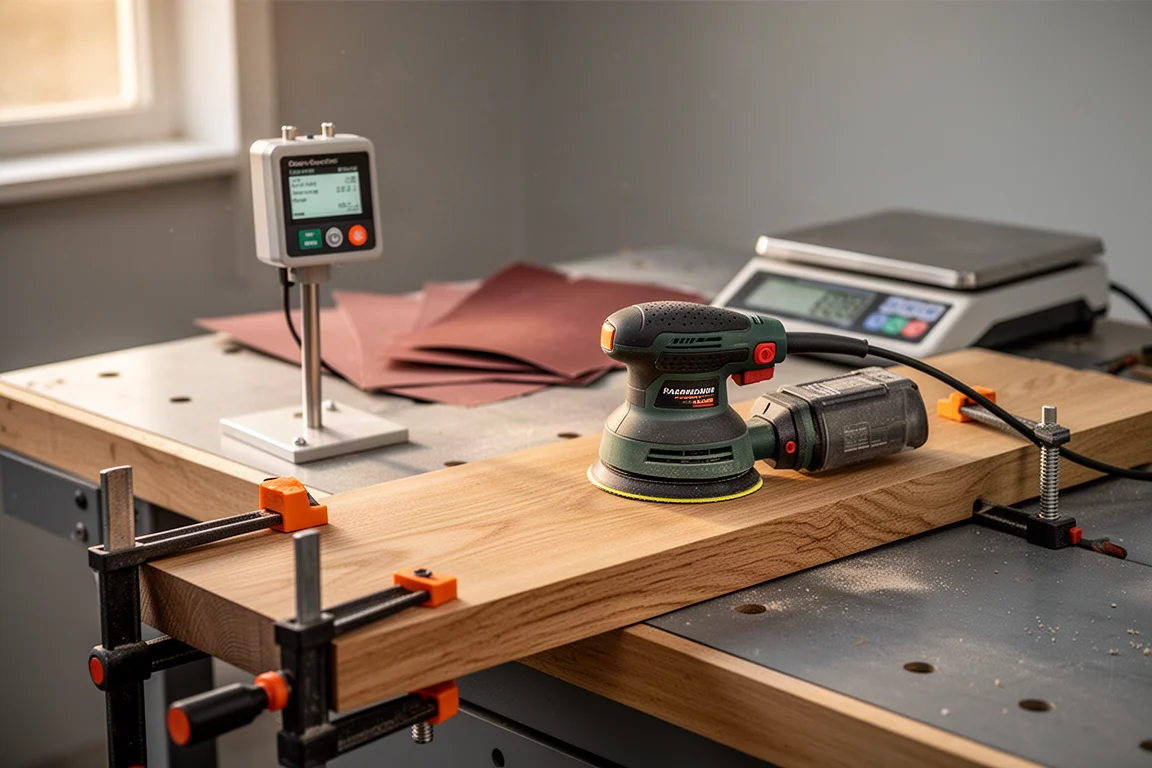
Noise was measured from 24 inches away, and handle vibration was recorded in mm per second squared. Sanding pressure was tested at 5 lb, 7.5 lb, and 10 lb of downward force, and sandpaper grip was tested by hanging weights off a peeled-back corner of paper until it let go.
Bauer: The $35 Value Play
The Bauer, sold at Harbor Freight, is the least expensive sander tested at $35. It offers a 3 mm orbit, 10,000 orbits per minute, an industrial fan-cooled motor with sealed bearings, a 90-day heavy-duty guarantee, and onboard dust collection. It weighs 1,044 g and runs a 5-A battery in this test. It measured 85.6 dB and produced 6,600 small and 1,700 large airborne particles at the four-minute mark.
The Bauer removed 8 g of wood and collected roughly 8 g of dust in its bag, catching most of what it generated. It needs surprisingly little user input to guide, avoiding the gyroscopic wobble problems that plague some rivals. As a budget entry, especially if you already own Bauer batteries, it is a genuinely strong value.
Ryobi: 50% More Material Removal
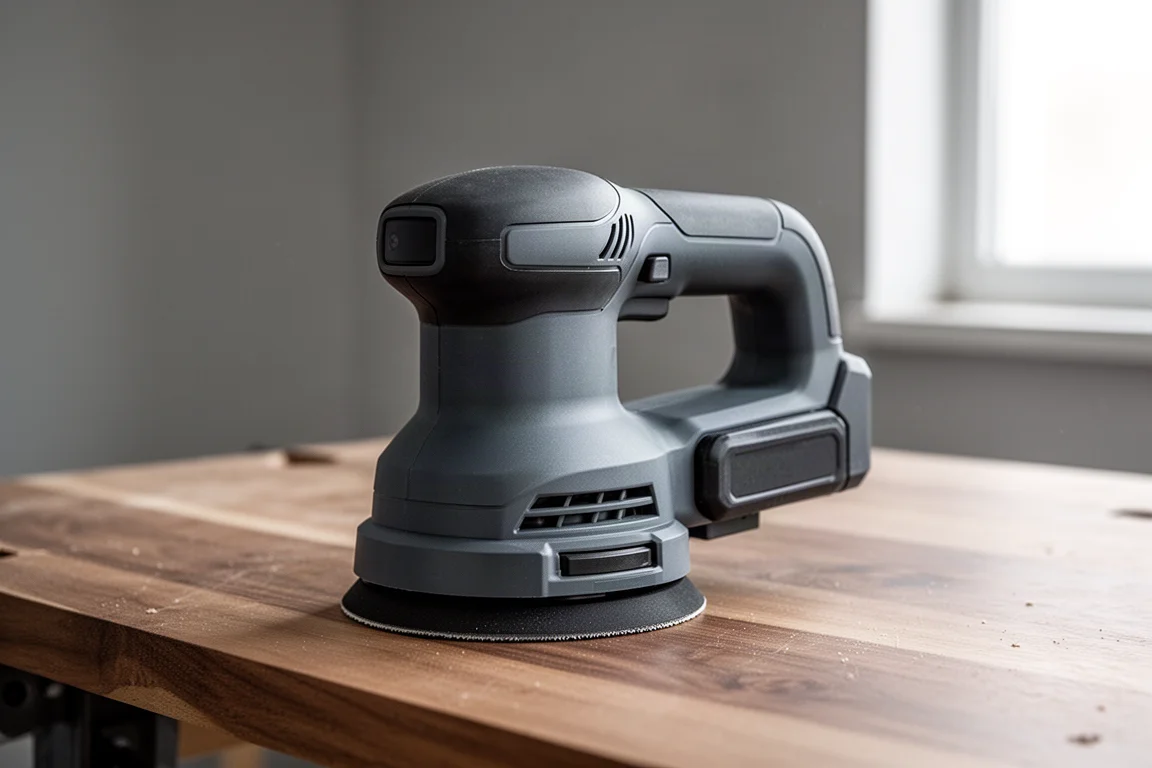
At $45, the Ryobi costs just $10 more than the Bauer. It runs at 10,000 orbits per minute, promises a swirl-free finish, includes a dust bag, and offers up to 40 minutes of use with a 4-A battery. A palm grip design and hook and loop fastening add convenience, and it carries a 3-year warranty. It weighs 1,086 g and measured a slightly quieter 84 dB.
The Ryobi removed 12 g of wood, a full 50% more than the Bauer, while keeping the airborne count lower at 5,600 small and 1,500 large particles. Its dust bag gathered most of the dust. For the price, that is an impressive all-around result.
Craftsman: Light, Quiet, and Fast but Squirrelly
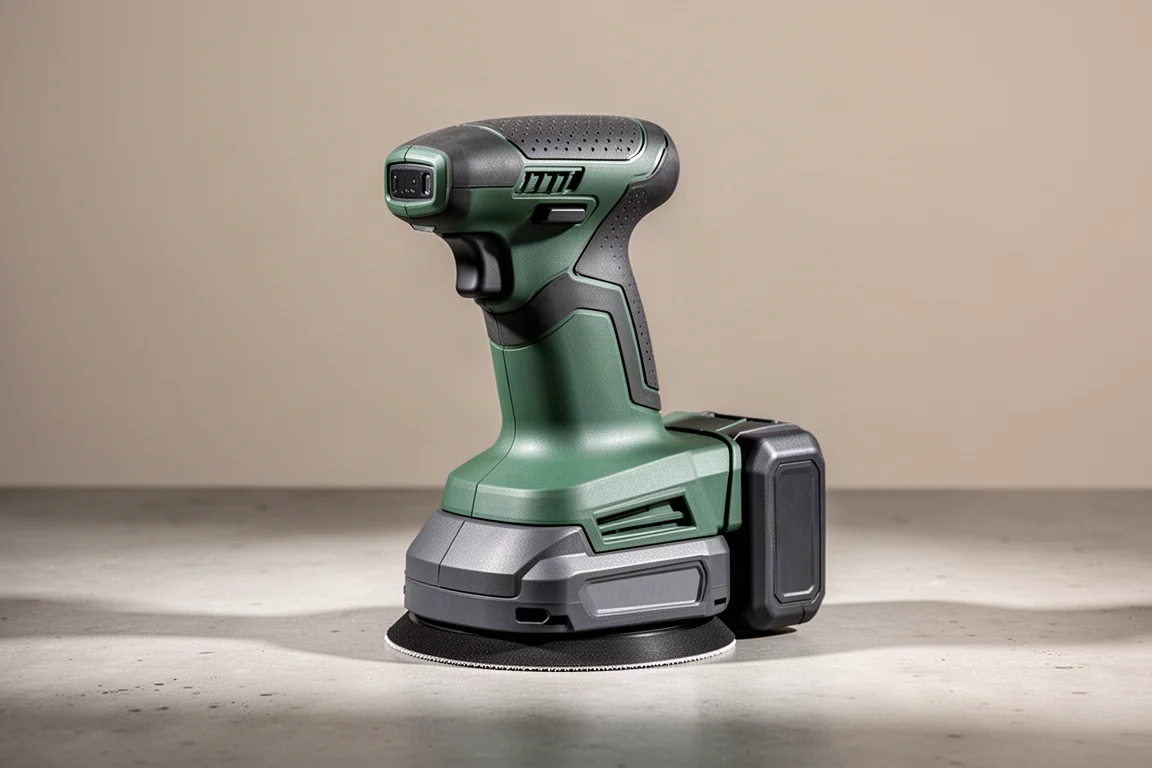
The Craftsman costs $52 and brings a 3-year limited warranty, a dust-sealed switch, and a claimed high-performance dust collection system. Its 12,000 orbits per minute top the two earlier brands, and it is the lightest sander at that point in the lineup at 950 g, with the lowest noise yet at 82.7 dB.
The downside is control: the Craftsman wants to dance around the workpiece, and all that movement stirred up the most dust yet at 8,200 small and 1,050 large particles. It still moved into the lead on wood removal at 14 g, though its dust bag came up 4 g short. In the grip test it was the runaway winner at 3,516 g, but it also vibrated the most at 60 and needed both hands at higher pressures.
Black & Decker: A Full Kit for $60
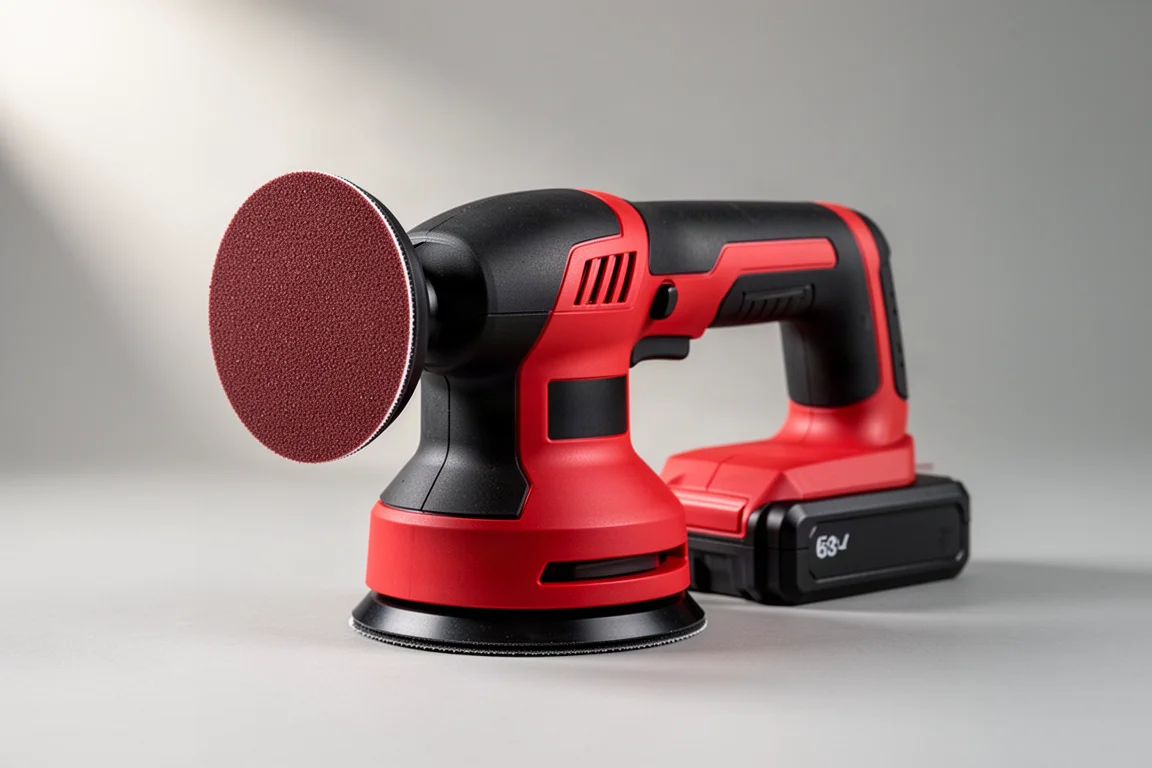
The Black & Decker kit, with battery, charger, and tool for $60, is the most affordable complete setup tested. It uses a palm grip design, hook and loop fastening, and a compact easy-to-maneuver body. It is the lightest sander yet at 890 g, though it matches the Bauer at 85.6 dB.
A fast-spinning clockwise disc sprayed a lot of dust, with 9,700 small and 1,250 large particles recorded, and the bag only gathered 6 g. Still, it removed 8 g of wood and proved easy to handle. At 7.5 lb of pressure it delivered 20 g of removal, tied for the second-best single-run result in the whole test.
Ridgid: Lifetime Warranty, Hard to Handle
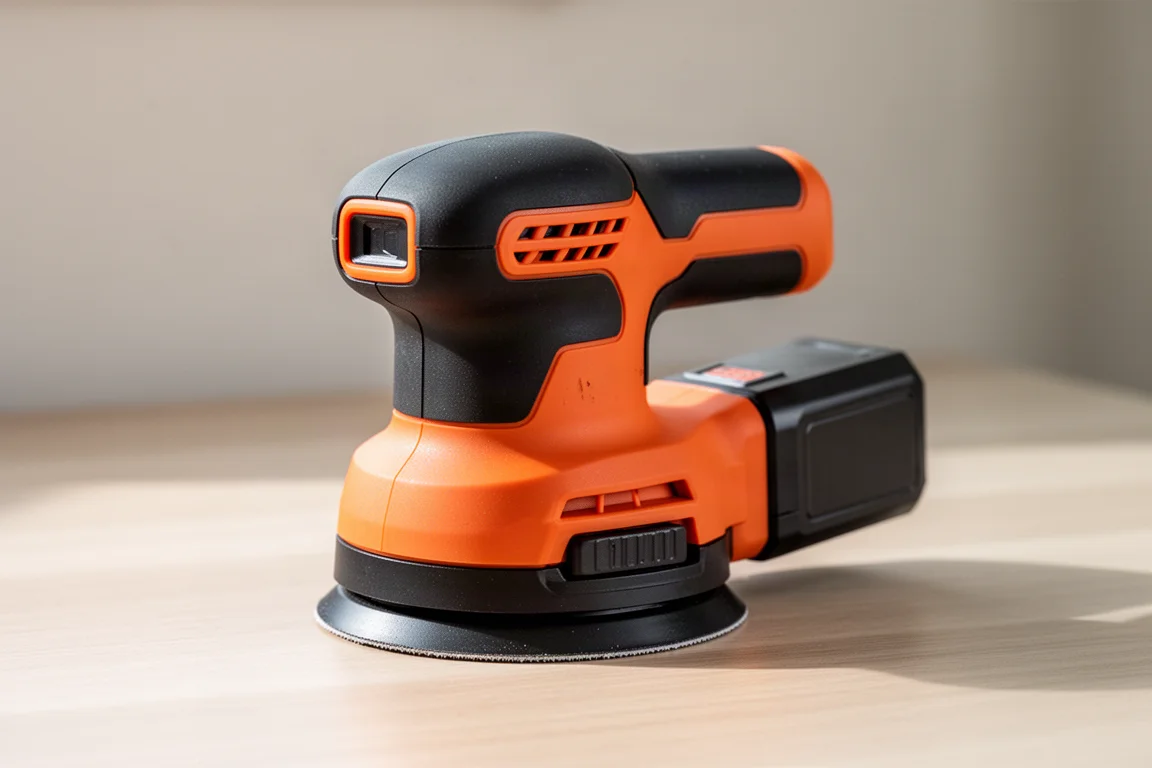
The Ridgid costs $65 and is the only sander tested made in Vietnam rather than China. It comes with a lifetime warranty, a variable speed dial from 7,000 to 11,000 RPM, a dust-sealed switch, soft start and brake pad to prevent gouges, and a claim of the industry’s best dust collection. Up to 60 minutes of run time is promised.
The reality is mixed: at 1,320 g it is the heaviest sander tested, the loudest at 91.4 dB, and by far the most squirrelly, requiring constant supervision. Airborne dust was actually lower than average at 6,400 small and 850 large particles, but the bag gathered only 4 g, leaving 4 g uncollected. It finished third in the grip test at 3,226 g but vibrated heavily at 116.
Kobalt: Brushless Power and the Best Overall Removal
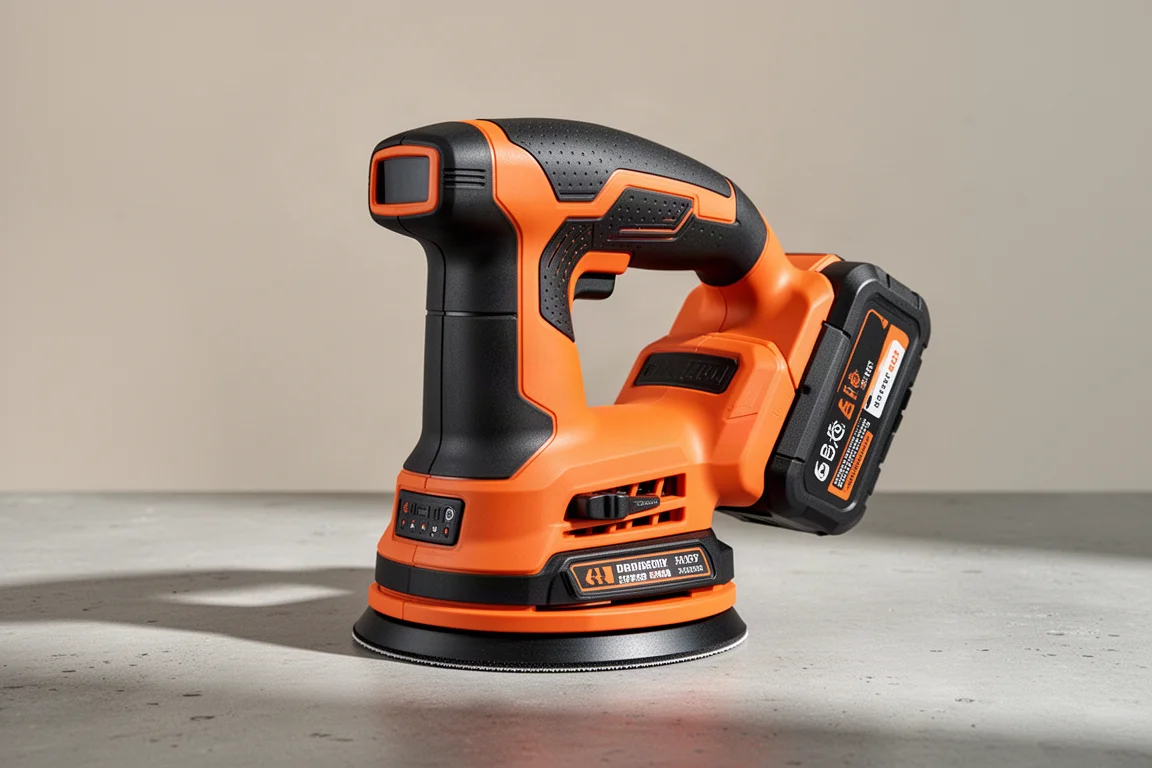
The Kobalt costs $78 and is the first brushless sander in the lineup, running on a 24-V system with up to 11,000 orbits per minute, a claimed up to 3.6 times the run time, up to 10 times longer motor life, and a low vibration system. It weighs 1,144 g and is the quietest sander tested at 79.9 dB.
Testing on its highest setting of six, the Kobalt removed 14 g of wood, tying for the lead at 5 lb, only 2 g of dust escaped its bag, and it was much easier to manage than the Ridgid. In the grip test it reached 3,200 g, and it stayed easy to control even at 10 lb of pressure. At 10 lb it delivered the best single result of the entire test: 22 g of wood removed.
The trade-offs are modest: it is heavier and noisier than the Bosch, vibrates a bit more, and collects less dust, but it removes material far faster and costs $50 less.
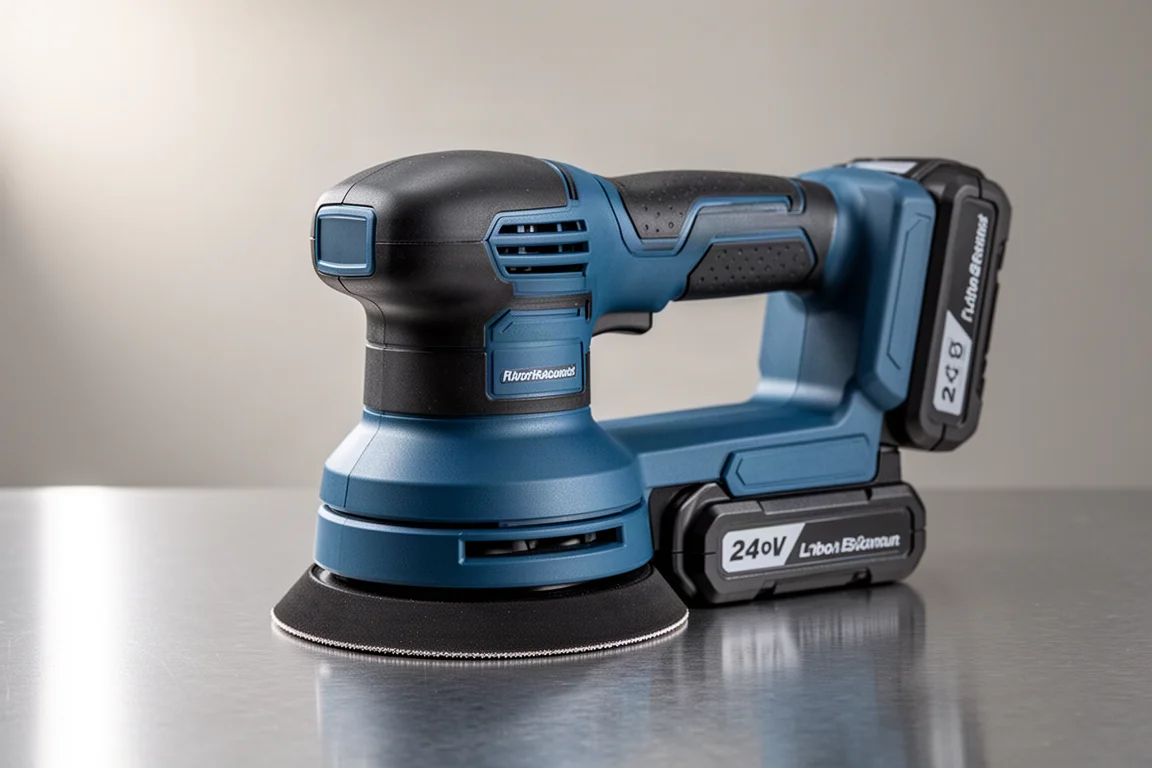
Mechanic Ants: Great on Paper, Messy in Practice
The Mechanic Ants kit, at $90 with a 4-A battery and charger, claims a brushless motor with five times longer service life, 8,000 to 12,000 orbits per minute, 20% higher sanding efficiency than brushed sanders, an anti-vibration design, soft start, and a 3-year warranty. It weighs 1,120 g and measured 80.5 dB.
In practice it lunges back and forth at times, making it hard to manage, and it blew wood dust everywhere: 7,400 small and 1,800 large particles. Its bag collected only 2 g of the 14 g of wood removed, leaving 12 g in the air. It did reach 18 g of removal at the higher pressure runs, but the dust handling is a real weakness.
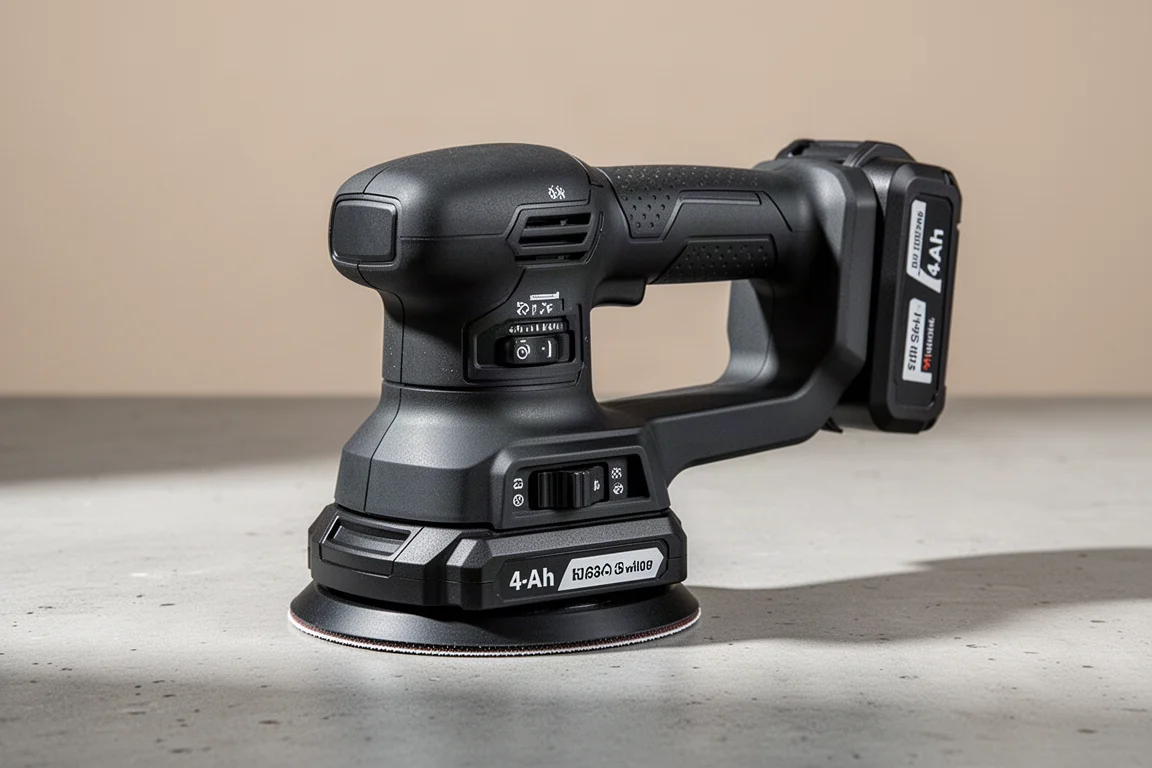
Makita: The Smoothest Handler
The Makita costs $95 and offers up to 11,000 orbits per minute, hook and loop fastening, a compact and easy-to-maneuver design, and a 3-year limited warranty. It weighs 1,044 g and runs quieter than average at 80 dB.
The Makita is the easiest sander to manage in the test, requiring very little user input, and it stayed smooth and controlled even with extra downward pressure. Its results are solid rather than spectacular: 10 g of wood removed with only 2 g of dust escaping the bag, and the second-lowest vibration at just 19. If handling comfort is your priority, it is hard to beat.
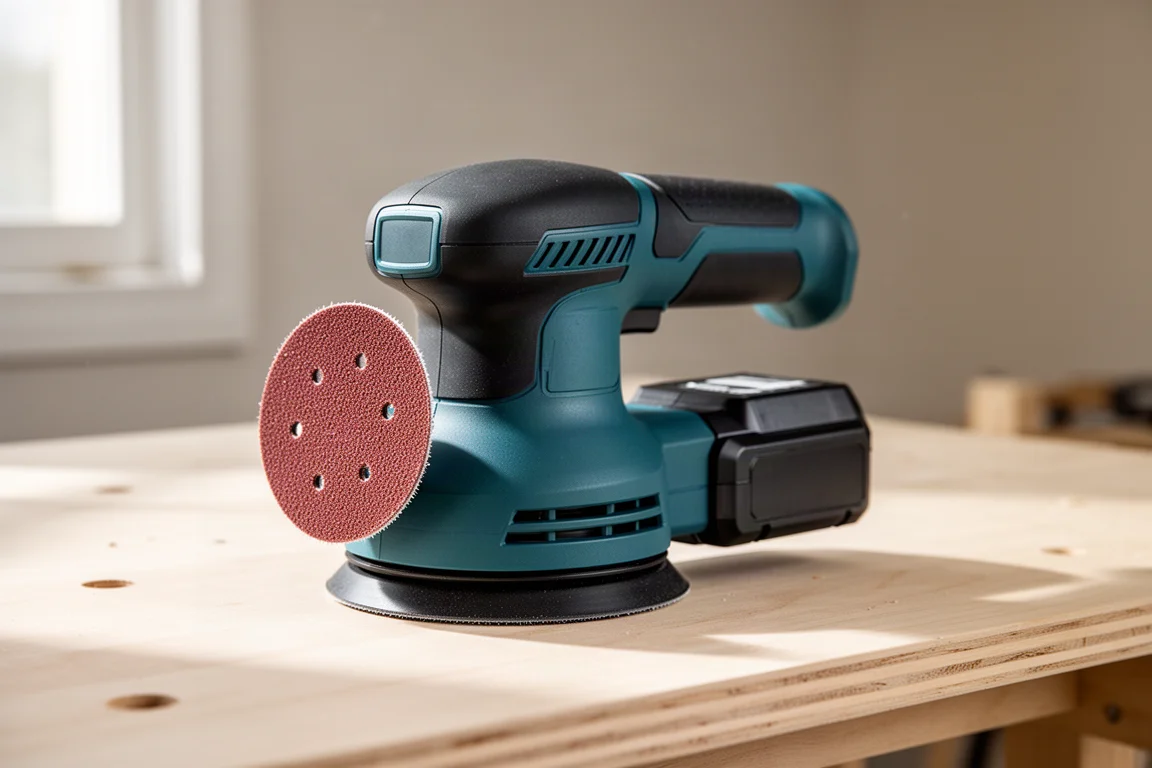
Milwaukee: Corded Power Feel
The Milwaukee costs $99 and features a 3/32-inch orbit diameter, up to 12,000 orbits per minute, a high-performance motor promising corded power, a universal hose adapter, and more material removed per charge. It weighs 1,114 g and measured a fairly loud 88.6 dB.
It zigzags a bit but remains easy to manage, and it removed 12 g of wood while its dust box gathered 12 g, collecting most of what it generated. The grip test showed 2,732 g, comfortably above average, and it handled higher pressures very well, reaching 18 g of removal at 7.5 lb.
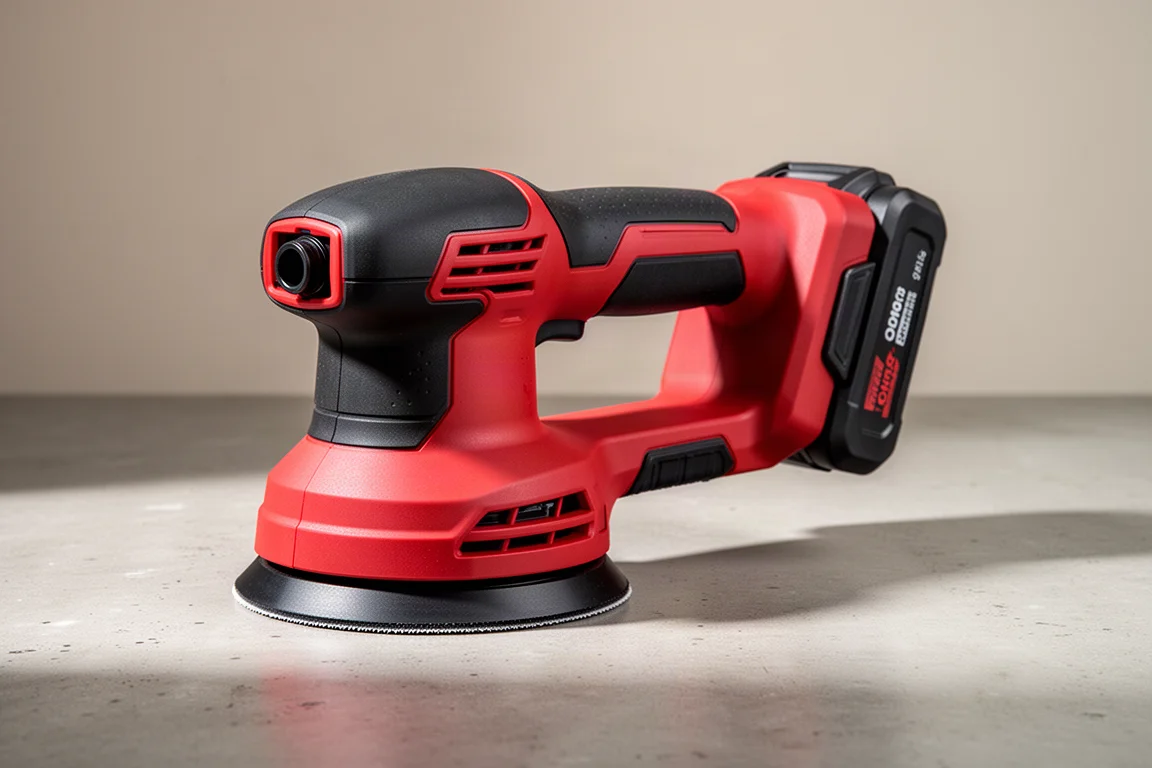
Worx: Five Sanders in One
The Worx costs $100 and is the outlier: a five-in-one multi-sander rather than a dedicated random orbital tool. Its random orbit mode oscillates and rotates for maximum material removal, and the kit includes a 2-A battery, charger, a quarter-sheet finishing attachment, and a detail finger and contour sanding attachment. Variable speed runs up to 10,000 orbits per minute with a 2.5 mm orbit and a 2-year warranty.
It is the quietest sander tested at 77.9 dB and easy to manage, but its fast-spinning clockwise sanding wheel created a huge dust cloud, with the particle counter hitting 14,000 small and 4,750 large particles, by far the worst air quality. Its bag collected just 4 g of the 6 g of wood removed, and sandpaper grip was below average at 1,712 g. Buy it for versatility, not dust control.
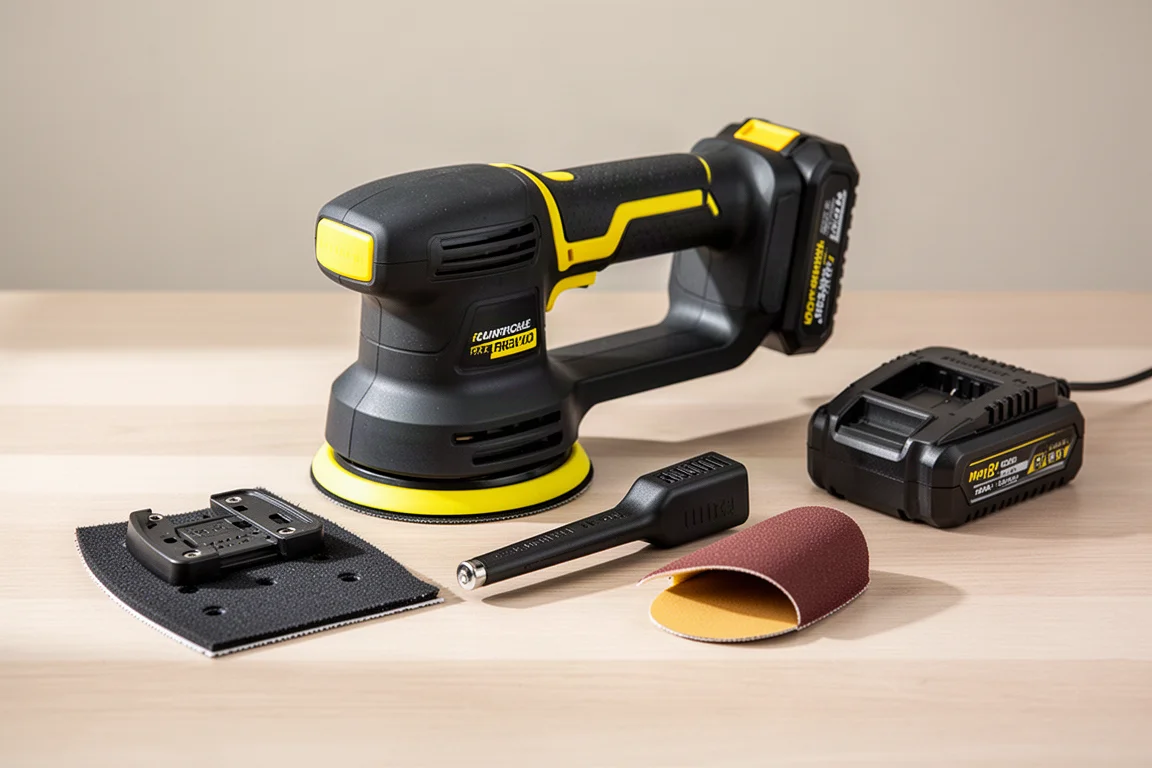
Bosch: The Dust Collection Champion
The Bosch costs $129 and runs at 6 to 10,000 orbits per minute with a specially designed palm grip for maximum tool control, a soft start system, and a 3-year warranty. It weighs 1,090 g and is very quiet at 79.1 dB.
This is where the Bosch separates itself. Its airborne particle count was around 2,100 small and 280 large at the start and actually dropped over the run to 1,600 small and 160 large, collecting nearly all the dust it generated. It is very easy to manage, matching the Makita, and vibrates only 17, among the best of the group.
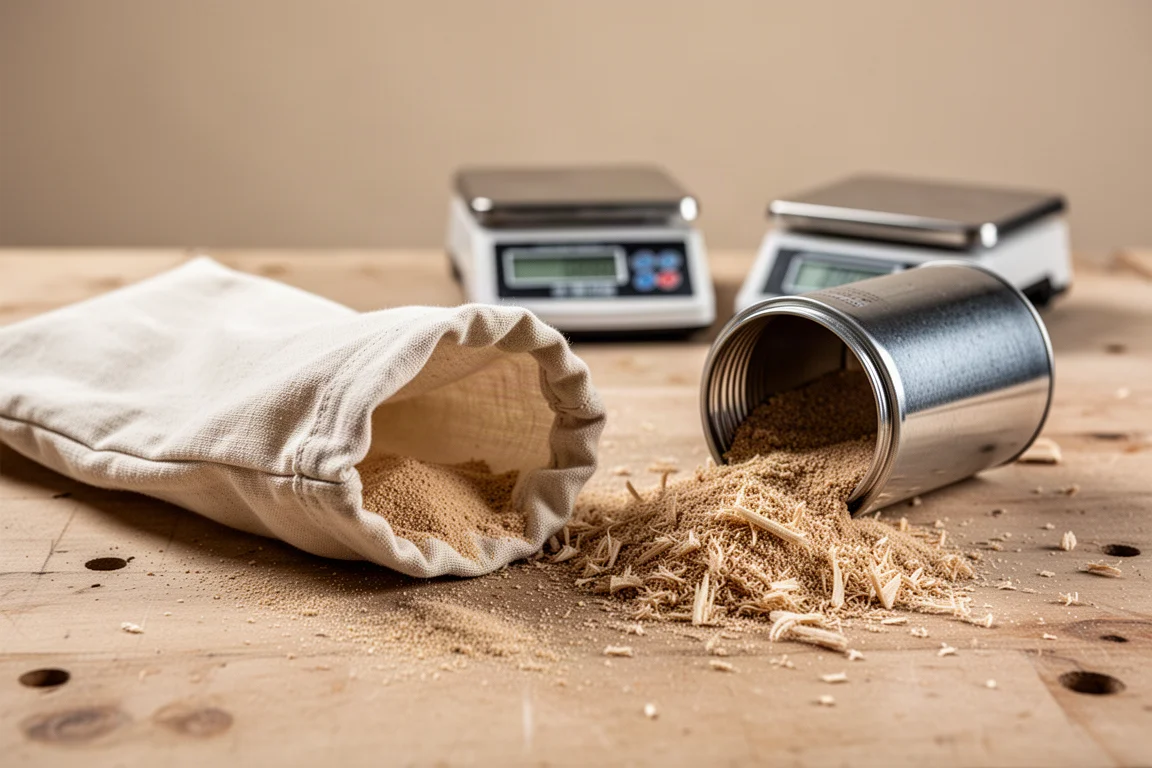
The one weakness is speed: it does not remove wood as fast as many rivals, finishing at 10 g. On average scores across all tests, the Bosch came out on top with a 2.4 finish, the best overall result of the showdown.
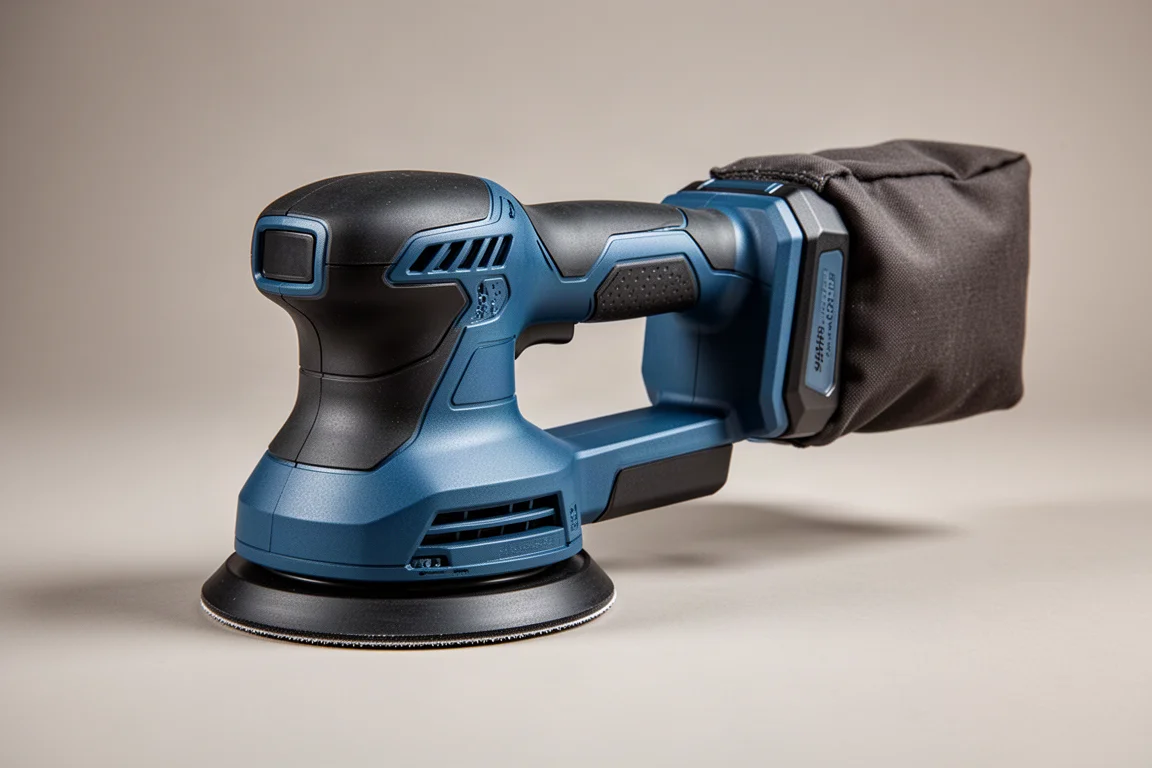
DeWalt: Premium Build, Second-Best Air
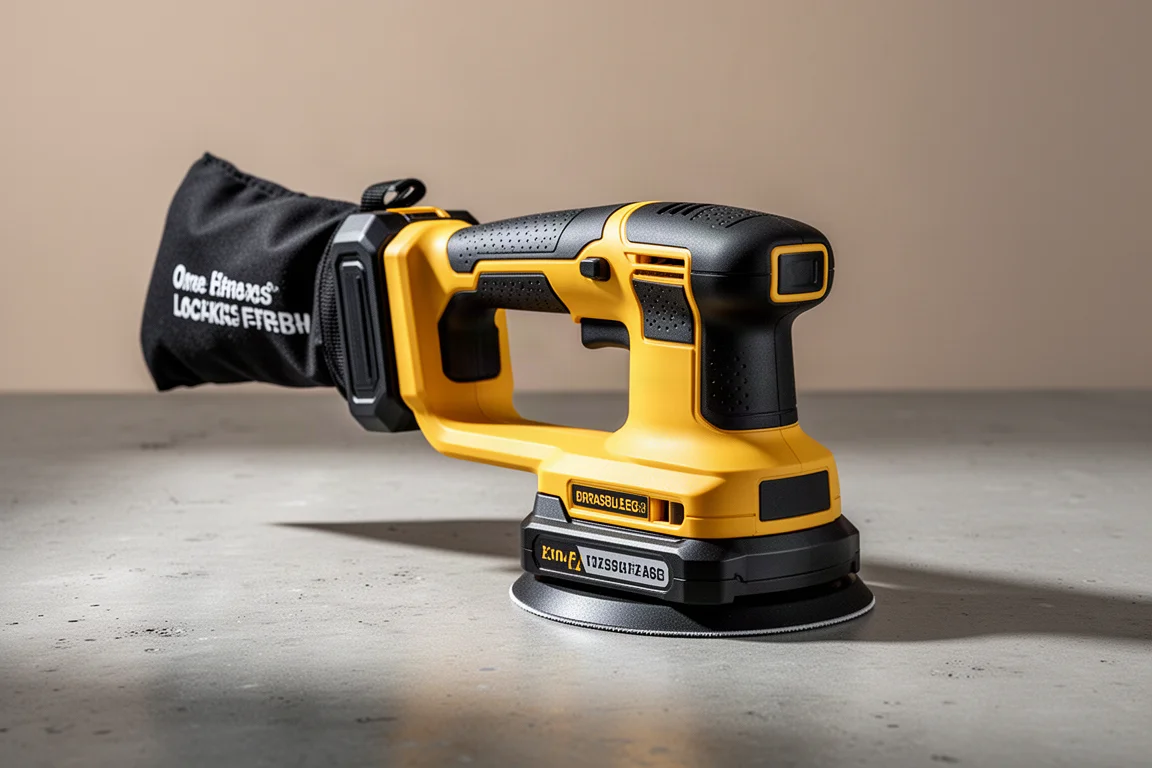
The DeWalt is the most expensive sander tested at $149. It uses a brushless motor with up to 12,000 orbits per minute, a 3/32-inch or 2.6 mm orbit diameter, a low-profile height for getting close to the work surface, and a one-hand locking dust bag. Made in Mexico, it is the lightest sander of all at just 876 g.
Instead of a soft start, the DeWalt uses a hard start, and it takes a little more effort to manage than the Bosch, vibrating at 93. It removed 12 g of wood, its bag gathered 12 g of dust, and its airborne count of 5,100 small and 750 large particles was the second best in the test. With heavier pressure it reached 18 g at 7.5 lb and 20 g at 10 lb, tied for second-best overall removal.
Grip Test: Which Sanders Hold Their Sandpaper
Hook and loop grip was measured by placing 10 lb of weight on each sander, then peeling the sandpaper back and hanging weight from it with a spring clamp until it released. The Craftsman dominated at 3,516 g, followed by the Bosch at 3,284 g, the Ridgid at 3,226 g, and the Kobalt at 3,200 g.
The Black & Decker performed well at 2,964 g, with the Milwaukee at 2,732 g and the Makita at 2,594 g close behind. The Bauer held to 2,468 g, while the Mechanic Ants at 1,916 g, the DeWalt at 1,830 g, the Ryobi at 1,818 g, and the Worx at 1,712 g gave up earlier than average.
Vibration and Handling Comfort
Handle vibration separated the field dramatically. The Bauer performed best at only 16 mm per second squared, with the Bosch at 17 and the Makita at 19 close behind, making these three the comfort leaders. The Ryobi at 29 and the Kobalt at 30 also performed very well.
At the other end, the Black & Decker was off the charts at 160, with the Ridgid at 116 and the DeWalt at 93. The Craftsman at 60 and the Worx at 46 sat in the middle. If you sand for long sessions, these numbers matter more than most spec sheets admit.
Dust Collection: The Hidden Deal Breaker
Across the weight-scale measurements, the Bauer, Ryobi, Milwaukee, Bosch, and DeWalt collected very close to 100% of the wood dust they generated, the strongest group by bag weight. The particle counter told a sharper story about air quality: the Bosch dominated at only 1,600 small particles, with the DeWalt a distant second at 5,100, then the Ryobi at 5,600 and the Ridgid at 6,400.
The Worx, with 14,000 small particles, and the Black & Decker, at 9,700, were the worst offenders. If you work indoors or care about air quality, the Bosch is in a class of its own here.
Heavy Pressure: The 7.5 and 10 Pound Runs
With 7.5 lb of downward pressure, nearly every sander improved. The Black & Decker led at 20 g, with the Ryobi, Kobalt, Milwaukee, and DeWalt all at 18 g. At 10 lb, most sanders needed more user input, the Craftsman struggled, and the Ridgid was by far the most challenging to control, while the Kobalt, Makita, Milwaukee, and Bosch stayed very stable.
Taking the best performance at any pressure, the Kobalt topped the field at 22 g of wood removed, with the DeWalt and Black & Decker tied for second at 20 g.
Which Sander Should You Buy?
The Bosch won the overall average with a 2.4 finish, and it is easy to like: quiet, low-vibration, the best dust collection by a wide margin, and very easy to control. Its only real drawback is speed.
If material removal matters more, the Kobalt is the compelling alternative: heavier, noisier, more vibration, and weaker dust collection, but far faster at removing wood and $50 cheaper. And if value is everything, the Bauer at $35 is a great buy, especially if you already own Bauer batteries.
Conclusion
For most buyers, the Bosch is the safest premium pick thanks to unmatched dust collection and superb handling, the Kobalt is the best blend of speed and price, and the Bauer proves you can spend very little and still get respectable results. Match the tool to what you actually sand, and any of these three will serve you well.
Further reading
Related Reviews

Power Tools
Best 1-Inch Pistol Impact Wrenches: Three Heavy-Duty Options Compared
We compare three 1-inch pistol impact wrenches, from a budget-friendly Harbor Freight model to a premium Caterpillar unit, to help you choose the right one.

Power Tools
Best 3/4-Inch Impact Wrenches 2026: Five Contenders Compared
We compare five 3/4-inch impact wrenches across price and performance, from a budget Amazon option to Snap-on's most powerful model yet.

Power Tools
Best Budget Cordless Tools 2026: Walmart Finds That Punch Above Their Price
We tested five cordless tools from Walmart, including a high-torque impact wrench that trades blows with Milwaukee and a $35 duster that outperforms its price class.