Power Tools
Best Cordless Impact Wrenches Tested: Mid-Torque and High-Torque Standouts
Eight impact wrenches put through working torque and max torque testing, from Ryobi's new mid-torque to value high-torque kits that punch well above their price.
Introduction
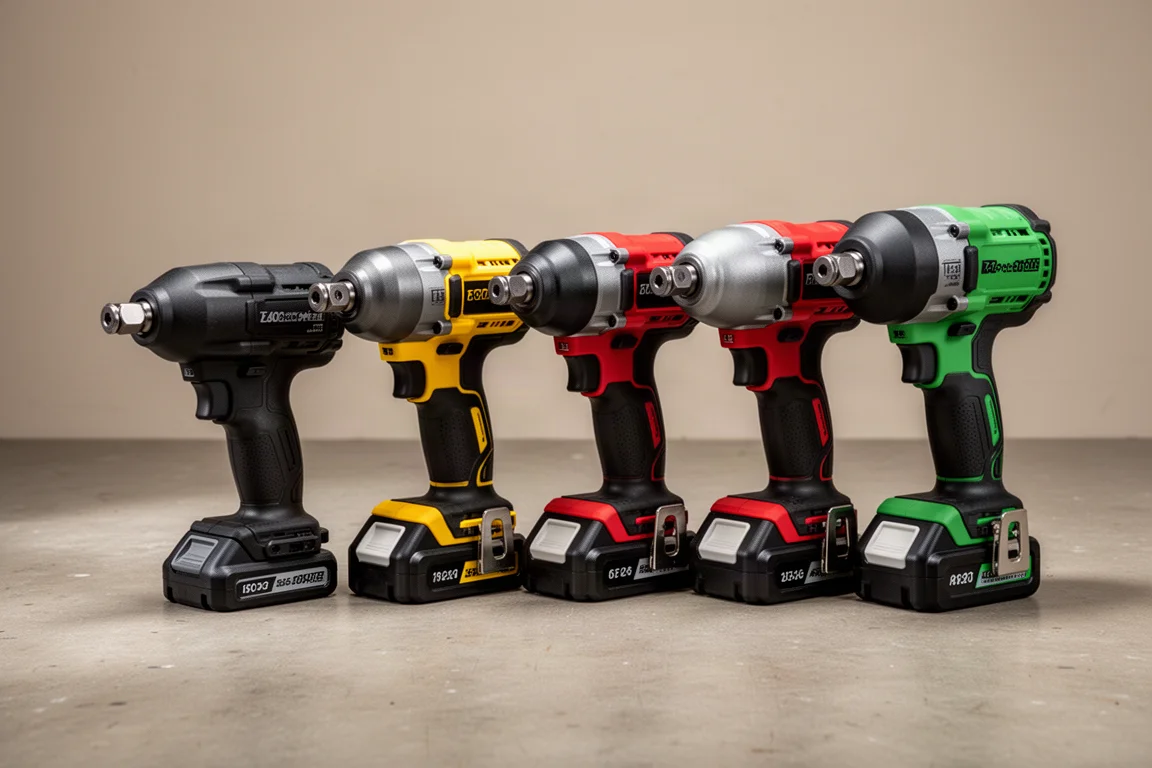
Mid-torque and high-torque impact wrenches are having a genuinely interesting moment. Established brands keep refining their flagships, while value brands are shipping tools that score uncomfortably close to them on a dyno, often at a third of the price. This roundup pulls together eight wrenches that went through the same testing routine: a 5-second working torque run, a 10-second reverse max torque run, and a best-case run, so the numbers below are directly comparable.
The short version: Ryobi’s new PBLIW25 mid-torque posts top-tier working torque in a shorter, lighter body, the CCWH16 Ultra Pro sets outright mid-torque records at a bargain kit price, and the value high-torque crowd is led by an Acouto 1/2-inch that flirts with 800 ft-lb in its best-case run.
Ryobi PBLIW25 Mid-Torque Impact Wrench
Ryobi’s newest mid-torque flew under the radar, with only a handful of units available at launch. On the dyno it posted 410 ft-lb in the 5-second working torque test, which places it among the top results ever recorded in that test, despite the tool being shorter than most of its competition. Ryobi also bumped breakaway specs up to 500/650 ft-lb from the previous 450/600, and it hits at 3,800 IPM, sometimes closer to 4,000 as measured, which is impact-driver territory and excellent for driving lag bolts fast.
It measures 7.2 inches long and weighs 3.46 lb, slightly lighter than Milwaukee’s smallest M18 mid-torque, so it feels oddly light for its size. The trade-offs are real, though: performance depends on Ryobi’s Edge tabless 4Ah battery, which the box emphasizes repeatedly. With a regular high-performance Ryobi battery, results drop noticeably, a 391 versus 452 spread. It also jiggles at its very high IPM rate, making smooth consistent runs harder to get, and its fast-hitting style means numbers can fade on extremely stuck fasteners.
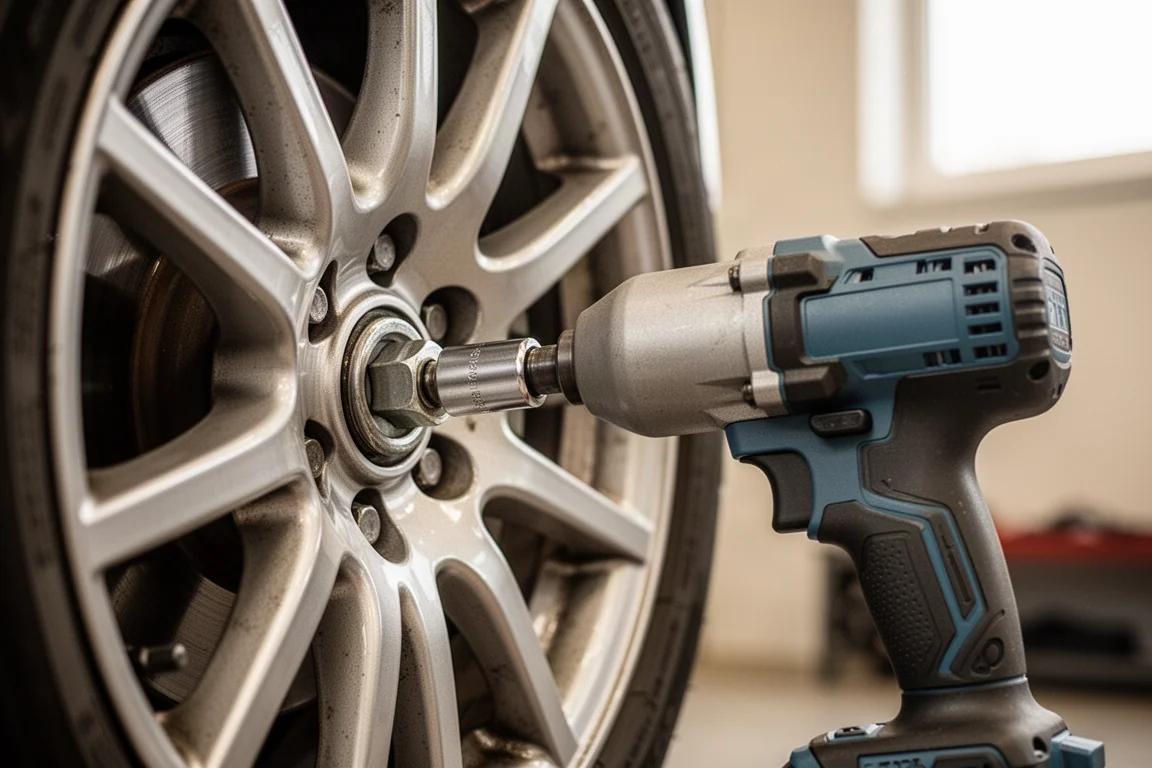
At $199 bare, it costs more than the current P262, and it is not an upgrade in busting-stuck-stuff-free ability. But if you want a shorter, lighter mid-torque that drives fasteners faster than almost anything in the class, it is a compelling pick.
Ryobi P262 Mid-Torque Impact Wrench
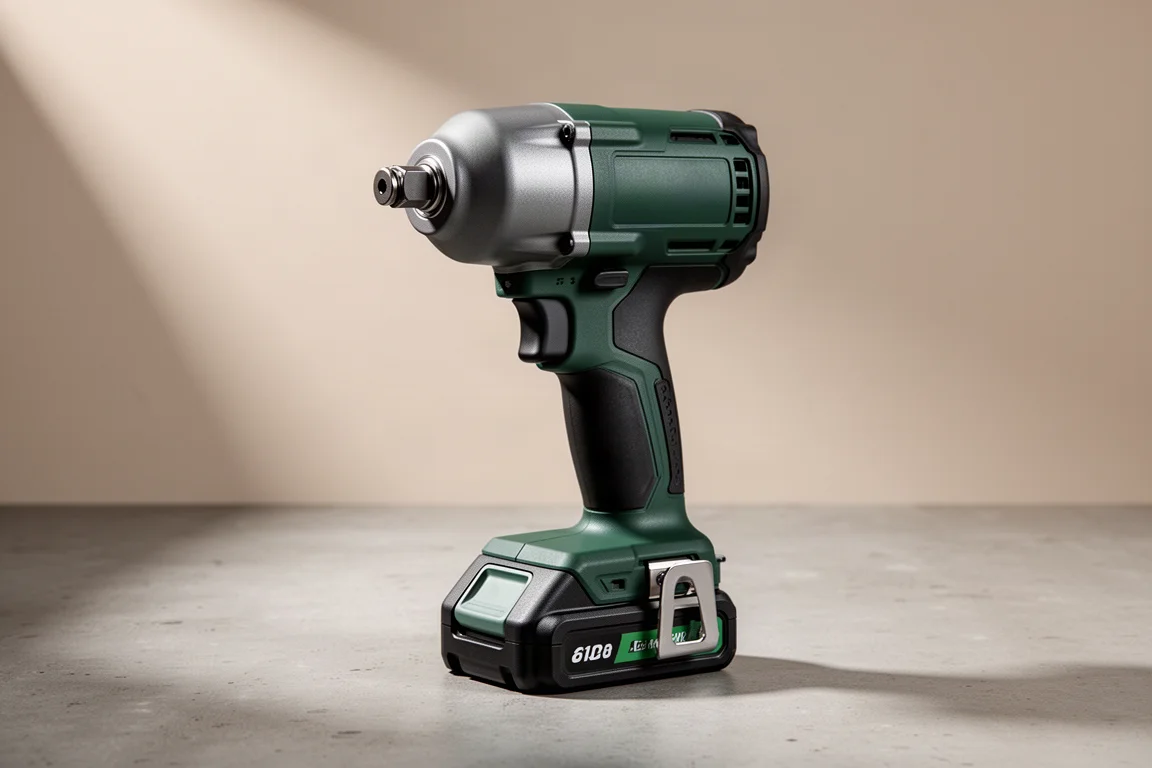
The P262 remains the incumbent and, in many ways, the value anchor of this test. It costs $179 bare, measures a compact 6 inches long, spins at 2,800 RPM free, and hits at 3,200 IPM. It is a bit of a workhorse: steady, predictable, and willing to keep hitting away on stubborn fasteners rather than fading early.
If you already own a P262, the new PBLIW25 does not free meaningfully more stuck hardware, so upgrading only makes sense if shorter length, lower weight, and faster driving speed matter to you. If you are buying your first mid-torque on this platform, the P262 is still the safe, proven choice.
Vevor Cordless High Torque Impact Wrench
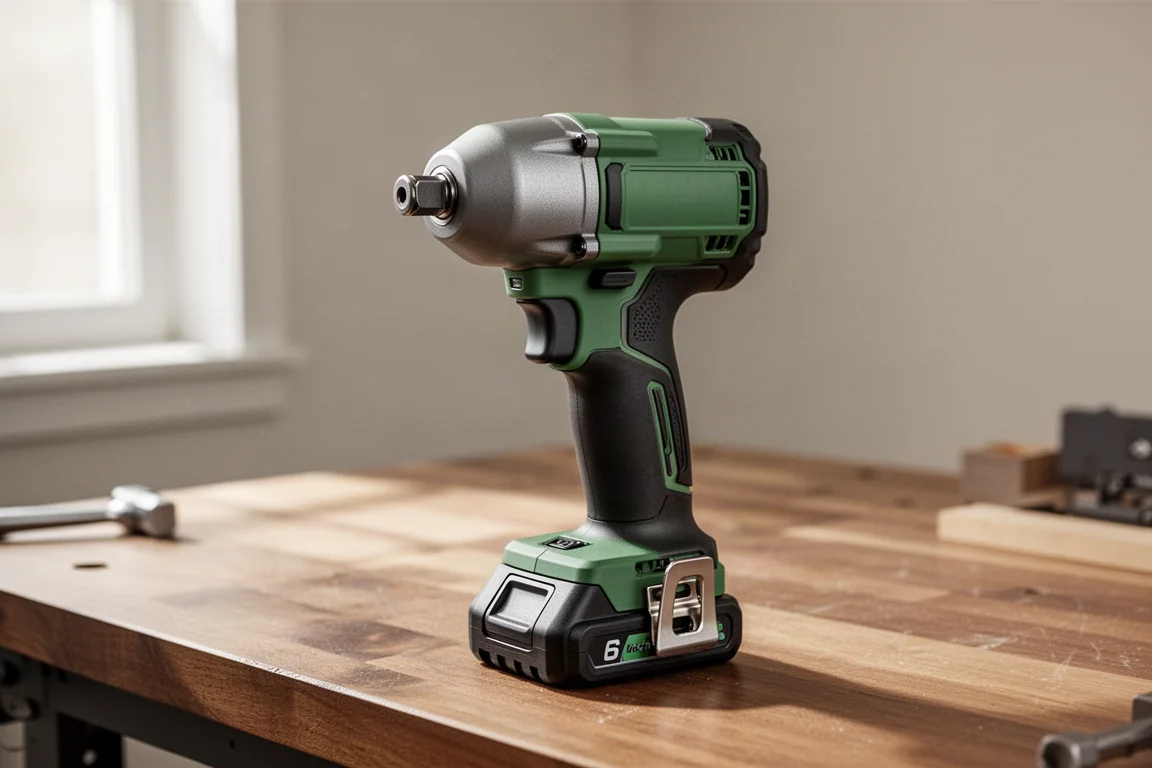
The Vevor cordless high torque has been everywhere on social media, and it is easy to see why: the kit, with two batteries and a charger, cost $145, which is less than a bare Ryobi mid-torque. It is about the size of a DeWalt high torque, slightly shorter, but chunkier in spots, and it takes Makita-style batteries.
On the dyno it posted 468 ft-lb in the 5-second working torque test, which is underwhelming, and 616 ft-lb in the max reverse run, rounding toward the 695 ft-lb mark in its best case. Its saving grace is that it hits slowly, so it may simply be a steady, chugging tool rather than a sprinter. The claims put it in Bauer high torque and Ryobi high torque territory, but it is neither as small nor as light as those tools. With a high-output pack it did climb to 720 ft-lb, so there is some headroom.
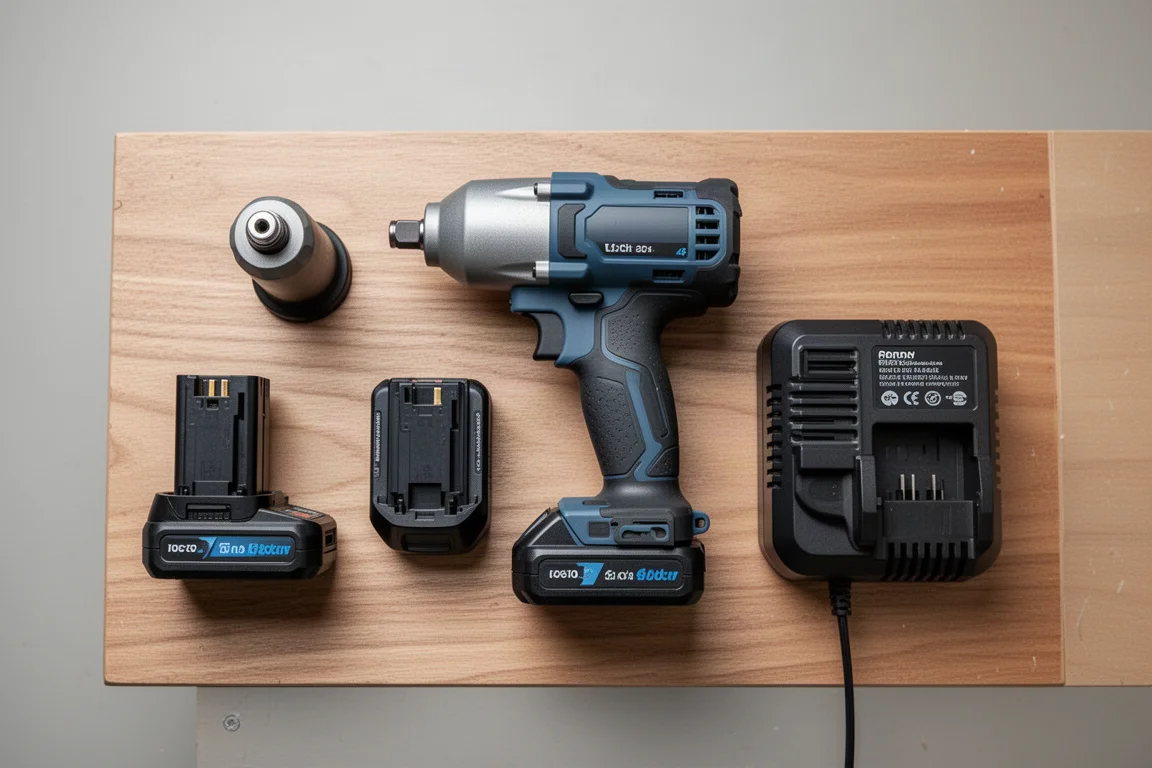
If you already own one, keep it. It does a lot of work, and the battery flexibility is genuinely useful. Just do not expect it to outperform the established high-torque names.
Acouto 1/2-Inch High Torque Impact Wrench
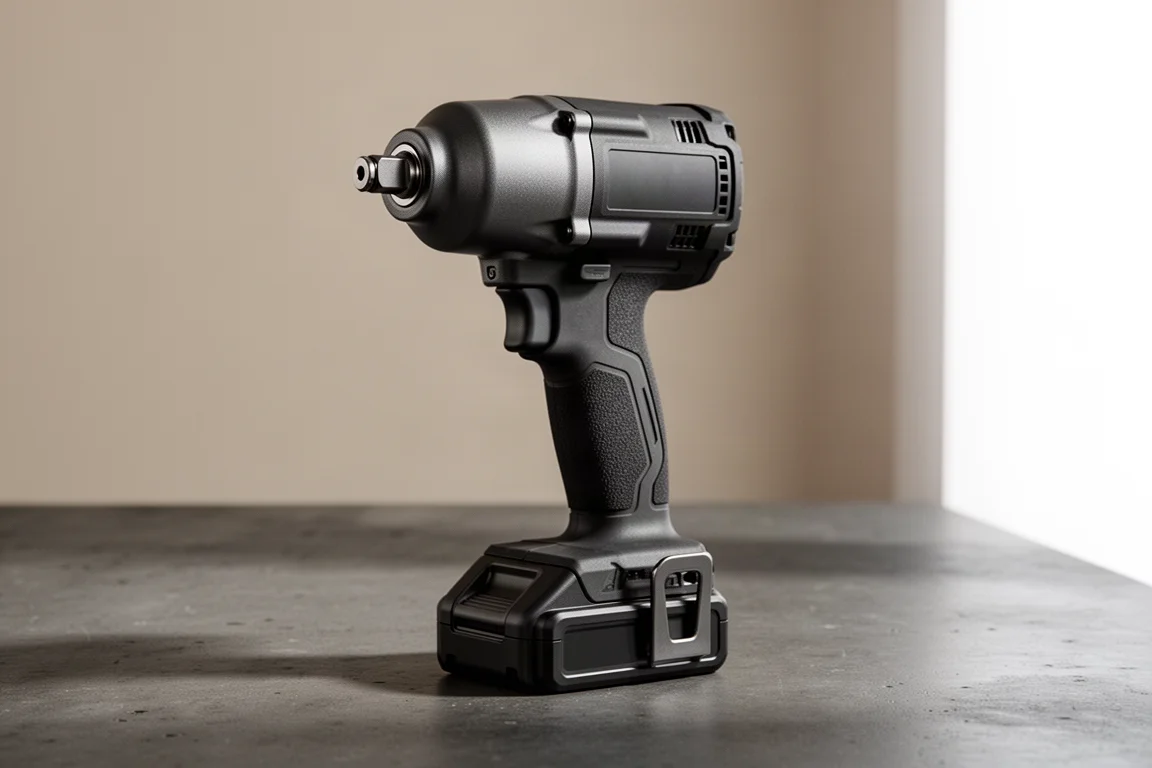
This is the quiet star of the value high-torque crowd. It takes M18 batteries, and on a standard XC5.0 pack it posted 568 ft-lb working torque, right around a Hercules ultra torque Gen 2. In the max torque reverse test it hit 721 ft-lb, and its best-case run reached 759 ft-lb, eventually climbing to 797 ft-lb, which is right at the level modern high-torque tools aspire to reach. Performance sits in the Gen 2 M18 high torque category, not quite Gen 3, which is impressive for an off-brand tool.
The marketing specs are pure Amazon fantasy: the claimed 1,032 ft-lb, and even a claimed 1,350 ft-lb tightening figure, are nowhere near reality. In practice it achieved roughly 73 and 59 percent of the best claims with retail-available batteries. It also clearly benefits from a high-output M18 pack, similar to how the 3/4-inch version of this tool borderline required a Forge pack.
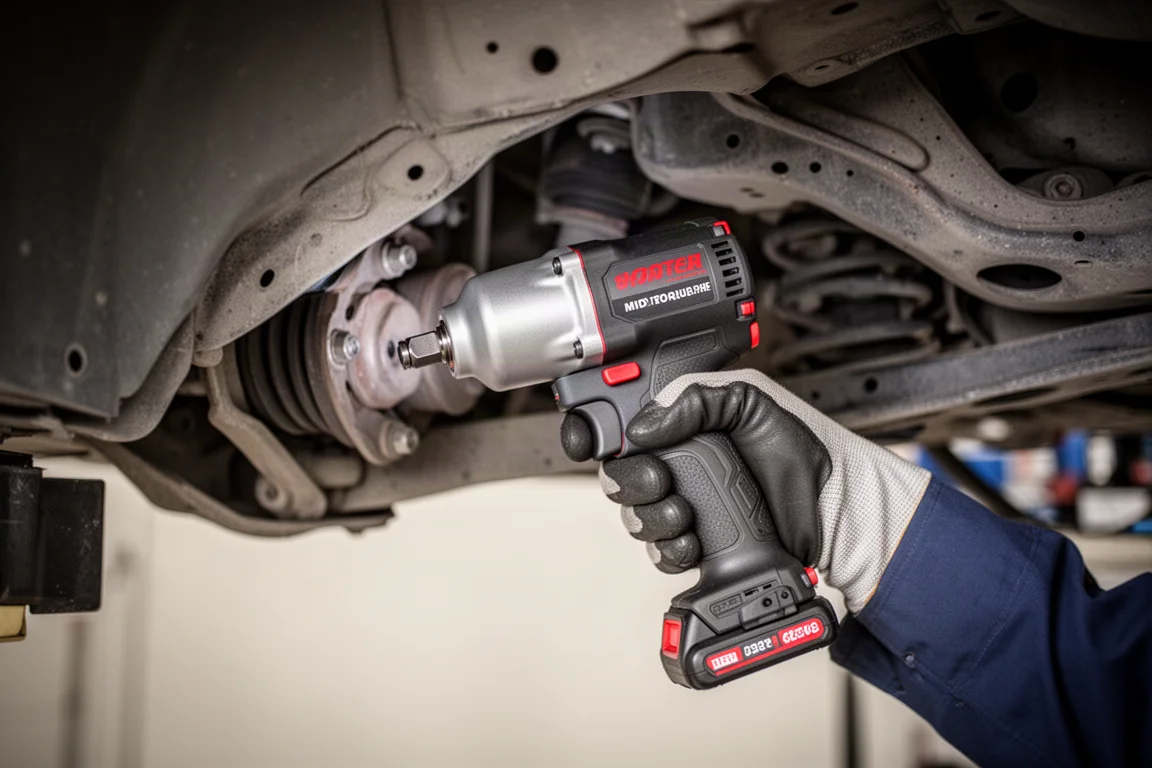
Despite the inflated numbers on the listing, the real measured performance, combined with strong value scoring, makes this one of the best high-torque picks in the group.
CCWH16 Ultra Pro Impact Wrench
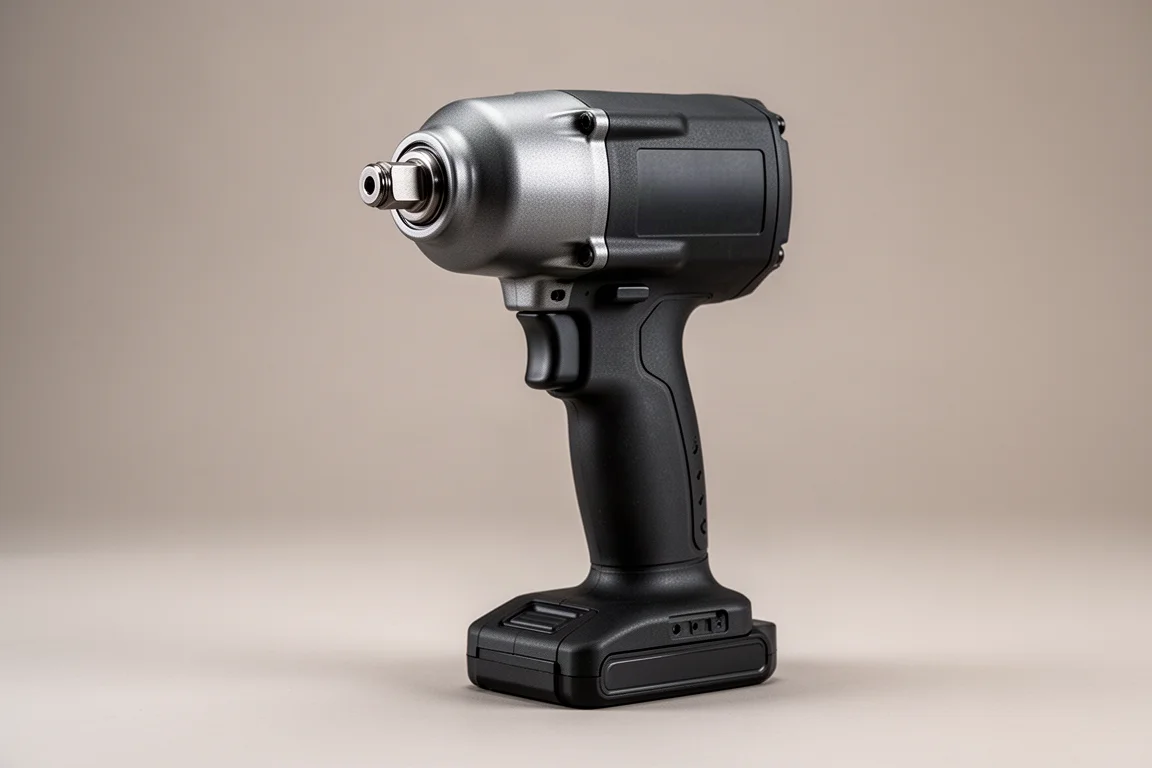
The CCWH16 Ultra Pro is the most surprising tool in this whole test. It looks like a mid-torque, measures 7.2 inches like the Ryobi P262, and yet it sets outright mid-torque records: 596 ft-lb in the max reverse run and 663 ft-lb in the best-case test. That beats the current Bosch at the top of the mid-torque class and even the DeWalt, and it makes more torque per pound than essentially anything tested. It is about 10 percent smaller and 20 percent lighter than the closest cordless high-torque tools.
We paid $150 for the kit with two batteries and a charger, and while the advertised 1,032 ft-lb is simply not going to happen, the tool is not messing around with its proportions. It comes with a side handle, which it does not really need since impacts are reactionless and it is not particularly violent. It takes Makita-style batteries, which is a plus for long-term battery availability, though a 5Ah Makita pack did not add anything over the included 4Ah pack.
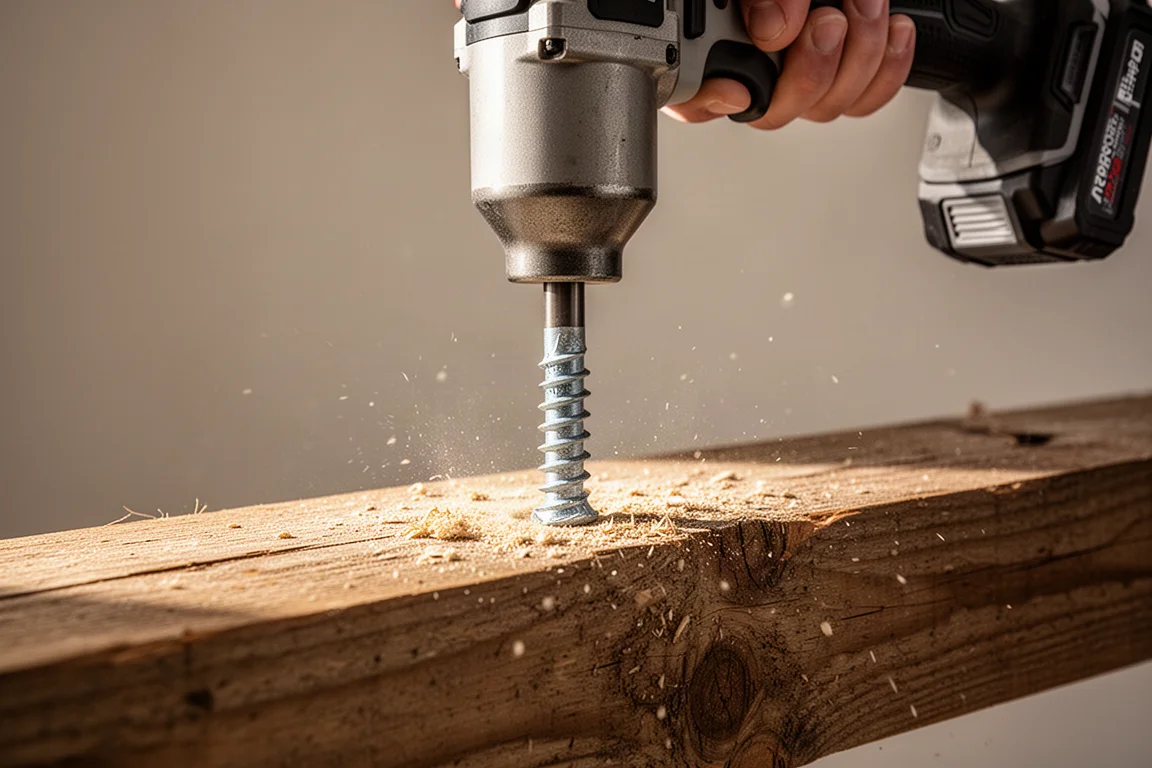
For most people, and certainly for most DIY automotive work, this could replace a big high-torque entirely and do everything a vehicle owner will realistically need. It placed second overall to date, and pound for pound it is one of the most powerful impacts available below 7.5 inches and under 5 to 6 lb.
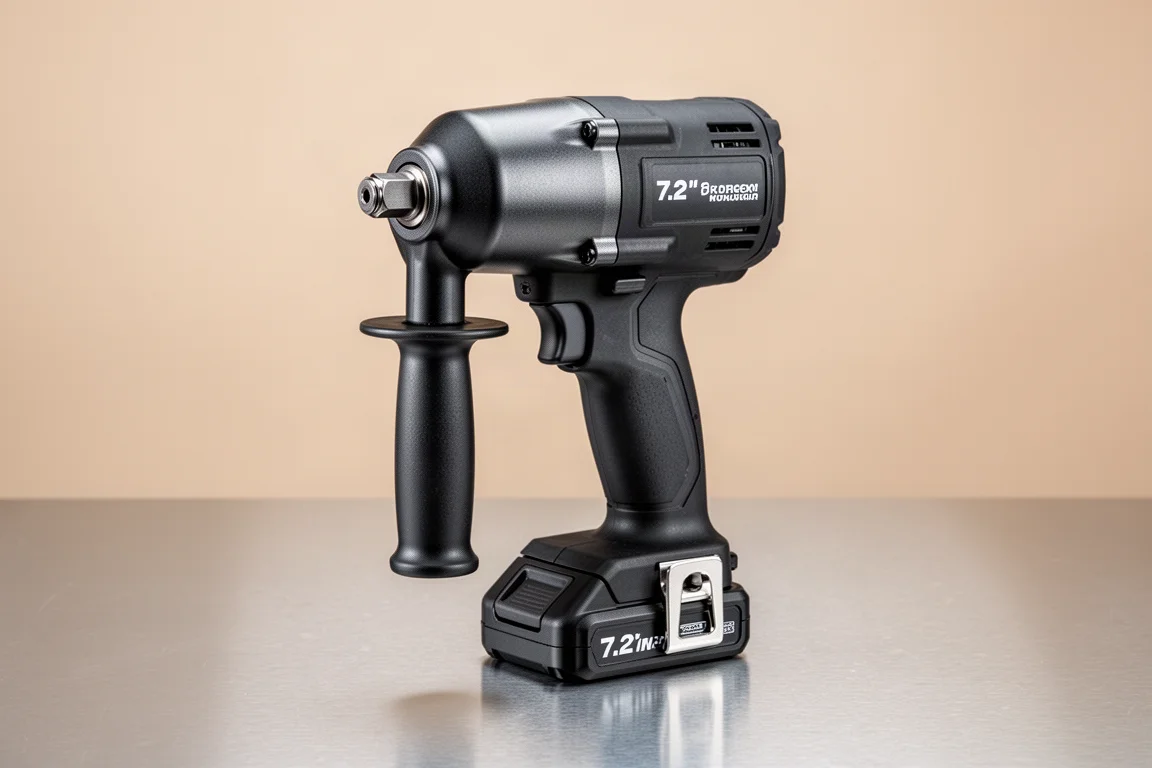
Milwaukee M18 Mid-Torque Impact Wrench
Milwaukee’s M18 mid-torque is the established benchmark that the newer compact contenders keep measuring themselves against. It hits at around 3,100 IPM, and its smallest version is short and reasonably light, which the new Ryobi PBLIW25 only narrowly beats on weight.
The honest criticism from this testing is that Milwaukee’s current mid-torque is not much of a step up over their own compacts anymore. It remains a refined, dependable tool, but if you are buying today, the value competition has closed the gap dramatically.
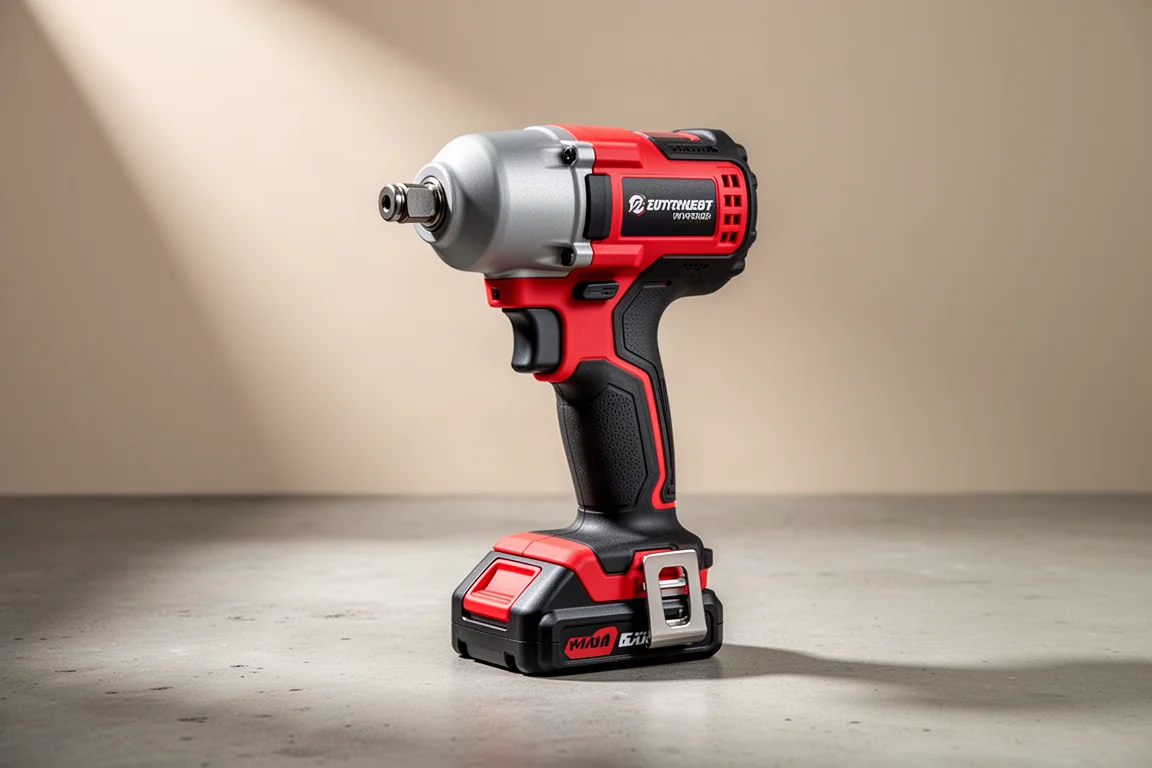
DeWalt DCF900 High Torque Impact Wrench
The DeWalt DCF900 remains the reference point in the high-torque class, and it is the tool the Vevor was measured against directly. It is a full-size high-torque body, and its performance is what value brands are chasing when they print their spec sheets.
If you want proven, no-surprises high-torque performance from an established brand, the DCF900 is still the tool to beat in its class, and the record-setting compact tools above are essentially trying to deliver its capability in smaller, cheaper packages.
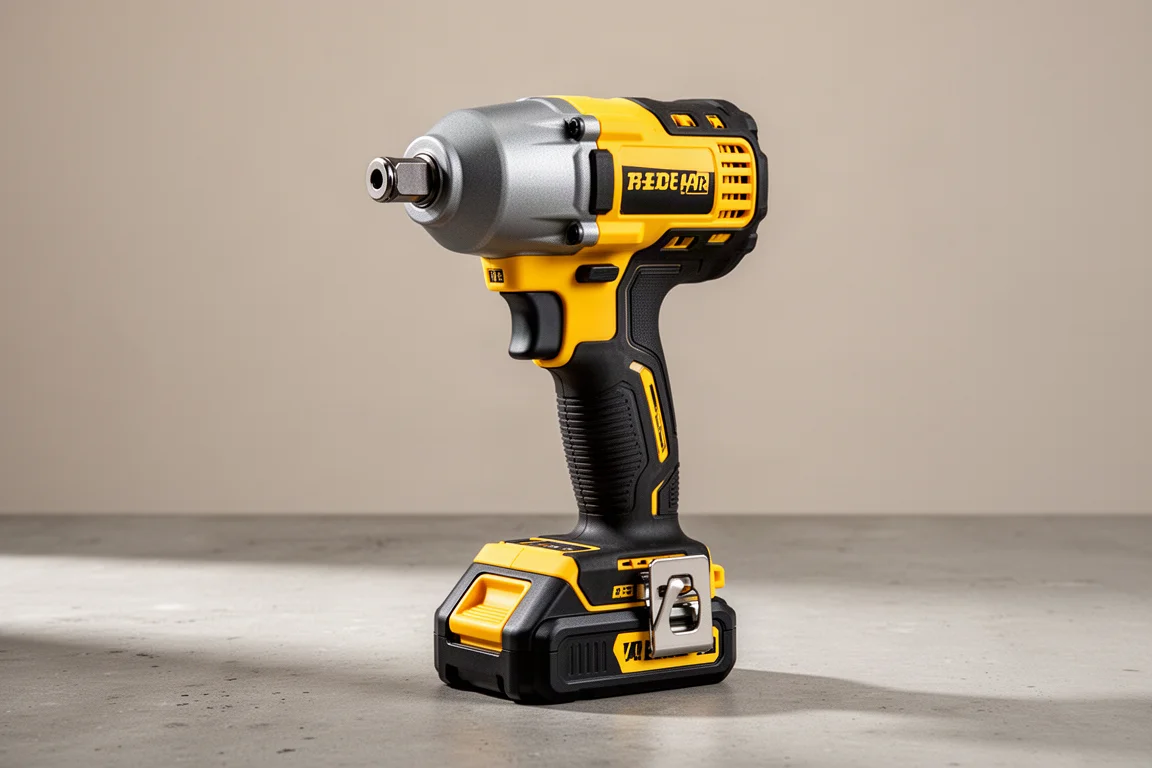
Hercules Ultra Torque Impact Wrench
Hercules’ ultra torque is another high-value high-torque talent that has held its own for years. In its second-generation form it posts numbers in the 721 to 797 ft-lb range, which is exactly the performance class the new Acouto 1/2-inch tracks so closely with.
It has been a consistent performer for about five years, which cuts both ways: proven and dependable, but no longer the standout it once was against the newest compact record-setters. It remains a strong pick if you want near-flagship high-torque output at a Harbor Freight-style price.
Buying Advice
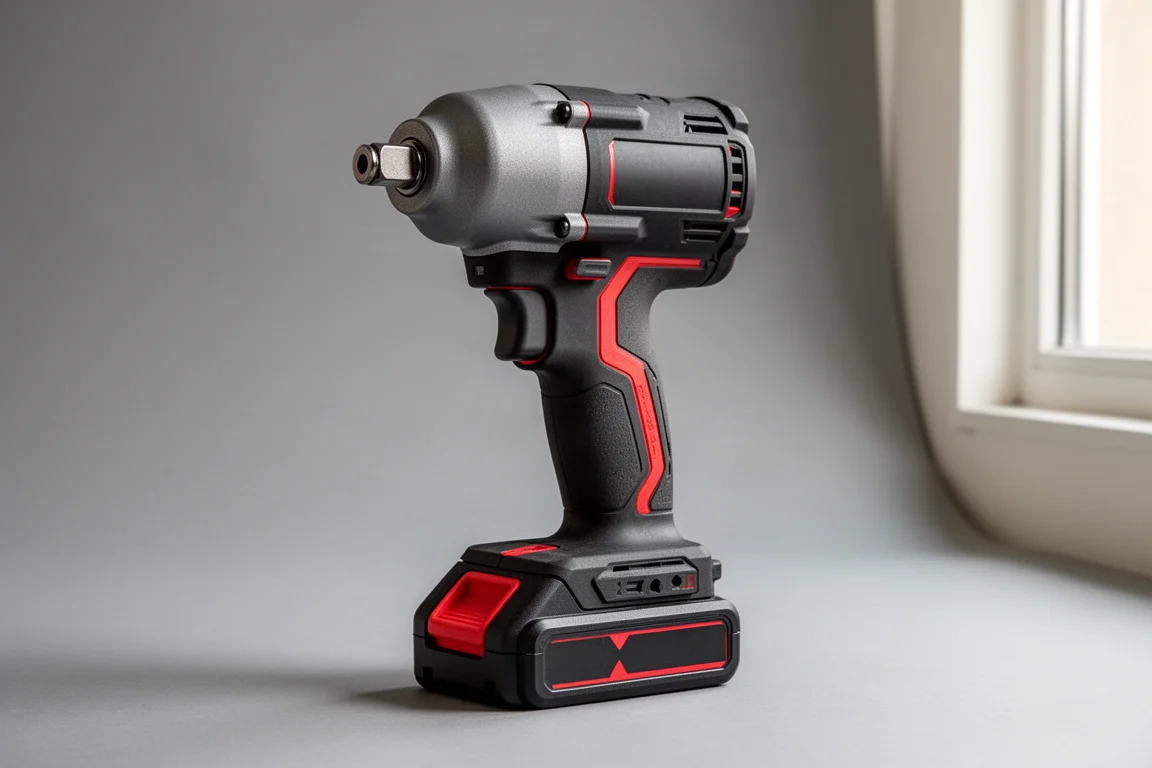
If you want one tool that does nearly everything automotive, the CCWH16 Ultra Pro is the pick: record-setting mid-torque performance, a 7.2-inch body, and a full kit with two batteries and a charger for $150. If you are on the Ryobi platform, choose the P262 for steady stuck-fastener work and the PBLIW25 if you want a shorter, lighter, faster-driving tool and accept the Edge battery requirement.
For stuck hardware that needs real breakaway muscle, the Acouto 1/2-inch high torque is the value play, tracking with a Hercules ultra torque Gen 2 at a lower price, while the DeWalt DCF900 remains the established-brand safe bet. Skip the Vevor unless you specifically want its Makita battery compatibility and already understand its slower hitting style.
Conclusion
Testing these eight side by side shows how much the market has shifted. A $150 no-name mid-torque now sets outright torque records in its class, a Ryobi mid-torque posts top-four-ever working torque numbers, and an off-brand high-torque flirts with 800 ft-lb. Established tools like the DeWalt DCF900 and Milwaukee M18 mid-torque are still excellent, but the value tier is no longer a compromise. Match the tool to the fasteners you actually fight, and any of the top performers here will serve you well.
Further reading
Related Reviews
Power Tools
Best 1-Inch Pistol Impact Wrenches: Three Heavy-Duty Options Compared
We compare three 1-inch pistol impact wrenches, from a budget-friendly Harbor Freight model to a premium Caterpillar unit, to help you choose the right one.
Power Tools
Best 3/4-Inch Impact Wrenches 2026: Five Contenders Compared
We compare five 3/4-inch impact wrenches across price and performance, from a budget Amazon option to Snap-on's most powerful model yet.
Power Tools
Best Budget Cordless Tools 2026: Walmart Finds That Punch Above Their Price
We tested five cordless tools from Walmart, including a high-torque impact wrench that trades blows with Milwaukee and a $35 duster that outperforms its price class.