Power Tools
Best Cordless Hammer Drills 2026: Top Picks From Our Testing
We tested nine cordless hammer drills from leading brands to find the best performers for speed, torque, and concrete drilling. Here are the top picks.
Introduction
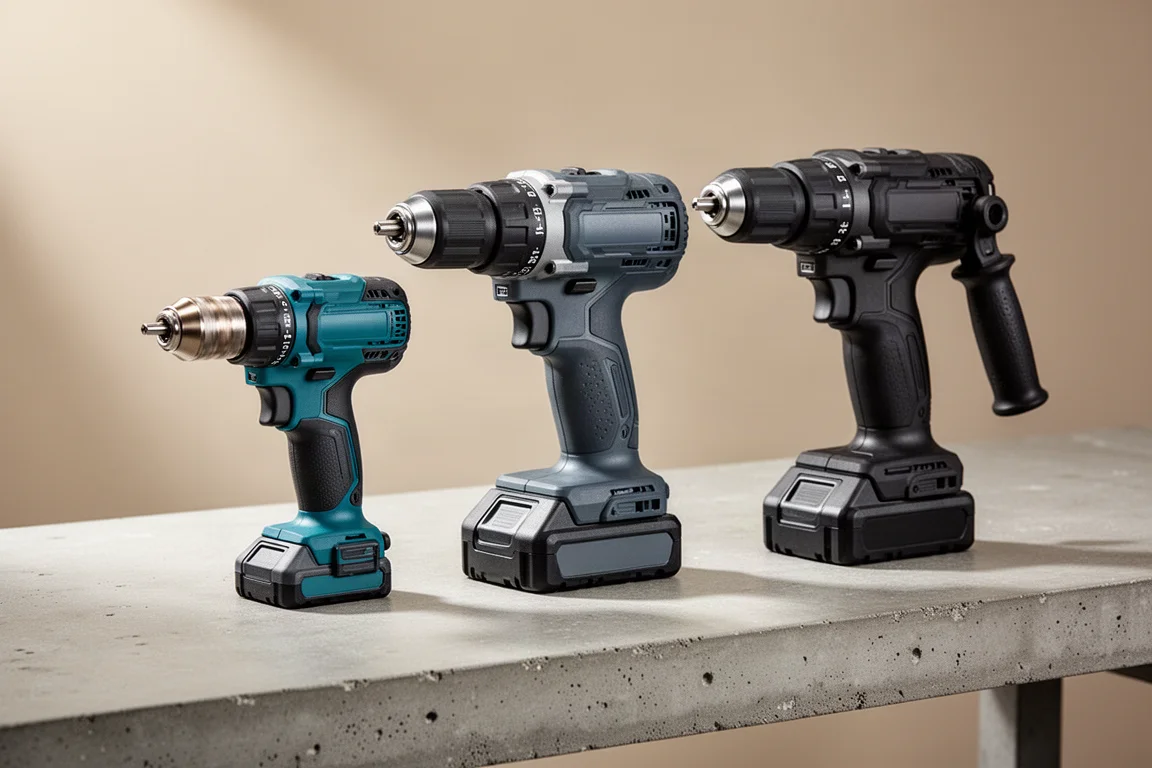
Choosing the right cordless hammer drill comes down to more than just peak power. Speed, torque, weight, balance, and features all play a role in how well a tool performs on the job. We tested nine hammer drills from major brands including Milwaukee, DeWalt, Makita, Flex, Ridgid, Ryobi, Hilti, Hercules, and Bosch to find the best performers across a range of real-world tasks.
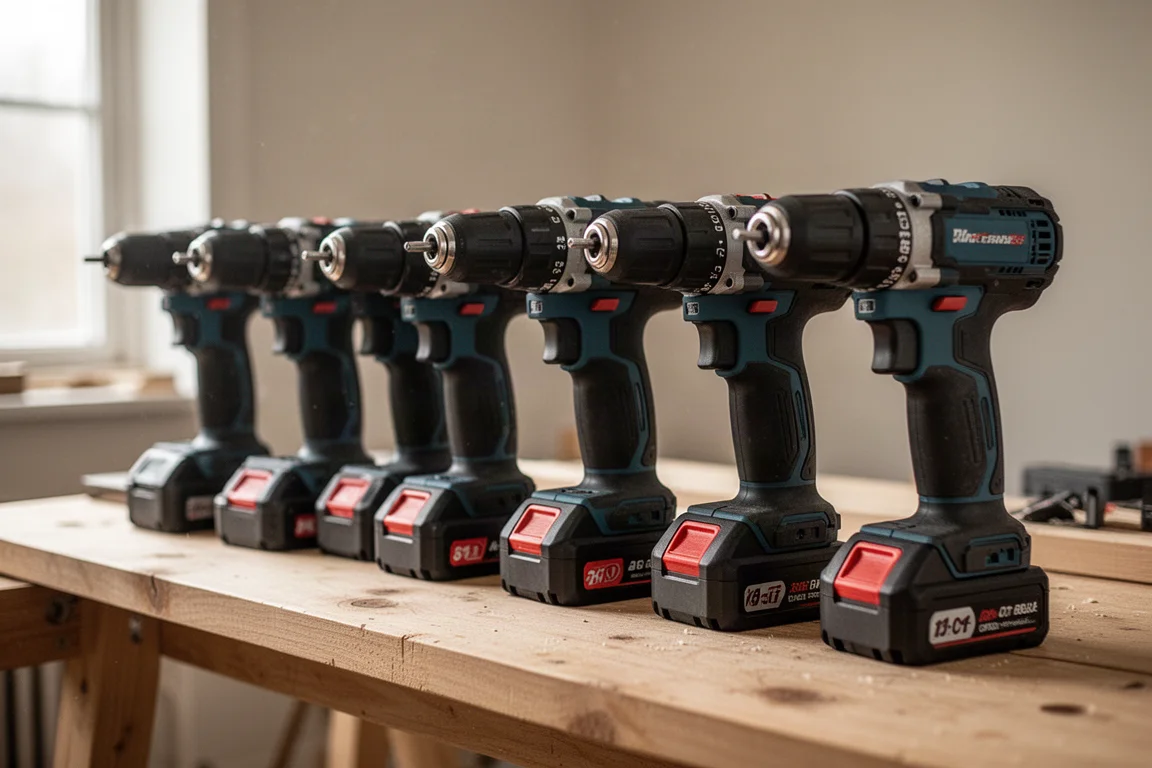
Our testing covered structural screw driving, spade bit boring through stacked subfloor, heavy-load drilling through studs, and concrete drilling into cured 4,000 PSI concrete. Each test was run multiple times and averaged to produce reliable results. We also weighed each tool with and without batteries and measured head lengths to assess ergonomics and compactness.
What We Look For in a Hammer Drill
Performance comes down to speed, blow rate, and torque, but the motor’s ability to keep RPMs high under load is what separates real-world performance from spec sheet numbers. A brushless motor delivers the best combination of performance, runtime, and service life.
Ergonomics go beyond weight alone. How the weight is balanced and how the grip feels in your hand matter just as much. A tool that feels right in your hands is easier to use for extended periods.
Pro-grade hammer drills should include a two-speed gearbox, a side handle for higher torque applications, an all-metal keyless chuck for durability and faster bit changes, and LED lights for working in dim conditions. Some models go further with kickback control, smart technology, electronic clutch settings, and turbo modes that boost speed and power when runtime is less of a concern.
How We Tested
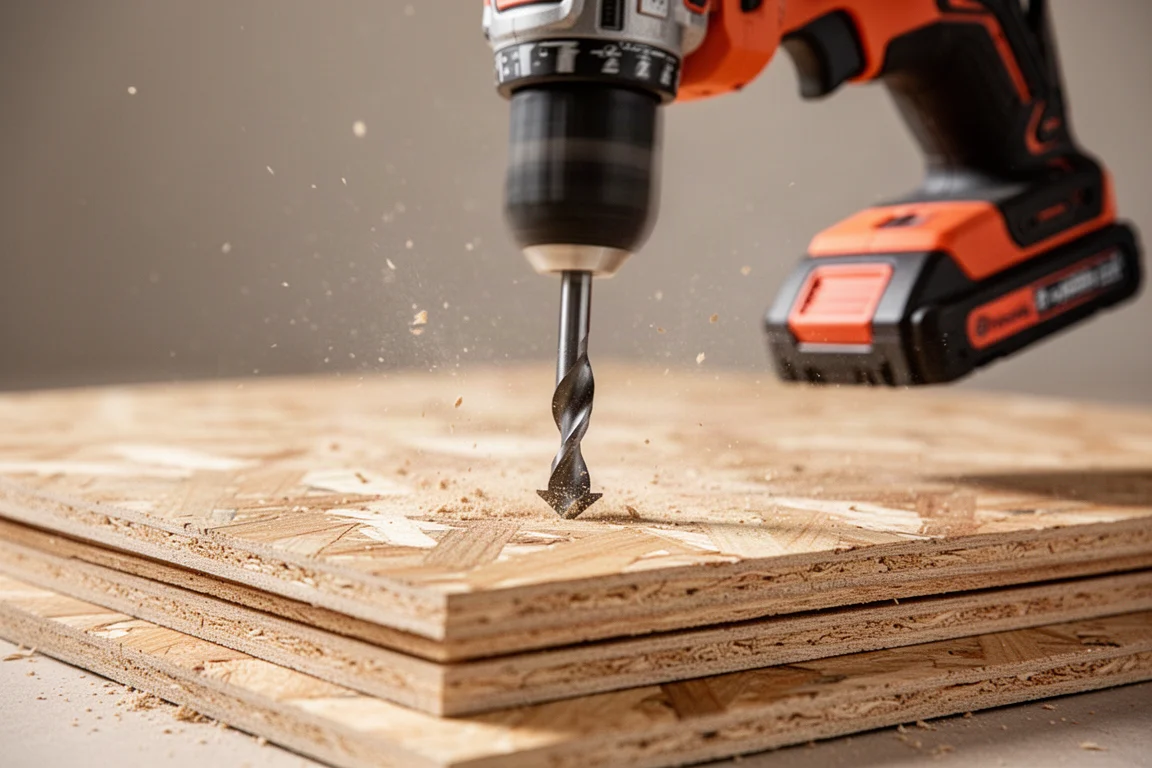
We ran four main tests to evaluate each drill. The first test measured how quickly each drill could drive a large structural screw into stacked glued OSB subfloor. The second test used a 1-inch self-feeding spade bit to bore through 4 inches of stacked and glued OSB. The third test pushed the drills into heavy-load work using a 9/16-inch self-feed bit through 2x4 studs. The final test involved drilling a 3/8-inch hole 3 inches deep into cured 4,000 PSI concrete.
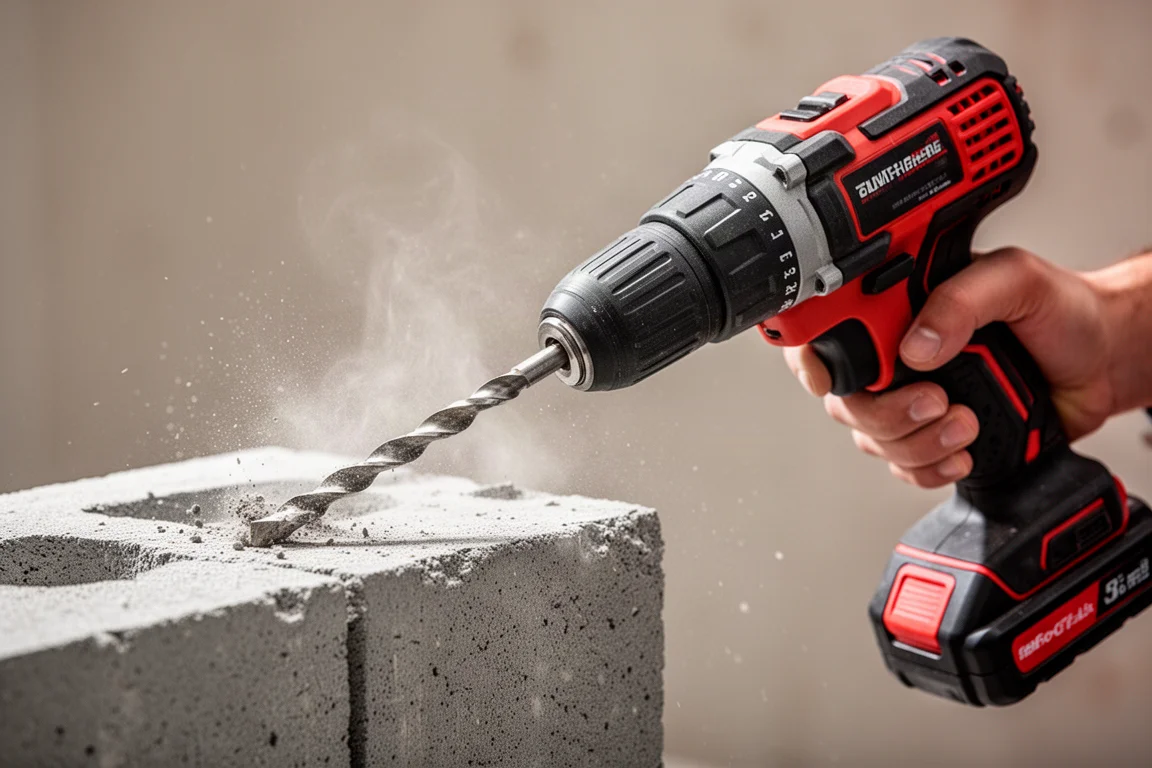
Results varied significantly across the group. Makita took the lead in the structural screw test with an average time of 2.03 seconds, with Flex close behind at 2.2 seconds. Flex was fastest in the spade bit test at 2.42 seconds, followed closely by DeWalt at 2.54 seconds. In the heavy-load stud test, Makita again led at 1.59 seconds with DeWalt second at 1.73 seconds. Flex dominated concrete drilling with an average time of 5.66 seconds, while DeWalt finished second at 6.39 seconds.
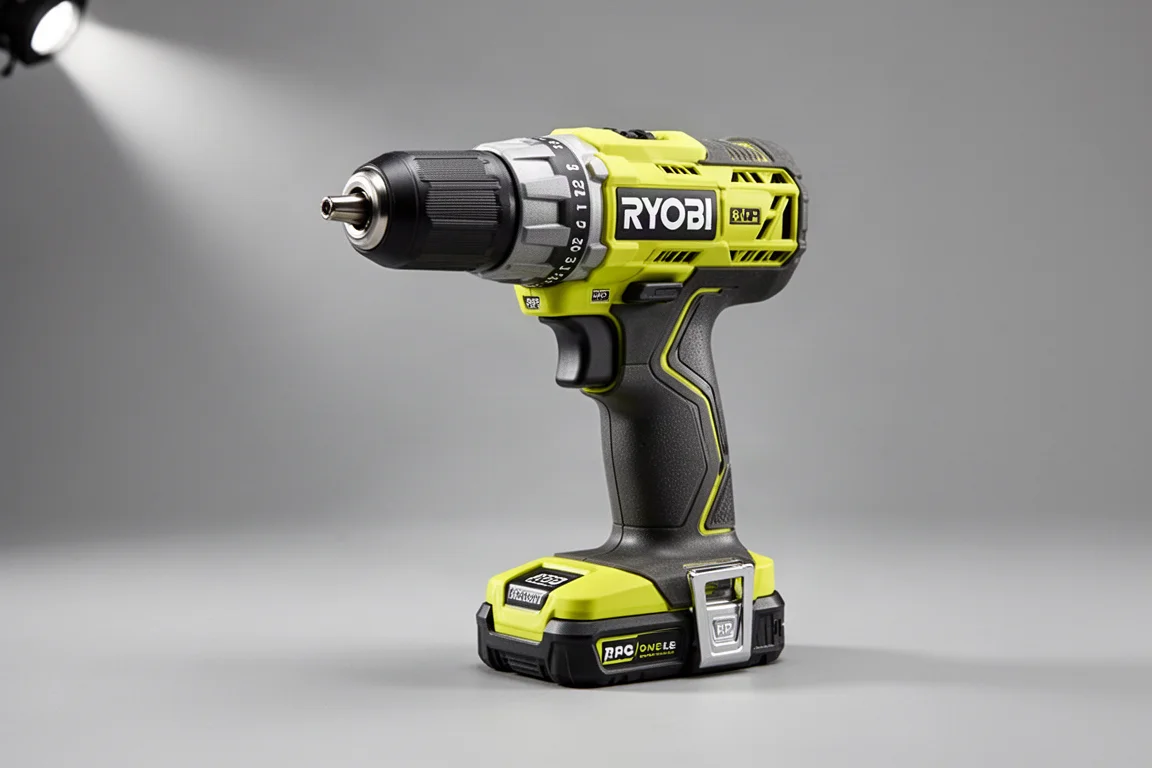
Best Budget Pick: Ryobi HP Brushless Hammer Drill
Ryobi’s HP brushless hammer drill stands out as the best cordless drill for the money. The HP brushless lineup marked a significant shift for Ryobi, with many tools becoming noticeably smaller and lighter. This flagship hammer drill sits at a mid-range 7.5 inches long and weighs well under 5 pounds with a battery attached.
For maintenance crews and handymen, this drill offers strong performance and a compact design at an attractive price. What makes it even more compelling is that Ryobi now offers more than 400 products that all work with any 18V ONE+ battery. If you need a tool for a specific job, chances are Ryobi has it.
Third Place: Makita 40V Max Hammer Drill
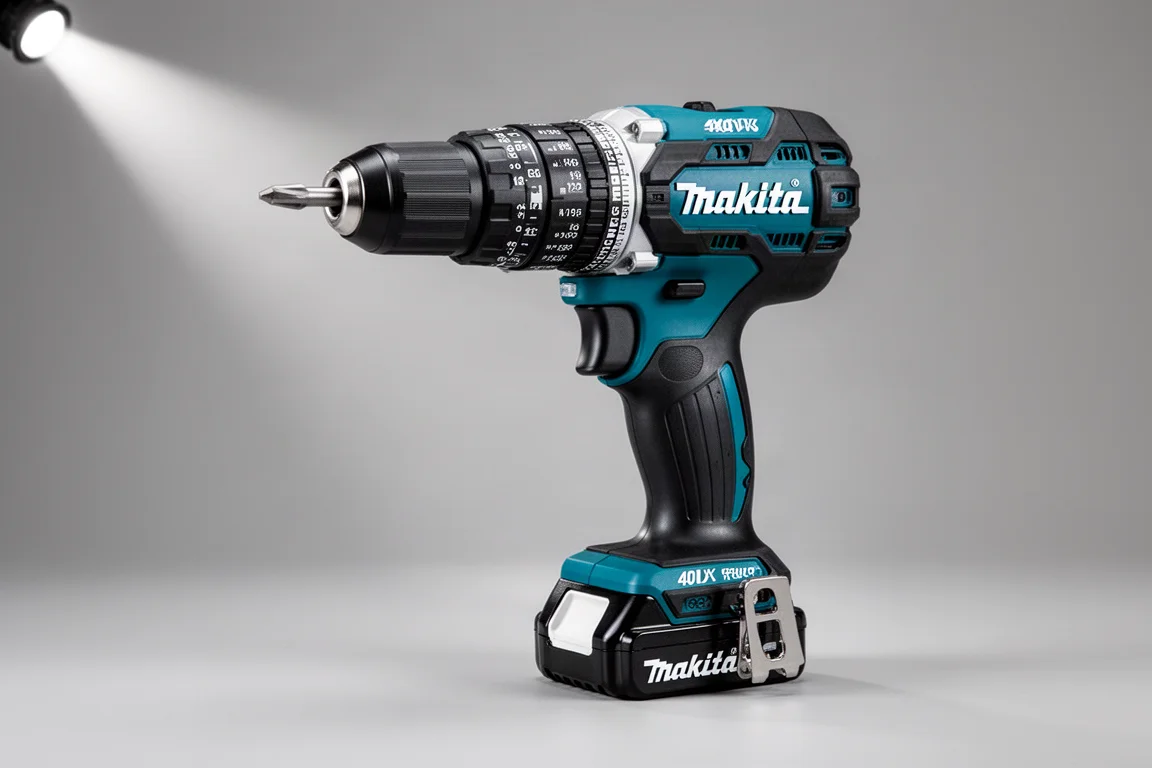
Makita’s 40V max hammer drill earned a weighted score of 87 points, placing it third in our lineup. Using the advanced XGT high-power battery, it delivered excellent power and speed for mid-range tasks, and its performance improved as the load increased. Its concrete drilling ranking dropped a bit, but that should not discourage buyers who primarily work with wood and fasteners.
One standout feature is the electronic clutch system with 41 settings in low speed and 21 settings in high gear. This level of control is unique among the drills we tested. If you are looking for a high-quality hammer drill on a powerful 40-volt platform, Makita is a strong choice.
Second Place: DeWalt DCD1007
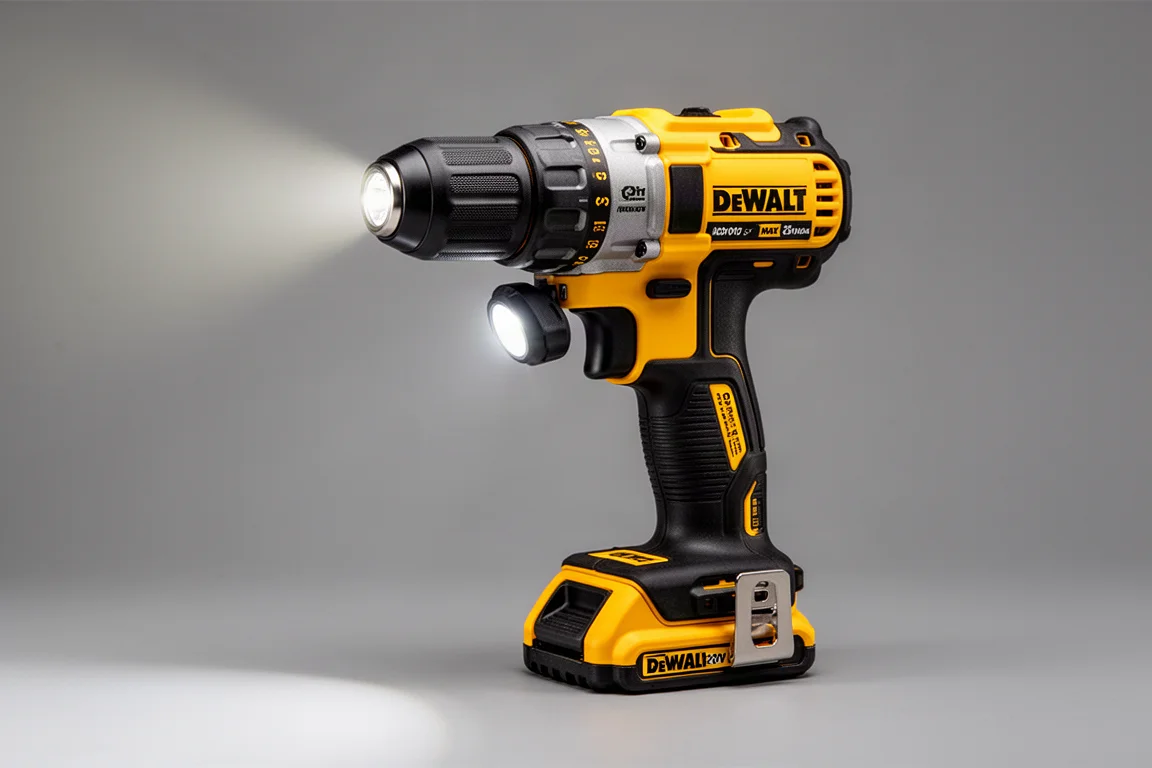
The DeWalt DCD1007 earned a weighted score of 91 points, making it the clear performance leader in this robust lineup and the second highest performing drill in our tests. To get the most from this drill, you need to use a POWERSTACK battery, which offers the best performance we have seen from DeWalt while avoiding the weight penalty of using a FLEXVOLT battery.
This model maintains DeWalt’s three-mode gearbox, which includes an all-important middle gear for when high speed is not quite enough but you do not want to drop into low gear. The drill operates at high speeds in all three gears when in hammer drilling mode. It also includes LED light controls that other drills do not offer, with the pivoting 20-minute work light mode being particularly helpful.
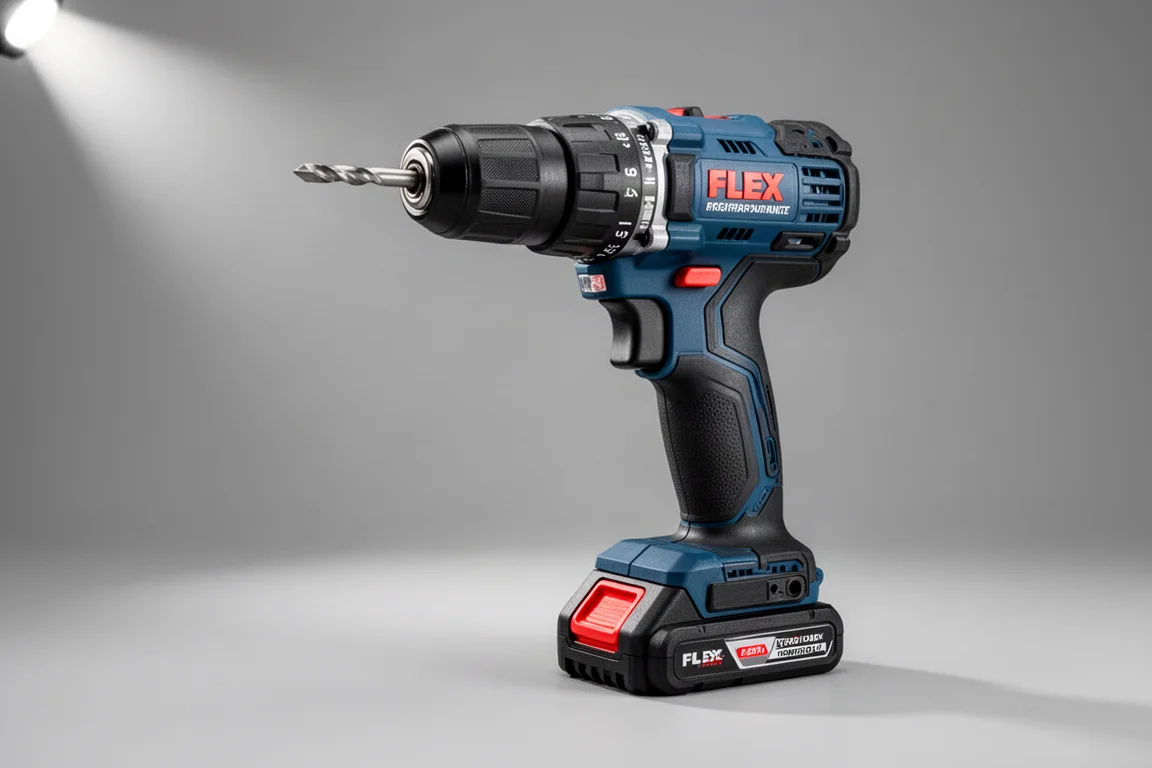
Top Pick: Flex FX1371T
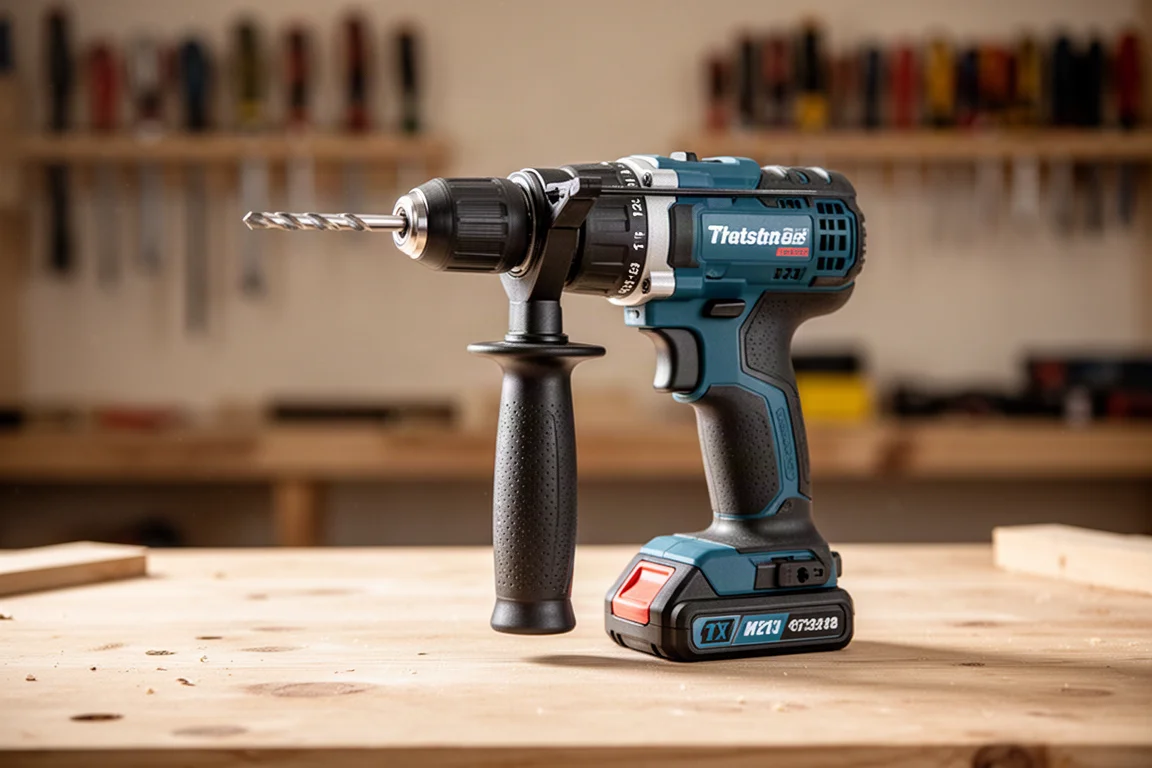
The Flex 24V brushless hammer drill took the top spot with a weighted score of 95 points. Flex launched its 24-volt line with the FX1371T hammer drill, and it continues to be a top-performing model several years later. Its high-speed and high-torque ratings showed in our testing, where it earned the highest overall performance score using a 6 amp-hour Stack Lithium battery.
It is not just about speed and torque for Flex. This is a full-feature drill that includes kickback control and a turbo mode that effectively makes it a four-speed drill. While the weight does creep up a bit, the balance is outstanding, making it feel more nimble than the weight alone suggests.
Overall Buying Advice
When choosing a cordless hammer drill, consider what you will be drilling most often. For concrete work, Flex is the clear winner. For structural screw driving and heavy wood boring, Makita and DeWalt deliver excellent results. If budget is a priority and you want access to a huge ecosystem of compatible tools, Ryobi offers remarkable value.
Weight and balance matter for extended use, especially overhead work. The lightest bare tool in our test group was the Ryobi at 3.13 pounds, while the DeWalt was the heaviest bare tool at 4.16 pounds. With batteries attached, the Ryobi with a 4 Ah battery remained the lightest at 4.64 pounds, while the DeWalt with an 8 Ah battery reached 6.31 pounds.
Conclusion
All four of these hammer drills earned their place in our recommendations through strong test results and practical features. The Flex FX1371T leads the group with outstanding performance and balance, while the DeWalt DCD1007 offers a compelling mix of speed and innovative features. Makita’s 40V max model impresses with its electronic clutch control, and Ryobi’s HP brushless drill delivers exceptional value for the price. Choose based on your primary drilling tasks and budget, and you will get a tool that handles demanding work with confidence.
Further reading
Related Reviews
Power Tools
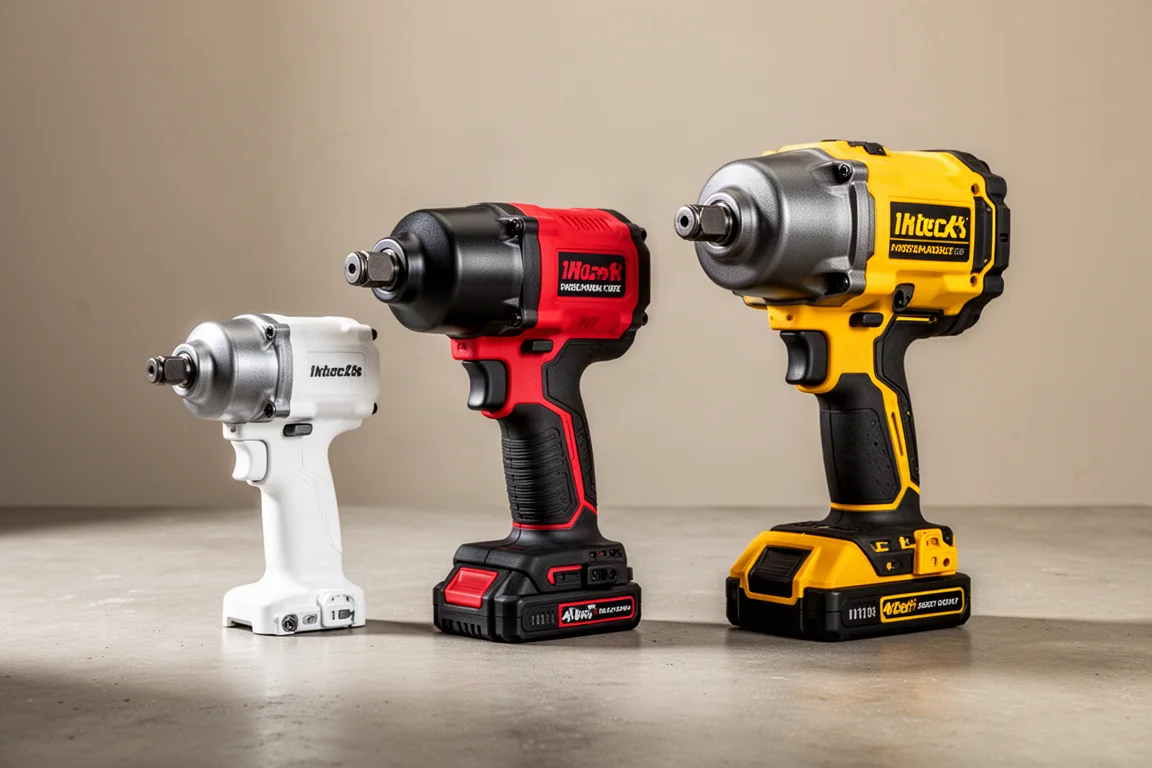
Best 1-Inch Pistol Impact Wrenches: Three Heavy-Duty Options Compared
We compare three 1-inch pistol impact wrenches, from a budget-friendly Harbor Freight model to a premium Caterpillar unit, to help you choose the right one.
Power Tools
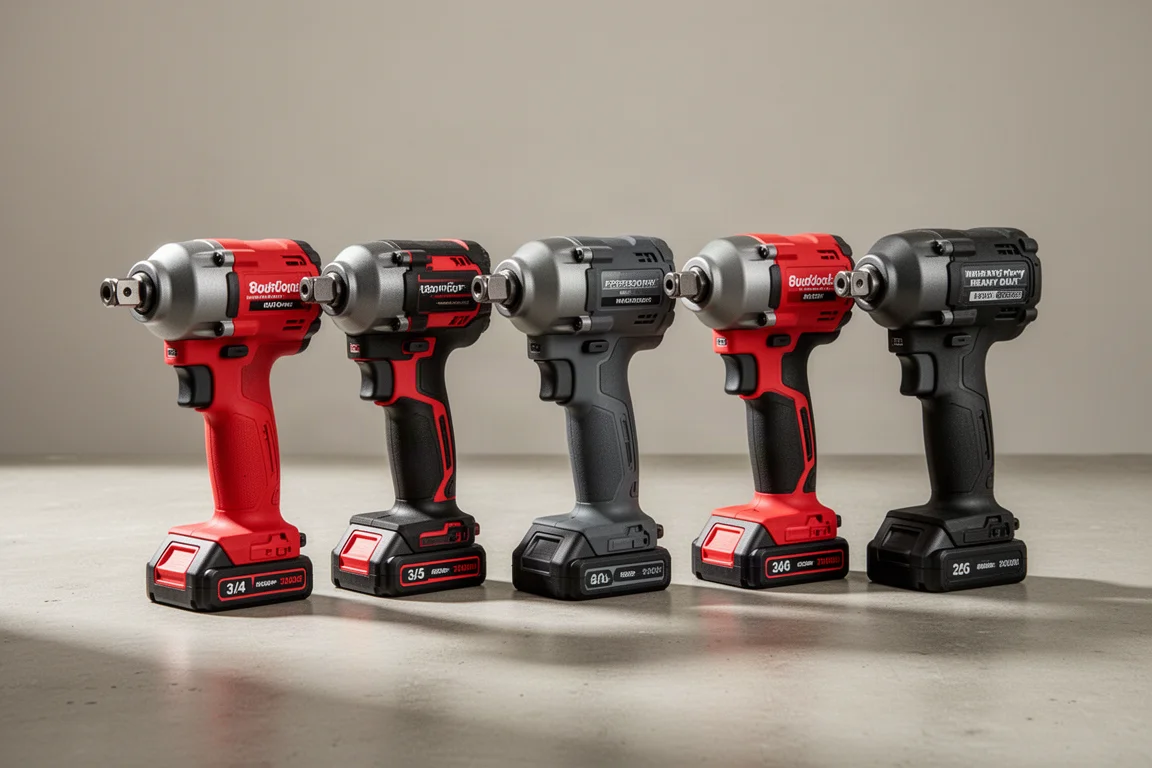
Best 3/4-Inch Impact Wrenches 2026: Five Contenders Compared
We compare five 3/4-inch impact wrenches across price and performance, from a budget Amazon option to Snap-on's most powerful model yet.
Power Tools
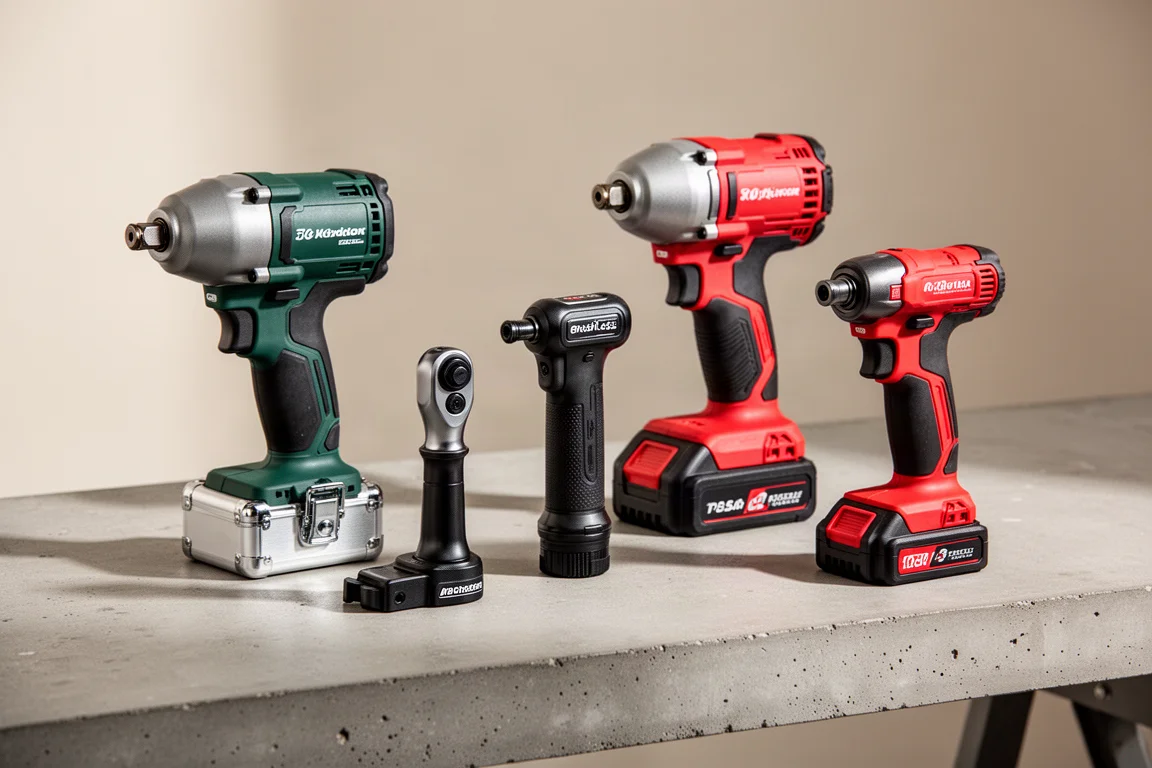
Best Budget Cordless Tools 2026: Walmart Finds That Punch Above Their Price
We tested five cordless tools from Walmart, including a high-torque impact wrench that trades blows with Milwaukee and a $35 duster that outperforms its price class.