Flashlights
Workshop and Camping Flashlights: Milwaukee Searchlight vs Makita Cordless LED
Two cordless flashlights that cover very different needs: a well-balanced searchlight for big jobs and a cheap, long-runtime LED for everyday tasks.
Introduction
Flashlights rarely get much attention compared to drills or saws, but the right one makes a real difference when you are working on an outlet with the breakers off, checking storm damage late at night, or walking back from a campsite bathroom after midnight. The tricky part is that there is no single style that wins at everything.
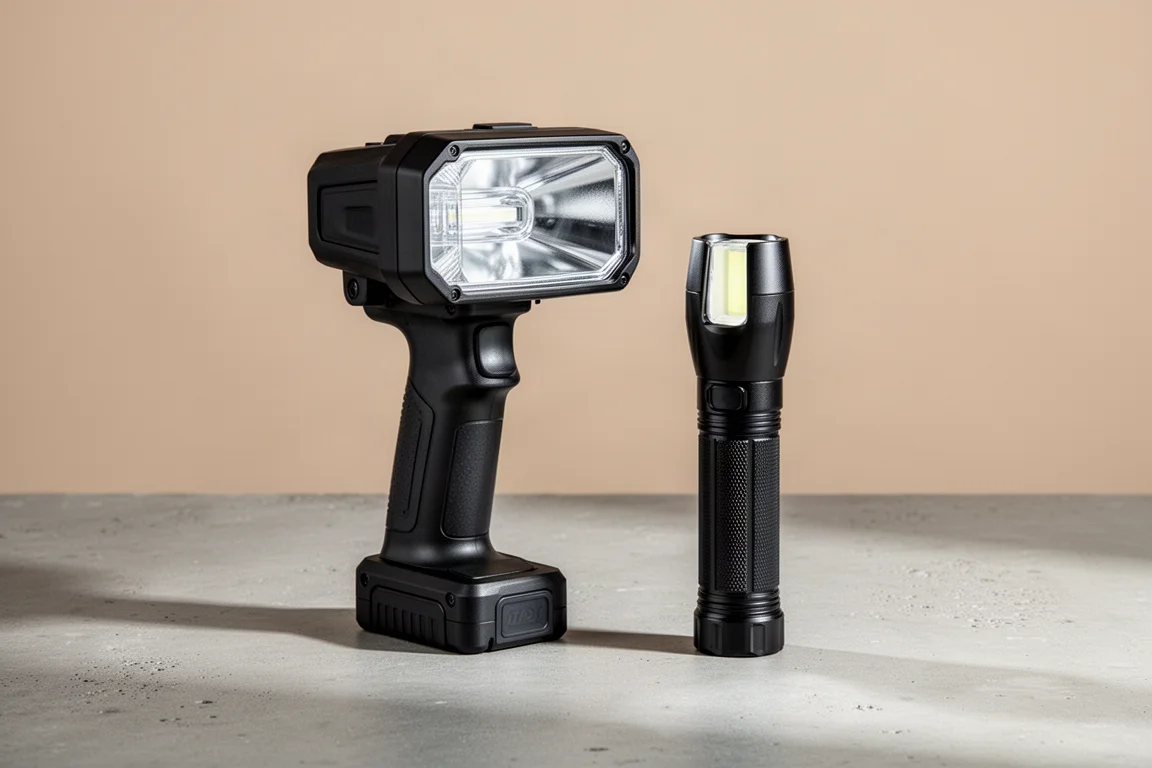
This comparison looks at two cordless options that sit at opposite ends of the spectrum: the Milwaukee 2354-20 Searchlight and the Makita DML815 cordless LED flashlight. Both run on manufacturer battery platforms, both show how much charge is left, and both are far less annoying to live with than disposable-battery flashlights.
Why Not Just Buy a Cheap AA Flashlight?
Hardware store brands like Kobalt and Husky sell inexpensive AA- or AAA-powered flashlights that are genuinely hard to beat on value. They are cheap, and both of those brands back them with a lifetime warranty, so a broken flashlight is simply replaced. A year’s supply of batteries can be picked up for around 20 dollars, and because these lights draw so little power, even off-brand batteries last a long time in them.
The downsides add up, though. There is no way to tell how much battery life is left, the cylindrical grip is less comfortable to hold than a pistol-grip style, and lending one out invites the classic problem of rechargeable batteries getting tossed without a thought. For emergencies and quick jobs they are fine, but a dedicated cordless flashlight solves most of those annoyances.
Makita DML815 Cordless LED Flashlight
The Makita DML815 is what most people picture when they think of the flashlight that comes bundled as the fifth tool in a combo kit. Nearly every brand, from DeWalt to Ryobi, makes a version of this style. It is LED, runs on the Makita battery platform, and has a fuel gauge so you can actually see how much charge remains.
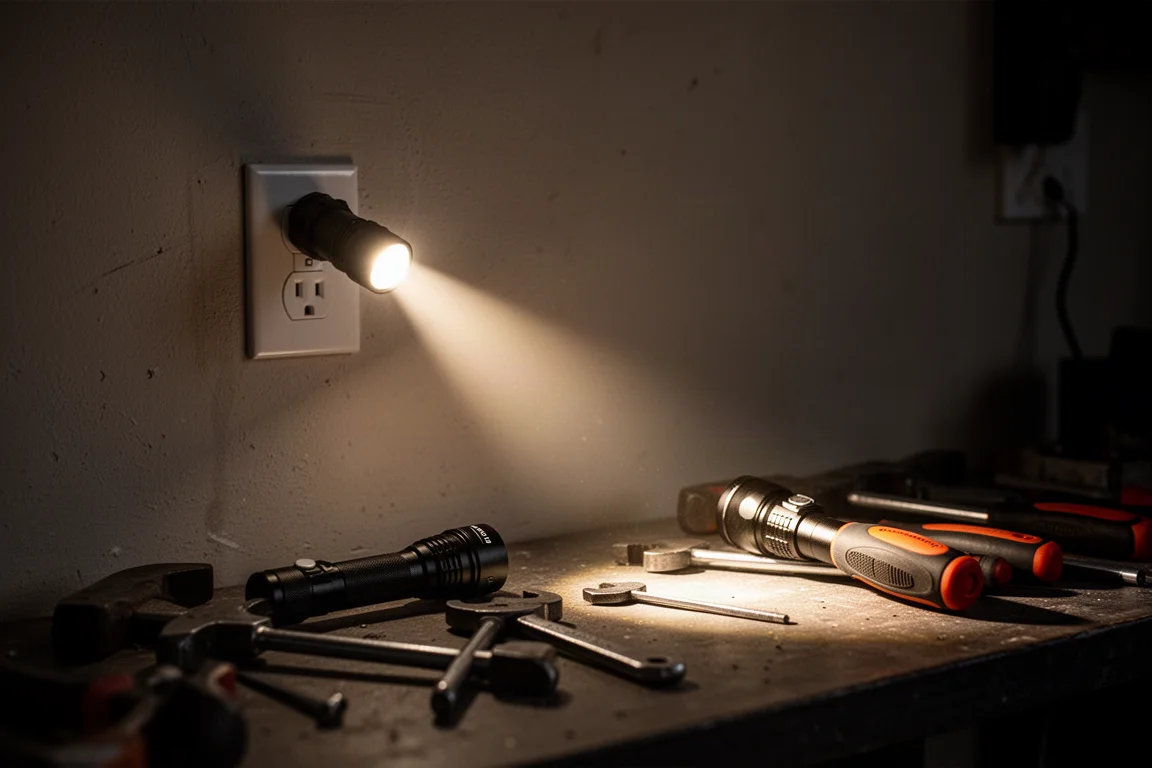
Runtime is where it shines. In testing, this light ran for about 32 hours on a charge, which is enough to cover almost a full week of camping trips, including those midnight runs to the bathroom. The price is another strong point: because combo-kit buyers often do not want the flashlight, these units flood the secondhand market, and it is possible to find one for roughly 10 to 30 dollars from almost any brand. For indoor jobs like replacing an outlet with the lights off, pointing two or three of these at the work area gets the job done quickly.
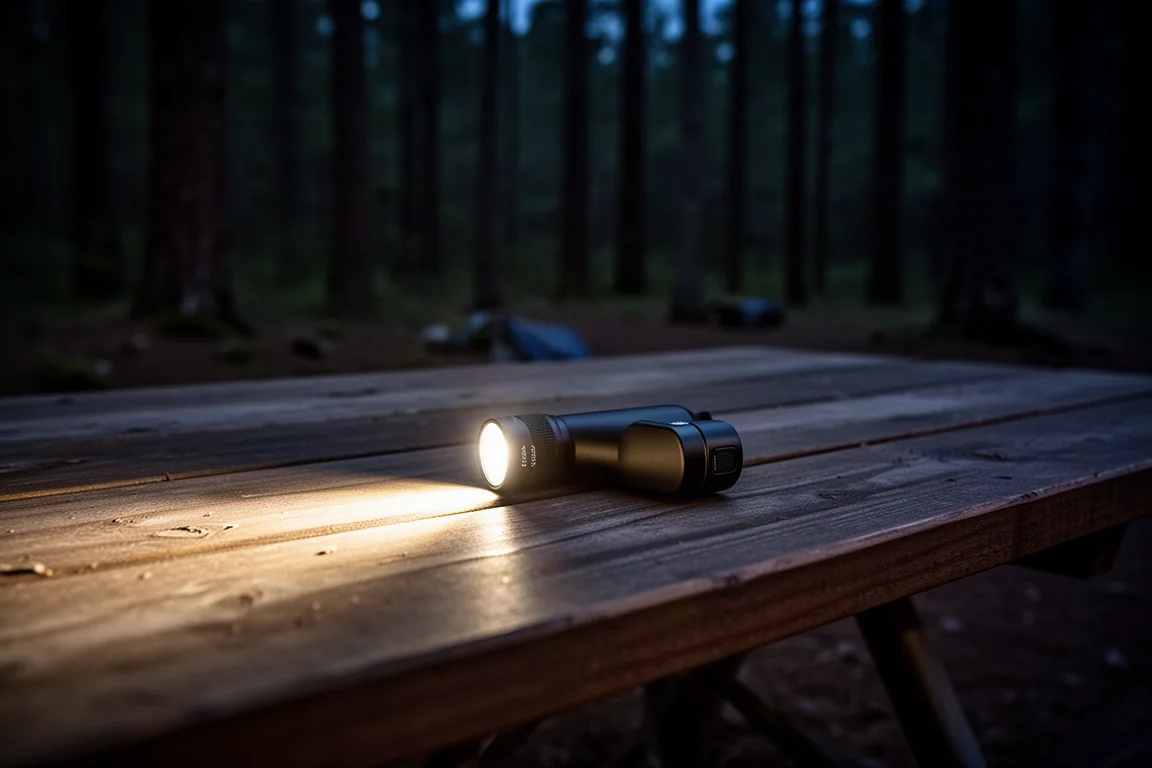
It is also low stakes. Dropping it or losing it on a camping trip is not a costly disaster, unlike pricier specialty lights. The main trade-off is that runtime is far shorter than a AA light would offer, and you are locked into whichever battery platform you already own.
Milwaukee 2354-20 Searchlight
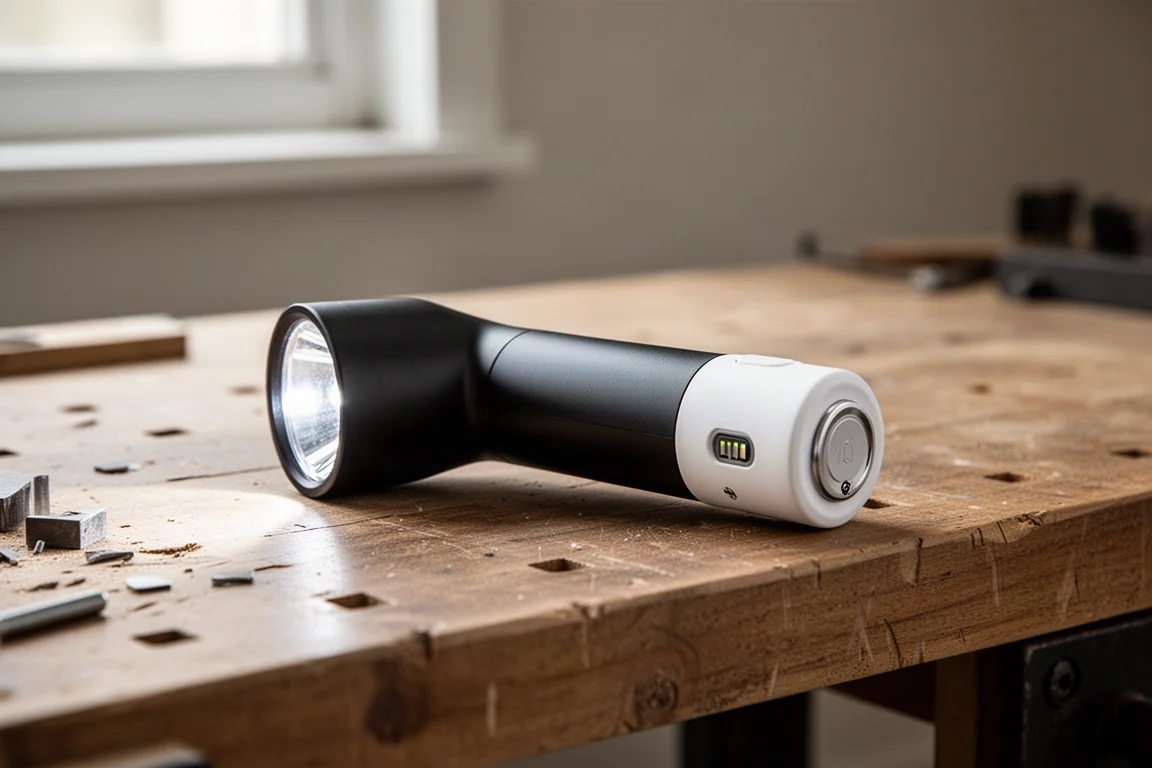
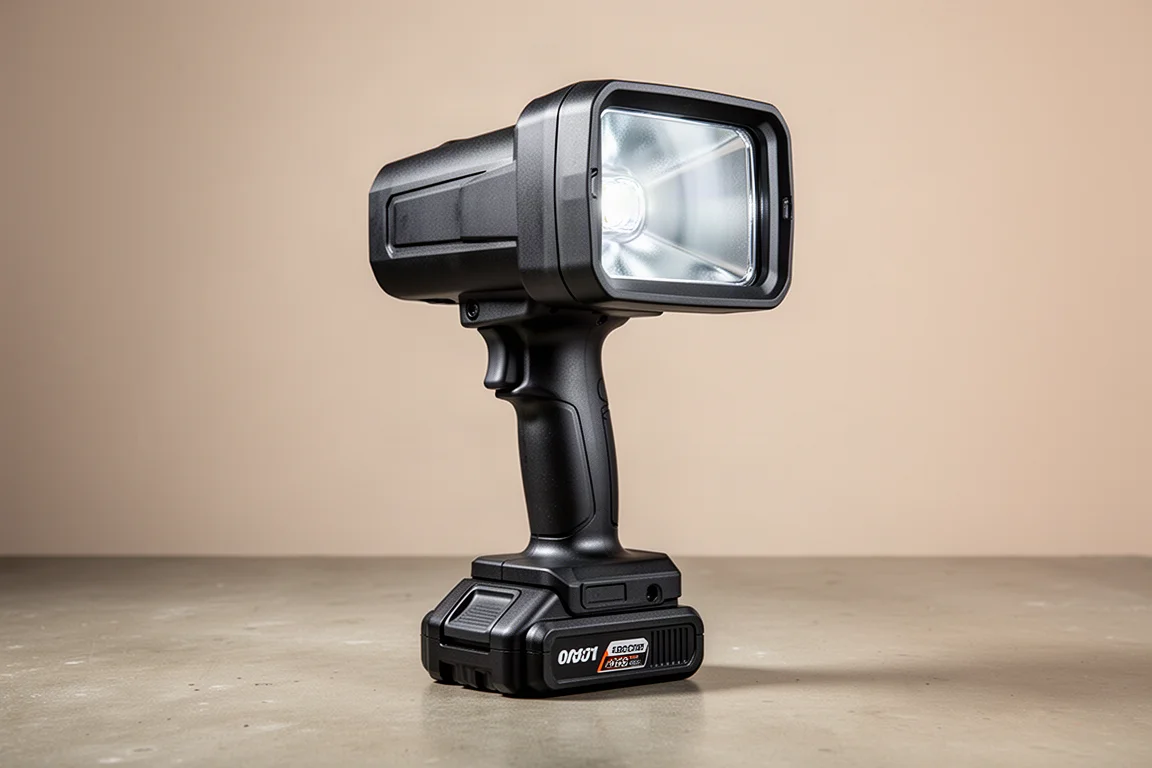
The Milwaukee 2354-20 is one of the few fully developed searchlight-style flashlights on the market. DeWalt and Makita make larger lights in this general category, but the Milwaukee stands out for one key reason: balance. Back-heavy lantern-style lights are awkward to carry because the weight pulls down toward your wrist, making them better suited to sitting on a surface and pointing somewhere. The Milwaukee stays well balanced in the hand, so you can actually walk with it pointed down near your feet while keeping both hands free of awkward strain.
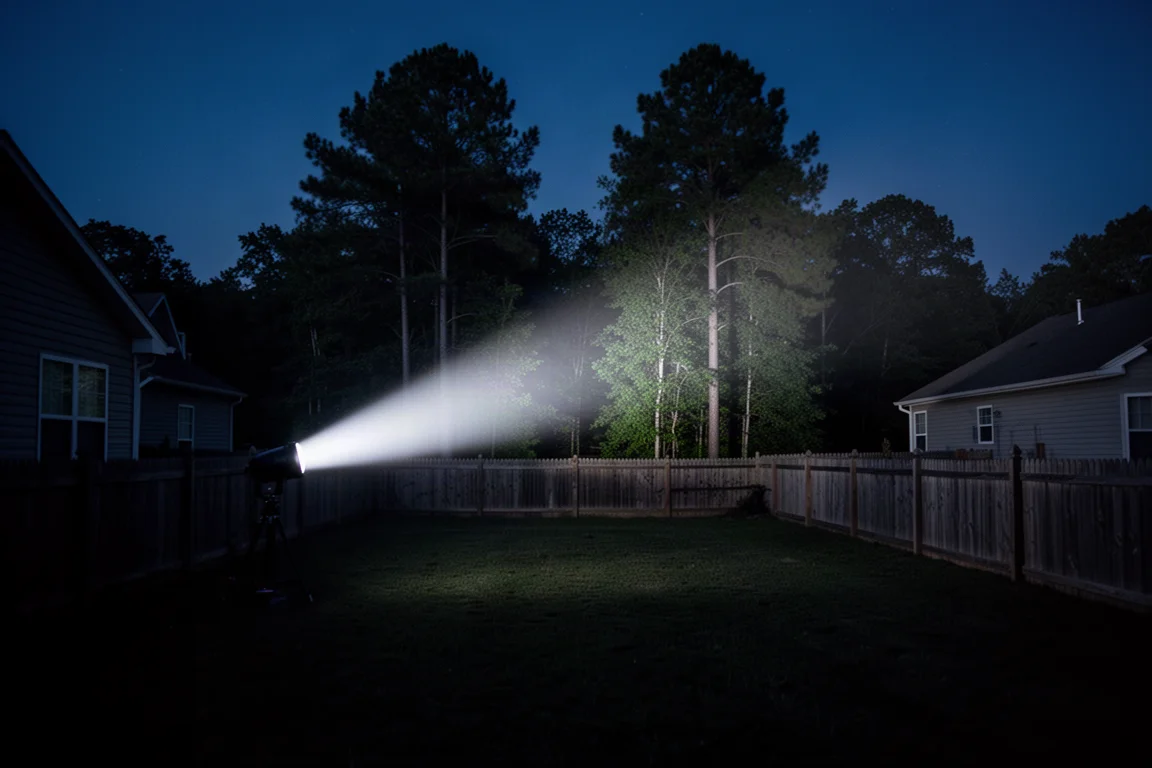
It offers useful modes between spotlight, searchlight, or both at the same time, and it throws an impressive amount of light for checking a yard after a storm or working a job site. It is also nicely waterproof, which matters in storm-prone areas like Florida.
The trade-offs are weight and price. It is noticeably heavy, so keep that in mind for carrying. Runtime is far shorter than the smaller LED lights, coming in at about six and a half hours with every light mode on, though a battery can be recharged in roughly an hour or two, and solar charging is increasingly practical. Expect to pay around 120 dollars for the unit alone, with battery packs running roughly 60 to 100 dollars, putting a complete setup above 200 dollars. A brand-new example has turned up on the secondhand market for about 99 dollars, so deals exist with patience.
Which One Should You Buy?
There is honestly no clear-cut winner here, and owning both styles is a genuinely nice setup. If you want a general-purpose light for the house, the truck, and camping, the Makita DML815 style is hard to beat: cheap to buy, gentle on batteries because of its low discharge, and long-running. If you want a serious searchlight for emergencies, storm checks, or job site illumination, the Milwaukee 2354-20 is the most well-balanced example of the style and does a fantastic job of keeping things lit.
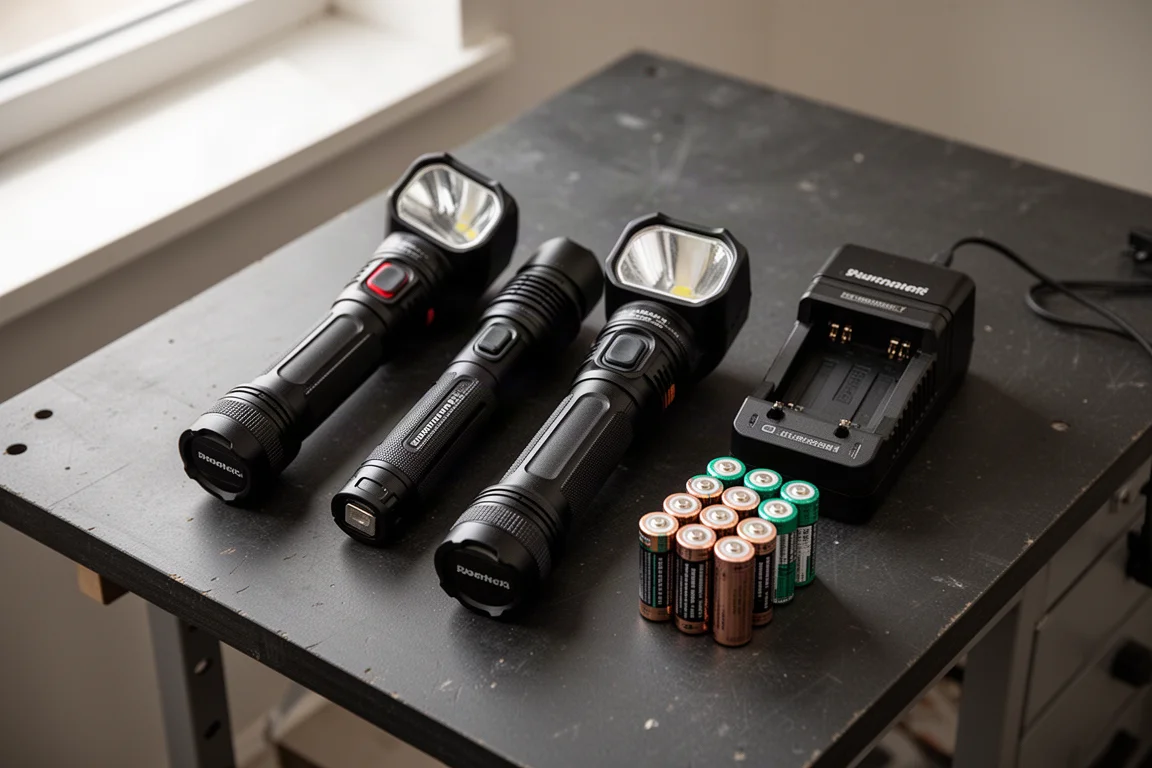
If you are weighing running costs over years of use, the math generally still favors the cheaper cordless flashlight, since even budget third-party batteries work fine in a low-discharge tool. Heavy-drain tools like chainsaws chew through batteries quickly, but a flashlight barely wears them at all.
Conclusion
Think about where the light will actually live. For cheap, long-runtime, everyday and camping use, the Makita DML815 is the sensible pick. For a premium, well-balanced searchlight that earns its keep during storms and on job sites, the Milwaukee 2354-20 is worth the higher price. Having both means you never wonder which one you needed.
Further reading
Related Reviews
Flashlights
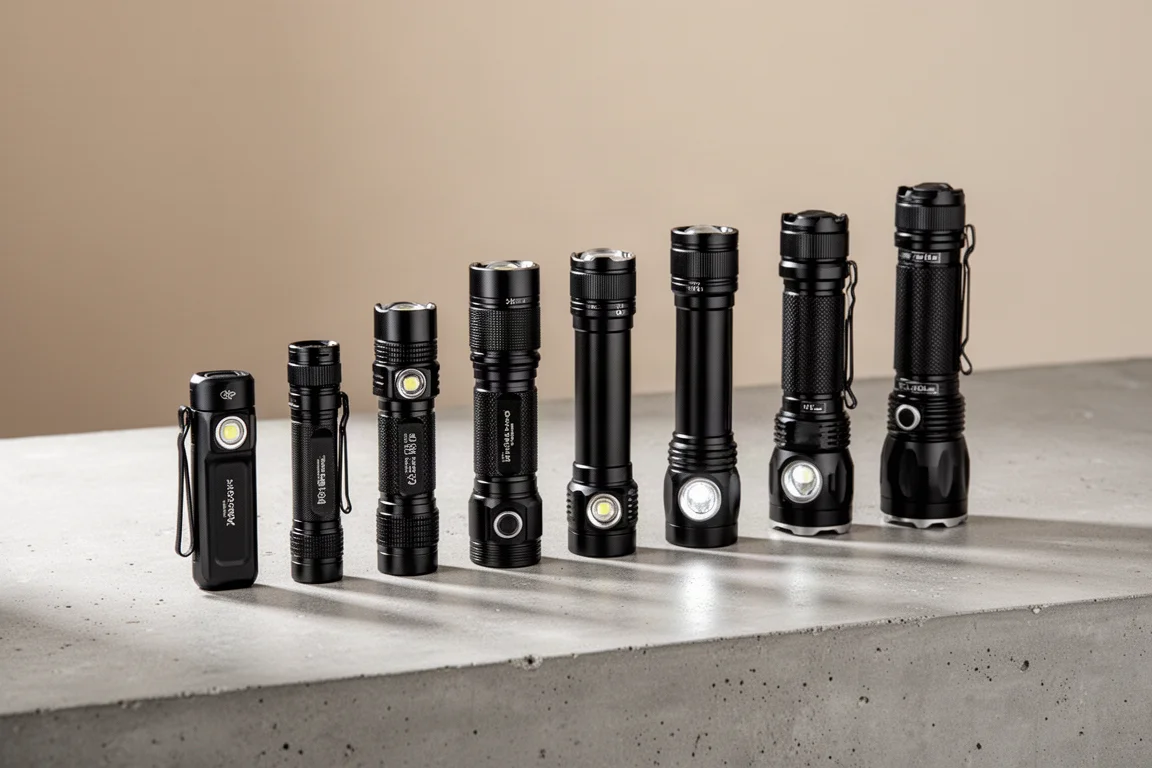
Best Flashlights 2026: Brightness, Battery, and Value Compared
We tested 18 flashlights across a wide price range to find the best performers in brightness, battery life, and durability.
Flashlights
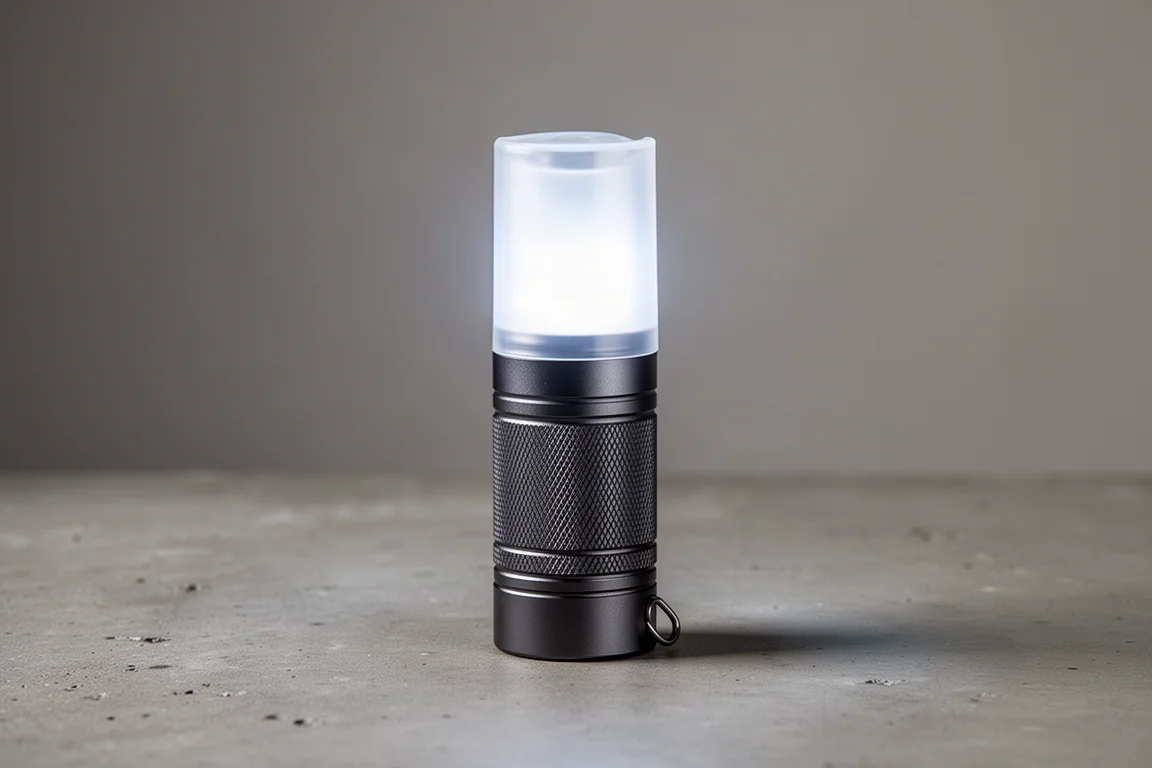
Nitecore LA10 Review: A Tiny 2-in-1 Lantern That Nails the Basics
The Nitecore LA10 pairs a pocket-sized lantern with a single AA battery, a magnetic tail cap and a five-year warranty. Here is where it shines and where it struggles.
Flashlights
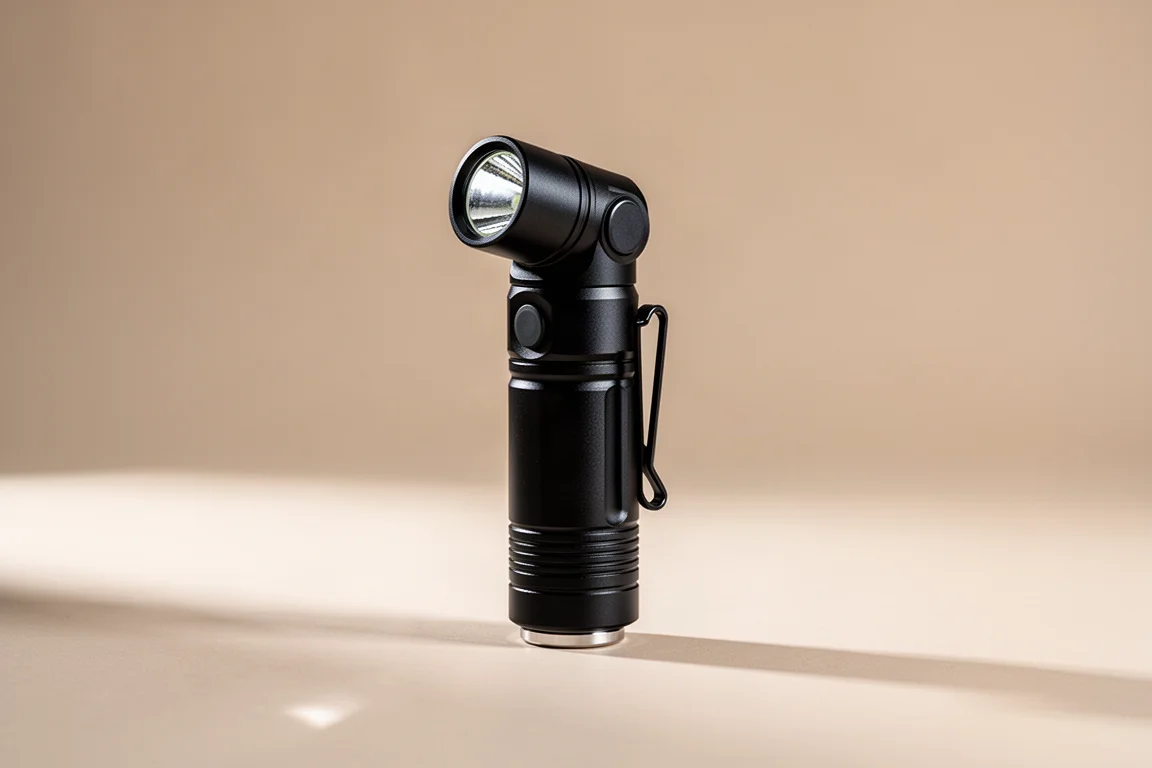
Wuben G5 Review: A Compact Everyday Carry Flashlight
The Wuben G5 is a small, rechargeable flashlight with a pivoting head, magnetic base, and color modes. Here is how it performs as an everyday carry light.