Power Tools
Best Cordless Finish Nailers 2026: Hikoki Gen 2 Lineup vs Makita and Milwaukee
Three second-generation Hikoki finish nailers go head to head with Makita and Milwaukee rivals, plus real penetration testing in softwood and hardwood.
Introduction
Hikoki has been quietly building one of the most complete cordless nailer ranges on the market, and its second generation of finish nailers is a serious step forward. If you are shopping in the US, the same tools wear the Metabo HPT name; everywhere else they are sold as Hikoki. Either way, the hardware is the same story: smaller bodies, lighter weights, and features the first generation simply did not have.
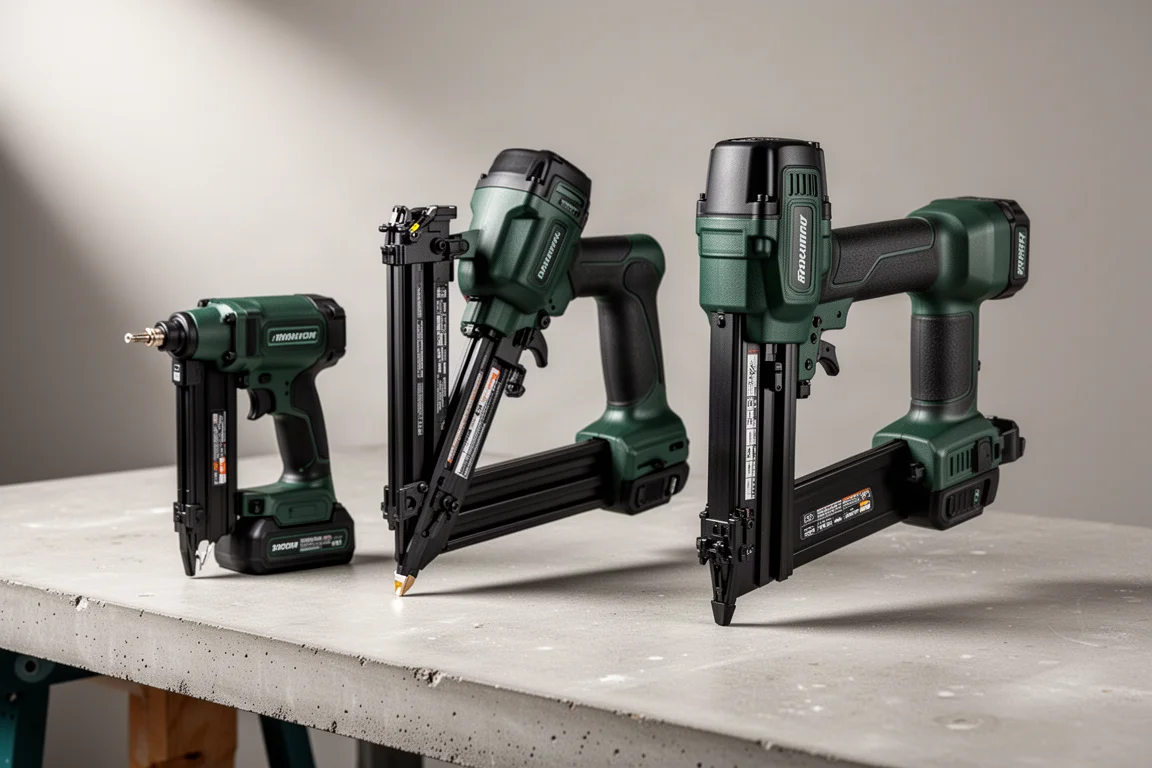
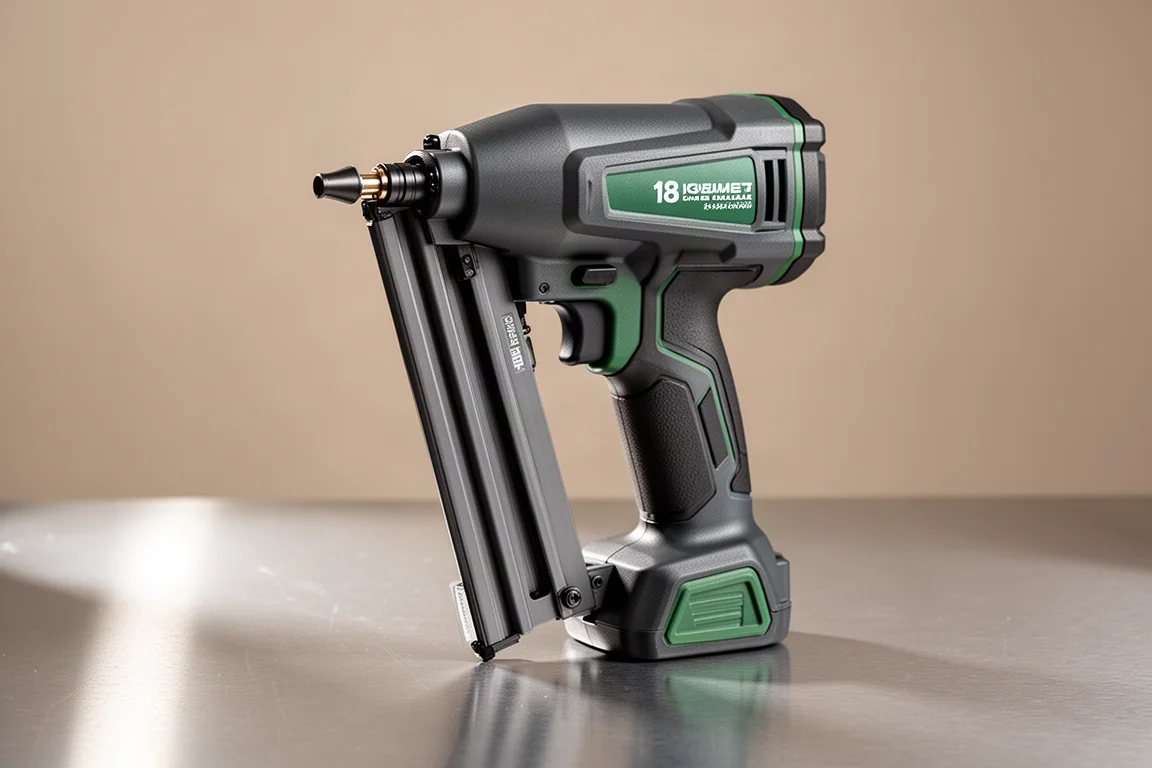
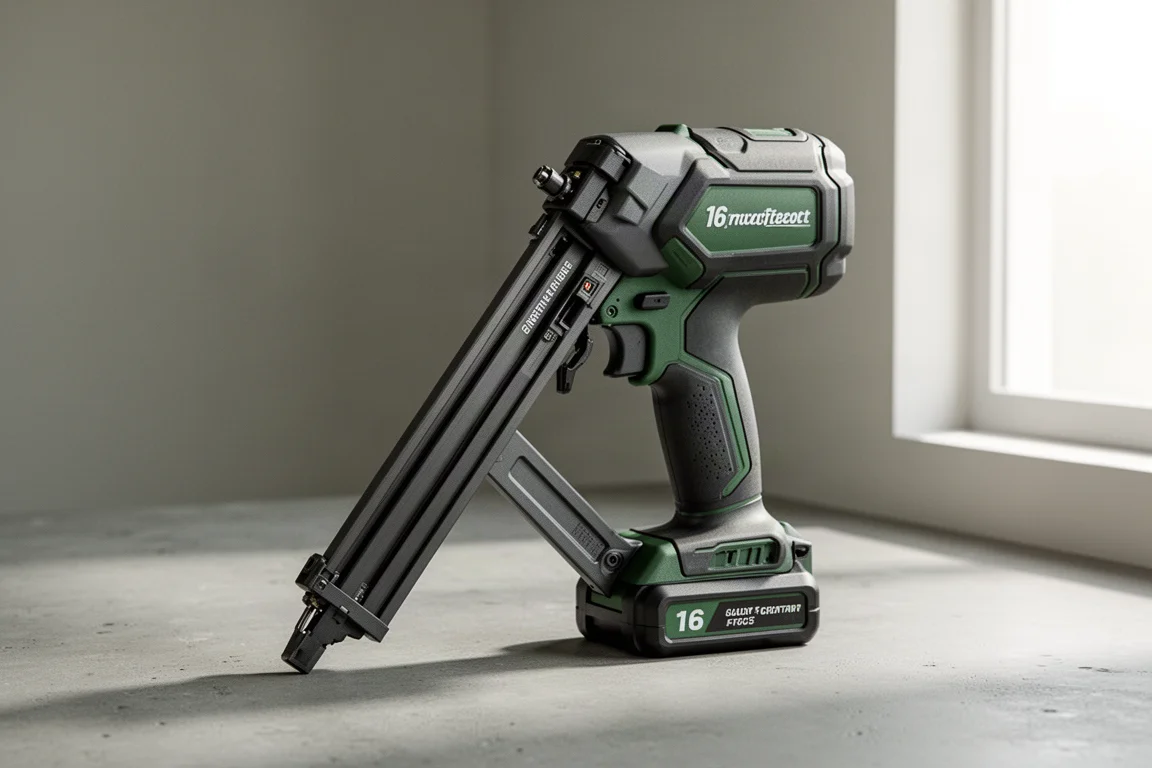
This roundup looks at three second-generation Hikoki models, the 18 gauge brad nailer, the 16 gauge straight finish nailer, and the 15 gauge DA finish nailer, alongside three useful points of comparison from other brands: the Makita 16 gauge finish nailer, the Milwaukee 16 gauge finish nailer, and the compact Milwaukee M12 18 gauge brad nailer.
The Hikoki Gen 2 Lineup
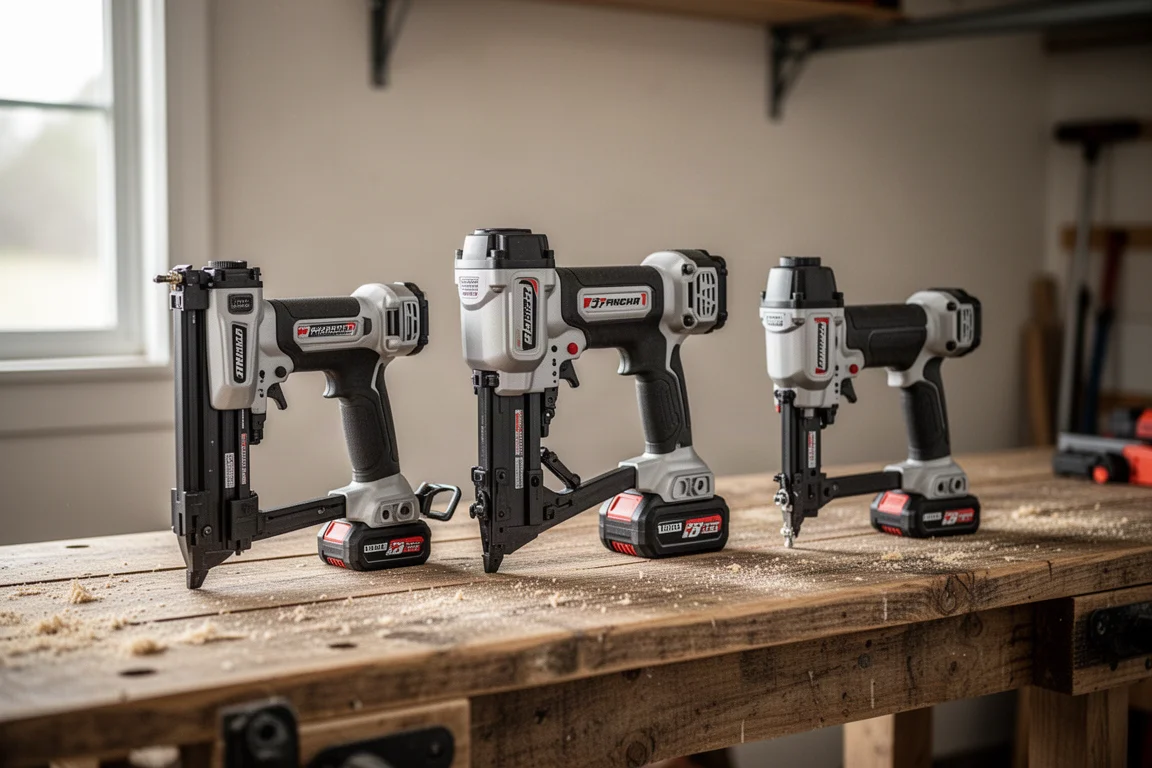
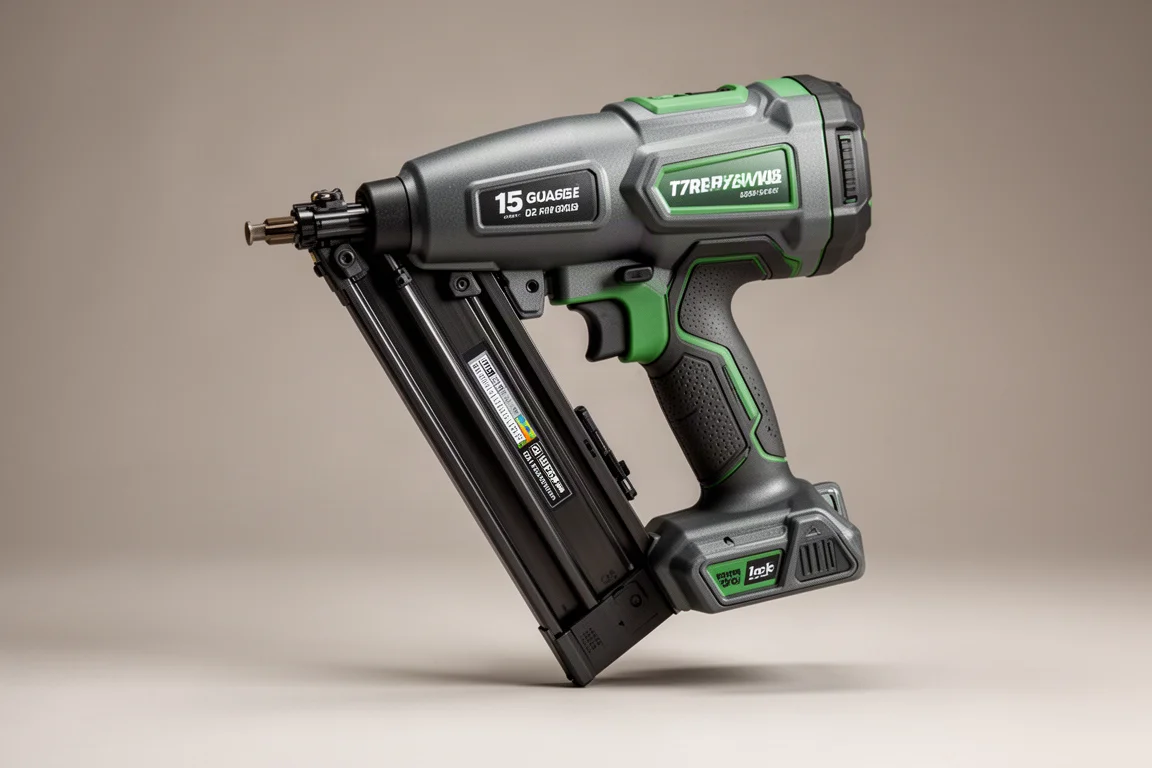
The range covers the three most common finish nailer sizes: 18 gauge straight, 16 gauge straight, and 15 gauge DA. All three are noticeably more compact than their predecessors. The older versions were bulky, with the 18 gauge in particular described as huge next to the new model. The new generation is dramatically smaller and lighter across the board.
Another practical change is serviceability. Older nailers had the head assembly screwed down, but on the new generation you can pull the top off by hand to access the cylinder and refill it, then get straight back to work. Even the latest framing nailer in the range reportedly shares this quick-access design.
Standout Features Across the Range
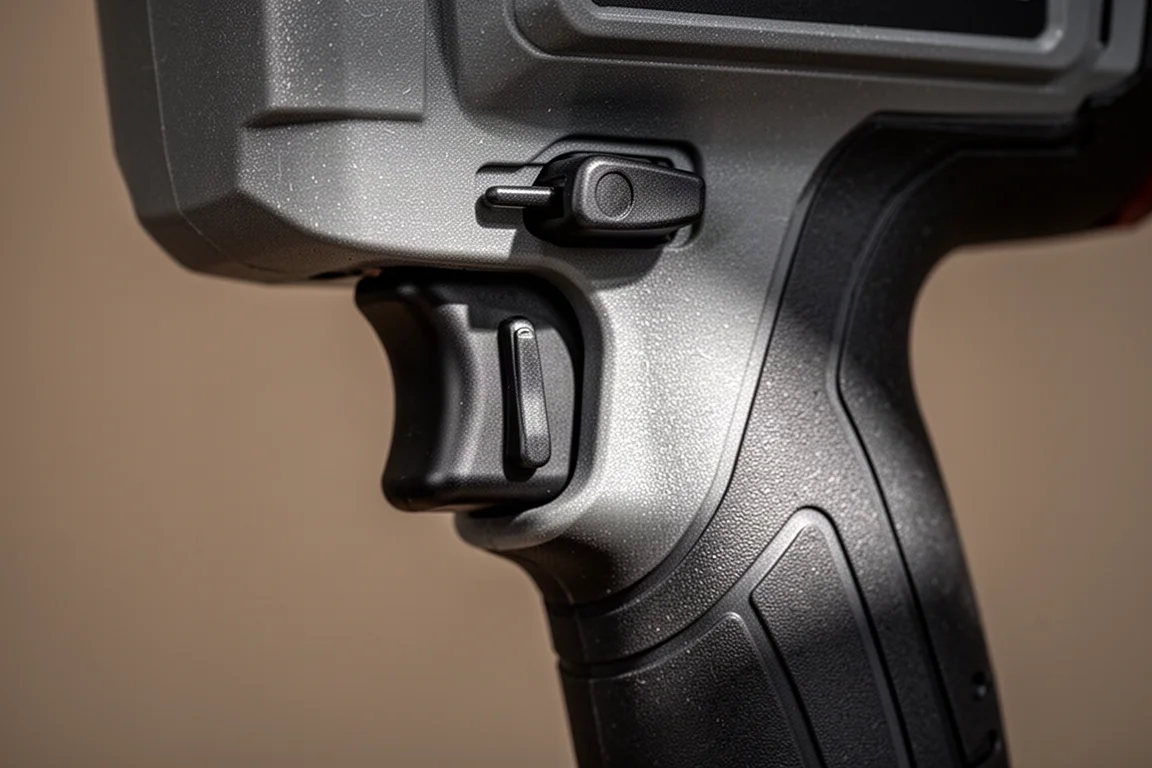
One feature that stands out on every Hikoki nailer is a physical trigger lock switch. Slide it down and the trigger cannot be pulled, whether the tool is switched on or off. That is an extra safety layer if children are around, and it is equally useful when you are hooking the tool onto your belt on a ladder or roof, where an accidental trigger bump could cause a real injury.
The newer generation also gets larger, brighter indicator buttons that are easier to see outdoors, plus dedicated maintenance and reset buttons that the older tools never had. Not every new model gets every feature, though: on this trio, the 18 gauge and 15 gauge offer bump fire mode, while the New Zealand market 16 gauge does not, a regional rule quirk. The 15 gauge is also the most satisfying to hold, with a shape and balance that feel closer to a framing nailer than a finish gun.
Softwood Penetration Testing
Fired into soft pine, the 15 gauge DA nailer was the clear standout. With bump fire it drove nails deep and consistently, locking out only on the last nine nails of a magazine. The trade-off is a firm recoil, with a noticeable jolt into the hand on each shot.
The 18 gauge brad nailer was less convincing. Driving 50 mm nails, it managed only just below the surface even with the depth adjustment fully wound down and the no-mar tip removed. Swapping batteries made no meaningful difference to penetration, and results were inconsistent shot to shot. That matters because long 18 gauge nails are prone to bending and wandering: in testing, several fired down three boards and out the side of a fourth.
The 16 gauge straight finish nailer, running 60 mm nails just shy of its 64 mm maximum, drove nails much deeper than the 18 gauge with a more forceful feel, though the magazine channel is tight at the rear and the plastic nose is flexible enough to let the nail path open up. The 15 gauge magazine, by contrast, is sealed at the nose so the nails are always held at the correct distance, a noticeably sturdier design even though it is still plastic.
Hardwood: Where It Gets Tough
Firing into jarrah gave every nailer a hard time. The 18 gauge brad nailer barely penetrated at all, even with a powerful 8 Ah 21700 battery fitted, and it performed worse still with a second battery, so if you plan to nail hardwood, the 18 gauge is one to skip.
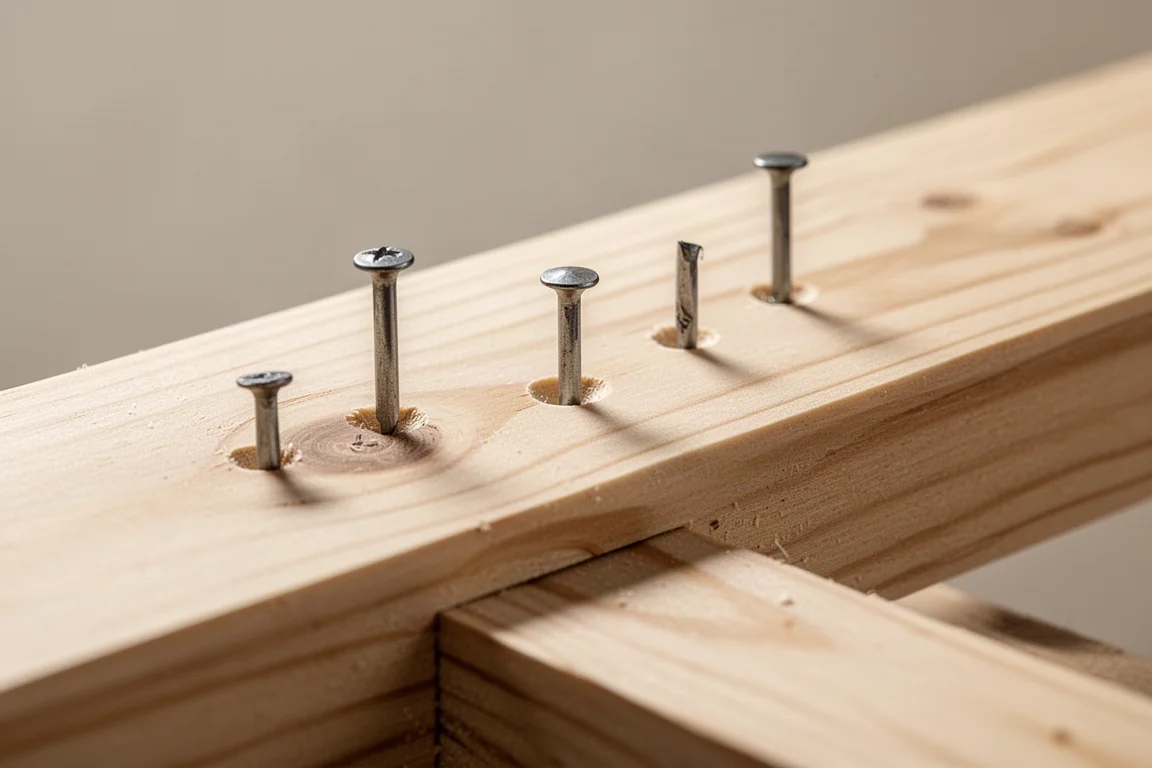
The 16 gauge drove nails deeper, though most of the nails fired through the short test piece and out the side, and at least one sat proud of the surface. The 15 gauge, sharing essentially the same gas cylinder as the 16 gauge, kept its nails inside the workpiece, though they sat proud of the surface, as they would likely also do at the full 64 mm length. For context, the Makita 16 gauge also struggled, with a couple of nails starting to come out the side, and the Milwaukee 16 gauge was even less consistent, driving nails in worse than either the Hikoki or the Makita.
How the Rivals Compare
The Makita 16 gauge finish nailer weighs 2,643 g without nails, and that is without its belt hook fitted, so realistically closer to 2,663 g. It handled softwood fine and struggled in hardwood like the rest, matching the Hikoki 16 gauge’s difficulty in jarrah.
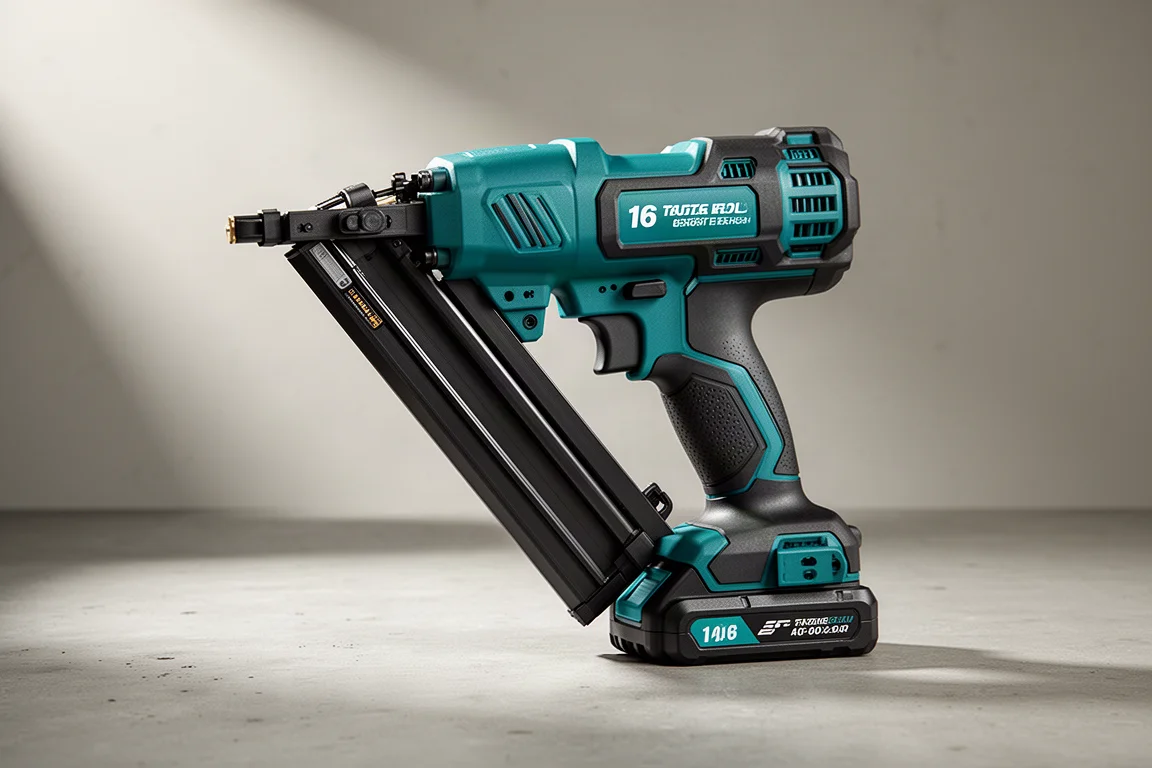
The Milwaukee 16 gauge finish nailer came in at 2,957 g, roughly 300 g heavier than the Hikoki, and it does include bump fire mode, unlike the Hikoki 16 gauge sold in New Zealand. In the hardwood test it was the least consistent of the three 16 gauge tools tested.
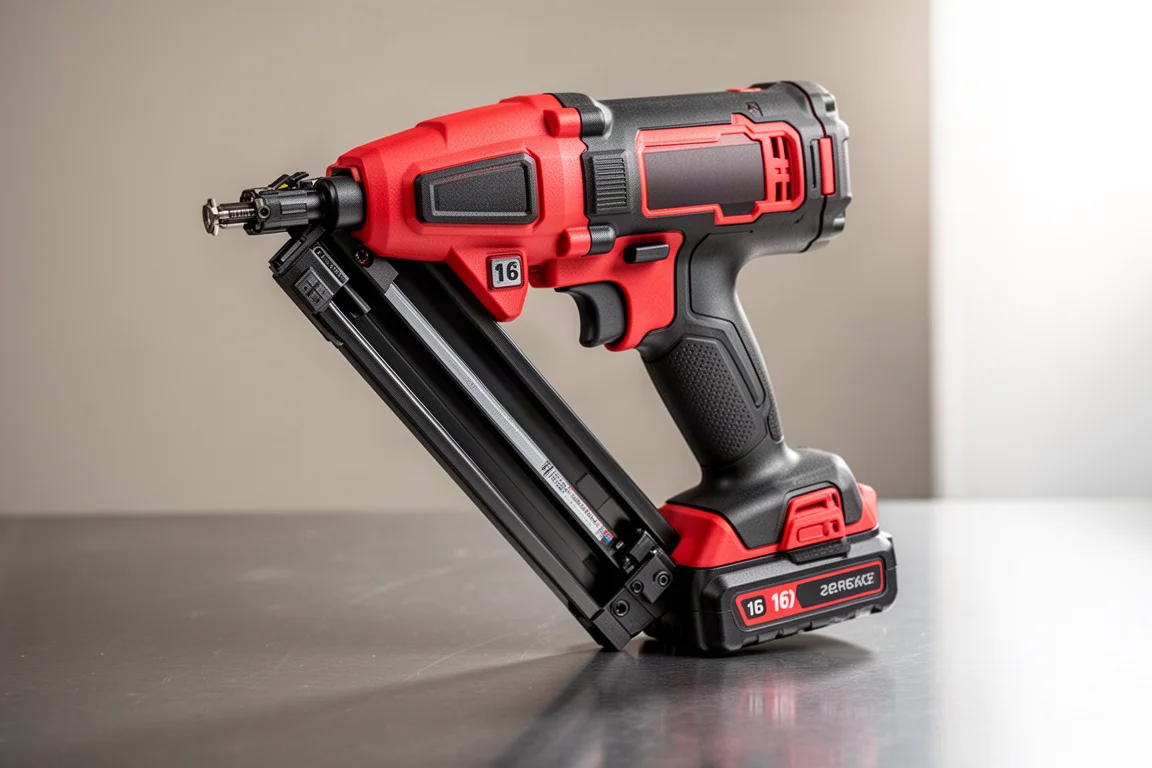
The Milwaukee M12 18 gauge brad nailer is a genuinely nice little tool and the lightest here at around 1,920 g, roughly 100 g lighter than the Hikoki 18 gauge. The catch is nail length: it maxes out at 38 mm, a full 12 mm less than the Hikoki, so you give up capacity for that small weight saving.
Weight Comparison
Weight tells much of the story across this class. Without nails, the Hikoki 16 gauge weighed 2,620 g, the Makita 2,643 g, and the Milwaukee 2,957 g. The Hikoki wins the 16 gauge class on lightness by a useful margin, especially against Milwaukee.
In the 18 gauge class, the Hikoki Gen 2 brad nailer came in at roughly 2,250 g, while the Milwaukee M12 sits at about 1,920 g. The 15 gauge DA nailer, no nails but with belt hook fitted, weighed 2,677 g, which is very light for a 15 gauge and part of why it is the nicest of the three Hikoki tools to handle. For extra context, Hikoki’s 18 gauge narrow crown stapler, essentially the same tool as the brad nailer, weighs 2,479 g, some 400 g heavier than the brad nailer.
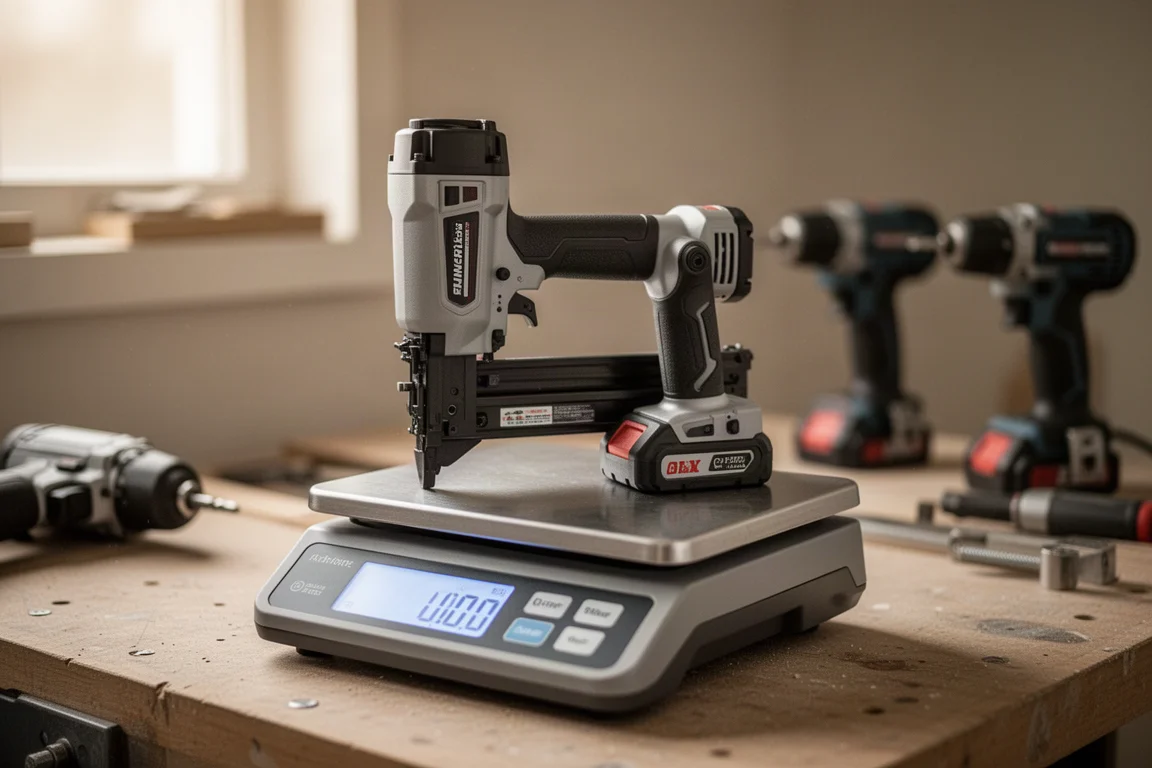
Small Details Worth Knowing
Every Hikoki nailer in this group ships with three no-mar tips: one fitted on the front and two spares stored on the back of the tool. It is a small touch, but handy ones get lost easily on site.
The 15 gauge nails also load from the rear like the 16 gauge, and the sealed nose keeps them consistently positioned, which contributes to the more premium, sturdy feel of that tool despite its plastic construction.
Overall Buying Advice
If you want one tool that feels best and drives deepest, the Hikoki 15 gauge DA finish nailer is the pick of this group: light for its class, satisfying to hold, bump fire capable, and the most capable in both softwood and hardwood. If your work is mostly trim and lighter material, the Hikoki 16 gauge is the lightest 16 gauge here and drives nails far more reliably than any 18 gauge. The 18 gauge brad nailer is compact and improved, but treat it as a softwood-only tool and skip it entirely for hardwood. Among the rivals, the Makita 16 gauge matches the Hikoki closely on weight, the Milwaukee 16 gauge brings bump fire but carries the heaviest body, and the M12 brad nailer suits light-duty work where 38 mm nails are enough.
Conclusion
Hikoki’s second-generation finish nailers deliver real improvements: smaller bodies, less weight, quick cylinder access, brighter controls, and that excellent physical trigger lock. The 15 gauge is the star of the range, the 16 gauge is a strong all-rounder that beats both Makita and Milwaukee on weight, and the 18 gauge is best kept to softwood duty. With nail ranges this complete, choosing by gauge and material first, brand second, is the smart way to buy.
Further reading
Related Reviews
Power Tools
Best 1-Inch Pistol Impact Wrenches: Three Heavy-Duty Options Compared
We compare three 1-inch pistol impact wrenches, from a budget-friendly Harbor Freight model to a premium Caterpillar unit, to help you choose the right one.
Power Tools
Best 3/4-Inch Impact Wrenches 2026: Five Contenders Compared
We compare five 3/4-inch impact wrenches across price and performance, from a budget Amazon option to Snap-on's most powerful model yet.
Power Tools
Best Budget Cordless Tools 2026: Walmart Finds That Punch Above Their Price
We tested five cordless tools from Walmart, including a high-torque impact wrench that trades blows with Milwaukee and a $35 duster that outperforms its price class.