Power Tools
Cordless Drills for Homeowners: 5 Options That Prove Pro-Grade Isn't Always Pricier
Five cordless drills compared on weight, size, and real kit pricing, showing why pro-grade brands can be a smarter buy than basic homeowner models.
Introduction
Pretty much everyone’s first power tool is a cordless drill. Whether you’re a homeowner, a renter maintaining an apartment, or someone who just needs to assemble furniture now and then, it’s one of the few tools that earns its spot in a closet.
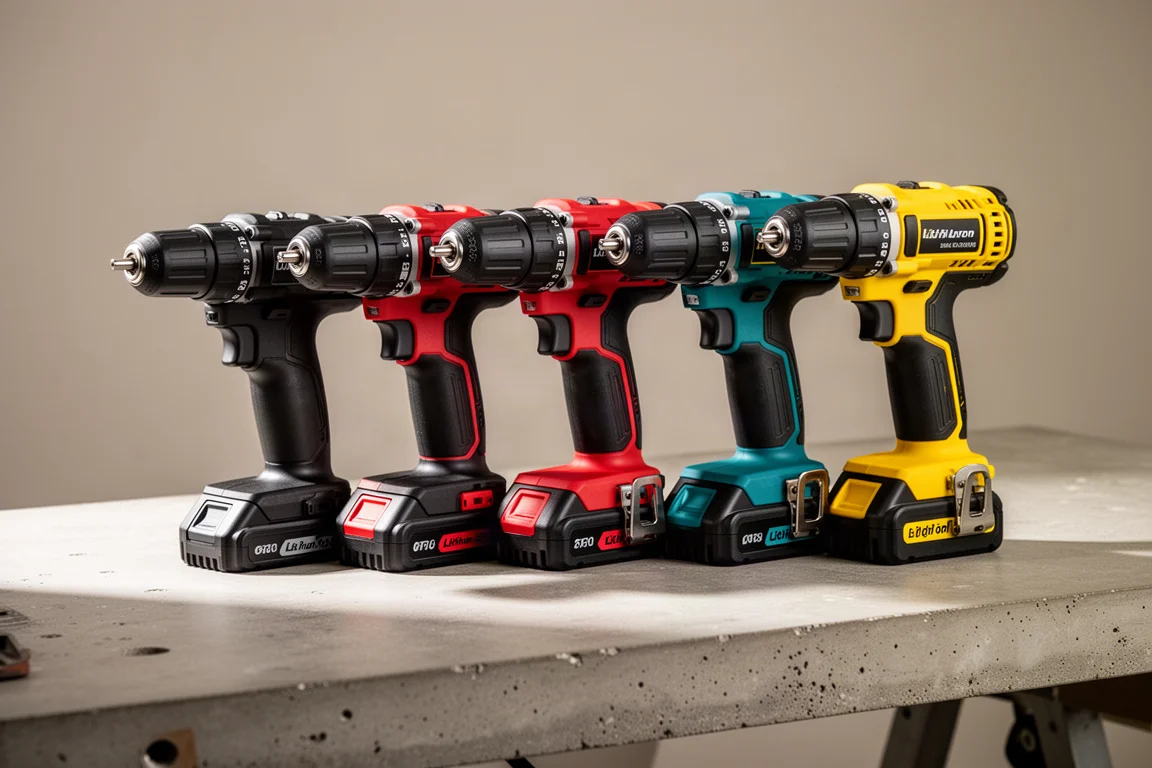
The usual advice is to grab a cheap homeowner-brand kit and be done with it. But after putting five drills on a scale and a tape measure, the comparison tells a different story: several pro-grade drills are smaller, lighter, more powerful, and in some cases even cheaper than the basic option. Here’s how they stack up.
Why Your First Power Tool Should Be a Drill
A drill is genuinely versatile: pilot holes, furniture assembly, shelving, light repairs. It handles dozens of small jobs around a home, which is why it’s the tool most people buy first.
The question isn’t whether you need one. It’s whether the budget-friendly homeowner brands are actually the best value, or whether stepping up to a pro-grade tool makes more sense. Homeowner brands like Hart, Black & Decker, Ryobi, and Craftsman are totally fine, but it’s worth comparing the numbers before defaulting to them.
How We Compared These Drills
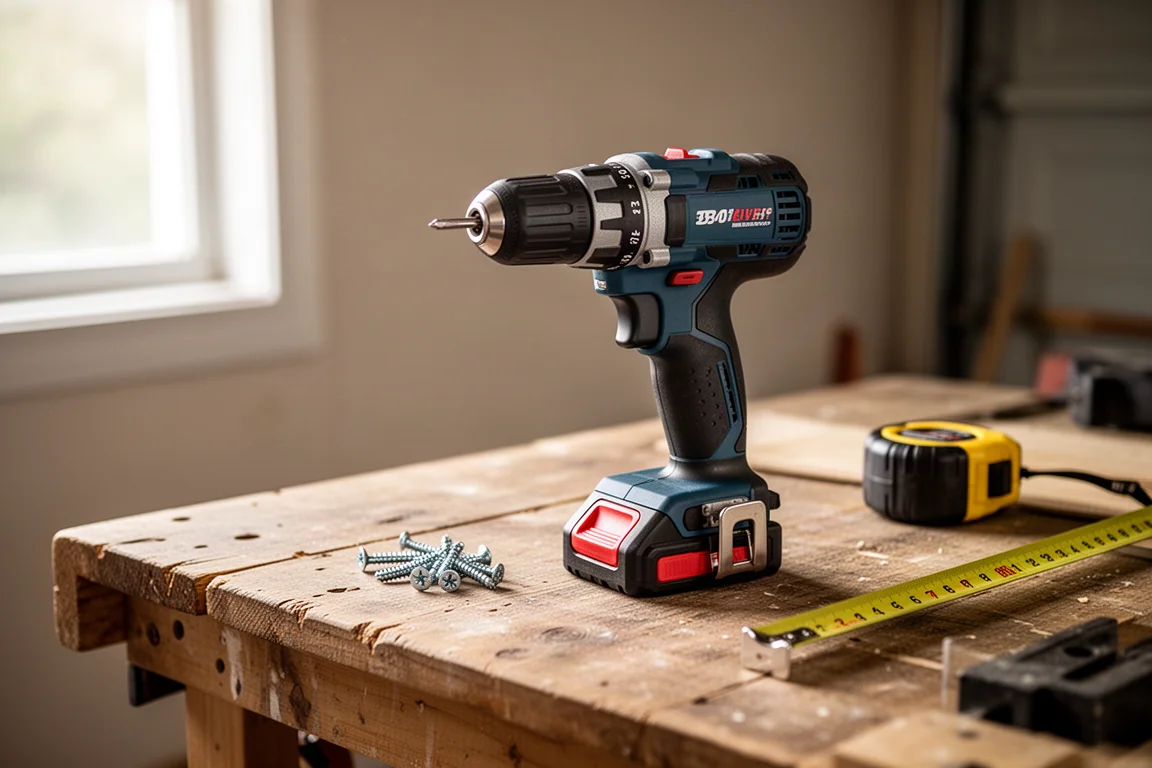
The comparison focused on three things you can verify yourself: weight on a scale, end-to-end length to the tip of the chuck, and what a complete kit actually costs when you shop around. Power output was noted where it clearly differs. The goal was to test the common assumption that pro-grade drills are heavier, bigger, and more expensive.
Hart 20V Brushed Drill
The Hart brushed 20V drill is a solid basic tool, typically sold in a larger combo kit and currently around $60 to $70 on rollback at Walmart, complete with a 1.5Ah battery, charger, and case, comfortably under $100.
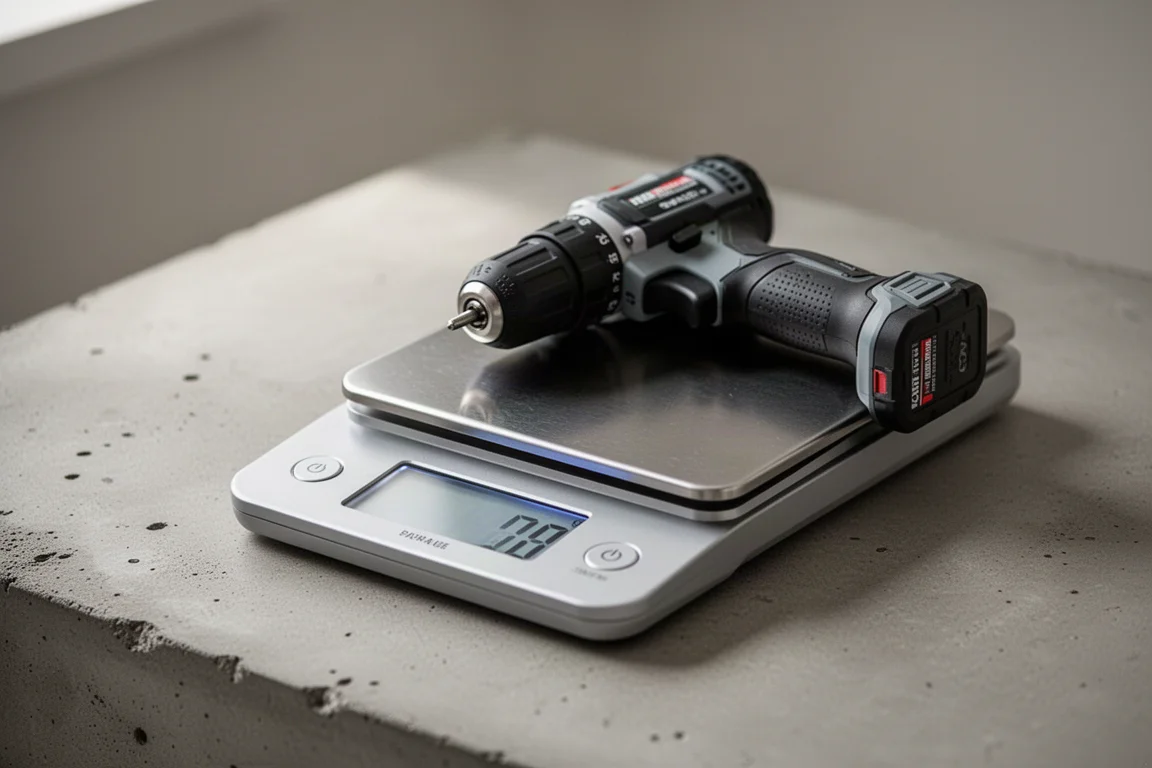
On the scale, it comes in at 2 pounds 15.3 ounces, and it measures right at nine inches end to end. It’s a perfectly usable drill, but as the baseline here, it’s also the largest of the group.
Makita Drill Kit
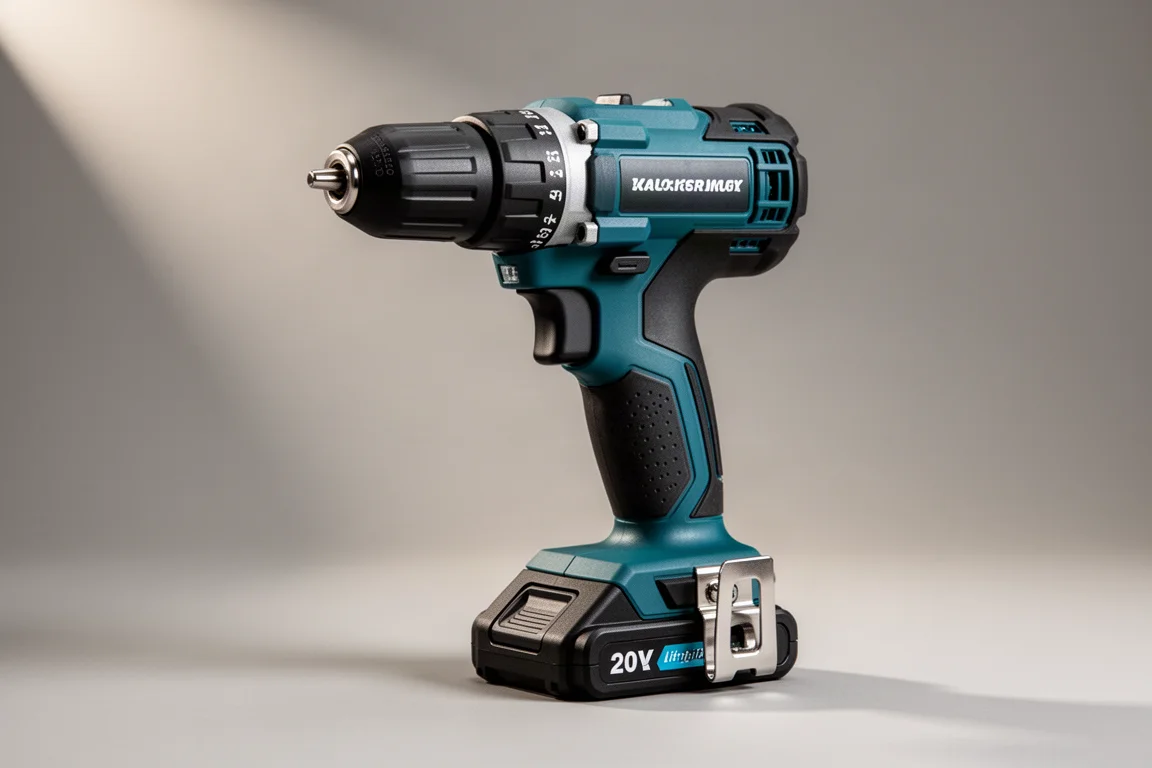
The Makita is a step up in size and capability, weighing 3 pounds 10 ounces but measuring almost exactly seven inches long, two inches shorter than the Hart.
It’s also the priciest here: bought new, the kit ran about $400, including the impact driver, two free additional tools, two 5.0Ah batteries, and a charger. That’s a serious investment, but it belongs to the class of tools built to last a decade or more of occasional homeowner use.
Milwaukee M18 Drill
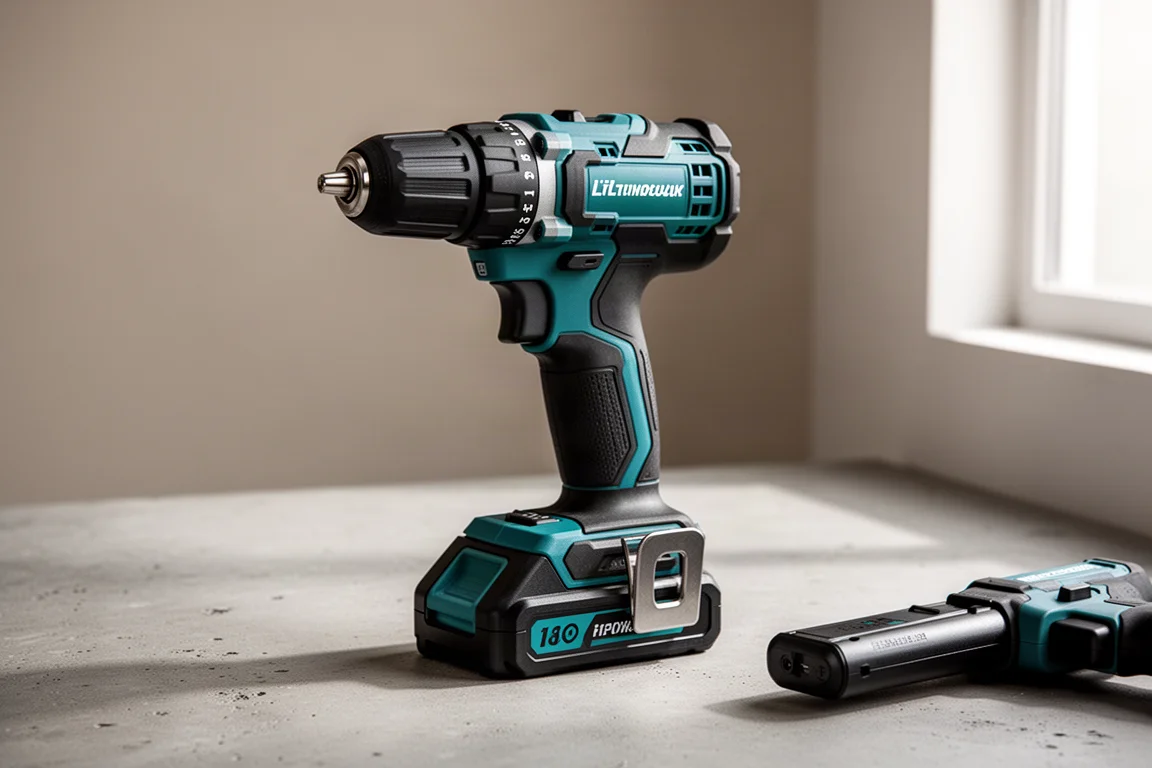
The Milwaukee M18 weighs 3 pounds 1.9 ounces and measures right at seven inches, matching the Makita’s footprint while packing more capability into a compact body. It’s available in both brushed and brushless versions, and a new kit typically runs around $200, which is reasonable for the M18 lineup.
Deals happen, too: one example was picked up for effectively $40 by buying a kit with an unwanted battery and reselling the battery separately. It pays to look around.
Size Matters More Than You Think
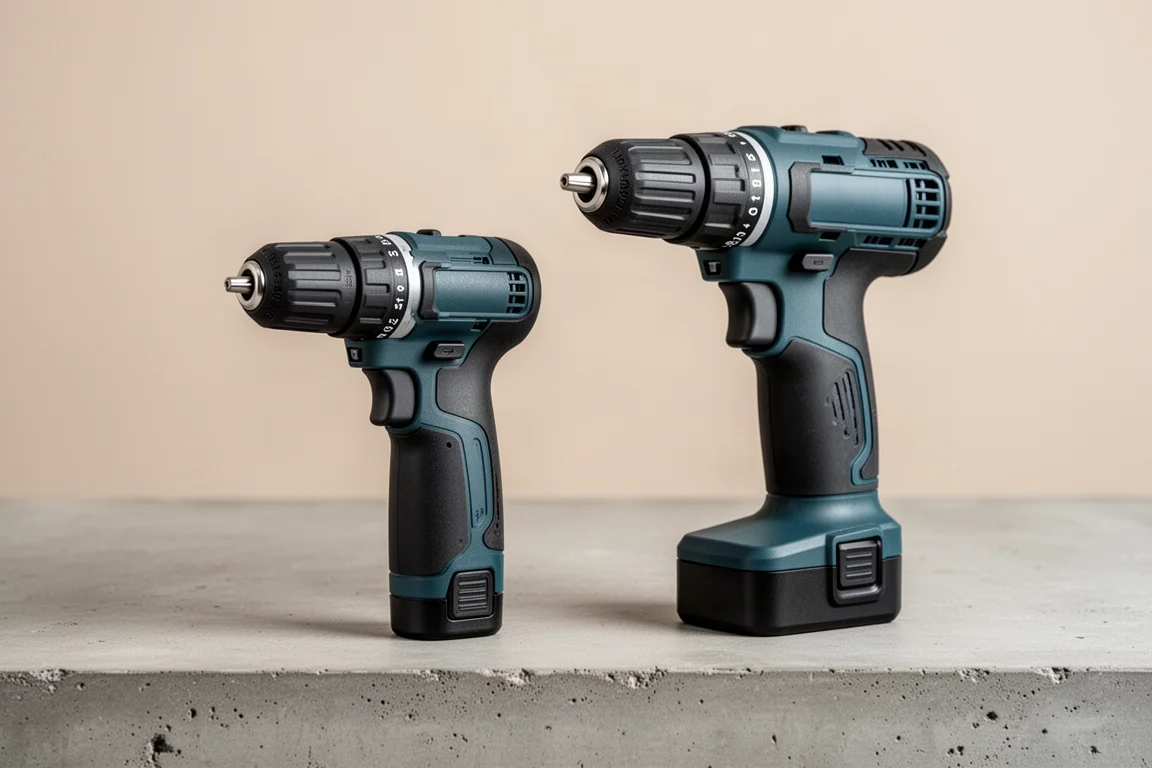
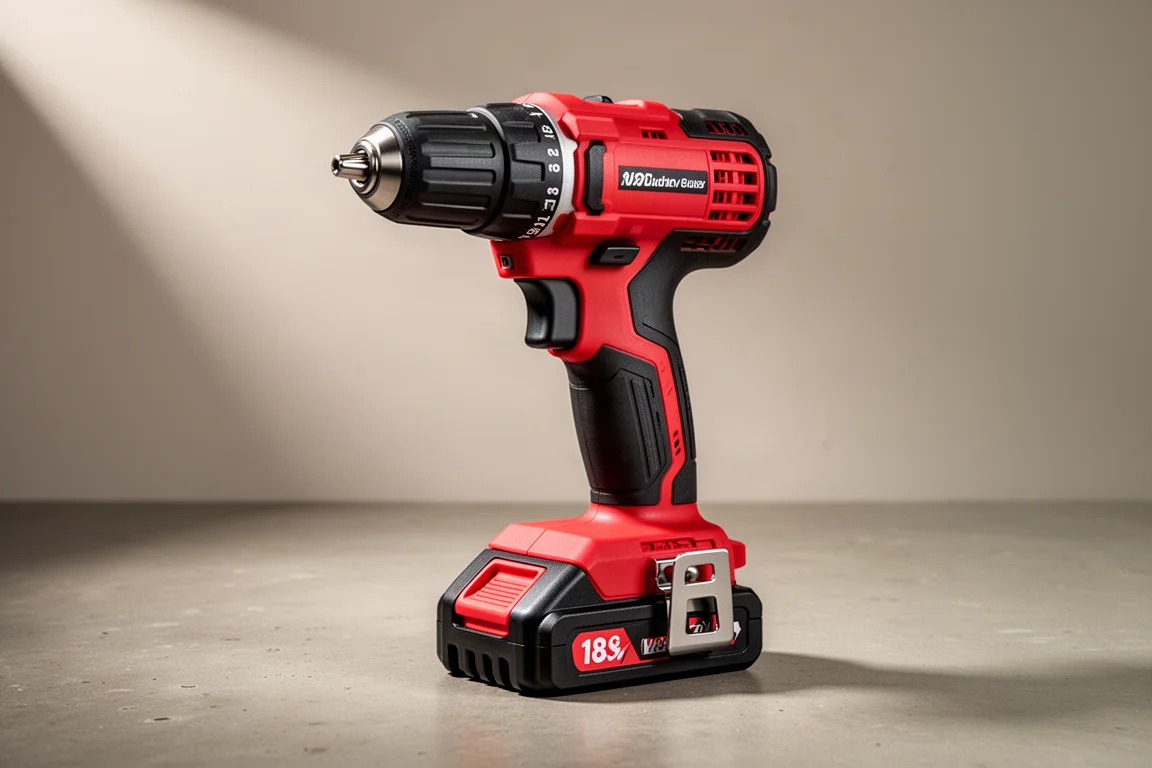
A common objection to pro-grade tools is that they’re massive. The measurements say otherwise. Every pro-grade drill in this comparison is shorter than the Hart: the Makita and Milwaukee at about seven inches, the Metabo at seven and a quarter, and the DeWalt at just under six inches.
Metabo Mid-Range Hammer Drill
The Metabo mid-range hammer drill is brushless and, surprisingly, lighter than the Hart at 2 pounds 14 ounces, while measuring seven and a quarter inches to the tip of the chuck.
It was found on sale for $150 with the mid-range impact driver, two 3.0Ah batteries, and a charger. That’s less than buying separate drill and impact kits from a homeowner brand, with more power and larger batteries included. It’s arguably the value standout of the group.
DeWalt 12V Brushless Drill
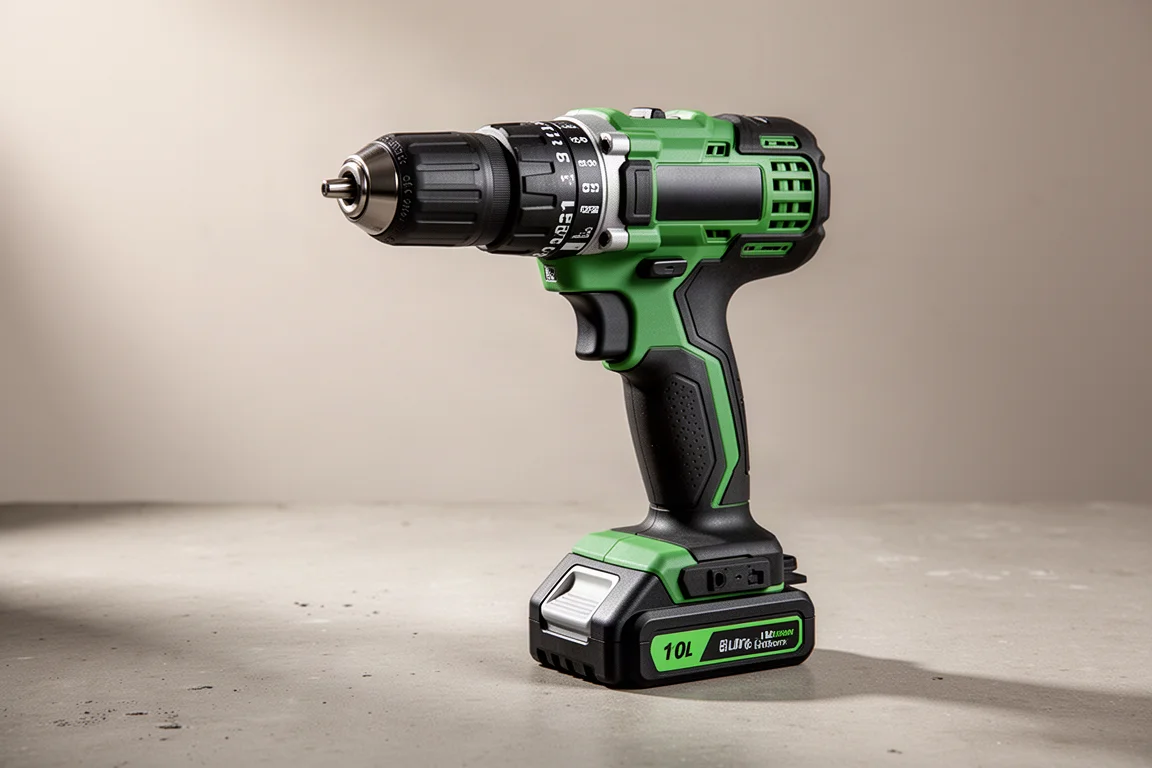
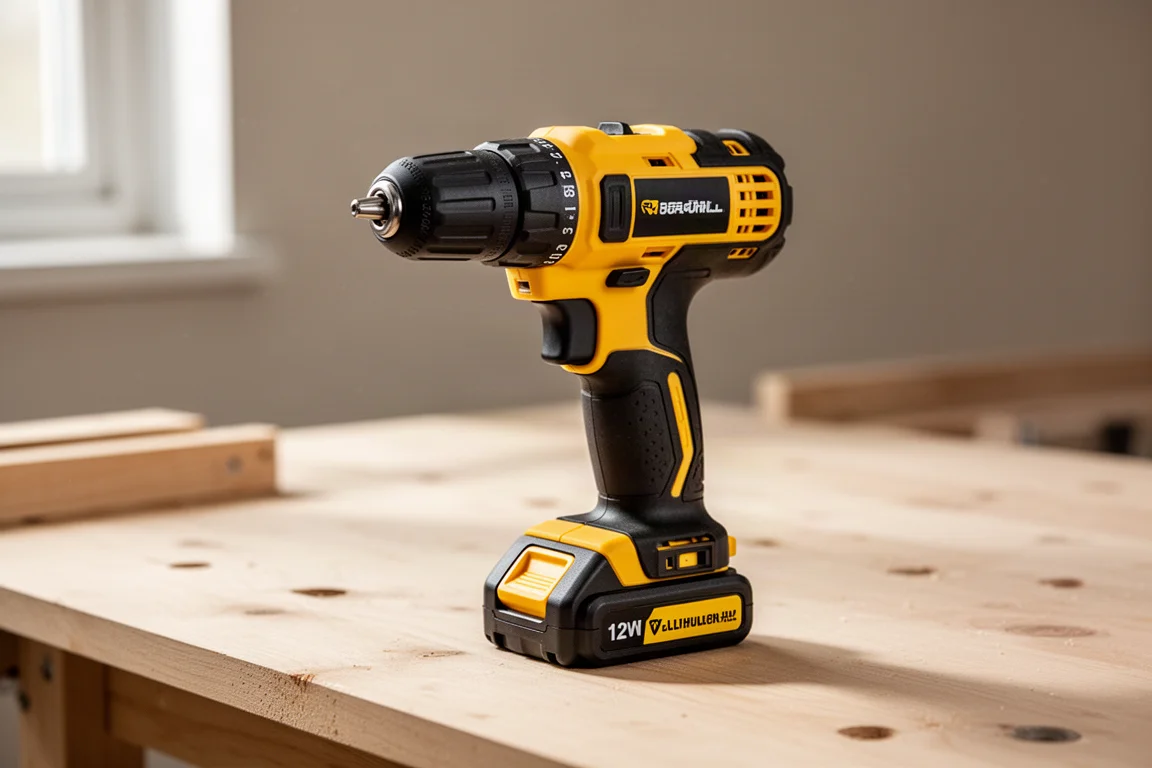
The DeWalt 12V brushless drill is the compact star here: 1 pound 14 ounces, nearly two pounds lighter than the Hart, just under six inches long, and it still puts out a bit more power.
It was also the cheapest of the entire group. A Lowe’s promotion offered a free tool of choice with a 3.0Ah battery for $50, and the drill was picked as the free tool. Cheaper than the Hart, more powerful, lighter, and smaller. A genuine win, and a reminder that the 12V class is often overlooked.
Buying Advice: Watch the Deals
The headline lesson: don’t assume pro-grade means paying more. The DeWalt 12V came in cheaper than the Hart kit, and the Metabo bundle undercut what equivalent Hart kits would cost. Even the pricier Makita and Milwaukee options deliver tools that will comfortably last 10-plus years for a homeowner or DIYer who only uses them occasionally.
When shopping, look at complete kit pricing, battery sizes, and promotions like free-tool-with-battery offers. Higher-end 20V lines from DeWalt, Makita, and Milwaukee sit at the top of the price range, but sales constantly move the numbers. A few minutes of comparison can turn a “budget” purchase into a genuinely better tool for less.
Conclusion
Every drill here can handle basic home tasks, but the measurements favor the pro-grade options more often than not. If you want the lightest, smallest, and possibly cheapest package, the DeWalt 12V brushless is hard to beat. If you want the best bundle value, the Metabo mid-range kit stands out. And if long-term durability is the priority, the Makita and Milwaukee justify their higher kit prices. Match the tool to how often you’ll actually use it, and check the deals before you buy.
Further reading
Related Reviews

Power Tools
Best 1-Inch Pistol Impact Wrenches: Three Heavy-Duty Options Compared
We compare three 1-inch pistol impact wrenches, from a budget-friendly Harbor Freight model to a premium Caterpillar unit, to help you choose the right one.

Power Tools
Best 3/4-Inch Impact Wrenches 2026: Five Contenders Compared
We compare five 3/4-inch impact wrenches across price and performance, from a budget Amazon option to Snap-on's most powerful model yet.

Power Tools
Best Budget Cordless Tools 2026: Walmart Finds That Punch Above Their Price
We tested five cordless tools from Walmart, including a high-torque impact wrench that trades blows with Milwaukee and a $35 duster that outperforms its price class.