Power Tools
Best Cordless Drills for Beginners: Three Options for Every Skill Level
A sub-compact drill, a mid-range hammer drill, and a pro-grade workhorse compared, with practical buying advice for first-time tool buyers.
Introduction
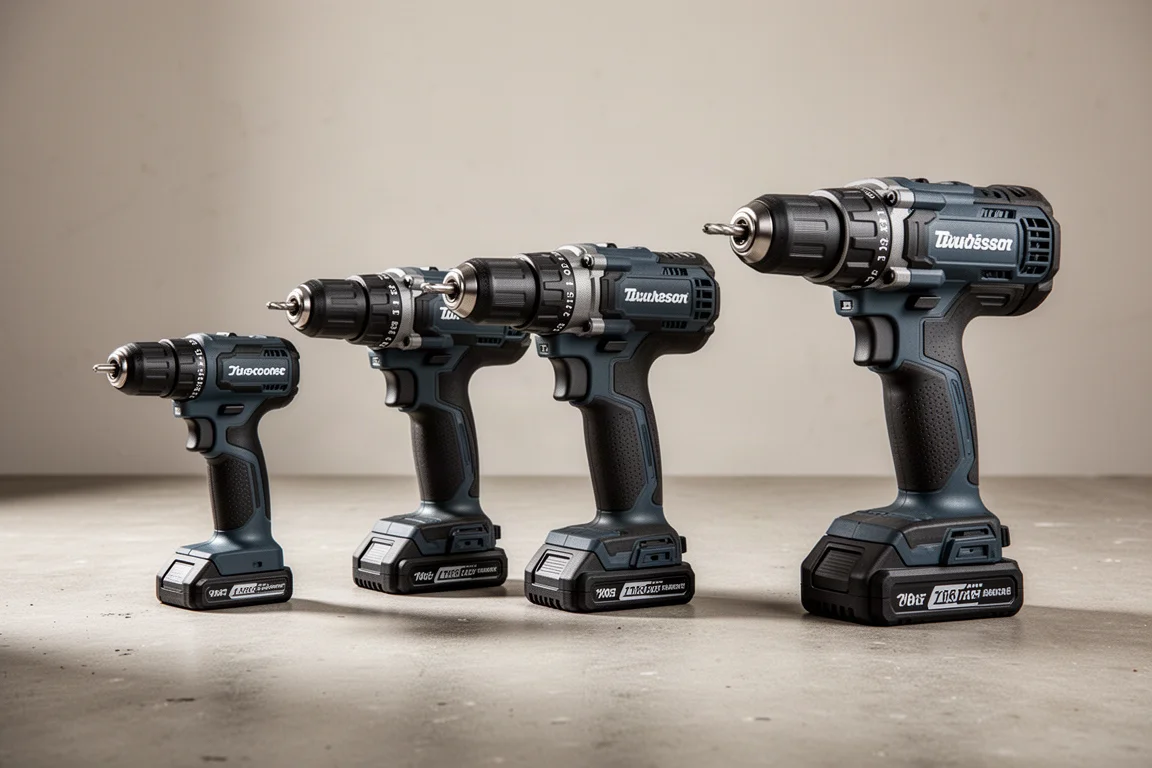
A power drill is usually the first tool people buy, and it is often the tool they reach for most often afterward. The challenge is not finding a drill; it is finding the right size and power class for the work you actually do. This guide compares three drills that sit at three very different points in the market: a compact sub-compact model, a standard mid-range hammer drill, and a high-end professional option.
One general tip applies before you look at any specific model: choose a brand with a good warranty that is easy to service or return, ideally one stocked at the hardware store you already shop at. That makes expanding your tool collection, handling warranty claims, and returns far easier over time.
How to Choose Between Drill Sizes
Drills come in several size classes, and the trade-off is almost always size versus power. A sub-compact drill is smaller and lighter but gives up some power. For most everyday tasks, it will handle anything you realistically need without complaint. Move up to a standard mid-size drill and you get more capability for larger projects. At the top of the range, pro-grade drills deliver more power, durability, and reliability, but they are designed to be used almost daily with heavy abuse, and you pay significantly more for that.
If you only need a drill for weekend tasks like hanging pictures or small DIY and woodworking projects, a sub-compact model is genuinely enough. If you plan to use larger bits like spade bits or take on bigger projects, look at the mid-range. If you are heading into the trades or tackling demanding jobs like building a large deck with masonry screws and anchors, a pro-grade drill is worth the investment.
Best Compact Pick: Metabo HPT Sub-Compact Drill
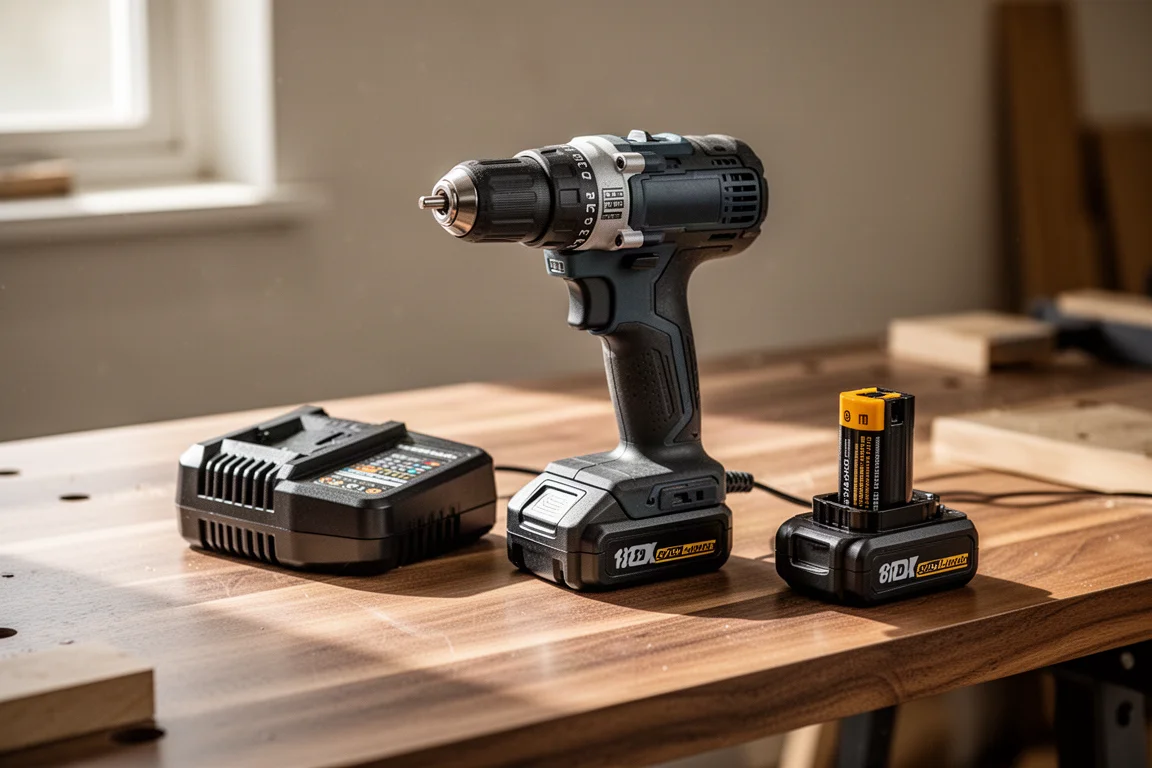
The Metabo HPT sub-compact drill trades a smaller body for less power, but for most household drilling and fastening it should work just fine. It ships as a kit with two batteries, and pricing sits around $77 on Amazon, which makes it one of the most affordable entry points into cordless drilling among these three.
Its 18V 1.5Ah lithium-ion batteries are small and light, which matters if you spend a lot of time drilling overhead, and having two batteries means you can swap and recharge between tasks. The trade-off is that smaller batteries run down sooner on big jobs, and the drill itself lacks the reserve power of larger models for demanding bits.
Best Mid-Range Pick: Makita 18V Hammer Drill
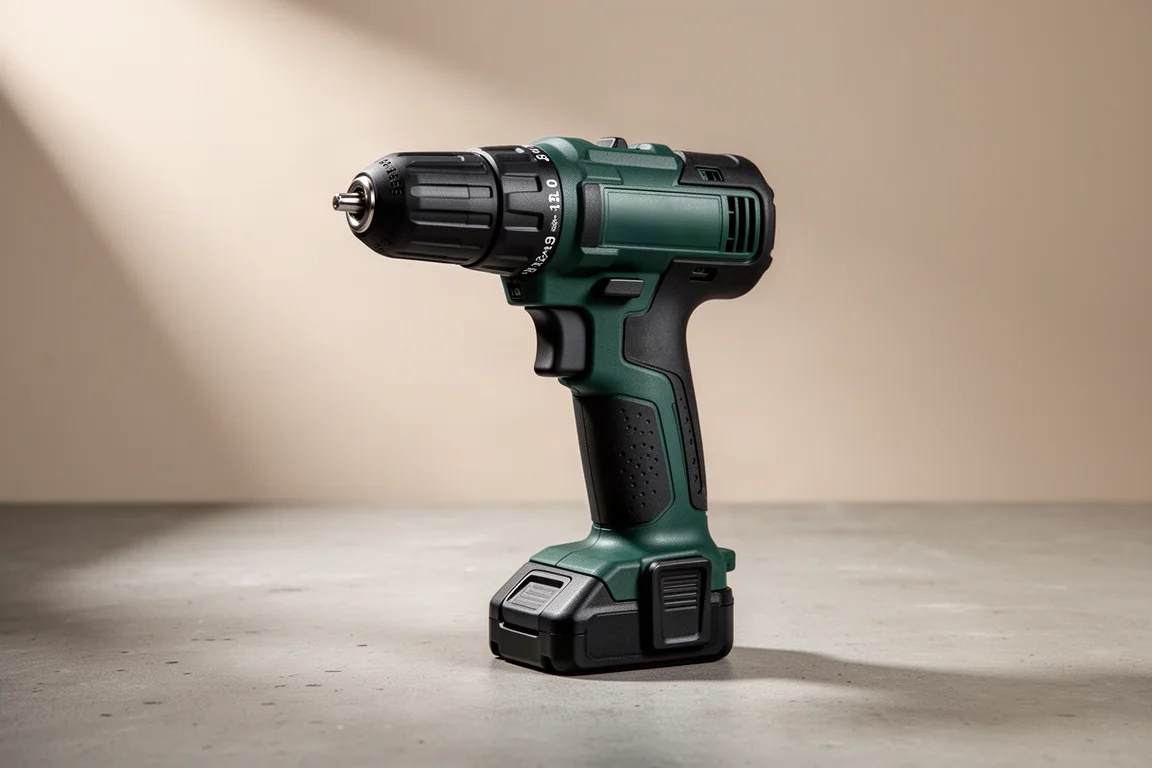
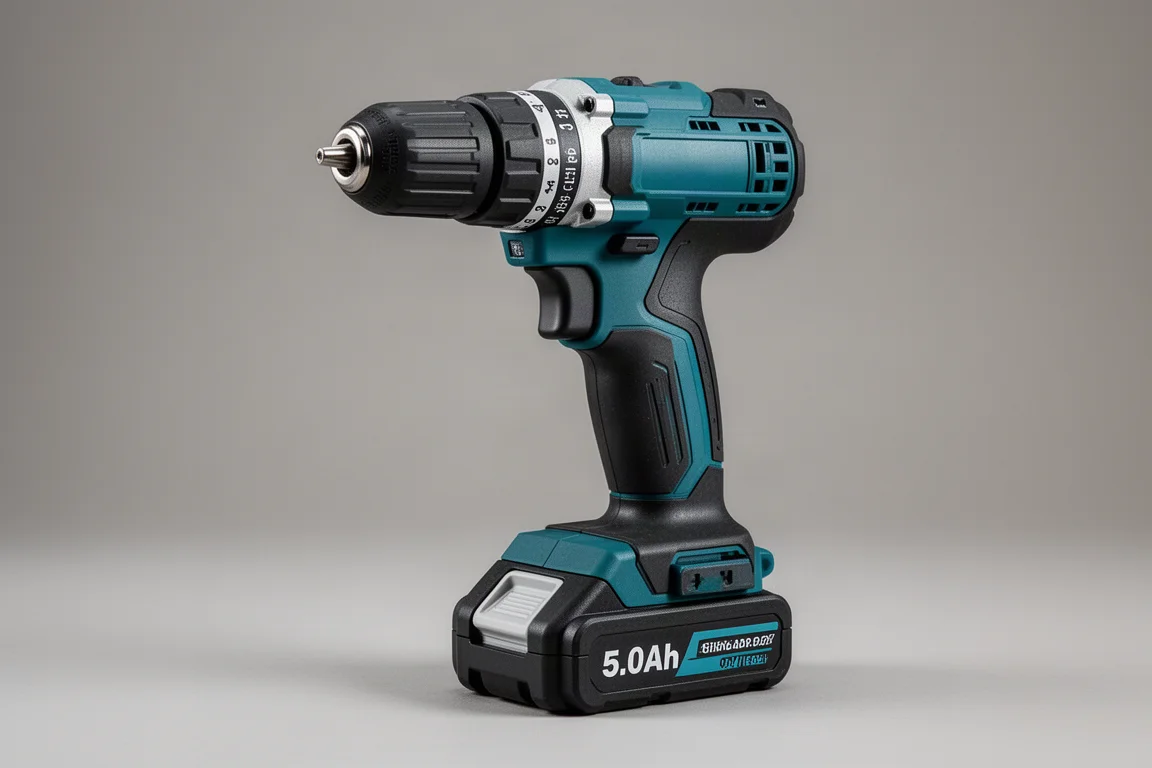
The Makita 18V hammer drill sits in the middle of Makita’s lineup as a standard-size drill with a hammer function. The hammer mode adds a light percussive action as the bit rotates, which makes drilling into masonry such as brick, concrete, and pavers faster and far less straining on your hands and the tool. You do not strictly need a hammer function to drill into masonry, and many users get by without it, but it makes the job noticeably easier.
The kit includes a 5.0Ah battery, a much larger fuel tank than the sub-compact’s 1.5Ah pack, so it runs longer between charges at the cost of extra size and weight. That makes this class a sensible step up once your projects involve larger bits or longer work sessions.
Best Pro-Grade Pick: Milwaukee M18 Fuel Hammer Drill
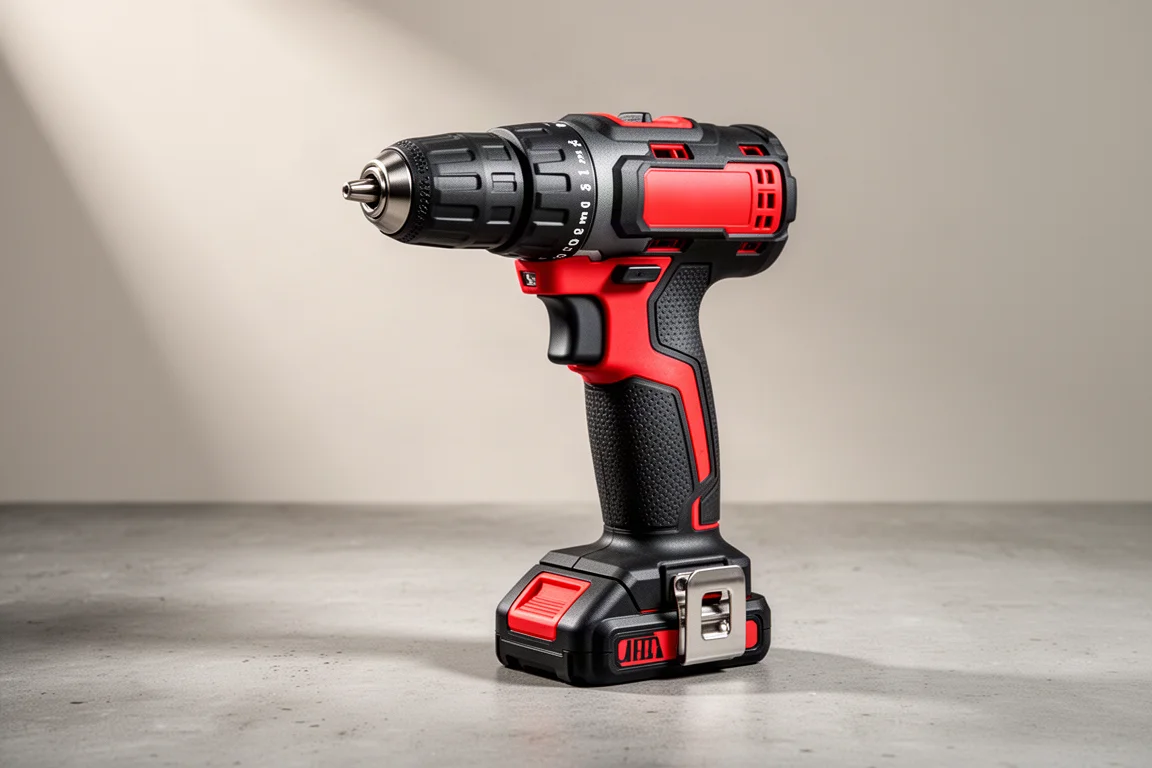
The Milwaukee M18 Fuel hammer drill represents the higher end of the drill market, delivering more power, durability, and reliability. These drills are built for near-daily use and heavy abuse on job sites. The catch is price: while the sub-compact kit runs about $77, a kit in this class typically costs in the two to three hundred dollar range.
For a serious DIYer building a large deck, driving many masonry fasteners, or anyone entering the trades, that durability and power reserve are exactly what you want. For occasional weekend use, it is more drill than most people need.
Speed Settings and Clutch Control
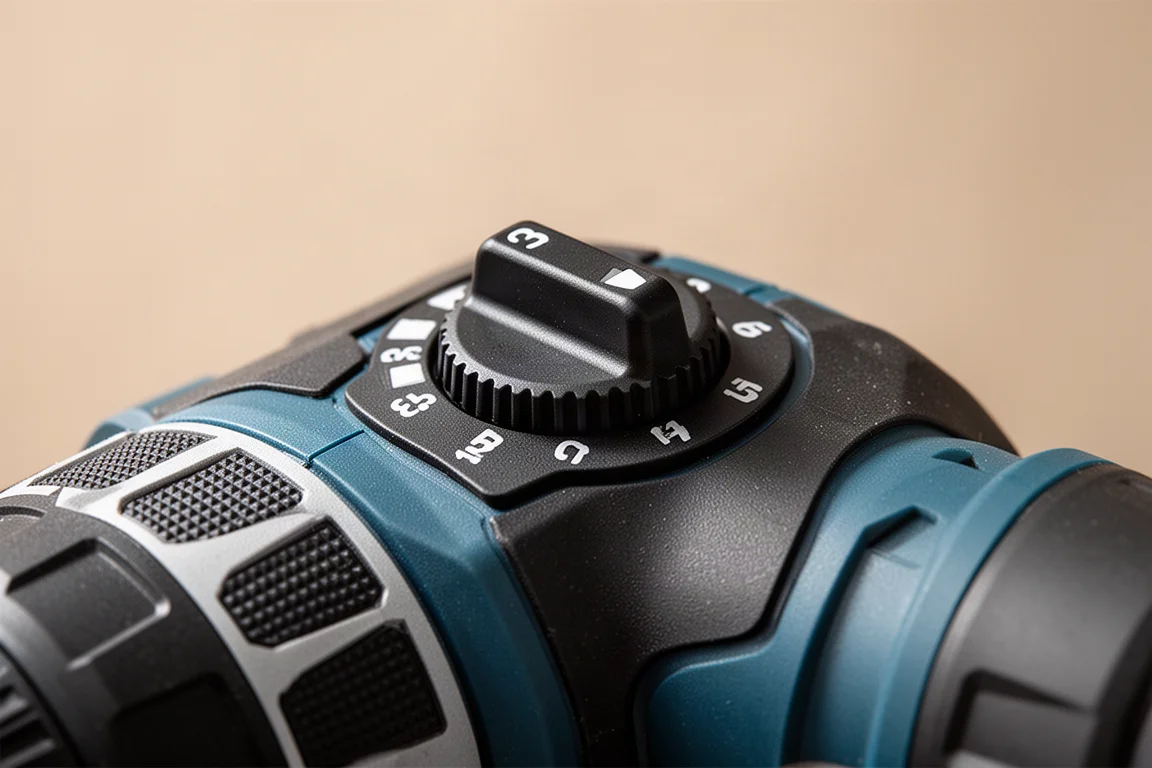
Nearly every drill has at least two speed settings, selected by a switch on top of the tool. Think of it like a gearbox: low gear (often labeled 1) gives slower speed but higher torque, ideal for driving screws or using large spade bits. High gear (labeled 2) gives faster speed with lower torque, great for drilling small holes quickly.
The adjustable clutch collar around the chuck is equally useful and often ignored. Set at a low number, the chuck stops turning when it reaches a certain resistance, which is perfect for driving screws into fragile material without over-tightening. Cranked fully around to drill mode, the clutch never slips and the tool keeps turning until the motor stops. On hammer drills like the Makita and Milwaukee, the top selector also has a hammer mode, and the clutch is only active in fastening mode, so double-check the mode ring before driving screws.
Matching Bits and Batteries to the Job
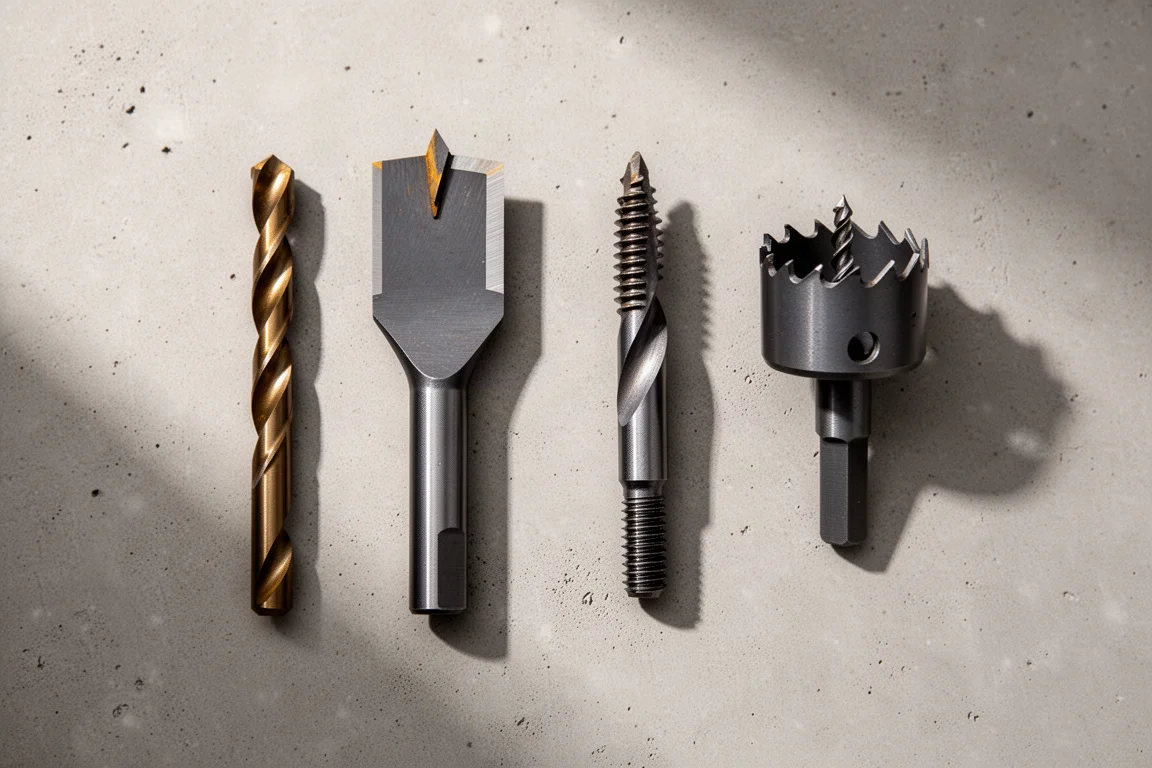
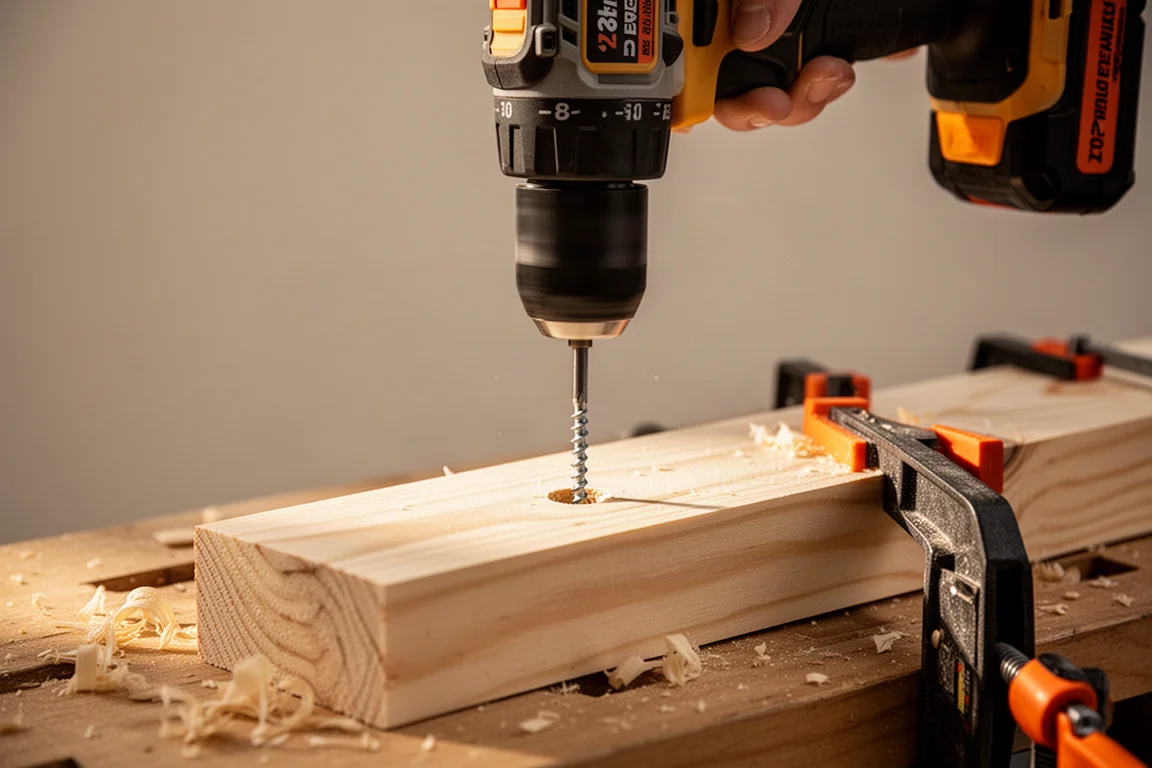
Use the right bit for the material. Standard twist bits handle most wood and drywall work, masonry bits are needed for brick and concrete, and larger holes call for spade bits, self-feeding bits, or hole saws. A handy sizing trick for pre-drilling: hold a drill bit against the screw and pick one just smaller than the screw body, so the threads still grip the wood. Set the bit depth to roughly the screw length so you know when the hole is deep enough, and pull the bit out to clear chips if it starts bogging down. Most household screws use a Phillips #2 driver bit, and using the wrong size risks stripping the screw head.
On batteries, amp-hours are essentially the fuel tank size: a 5.0Ah pack runs far longer than a 1.5Ah pack but adds size and weight, which matters for overhead work. Voltage matters less than you might think, since batteries only fit tools from the same platform anyway. New batteries often arrive nearly empty, so charge them fully before first use.
Buying Advice: Matching the Drill to Your Workload
The right drill depends on honest self-assessment. Weekend projects and picture hanging? The sub-compact class handles it without strain. Larger bits, bigger builds, or occasional masonry work? The mid-range hammer drill class is the sweet spot. Daily use, heavy abuse, or trade work? Pro-grade models earn their price. Do not worry too much about brand for your first few tools; prioritize a brand you can easily buy, service, and return locally, so future tool purchases and warranty support stay simple.
Conclusion
These three drills cover the full spectrum from first-tool buyer to job-site user. The Metabo HPT sub-compact is the affordable entry point, the Makita 18V hammer drill adds masonry capability at a standard size, and the Milwaukee M18 Fuel is the heavy-duty investment. Match the tool to the work you actually do, and any of them will serve you well.
Further reading
Related Reviews
Power Tools
Best 1-Inch Pistol Impact Wrenches: Three Heavy-Duty Options Compared
We compare three 1-inch pistol impact wrenches, from a budget-friendly Harbor Freight model to a premium Caterpillar unit, to help you choose the right one.
Power Tools
Best 3/4-Inch Impact Wrenches 2026: Five Contenders Compared
We compare five 3/4-inch impact wrenches across price and performance, from a budget Amazon option to Snap-on's most powerful model yet.
Power Tools
Best Budget Cordless Tools 2026: Walmart Finds That Punch Above Their Price
We tested five cordless tools from Walmart, including a high-torque impact wrench that trades blows with Milwaukee and a $35 duster that outperforms its price class.