Power Tools
Choosing the Right Cordless Drill: 12V, Sub-Compact and Hammer Drills Compared
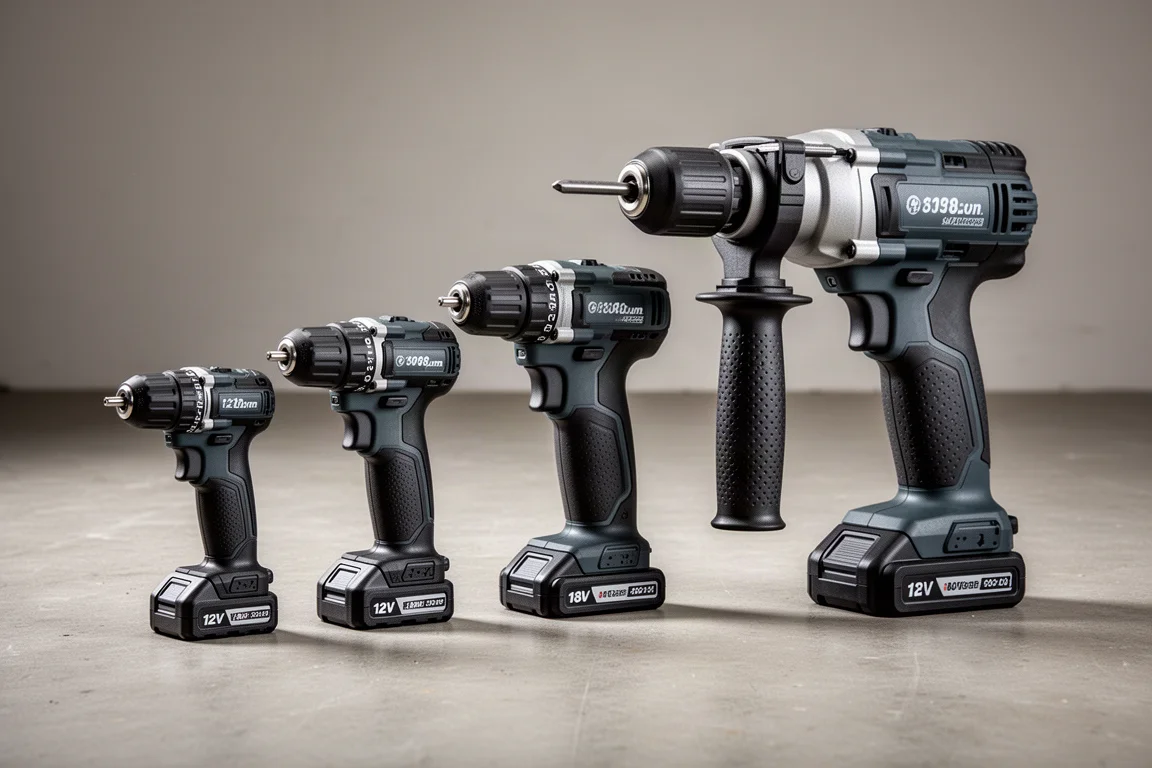
Four drills covering every power level, from a lightweight 12V for quick tasks to a hammer drill for masonry, and why owning more than one makes sense.
Introduction
Cordless drills come in more sizes and power levels than most shoppers expect, and picking the wrong one usually means either hauling an overweight tool around for light tasks or fighting a tiny drill through work it was never meant to do. This guide breaks down four very different drills across the size spectrum, explains where each one earns its place, and makes the case for why owning more than one drill is a genuinely practical setup rather than an indulgence.
Why Own Multiple Drills?
Different jobs demand different tools. Small pilot holes, cabinet hardware and light fastening work are far more comfortable with a small, light drill. Masonry, mixing and heavy structural work need the muscle of a larger machine. There is also a pure time-saver argument: having two or three drills each with its own bit ready to go removes the constant swap-and-chuck routine that slows down any project with repetitive holes.
Weight matters more than most buyers realize. A full-size drill inside a tight cabinet space is awkward at best, and the extra heft becomes tiring fast during overhead or precision work. Matching the drill to the task keeps projects moving.
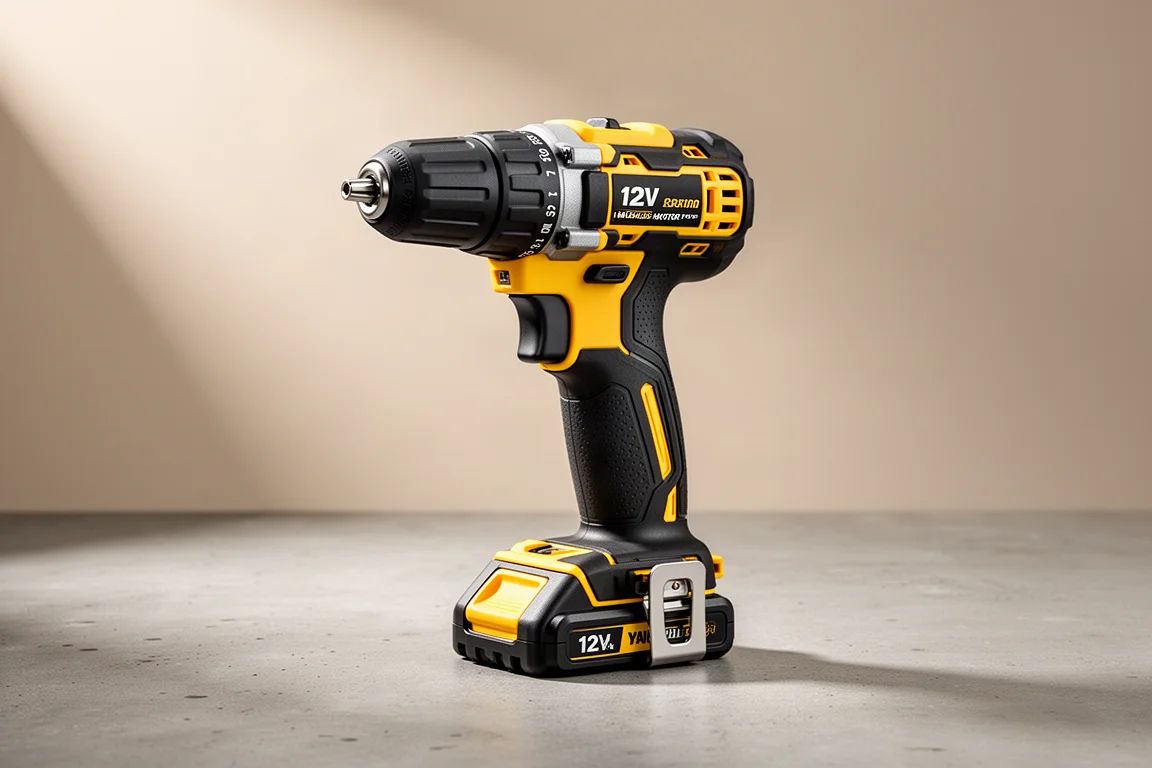
DeWalt 12V Extreme Brushless Drill
The DeWalt 12V brushless drill sits in the brand’s Extreme sub-compact series within its 12V line, and its role is clear: it is the grab-and-go tool. Kept in a truck for jobs at a client’s house, it handles quick pilot holes and small tasks on the spot. Most fastener work may still go to an impact driver, but for a quick hole when you need one, a 12V drill like this usually gets the job done.
Brushless motor efficiency and a genuinely compact body make it the kind of drill that disappears into a bag until the moment it is needed.
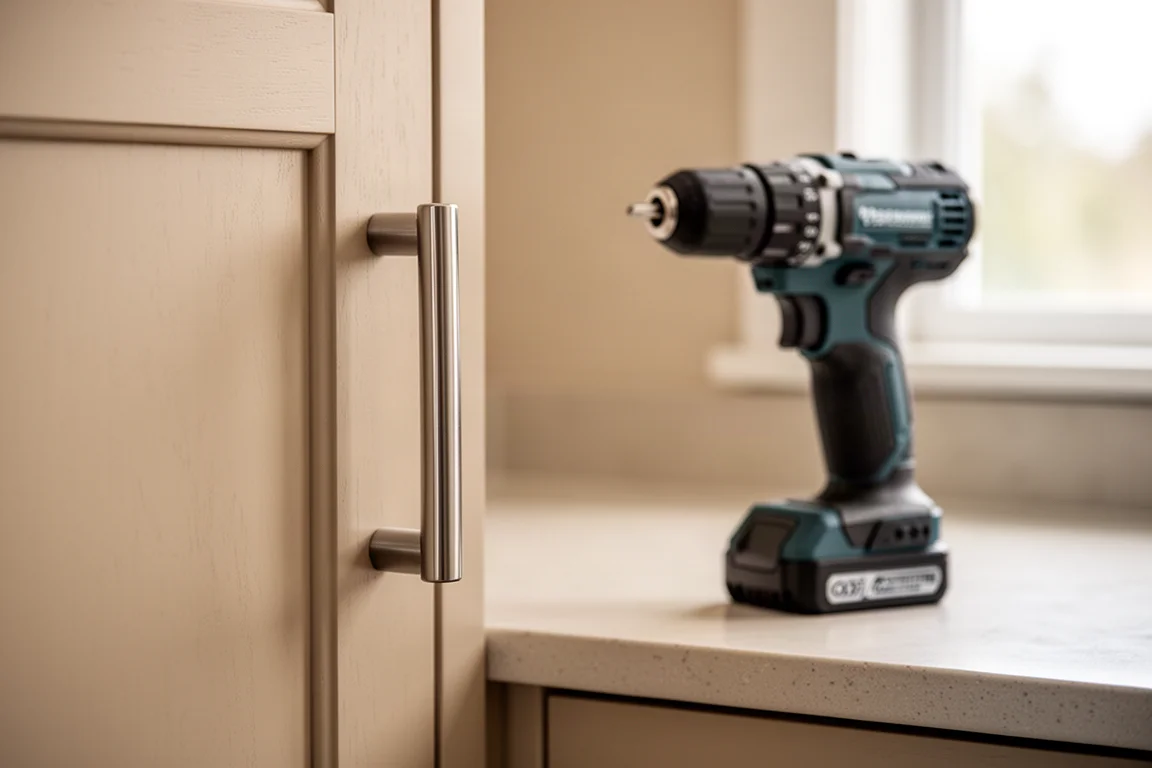
For light-duty drilling and portability, this is an easy recommendation.
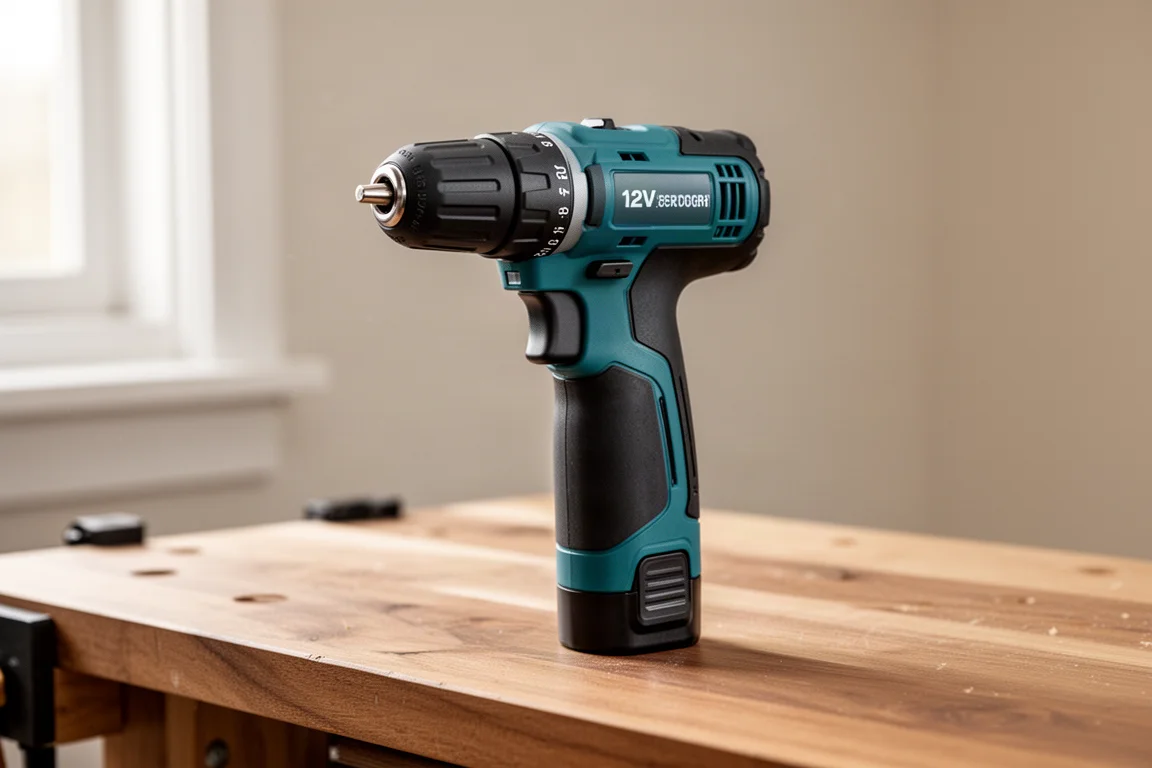
Makita CXT 12V Drill
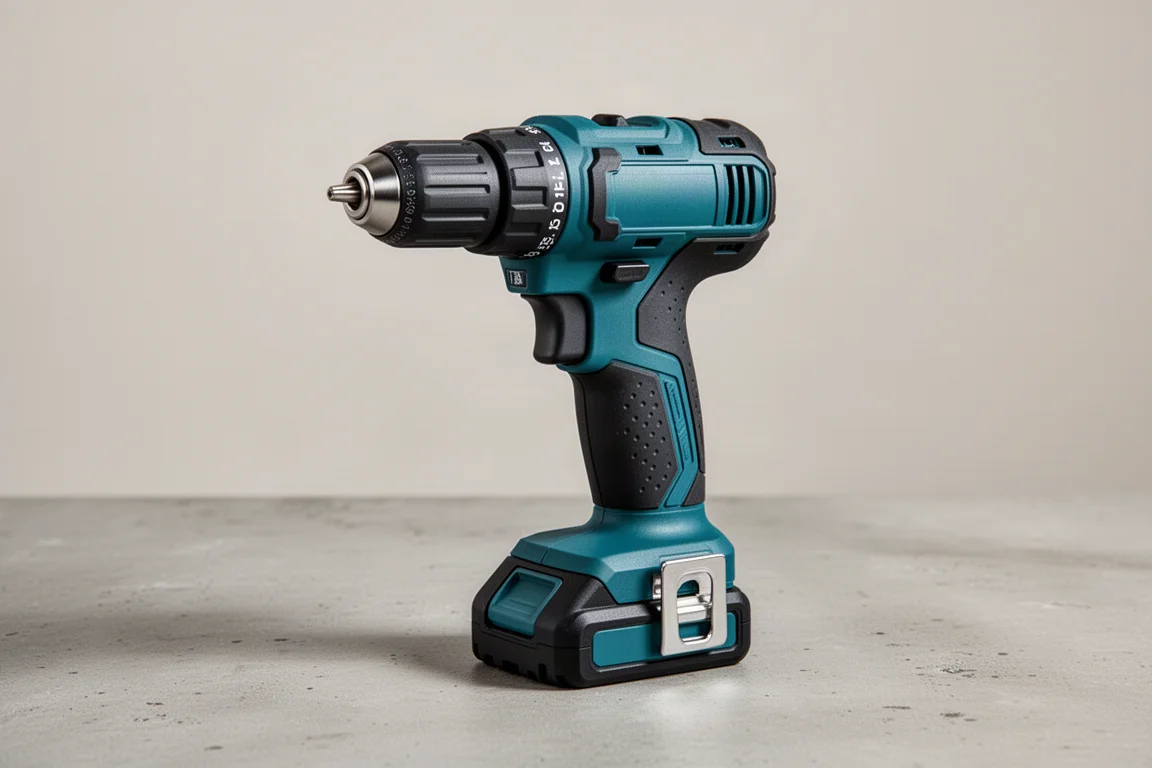
The Makita CXT 12V drill is the budget-friendly, keep-at-home option. It is a brushed model rather than brushless, and it runs a little longer in the body than many newer 12V drills since it is an older design, but it remains comfortable and easy to use.
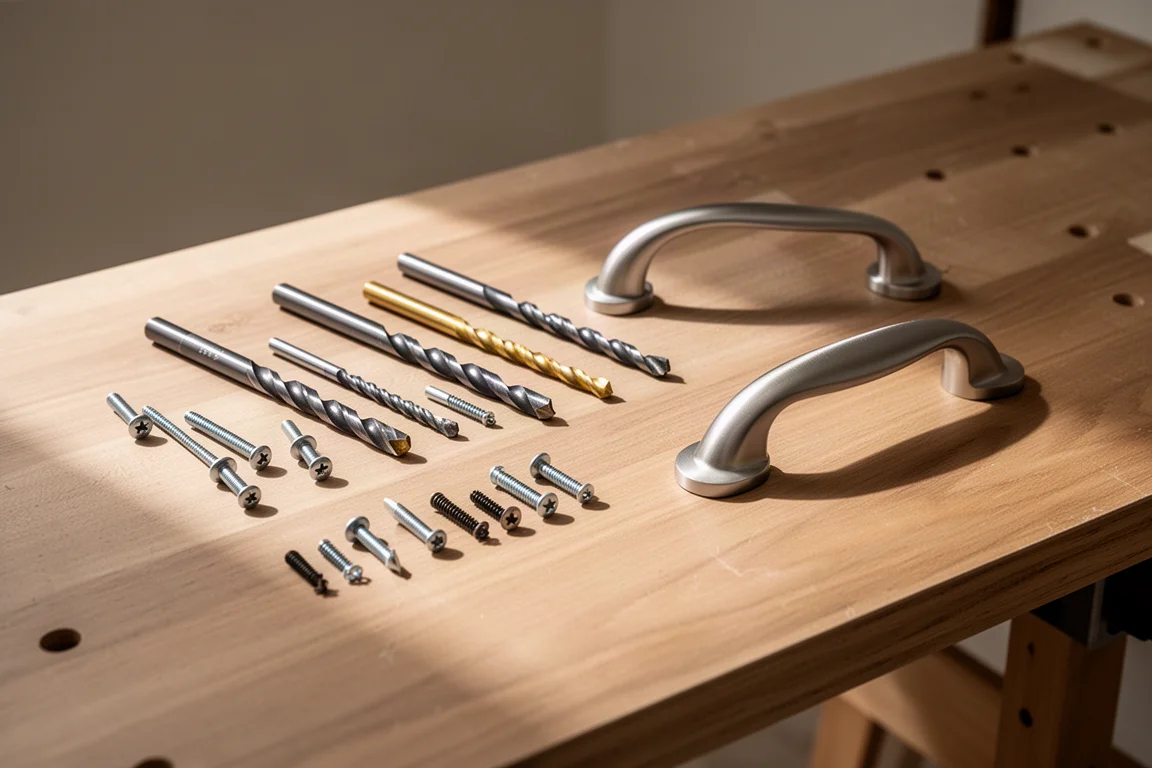
This is the drill for installing cabinet handles, drilling small holes under roughly a quarter of an inch, and any task where a big powerful drill would be overkill. Its light weight makes precise, small-diameter drilling genuinely pleasant.
One note from long-term ownership: a brushed motor is more of a wear item than a brushless one, and this unit did have an issue at one point that was resolved under warranty. Also worth knowing: newer Makita 12V models exist, but they do not always match the price of DeWalt’s 12V offerings, so cross-brand pricing is worth comparing before buying.
Makita Sub-Compact 18V Drill
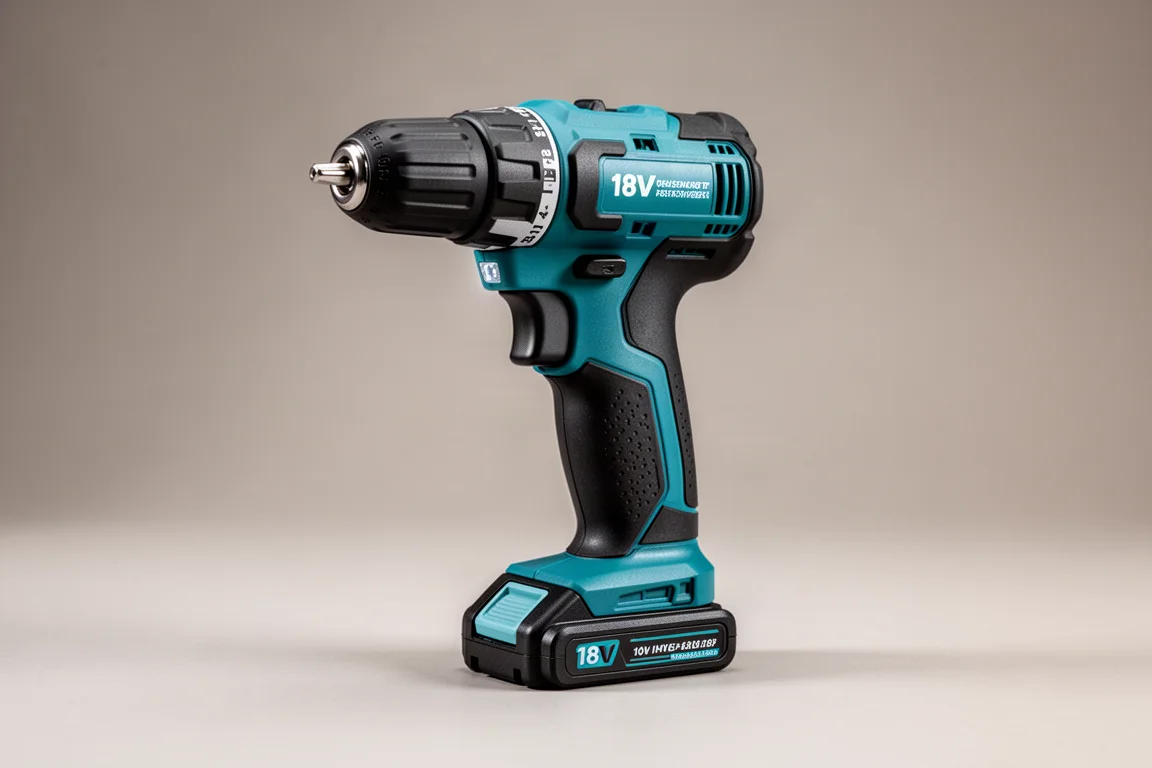
This is where the market has gotten interesting. Sub-compact drills have become a major push across brands, with Makita, DeWalt’s Atomic line, Metabo and Ridgid all playing in the category. The Makita sub-compact 18V drill is arguably the standout here: nearly the power of a standard 18V drill in a much smaller package.
The main difference compared to a 12V drill comes down to the battery size, and the 18V sub-compact is only slightly taller than Makita’s 12V offering. It drills a bit faster and a bit more powerfully while staying compact, which is why it has become a favorite for everyday use.
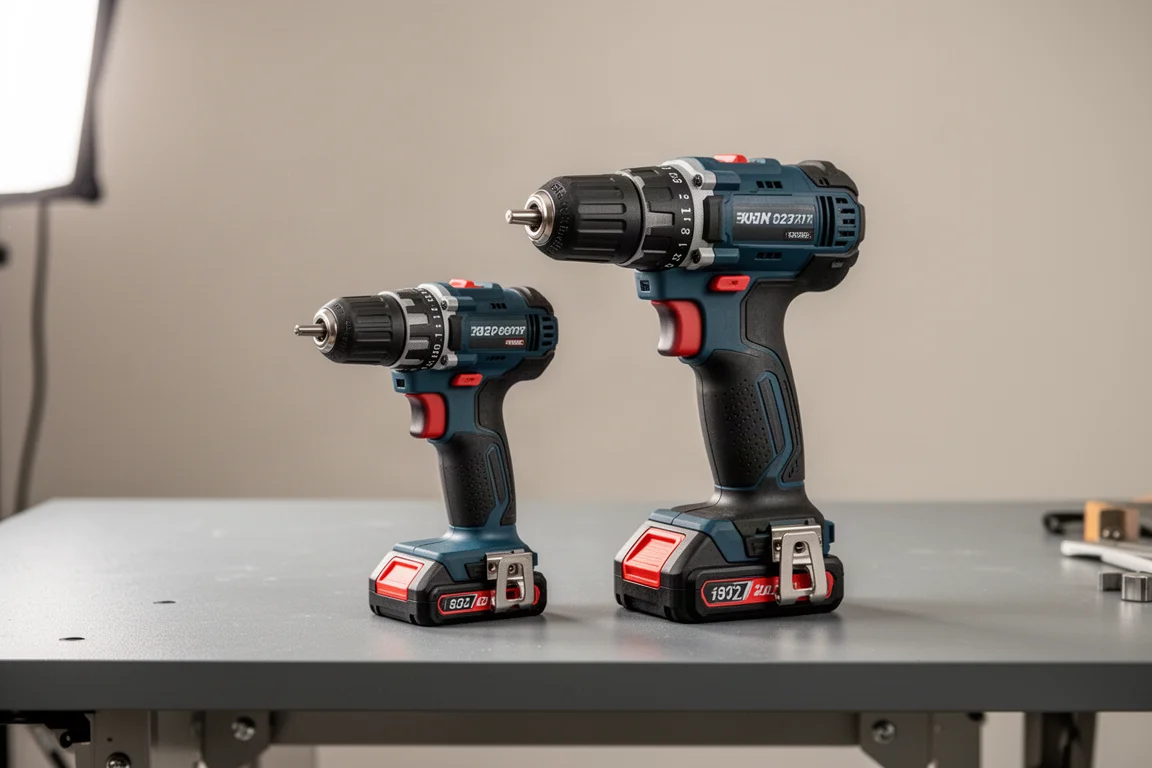
Pricing on sub-compact drills can also be surprisingly friendly, with lightly used and secondhand examples often available at very low cost, making this category one of the best value plays in the drill market right now.
Makita Hammer Drill
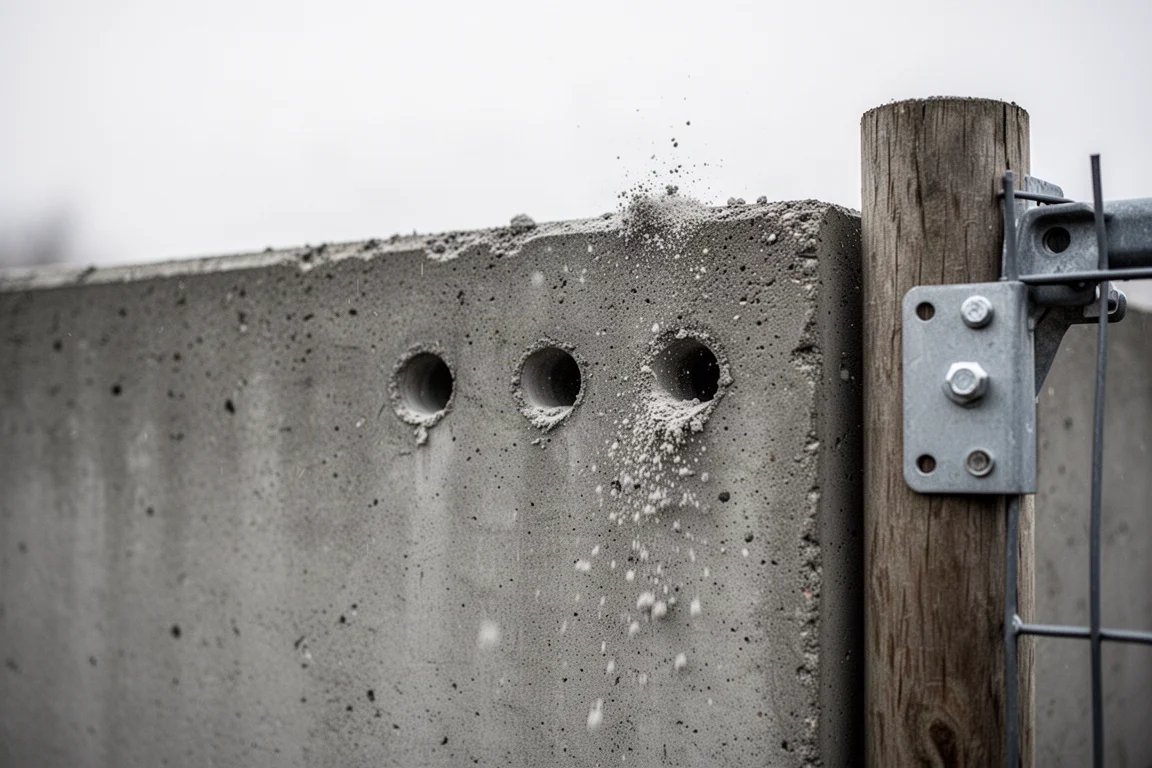
At the top of the size range sits the full-size hammer drill, and this Makita has proven its durability. It was recently used on a fence project to mix quikrete quickly and drill masonry holes, and it handled both without complaint. It is also the heaviest and largest drill here, which is exactly the trade-off you expect.
Warranty support matters at this level too. This unit needed a transmission replacement right out of the box because the chuck would never fully lock closed, and it was sorted under warranty. Since then it has held up well through concrete work.
DeWalt, Milwaukee and Makita all make solid hammer drills, and issues with any of the major brands are rare. One clear boundary: for very hard concrete and heavy masonry work, an SDS-style rotary hammer is the proper tool rather than a hammer drill.
Overall Buying Advice
The strongest takeaway is that size, power level and price should drive the choice more than brand loyalty. A compact 12V covers go-bag and light-duty duty, a sub-compact 18V covers most everyday drilling with far less bulk, and a full-size hammer drill earns its keep on masonry and mixing work. Compare prices across brands too, since one brand’s newer tool is often another brand’s much cheaper equivalent, and used or secondhand sub-compacts can be remarkably affordable.
Conclusion
No single drill does everything well. A small 12V for quick tasks, a sub-compact 18V for the sweet spot of power and size, and a hammer drill for the heavy jobs form a lineup that covers nearly any project. Building around two or three drills matched to real tasks saves time, reduces fatigue, and makes repetitive work far less tedious.
Further reading
Related Reviews
Power Tools
Best 1-Inch Pistol Impact Wrenches: Three Heavy-Duty Options Compared
We compare three 1-inch pistol impact wrenches, from a budget-friendly Harbor Freight model to a premium Caterpillar unit, to help you choose the right one.
Power Tools
Best 3/4-Inch Impact Wrenches 2026: Five Contenders Compared
We compare five 3/4-inch impact wrenches across price and performance, from a budget Amazon option to Snap-on's most powerful model yet.
Power Tools
Best Budget Cordless Tools 2026: Walmart Finds That Punch Above Their Price
We tested five cordless tools from Walmart, including a high-torque impact wrench that trades blows with Milwaukee and a $35 duster that outperforms its price class.