Power Tools
Best Cordless Die Grinders Compared: DeWalt, Milwaukee, Ryobi and Budget Options
Six cordless die grinders tested for power, size and real-world use, from the new DeWalt DCG422 to a $99 combo kit.
Introduction
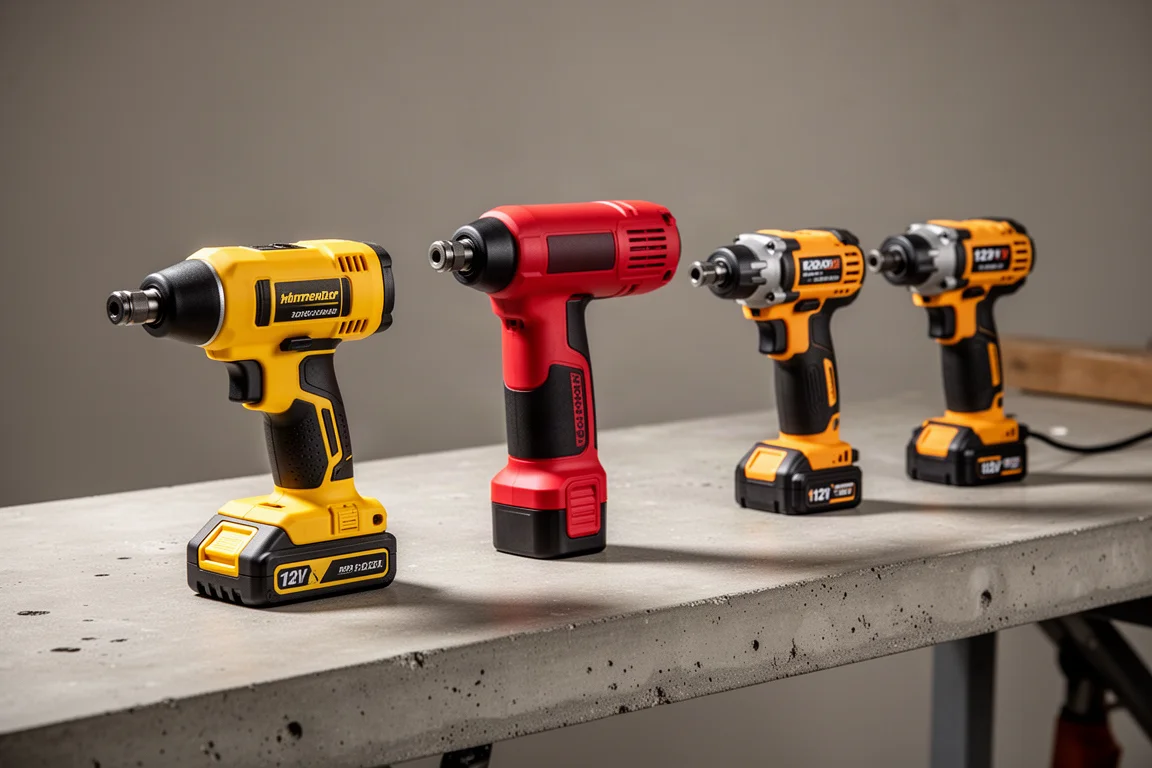
Cordless die grinders are a niche that has long been dominated by two big names, but a new challenger and a few budget newcomers make this an interesting moment to look at the whole field. DeWalt has entered the category for the first time with the DCG422, going after Milwaukee’s M12 3485 directly, while Ryobi, Hercules, Hyper Tough and a small brand called John’s Well offer alternatives at very different price points.
This roundup looks at how these six stack up on measured power, head size, usability and value.
Evaluation Criteria
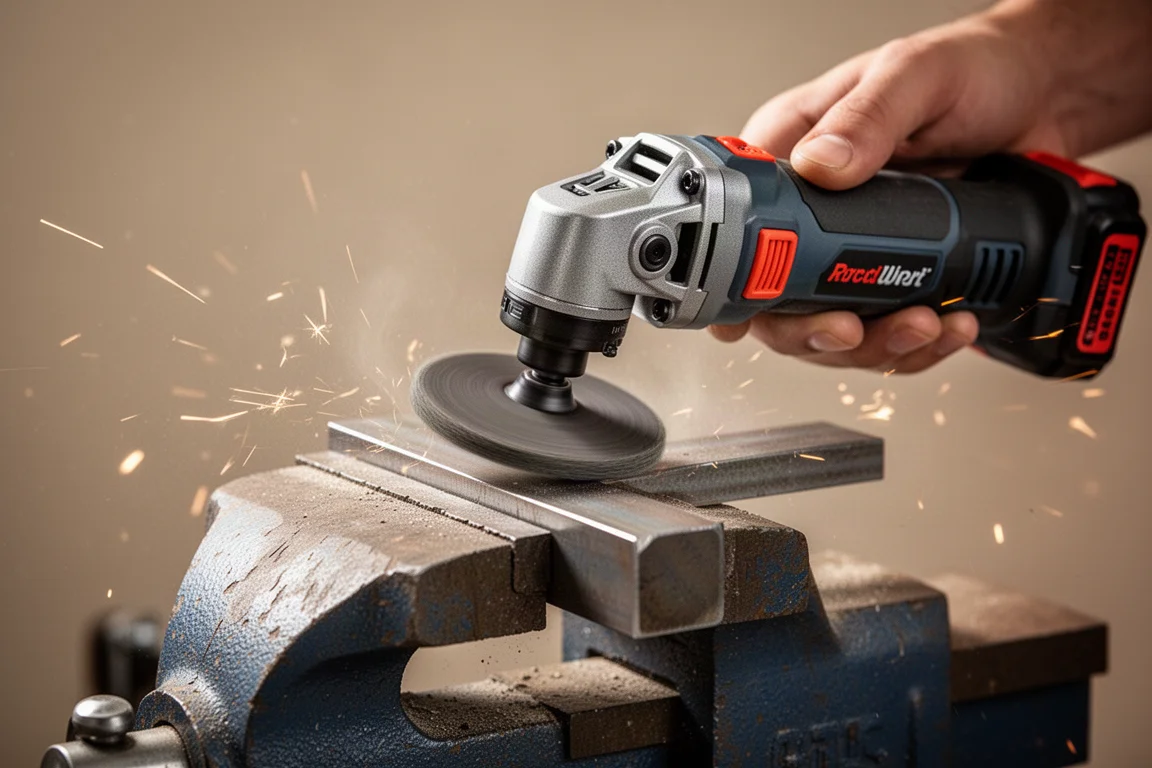
The comparison focuses on four things: peak power output under load, sustained power, speed under typical use, and practical size, especially at the head where the tool needs to fit into tight spots. Real-world task performance, such as removing paint or mill scale, also counts, even if it is more subjective.
Ratings are scored across weight and price as well, so a tool that wins on the dyno does not automatically win overall.
DeWalt DCG422: The New Head-Turner
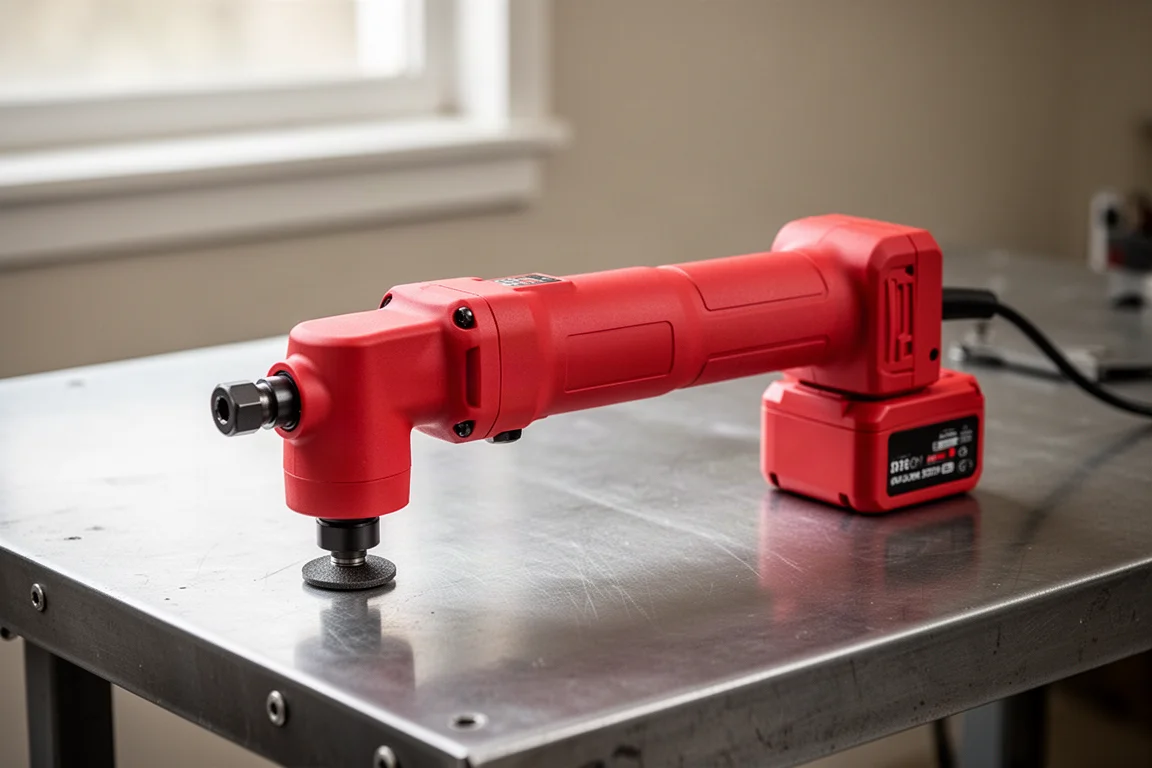
The DCG422 is DeWalt’s first right angle die grinder ever, and DeWalt itself claims it is 53% more powerful than Milwaukee’s 3485. It is a true right angle design with a genuinely small head, around 4.3 inches (110 mm) versus about 3 inches (76.7 mm) on the M12. It comes in at a hefty $249 and takes 20-volt slide-on batteries, including compact PowerStack packs.
On the dyno it delivers more than 20,000 RPM free speed, about 18,500 RPM under load with the PowerStack, and up to roughly 330 watts peak before cutting out. With the 3.5 Ah PowerStack it reaches about 19,000 RPM under load and up to 360 watts. Sustained output sits around 300 to 320 watts depending on the battery. It also has four power modes, a push-button collet lock and a bright ring light.

Milwaukee 3485 M12: The Forgiving Benchmark
Milwaukee’s second-generation M12 right angle die grinder is essentially a stout inline die grinder with a handle off the end, which helps keep vibration low by avoiding a bevel gear assembly. It is priced around $229 and scores about 750 cc in overall volume.
On the dyno it produces similar under-load RPM to the DeWalt but peaks at lower output, roughly 160 to 200 watts class of performance rather than 330. Where it shines is forgiveness: you can load it up and down heavily without it cutting out, letting it be pushed much harder in actual use than the numbers alone suggest. It is also physically smaller at the head and easier to maneuver around a workpiece.
Ryobi: The Quiet Value Champion
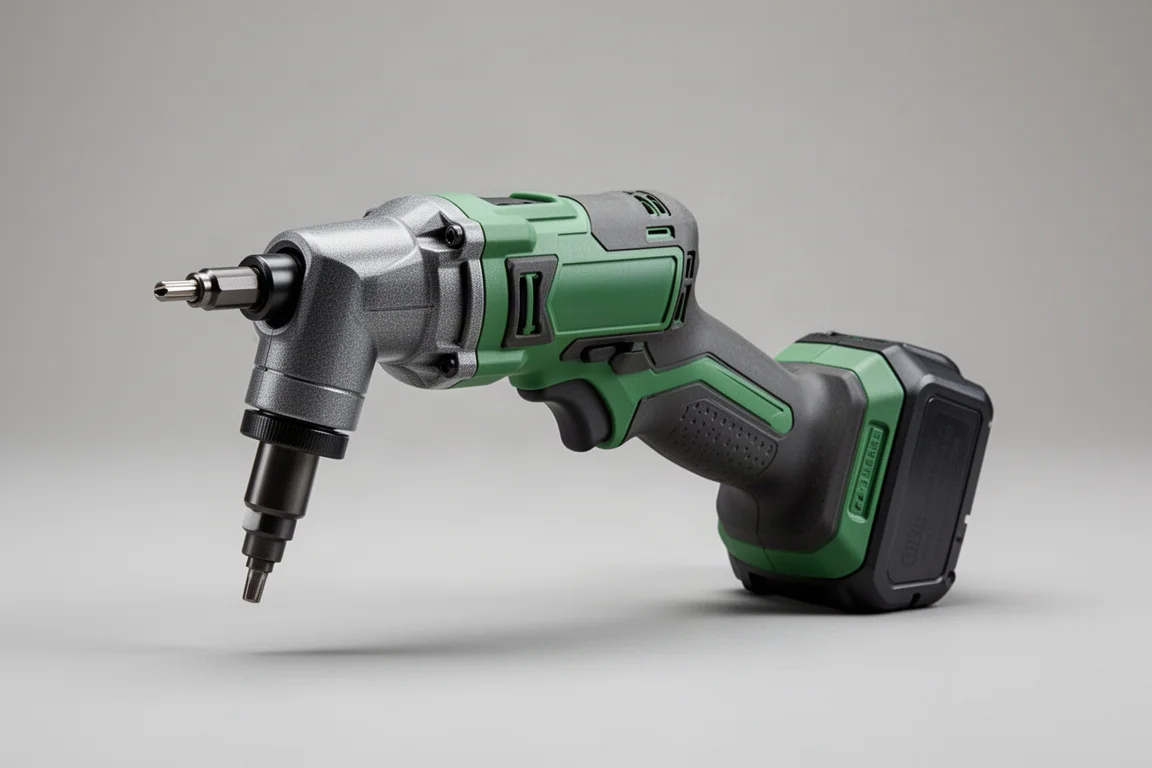
The existing Ryobi 18V right angle die grinder has been out for years, and it still tops this field. With a slim 4 Ah battery it delivers an impressive 20,900 RPM under load and a full 390 watts peak, beating both DeWalt and Milwaukee on raw output.
It costs around $100 from some retailers, roughly two and a half times less than the DeWalt, making it the lowest-cost 18V/20V cordless option in this group. Its pistol-style grip feels natural in hand even if the overall shape is somewhat chunky. If raw performance per dollar is your priority, this is the tool that still leads the rankings.
Real-World Use: The Fine Print Matters
Peak numbers do not always translate to how a tool feels in hand. Using surface prep discs to strip paint, the DeWalt’s protective cut-out behavior shows up: it has a hair trigger when bogged down and will cut out if RPM briefly dips below around 15,000, even for a split second.
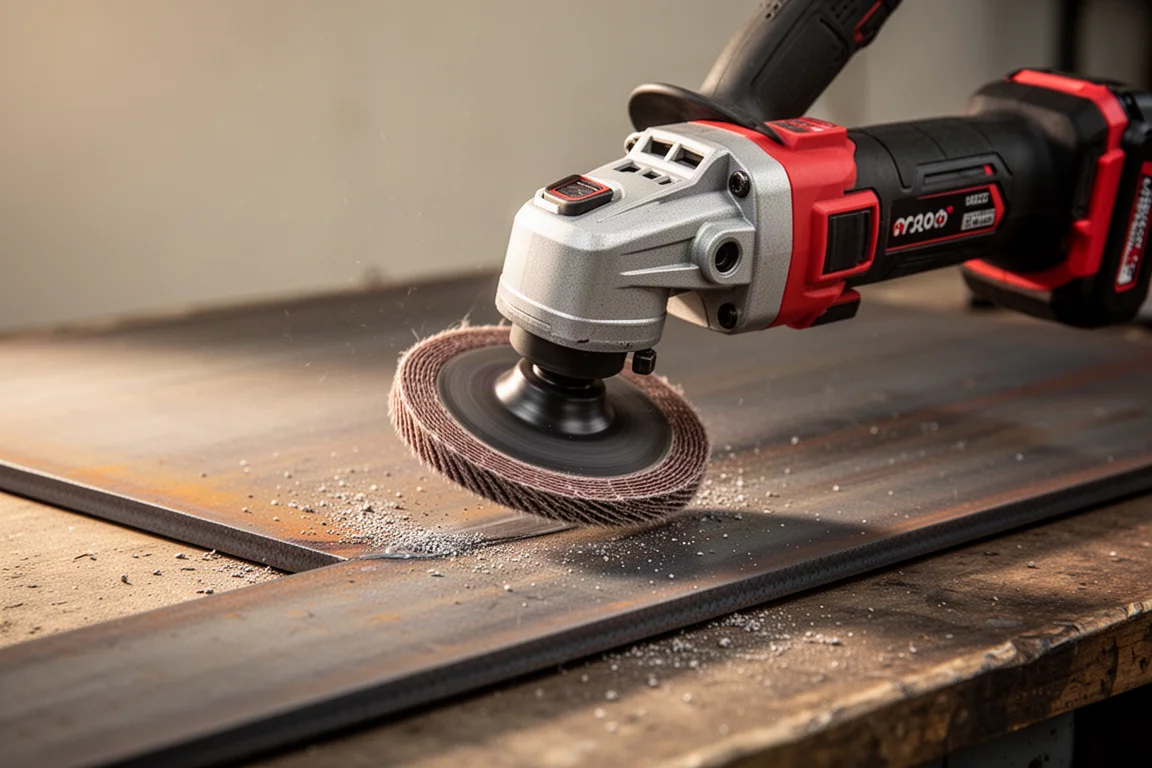
The result is that despite measuring higher on the dyno, the DeWalt often takes longer to finish a task than the M12, which has learned from earlier Milwaukee models and is much more tolerant of heavy loading. Milwaukee’s first versions behaved similarly, and that generation 2 refinement is obvious in use.
Hercules and Hyper Tough: The Budget Alternatives
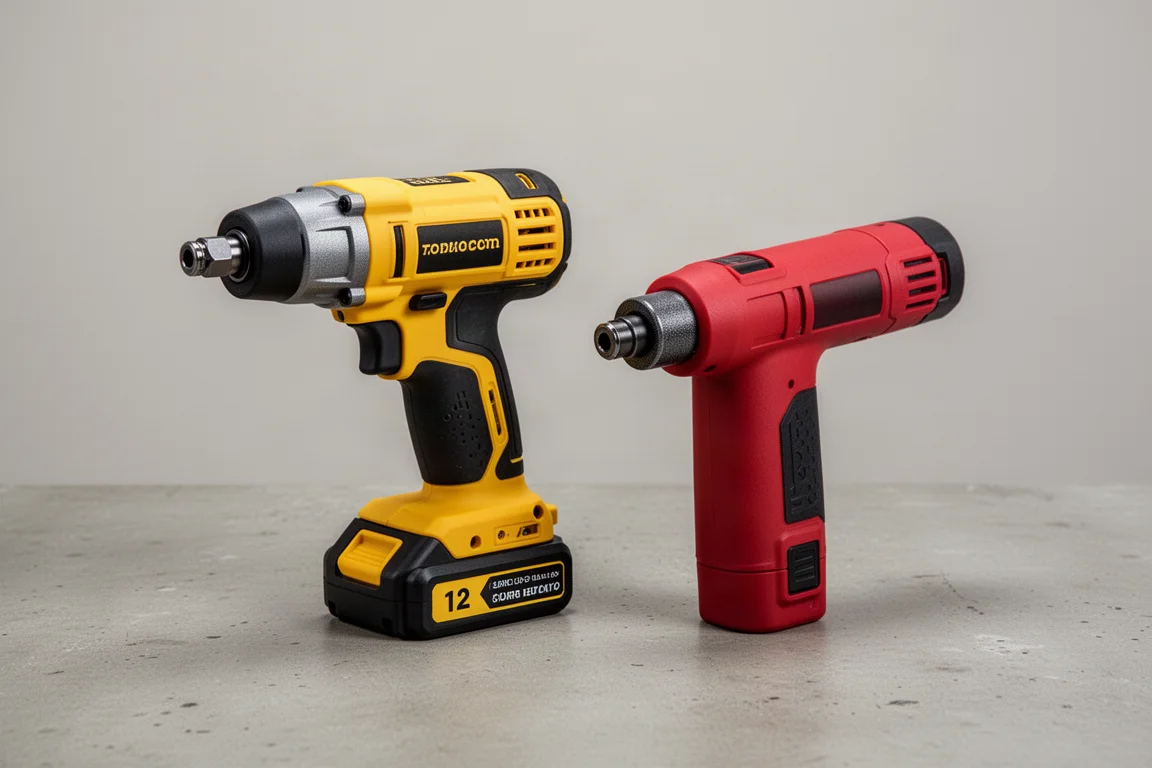
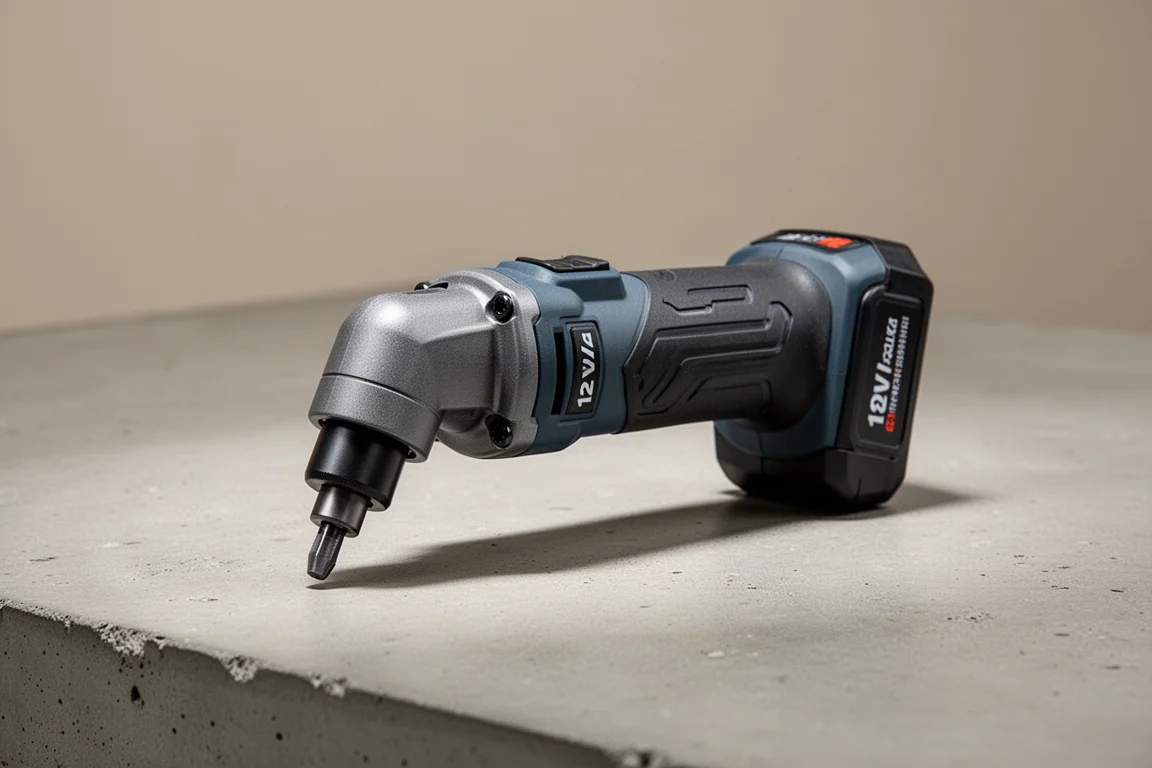
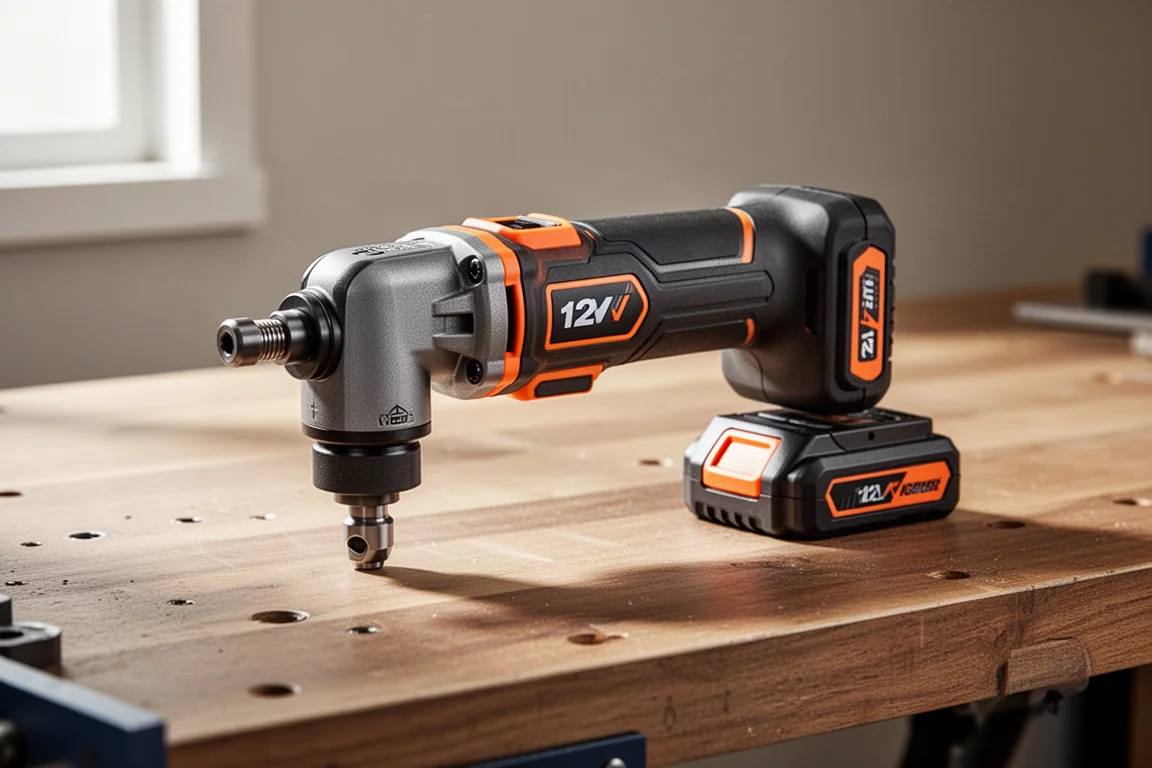
Both Hercules and Hyper Tough offer 12V right angle die grinders aimed at more casual users. They are true right angle designs, which tends to be the more useful layout for vehicle work, and they perform credibly for their price class.
The Hyper Tough notably completes a timed task in 279 seconds, faster than most of the field, while the Hercules remains a solid similarly-priced option. Neither competes with the 18V/20V tools on power, but for occasional use they cover the basics without a premium price.
John’s Well Combo Kit: A Clever Idea That Needs a Better Motor
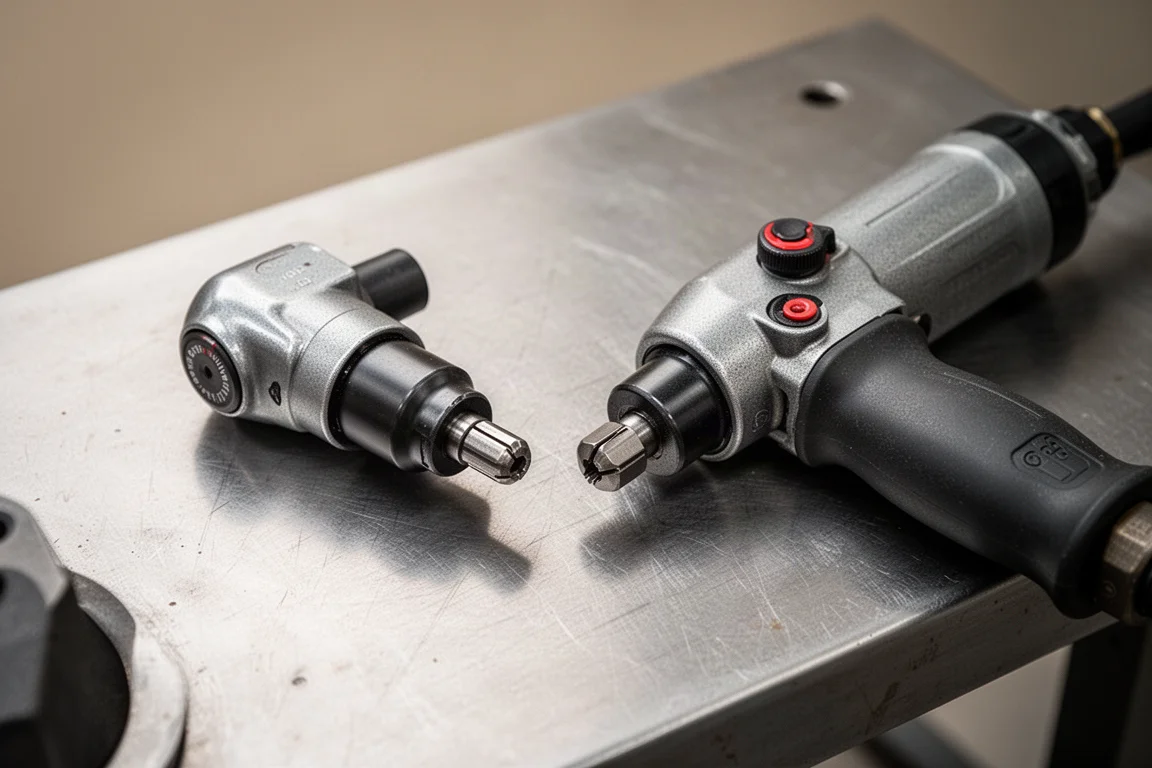
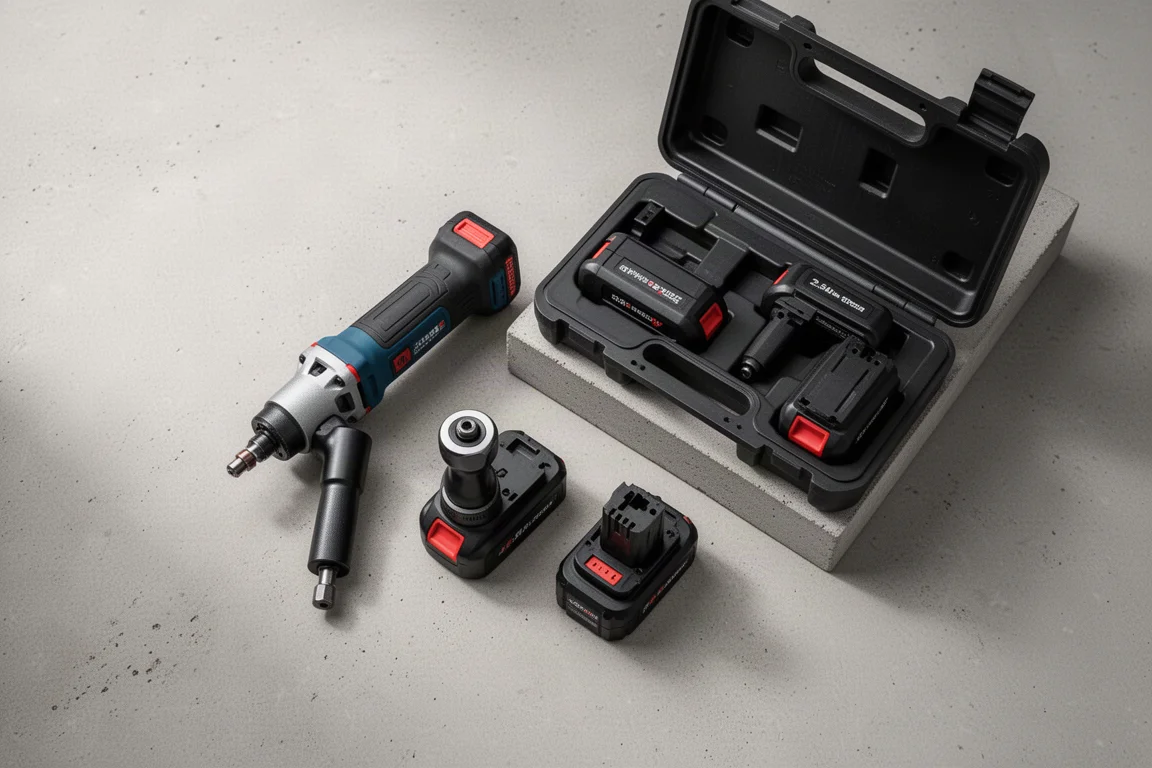
For $99 you get a case full of gear: a straight die grinder and ratchet combo that uses one 18,000 RPM class brushless motor to spin both a die grinder collet and a ratcheting pawl mechanism, plus two 2.5 Ah batteries. It ships with a 6 mm collet rather than a 1/4 inch one, which is workable but fiddly.
Measured performance trails the field: about 10,800 RPM under load, 150 watts peak, and 120 watts sustained, with a notably delayed trigger. As a ratchet it managed 23 ft-lb and finished a timed task in 301 seconds, nearly the slowest recorded. It is tough to break by hand, though, and the concept of one motor serving multiple tool bodies is genuinely appealing. With a stronger motor and larger battery option, this idea could be excellent. For now, it scores near the bottom.
Buying Advice
If you want maximum measured power for the money, the Ryobi remains the pick. If you want the smallest head for tight access and the most forgiving in-use behavior, the Milwaukee M12 3485 is the strongest all-rounder. The DeWalt DCG422 makes sense if you are already in the 20V DeWalt battery ecosystem and need genuine power at the smallest head size available, but expect the cut-out quirks until firmware updates address them. For occasional jobs on a budget, the Hercules or Hyper Tough 12V tools get the job done, and the John’s Well kit is worth watching for future generations.
Conclusion
The cordless die grinder market is finally getting competitive. DeWalt’s entry pushes the category forward with real measured power, Milwaukee’s refinement makes it the most pleasant to actually use, Ryobi still wins on value, and the budget tier keeps expanding. Matching the tool to your battery ecosystem and typical workload matters more than any single dyno number.
Further reading
Related Reviews
Power Tools
Best 1-Inch Pistol Impact Wrenches: Three Heavy-Duty Options Compared
We compare three 1-inch pistol impact wrenches, from a budget-friendly Harbor Freight model to a premium Caterpillar unit, to help you choose the right one.
Power Tools
Best 3/4-Inch Impact Wrenches 2026: Five Contenders Compared
We compare five 3/4-inch impact wrenches across price and performance, from a budget Amazon option to Snap-on's most powerful model yet.
Power Tools
Best Budget Cordless Tools 2026: Walmart Finds That Punch Above Their Price
We tested five cordless tools from Walmart, including a high-torque impact wrench that trades blows with Milwaukee and a $35 duster that outperforms its price class.