Power Tools
Best Cordless Die Grinders: Metabo HPT, DeWalt, and Milwaukee Compared
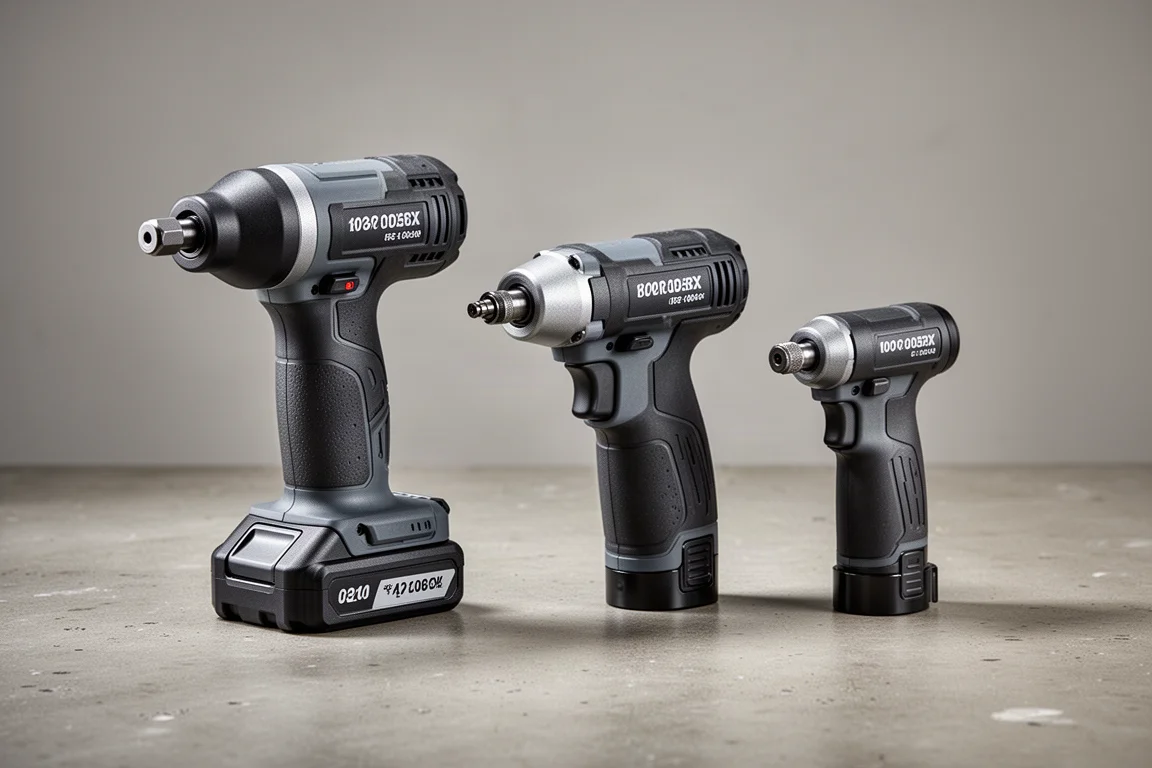
Three cordless die grinders covering different workshop needs, from a variable speed workhorse to compact M12 thread-chasers and a right-angle option.
Introduction
Die grinders are one of those tools that quietly earn their spot in the shop. They clean up welds, fix damaged bolt threads, strip rust, and reach places an angle grinder simply cannot. Over time, three cordless models have settled into a clear routine here: a Metabo HPT die grinder with a slide lock-on switch and five speeds, a DeWalt trigger-operated variable speed model, and a Milwaukee M12 setup that covers small-bolt thread repair and right-angle gasket work.
Each one solves a different problem, and the differences matter more than the spec sheets suggest. Here is how they compare for real workshop use.
Quick Comparison
All three run on their respective battery platforms, so the right choice often comes down to the tool family you already own. The Metabo HPT is the large, heavy-duty option with a side lock-on switch and auto mode. The DeWalt is similarly large but uses a variable speed trigger that makes it exceptionally easy to control. The Milwaukee M12 lineup is the compact choice, available in straight and right-angle bodies for tight work.
Metabo HPT Cordless Die Grinder: The Big Variable Speed Option
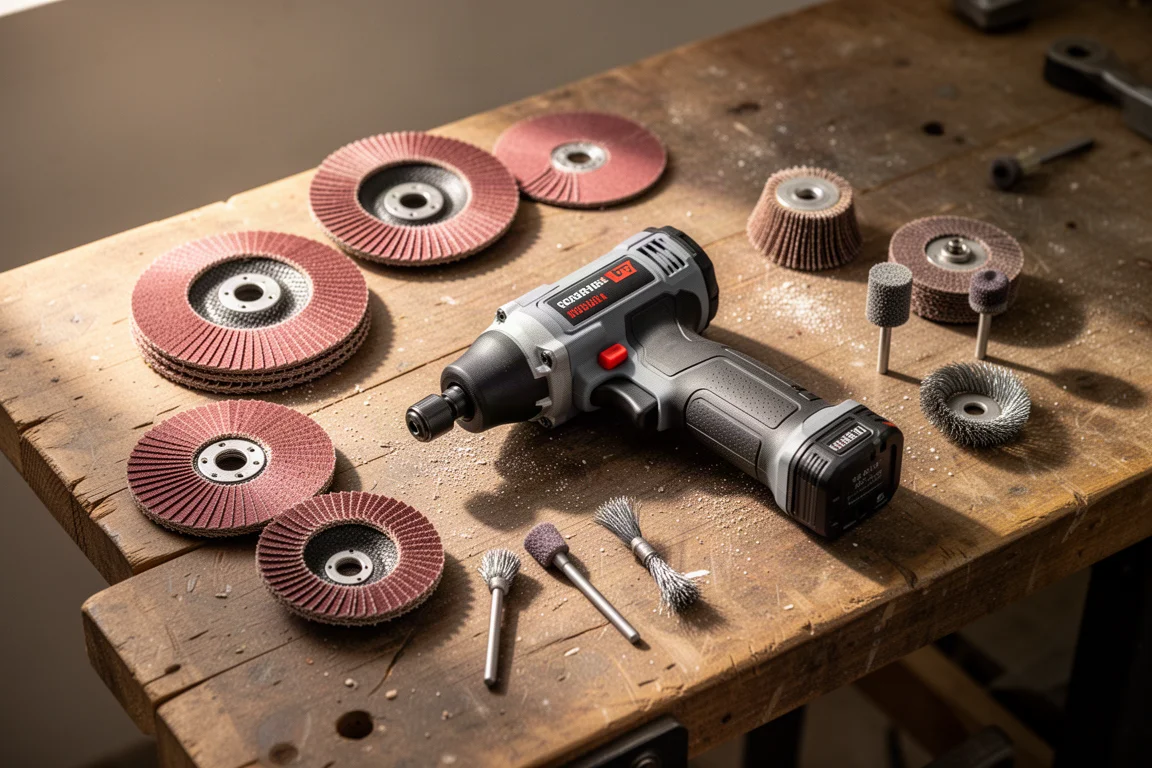
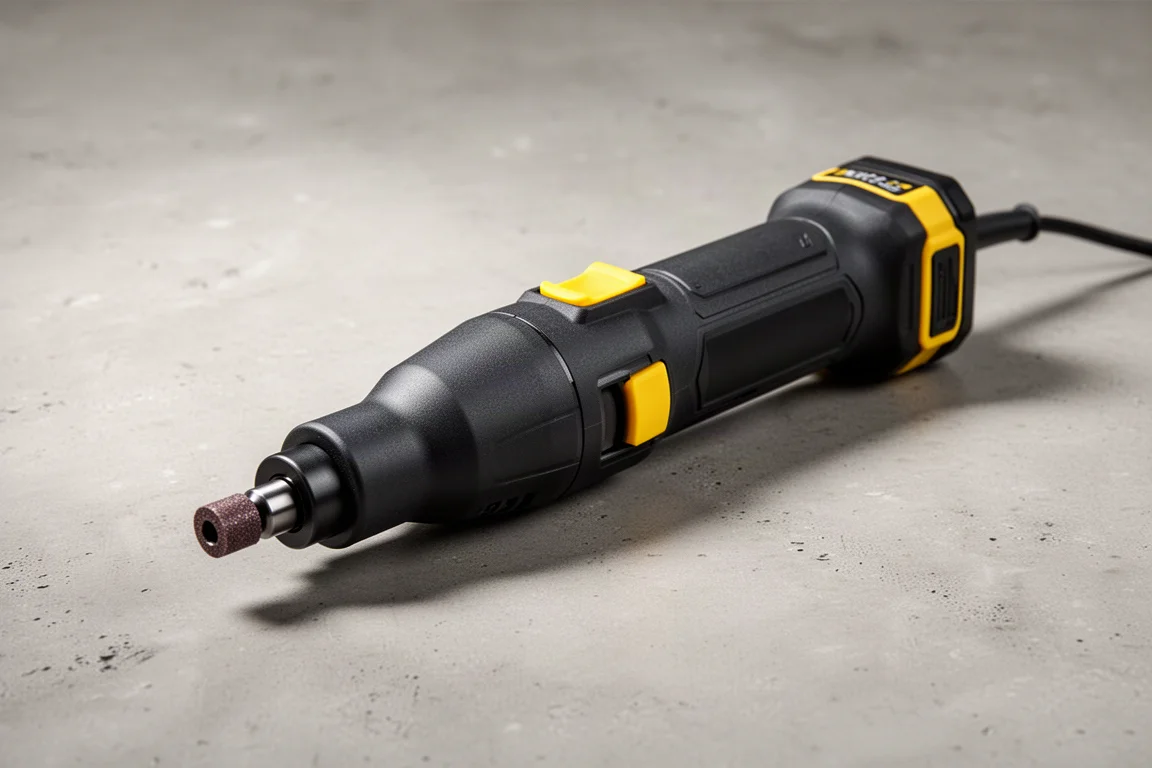
The Metabo HPT cordless die grinder is a full-size model with a side lock-on switch and five speed settings ranging from 7,000 up to 29,000 RPM. There is also an auto mode that starts at 15,000 RPM and ramps up to 29,000 when it detects load, which is genuinely useful for easing into a cut and letting the tool respond to pressure.
It has plenty of power on tap. With a flap disc on a flat surface it delivers all the power you need, and at the lower speeds it is very controllable. The grip is flexible too: the switch can be used on either side, and the slender barrel lets you grab it in whatever way suits the job, with a piece at the base that protects the battery when you set it down on something hot.
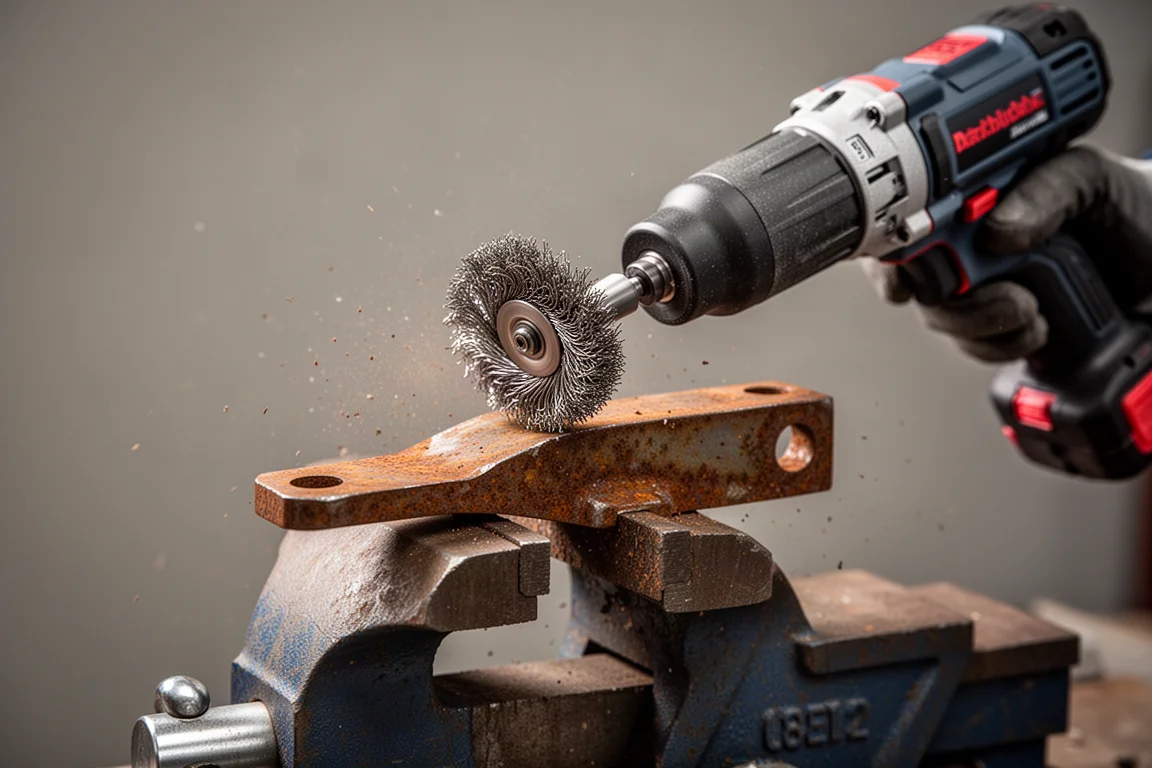
Two caveats stand out. First, it will not stand up on its battery, whether the smaller 18V pack or the larger 36V one, so you set it down rather than prop it up. Second, and more importantly, the soft start on the brushless motor can be fussy with large accessories. With a larger wire wheel at the maximum recommended diameter, the tool repeatedly cut out on startup and required repeated attempts to get going at low speeds. Smaller accessories start without issue, and speeds one through three work fine, but if your main use case is large wire wheels, this is worth knowing before you buy.
DeWalt Die Grinder: The Trigger Control Favorite
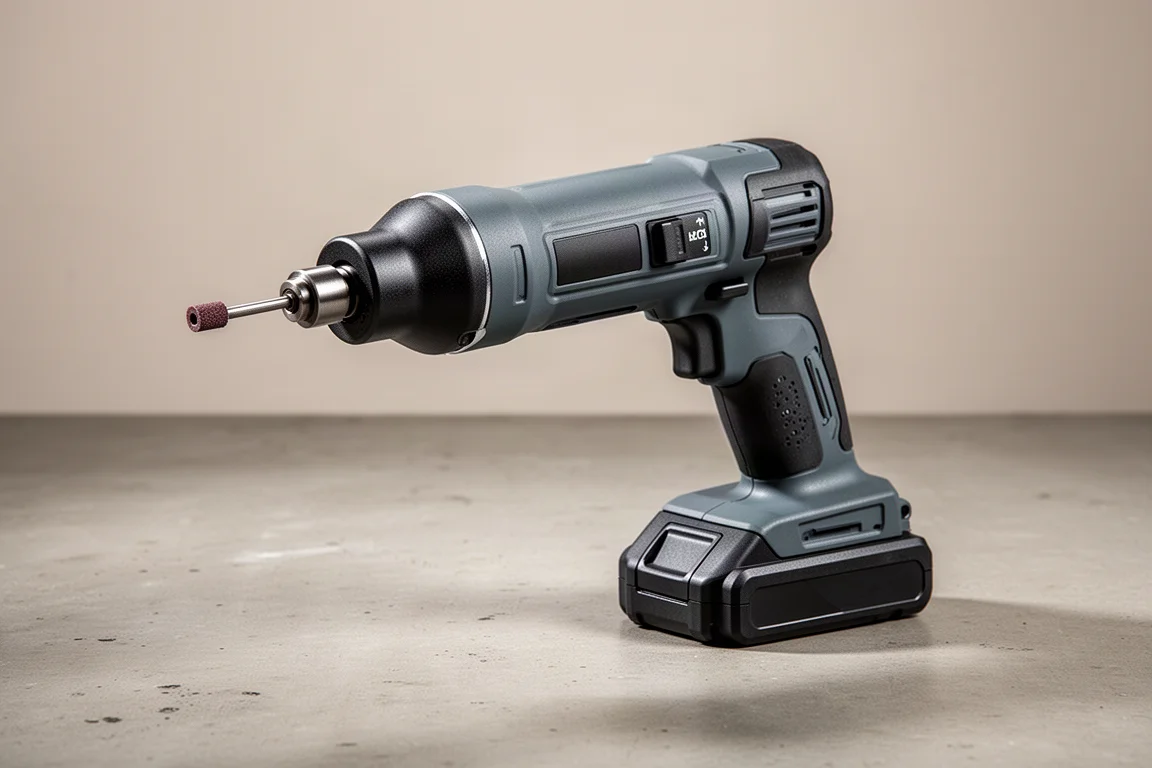
The DeWalt die grinder is a variable speed trigger model, and that trigger is the reason it stays on the bench constantly. Low RPM control is excellent: you can ease the accessory onto the work and just scrape along with zero issue, which is exactly what you want when clearing material in tight spots.
It is a similarly large tool to the Metabo HPT, so it is not the choice for tiny spaces, but it is a little more heavy-duty in feel and has proven itself over years of use, particularly on older cars. The one real complaint is the safety switch that has to be pushed over before the trigger will pull. In a tight spot where you are repositioning constantly, that extra step is a genuine annoyance.
Everything else about it is easy to love. It is controllable, comfortable, and the variable speed trigger makes it forgiving across a wide range of accessories.
Milwaukee M12 Die Grinder: The Compact Problem Solver
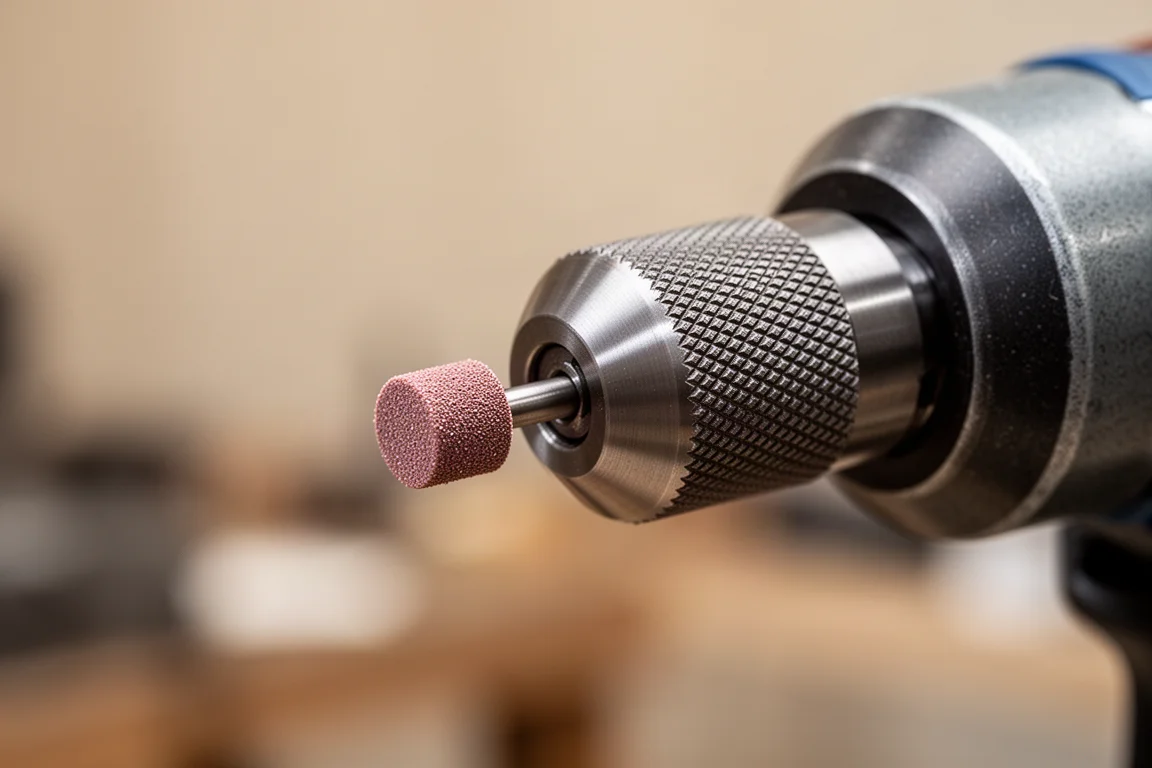
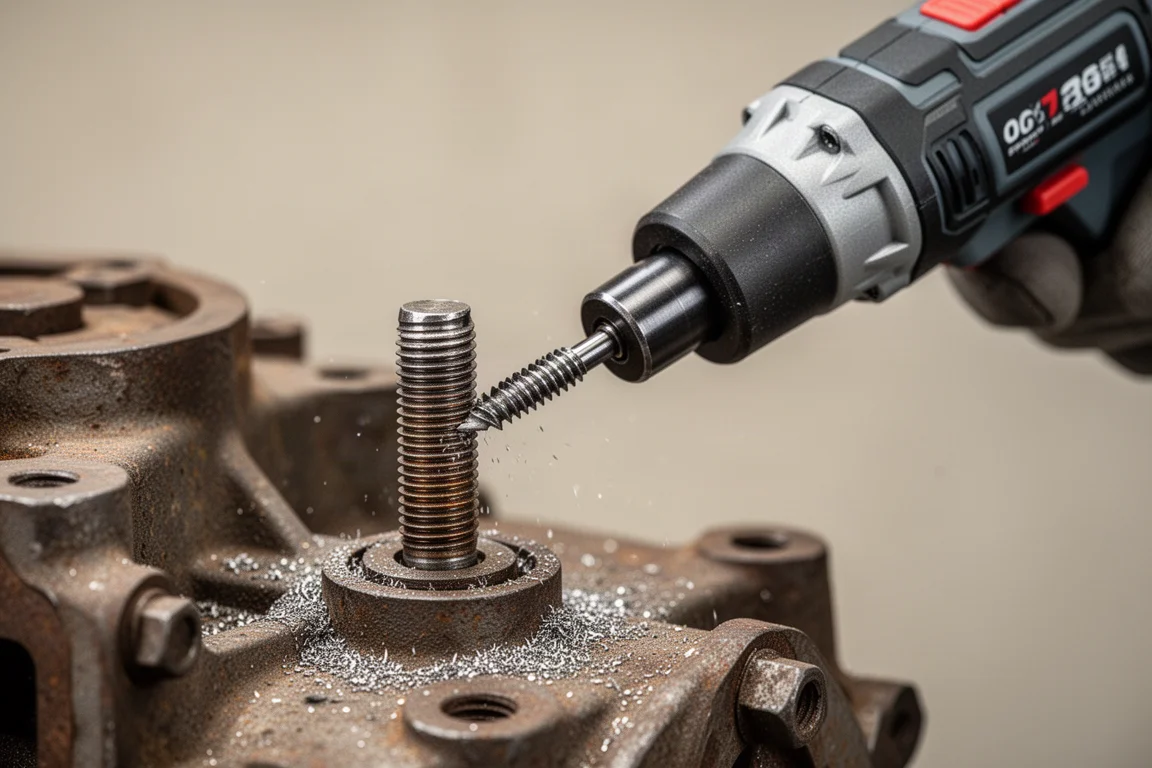
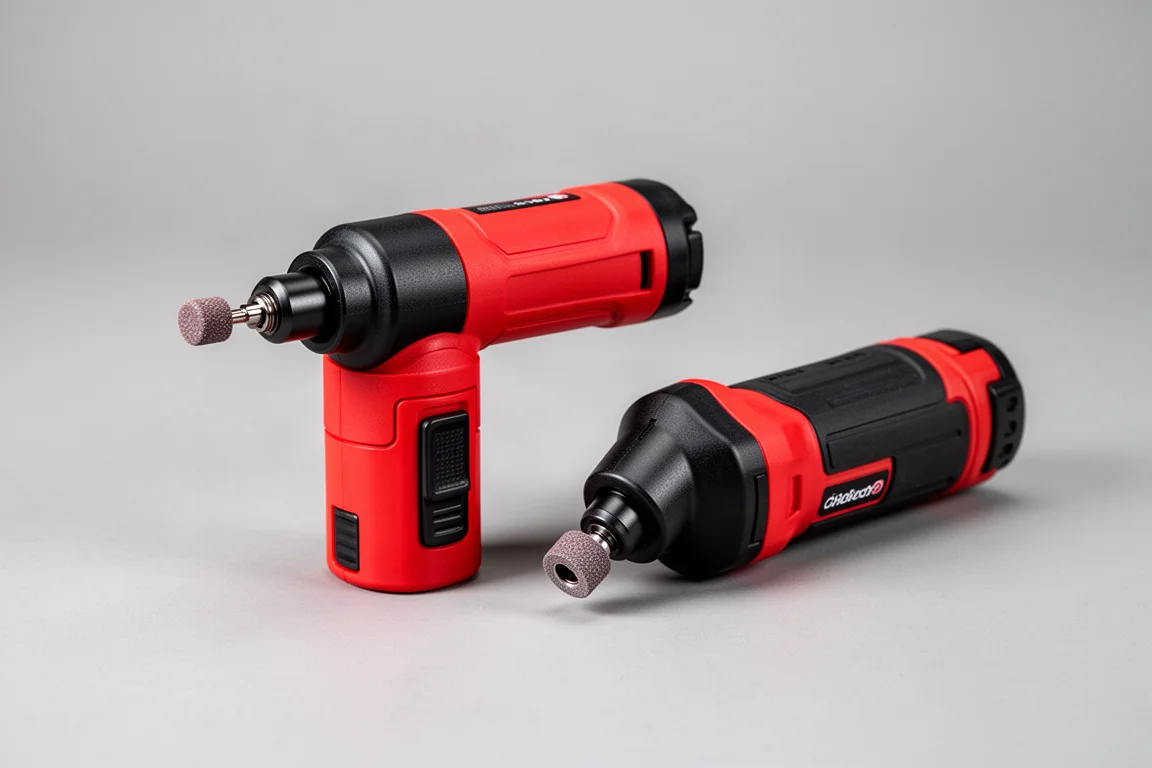
The Milwaukee M12 lineup changed the game for small die grinder work, and it is hard to imagine working without it. The straight-body M12 model is the go-to for fixing damaged bolt threads, and a smaller version covers smaller bolts and tighter threads. With a coupler or adapter, the collet can be stepped down to a smaller size to fit different accessories.
There is a right-angle M12 version as well, which is the preferred tool for taking off gaskets. The Rolock-style attachment system lets you screw pads on and off, including different Scotch-Brite pads, so one tool covers a whole range of surface prep jobs.
The trade-off at this size is low-speed behavior. At level one with a large accessory, the M12 can hit its cutout, so you need to bring the speed up to keep it running. With a finger you can almost stall the spindle, which is normal for tools in this class with a soft start. For small and medium work it is invaluable; for heavy accessories, the bigger grinders are better suited.
What to Check Before Buying
Match the grinder to the accessories you actually use. If your work involves large wire wheels for rust removal and weld cleanup, be aware that soft-start electronics on some cordless models can refuse to start heavy accessories at low speeds, as seen with the Metabo HPT and its maximum-diameter wire wheel. If you need fine low-speed control for scraping and light work, a variable speed trigger like the DeWalt’s handles that beautifully.
Also think about platform lock-in. If you are already in the Metabo HPT line, staying in it gives you a die grinder without adding a new battery family. Metabo HPT also offers a paddle switch model in this class, but it is not variable speed, and variable speed matters because it lets you run a much wider variety of accessories safely.
Conclusion
Each of these grinders earns its place. The DeWalt is the easiest to control thanks to its variable speed trigger, marred only by the safety switch. The Metabo HPT brings five speeds, auto mode, and lock-on convenience in a big-bodied tool, with a soft-start quirk around large wire wheels to be aware of. The Milwaukee M12 family is unbeatable for compact thread repair, gasket removal, and right-angle work. Pick based on your accessory sizes and the battery platform you already own, and any of the three will handle a serious share of shop work.
Further reading
Related Reviews

Power Tools
Best 1-Inch Pistol Impact Wrenches: Three Heavy-Duty Options Compared
We compare three 1-inch pistol impact wrenches, from a budget-friendly Harbor Freight model to a premium Caterpillar unit, to help you choose the right one.

Power Tools
Best 3/4-Inch Impact Wrenches 2026: Five Contenders Compared
We compare five 3/4-inch impact wrenches across price and performance, from a budget Amazon option to Snap-on's most powerful model yet.

Power Tools
Best Budget Cordless Tools 2026: Walmart Finds That Punch Above Their Price
We tested five cordless tools from Walmart, including a high-torque impact wrench that trades blows with Milwaukee and a $35 duster that outperforms its price class.